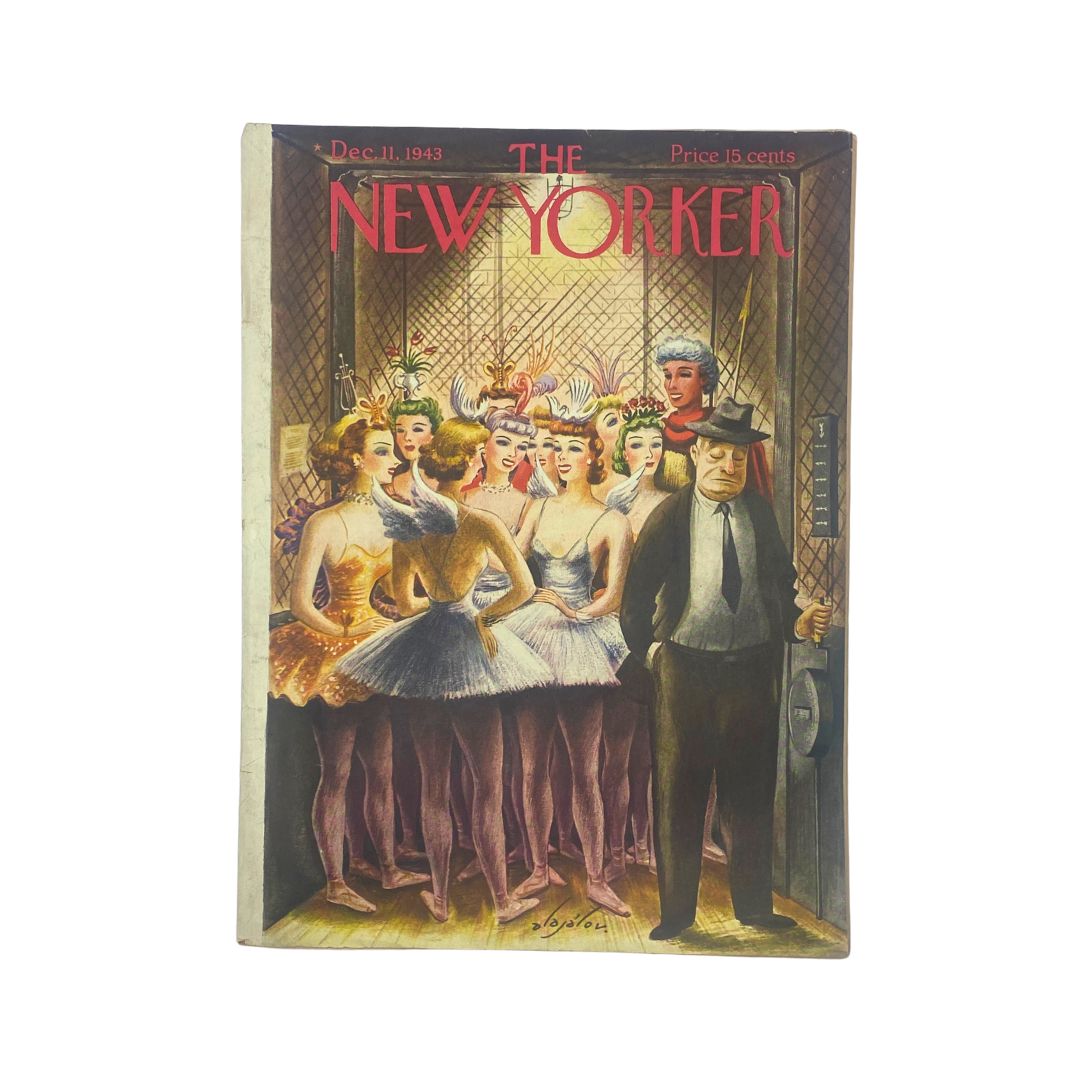
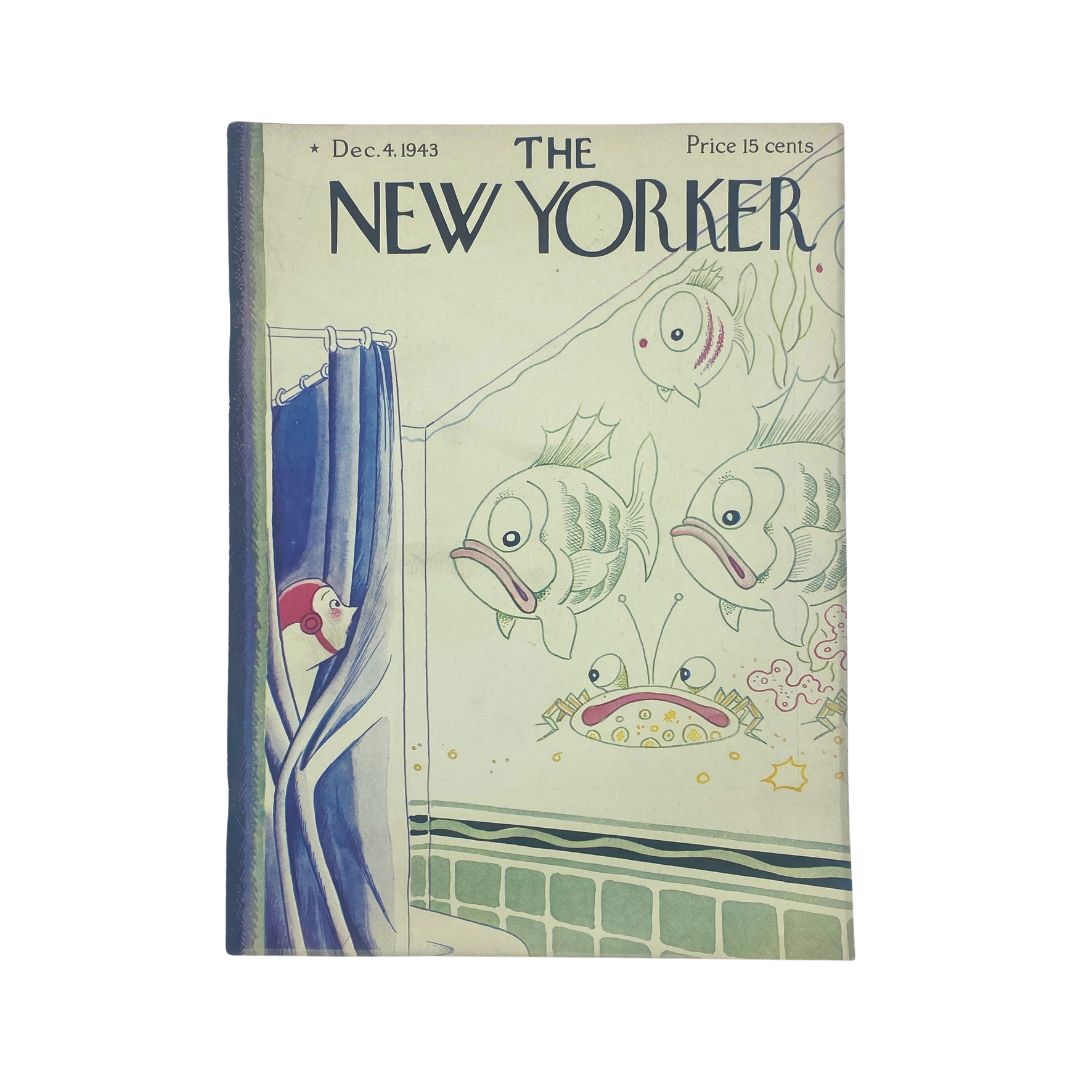
📖 About this Collection
December 1943: The Month the Allies Chose Their Moment
The Historical Context
The winter of 1943 hummed with a quiet, colossal certainty. After years of grinding attrition, the tide of the Second World War had finally, unmistakably, turned — and December crystallized that shift into decision. The month opened in Tehran, where the Big Three had just sealed one of history's most consequential agreements: Stalin, Churchill, and Roosevelt confirmed that the invasion of Normandy would proceed in May 1944. The world didn't yet know it, but the clock for liberation had started ticking. By Christmas Eve, President Roosevelt formalized the architecture of that invasion, appointing General Dwight D. Eisenhower as Supreme Commander of the Allied Forces — a choice that would define the war's final chapter. Meanwhile, the Battle of Monte Cassino opened a brutal new front in Italy, and the Royal Navy delivered a crushing blow on December 26, sinking the German battle cruiser Scharnhorst in the Barents Sea. This was the world holding its breath — and beginning, at last, to exhale.
Culture & Life in December 1943
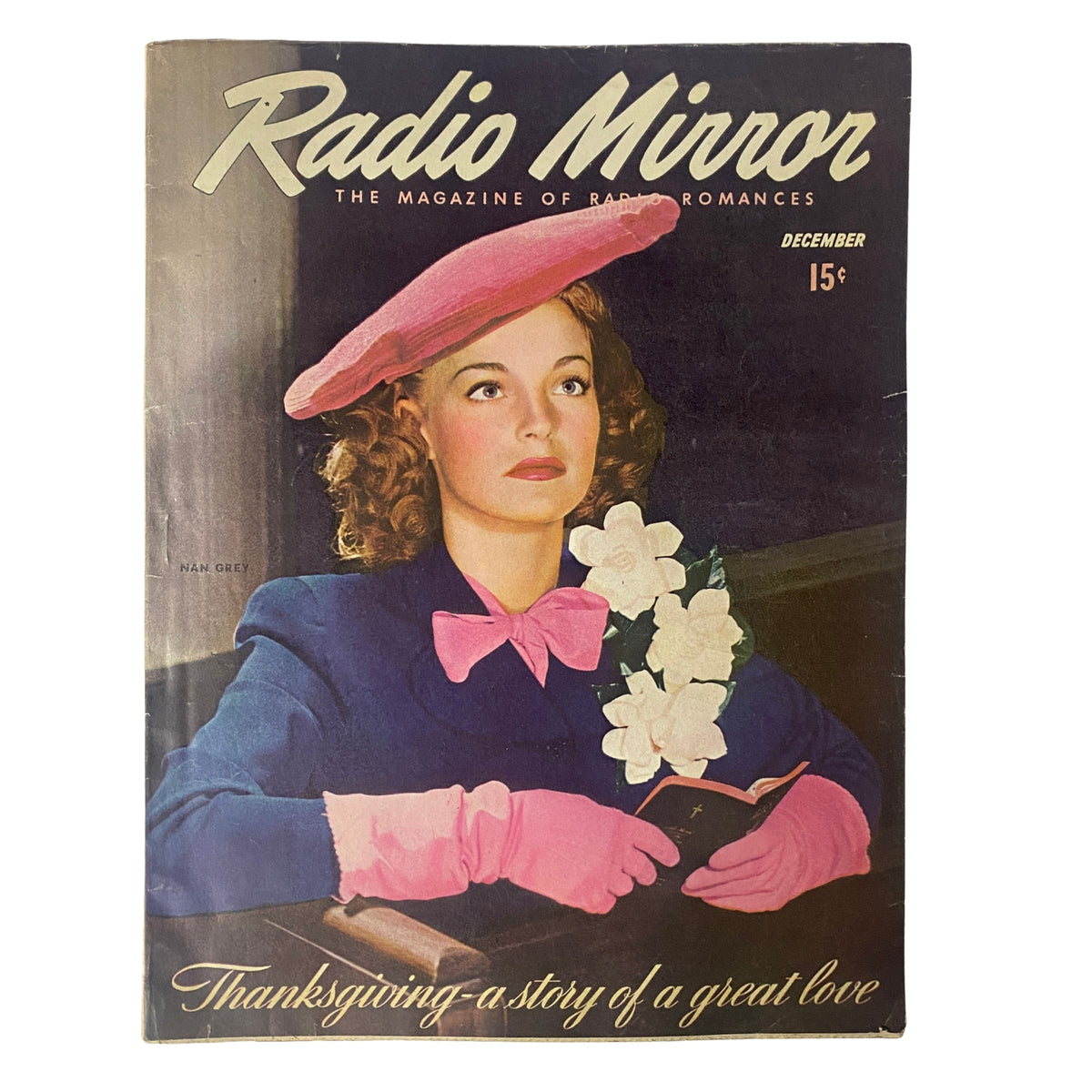
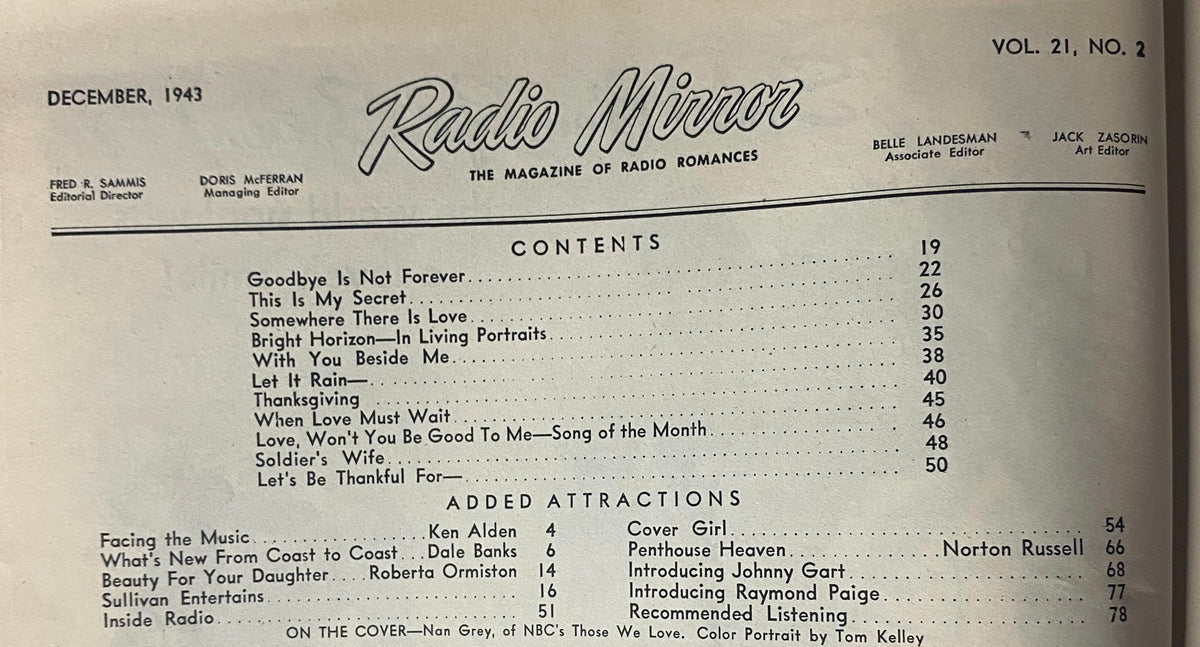
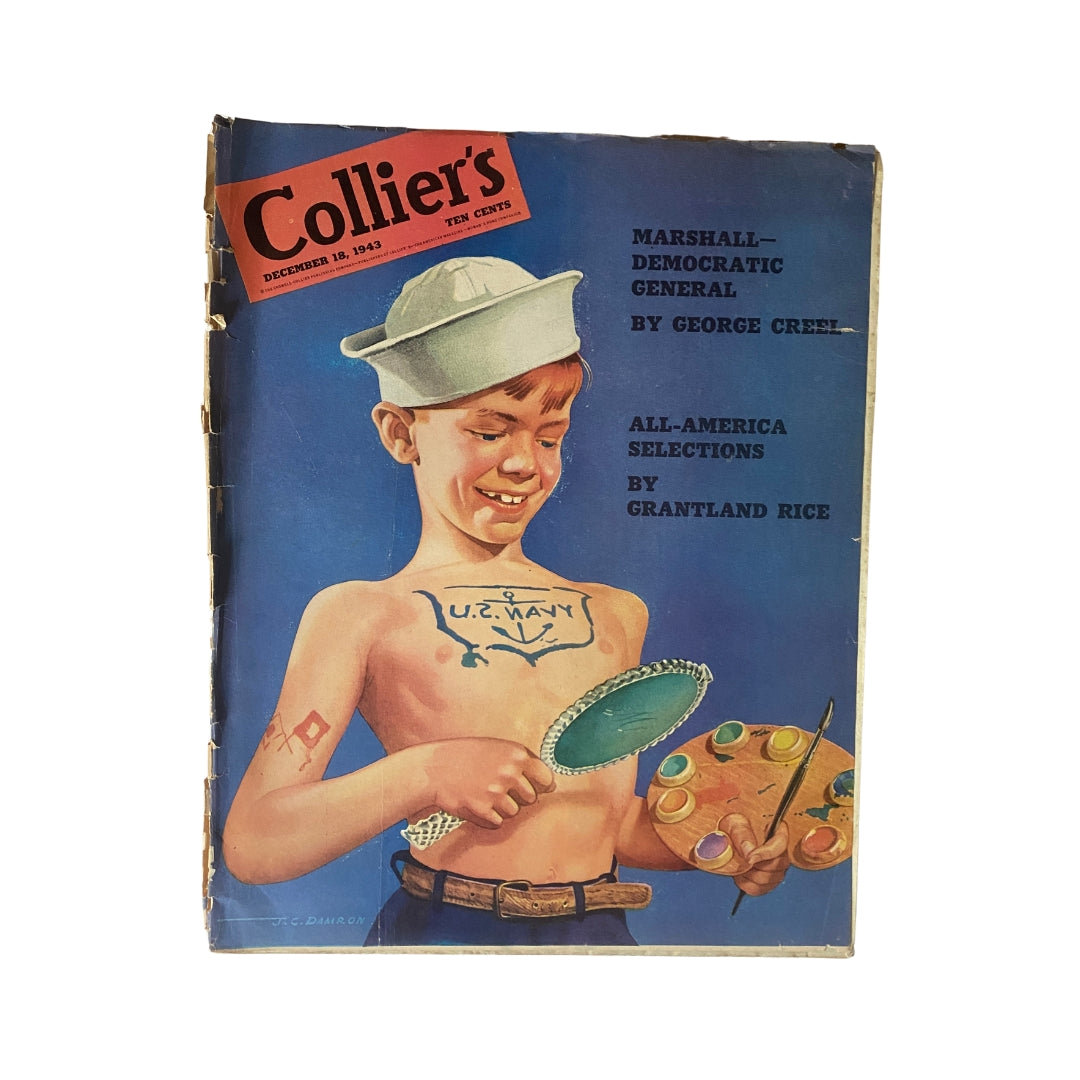
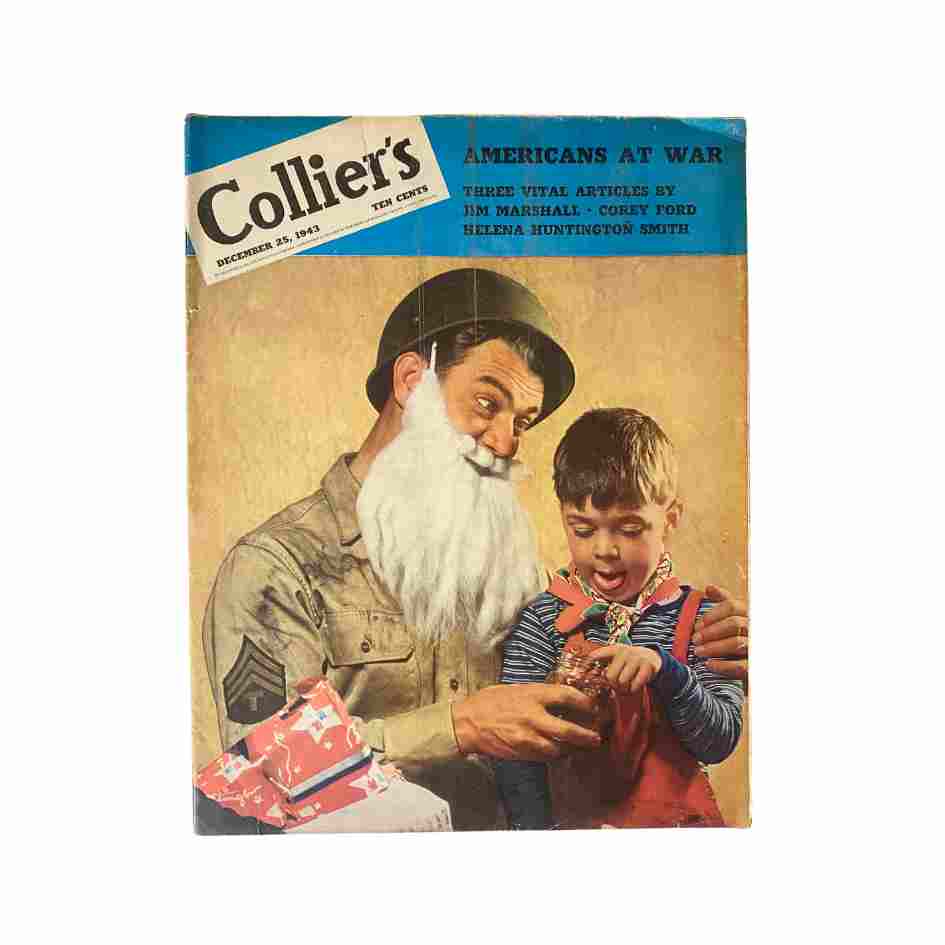
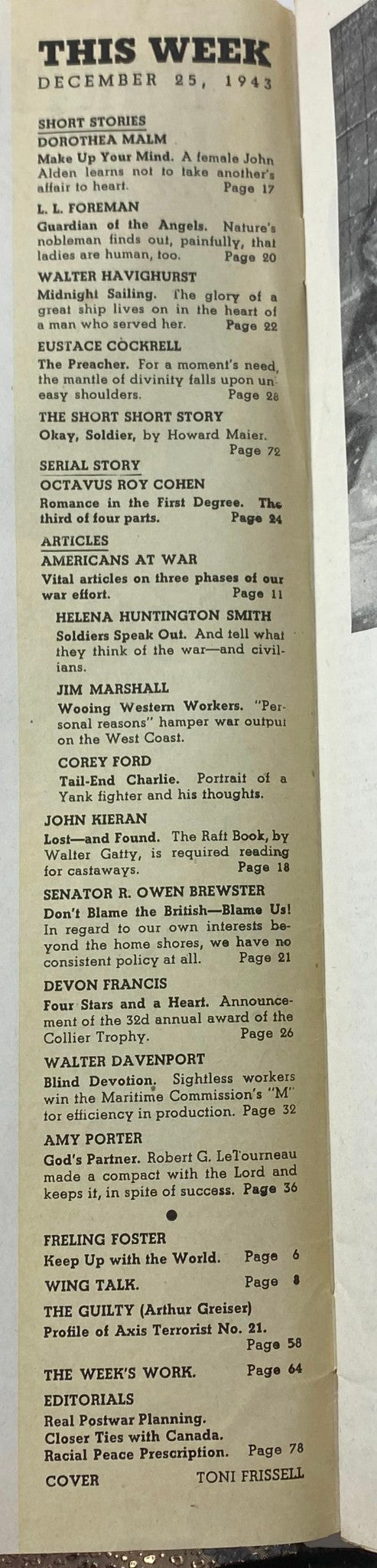
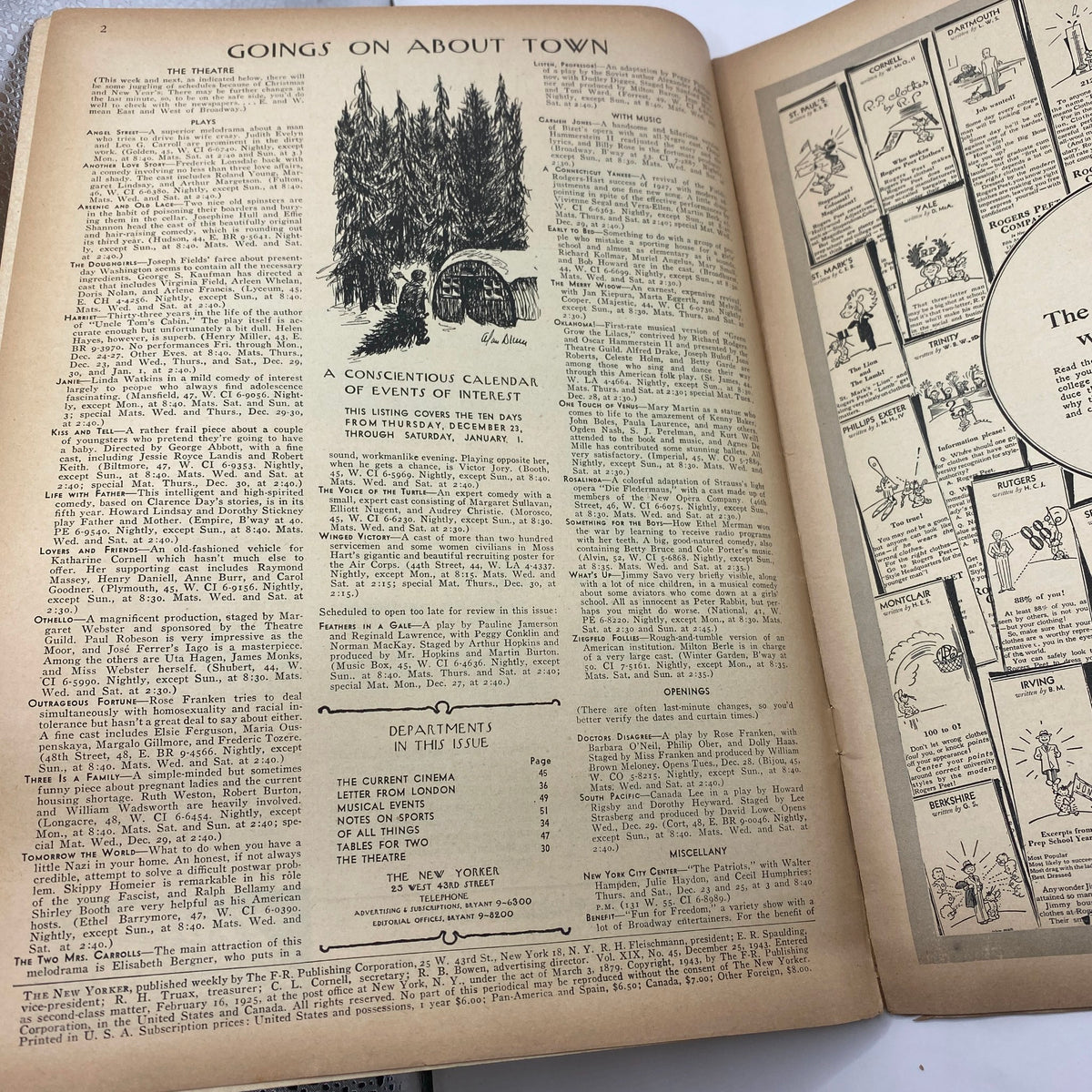
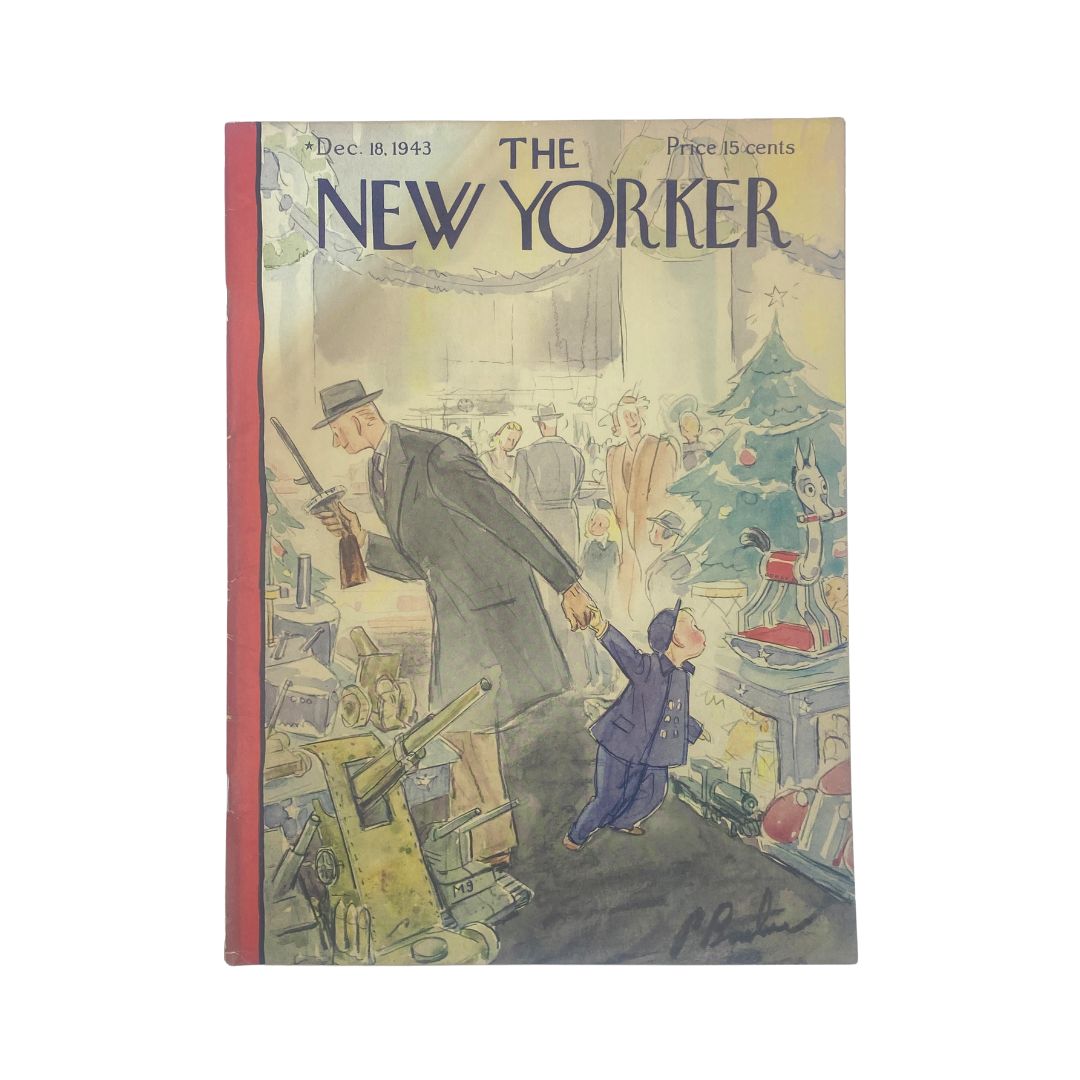
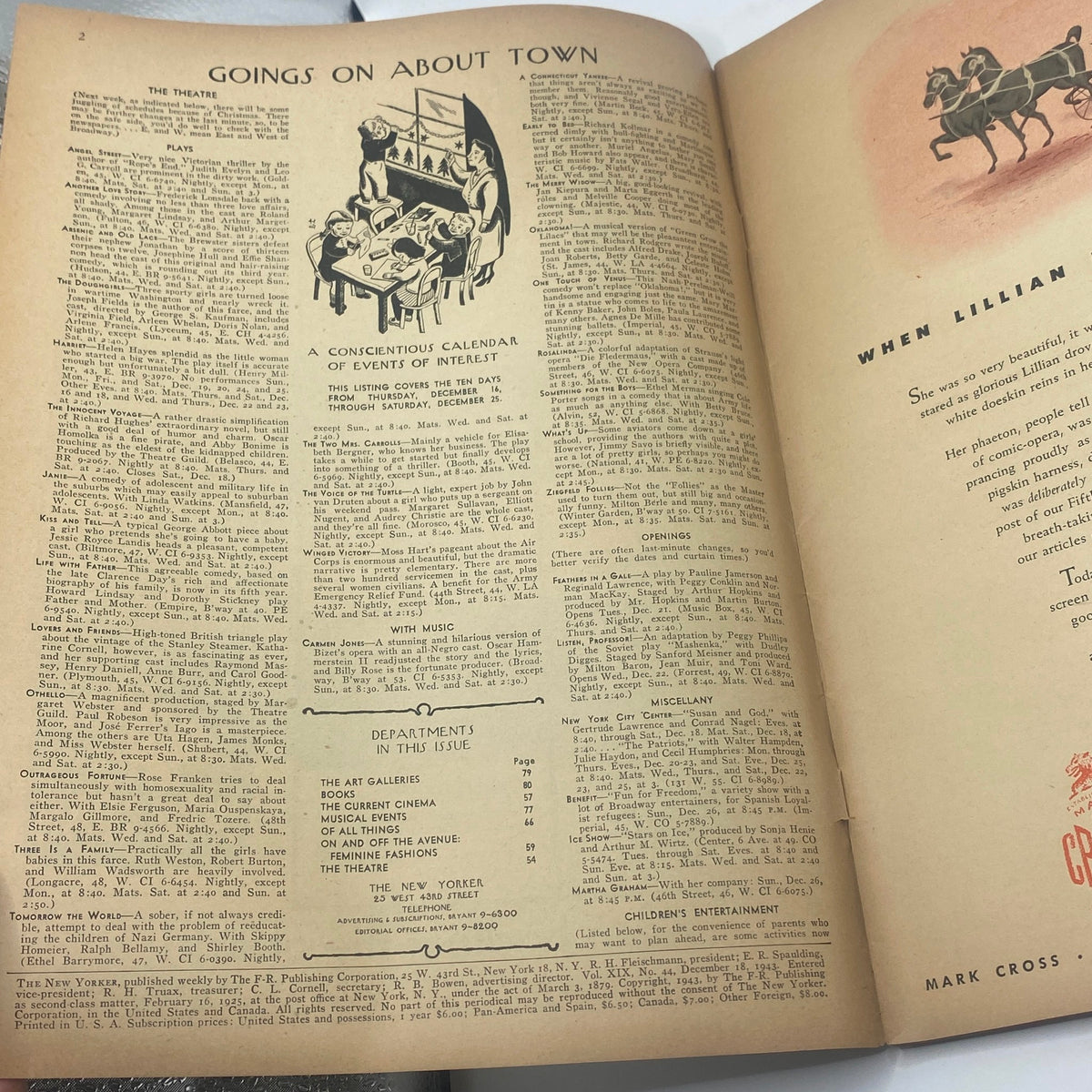
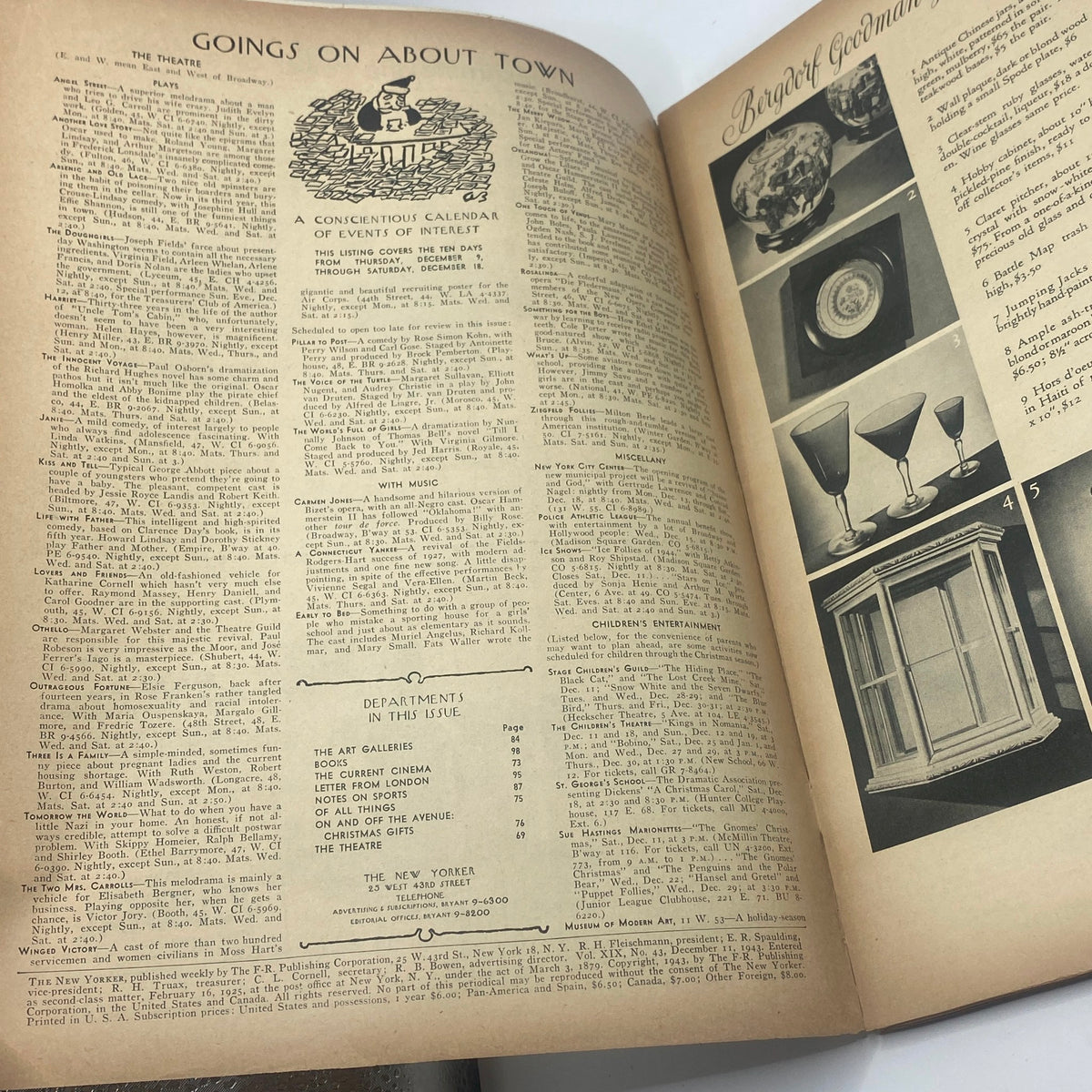
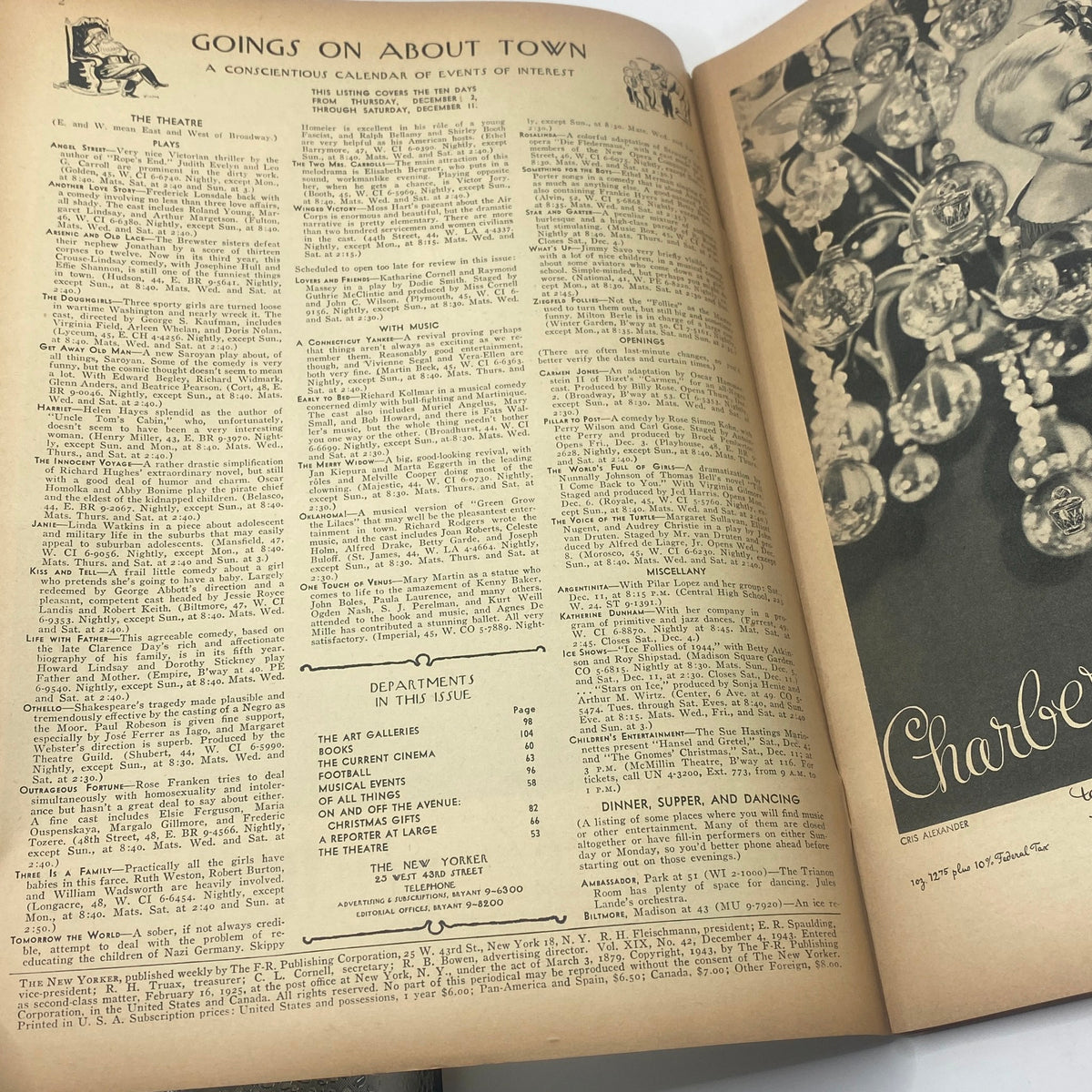
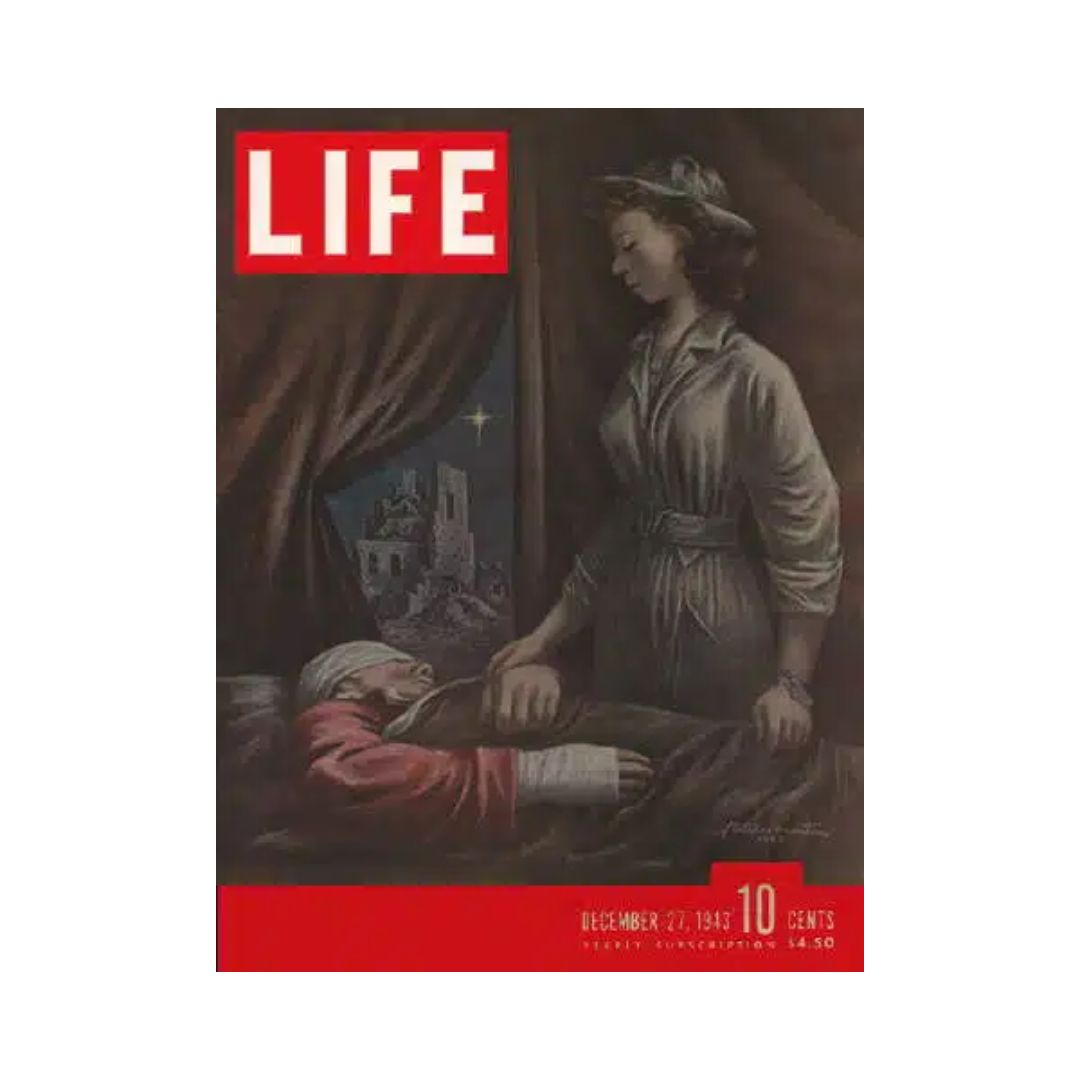
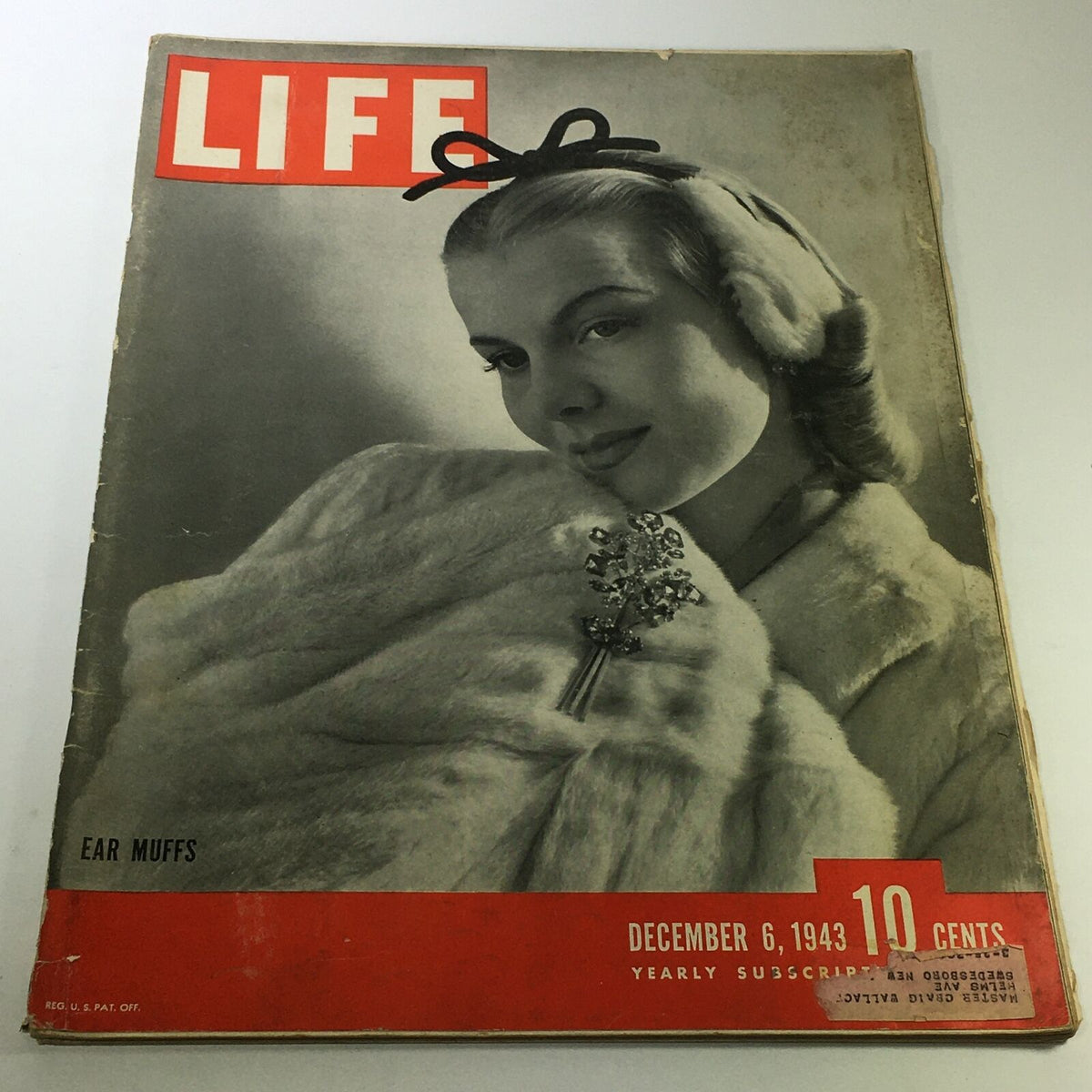
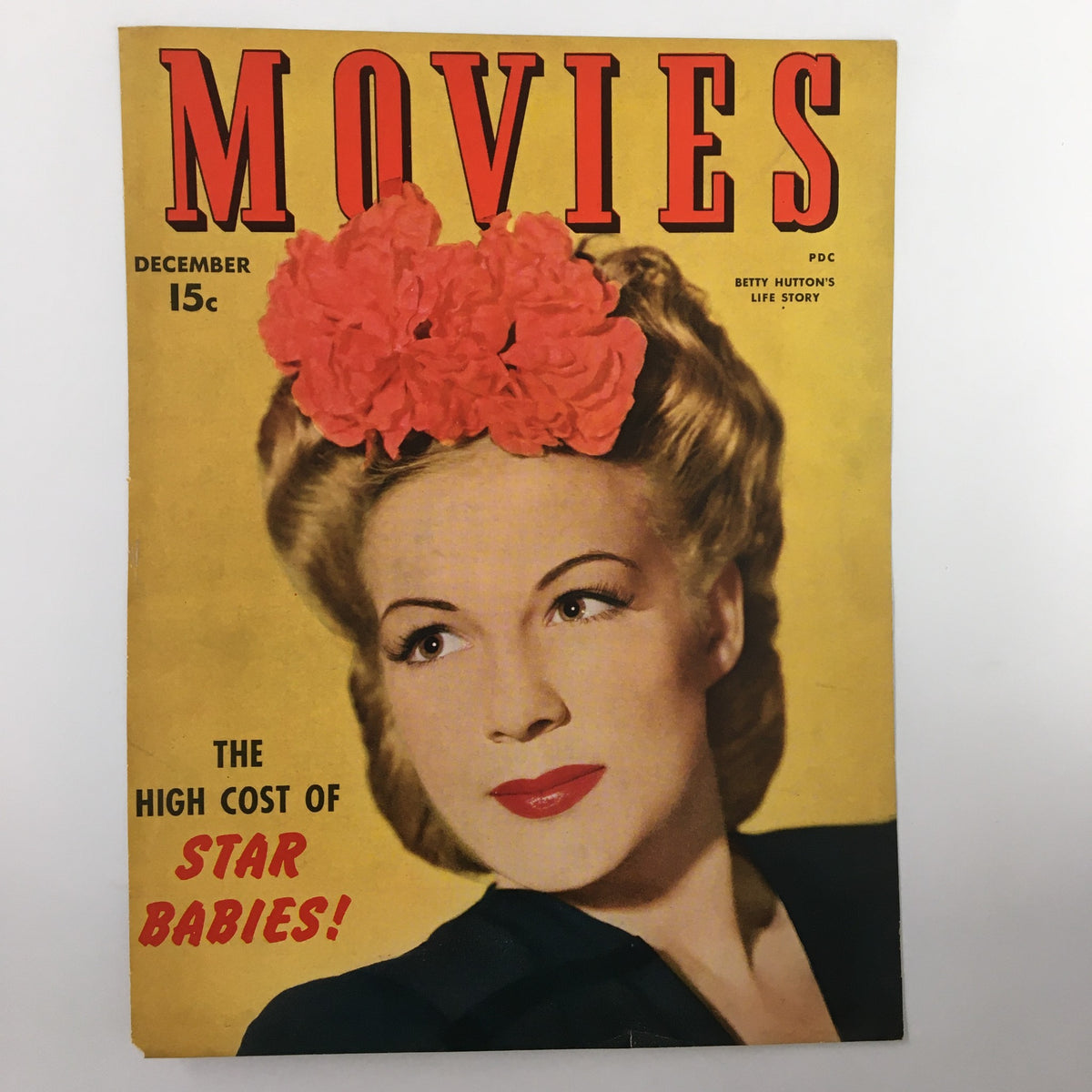
Even as the war consumed the headlines, American life pulsed with surprising vitality in December 1943. On Broadway, John Van Druten's sharp, witty Voice of the Turtle opened to packed houses on December 8 — a comedy about single life in wartime New York that resonated deeply with audiences navigating their own uncertain romances. London, too, found moments of levity: Terence Rattigan's While the Sun Shines debuted on Christmas Eve to warm reviews. On the sports pages, the Chicago Bears dominated the NFL Championship at Wrigley Field, defeating the Washington Redskins 41–21 to claim their sixth title — a story that Sports Illustrated would later canonize as one of the great wartime sporting moments. And in a landmark broadcast on December 23, Engelbert Humperdinck's Hansel & Gretel became the first complete opera ever televised, airing on WGRB in Schenectady. Original magazines from December 1943 capture this remarkable duality — a nation at war, yet stubbornly, defiantly alive. Life, Look, and Time documented the grand strategy; Variety and TV Guide's precursors tracked the entertainment that kept morale afloat.
Curator's Checklist: What to Look for in Your December 1943 Magazine
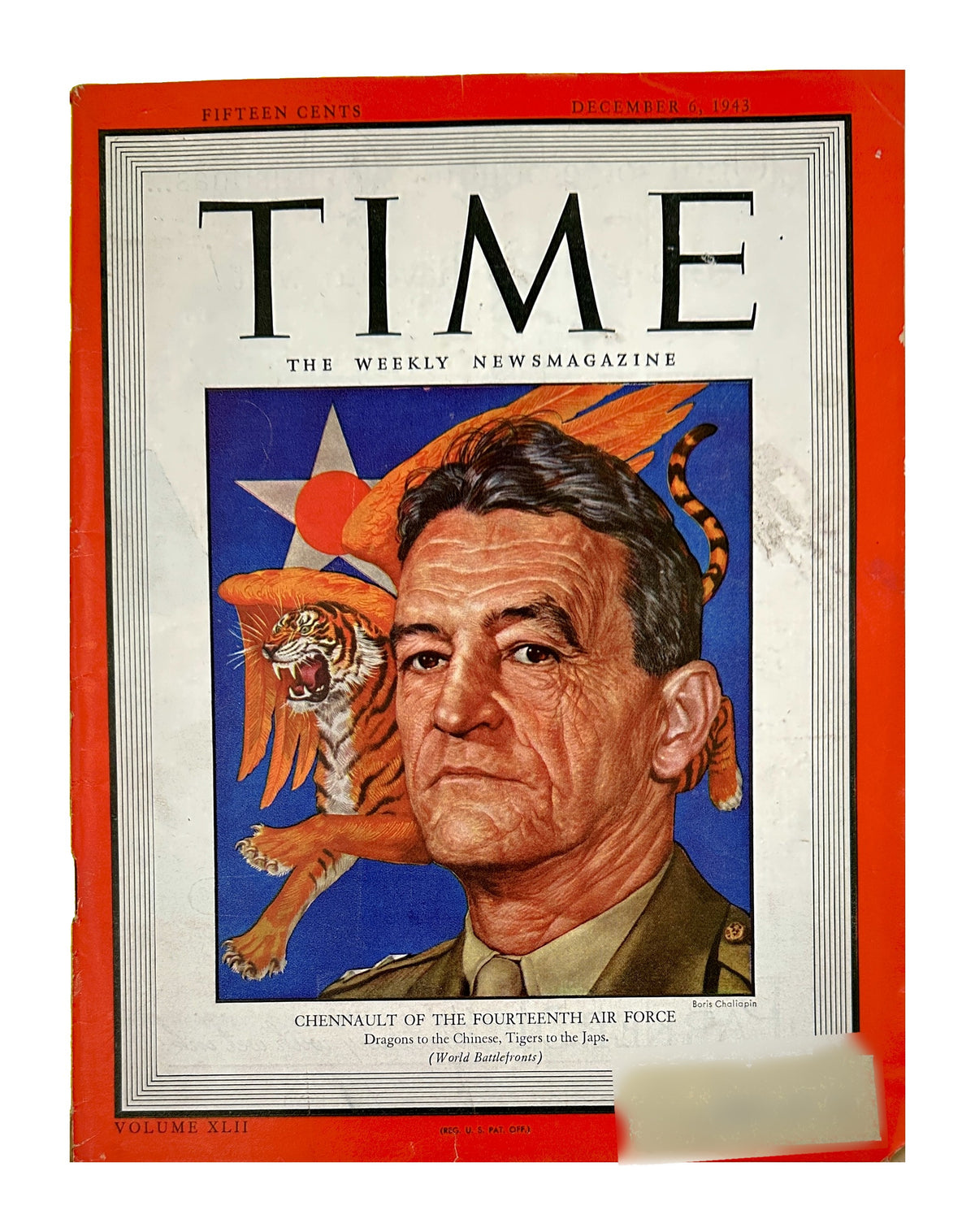
- Tehran Conference & D-Day Planning: Issues of Time and Life featuring wartime diplomatic coverage, illustrated with official photography of Allied leaders — rare glimpses into the highest levels of strategic command that shaped the war's outcome.
- Eisenhower's Appointment as Supreme Commander: Newsweek and Life issues showcasing Eisenhower's portrait and battlefield credentials, often featuring full-page photographic spreads that position him as the face of Allied resolve heading into 1944.
- The Sinking of the Scharnhorst: Look and Time issues chronicling the Royal Navy's decisive victory in the Barents Sea, with vintage magazines of this era frequently featuring dramatic naval battle illustrations and maps that collectors prize.
- NFL Championship — Chicago Bears: Sports pages and rare magazines covering the Bears' dominant 41–21 victory at Wrigley Field, a wartime championship game played against a backdrop of absent stars serving overseas.
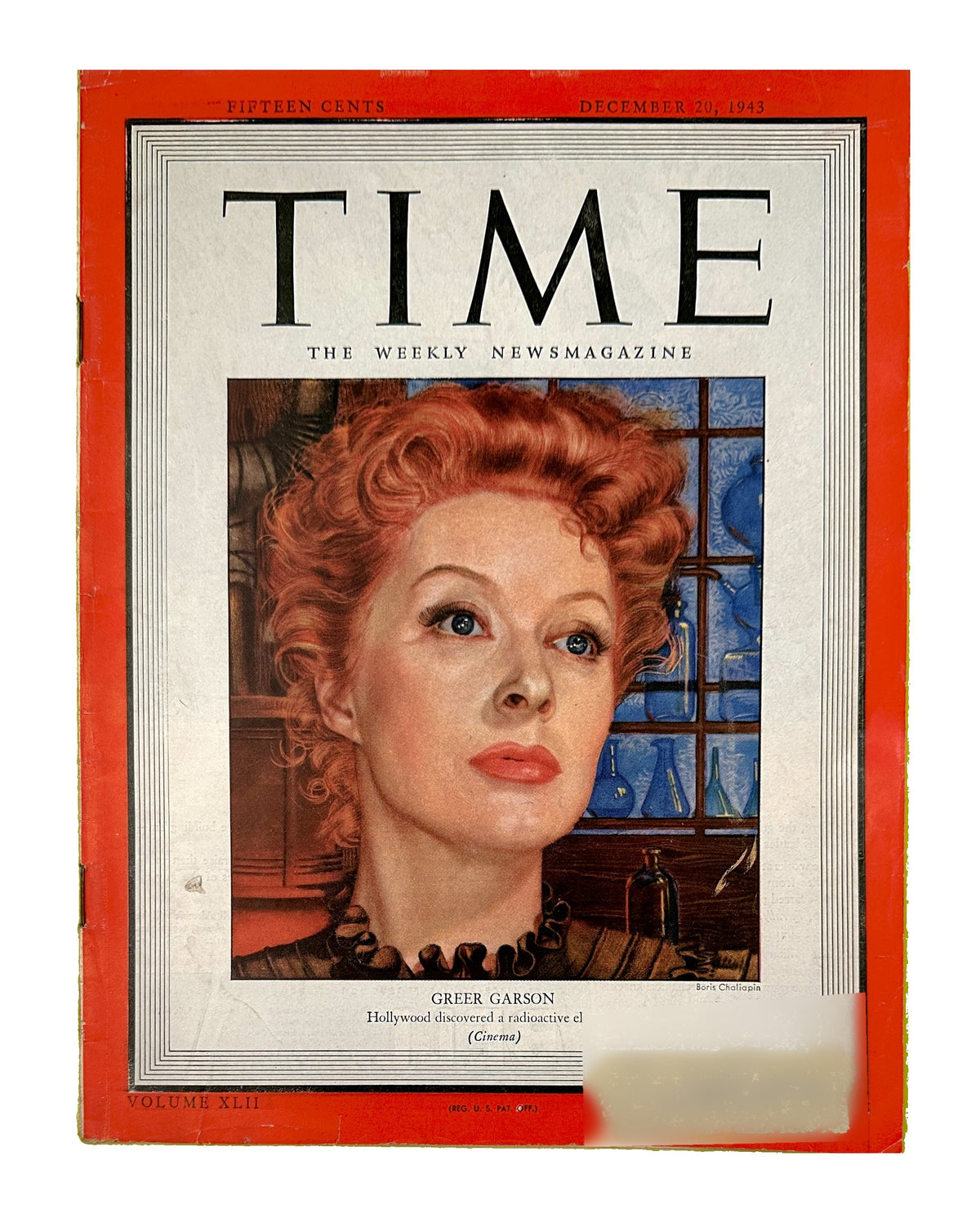
- Broadway & the Home Front: Issues of Saturday Evening Post and entertainment weeklies showcasing advertisements for Voice of the Turtle alongside wartime consumer ads — authentic snapshots of what Americans were buying, watching, and wearing as Christmas approached.
The Perfect Gift
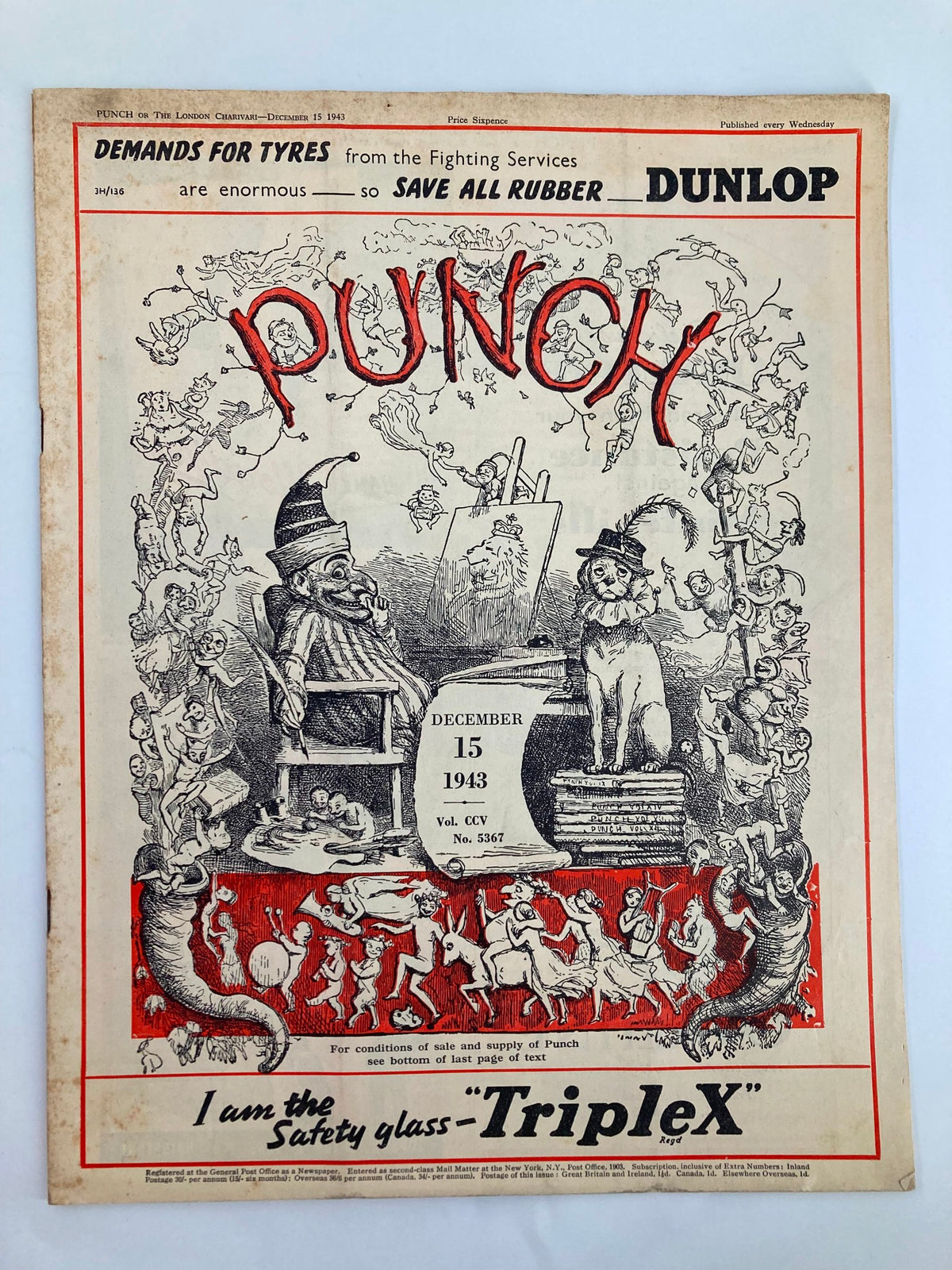
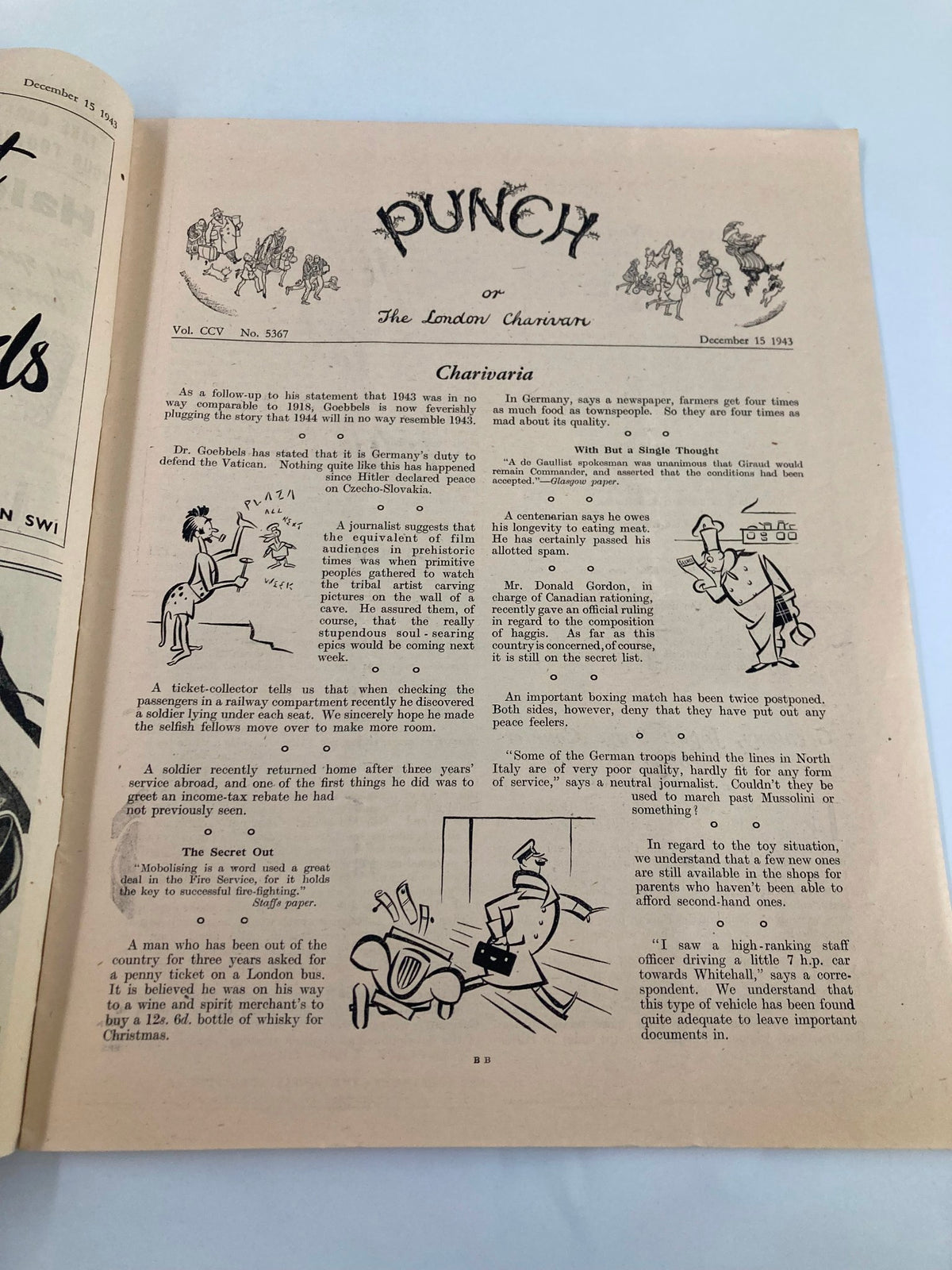
For someone born in December 1943, an original magazine from this pivotal month isn't just a piece of paper — it's a genuine time capsule of the moment history chose its path, preserved in authentic wartime headlines, genuine period advertisements, and the unaltered voices of a world on the edge of victory.