📖 About this Collection
December 1944: The World at the Turning Point
The Historical Context
December 1944 arrived with the bitter cold of near-victory and sudden terror. Allied forces had pushed deep into Europe, liberation was spreading across occupied territories, and the end of the war felt, for the first time, genuinely close. Then, on December 16th, Nazi Germany shattered that optimism with a massive surprise counteroffensive through the Ardennes forest of Belgium — the Battle of the Bulge. The world was watching as 200,000 German troops smashed into thinly-held Allied lines, surrounding the 101st Airborne Division at Bastogne. When German commanders demanded surrender, American General Anthony McAuliffe delivered one of the war's most defiant replies: "NUTS!" Ten days later, General George S. Patton's Third Army punched through and relieved the besieged garrison, turning the tide. This was the world your loved one entered — one teetering on history's razor edge, where courage and catastrophe arrived in the same month.
Culture on the Home Front
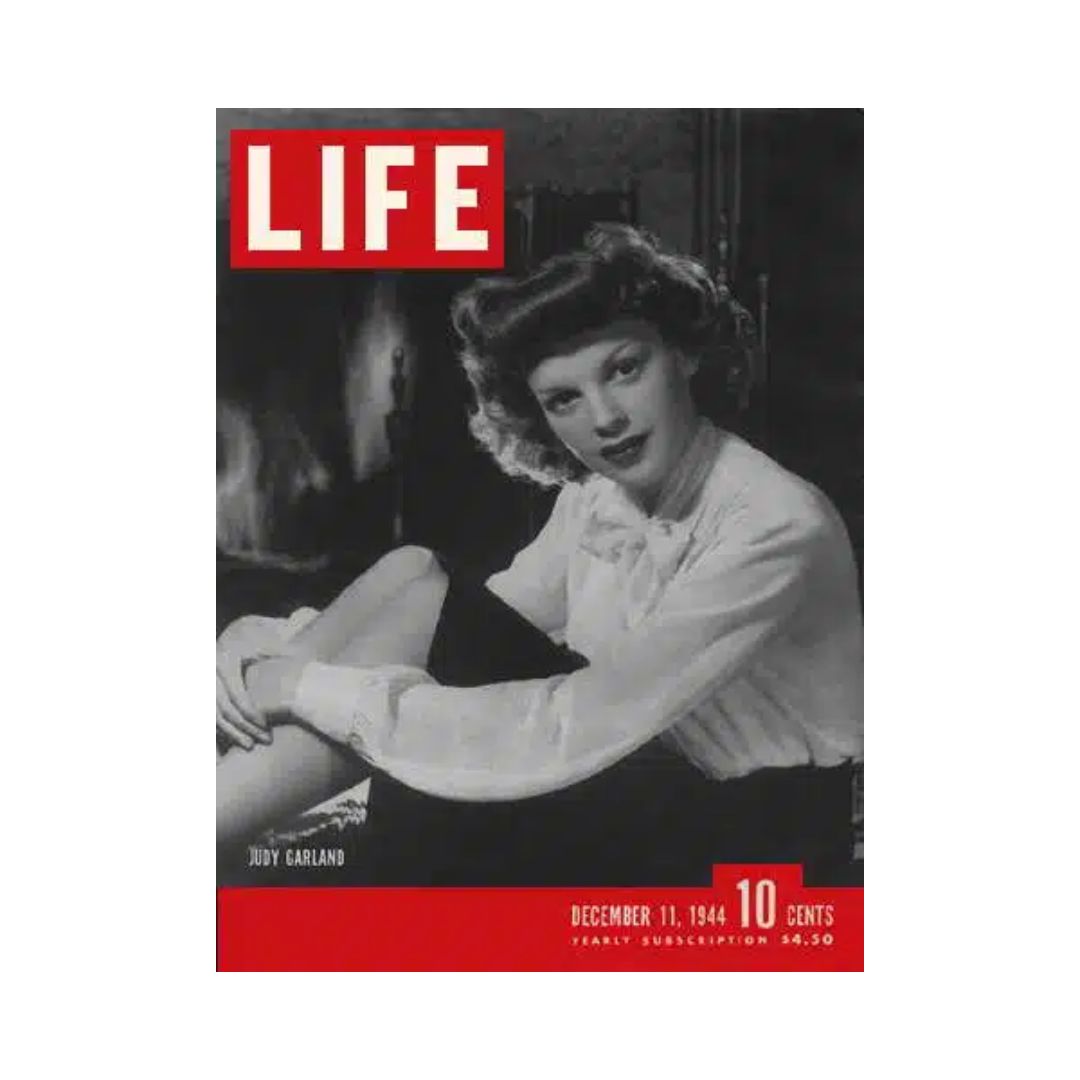
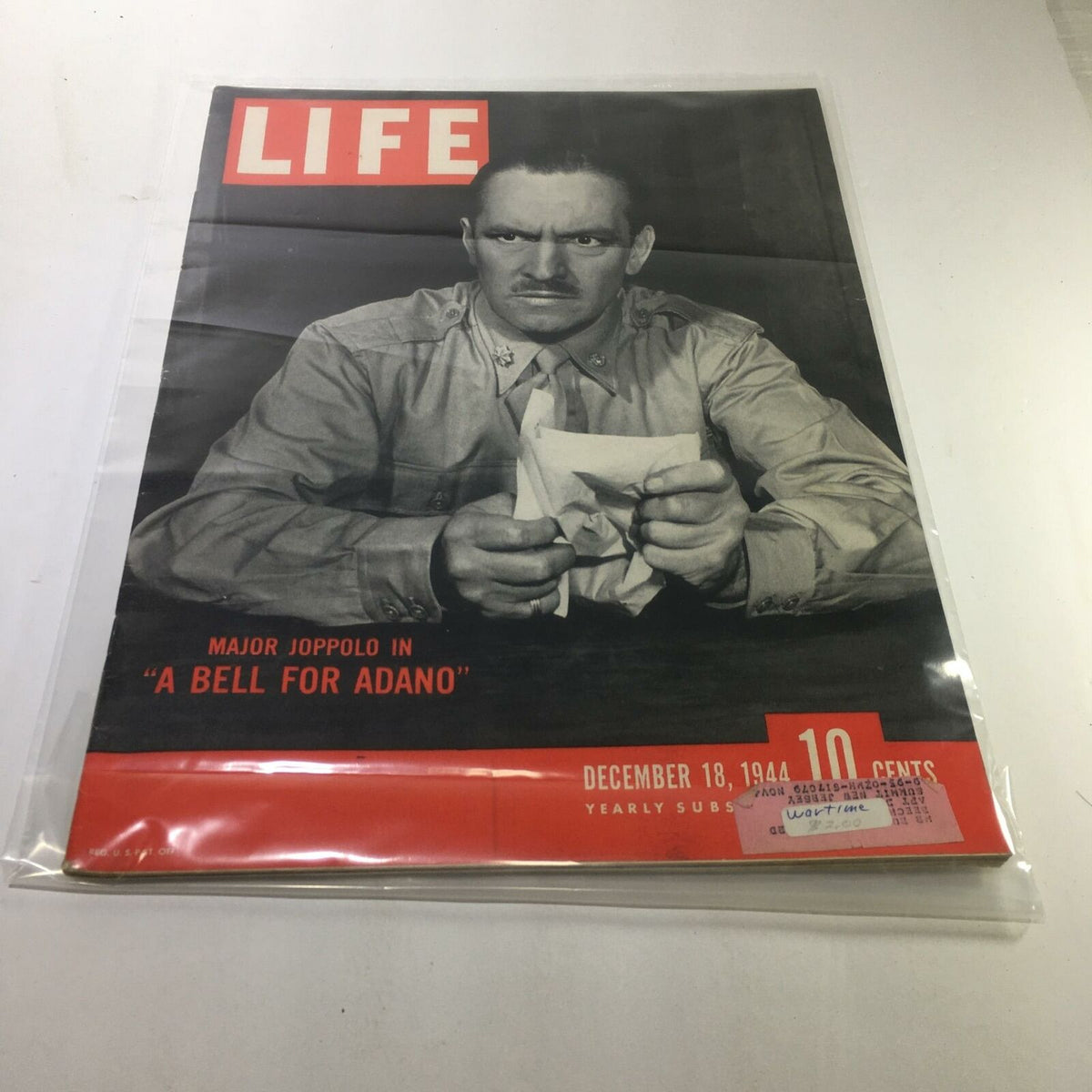
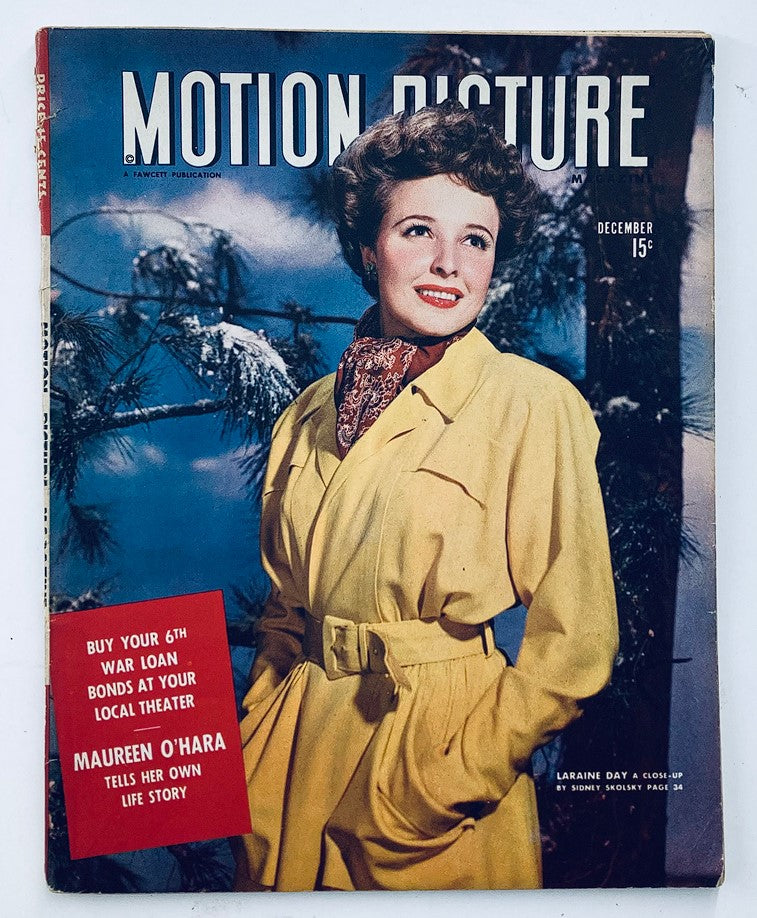
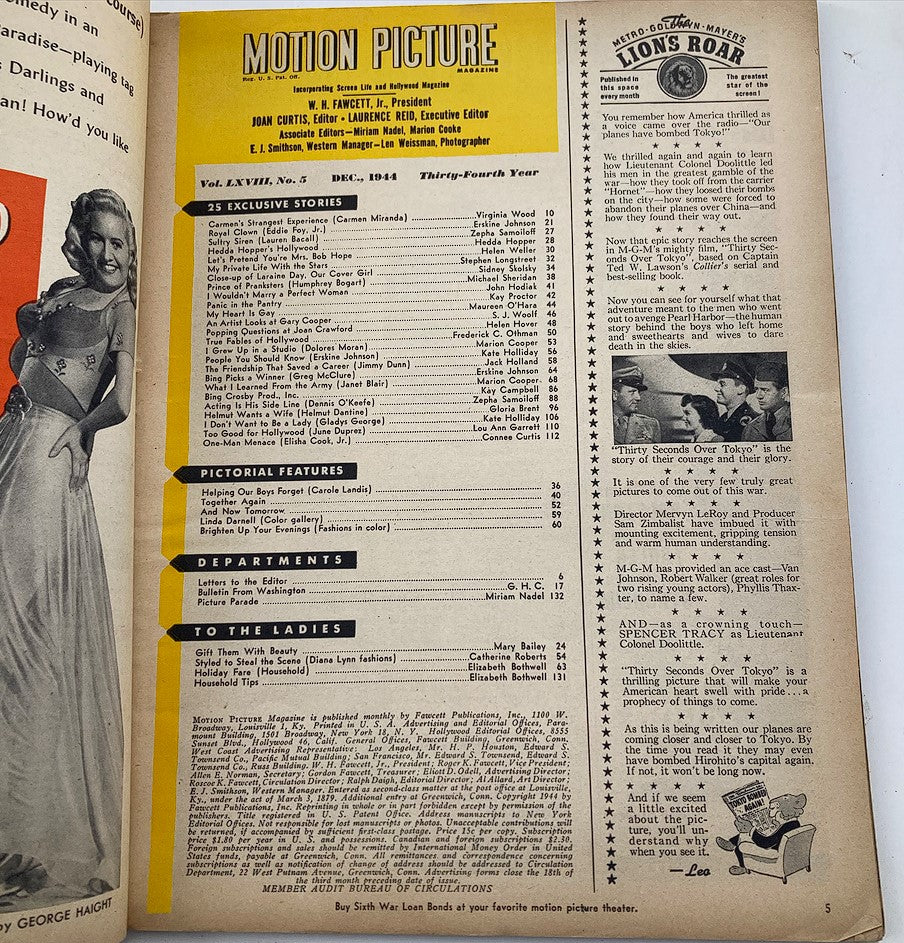
Even as the Ardennes burned, American life pulsed with creativity and ambition. On December 26th, Tennessee Williams unveiled The Glass Menagerie in Chicago — a quietly devastating drama that would redefine American theater. That same evening in New York, Leonard Bernstein, Betty Comden, and Adolph Green opened On the Town at the Adelphi Theatre, Jerome Robbins' choreography turning Broadway into something electric and entirely new. Original magazines from December 1944 capture this extraordinary cultural moment: Life ran wartime photography alongside advertisements for consumer goods Americans could almost taste again; Time wrestled with the sudden shock of the Bulge; Variety chronicled a Broadway season finding its voice amid rationing and sacrifice. Glenn Miller, the era's defining bandleader, vanished over the English Channel on December 15th — a loss that silenced dance halls across the country. In Boston, Béla Bartók's Concerto for Orchestra made its world premiere, a rare magazines-worthy artistic landmark for classical music lovers.
Curator's Checklist: What to Look For in Your December 1944 Magazine
- The Battle of the Bulge: News weeklies like Time, Life, and Newsweek featuring front-line photography and maps of the Ardennes, often illustrating the desperate fighting around Bastogne with dramatic battlefield imagery and urgent headline typography.
- General Eisenhower's Fifth Star: Issues of Life and Look showcasing Eisenhower's promotion to General of the Army, frequently illustrated with formal portrait photography and editorial spreads on Allied high command — authentic visual documents of a five-star moment.
- Glenn Miller's Disappearance: Entertainment coverage in vintage magazines including notices in Variety and human-interest features in Life, capturing the nation's shock at losing its most beloved bandleader over the English Channel on December 15th.
- Broadway's New Voice: Theater coverage of Tennessee Williams' The Glass Menagerie and Bernstein's On the Town in publications like Variety and Saturday Evening Post, chronicling the opening weeks of two productions that would define American culture for decades.
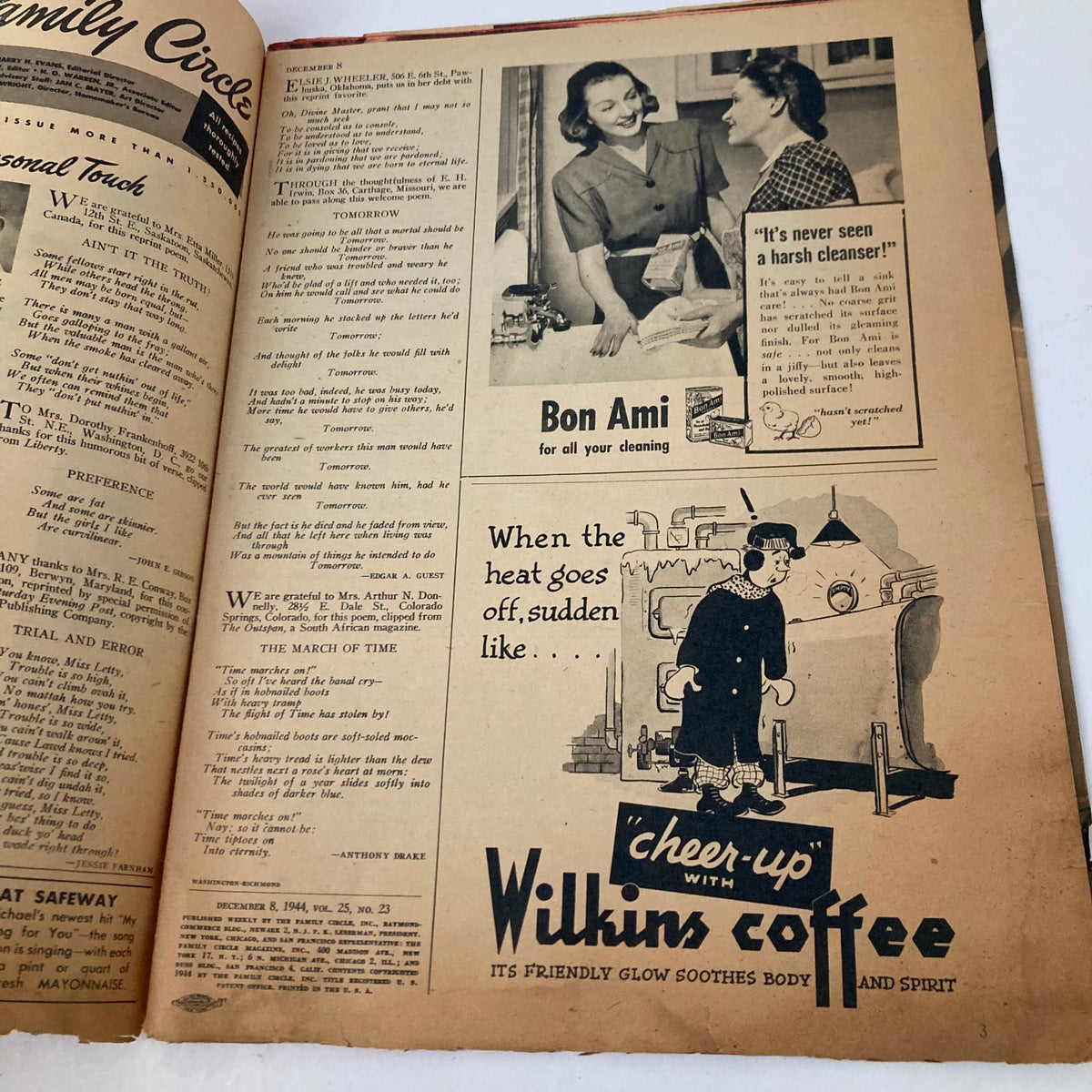
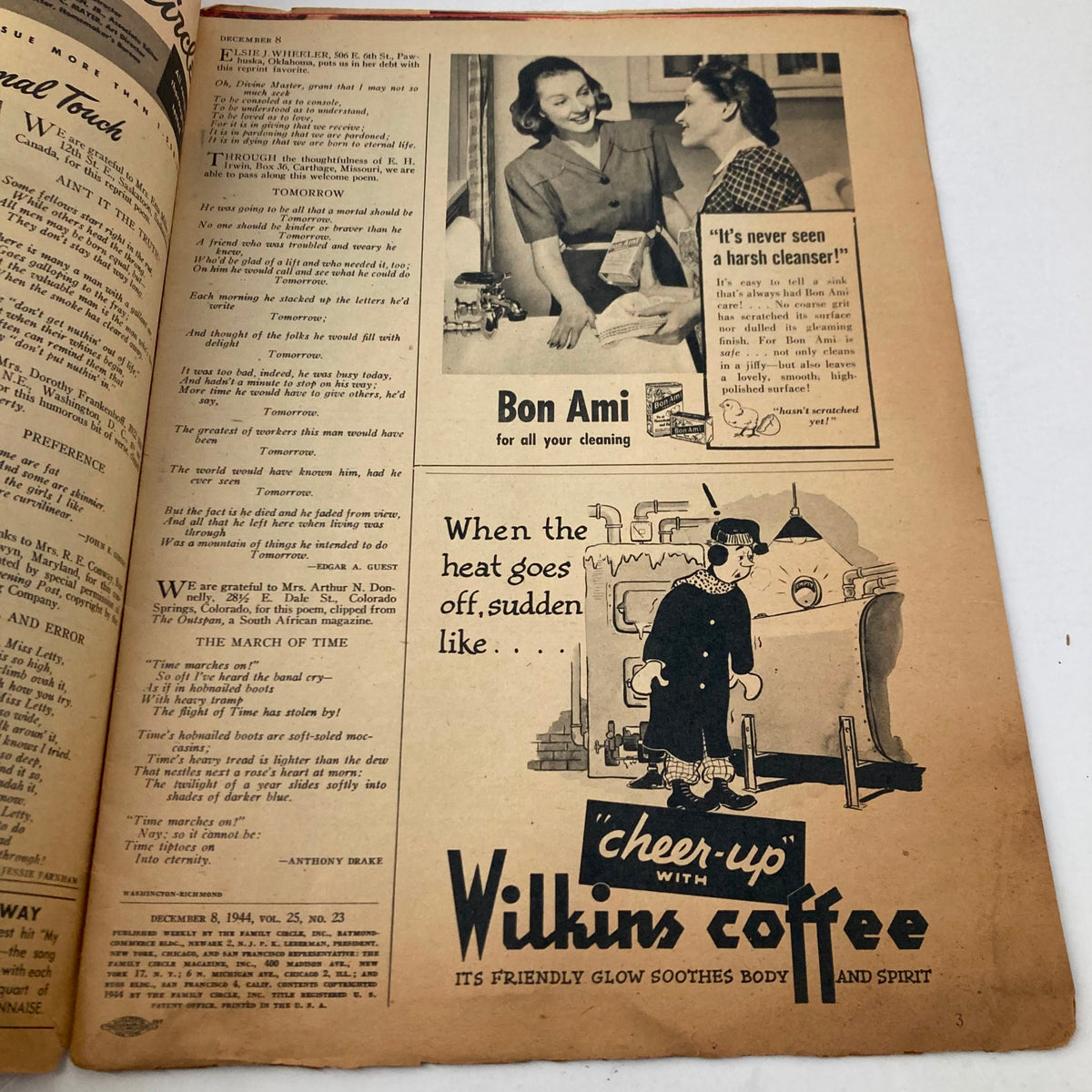
- Home Front Advertising: Genuine wartime advertisements preserved throughout these issues — war bonds, Victory Garden appeals, and luxury goods "coming soon after the war" — authentic glimpses of what Americans were dreaming about and sacrificing for in December 1944.
The Perfect Gift
For someone born in December 1944, an original magazine from this extraordinary month isn't just a piece of paper — it's a genuine time capsule of the world at its most consequential hour, preserved in authentic wartime ink, photography, and the very headlines that shaped the century.