📖 About this Collection
December 1949: The World Remade in Winter
The Historical Context
December 1949 crackled with the weight of a world still finding its new shape. The month's defining story arrived early: on December 7th, Chiang Kai-shek fled the Chinese mainland for Taiwan, bringing the curtain down on the Chinese Civil War and setting a geopolitical fault line that would define the Cold War for decades. Within days, his Nationalist government formally relocated to Formosa, and a new global order snapped into focus—one where a communist People's Republic now controlled the world's most populous nation.
The reverberations spread fast. Burma and India moved to recognize Mao's government before the month was out. Half a world away, Queen Juliana of the Netherlands formally granted Indonesia its independence on December 27th, ending four years of revolutionary struggle and UN mediation. The Dutch parliament had already accepted the inevitable, voting to transfer sovereignty through December. Borders drawn by empire were dissolving. This was the world your loved one entered—turbulent, transformative, and alive with consequence.
A December of Silver Screens and Curtain Calls
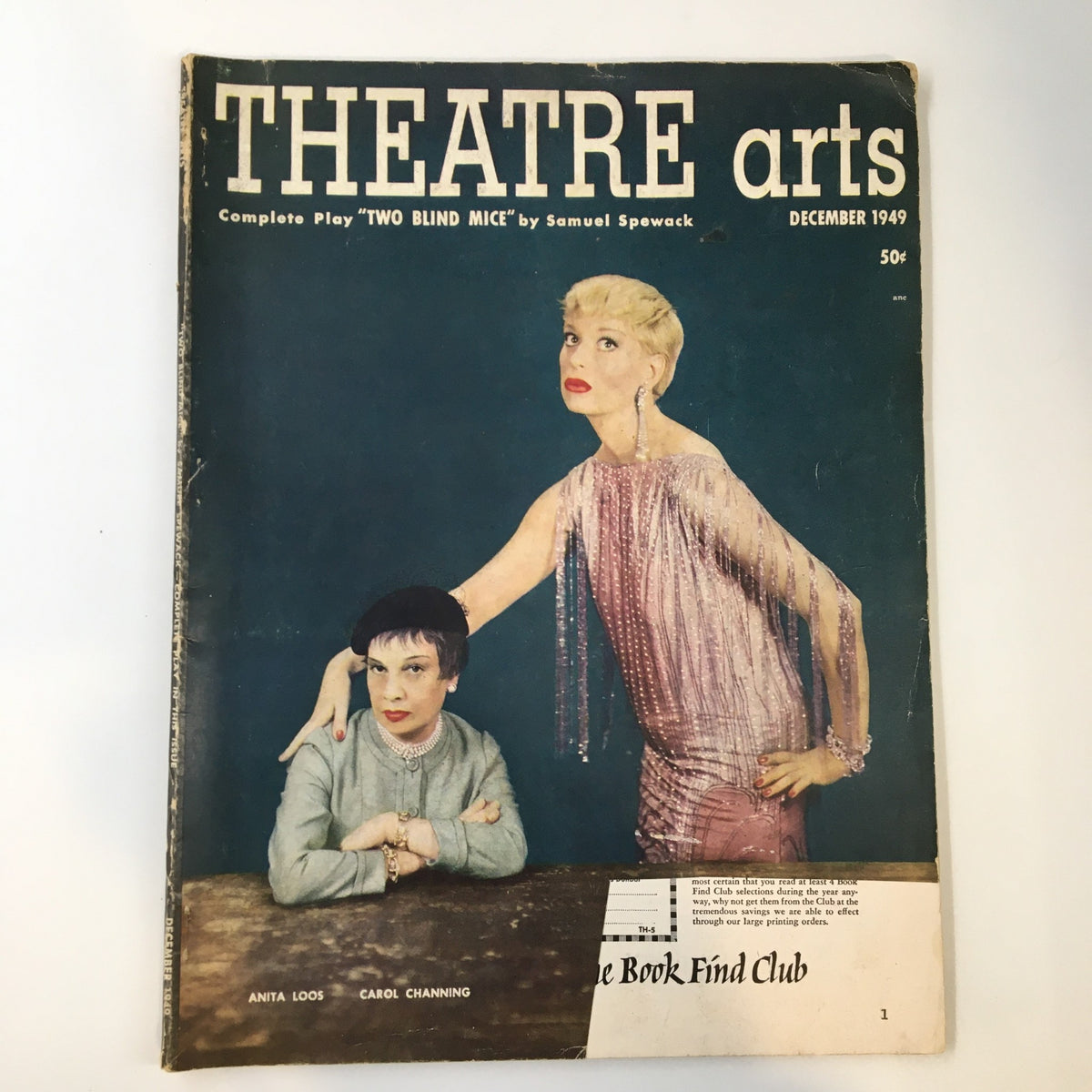
While statesmen remade the atlas, Americans were buying tickets. On December 8th, the MGM musical On the Town premiered to delighted audiences, with Gene Kelly and Frank Sinatra bringing New York City to vivid life in one of the era's most exuberant films. The same evening on Broadway, Gentlemen Prefer Blondes opened at the Ziegfeld Theater with Carol Channing—a sensation that would run for 740 performances. And a cultural era quietly closed when Tennessee Williams' landmark drama A Streetcar Named Desire ended its celebrated Broadway run after 855 performances, its Pulitzer Prize and Tony Award already secured.
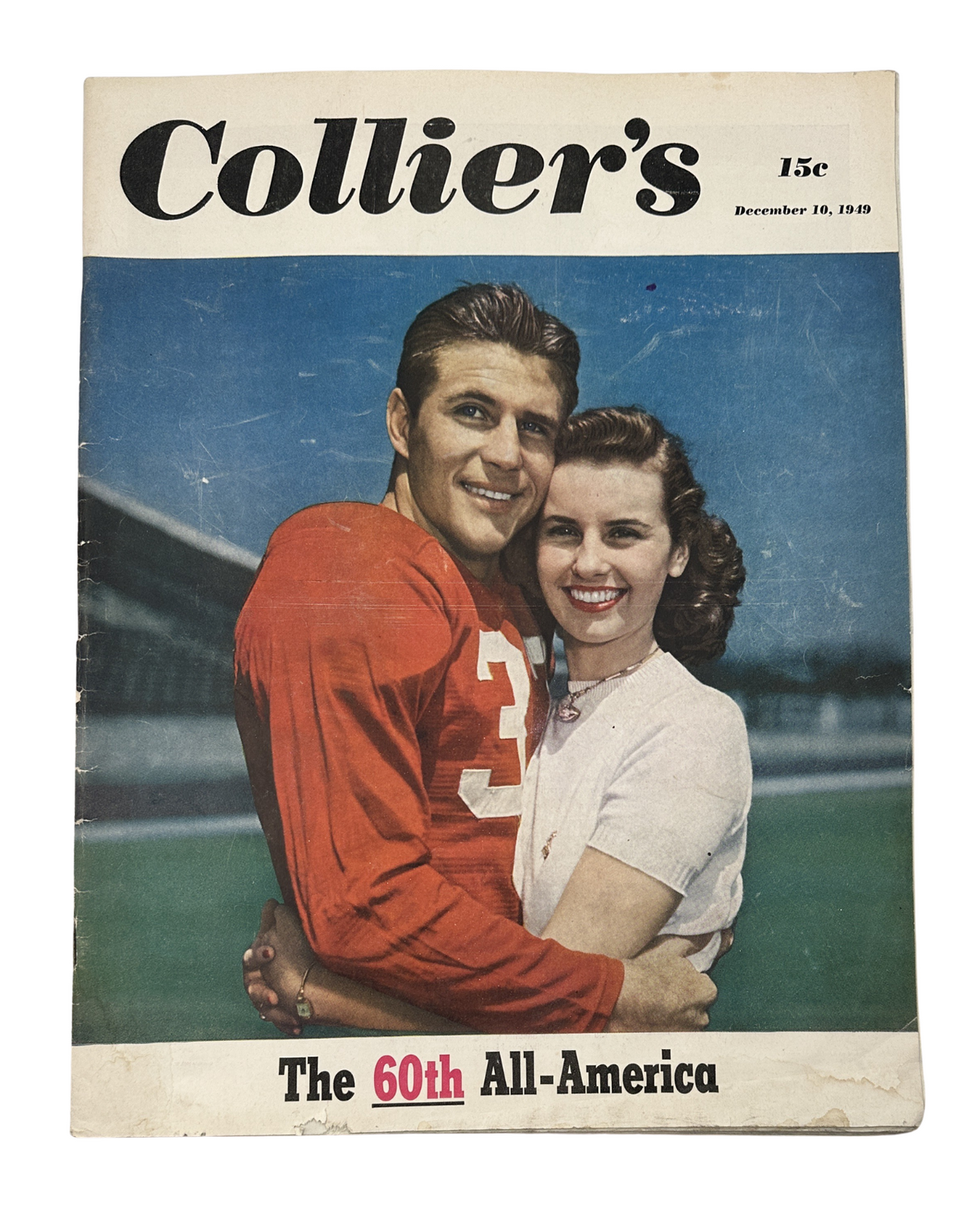
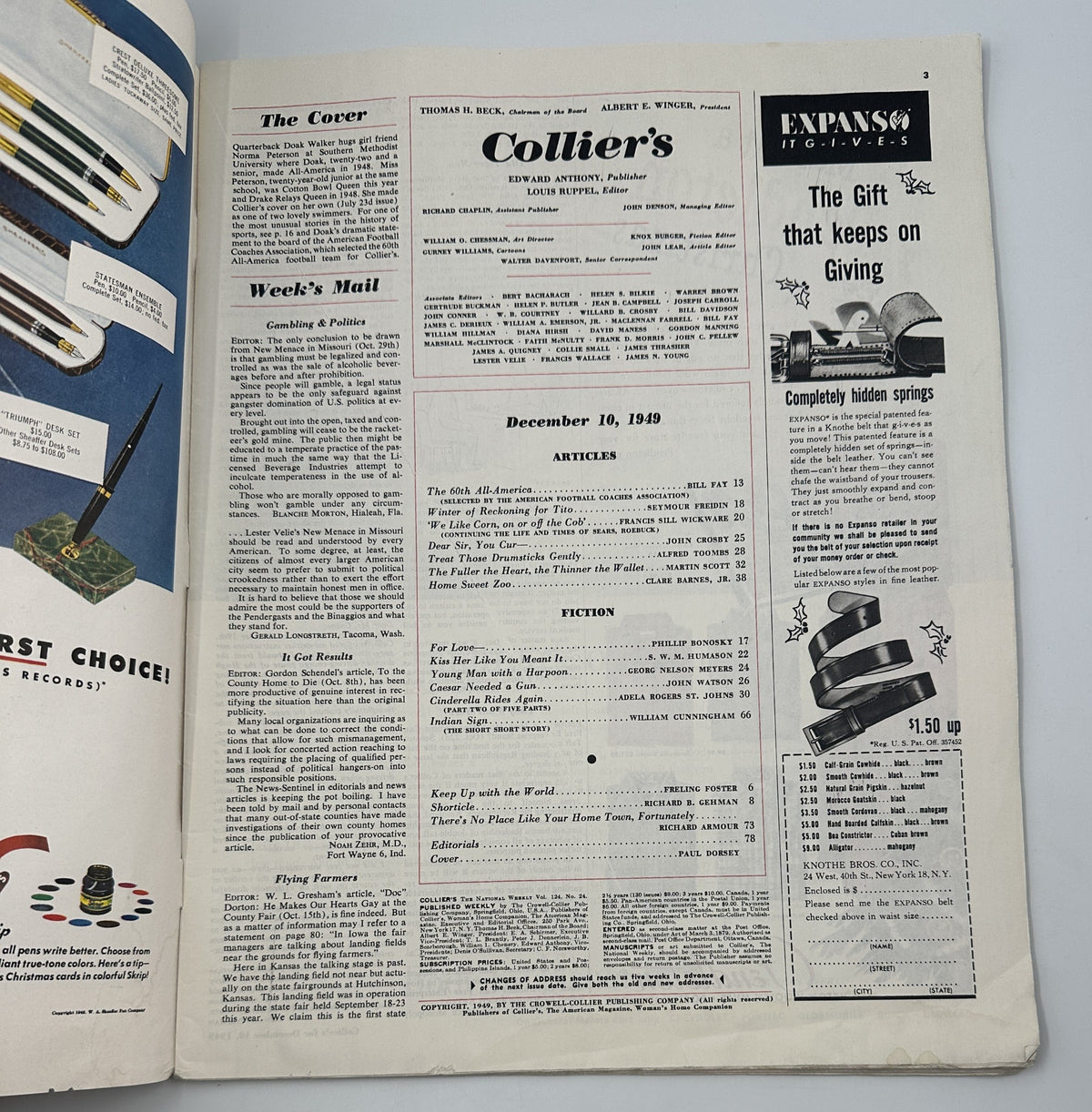
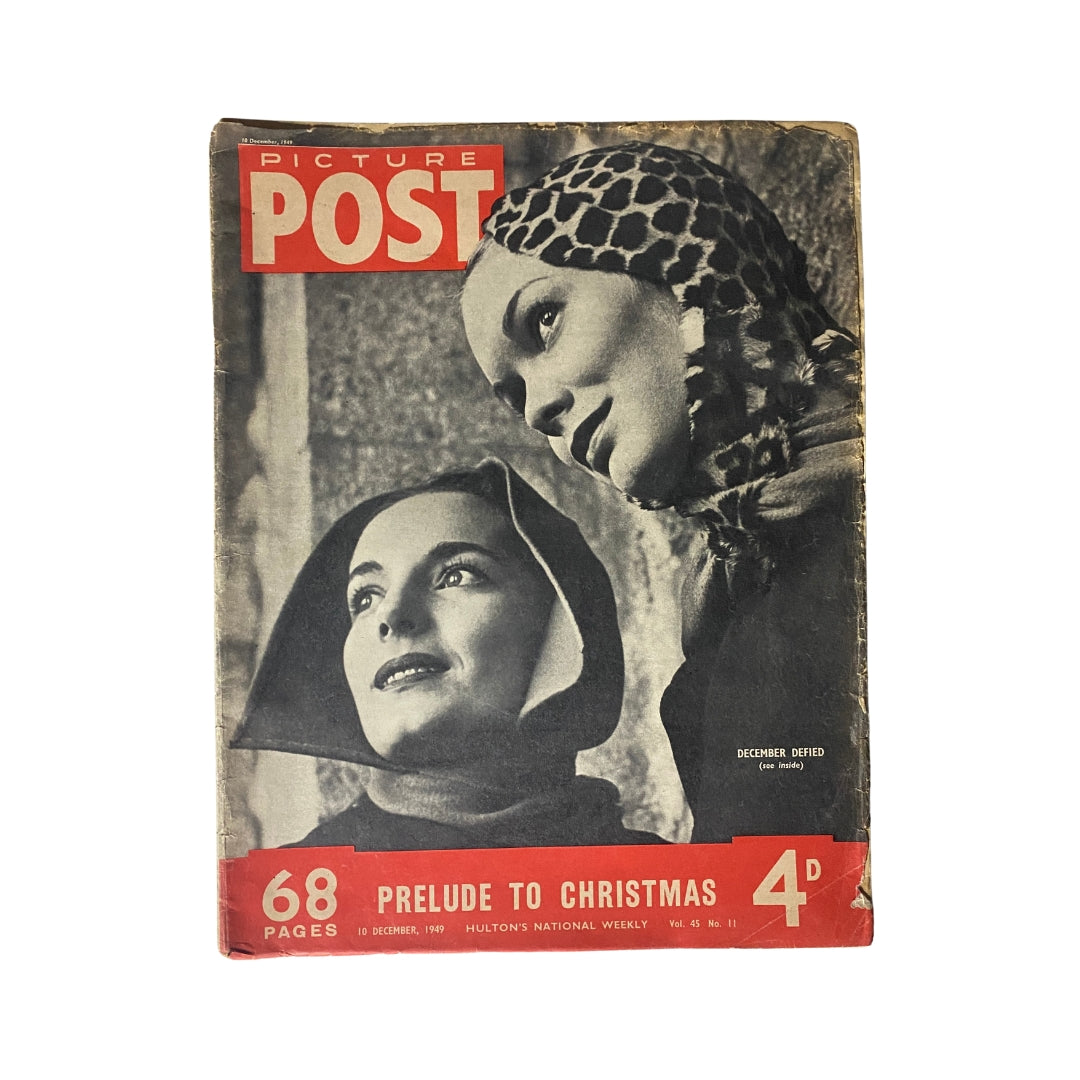
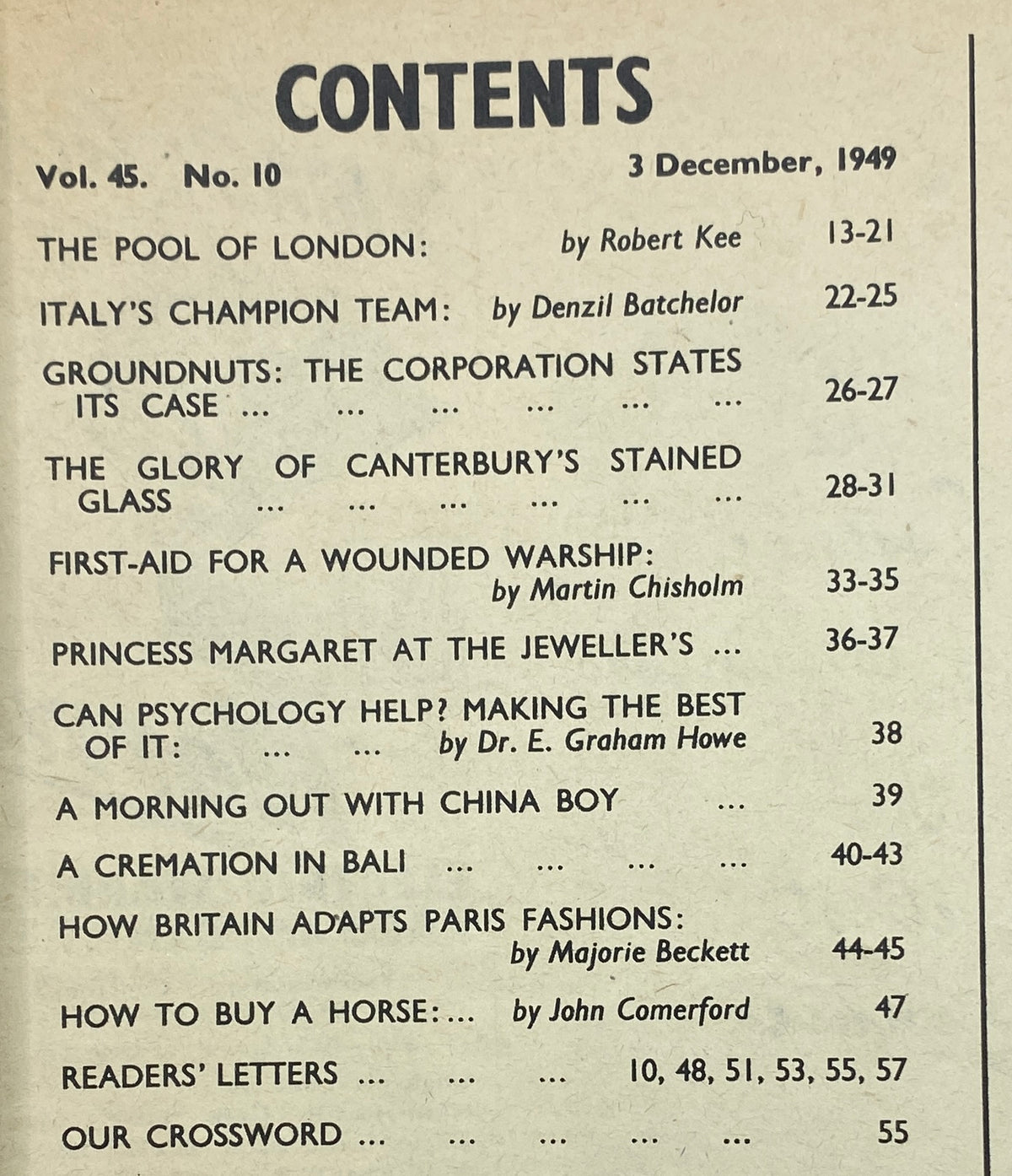
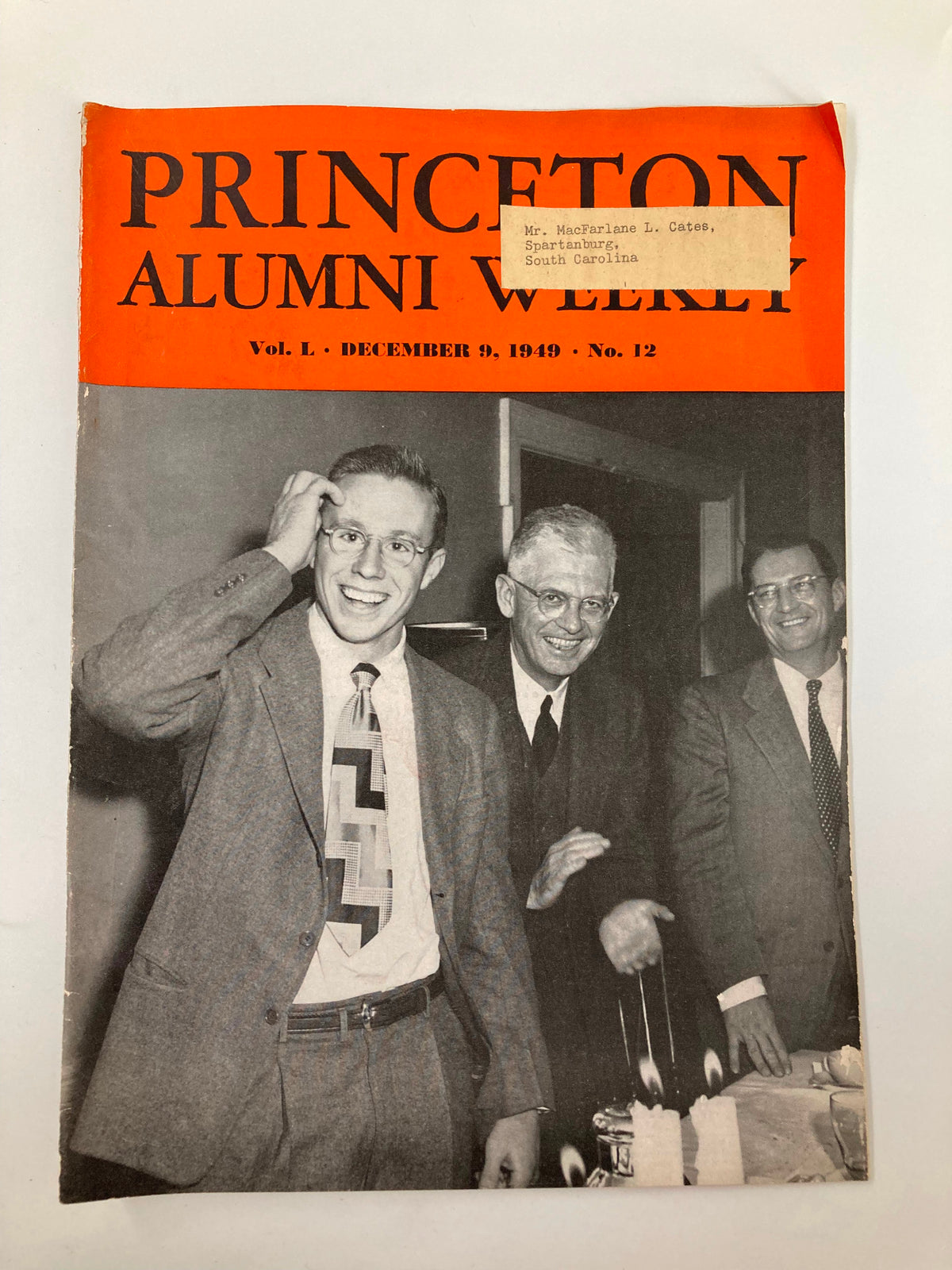
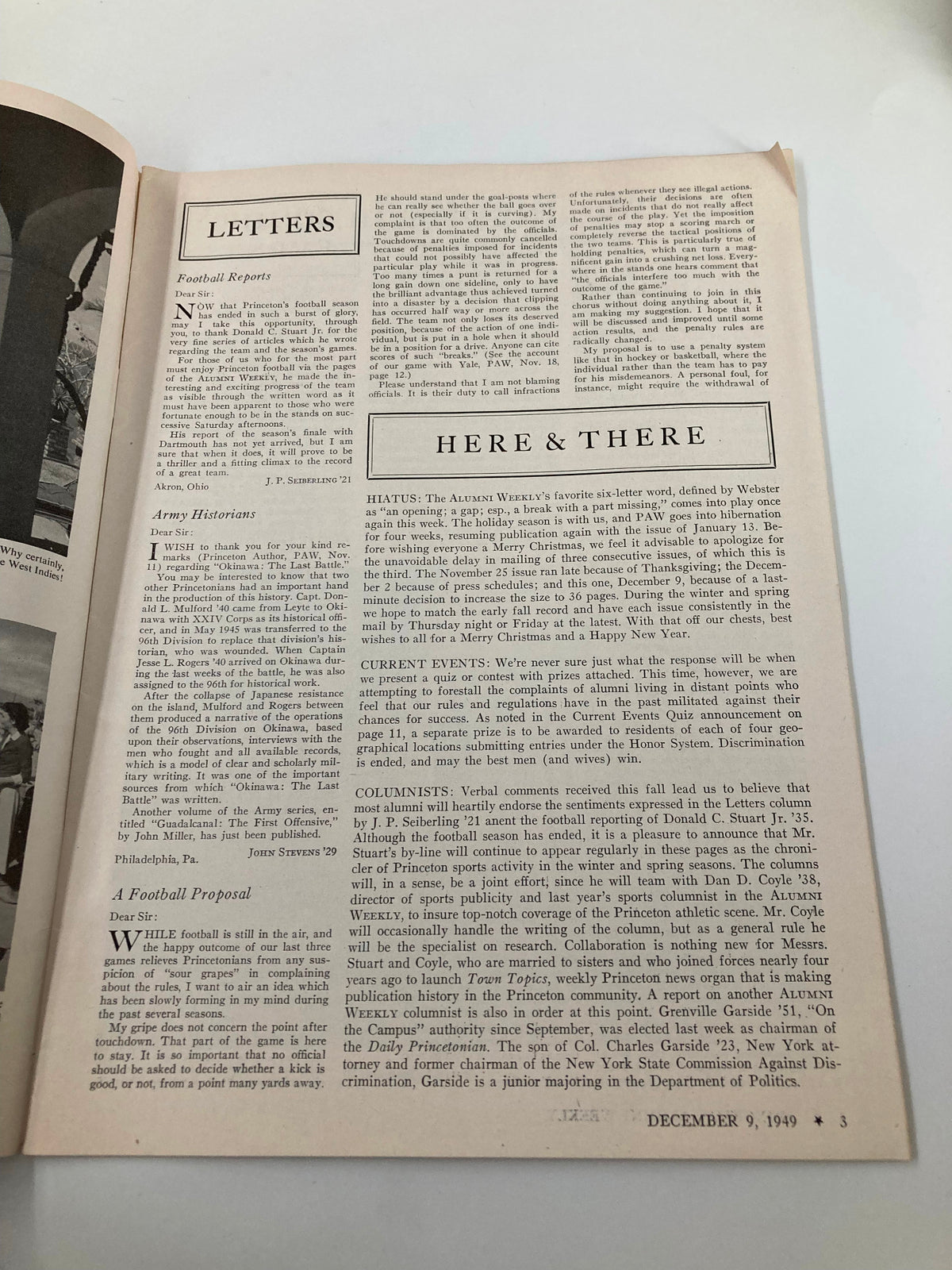
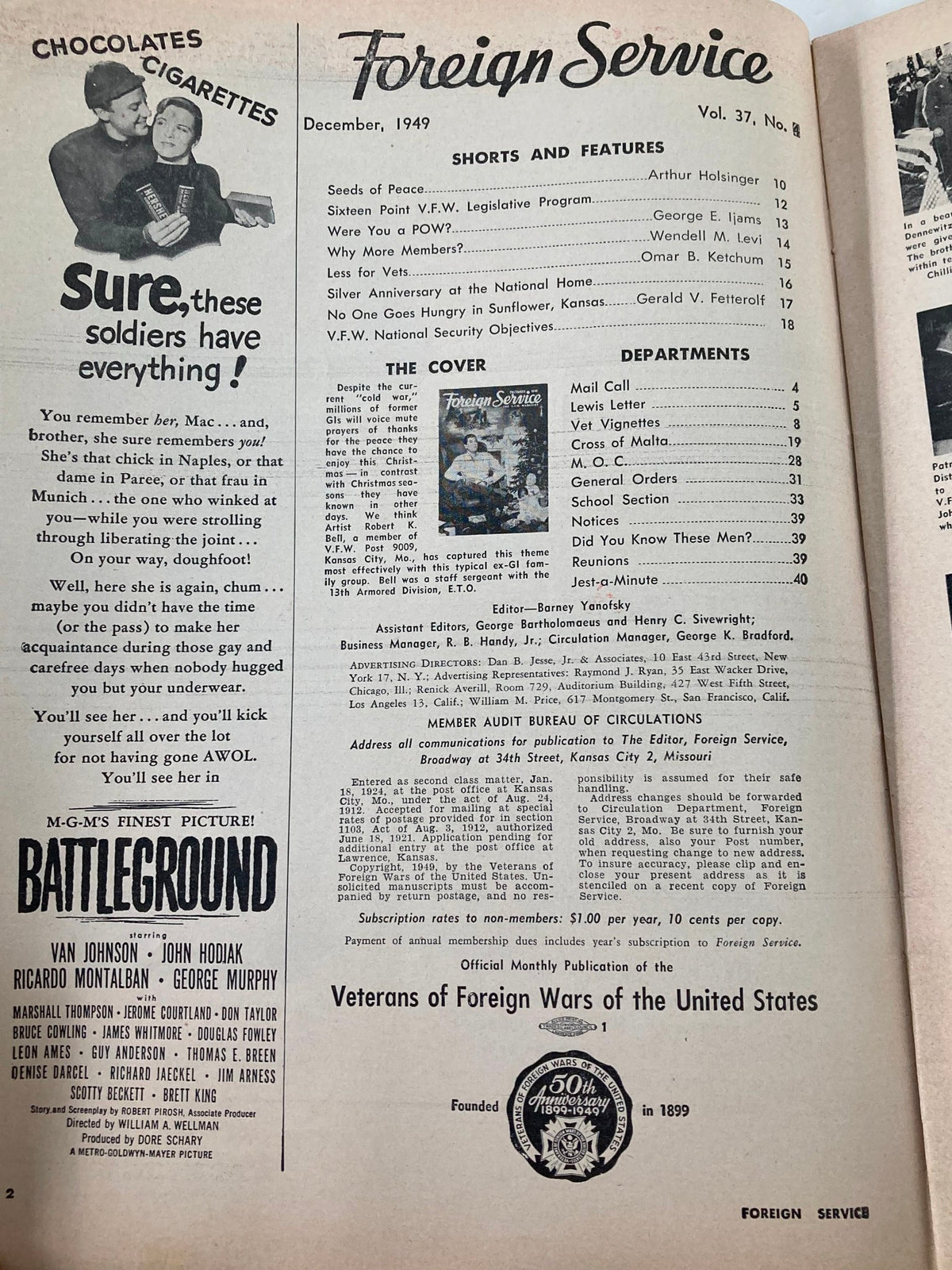
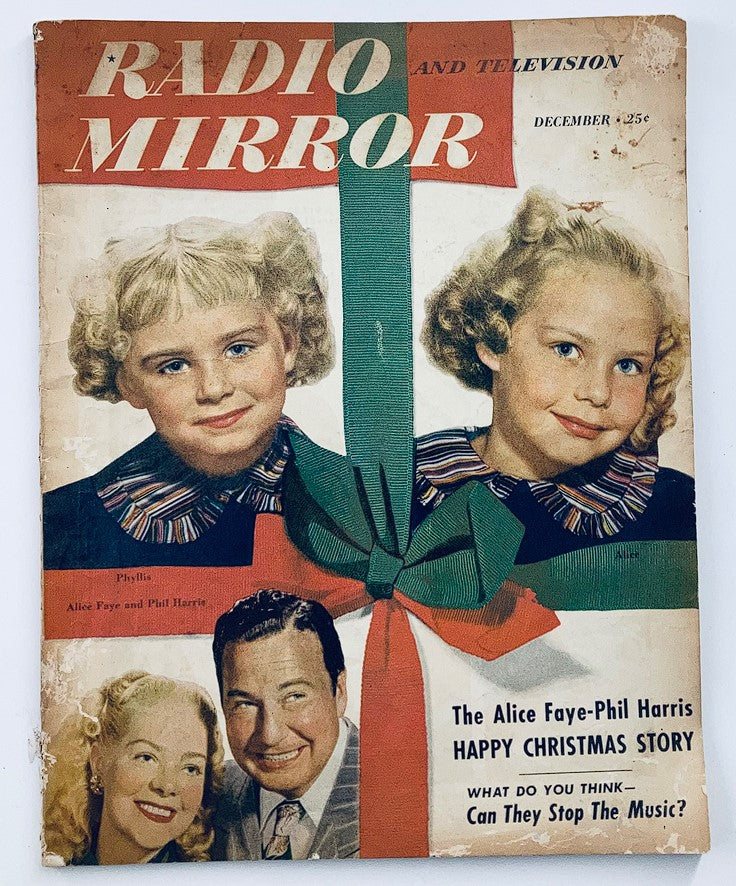
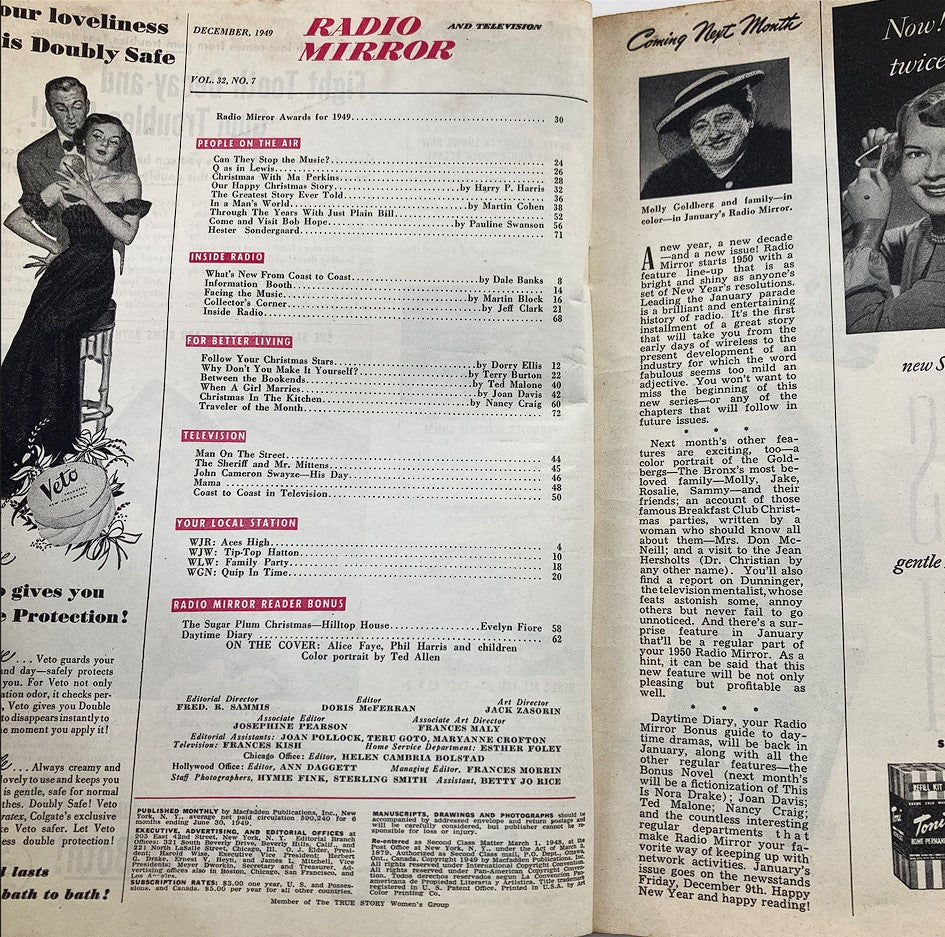
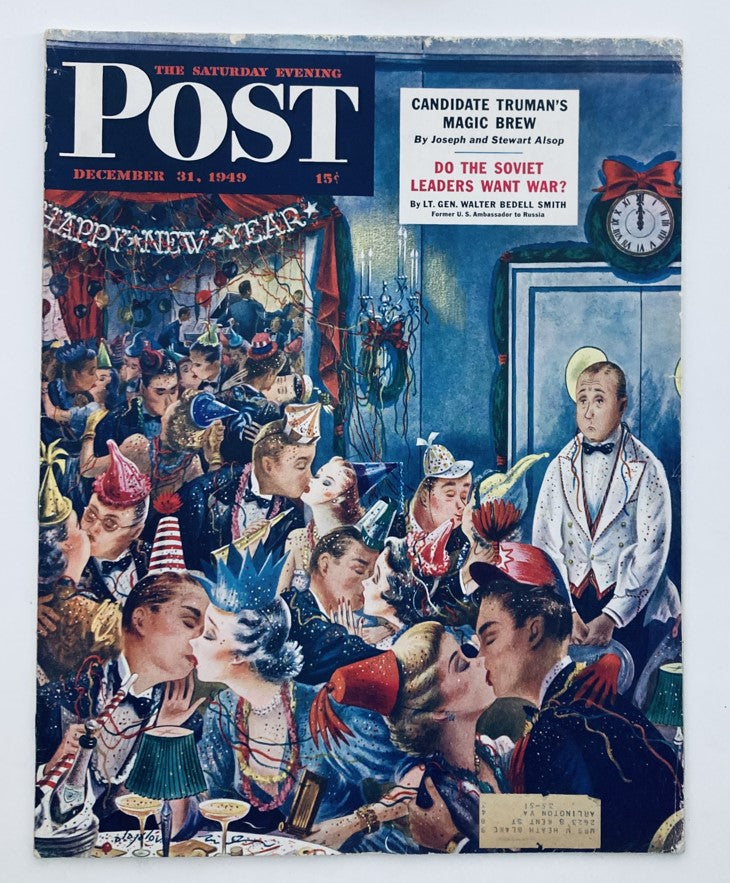
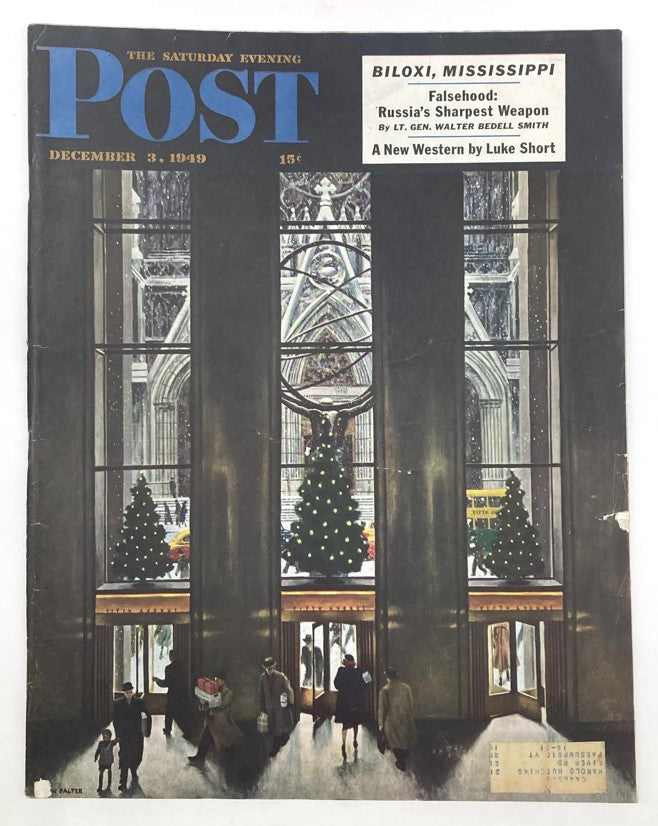
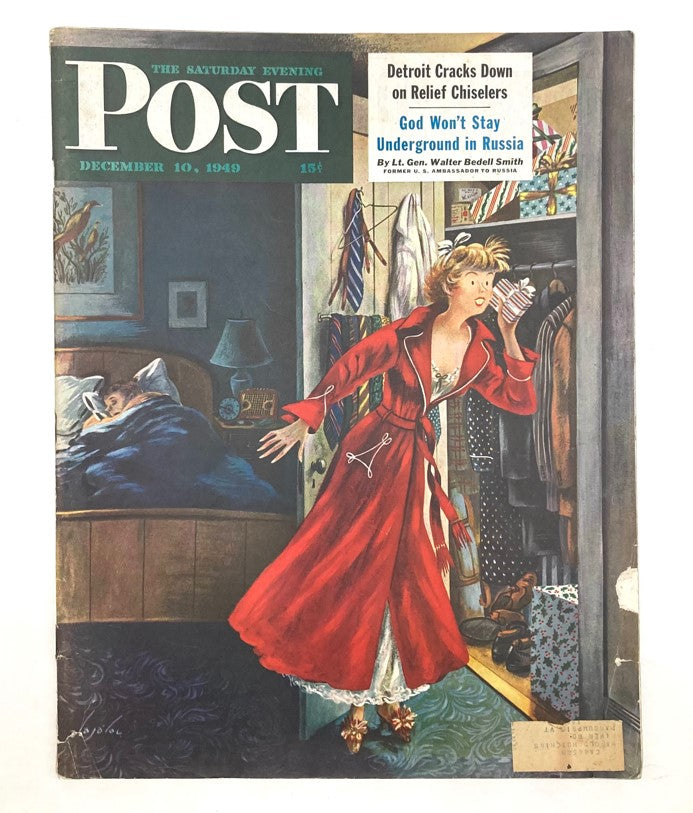
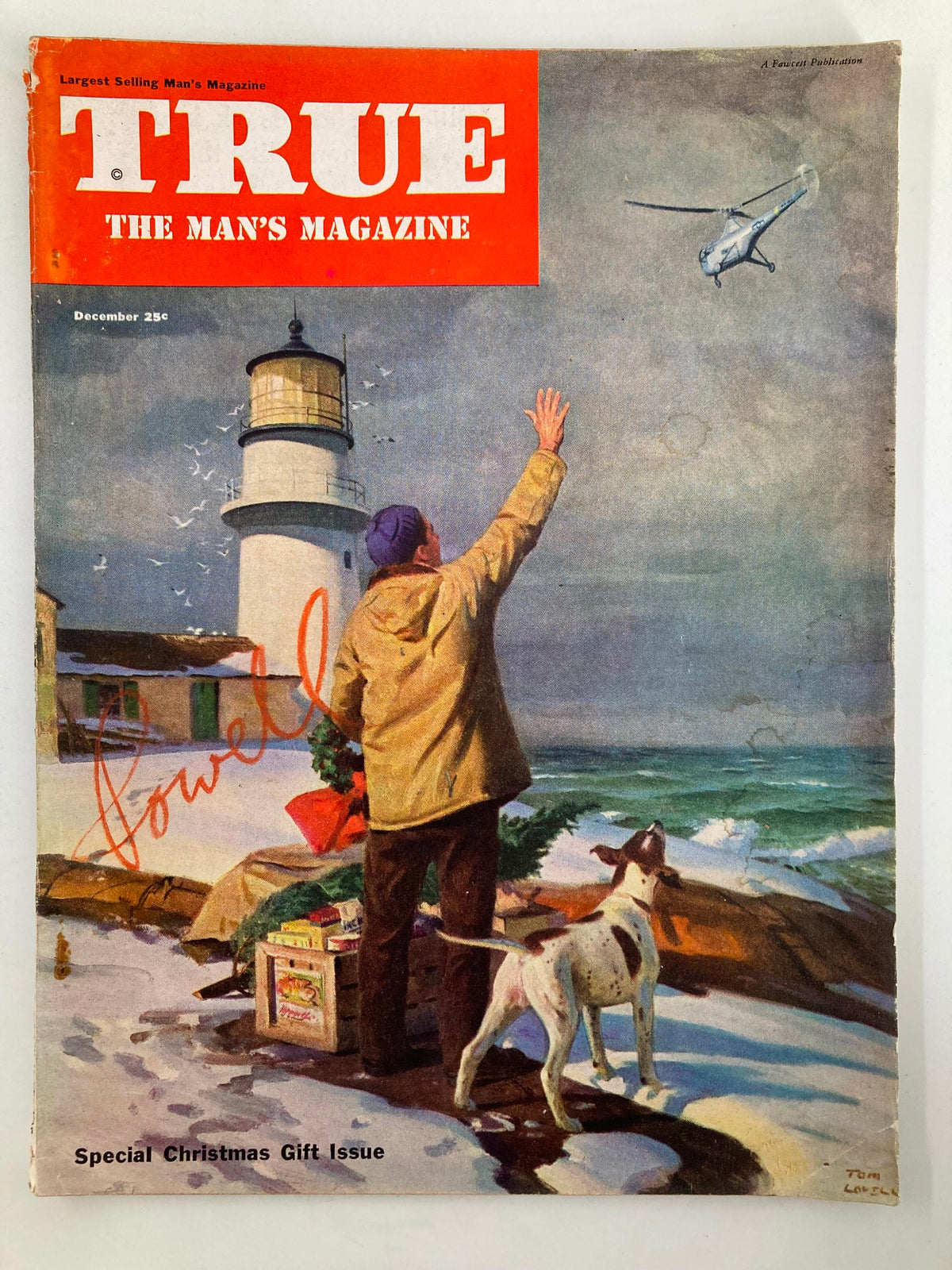
Original magazines from December 1949 capture this remarkable cultural convergence. Life and Look carried luminous spreads on the new films, while Variety chronicled the seismic Broadway season. On December 21st, Cecil B. DeMille's spectacular Samson and Delilah, starring Hedy Lamarr and Victor Mature, premiered in New York—its biblical scale designed for the wide-screen age. Sports fans, meanwhile, watched the NFL absorb three AAFC franchises including the Cleveland Browns, who had just claimed their final AAFC title on December 11th. These rare magazines preserve the advertisements, photography, and editorial energy of a month unlike any other.
Curator's Checklist: What to Look for in December 1949 Magazines
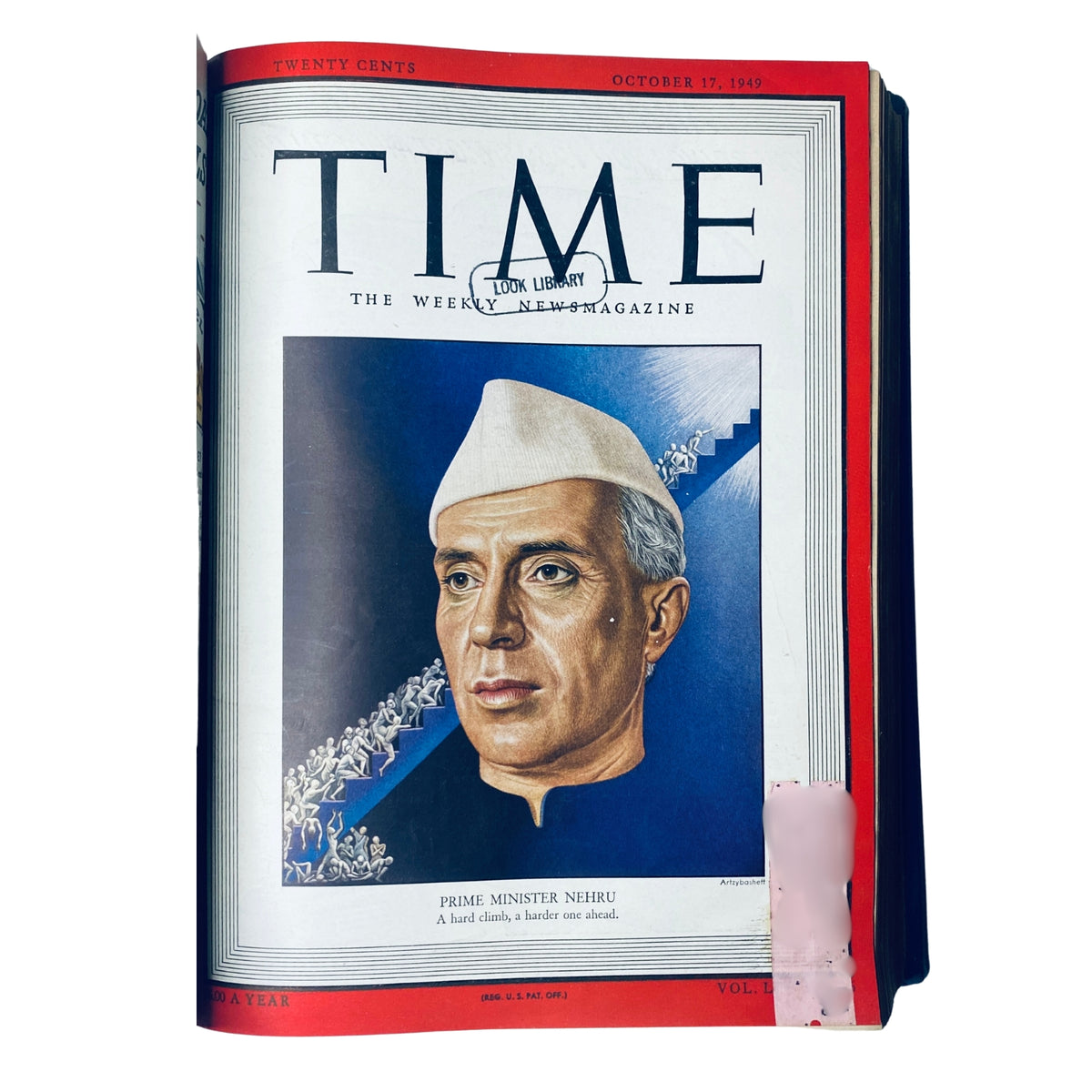
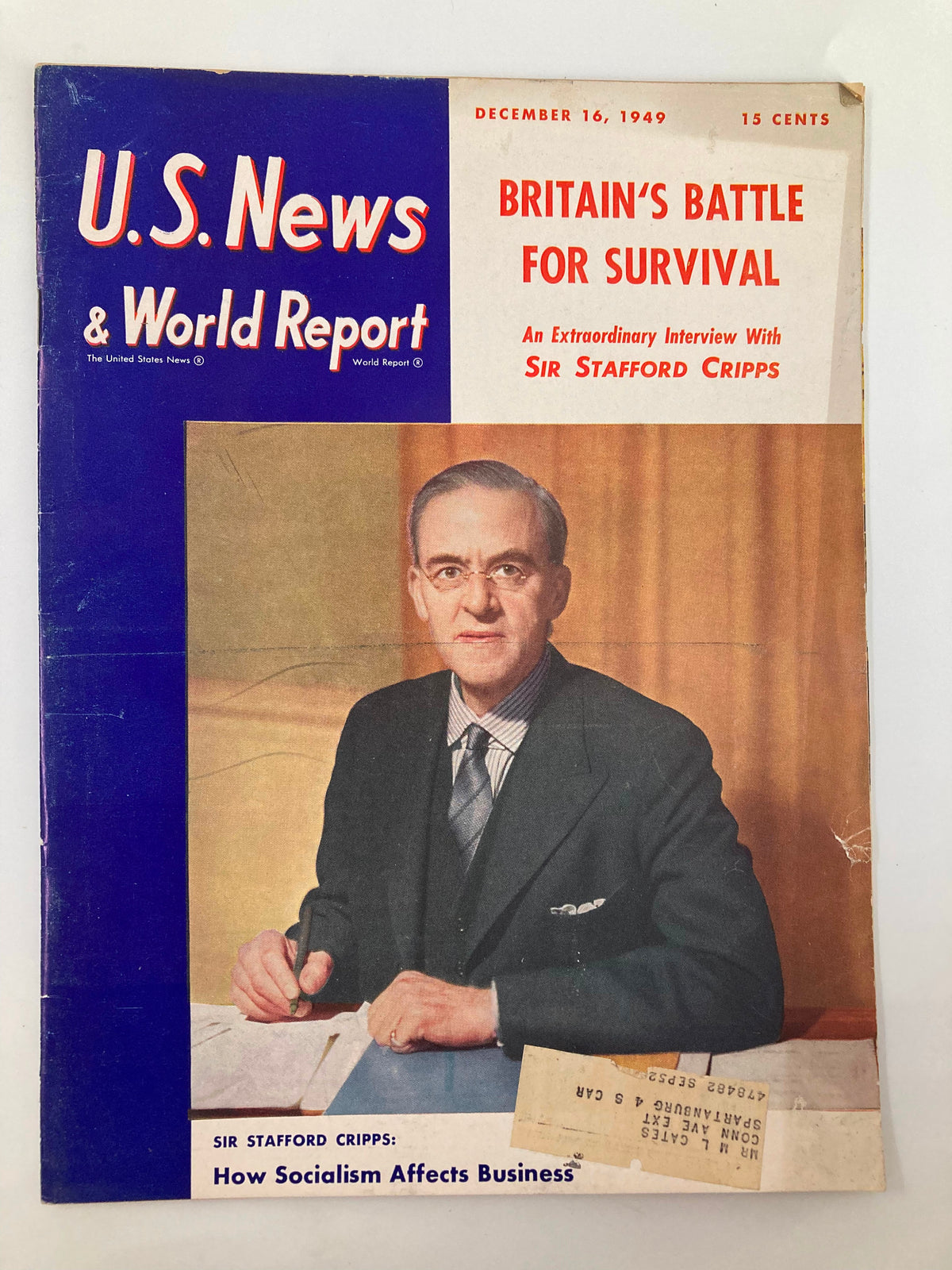
- Chiang Kai-shek and the China Story: Time, Life, and Newsweek dedicated major coverage—and often cover images—to the Nationalist retreat to Taiwan, featuring maps, portrait photography, and analysis of what communist China meant for American foreign policy.
- Cecil B. DeMille's Samson and Delilah: Entertainment and general interest vintage magazines from this month showcase lavish studio advertisements for the DeMille epic, often featuring full-page portraits of Hedy Lamarr in costume, a genuinely striking artifact of Hollywood's golden promotional machine.
- NFL Championship Coverage: Sports Illustrated would not yet exist, but Life, Look, and regional sports publications chronicled the Philadelphia Eagles' 14–0 mud-soaked championship victory over the Los Angeles Rams on December 18th—one of the era's most memorable title games.
- Broadway's Golden Season: Variety and general-interest magazines document the simultaneous closing of A Streetcar Named Desire and the triumphant opening of Gentlemen Prefer Blondes—a single month capturing both an ending and a beginning for American theater.
- Indonesian Independence: Time and Newsweek covered Queen Juliana's formal recognition of Indonesian sovereignty on December 27th, with photographs of the ceremony and analysis of post-colonial realignments across Asia—authentic documents of a world reordering itself.
The Perfect Gift for a December 1949 Birthday
For someone born in December 1949, an original magazine from this extraordinary month isn't just a piece of paper—it's a genuine time capsule of the world at their first breath, preserved in authentic headlines, period advertisements, and photographs that no reproduction can replicate.