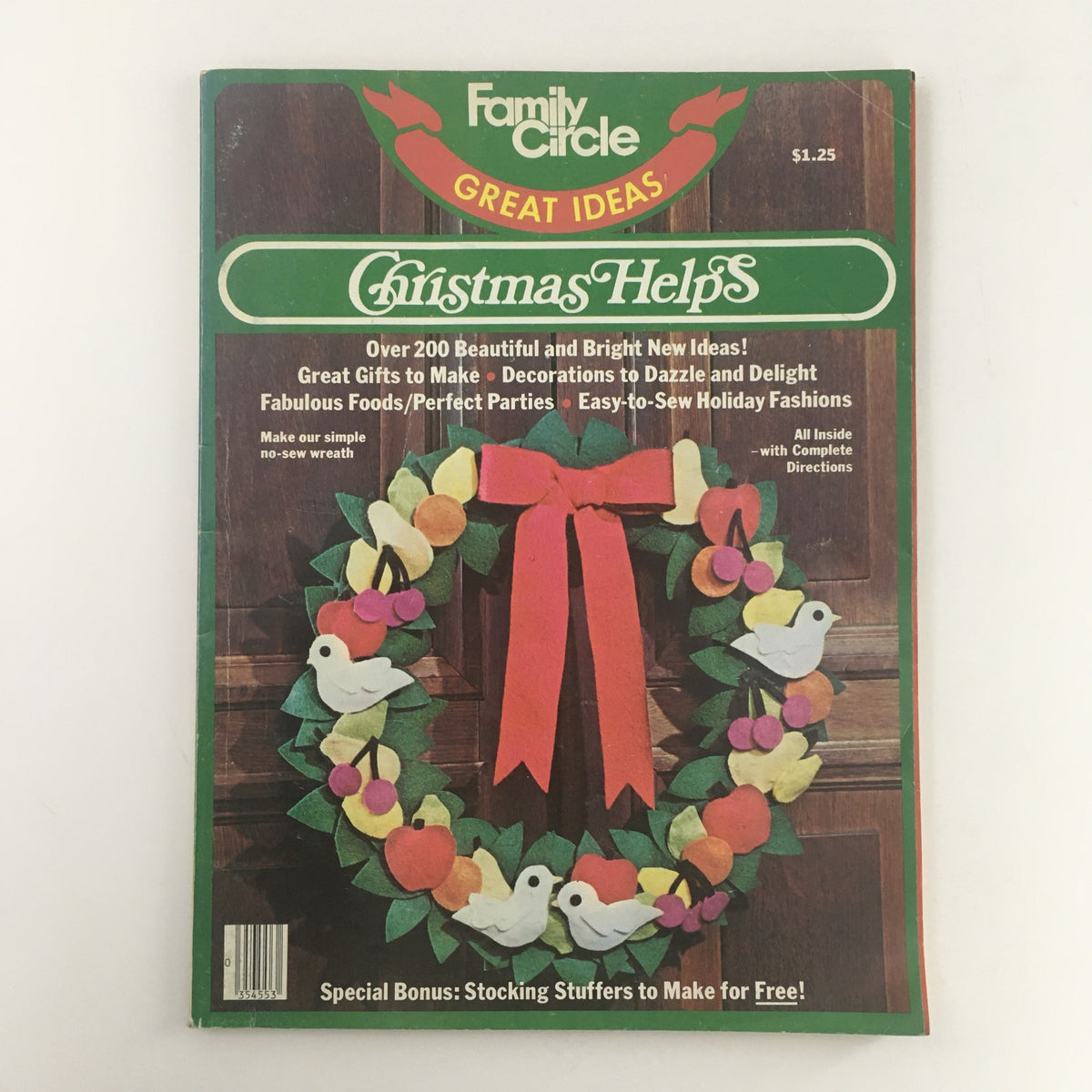
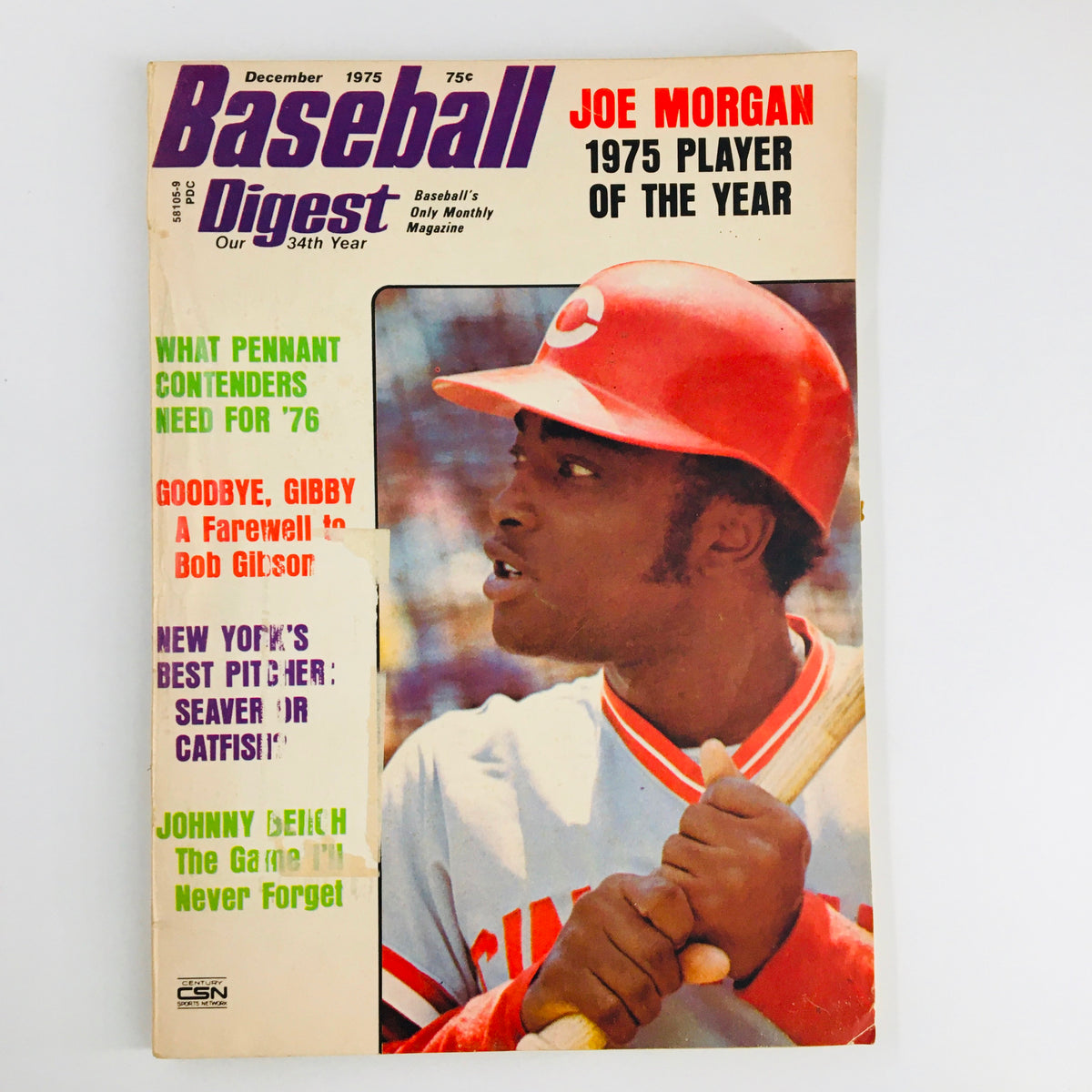
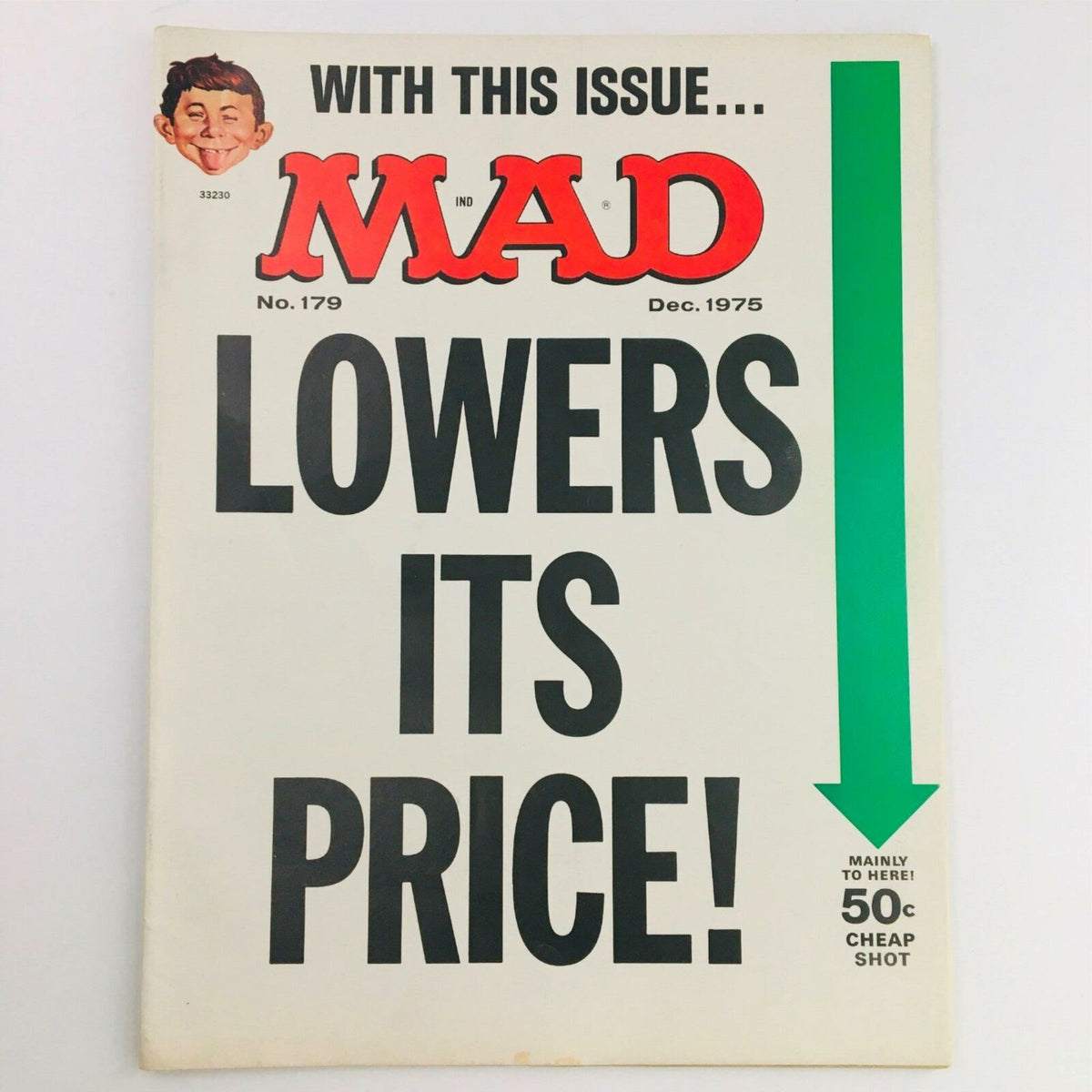
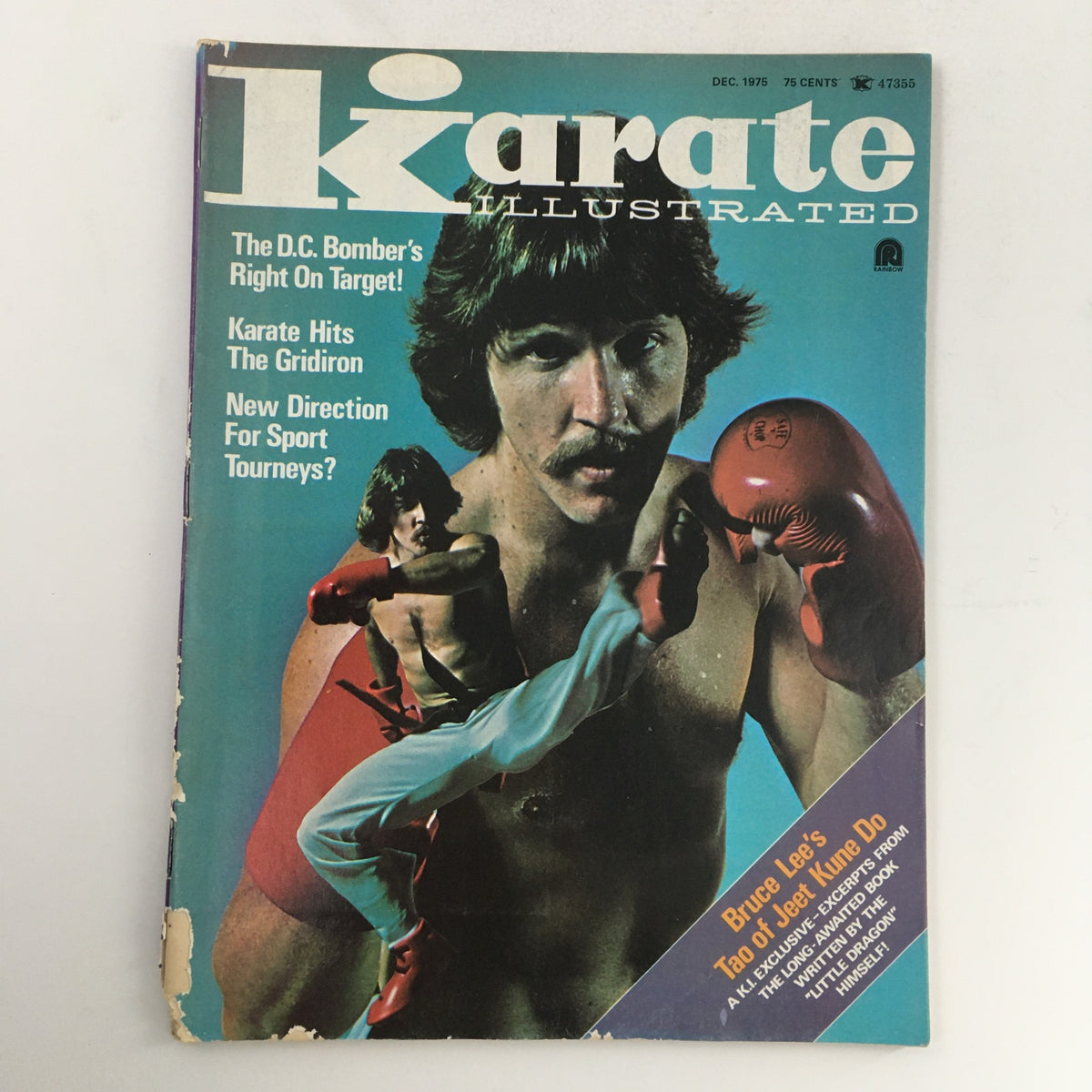
📖 About this Collection
December 1975: The Cold War's Final Chapter
The Historical Context
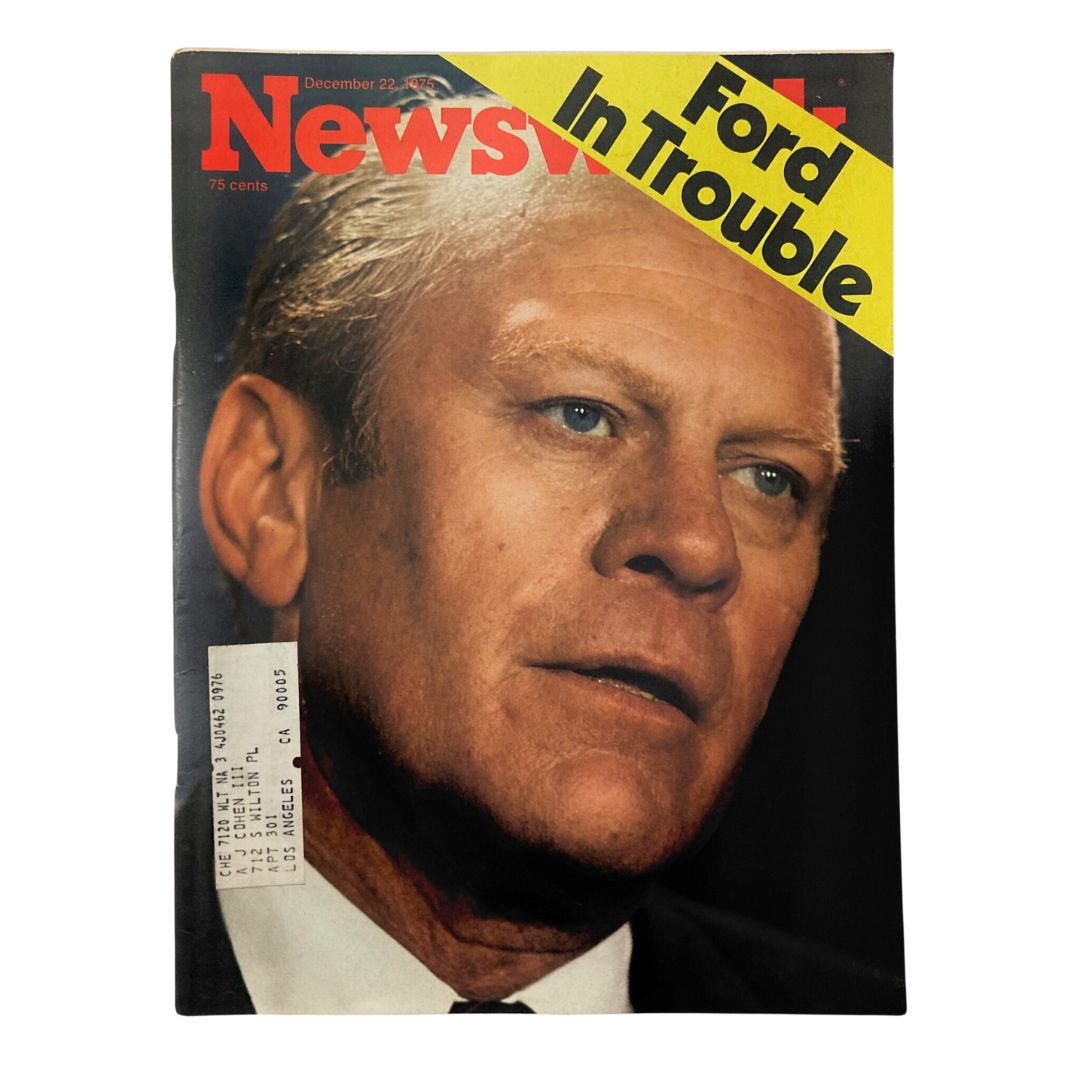
The world stood at a curious crossroads in December 1975—the Vietnam War had ended just seven months prior, détente seemed to promise a thaw in superpower tensions, yet new flashpoints emerged weekly. President Gerald Ford's historic visit to China opened the month, a diplomatic gambit that would have been unthinkable a decade earlier, while Soviet dissident Andrei Sakharov's Nobel Peace Prize acceptance (by proxy, as Moscow refused him exit) reminded readers that the ideological struggle remained far from over. Indonesia's invasion of East Timor, terrorist sieges in London and the Netherlands by South Moluccan separatists, and a deadly bombing at LaGuardia Airport underscored that global instability had merely shifted theaters. Time and Newsweek devoted covers to these seismic events, while original magazines from December 1975 captured a nation processing the end of one era and the uncertain beginning of another. This was the world your loved one entered—a moment when old certainties crumbled and new geopolitical realities were still being written.
The pop culture landscape reflected this transitional mood, offering both comfort and innovation. Saturday Night Live introduced its first-ever time delay when Richard Pryor hosted on December 13, a watershed moment in television irreverence chronicled in TV Guide. Sports Illustrated covered the "Hail Mary"—Roger Staubach's legendary 50-yard touchdown pass to Drew Pearson on December 28 that gave the phrase national currency and the Dallas Cowboys a playoff victory. Tennis fans witnessed Björn Borg's dominance as he crushed Ilie Năstase in the ATP Masters Grand Prix and clinched Sweden's Davis Cup victory, performances detailed in vintage magazines alongside Archie Griffin's historic second consecutive Heisman Trophy win. Ron Wood officially joined the Rolling Stones on December 19, while Joe Walsh signed with the Eagles the following day, reshuffling rock's elite as documented in Rolling Stone and Variety. Original magazines from December 1975 feature these cultural shifts in real-time—the advertisements for new album releases, the television programming guides showing "One Day at a Time" debuting on CBS, the fashion spreads in Vogue and Harper's Bazaar reflecting mid-decade's more relaxed silhouettes.
What to Look For in Original December 1975 Magazines
-
President Ford's China Visit: News magazines like Life and Look featuring photo essays of Ford's historic diplomatic mission to Beijing, complete with banquet imagery and Mao Zedong protocol photographs that signaled America's pivot toward pragmatic engagement with Communist China.
-
Sakharov's Nobel Prize: Newsweek and Time covering the dramatic story of Yelena Bonner accepting her husband's Peace Prize in Oslo while Soviet authorities kept the physicist under house arrest—a Cold War drama played out in the international press with photographs from the ceremony.
-
The LaGuardia Bombing: Rare magazines and newspaper supplements documenting the December 29 terrorist attack that killed 11 and injured 75, with crime scene photography and investigative reporting that captured New York City's vulnerability during the turbulent mid-1970s.
-
Sports Illustrated's "Hail Mary" Coverage: Illustrated spreads chronicling Roger Staubach's miraculous playoff touchdown pass, with action photography and Drew Pearson's catch that would become one of football's most replayed moments—preserved in the glossy pages before instant replay culture.
-
Rock's Changing Guard: Entertainment magazines showcasing Ron Wood's integration into the Rolling Stones lineup and the Eagles' expansion, captured in concert photography and interview features that documented these legendary bands' evolution during their commercial peak.
The Perfect Gift
For someone born in December 1975, an original magazine from this pivotal month isn't just a nostalgic artifact—it's an authenticated portal to the precise moment when Cold War détente, terrorist anxiety, and cultural transformation converged, preserved in genuine advertisements, breaking news photography, and unfiltered editorial voices.