📖 About this Collection
December 1978: Revolution's Gathering Storm
The Historical Context
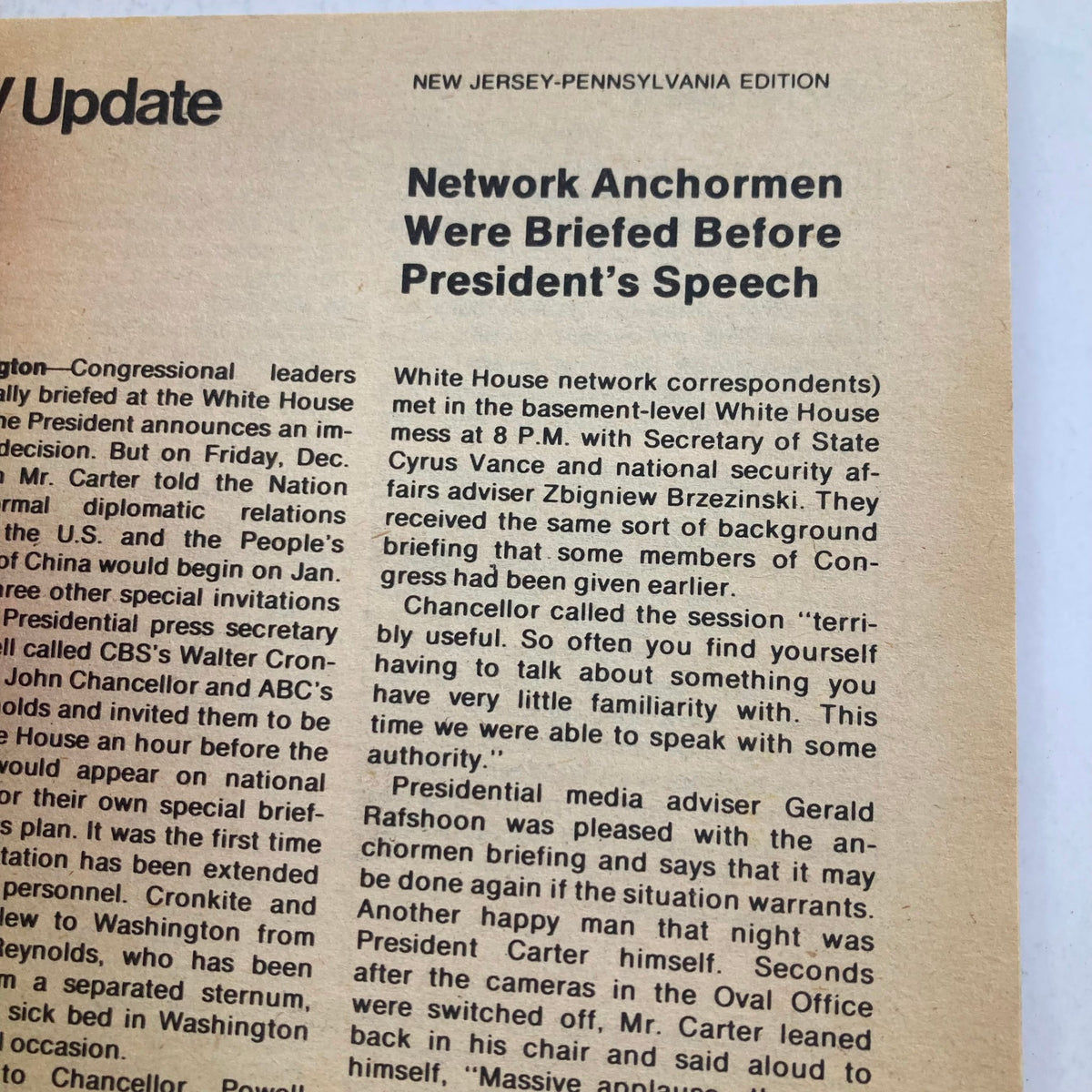
The final month of 1978 crackled with tension across three continents. In Tehran, protesters chanted "Allah is great" as the Shah's grip on Iran weakened—a revolution that would reshape the Middle East was gathering unstoppable momentum. Just days later, the Shah desperately asked Shapour Bakhtiar to form a civilian government, a last-ditch effort that would prove futile. Across the Pacific, China detonated nuclear devices at Lop Nor while the USSR tested at Semipalatinsk, Cold War tensions simmering beneath diplomatic niceties. At home, Ronald Reagan denounced President Carter's recognition of the People's Republic of China, and Cleveland became the first American city since the Depression to default on its loans. Yet December 1978 also brought moments of hope: Menachem Begin and Anwar Sadat accepted the Nobel Peace Prize for negotiating peace between Egypt and Israel, while Spain emerged from forty years of dictatorship when King Juan Carlos ratified the nation's first democratic constitution. This was the world your loved one entered—a month suspended between old orders crumbling and new futures uncertain.
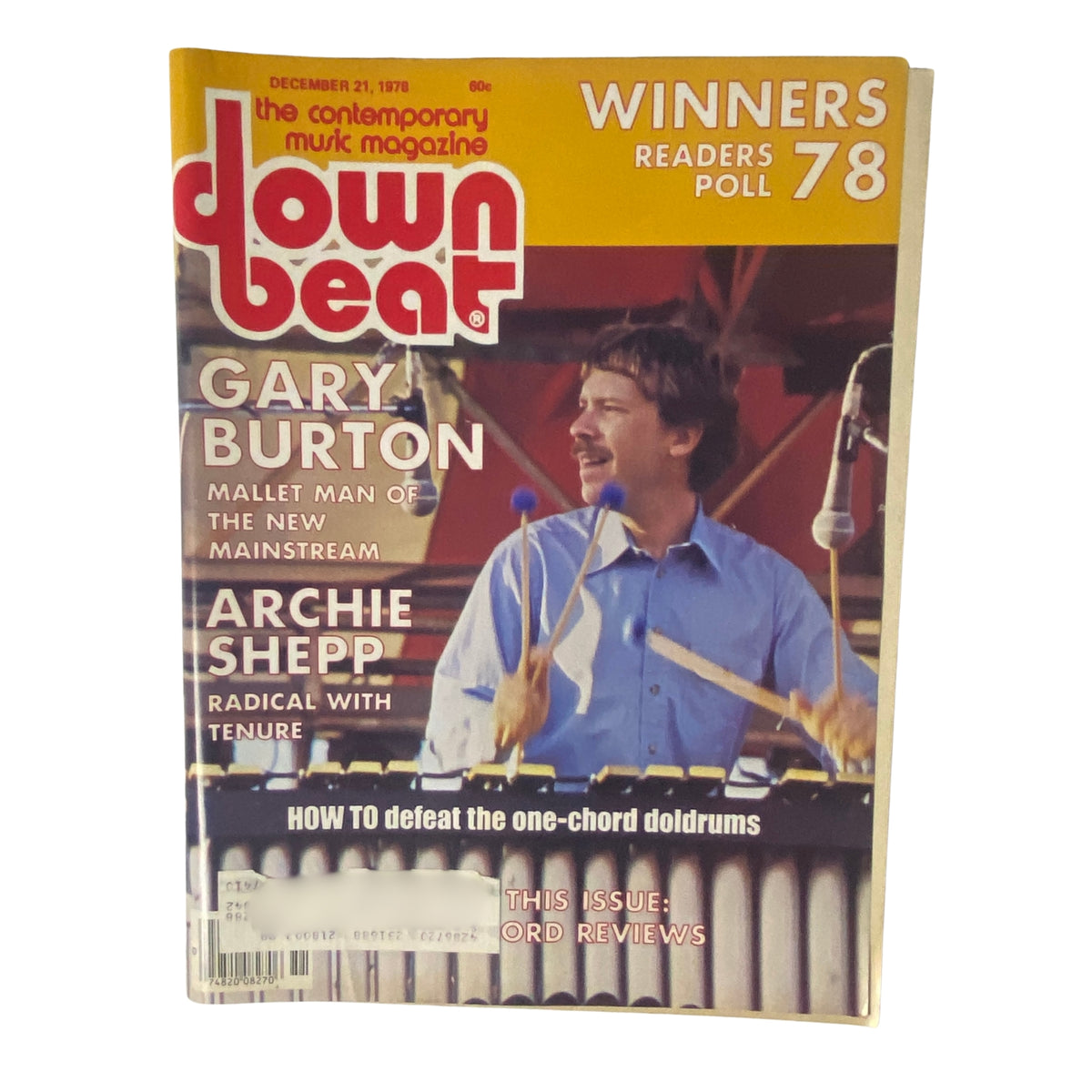
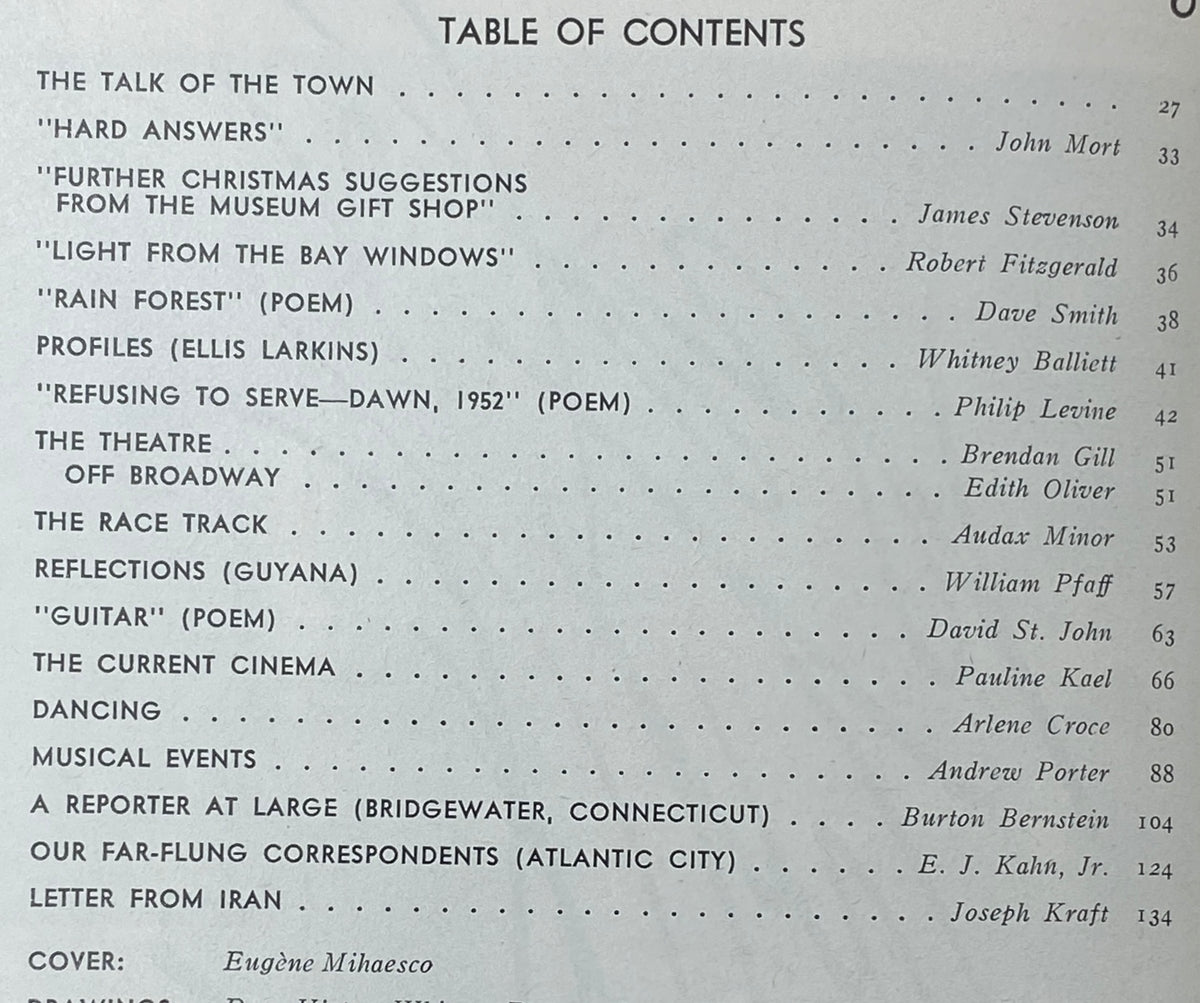
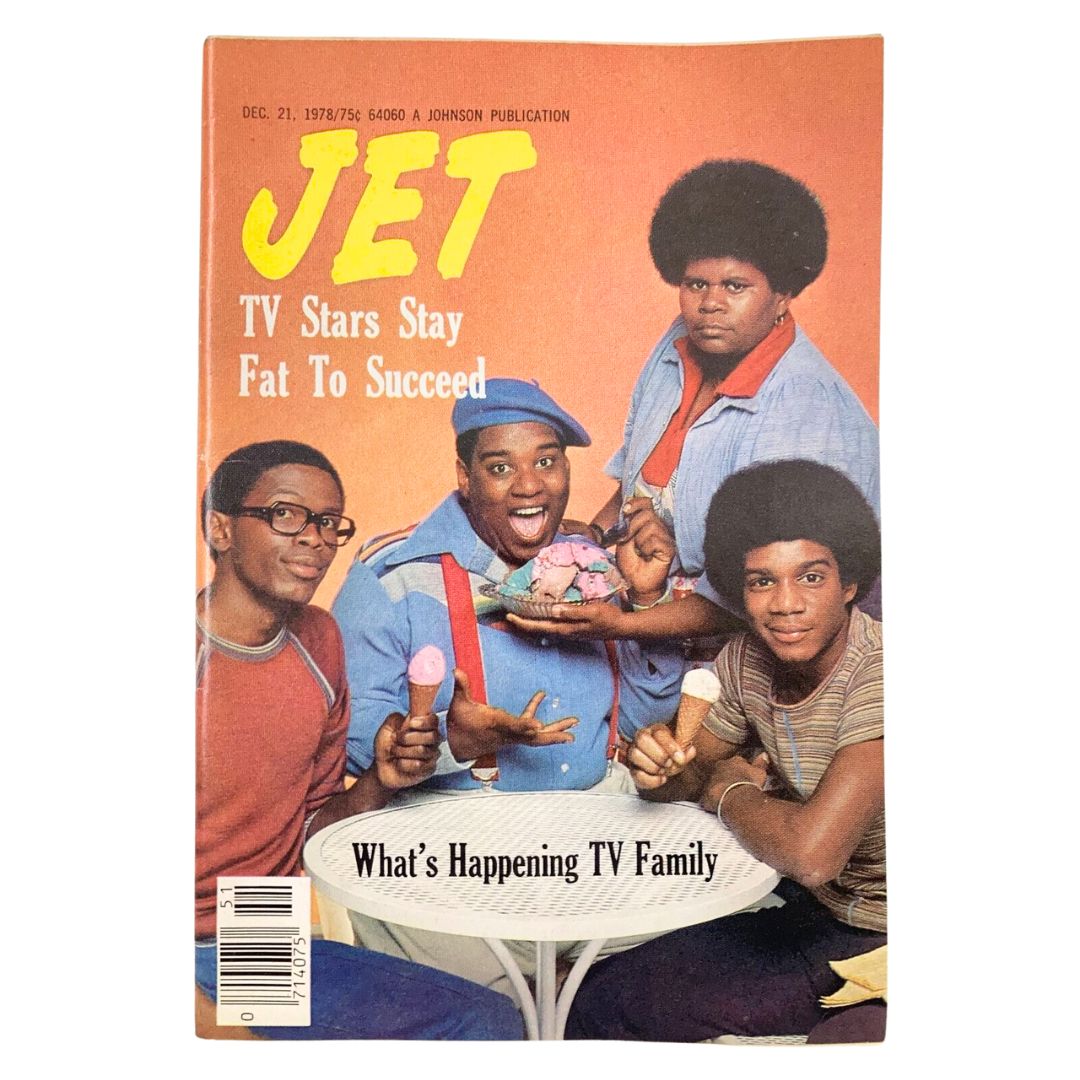
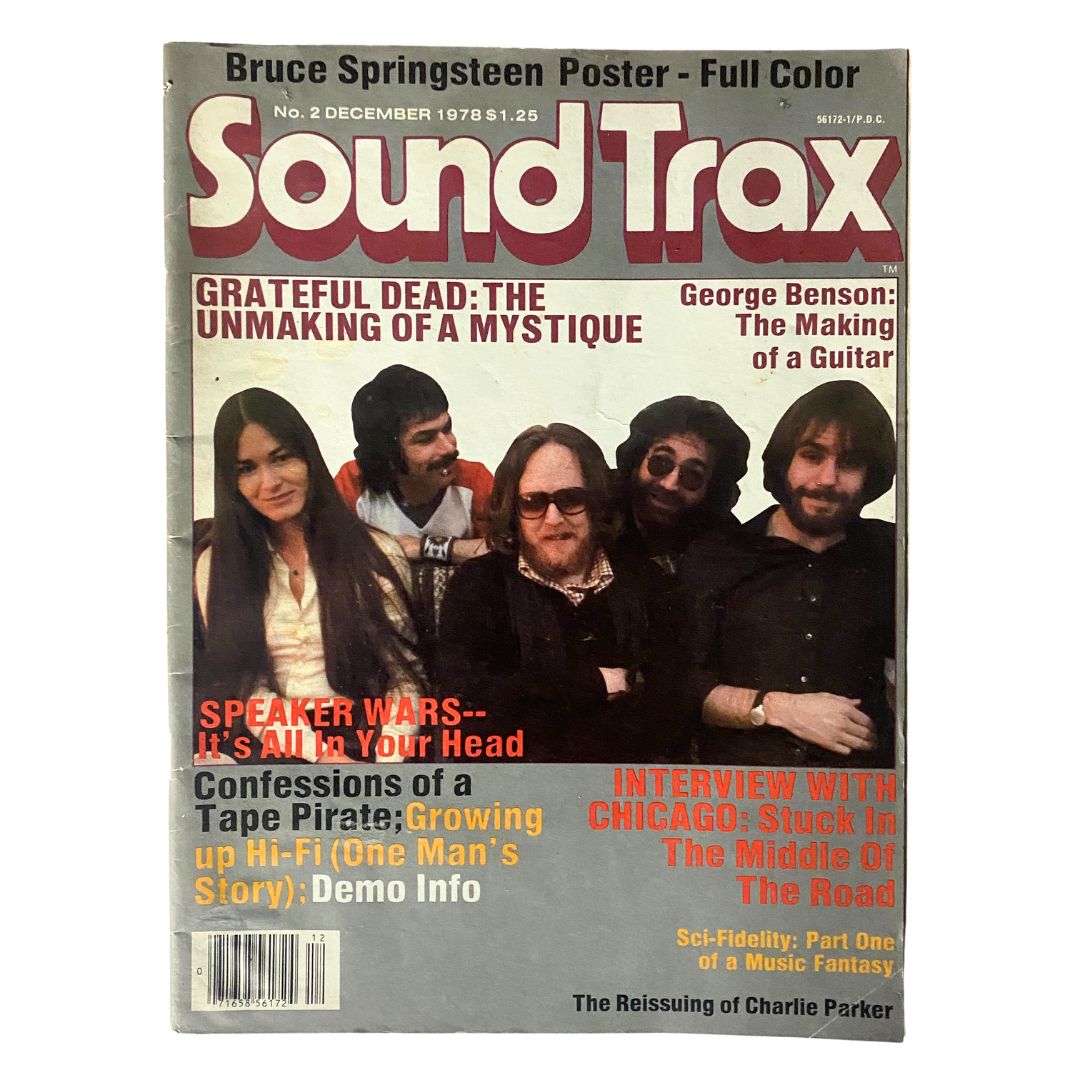
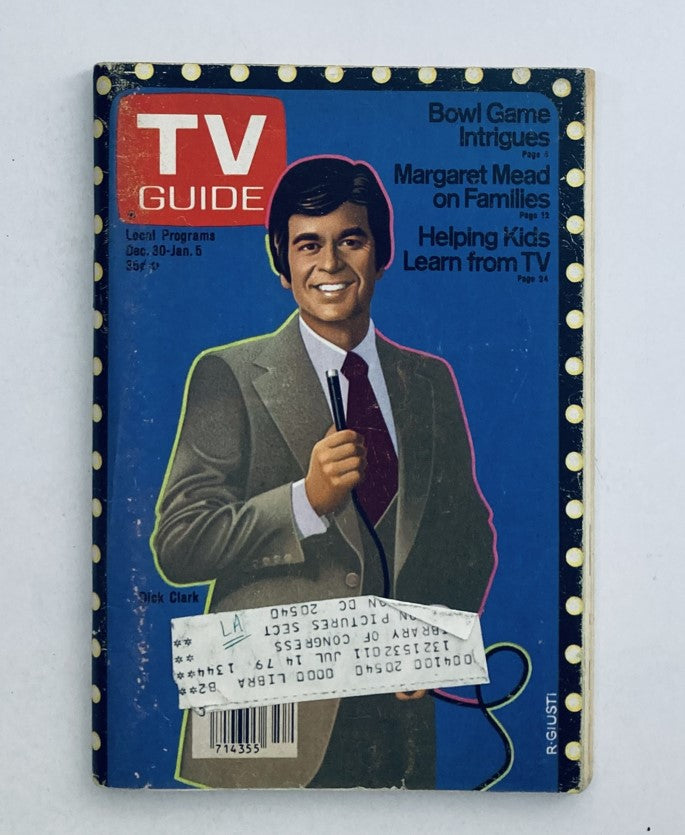
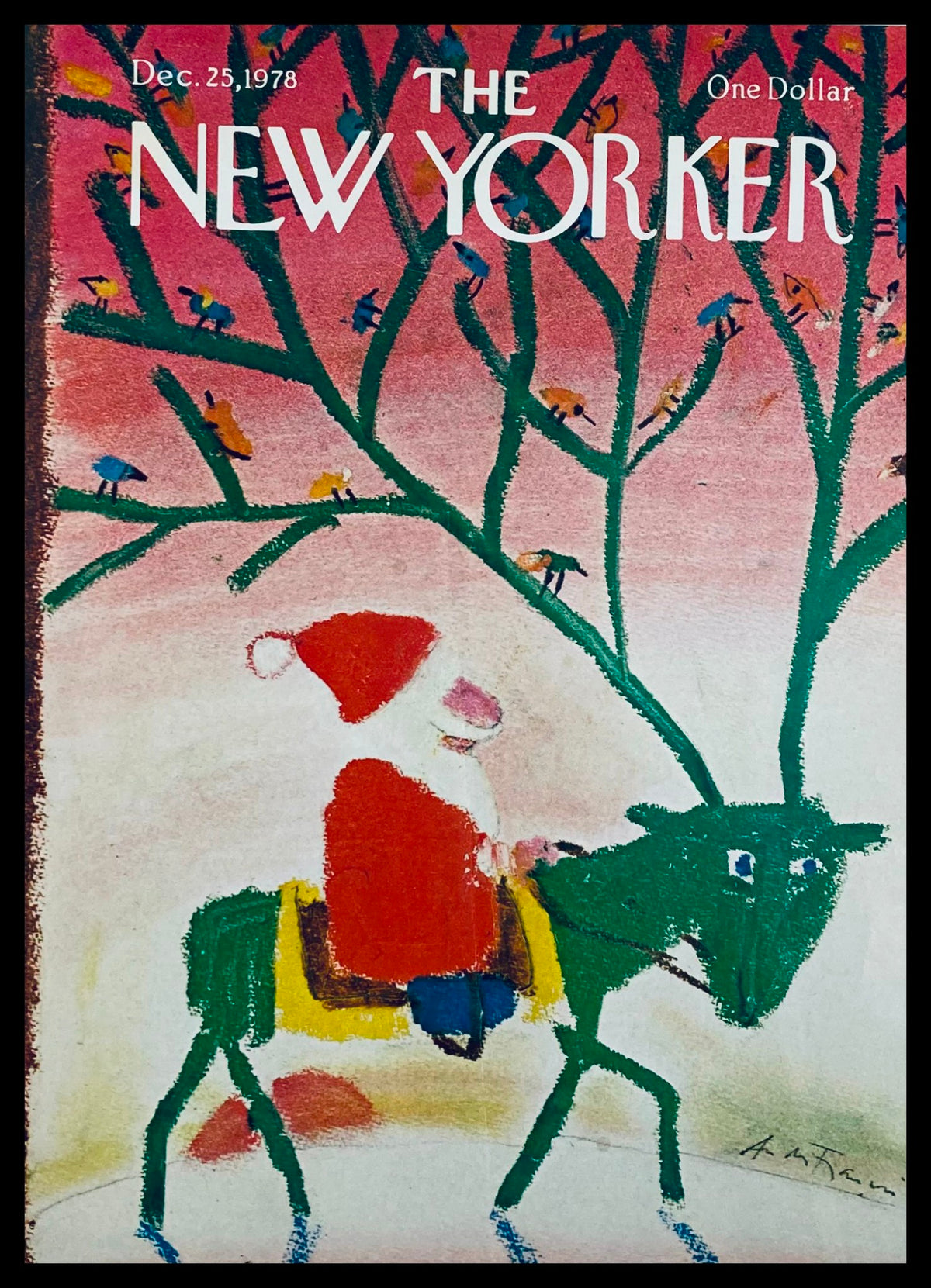
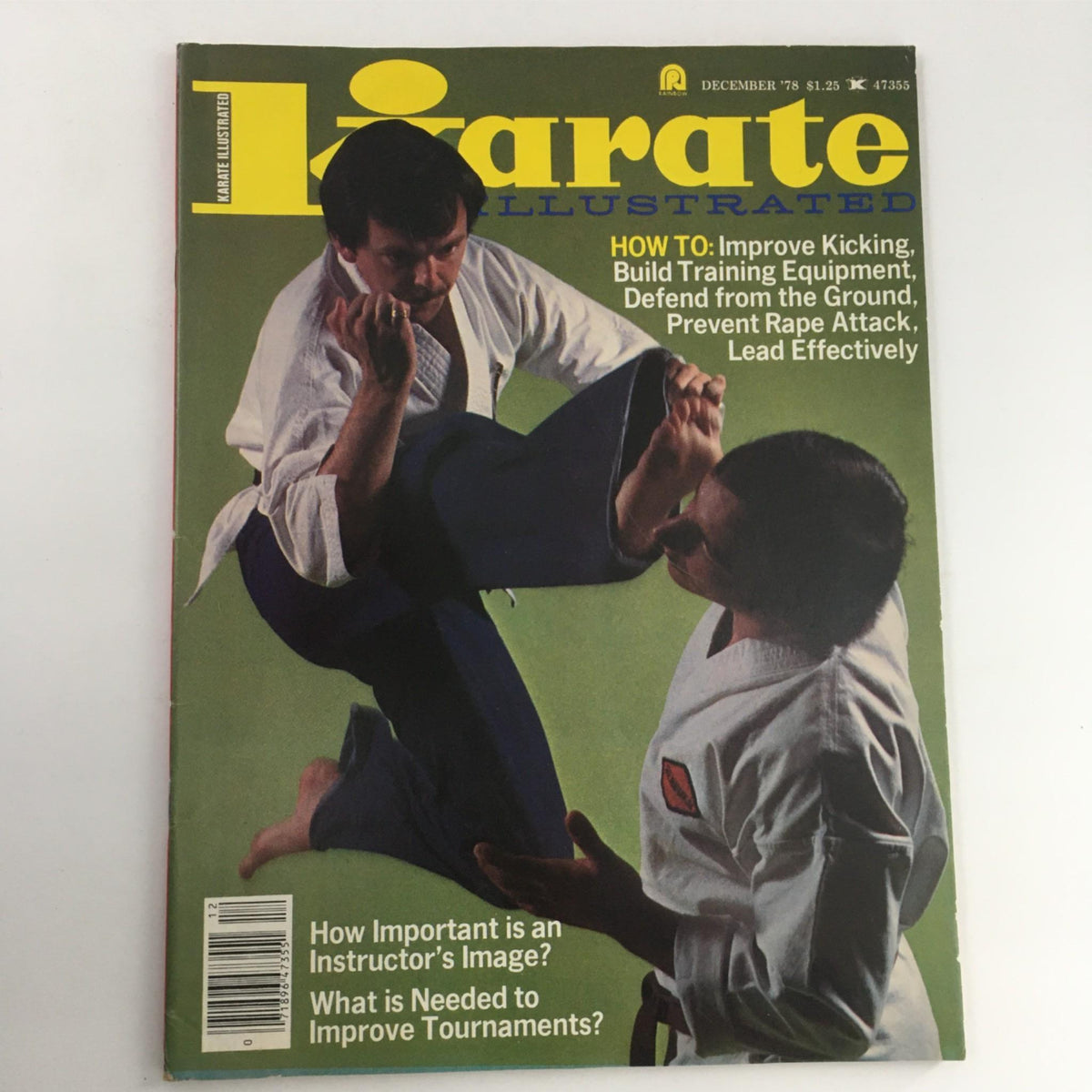
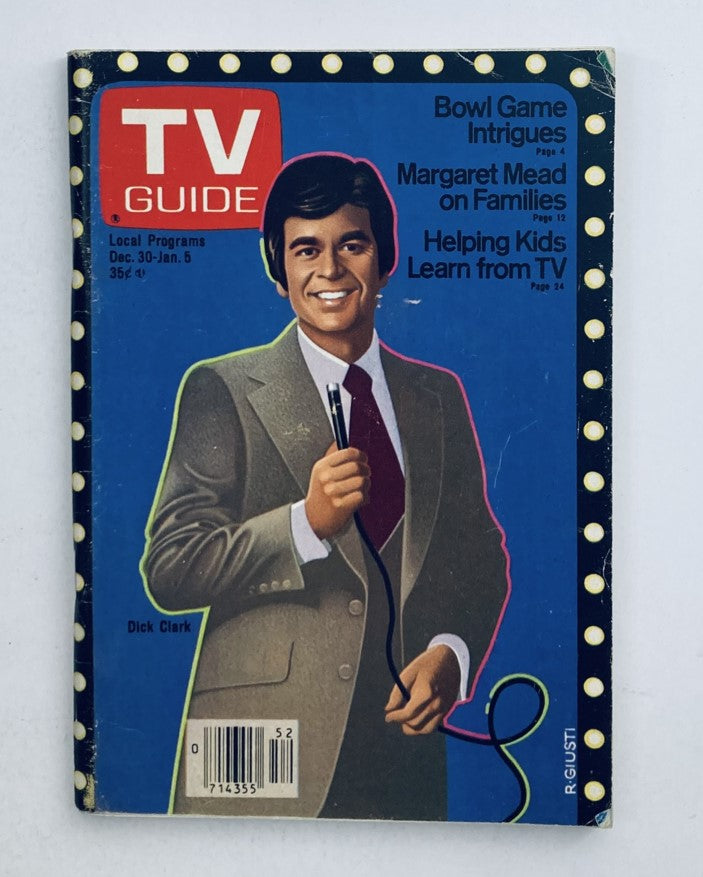
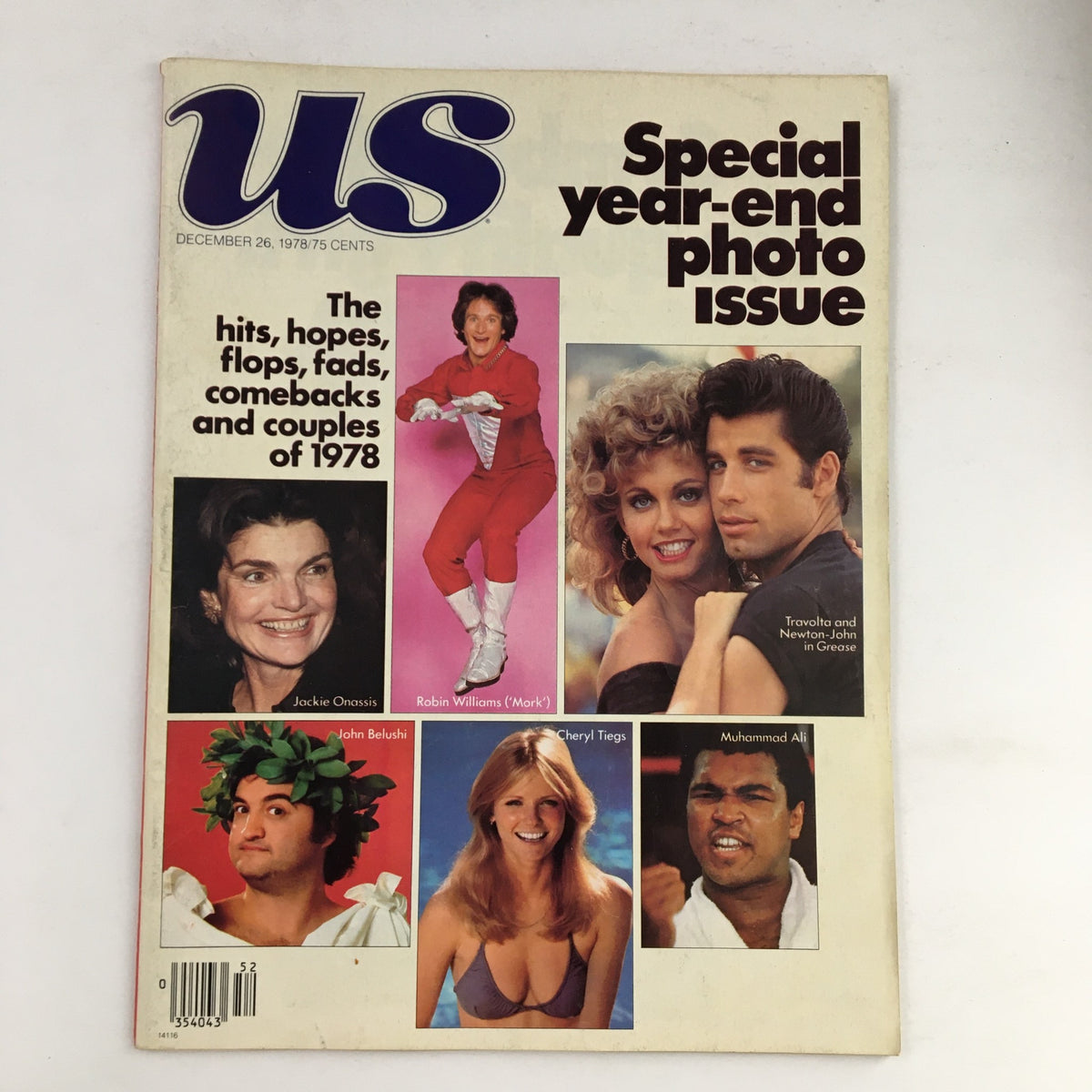
While headlines tracked revolutions and treaties, America's living rooms witnessed their own transformations. "Superman: The Movie" premiered in Washington D.C., with Christopher Reeve making audiences believe a man could fly, while "The Deer Hunter" began its Oscar-destined run in Los Angeles, Robert De Niro and Meryl Streep bringing Vietnam's devastation to the screen with unflinching honesty. Neil Diamond and Barbra Streisand's duet "You Don't Bring Me Flowers" topped the charts—a bittersweet ballad that dominated radio waves and variety show performances. Baseball made headlines when Pete Rose became the sport's highest-paid player, signing a $3.2 million contract with the Philadelphia Phillies. On ice, the New York Islanders' Bryan Trottier set an NHL record with six points in a single period. Original magazines from December 1978 captured these moments in vivid detail—Life and Look featuring cinematic stills from Hollywood's winter releases, Sports Illustrated chronicling Rose's contract negotiations, TV Guide previewing NBC's "A Woman Called Moses," and Time documenting the unfolding Iranian crisis through unprecedented photography.
What to Look for in Vintage Magazines from December 1978:
-
The Iranian Revolution's Early Days: News magazines like Time and Newsweek featuring dramatic street photography from Tehran's protests, analytical pieces on the Shah's weakening position, and prescient reporting that captured history's pivot point before the world fully understood its magnitude.
-
Hollywood's Epic Winter: Entertainment publications showcasing full-color spreads from "Superman" and "The Deer Hunter," behind-the-scenes features with Marlon Brando and Gene Hackman, and advertisements for the holiday movie season that defined 1978's cinematic ambitions.
-
Baseball's Economic Revolution: Sports Illustrated and general interest magazines chronicling Pete Rose's groundbreaking $3.2 million contract, rare magazines analyzing what this meant for professional sports economics, and editorial debates about whether athletes were worth such unprecedented sums.
-
Middle East Peace Process: Rare magazines featuring Nobel Prize coverage with photographs of Begin and Sadat in Oslo, Life magazine's photo essays on the Egypt-Israel peace negotiations, and political journals analyzing whether this diplomatic breakthrough could survive regional turbulence.
-
Spain's Democratic Rebirth: International news publications documenting King Juan Carlos ratifying Spain's constitution, vintage magazines with before-and-after perspectives on Europe's last major dictatorship falling, and thoughtful pieces on what democracy meant for a nation emerging from Franco's shadow.
The Perfect Gift
For someone born in December 1978, an original magazine from this pivotal month isn't just nostalgia—it's authenticated testimony from the precise moment when the old world order began its final collapse, preserved in genuine newsprint, original advertisements, and the unfiltered perspectives of journalists who couldn't yet know how these stories would end.