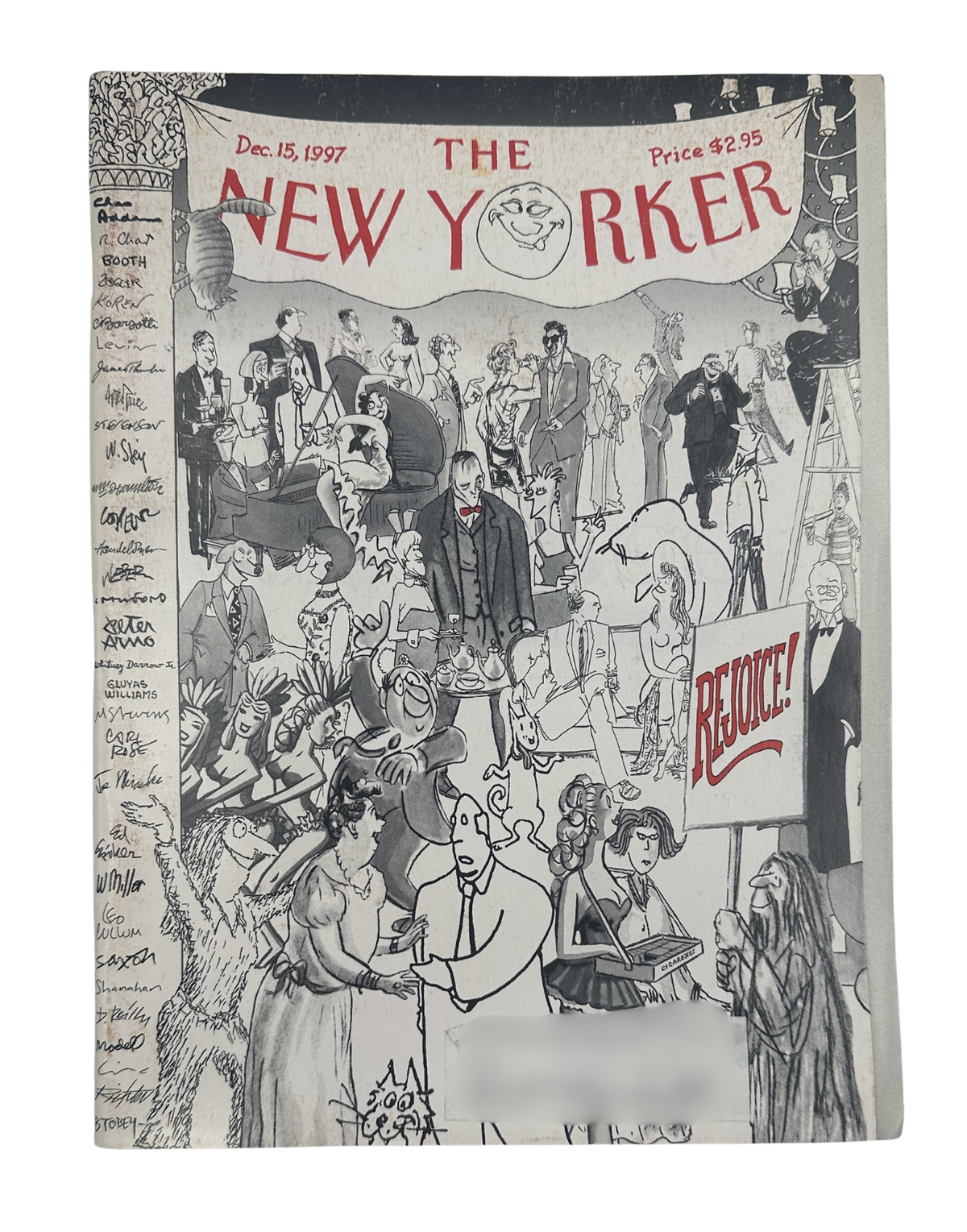
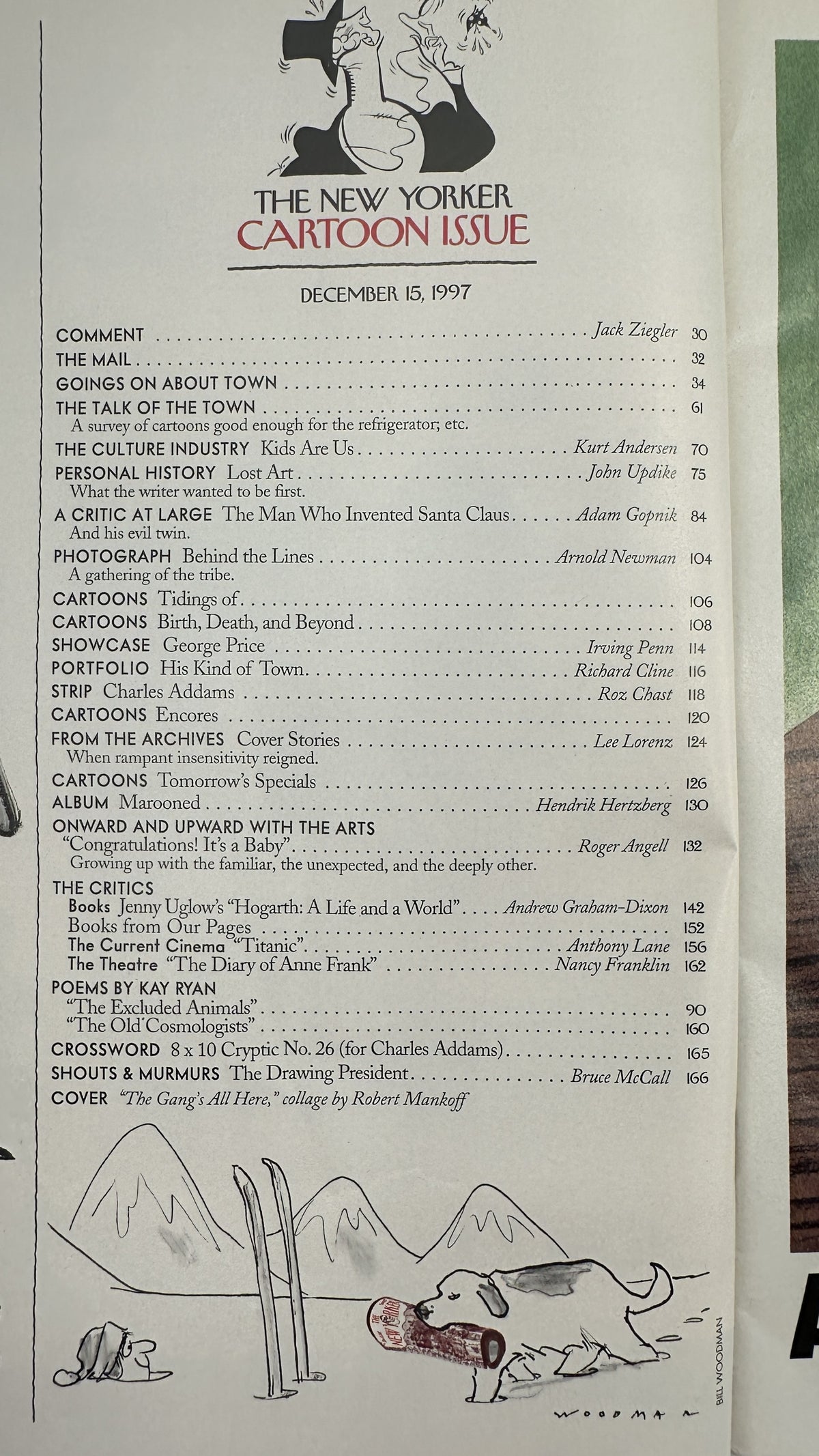
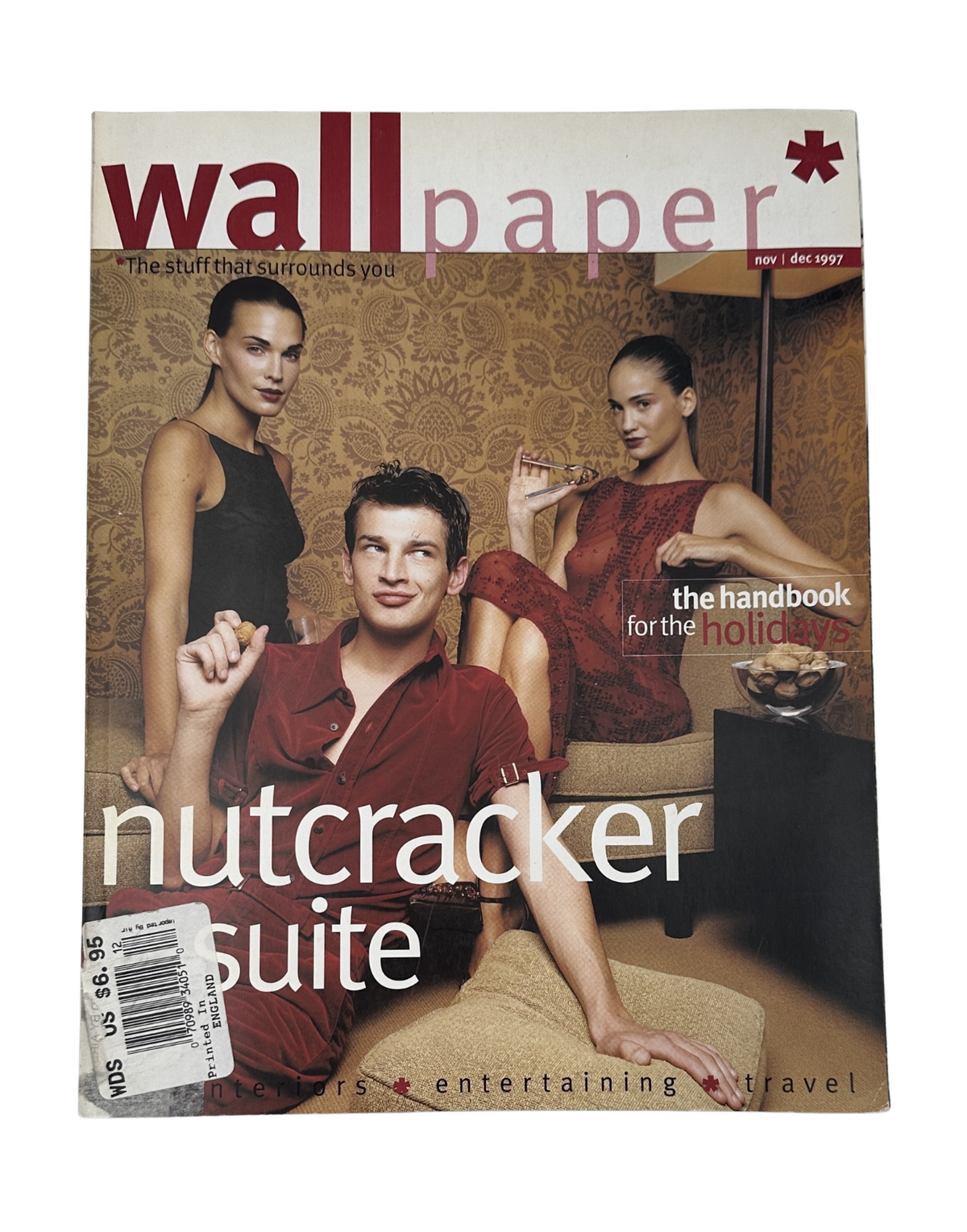
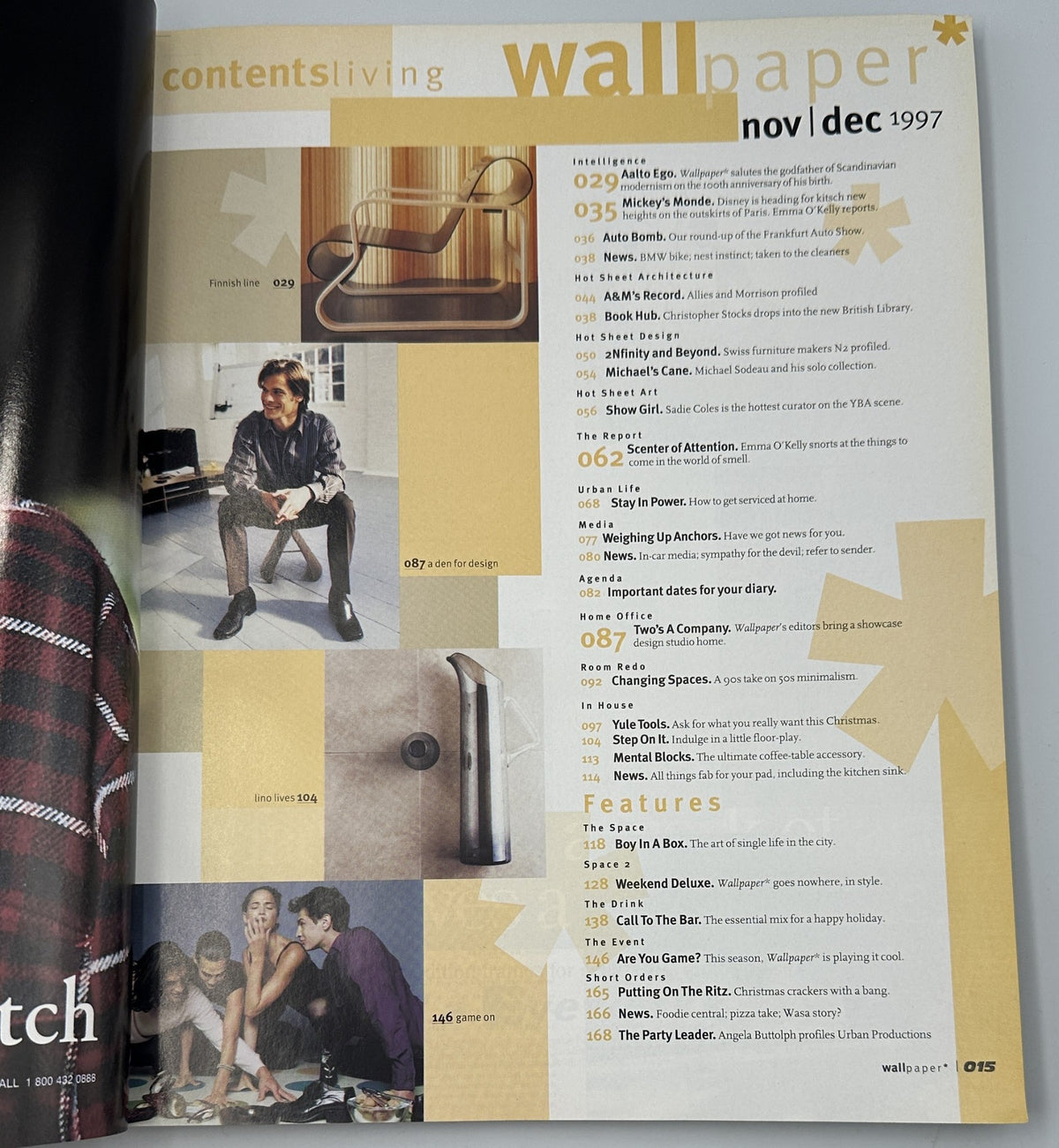
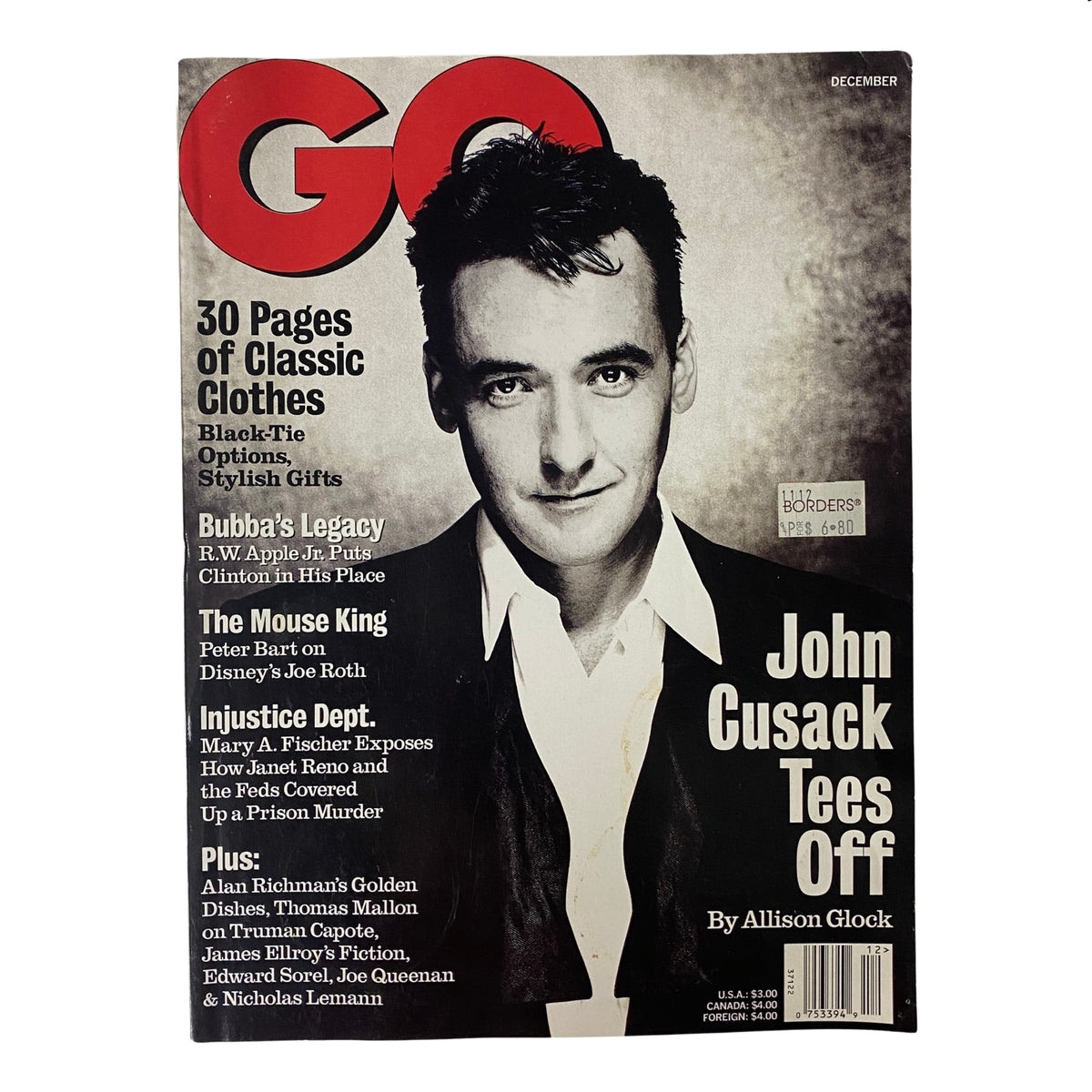
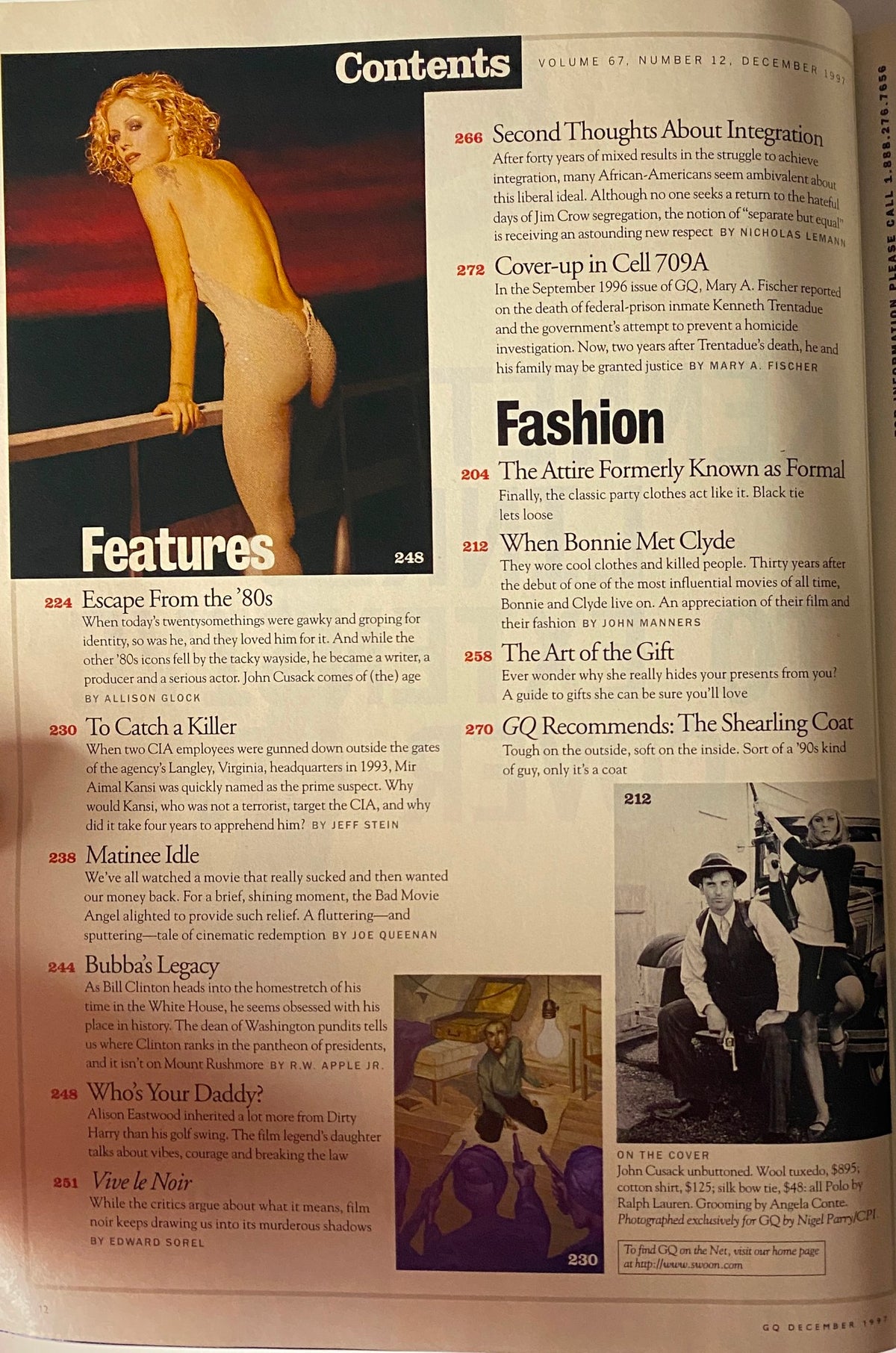
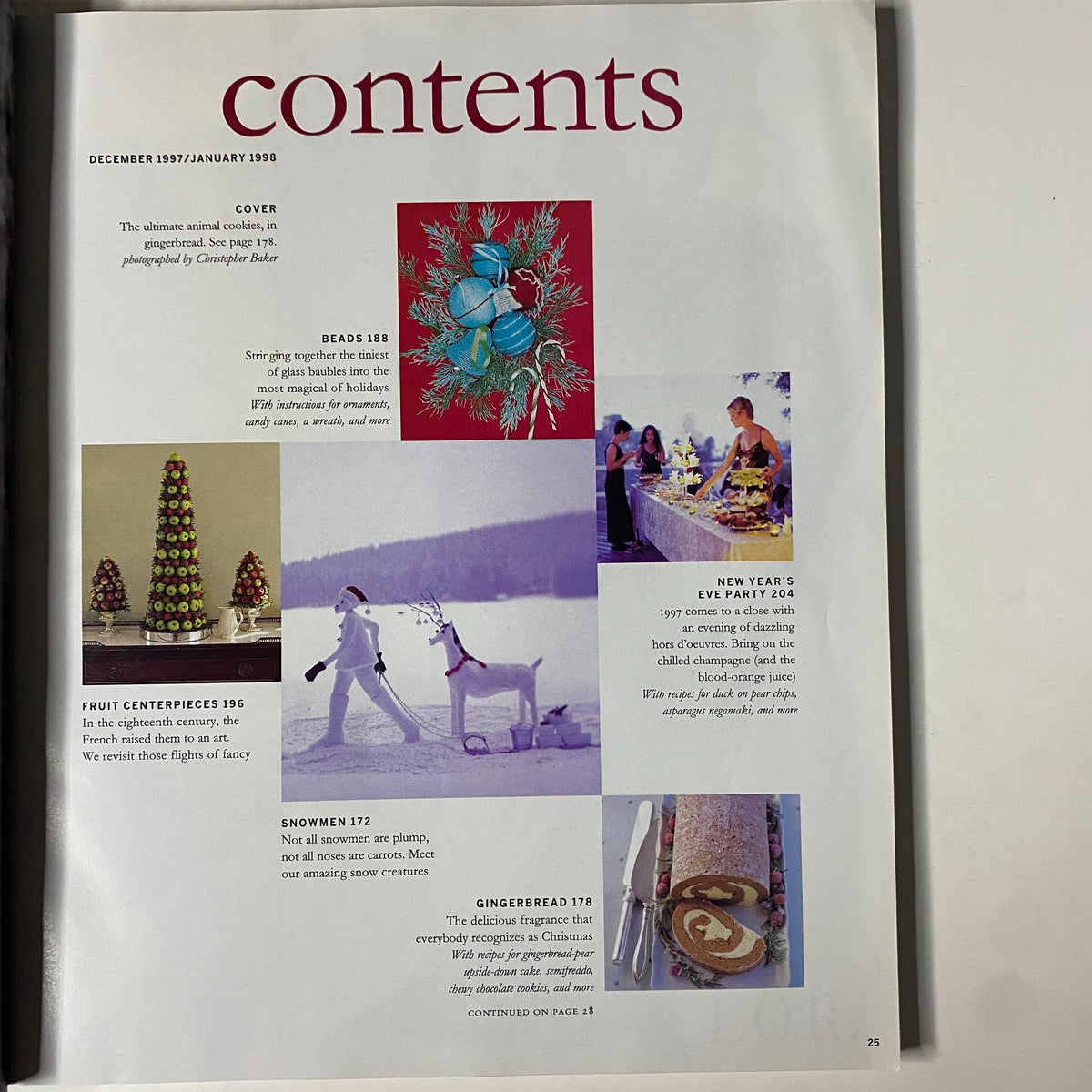
📖 About this Collection
December 1997: The Month Technology Meets Tradition
The Historical Context
The final month of 1997 crackled with contradictions—a world simultaneously rushing toward the digital future while grappling with age-old conflicts. The Kyoto Protocol emerged from marathon negotiations in Japan on December 11th, as delegates from 150 nations forged the first international agreement to control greenhouse gas emissions, a watershed moment for environmental policy that would shape debates for decades. Meanwhile, Silicon Valley's titans reshaped daily life: Microsoft acquired Hotmail for $400 million on New Year's Eve, while a federal judge ordered the company not to bundle Internet Explorer with Windows, igniting antitrust battles that defined the era. In Algeria, unspeakable violence claimed hundreds of lives in massacres that shocked the international community, while environmental activist Julia Butterfly Hill climbed into a California redwood on December 10th, beginning a tree-sit protest that would last over two years. This was the world your loved one entered—one foot in tradition, one reaching toward an uncertain digital dawn.
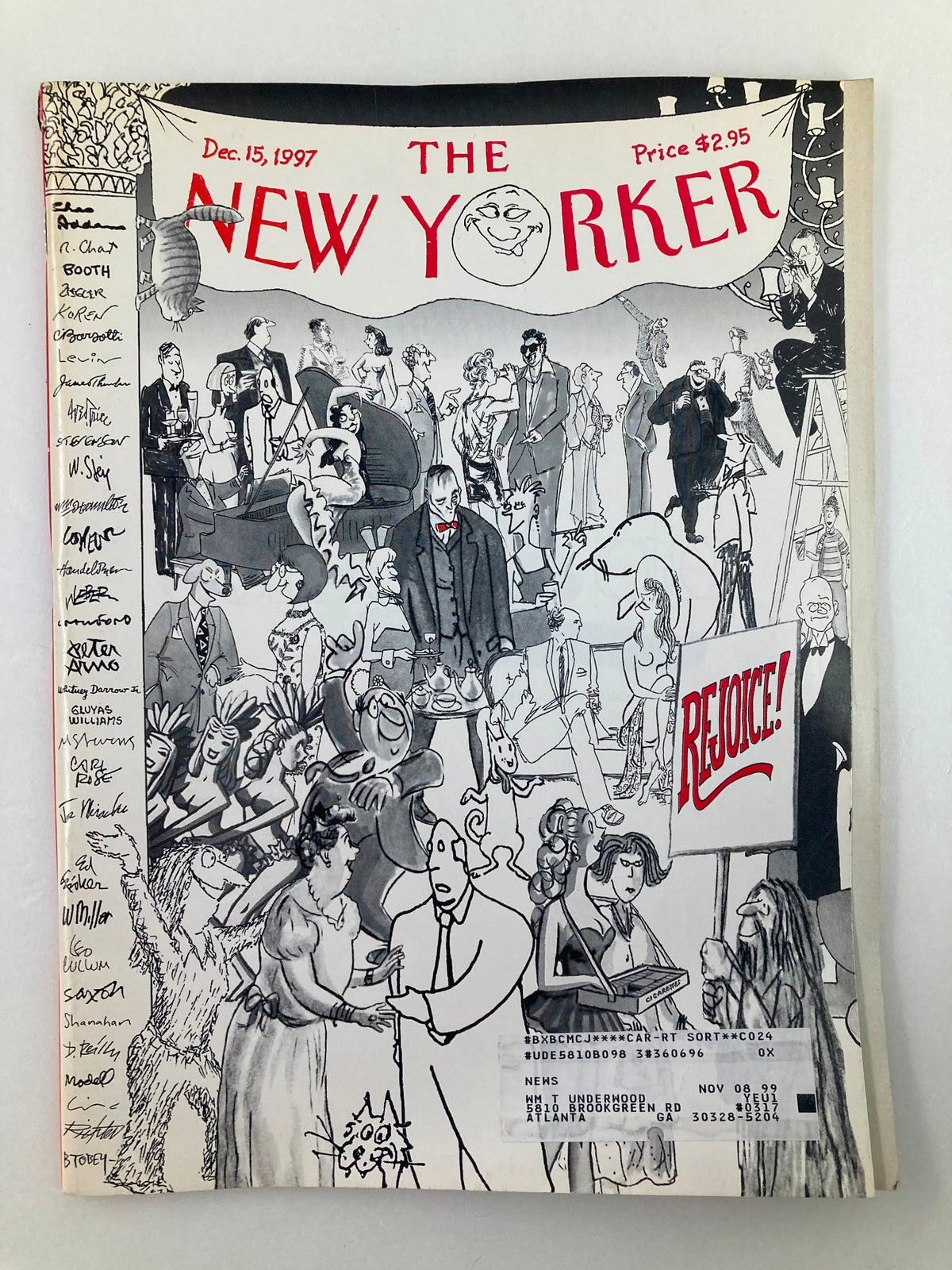
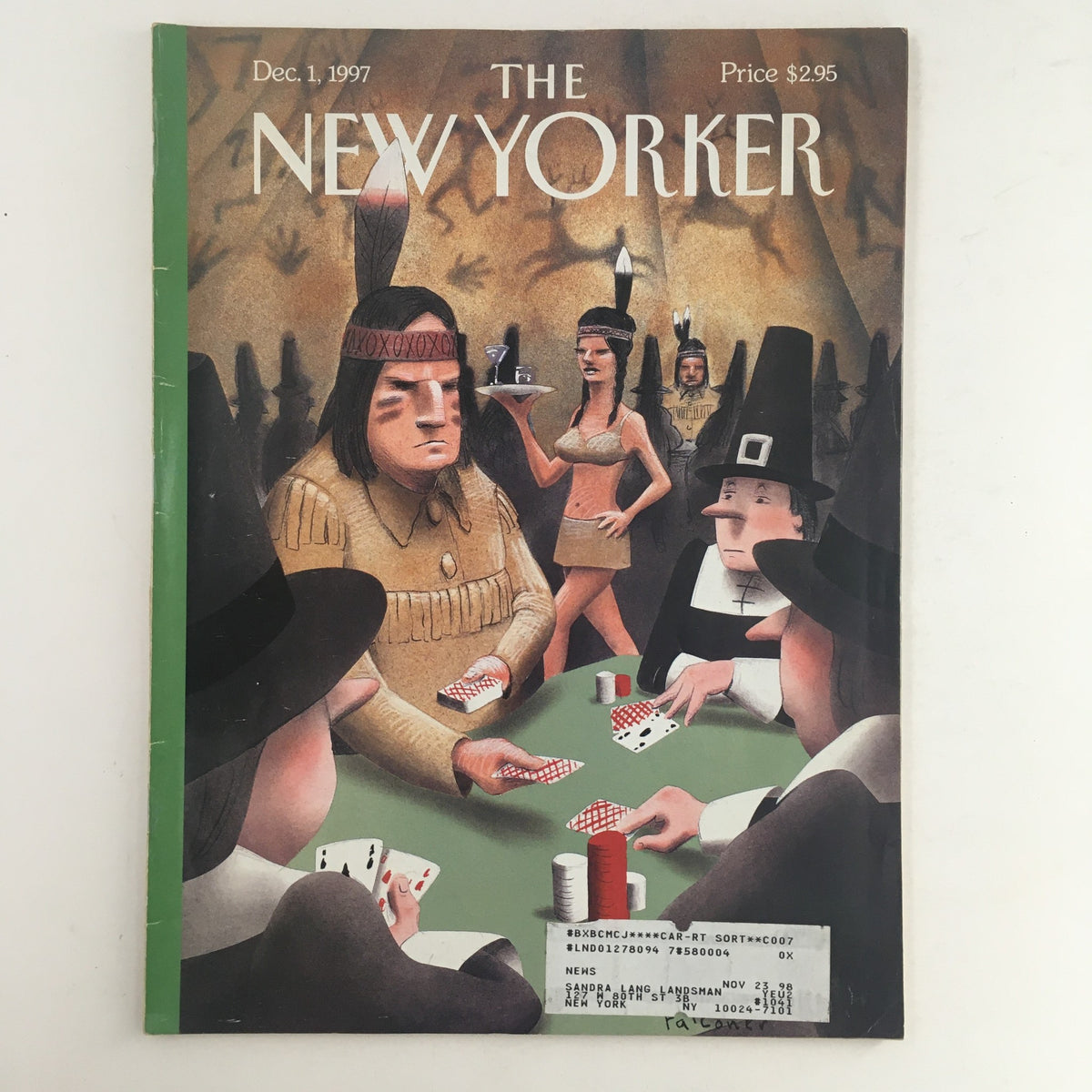
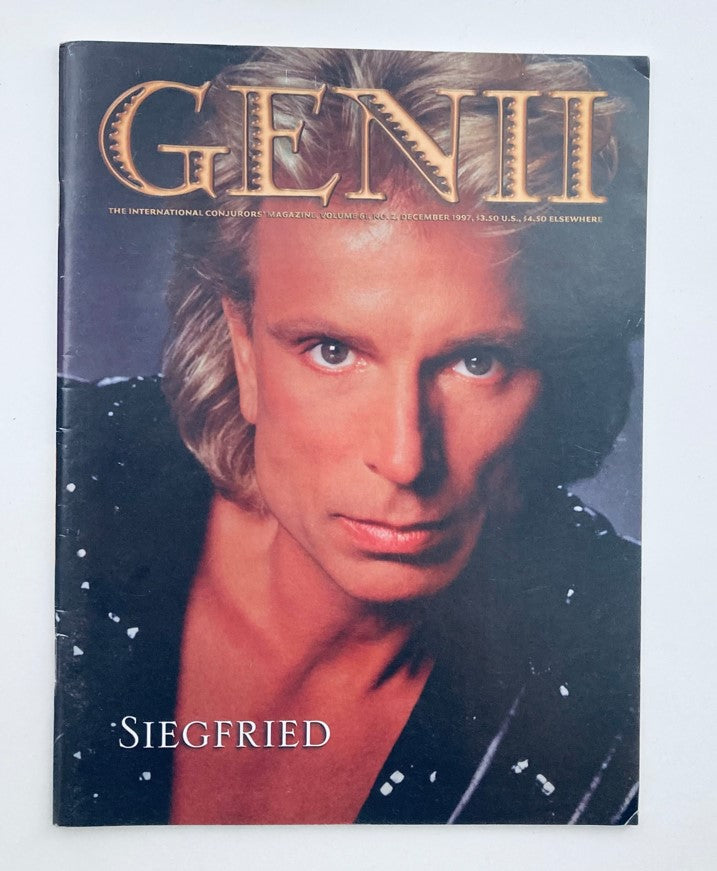
The entertainment landscape of December 1997 reflected this same push-pull between old and new. Pierce Brosnan's "Tomorrow Never Dies" premiered in London on December 9th, the 18th James Bond film proving spy franchises could thrive in the digital age, while Jack Nicholson and Helen Hunt captivated audiences in "As Good as It Gets," released December 23rd. Television experienced its own seismic shift when Jerry Seinfeld announced on Christmas Day that his phenomenally successful sitcom would end after its upcoming season, marking the beginning of the end for appointment television. Sports fans witnessed Barry Sanders become only the third NFL running back to rush for 2,000 yards in a single season, while the Red Sox signed Pedro Martinez to a then-staggering six-year, $69 million contract. The Spice Girls dominated both screens and newsstands—their film "Spice World" premiered December 15th, while they swept the Billboard Music Awards. Original magazines from December 1997 captured this cultural moment in real-time, from Vogue's holiday fashion spreads to Sports Illustrated's year-end retrospectives, from Time's Kyoto coverage to Entertainment Weekly's Bond premiere coverage.
What to Look For in Vintage Magazines from December 1997
-
The Kyoto Climate Summit: News magazines like Time, Newsweek, and Life featuring extensive coverage of the groundbreaking environmental treaty, complete with photography of the international delegation and infographics explaining greenhouse gases—a prescient glimpse into debates still raging today.
-
The Digital Revolution's Legal Battles: Business publications and technology magazines chronicling Microsoft's antitrust struggles, the $400 million Hotmail acquisition, and Intel's Pentium II price wars, often illustrated with the era's primitive but optimistic visions of the internet's future.
-
Spice Girls Mania: Entertainment and fashion magazines capturing the peak of "Girl Power," featuring the Spice World premiere, Billboard Awards coverage, and the advertising blitz that made Emma Bunton, Victoria Beckham, and company inescapable across rare magazines from teen titles to mainstream weeklies.
-
Bond's Return and Holiday Blockbusters: Movie magazines and entertainment weeklies with behind-the-scenes coverage of "Tomorrow Never Dies," Pierce Brosnan interviews, and year-end box office analysis noting the industry's first-ever $6 billion year in theatrical receipts.
-
Sports Icons and Milestones: Sports Illustrated and The Sporting News documenting Barry Sanders' historic 2,000-yard season, Pedro Martinez's record contract, Joe Montana's number retirement ceremony, and Phil Jackson becoming the fastest coach to 500 NBA wins—all preserved with the authentic photography and statistics that make vintage magazines irreplaceable historical documents.
The Perfect Gift
For someone born in December 1997, an original magazine from this transformative month isn't just a collectible—it's an authenticated time capsule from the exact moment when the analog world made its final stand against the digital future, preserved in genuine advertisements, headlines, and photography that no reproduction can replicate.