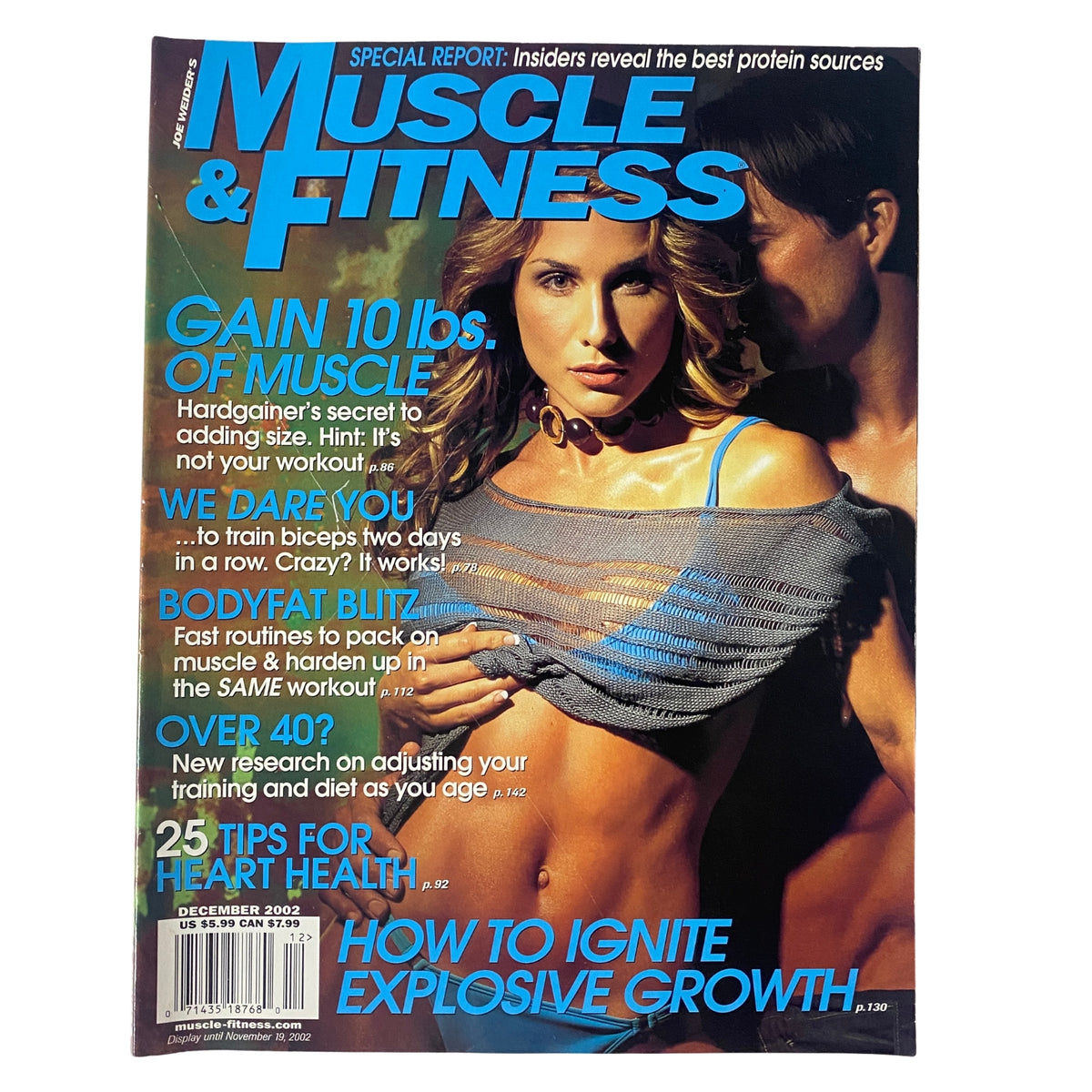
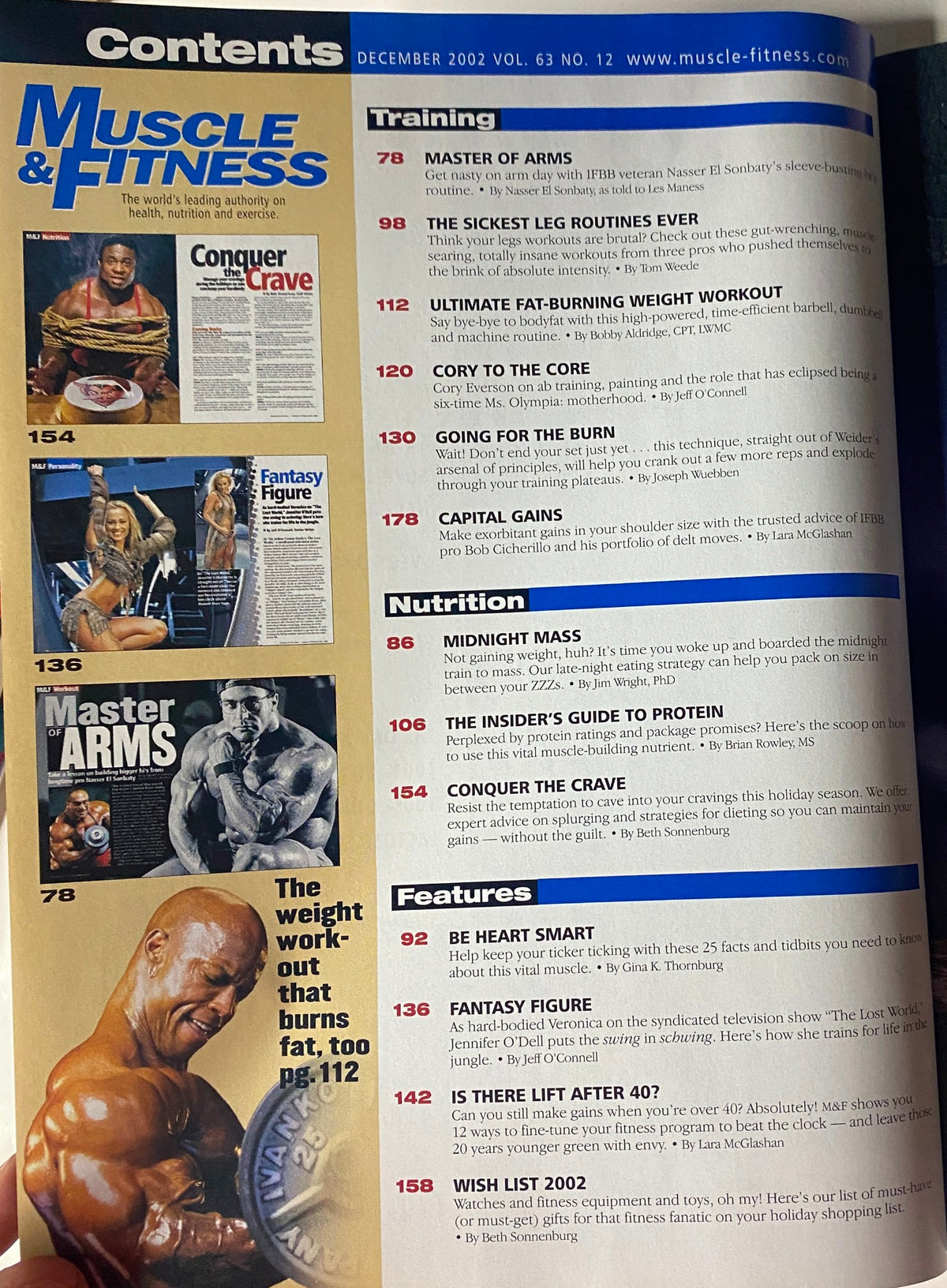
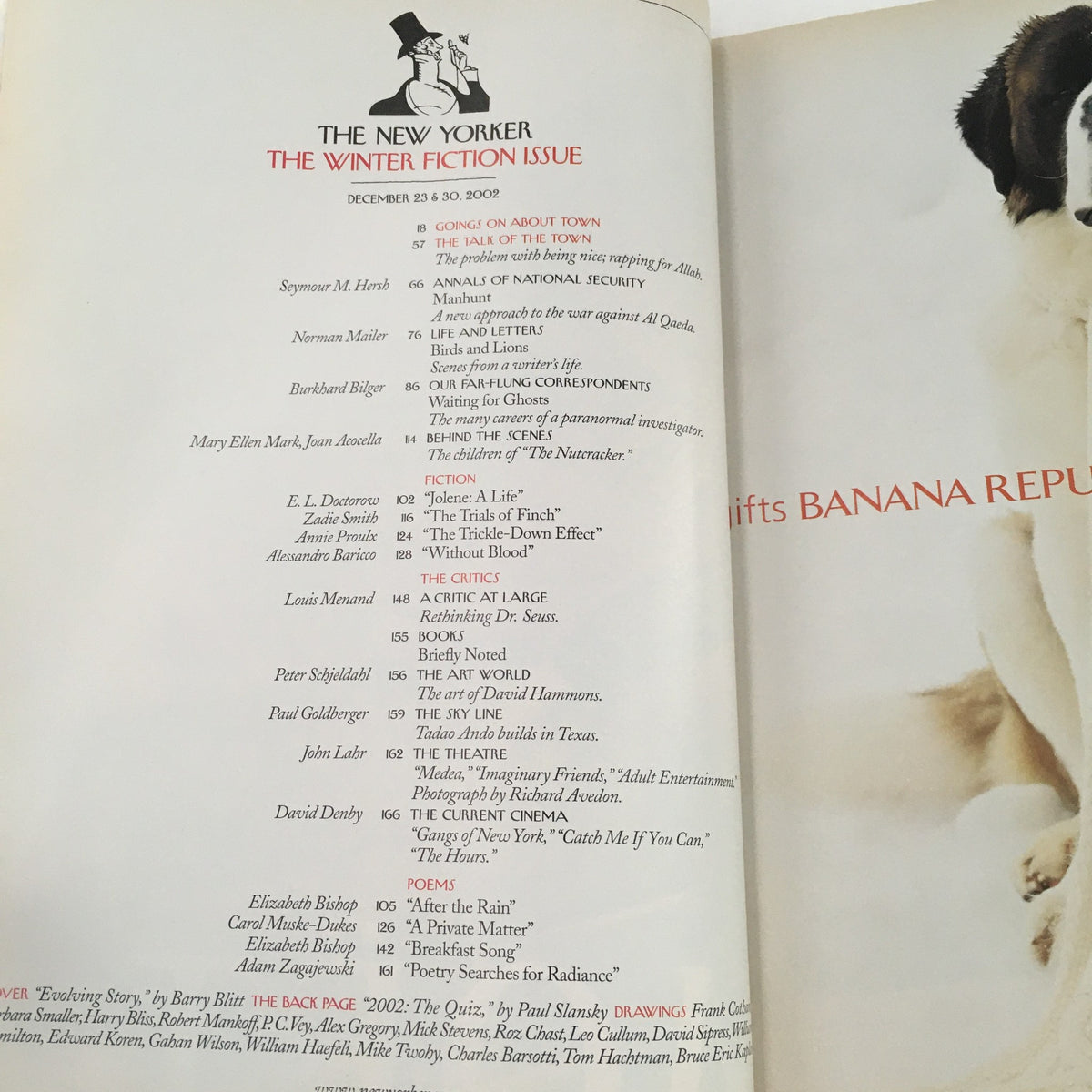
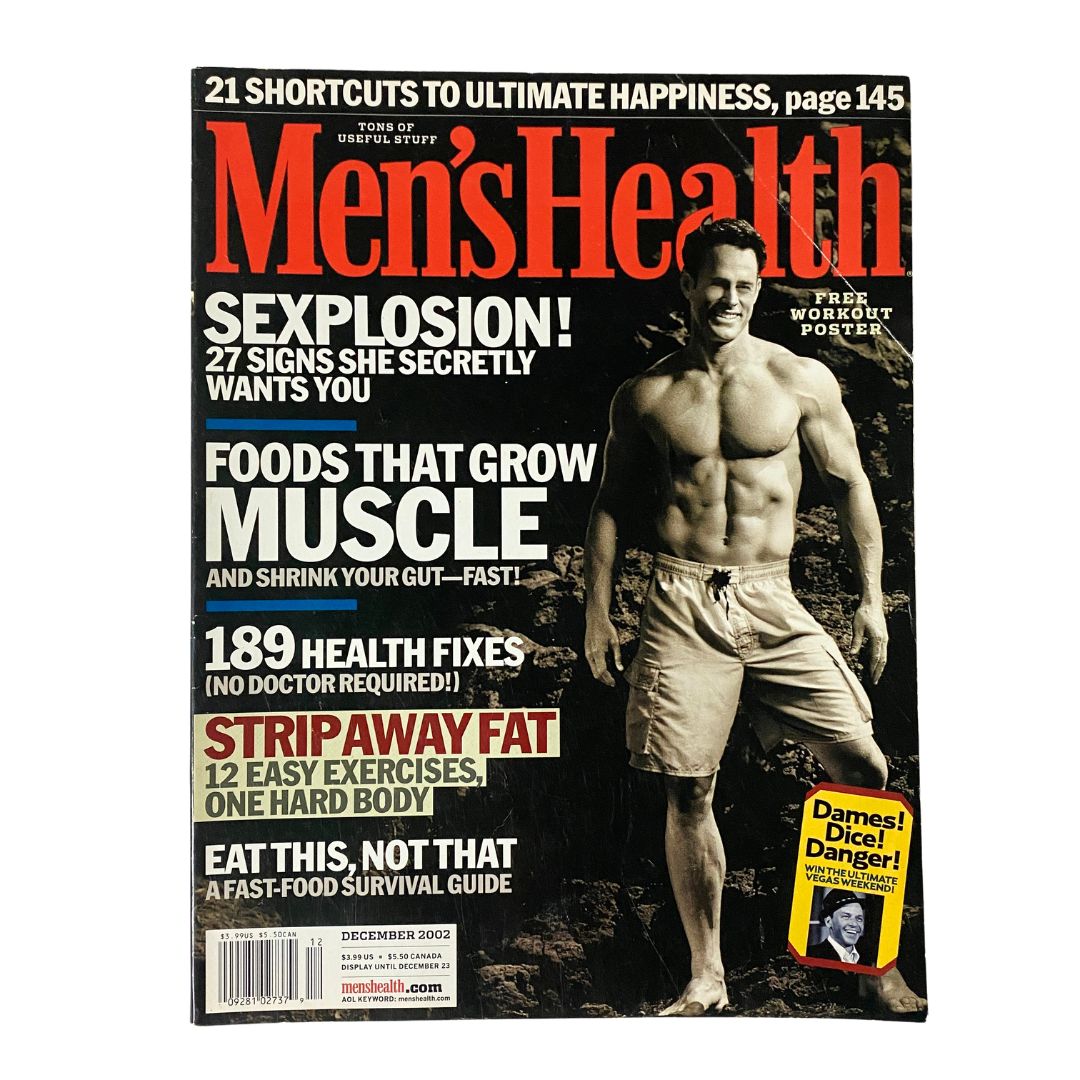
📖 About this Collection
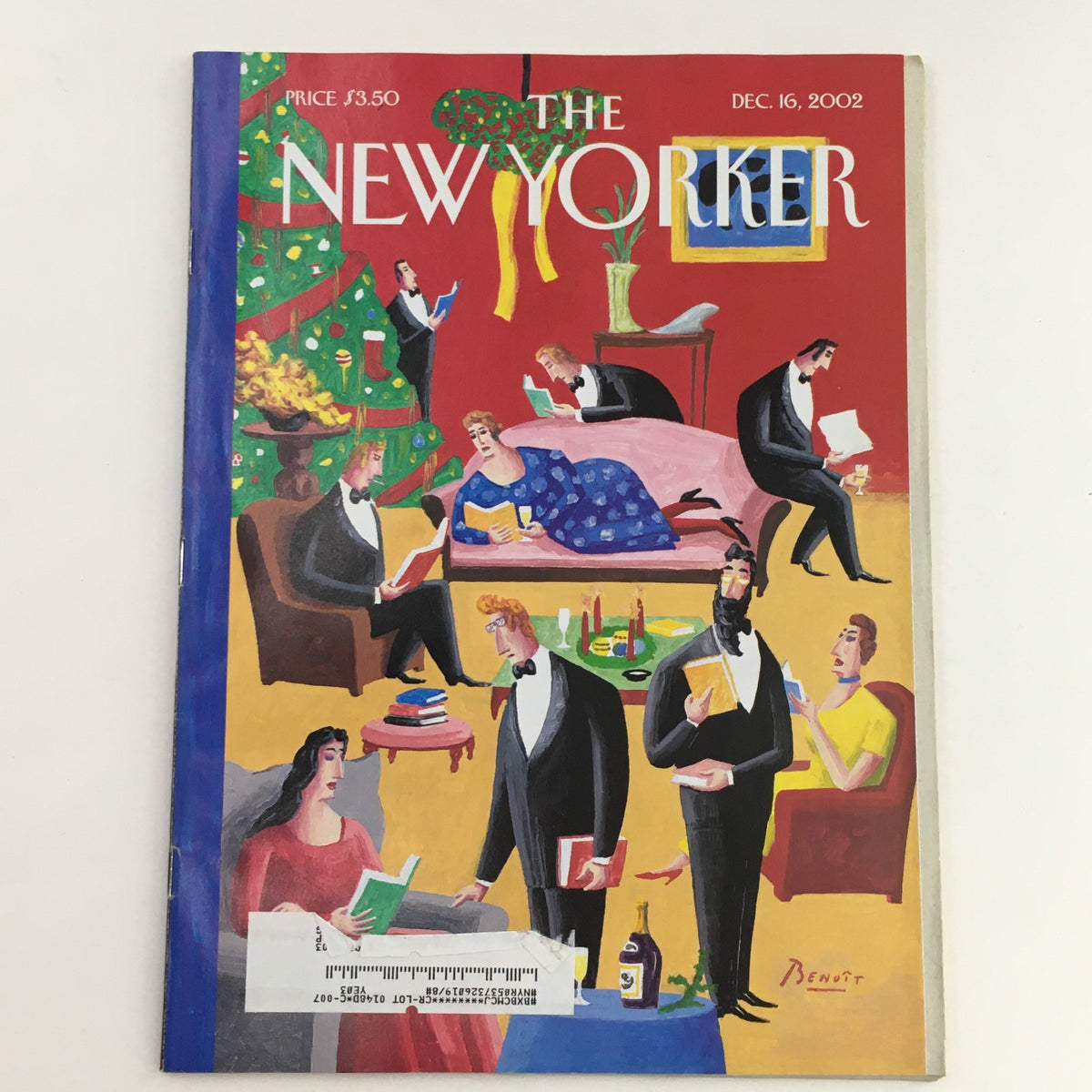
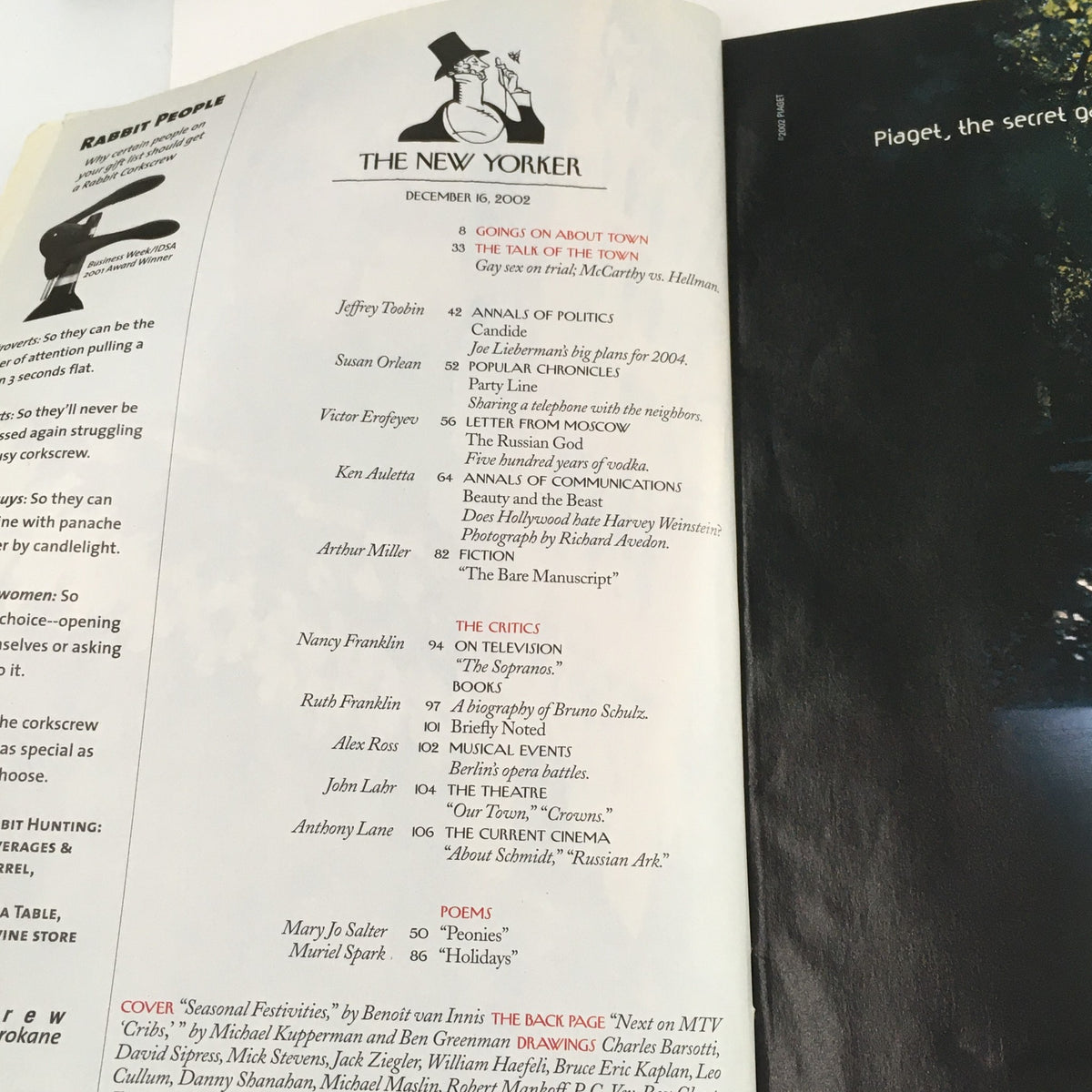
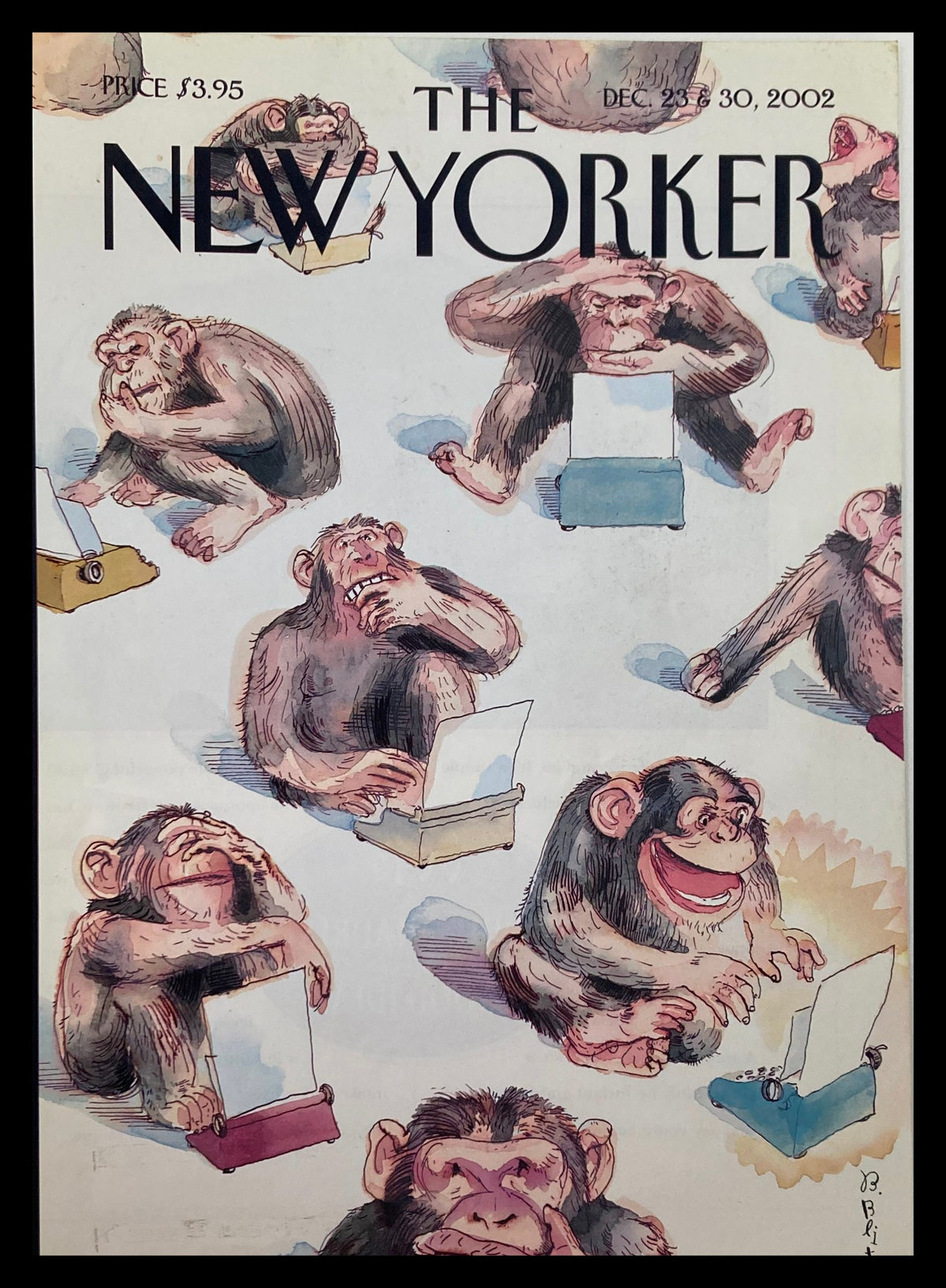
December 2002: The Month Cinema Rewrote History
The Historical Context
December 2002 arrived with the world holding its breath. As United Nations weapons inspectors fanned out across Iraq, the specter of imminent conflict cast a long shadow over the final weeks of the year. The tension sharpened dramatically on December 23rd, when a U.S. Predator drone was shot down by an Iraqi MiG-25—the first aerial combat ever recorded between a manned aircraft and a modern unmanned drone, a harbinger of warfare's future. In Washington, political tremors shook the Senate when Trent Lott resigned as majority leader following a controversy that had consumed the capital. Meanwhile, in Africa, December 27th brought a rare moment of democratic hope: Kenya's National Rainbow Coalition swept away 39 years of single-party rule in a peaceful election that captivated the continent. That same day, tragedy struck Chechnya, where twin truck bombs killed 72 people at the pro-Moscow government headquarters in Grozny. This was the world in its final December before the Iraq War—anxious, shifting, and consequential. This was the world your loved one witnessed as another year drew to its close.
Hollywood's Crowning Month
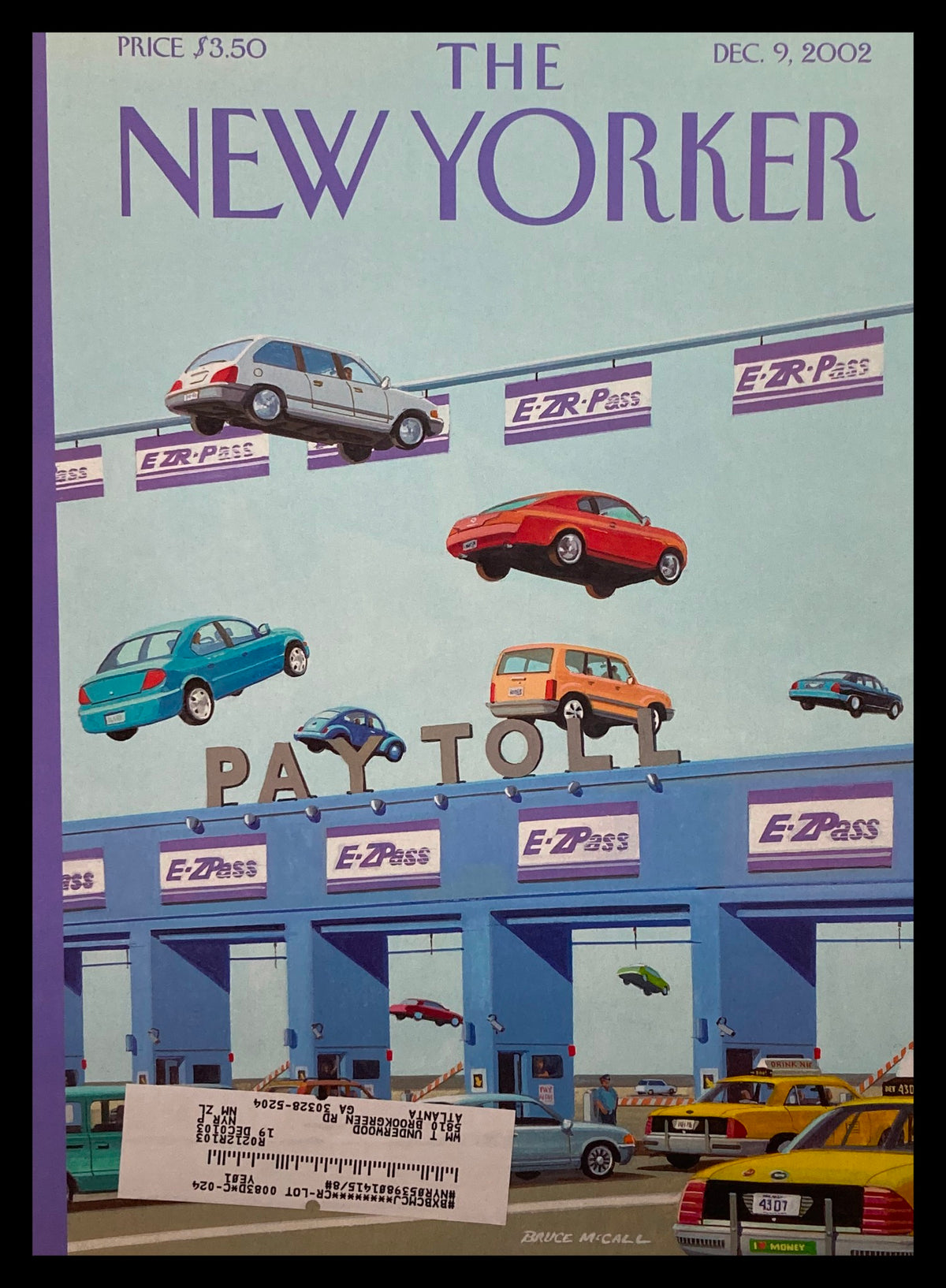
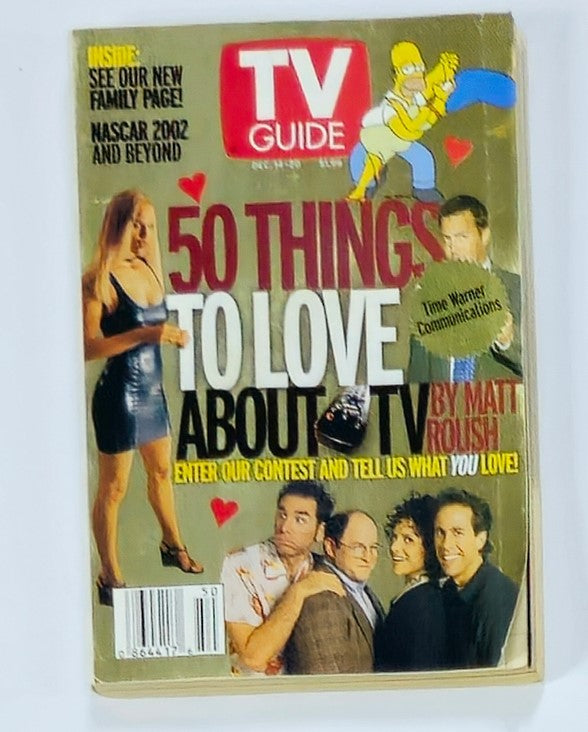
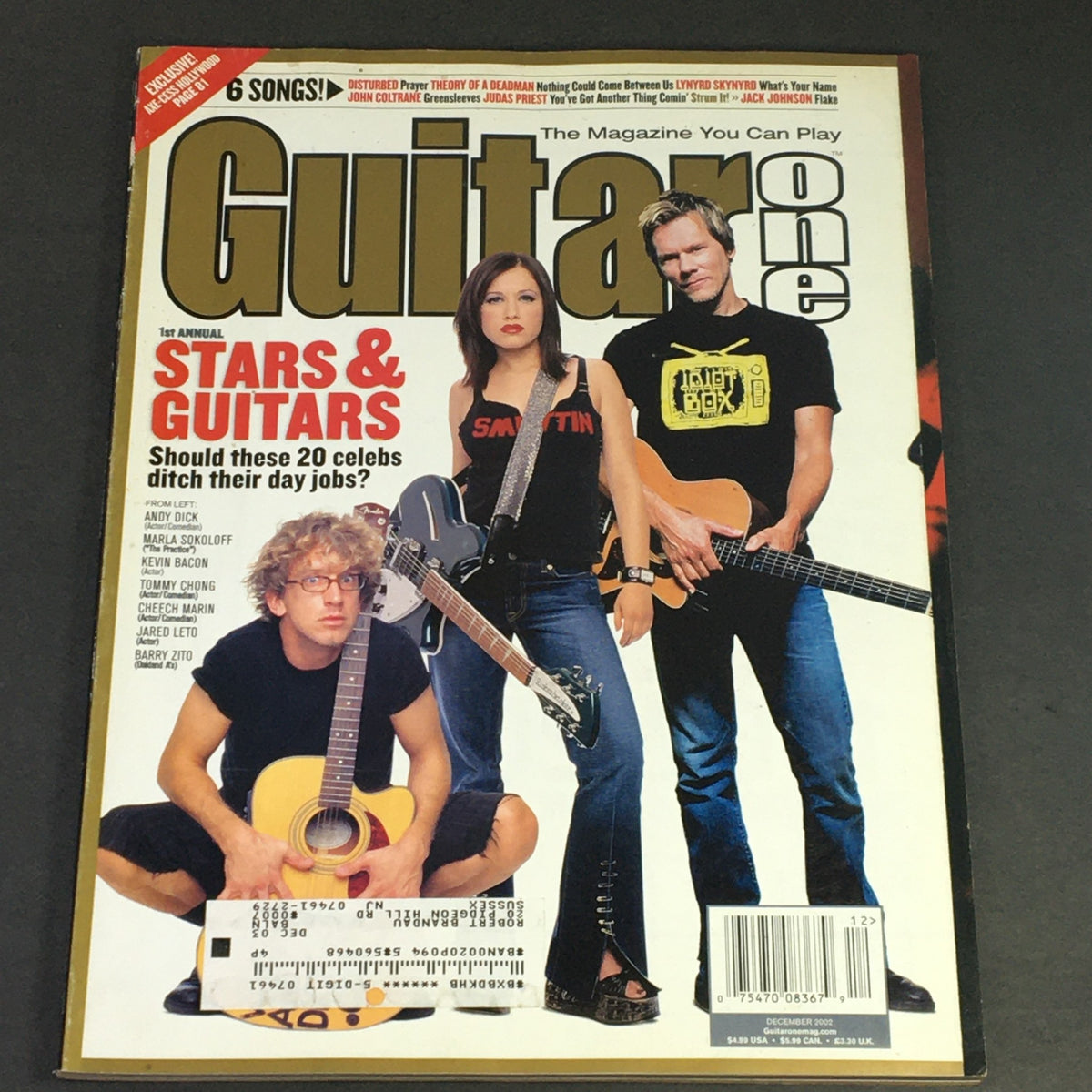
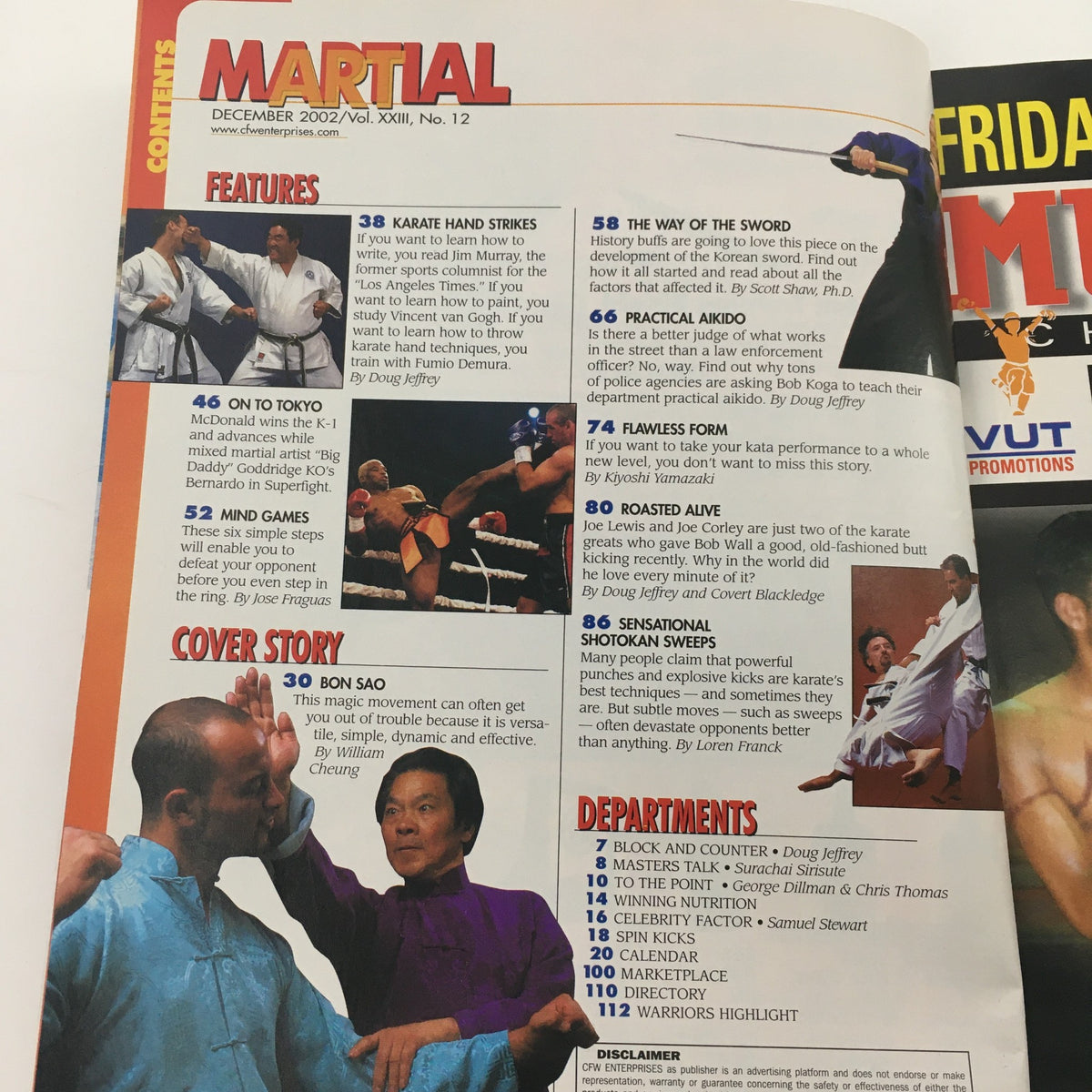
Rarely does a single month reshape the cinematic landscape so completely, and December 2002 stands apart even now. The Two Towers, Peter Jackson's second installment in his Lord of the Rings trilogy, swept into theaters on December 18th and promptly earned $62 million in its opening weekend alone—on its way to a staggering $938 million worldwide. Original magazines from December 2002 capture the full frenzy of that cultural moment, with entertainment coverage dominating newsstands from coast to coast. Yet Jackson's epic had company: Gangs of New York arrived December 20th with Leonardo DiCaprio and Daniel Day-Lewis locked in a ferocious period drama, while Chicago—destined for the Best Picture Oscar—opened December 27th with Renée Zellweger, Richard Gere, and Catherine Zeta-Jones dazzling audiences. Spike Jonze's cerebral Adaptation and Star Trek: Nemesis rounded out a month of extraordinary range. On the sports pages, USC quarterback Carson Palmer claimed the Heisman Trophy, Ronaldo was crowned Ballon d'Or winner for a second time, and fashion headlines buzzed with Calvin Klein's $430 million sale to Phillips-Van Heusen. Publications like Time, Newsweek, Life, Entertainment Weekly, and TV Guide had a genuinely remarkable month to chronicle.
Curator's Checklist: What to Look for in Your December 2002 Magazine
-
The Lord of the Rings — The Two Towers: Entertainment titles and general news weeklies featuring extensive coverage of Peter Jackson's blockbuster, illustrated with full-color production photography of Elijah Wood, Ian McKellen, and the sweeping New Zealand landscapes that defined the trilogy's visual identity.
-
Hollywood's December Sweep: Rare magazines from this month showcase an extraordinary confluence of major releases—look for spread coverage of Gangs of New York and Chicago in vintage magazines like Variety and entertainment weeklies, often featuring studio photography of DiCaprio, Day-Lewis, and Zeta-Jones.
-
Ronaldo & the Ballon d'Or: Sports-focused publications and illustrated news weeklies chronicling the Brazilian forward's second European Player of the Year award, with action photography and profiles placing him alongside Roberto Carlos and Oliver Kahn in the year-end rankings.
-
Iraq and the Drone War: Time, Newsweek, and Look carrying urgent front-page coverage of the Iraqi MiG-25 drone shootdown and the escalating U.N. inspections standoff—authentic snapshots of a world weeks away from war.
-
Calvin Klein's $430 Million Exit: Fashion titles including Vogue and Harper's Bazaar processing the seismic sale of one of America's most iconic design houses, with genuine period advertising showcasing the Calvin Klein aesthetic at the precise moment of its transition.
The Perfect Gift
For someone born in December 2002, an original magazine from this electrifying month isn't just a piece of paper—it's an authentic time capsule of a world suspended between old certainties and an uncertain future, preserved in genuine headlines, period photography, and the very advertisements that lined newsstands the week they arrived.