📖 About this Collection
Demi Moore: Unapologetic, Undeniable, Unforgettable
The Legend & The Legacy
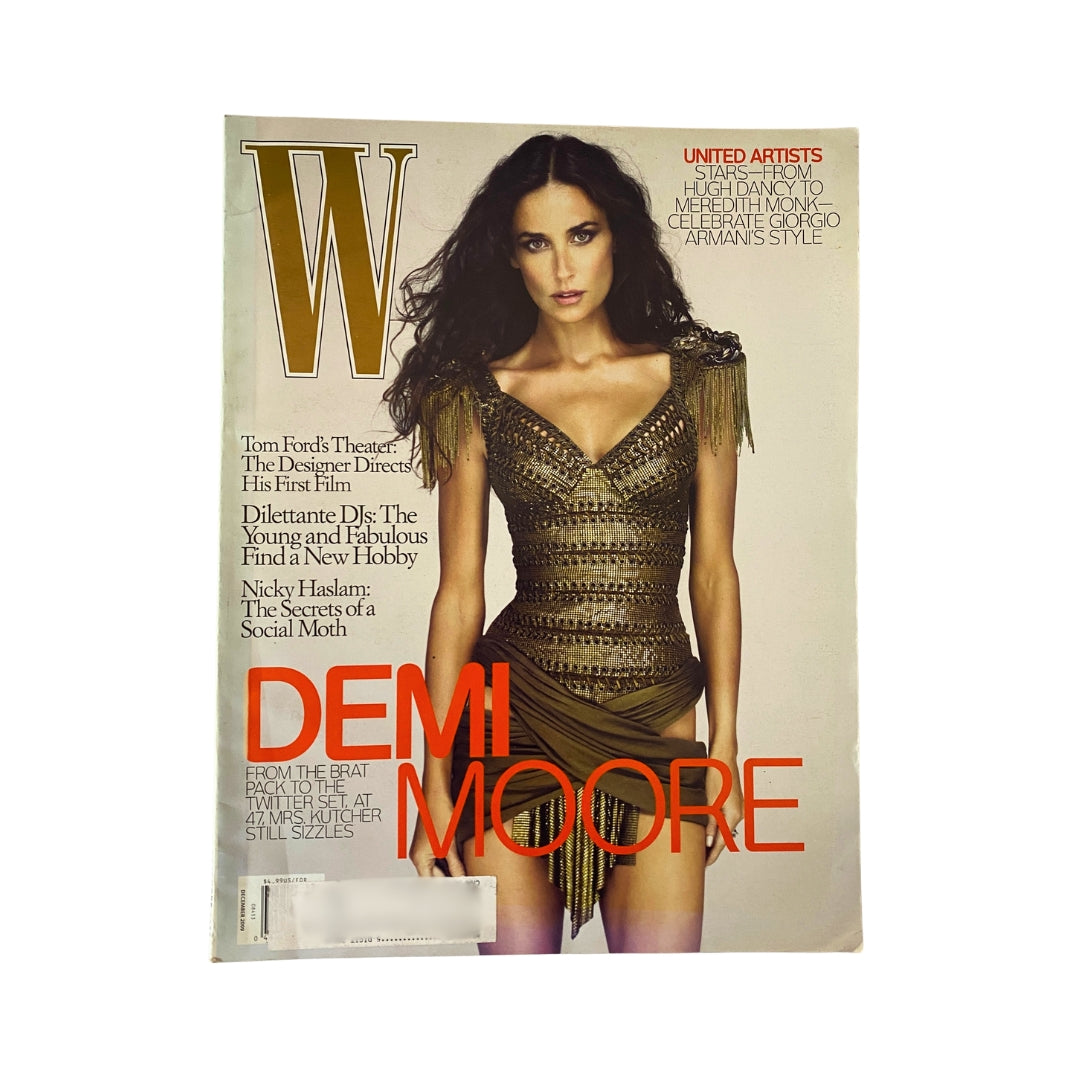
In an era before streaming confessionals and social media oversharing, the world learned about Demi Moore the way it learned about all its great icons — through the glossy, deliberate pages of print. From her early days as a young Hollywood ingénue in the mid-1980s to her seismic ascent as one of the highest-paid actresses in cinema history, hers was a story told in ink and image, rationed out across monthly issues and special editions that readers kept, reread, and passed between friends. The films — Ghost, A Few Good Men, Indecent Proposal, G.I. Jane — gave audiences a shared cultural vocabulary, but it was the magazine world that gave them intimacy. The actress was famously unafraid of the lens, and the lens was famously unafraid of her. At a moment when Hollywood femininity was still largely defined by its palatability, she disrupted the script entirely — and the press documented every provocation, every triumph, and every tabloid tremor with breathless attention.
Inside the Archive
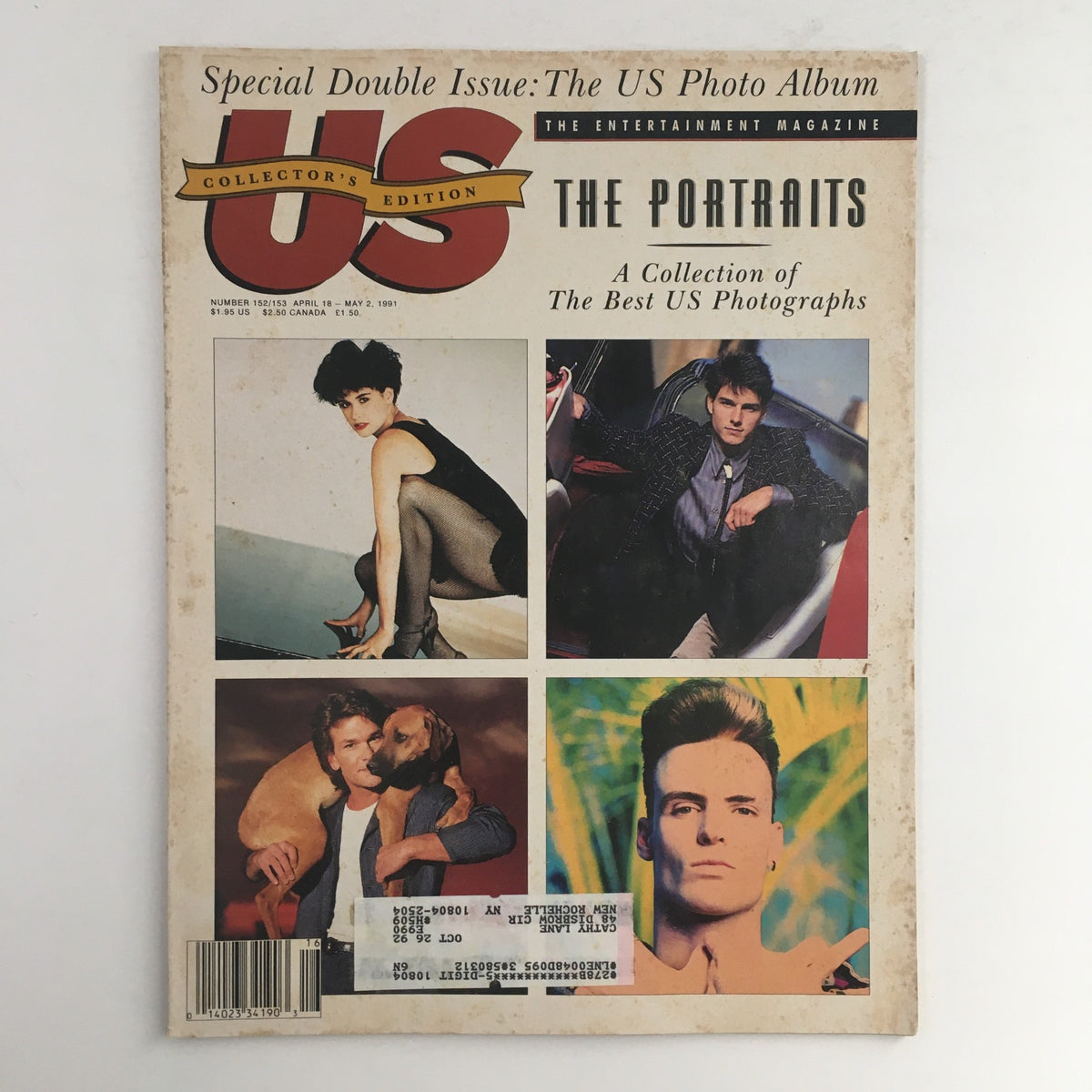
The coverage of this era's defining screen presence was as varied as it was voluminous. Vanity Fair is perhaps most historically associated with her image, most memorably for its willingness to publish portraiture that challenged the very definition of celebrity photography — shoots that became cultural flashpoints debated in households and newsrooms alike. People and Us Weekly tracked her personal life with the devotion of a biographer, chronicling her marriage to Freddie Moore, her high-profile relationship with Emilio Estevez, and the fairy-tale arc — and eventual unraveling — of her union with Bruce Willis, which captivated a tabloid-hungry public throughout the late 1980s and 1990s. Entertainment Weekly approached her career with a more analytical eye, charting her calculated reinventions and the box office calculus of each bold role. International publications, particularly those in France and the UK, elevated her to the status of serious screen artist rather than mere celebrity, offering more considered editorial treatments and high-fashion photography that positioned her alongside the great beauties and provocateurs of the age. Across all these pages, the photography shares a consistent quality: bold, high-contrast, and utterly confrontational — an aesthetic mirror of the woman herself.
Curator's Checklist: Highlights Often Include
- Career-milestone coverage from the peak years of 1990–1997, when back-to-back blockbusters made her a fixture on nearly every major entertainment title, frequently featuring full-length photographic portfolios shot by the era's most sought-after photographers
- The cultural conversation surrounding her landmark Vanity Fair covers, which generated extensive follow-up editorial coverage across competing publications — collectors often encounter both the original issues and the wave of responses they inspired in rival titles
- Profile features on the "Brat Pack" years, situating her among the ensemble of young Hollywood talent that defined the mid-1980s, often appearing in issues alongside peers who would go on to define their own generational legacies
- International editions and foreign-language magazines from European markets, particularly from France, Italy, and Germany, where she was embraced as a figure of both glamour and provocateur cinema, resulting in cover treatments rarely seen in domestic archives
- Late-1990s reassessment pieces following G.I. Jane, in which she underwent a dramatic physical transformation — coverage from this period often carries a tone of reappraisal, examining what her choices meant for women in the industry at large
The Collector's Value
There is something profoundly irreplaceable about holding the original magazine in your hands — the slight give of a cover stock that has survived three decades, the faint ghost of ink offset onto a facing page, the full-bleed photographs printed at a scale no digital screen quite replicates, and the surrounding advertisements that place you, with uncanny precision, back into the cultural atmosphere of the moment. A 1991 issue smells different from a 1996 one; the graphic design sensibility shifts, the hairstyles in the adjacent perfume advertisements mark the year as surely as a date stamp. These are not merely collectibles — they are primary sources, artefacts of a pre-internet media culture in which a single cover could shape national conversation for an entire month. For collectors of 1990s Hollywood memorabilia, feminist media history, or the golden age of celebrity photojournalism, these publications offer an irreplaceable window into both an extraordinary career and the culture that made it possible. Browse the current available inventory below and discover which pieces of that world are waiting to find a new home.