📖 About this Collection
Deng Xiaoping: The Architect of a Billion Futures
The Legend & The Legacy
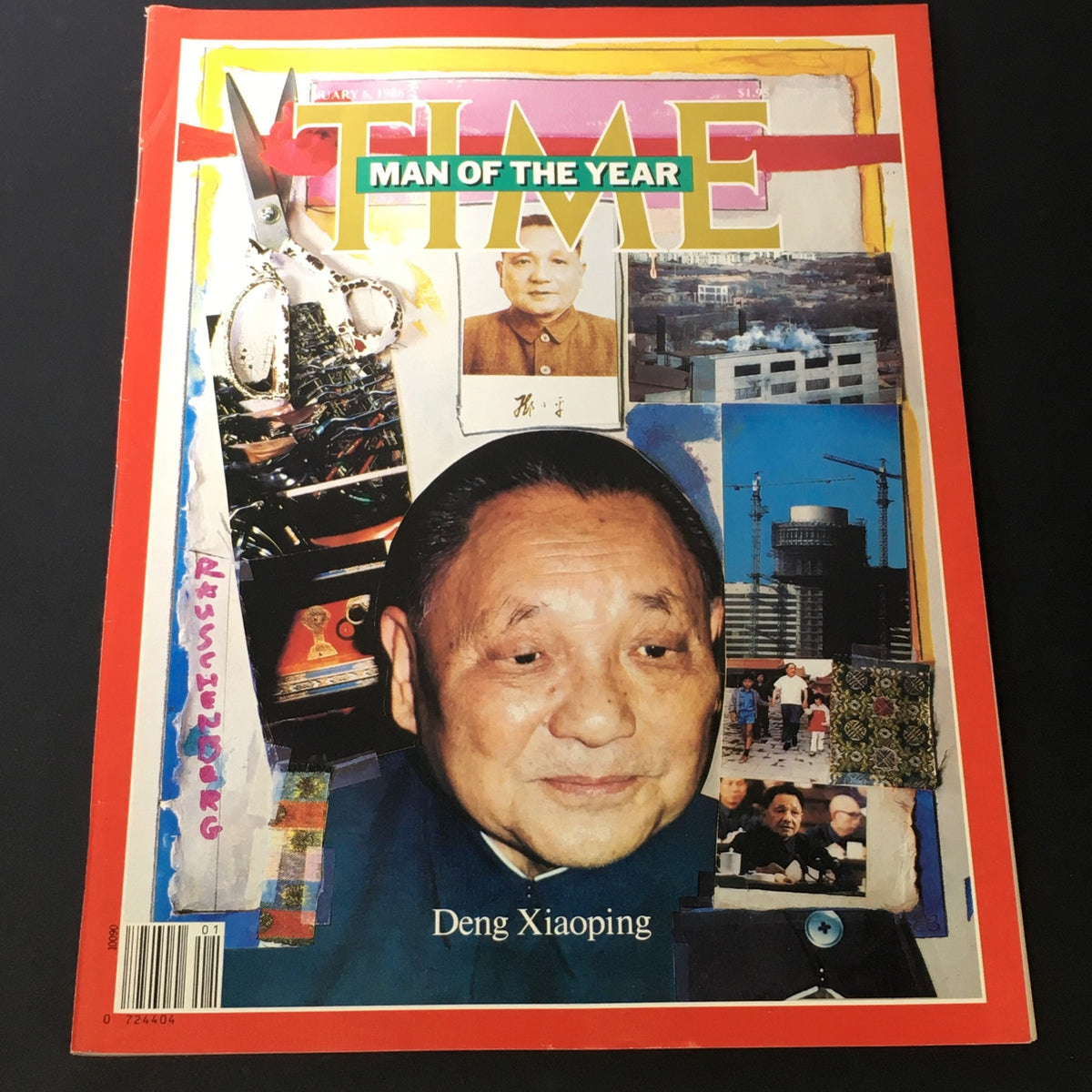
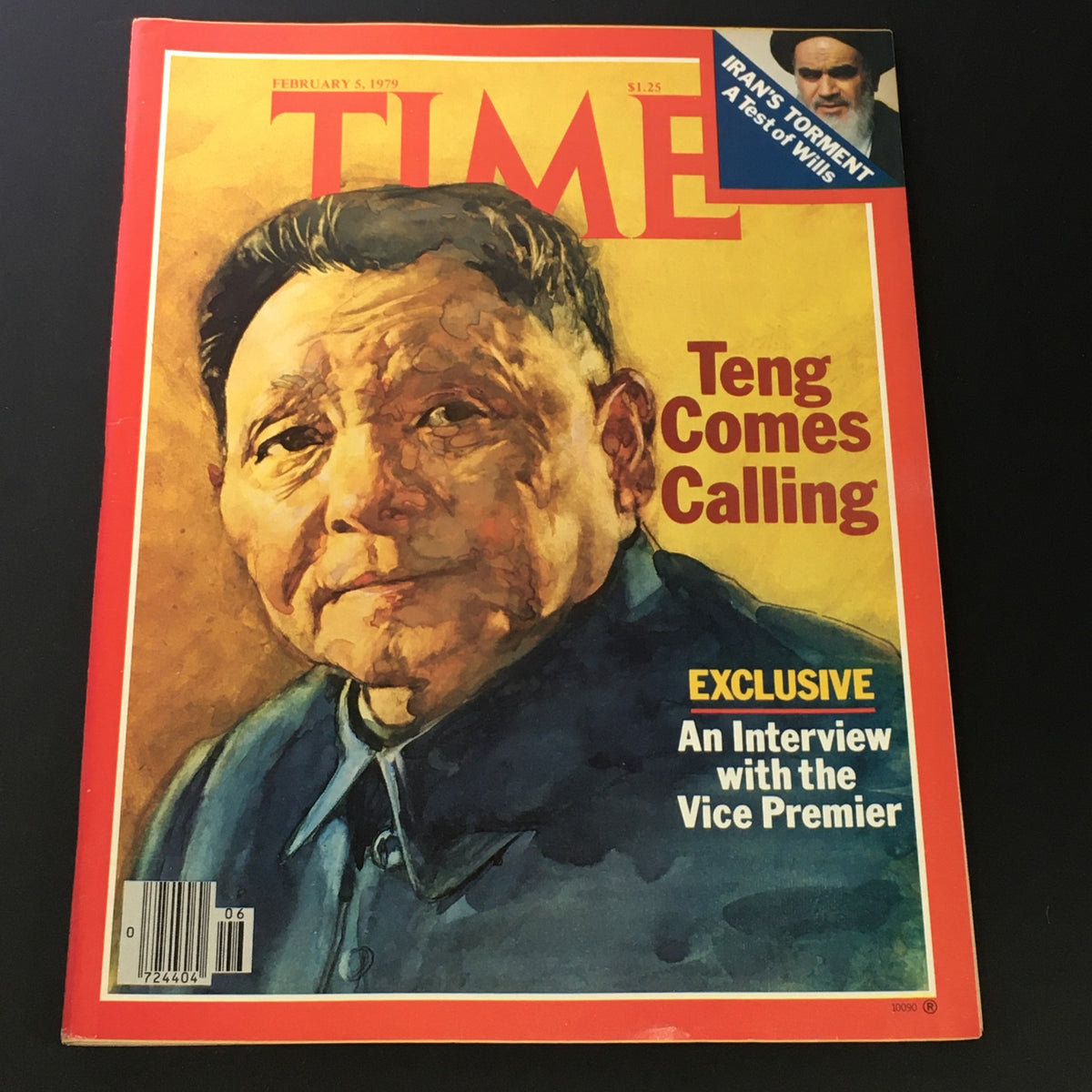
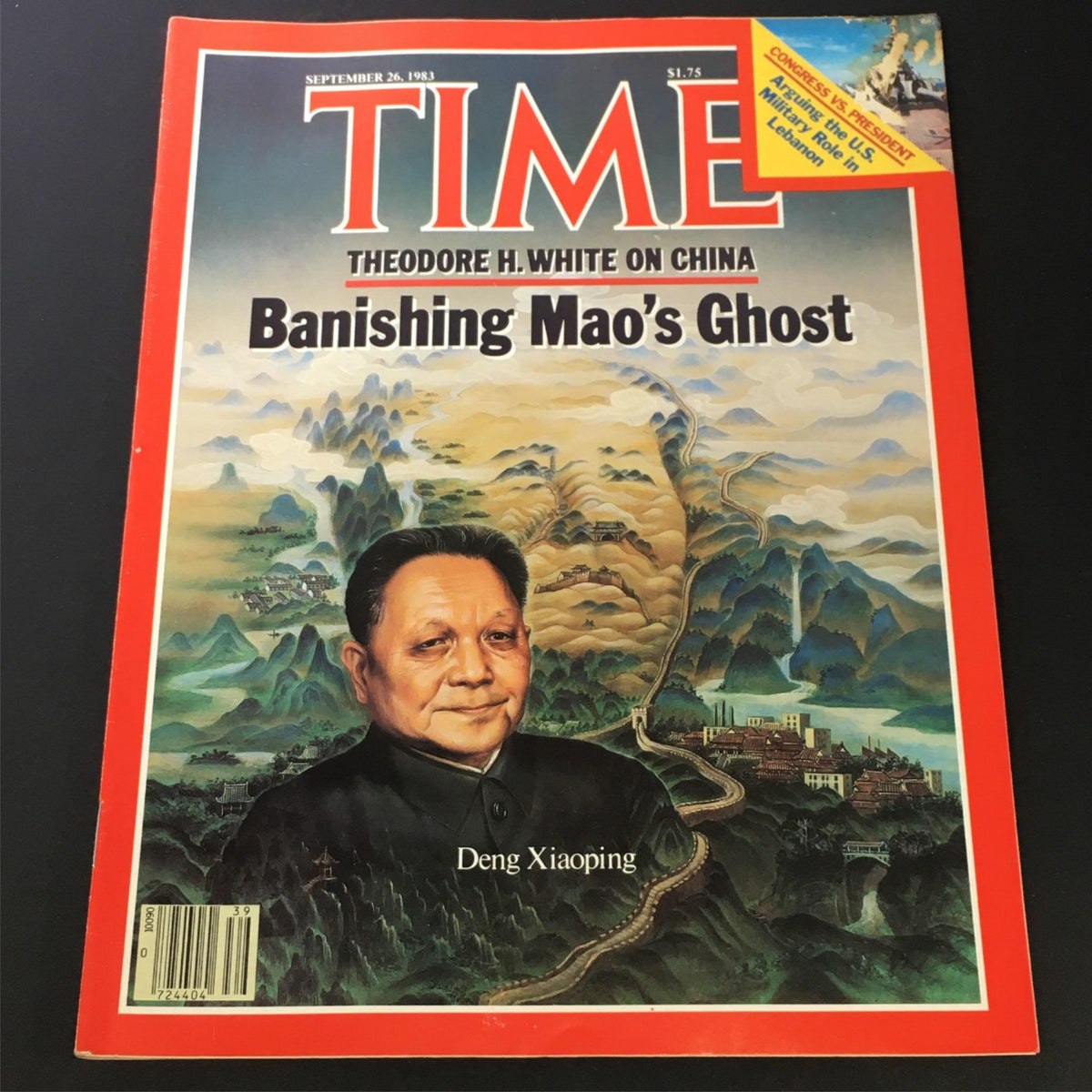
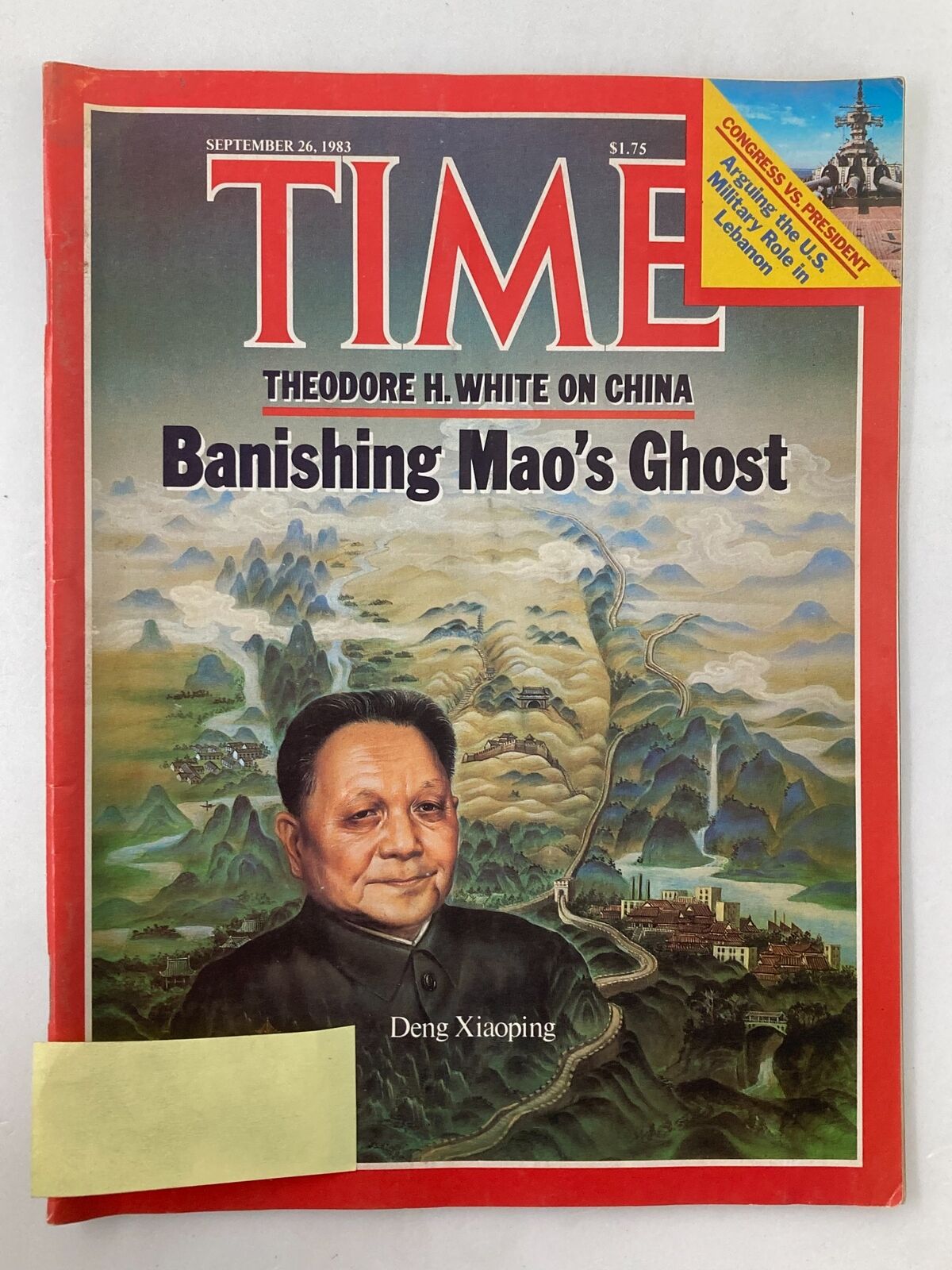
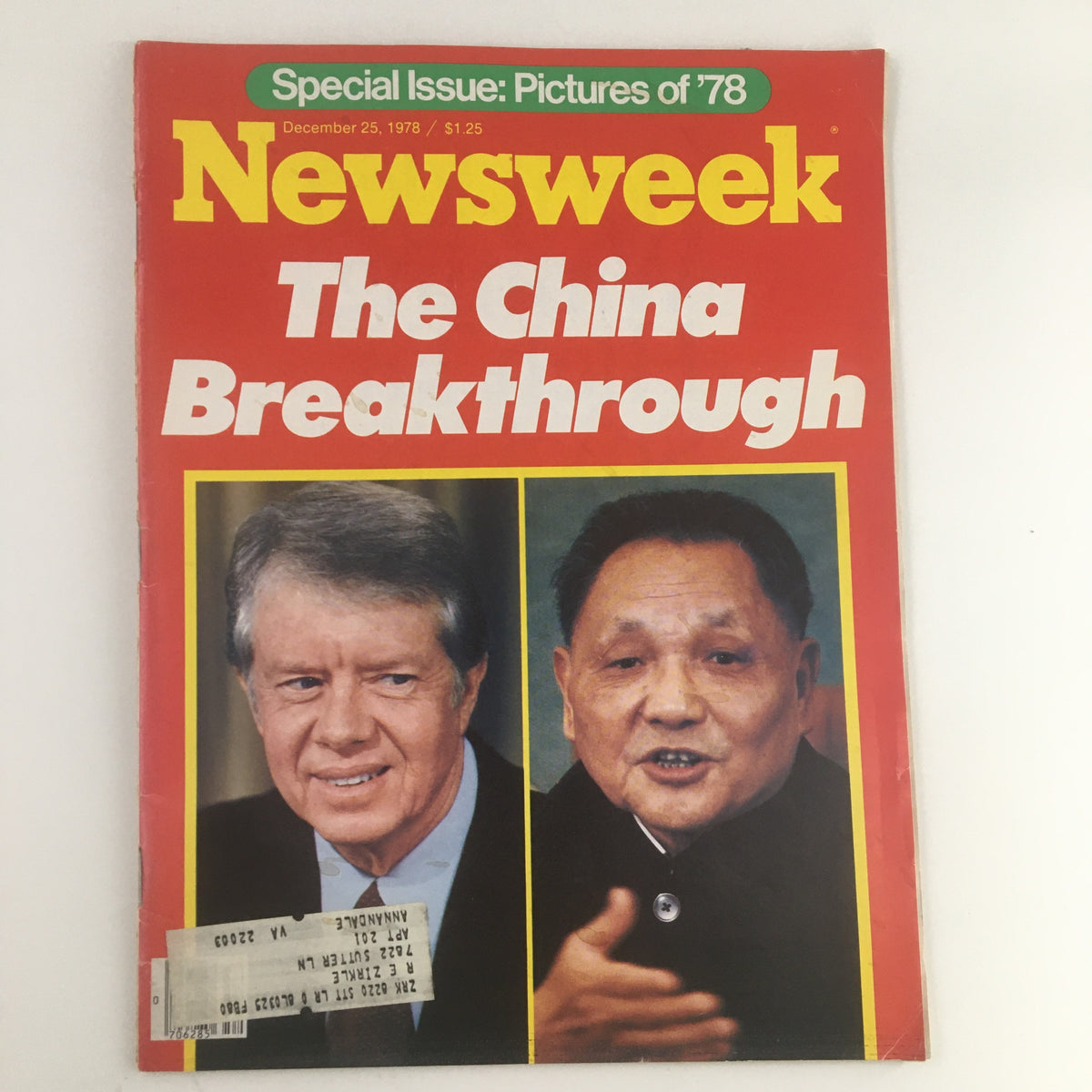
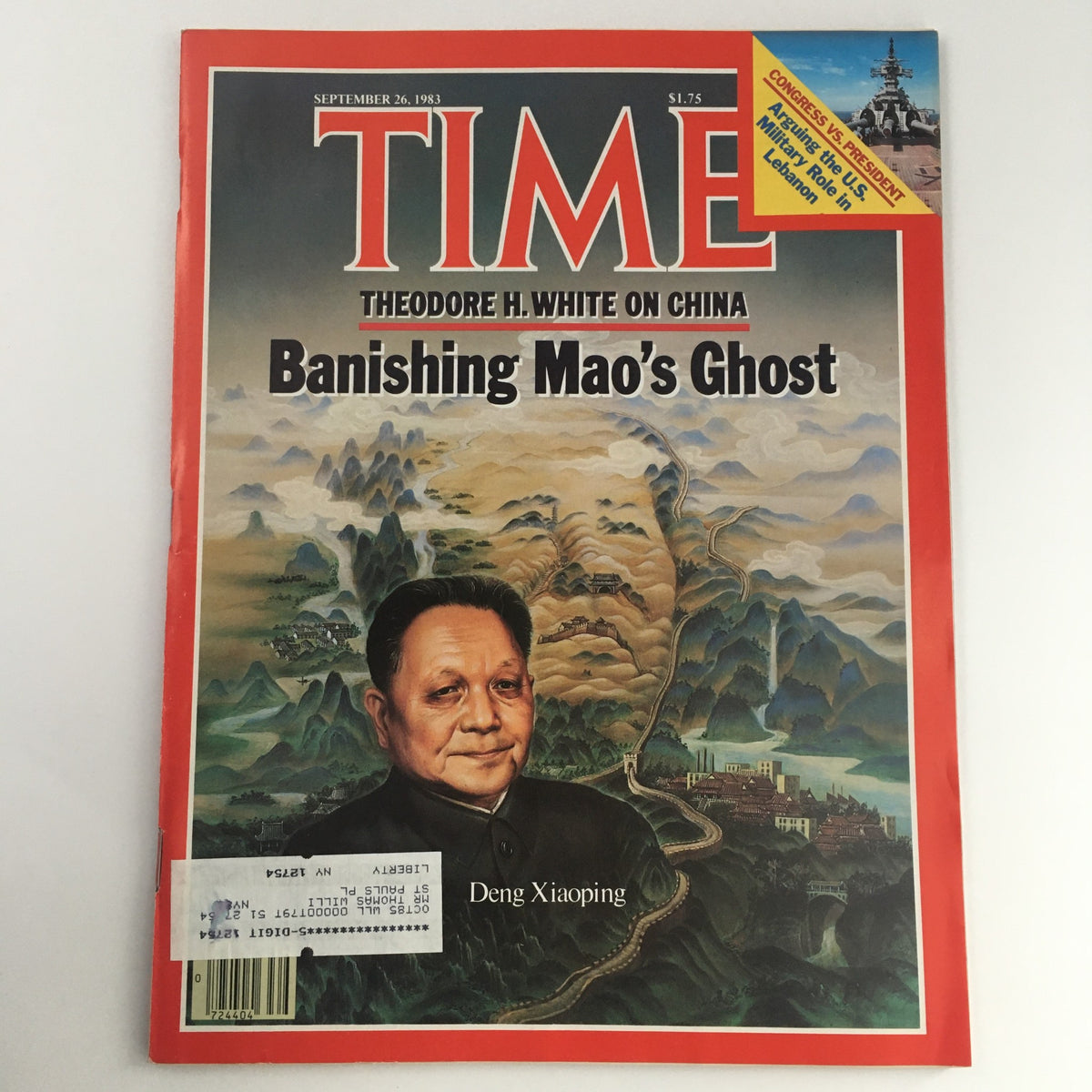
Few figures in the twentieth century reshaped the trajectory of human civilization so quietly, yet so profoundly. Deng Xiaoping rose, fell, and rose again within one of history's most turbulent political landscapes — surviving purges, exile within his own country, and the long shadow of Mao Zedong — only to emerge as the man who opened China's doors to the world. His famous axiom that "it doesn't matter whether a cat is black or white, so long as it catches mice" became shorthand for a pragmatism so radical it amounted to ideological revolution. During his era of ascendancy in the late 1970s and through the 1980s, the global public followed his story almost entirely through print: through the crisp dispatches of foreign correspondents filed from Beijing, through the weighty long-form analyses of international newsweeklies, and through the careful, sometimes censored pages of domestic Chinese publications. In an age before satellite news cycles and social media, a single magazine cover of this diminutive statesman — standing firm on the world stage, meeting Carter or Thatcher, or presiding over a China visibly awakening — carried an almost electric charge of historical consequence. For hundreds of millions of readers around the world, the printed page was the only lens through which the transformation of the world's most populous nation could be witnessed in something close to real time.
Inside the Archive
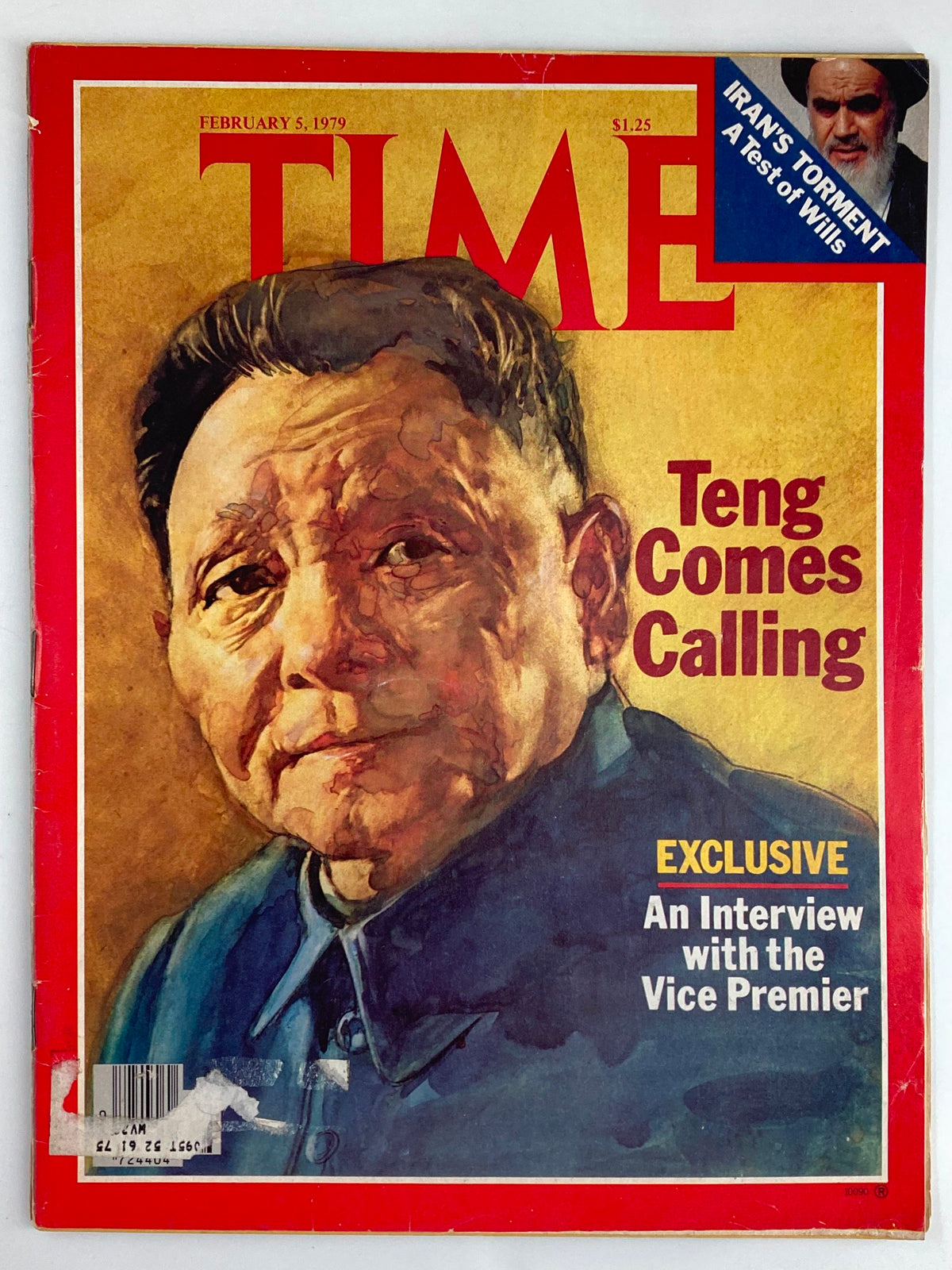
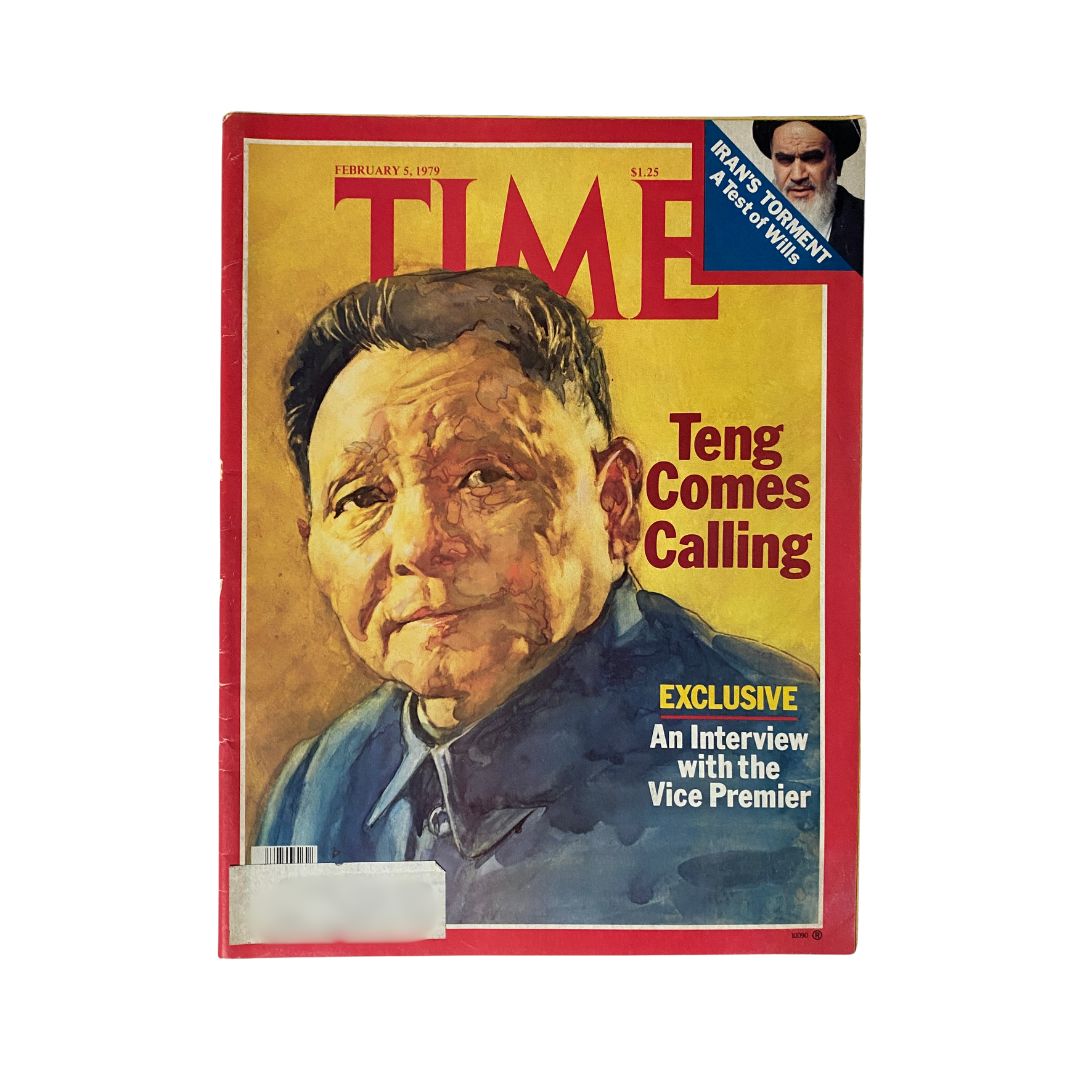
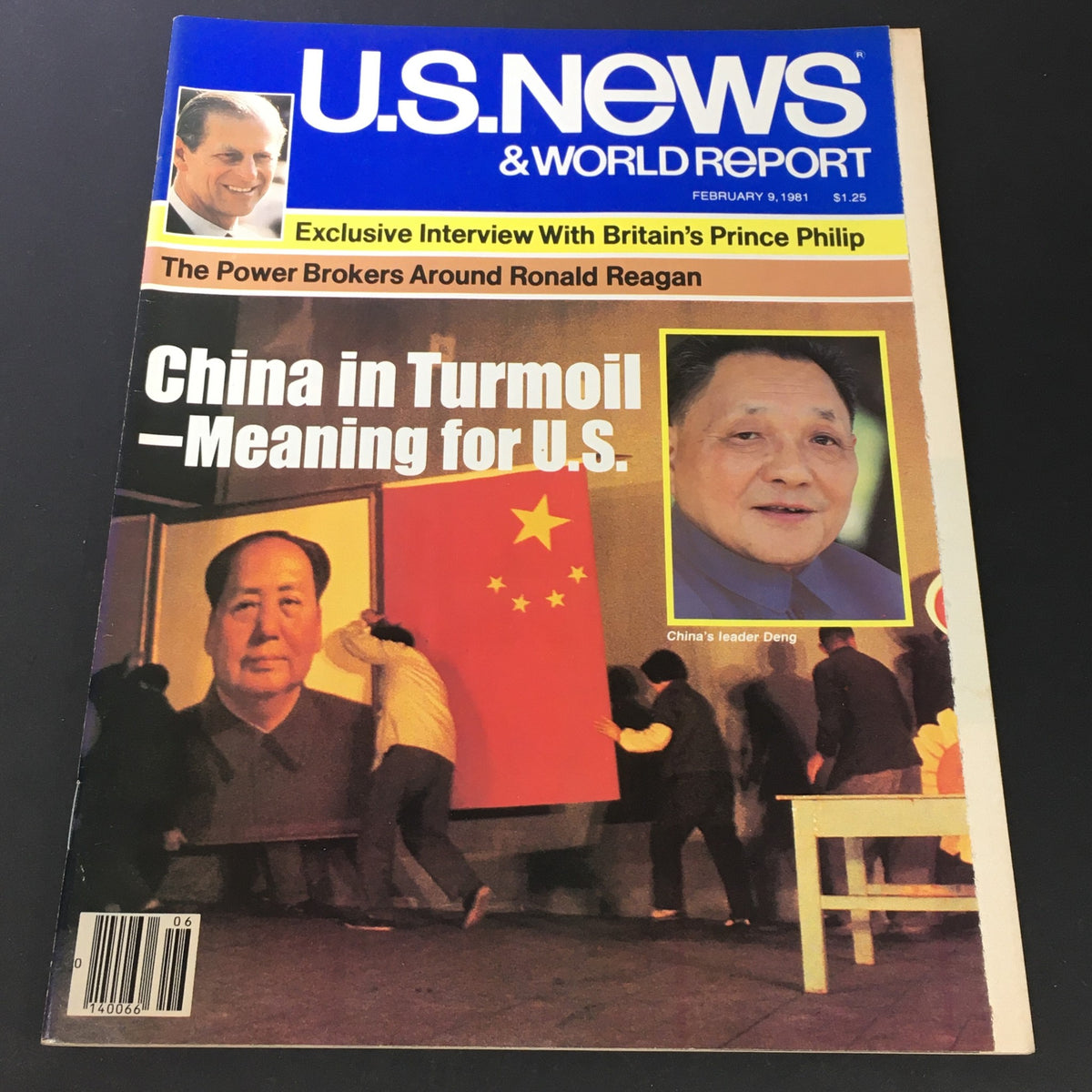
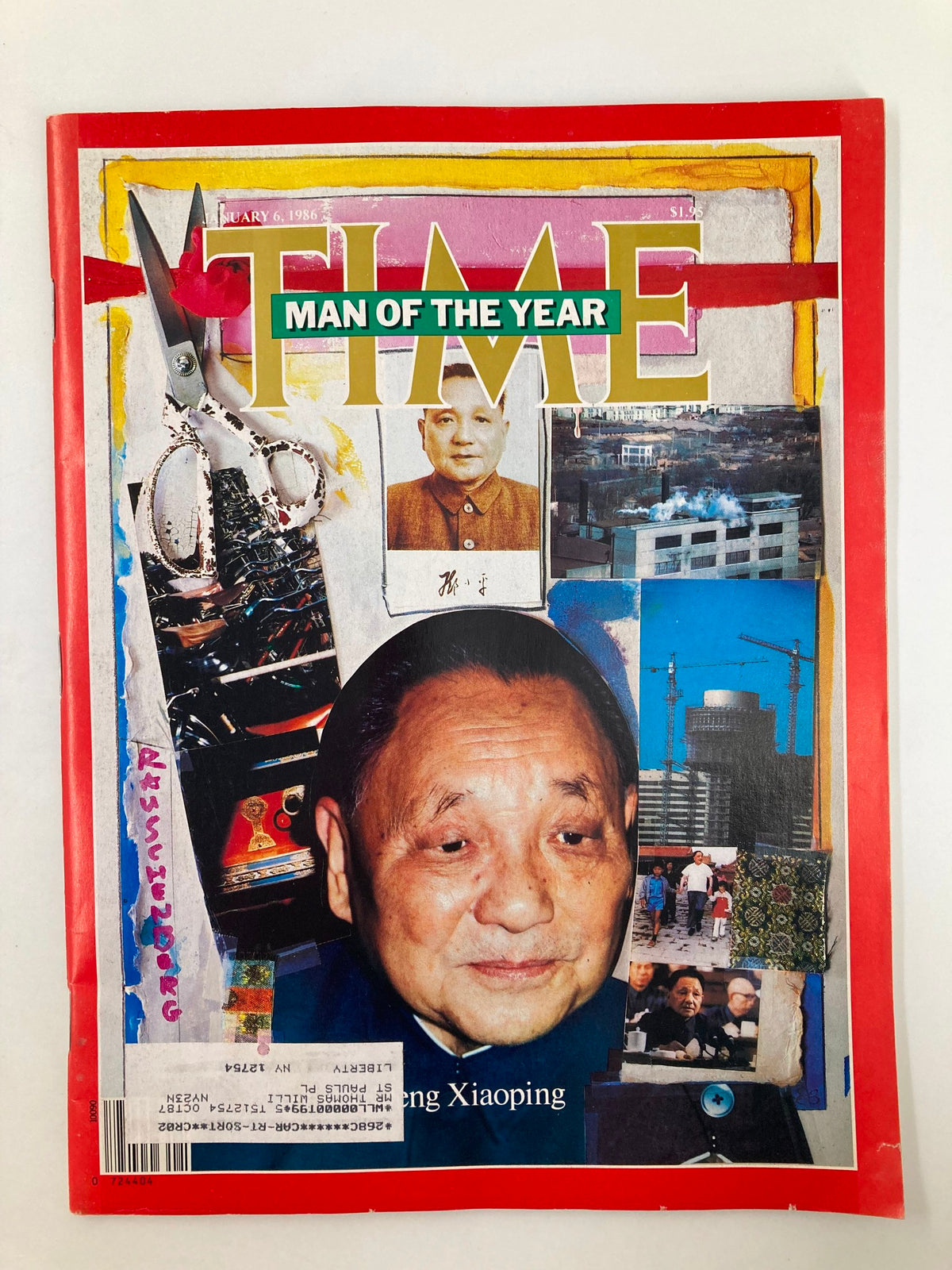
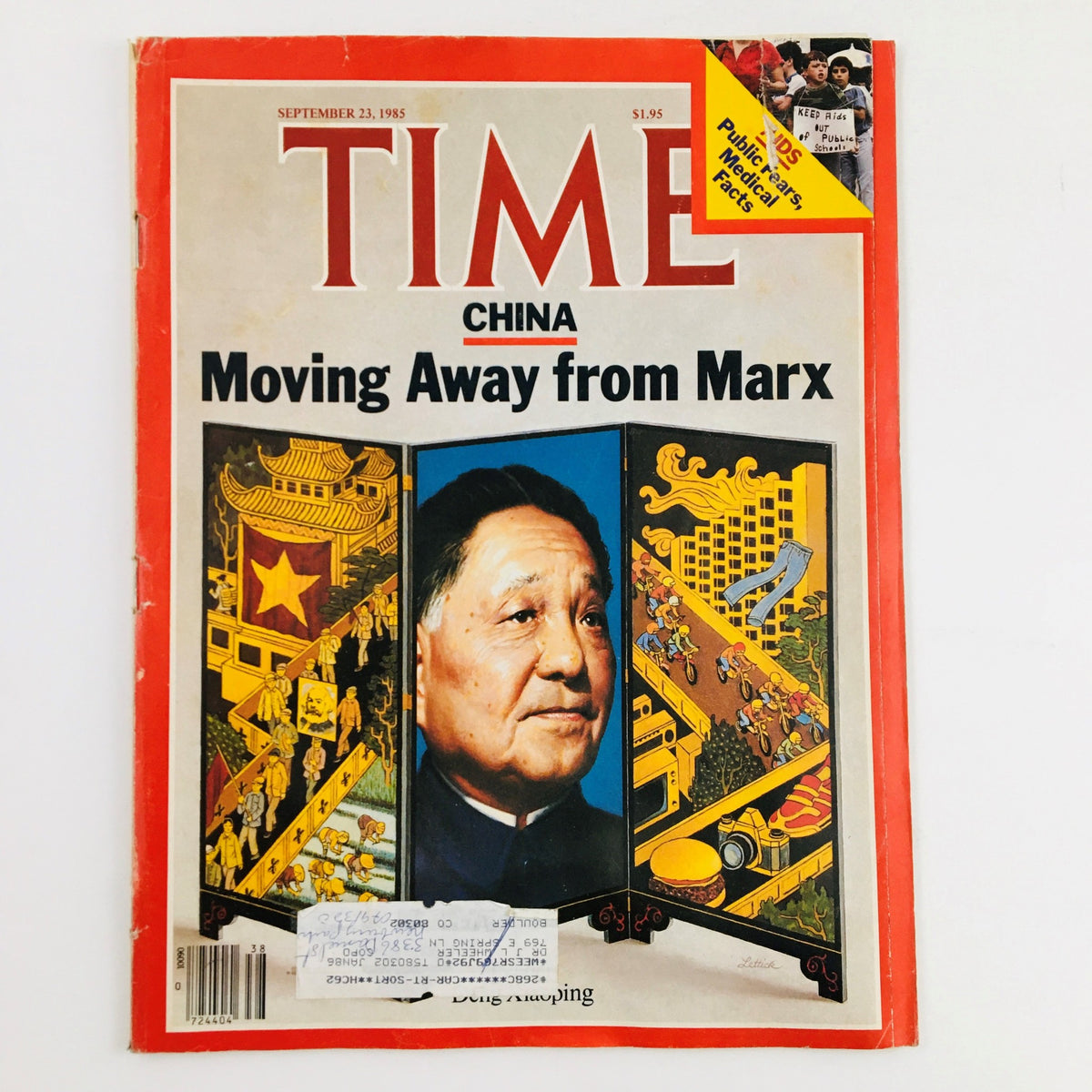
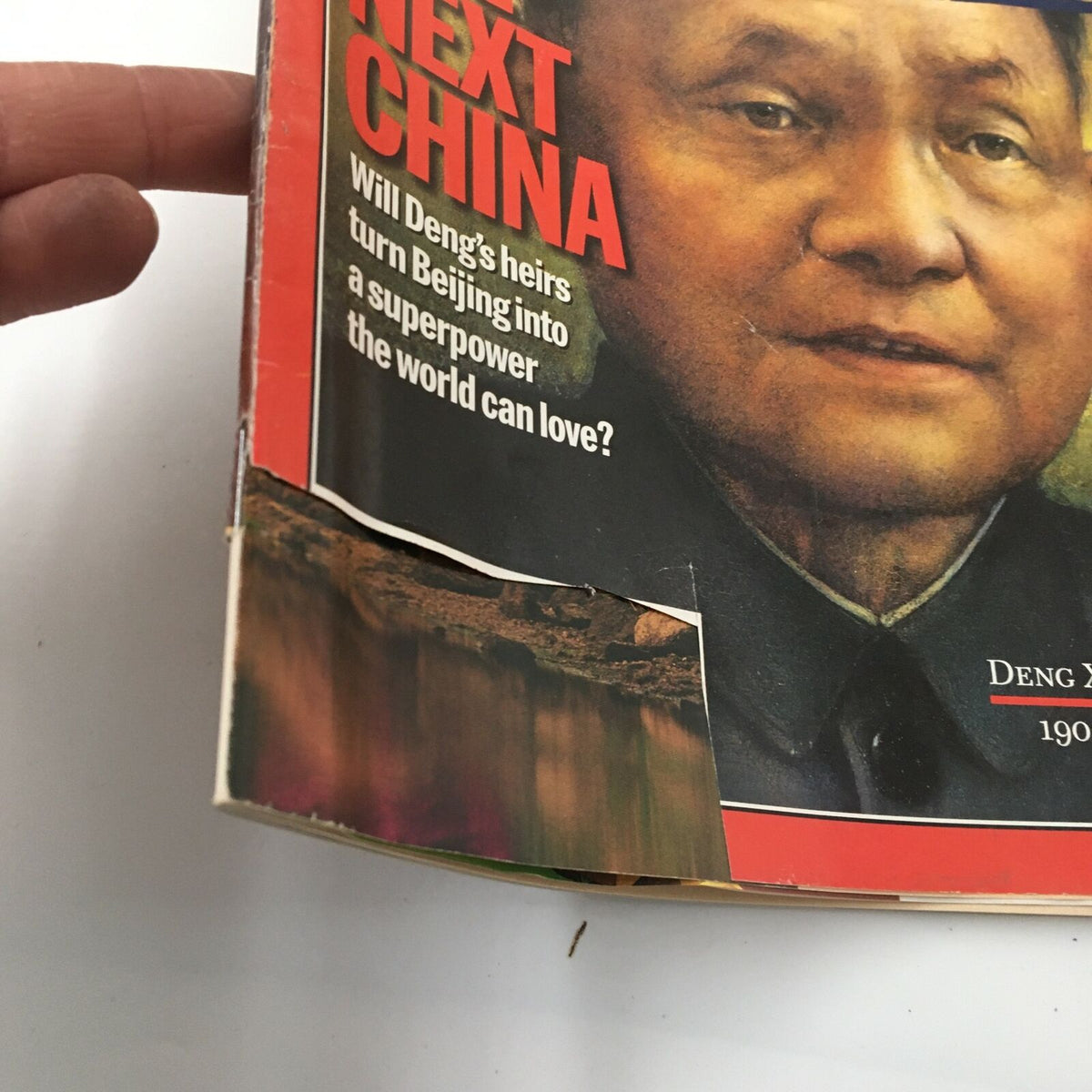
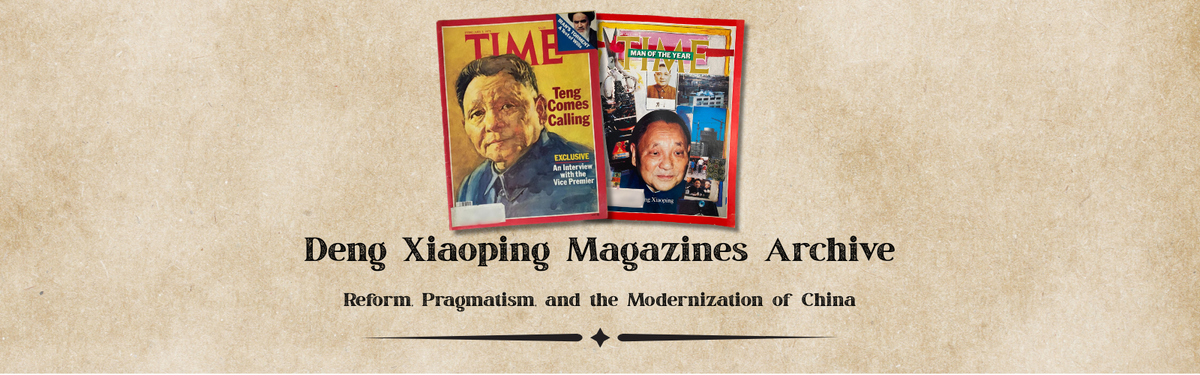
Vintage magazine coverage of the paramount leader reflects both the fascination and the wariness with which the Western press regarded China's transformation. Time magazine was among the most iconic chroniclers of his rise, naming him Person of the Year not once but twice — in 1978 and 1985 — capturing him in stark, authoritative portraiture that underscored his improbable durability. Newsweek offered equally compelling rival coverage, with bold cover compositions that juxtaposed his stoic visage against imagery of factories, skylines, and reform-era optimism. Meanwhile, Paris Match brought its signature cinematic sensibility to the story of modern China, framing the architect of the "Four Modernizations" within a sweeping visual narrative of a nation in metamorphosis. Beyond the flagship titles, specialist publications in economics, international affairs, and Asian studies — including Far Eastern Economic Review, long considered the bible of the region's press corps — provided granular, expert-level analysis that serious collectors prize for their depth and foresight. The editorial tone across all these publications oscillated between cautious admiration and pointed scrutiny — particularly following the events of Tiananmen Square in 1989 — lending the archive a rich, morally complex texture that no history textbook can fully replicate. What emerges, across decades of coverage, is a portrait assembled in installments: a man perpetually larger than the ideology he nominally served, rendered in ink and paper by some of the greatest editorial minds of the twentieth century.
Curator's Checklist: Highlights Often Include
- Reform & Opening Up coverage (late 1970s–1980s): Features documenting China's dramatic pivot toward market economics, often illustrated with striking before-and-after photography of Chinese cities and factory floors awakening to foreign investment — a visual story of transformation with few modern parallels
- Historic diplomatic encounters: Issues capturing landmark meetings with U.S. presidents, Western heads of state, and Japanese leaders — moments that signaled China's re-entry onto the global diplomatic stage and were treated by editors as the front-page, cover-worthy events they truly were
- Dual "Person of the Year" issues: Collectors frequently seek the two landmark Time designations, widely regarded as among the most historically significant China-related covers of the twentieth century, each reflecting a distinct and defining chapter in his leadership
- Post-Tiananmen international press coverage (1989–1990): A sobering and critically important chapter in the archive, featuring the sharp shift in editorial tone from Western publications grappling with the contradictions of the reform era — issues that document the world's struggle to reconcile economic modernization with political repression
- Late-career and legacy retrospectives (early 1990s): Long-form profiles and analytical pieces — often richly illustrated — assessing the "Southern Tour" of 1992 and the enduring question of what a modernizing China would mean for the coming century, many of which read today as remarkably prescient dispatches from the edge of our contemporary world
The Collector's Value
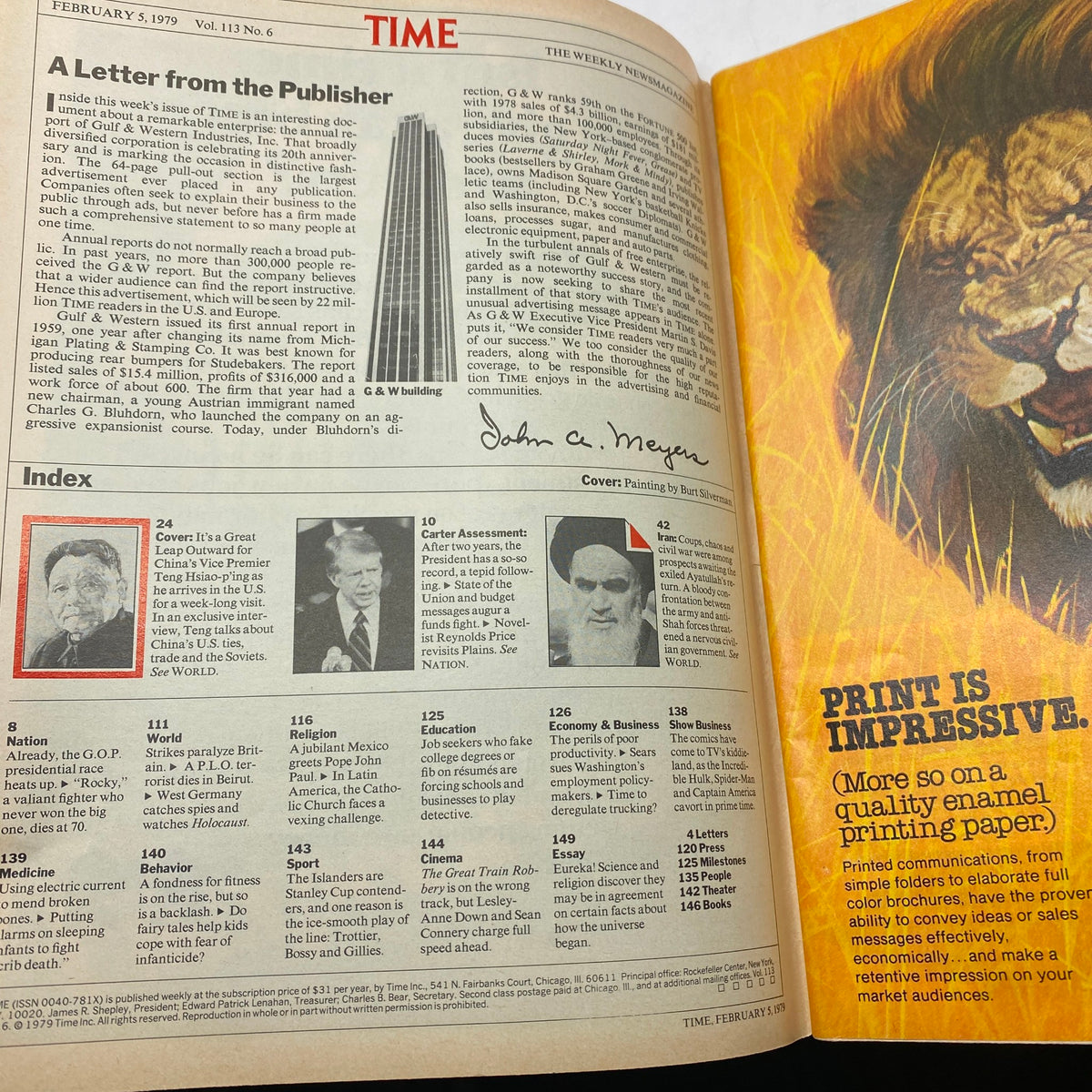
To hold one of these original issues in your hands is to hold a dispatch from a pivotal hinge in modern history — to feel the slightly coarse tooth of mid-century newsprint or the glossy weight of a premium weekly's cover stock, to catch the faint, familiar mustiness of ink and paper that no digital archive can conjure. The surrounding advertisements alone are a time capsule: Cold War-era automobiles, analog electronics, and international airline routes that chart a world still learning what a rising China might become. Turning each page is an act of genuine historical immersion — the typography, the photo editing choices, the breathless urgency of the pull quotes — all of it conspiring to return you to a moment when the outcome was still uncertain, when the world was watching and holding its breath. These are not reprints or commemorations — they are primary sources, eyewitness accounts in magazine form, produced in the moment by journalists, editors, and photographers who understood they were covering history as it happened. The geopolitical stakes embedded in these pages feel, if anything, more legible now than they did at the time of publication, making them as intellectually rewarding as they are aesthetically compelling. For collectors of Cold War political history, twentieth-century Asian affairs, or landmark moments in global economic transformation, these publications offer an irreplaceable window into the world's unfolding understanding of one of its most consequential statesmen. Explore our current rotating inventory below and discover which pieces of this extraordinary story are available today.