📖 About this Collection
Derek Jeter: The Captain Immortalized in Print
The Legend & The Legacy
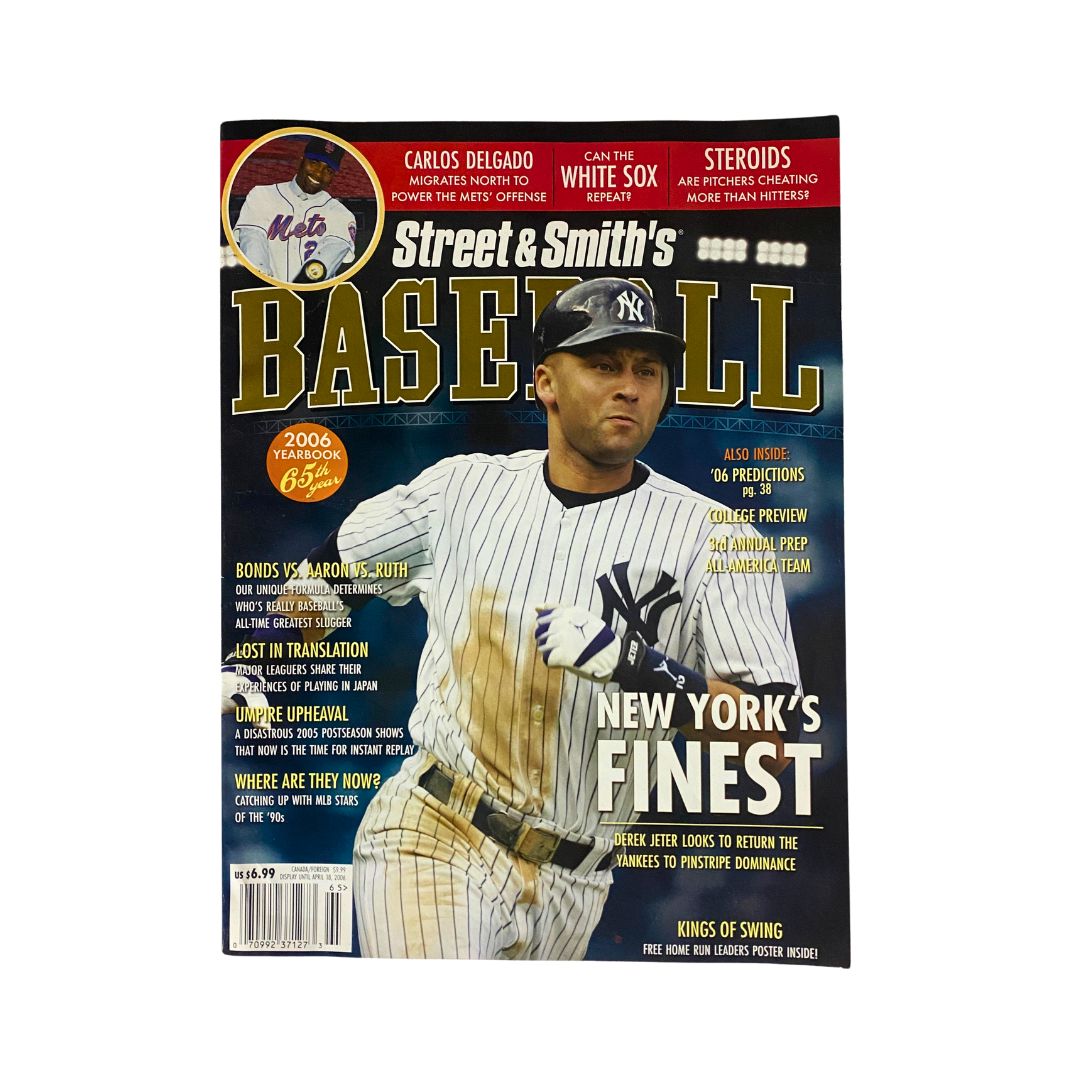
From the moment he stepped onto the Yankee Stadium grass in 1995, Derek Jeter became something larger than a ballplayer — he became the living embodiment of a franchise, a city, and an era. For two decades, he wore the pinstripes of the most storied organization in American sports with a grace and consistency that felt almost anachronistic, as though he had been conjured from the golden age of DiMaggio and Gehrig and deposited into the highlight-reel nineties. In an era before social media dissolved the boundary between athlete and audience, fans knew the Captain through the deliberate, curated lens of print: the long-form profiles that ran for six pages in glossy sports weeklies, the triumphant cover shots taken in the blue-and-white glow of October floodlights, the retrospectives that tried, season after season, to quantify what made him so singularly magnetic. Five World Series rings. A .310 career batting average. The Flip. The Dive. The Jump Throw. These were not merely statistics — they were the chapters of a mythology that America's sports press was all too eager to chronicle in ink and on paper.
Inside the Archive
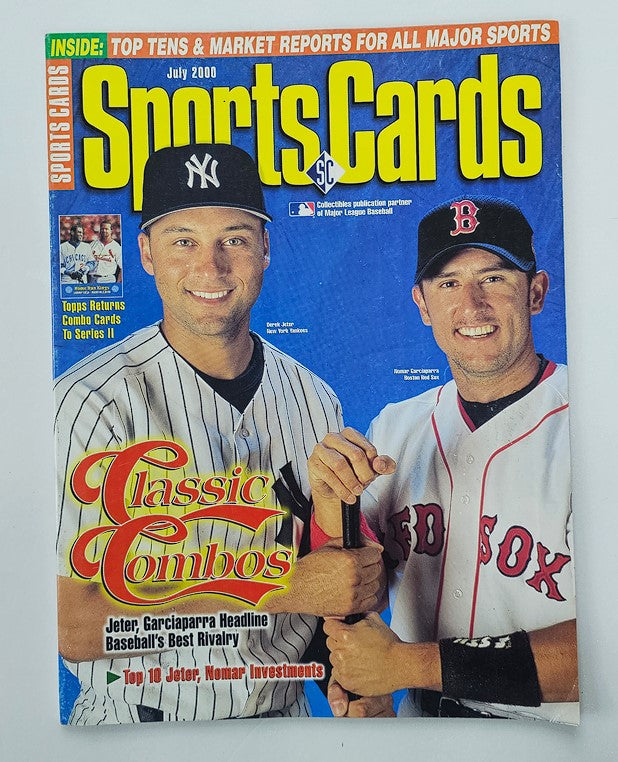
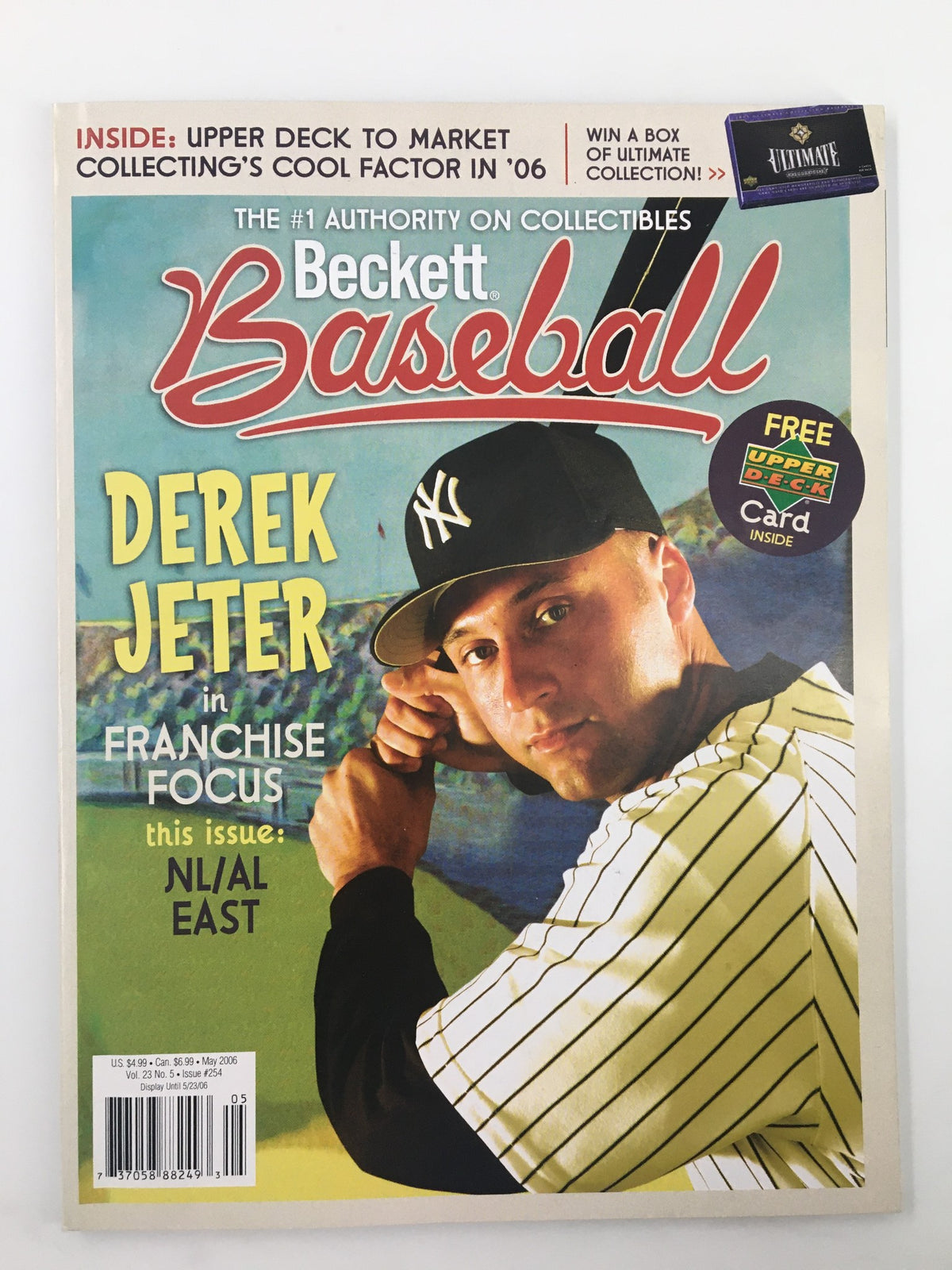
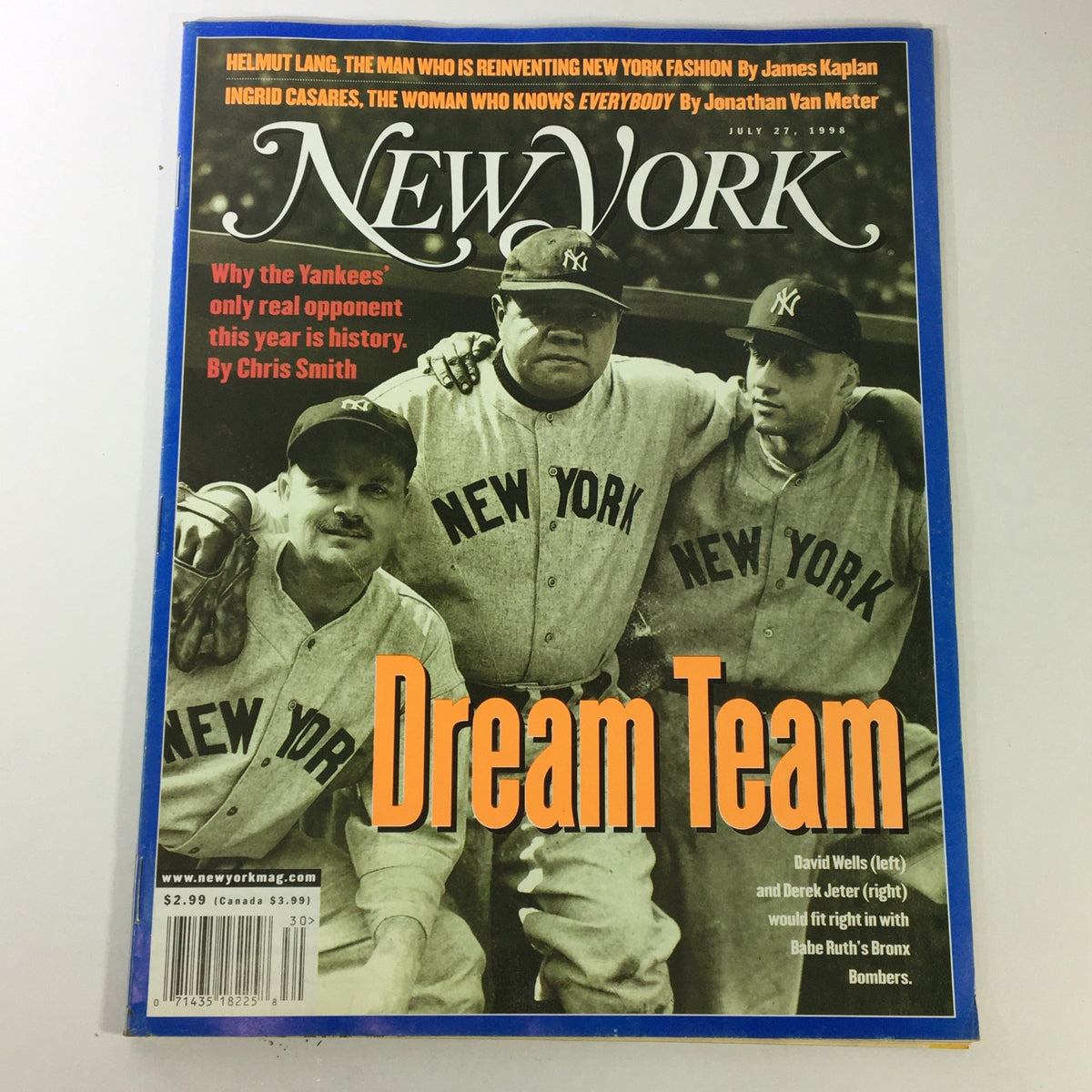
Vintage magazines captured the Captain with a reverence typically reserved for heads of state or Hollywood icons. Sports Illustrated placed him on its cover with remarkable frequency across his career, from his Rookie of the Year seasons through his final farewell lap in 2014, each photograph composed to emphasize the quiet authority he carried in his posture and his gaze. ESPN The Magazine, with its bolder, more kinetic visual language, rendered him in dramatic stadium light and motion blur — a counterpoint to the stately elegance that older publications favored. Internationally, Sport Bild and other European sports periodicals took notice as baseball's global footprint expanded through the late 1990s and 2000s, treating him as the definitive face of America's pastime for foreign readers encountering the sport through the lens of Yankee dominance. The editorial tone across publications was almost uniformly one of admiration shading into mythology: writers did not merely describe his play, they searched for the metaphor that could contain it. Photographers, meanwhile, returned obsessively to two settings — the impossible geometry of his mid-air throws from the hole at shortstop, and the solitary, cinematic image of him tipping his helmet to a standing Bronx crowd.
Curator's Checklist: Highlights Often Include
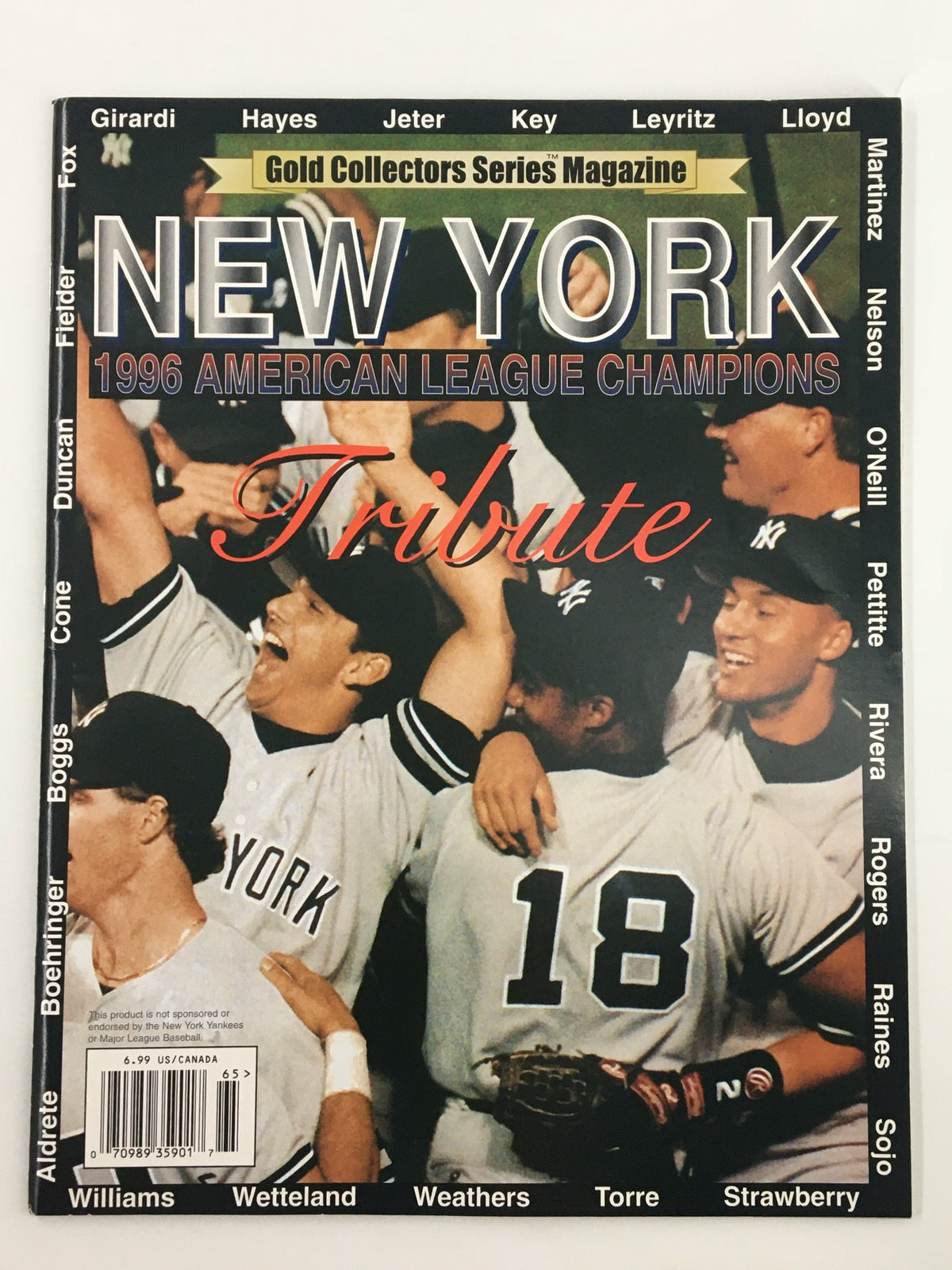
- Rookie & early dynasty coverage (1995–1996): Issues from this period often feature early profile pieces heralding the arrival of a generational talent in the Bronx, frequently paired with broader coverage of a Yankees team reassembling its championship identity
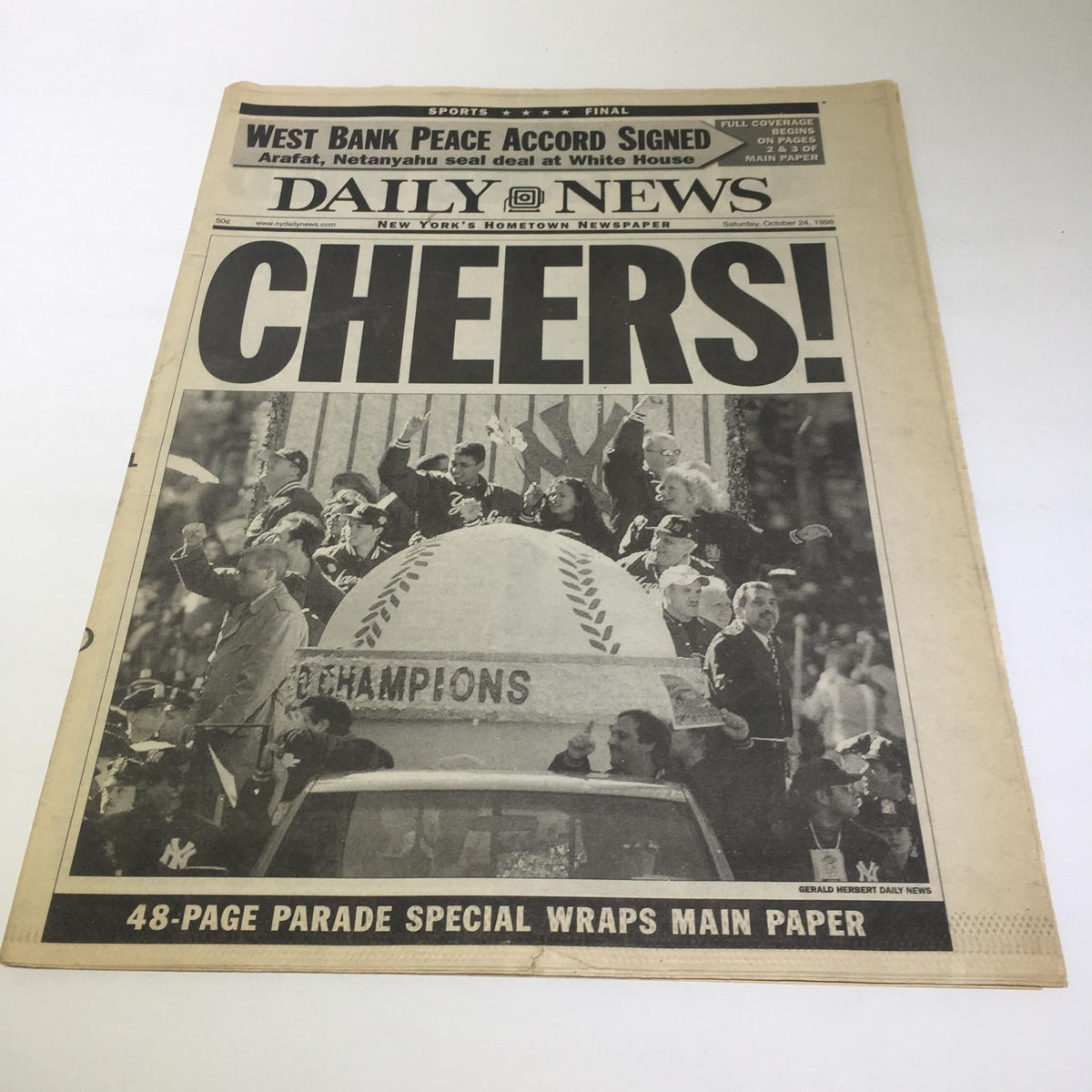
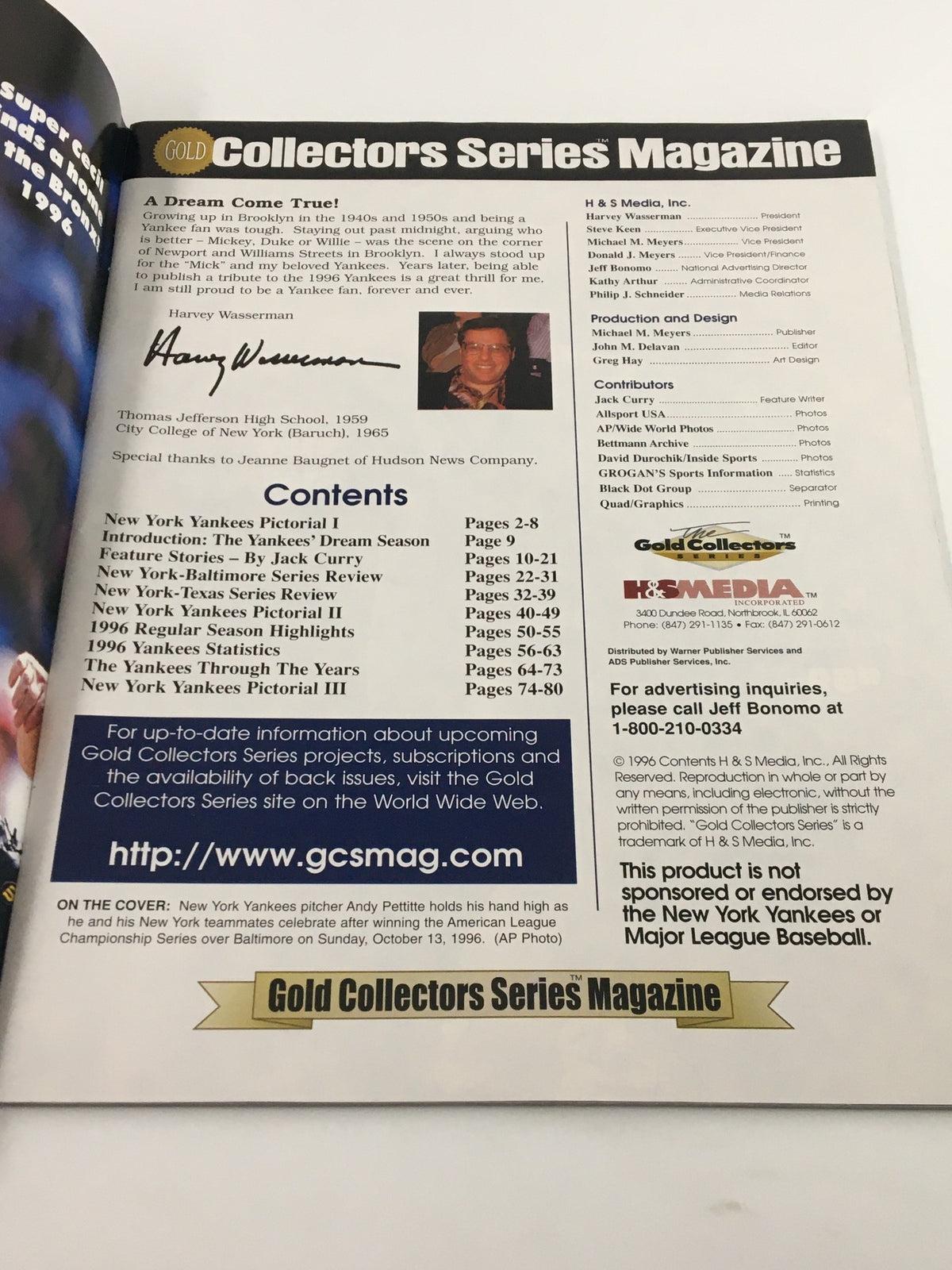
- World Series championship retrospectives (1996, 1998–2000, 2009): Collectors frequently seek out commemorative issues and special editions published in the weeks following each title run, which often include full-spread photography from the postseason and long-form essays on dynasty
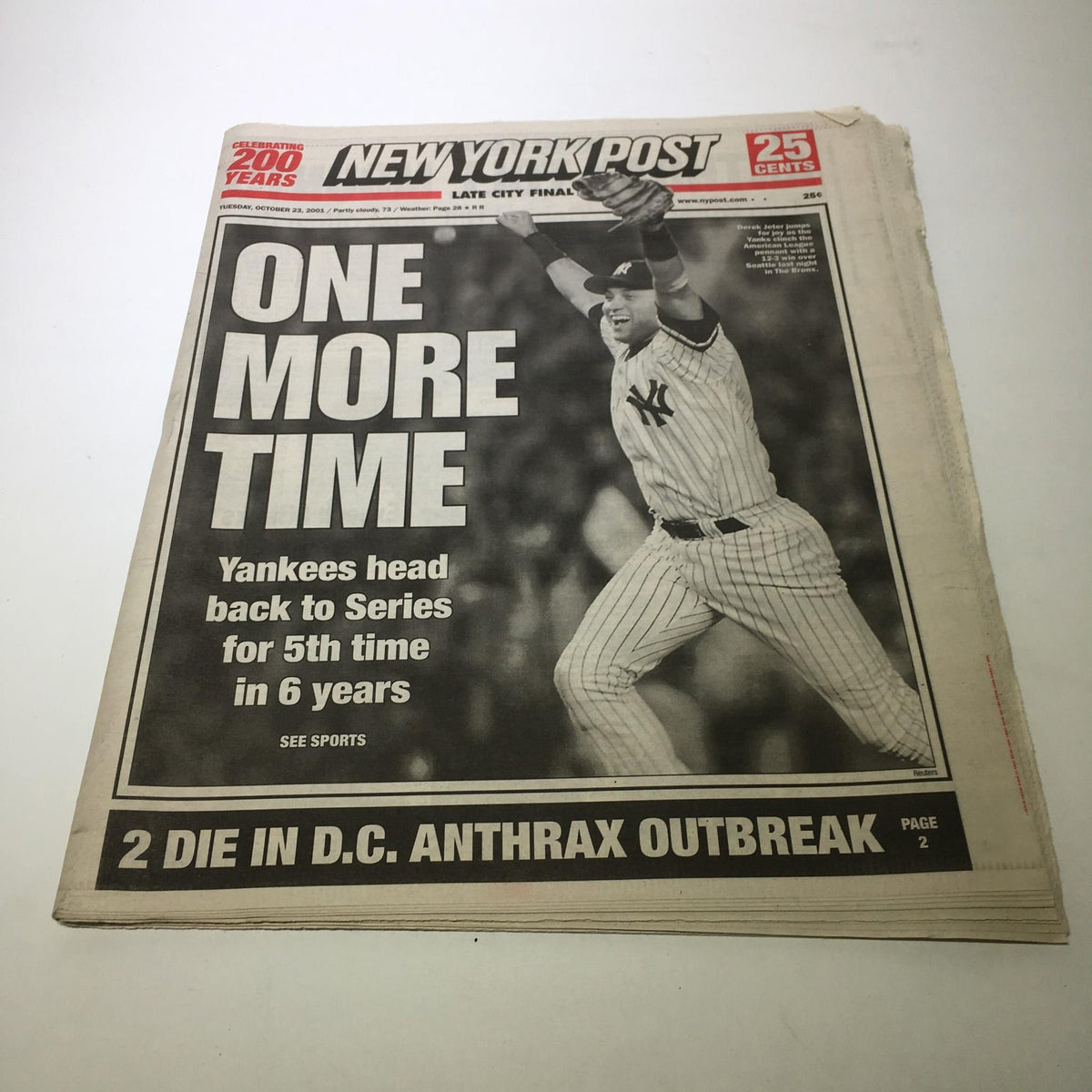
- The "Mr. November" moment and postseason heroics: Coverage of the 2001 World Series — one of the most emotionally charged Fall Classics in history — frequently surfaces in archive searches, with game-by-game narrative features and iconic home run photography
- Milestone and career achievement issues: Editions marking his 3,000th hit (a solo home run, no less), his passing of Lou Gehrig as the Yankees' all-time hits leader, and his 2014 retirement farewell tour were documented extensively across both sports and general-interest magazines
- Cultural crossover features: As his celebrity grew, the Captain appeared in publications beyond the sports world — lifestyle, men's fashion, and business magazines explored his off-field brand, his poise before the media, and his transition into team ownership and publishing
The Collector's Value
There is something irreplaceable about holding a thirty-year-old issue of a sports weekly whose cover shows a twenty-one-year-old shortstop in crisp October pinstripes — the paper slightly yellowed at the edges, the ink carrying that particular dry, woody scent of another decade, the surrounding advertisements a time capsule of the culture that produced him: the sneaker brands, the sports drinks, the car commercials of a prosperous and sports-obsessed American nineties. These are primary sources. They are what the world actually said about Derek Jeter in the moment it was watching him, unmediated by retrospect or algorithm, composed by writers on deadline who did not yet know how the story would end. For collectors of New York Yankees memorabilia, golden-era baseball ephemera, or sports Americana from the late twentieth and early twenty-first centuries, these publications offer something no trading card or signed jersey can replicate — the full cultural context of a legend, rendered in the journalism, photography, and design language of his own time. Explore the current inventory below and discover which pieces of the Captain's story are available to bring home today.