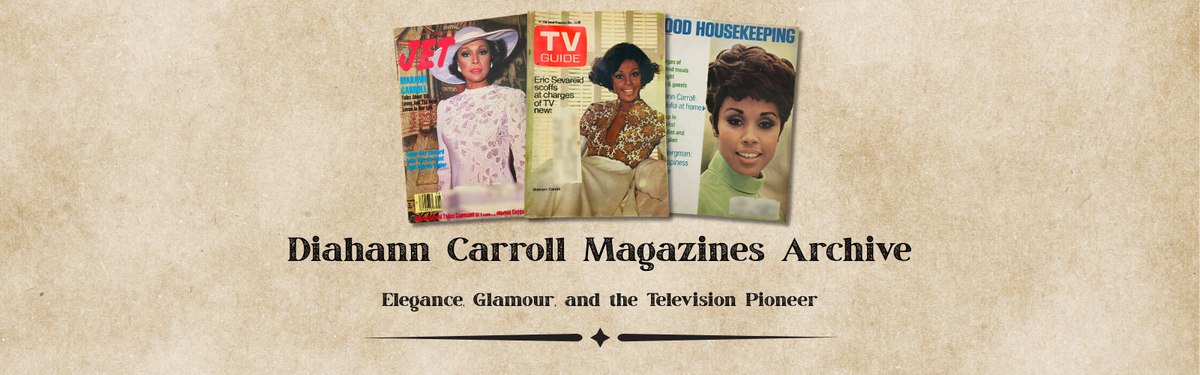
📖 About this Collection
Diahann Carroll: The First Flourish of a New American Dream
The Legend & The Legacy
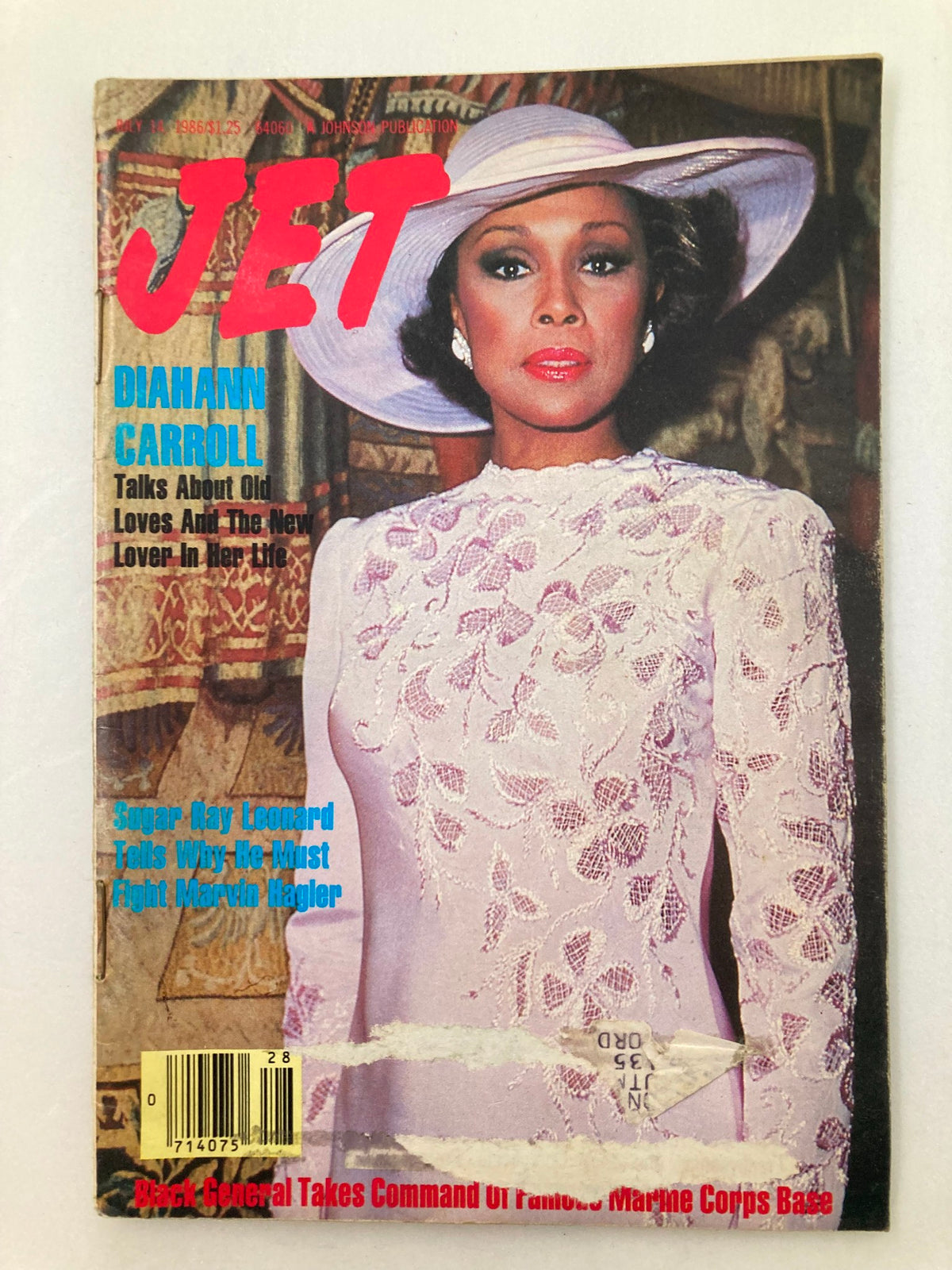
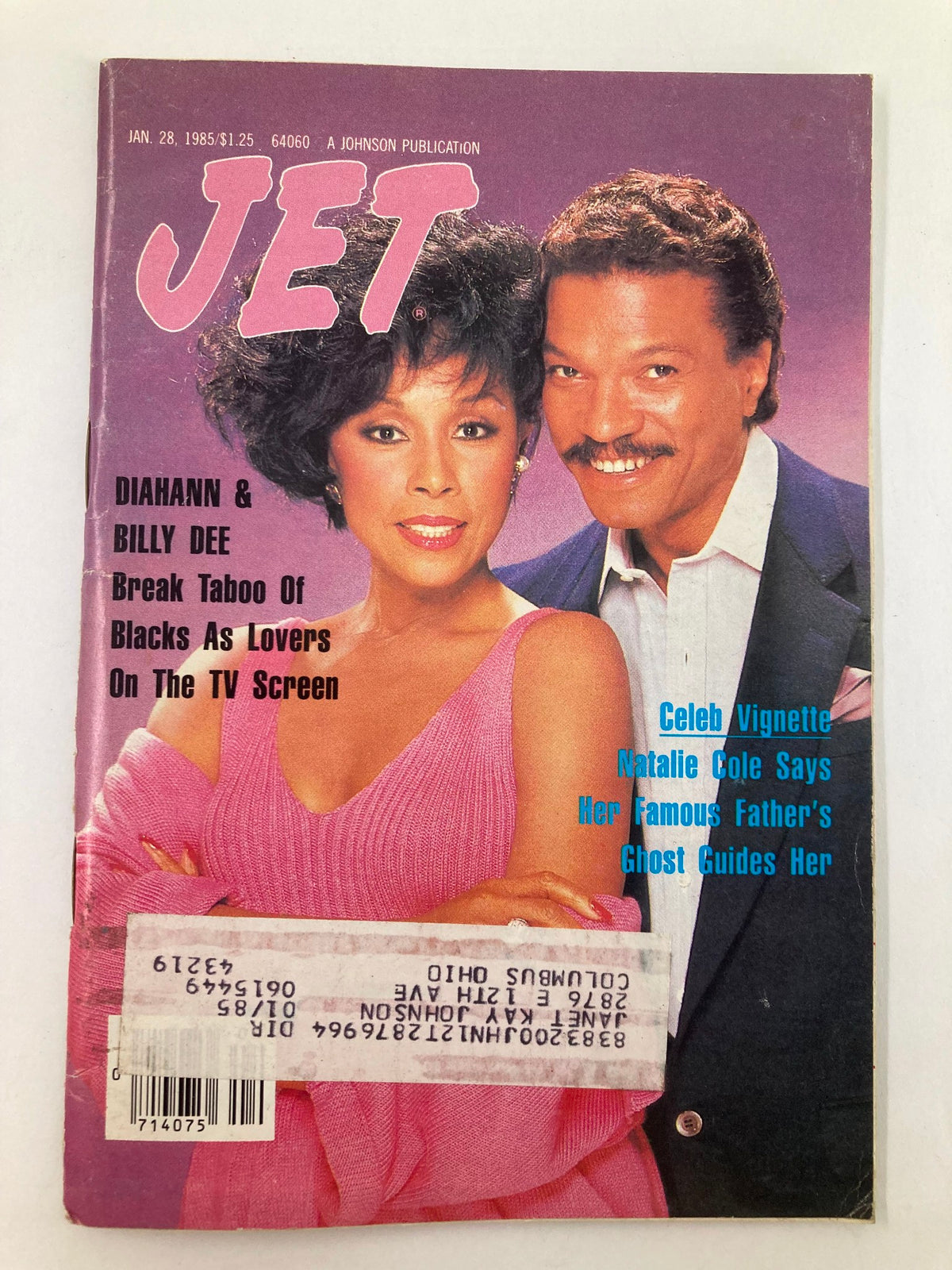
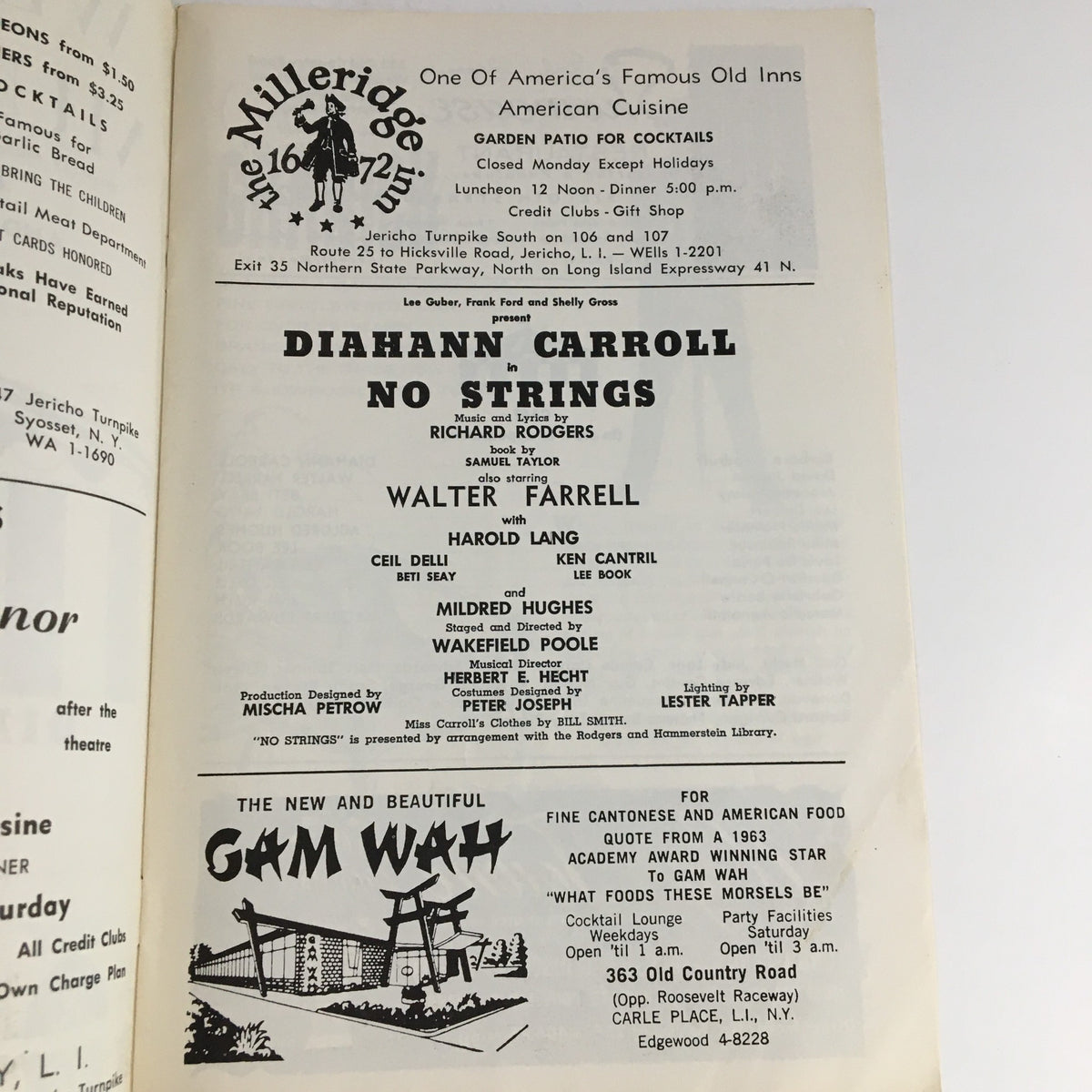
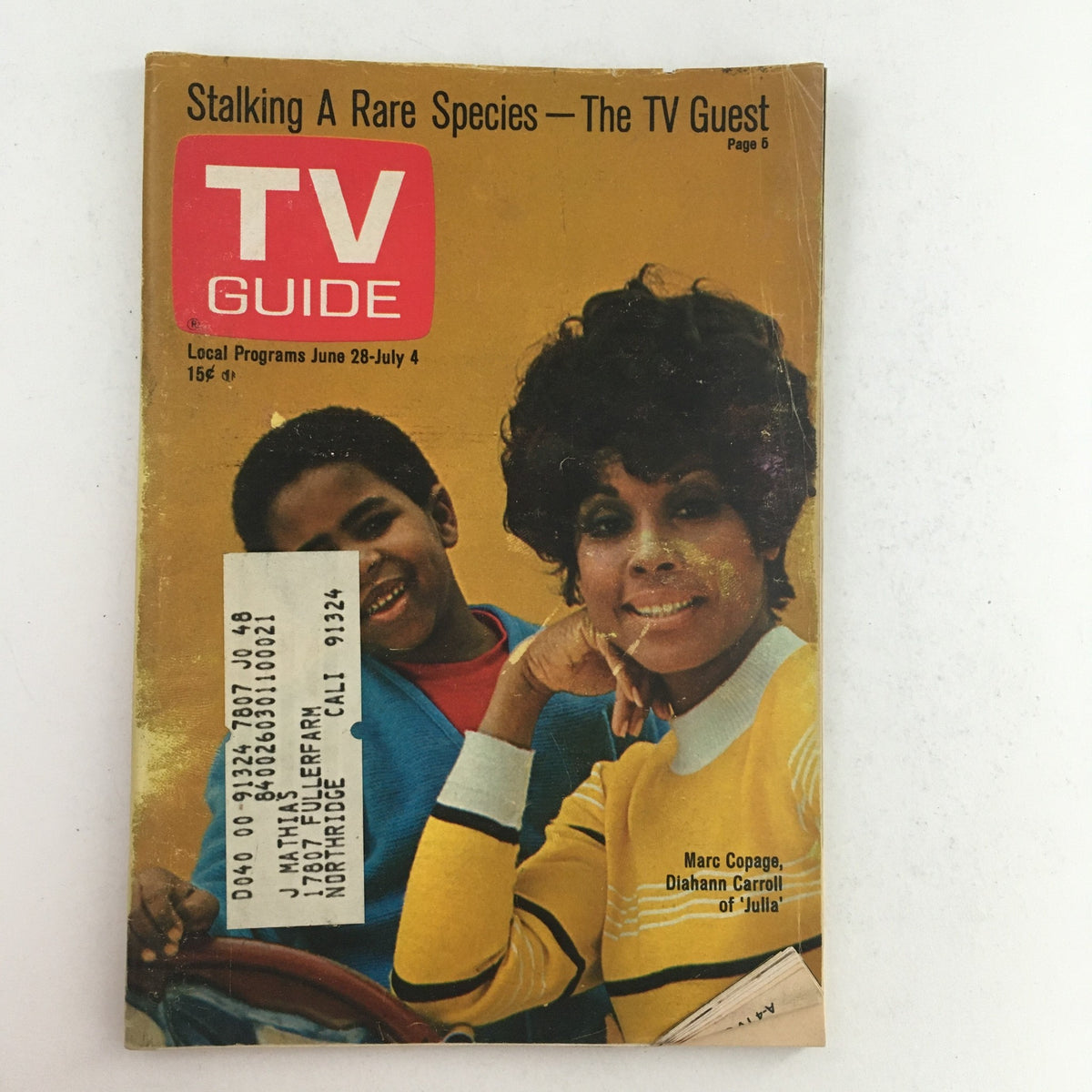
In an era when American television sets were still finding their place in the living room, Diahann Carroll arrived on the national consciousness with a quiet, electrifying force that the culture was not entirely prepared for — and could not look away from. When she debuted as Julia Baker in 1968, she became the first Black woman to star in a non-stereotypical lead role in an American primetime television series, a milestone so seismic that its reverberations were felt not just in Hollywood boardrooms, but in barbershops, beauty salons, and kitchen tables across the country. Before social media could broadcast her triumphs in real time, it was the printed page that carried her image into American homes — a glamorous, dignified, undeniable presence staring back from newsstands at a nation wrestling with its own identity. She had already conquered Broadway, winning the Tony Award for No Strings in 1962, and had graced international stages and film screens, but it was the tactile reality of her face on a magazine cover that made her legacy permanent. Print was the archive of record, and the press enshrined her accordingly.
Inside the Archive
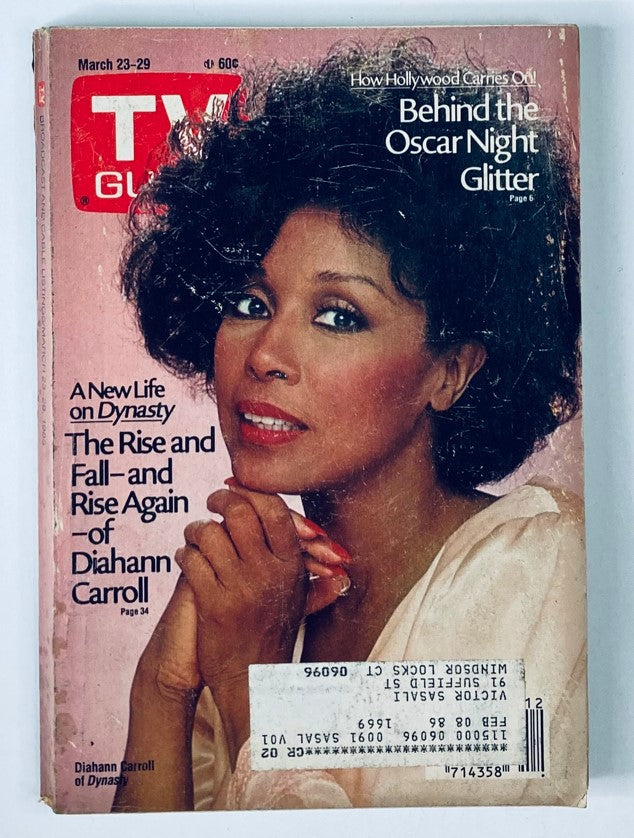
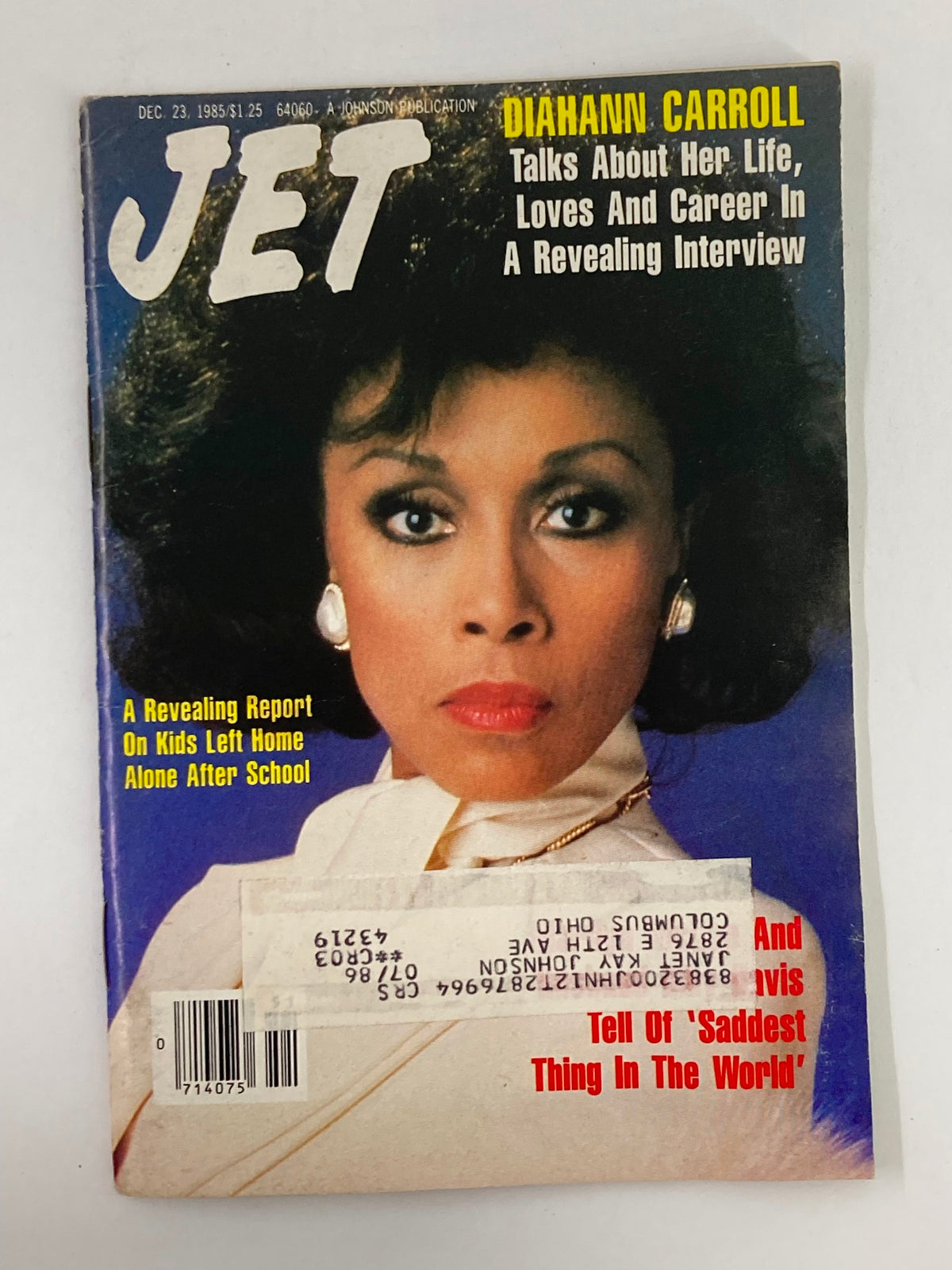
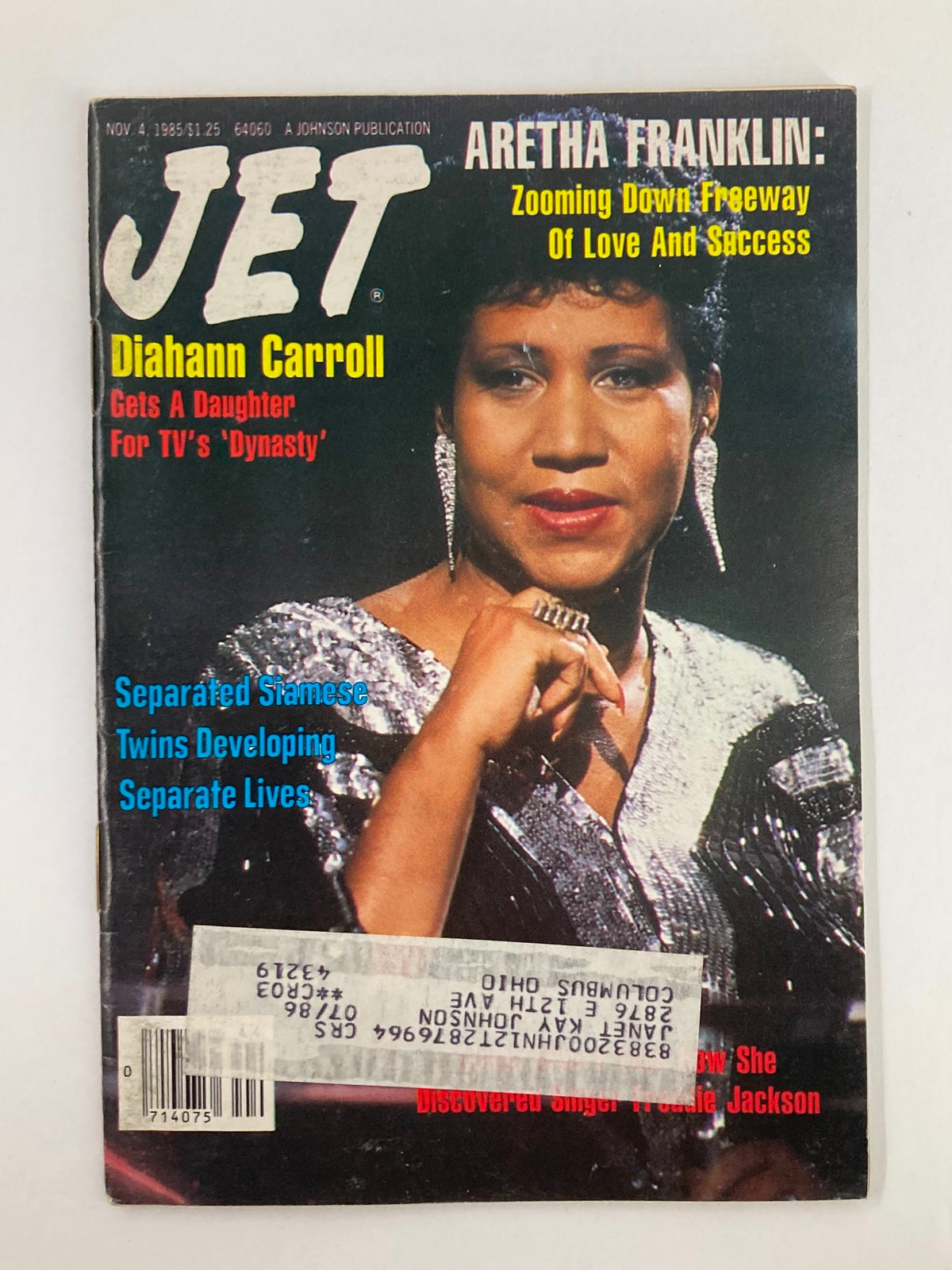
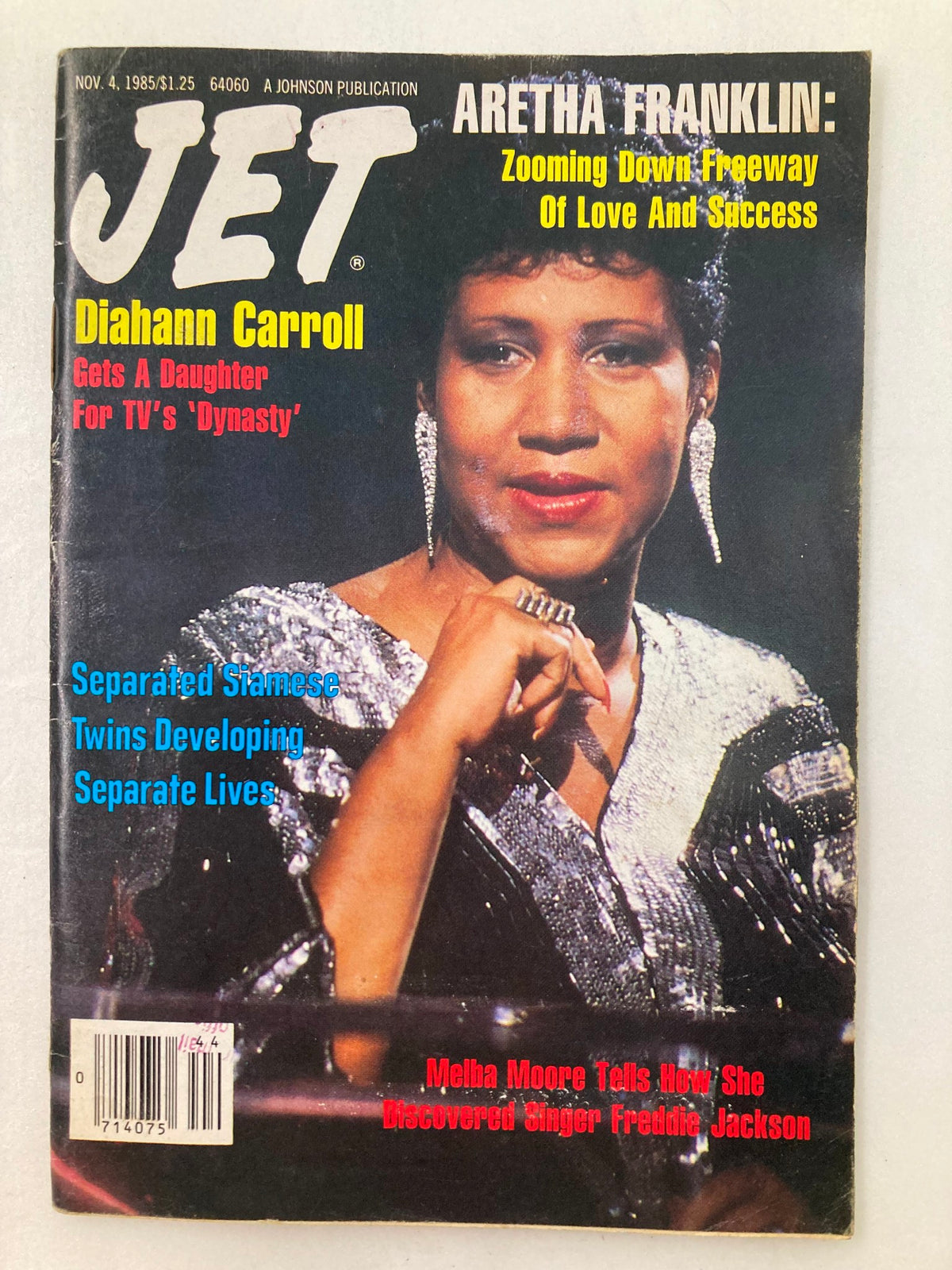
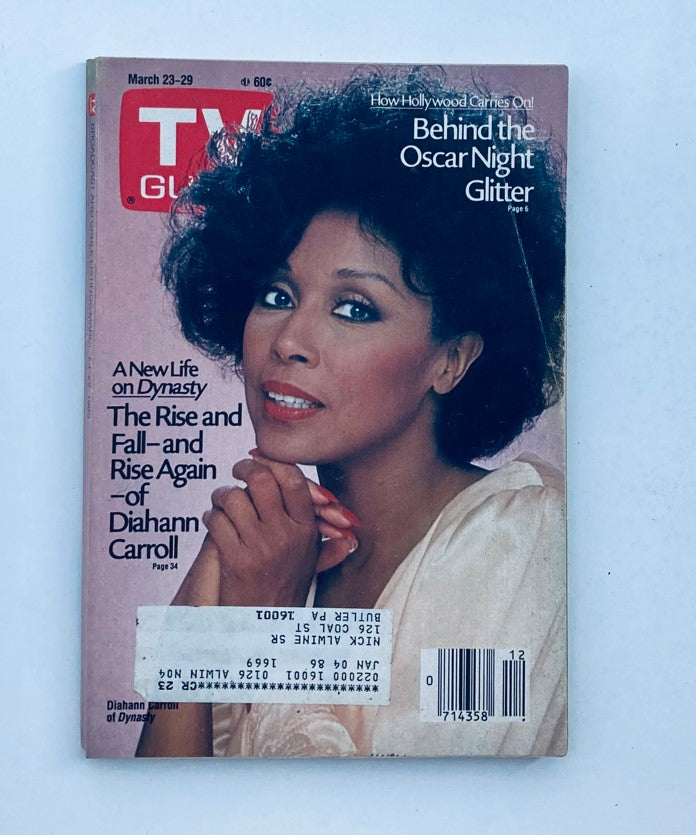
The magazines of her peak era treated her with a reverence that was, for a Black woman in mid-century America, both radical and long overdue. Photographers captured her with the same luminous, high-gloss studio lighting reserved for Hollywood's most bankable stars — bold eye contact, immaculate styling, an almost architectural elegance in every frame. Ebony and Jet, the twin pillars of Black American print culture, chronicled her ascent with particular devotion, understanding that she represented something far larger than celebrity: she was evidence of possibility. Meanwhile, mainstream publications like TV Guide — then one of the most widely circulated magazines in the United States — featured her prominently in the wake of Julia, grappling in their editorial tone with what her success meant for American broadcasting. Life magazine, that great illustrated diary of the 20th century, also turned its lens on her during this era, placing her within the broader narrative of a nation in transformation. The editorial coverage was rarely just about fashion or fame; it was cultural journalism dressed in glamour, and she was its most compelling subject.
Curator's Checklist: Highlights Often Include
- The Julia Era (1968–1971): Collectors frequently seek television tie-in coverage from the landmark debut season, including cast profiles, behind-the-scenes features, and the wave of think-pieces in mainstream press grappling with her groundbreaking role.
- Broadway Royalty: Features from the early-to-mid 1960s documenting her Tony Award-winning turn in No Strings are among the rarest finds — theatrical coverage from Look, Life, and entertainment weeklies of the period.
- The Dynasty Years (1984–1987): Her entrance as the scheming, impeccably dressed Dominique Deveraux introduced her to an entirely new generation; fashion and entertainment magazines of the mid-1980s frequently celebrated her as a style icon of the primetime soap era.
- Civil Rights & Cultural Commentary: Issues from Ebony and similar publications that positioned her alongside the broader movement — exploring what her visibility meant for Black America during years of profound social upheaval.
- International Coverage: European fashion and entertainment titles, particularly from France and the UK, occasionally featured her during her period of international acclaim, offering a fascinating outside-looking-in perspective on her American iconography.
The Collector's Value
There is something irreplaceable about holding one of these issues in your hands — the slightly yellowed weight of mid-century coated stock, the faint perfume of aged ink mingling with the ghost of a perfume advertisement on the facing page, the sense that someone, decades ago, sat down in a very different America and read these same words about this same extraordinary woman. Digital archives can reproduce the image, but they cannot replicate the object, and the object is the proof. These are primary sources — unfiltered dispatches from the moment history was being made, before retrospect softened the edges or cultural consensus decided what mattered. For collectors of Civil Rights history, Golden Age television memorabilia, or mid-century Black American cultural legacy, these publications offer something no reprint or online scan ever could: the unmediated experience of the era itself, with all its contradictions, its beauty, and its hard-won triumphs intact. Explore the current available inventory below and discover which pieces of this remarkable story are waiting to find a new home.