📖 About this Collection
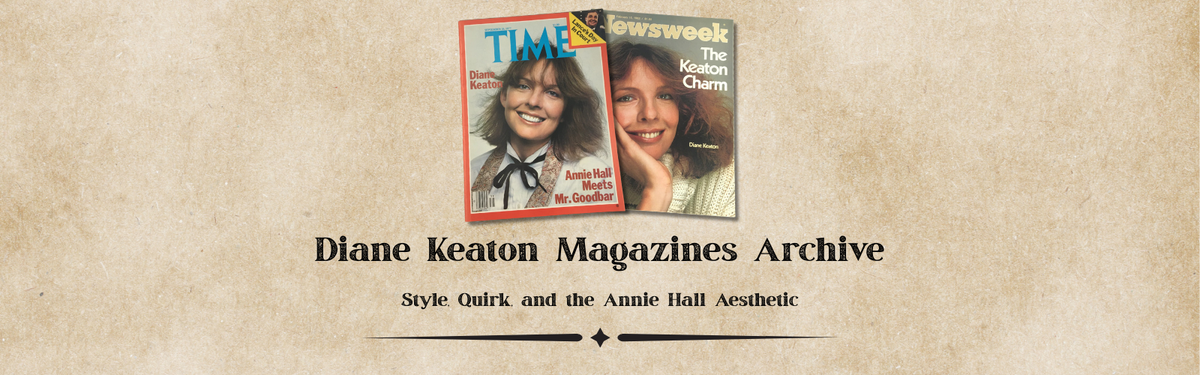
Diane Keaton: The Auteur in Annie Hall's Hat
The Legend & The Legacy
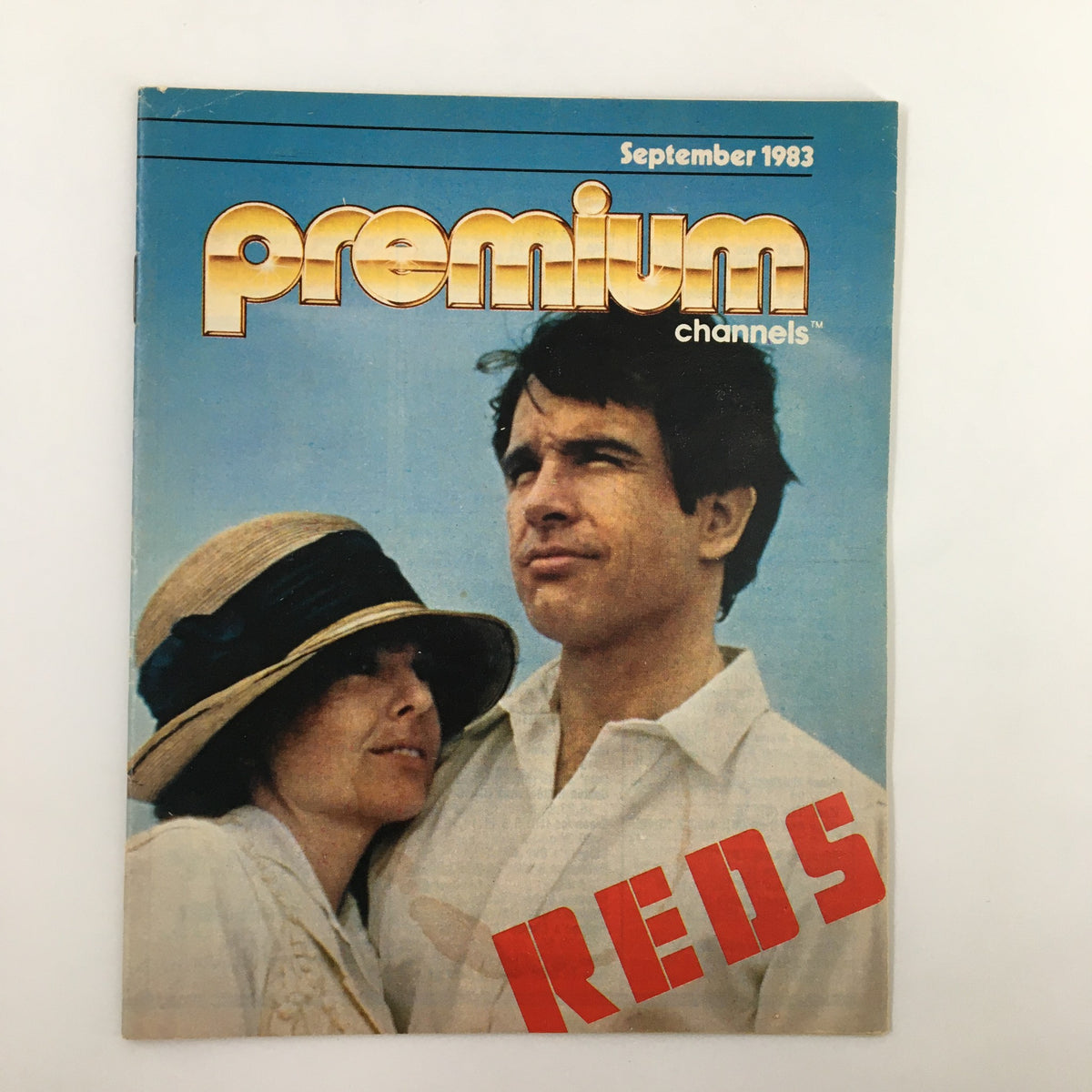
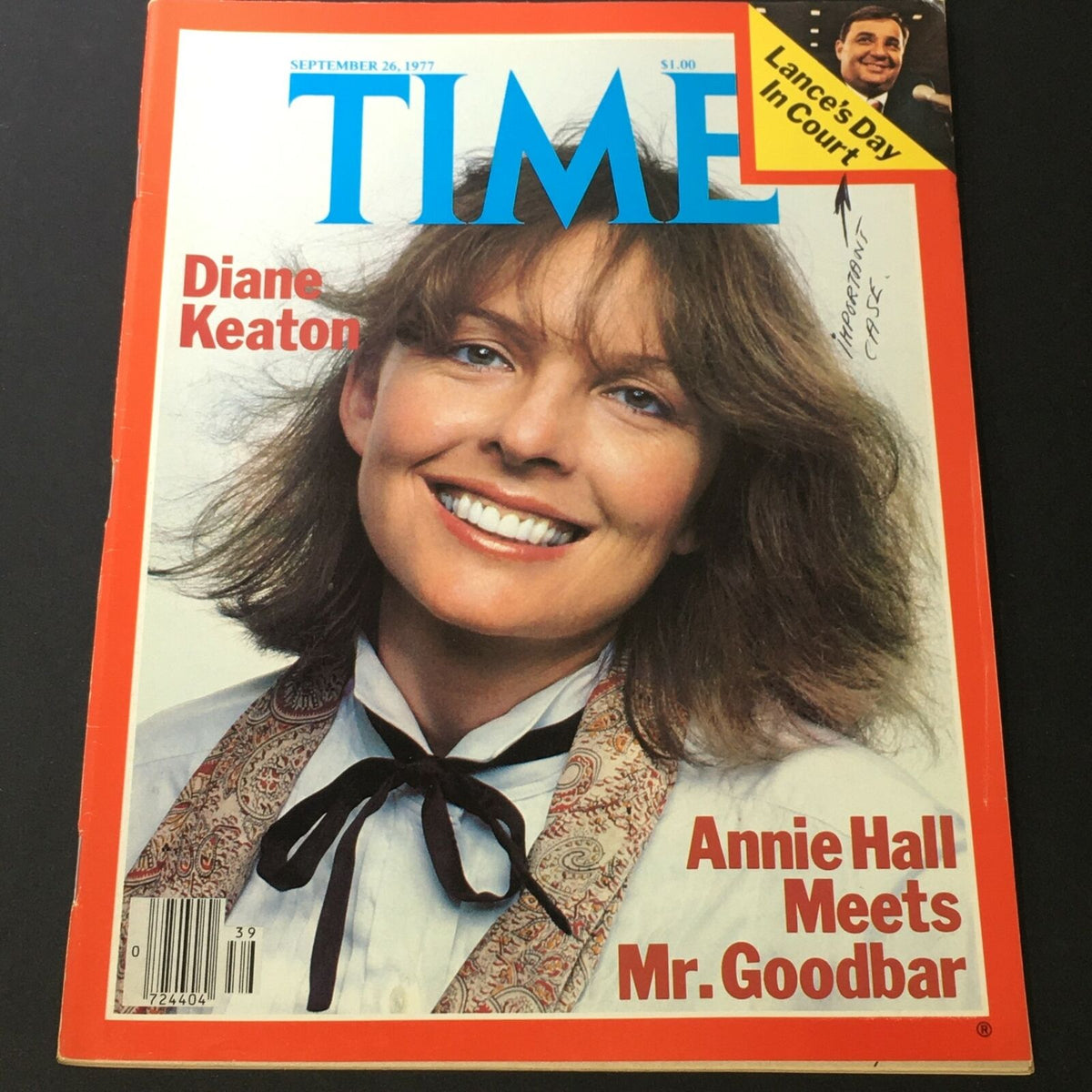
Long before algorithms decided what the world would notice, Diane Keaton's ascent through Hollywood was documented issue by issue, frame by frame, in the glossy and ink-heavy pages of the American press. She arrived at a cultural inflection point — the early 1970s, when cinema was reinventing itself and audiences were hungry for a new kind of leading woman. She was not the smoldering siren of the studio era, nor the decorative ingénue of the previous decade. She was funny, layered, neurotic in the most endearing sense, and entirely herself. From her breakout in The Godfather to her Oscar-winning turn in Annie Hall, to her haunting dramatic range in Reds and Marvin's Room, the public followed her story the only way they could — by picking up a magazine at a newsstand, settling into an armchair, and turning pages. Print media was not merely reporting on her career; it was constructing the mythology of a genuinely original American artist in real time.
Inside the Archive
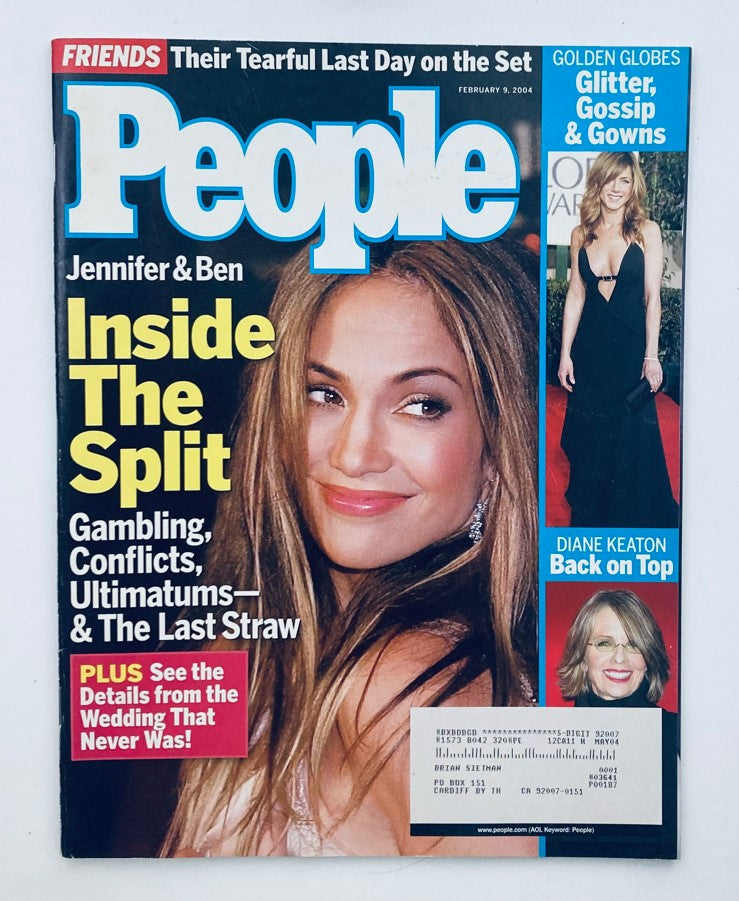
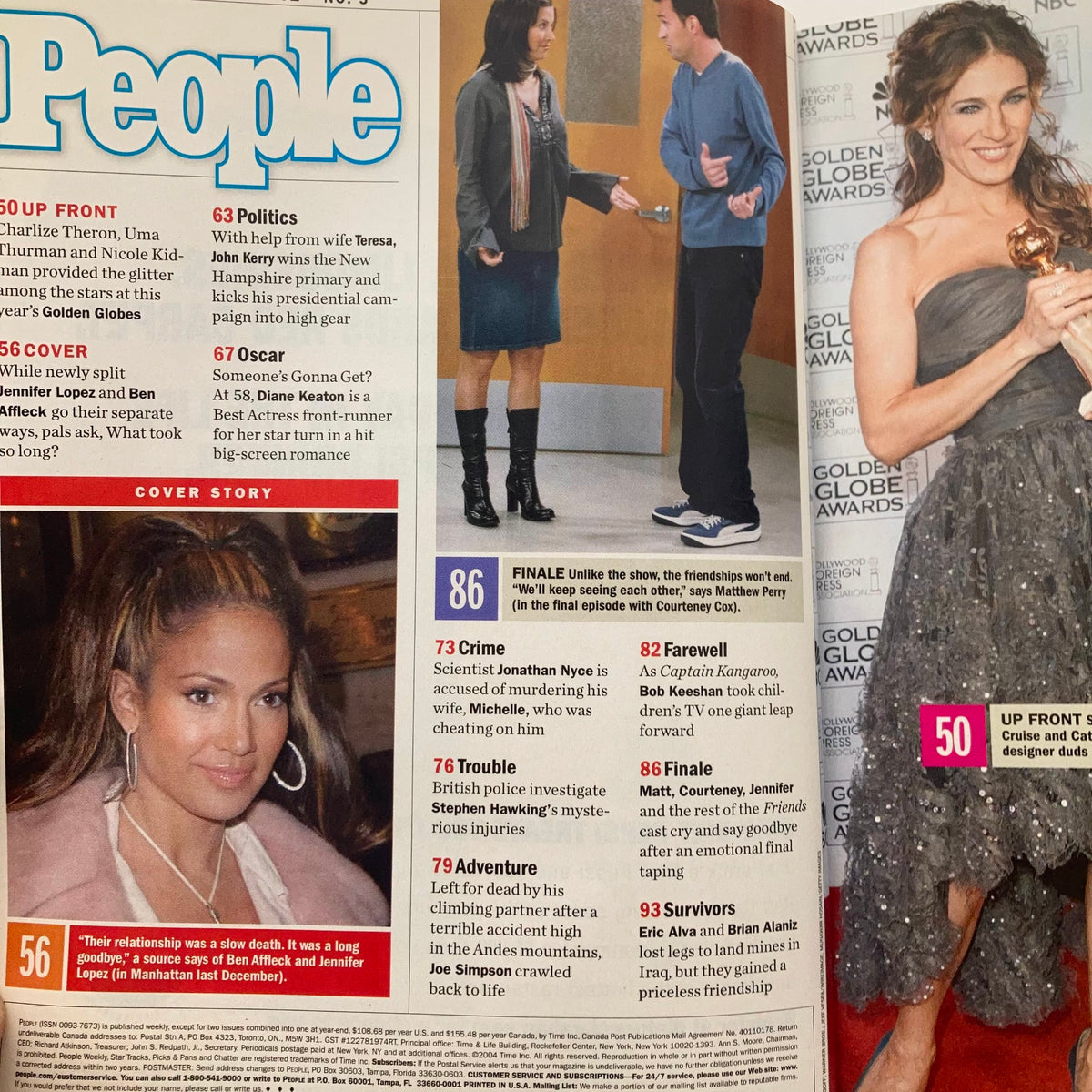
Vintage magazines captured the actress with a distinctly editorial fascination, drawn to the contradiction she embodied: a woman of genuine glamour who seemed utterly indifferent to its conventions. Photographers at major publications often found her most compelling in candid or semi-candid settings — laughing between takes, dressed in her signature layered menswear, radiating an intellectual warmth that formal studio portraiture rarely achieved. Rolling Stone chronicled her as part of the New Hollywood vanguard, framing her alongside the era's most daring filmmakers. Vogue and Harper's Bazaar grappled with her beautifully — here was a woman who had quietly redefined what style meant, turning thrift-store androgyny into a cultural touchstone that fashion editors had to reckon with seriously. People, in the years following its 1974 launch, returned to her again and again, understanding that readers were endlessly curious about the private person behind the performances — her friendships, her directorial ambitions, her life on her own terms.
Curator's Checklist: Highlights Often Include
- New Hollywood profile features from the early-to-mid 1970s placing her within the landmark casts of The Godfather and Sleeper, capturing a moment when American cinema — and its stars — felt genuinely revolutionary
- Annie Hall–era fashion and culture coverage from 1977–1978, examining the seismic influence her on-screen wardrobe had on women's fashion, a story that ran in both film publications and mainstream style magazines simultaneously
- Oscar season features and retrospectives surrounding her Academy Award win for Annie Hall (1978) and her subsequent nominations, the kind of long-form career profiles that only print journalism of that era produced with such unhurried depth
- Director and photographer tributes in cinephile and arts-focused publications from the 1980s and 1990s, exploring her work behind the camera and her celebrated passion for architecture and visual culture
- Milestone anniversary and retrospective issues from the late 1990s and 2000s — the kind of era-defining "then and now" spreads in which major publications revisited her body of work and cemented her status as a living American icon
The Collector's Value
There is something irreplaceable about holding the era in your hands. A vintage magazine that covered Diane Keaton in her prime is not simply a piece of paper — it is a primary source document, a snapshot of how a culture understood itself at a specific, unrepeatable moment. The paper stock carries its own history: the slight yellowing at the edges, the particular weight of a 1970s coated page, the faint ghost of ink that no digital scan can honestly reproduce. The advertisements flanking her portrait — for perfumes, automobiles, and department stores long since gone — return you to the world she inhabited, restoring context that retrospectives invariably flatten. For collectors of classic Hollywood and New Hollywood cinema, mid-century American fashion history, or feminist cultural iconography, these publications offer something that streaming libraries and online archives simply cannot: the unmediated, tactile encounter with a legend at the precise moment the world was first falling under her spell. Explore the current available inventory below and find the issue that speaks to you.