📖 About this Collection
Dick Clark: America's Oldest Teenager, Frozen in Time
The Legend & The Legacy
From the moment Dick Clark first stepped behind the microphone on American Bandstand in 1956, he became something far greater than a television host — he became the living bridge between generations, the man who handed rock and roll its mainstream passport. In an era when parents feared the new music rattling their teenagers' bedroom walls, Clark stood at the center of the cultural storm with a calm, clean-cut authority that made the revolution feel safe enough for a Saturday afternoon. For five decades, he was everywhere: counting down the year's final seconds on New Year's Rockin' Eve, presiding over the spectacle of American Music Awards, and producing some of the most beloved game shows in television history. Long before algorithms told you what to listen to, America turned to its televisions — and its newsstands — to understand what Dick Clark was doing next. He was not merely a personality; he was a cultural institution measured in vinyl and ink.
Inside the Archive
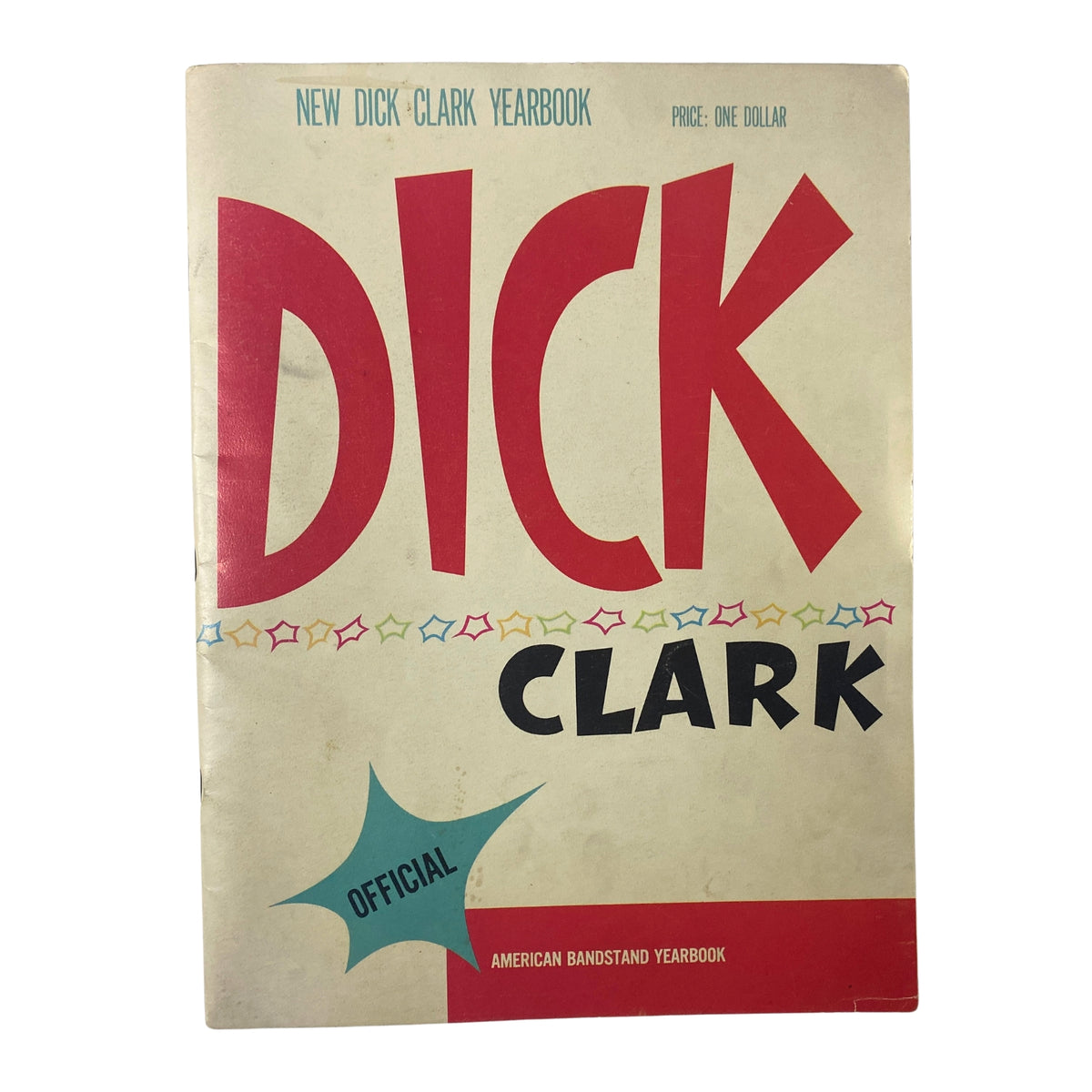
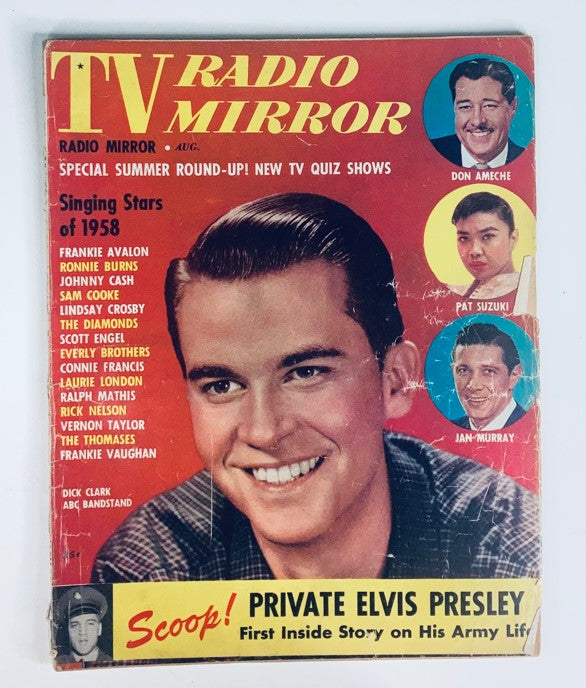
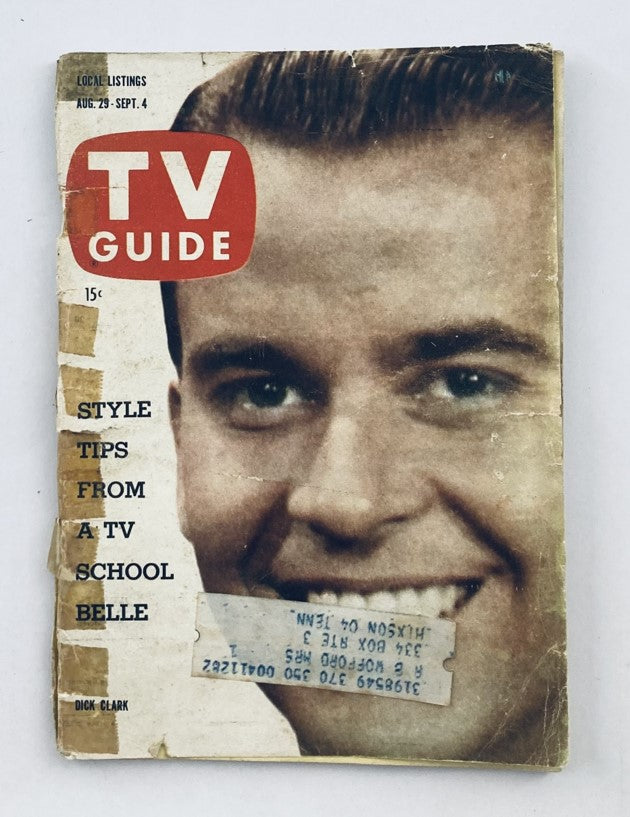
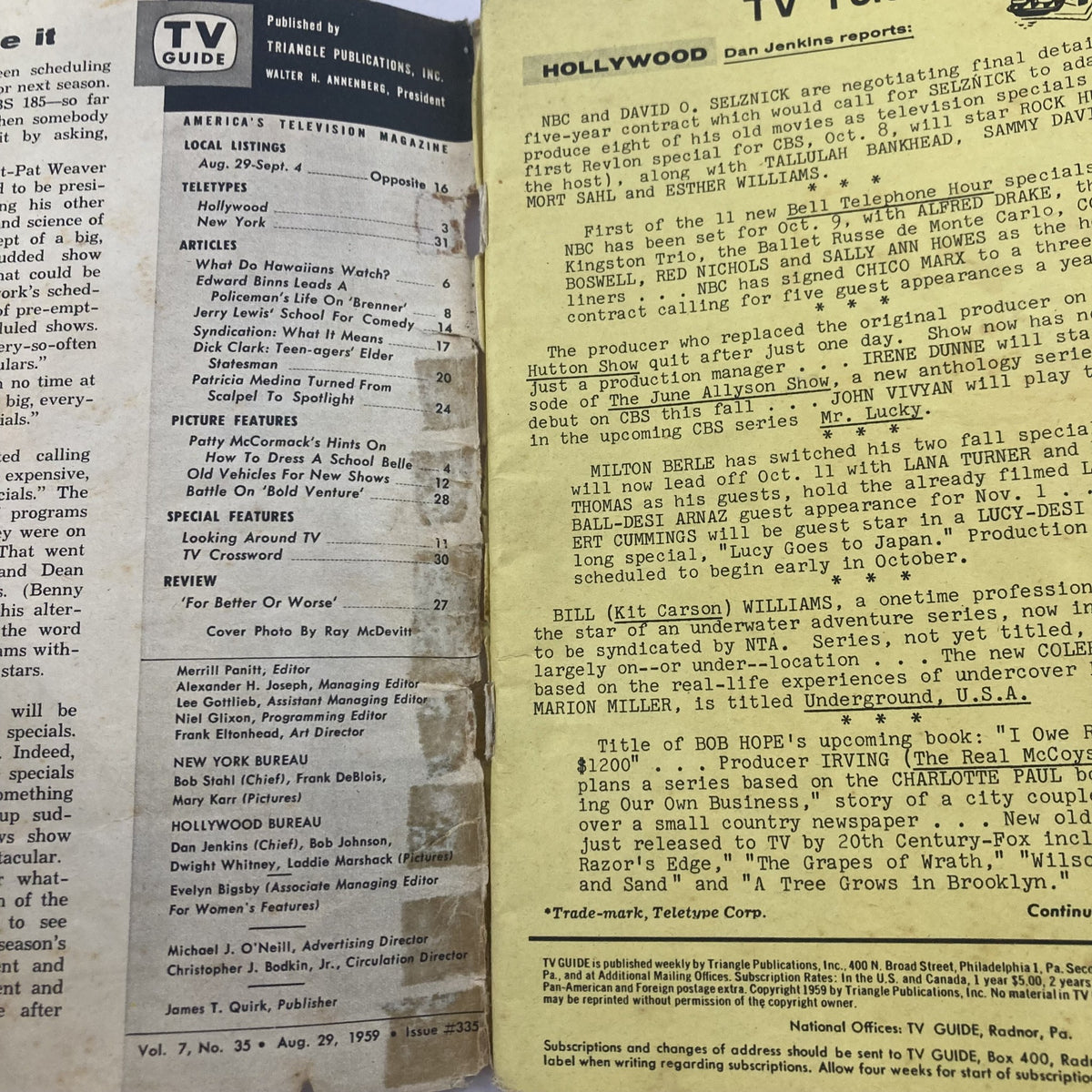
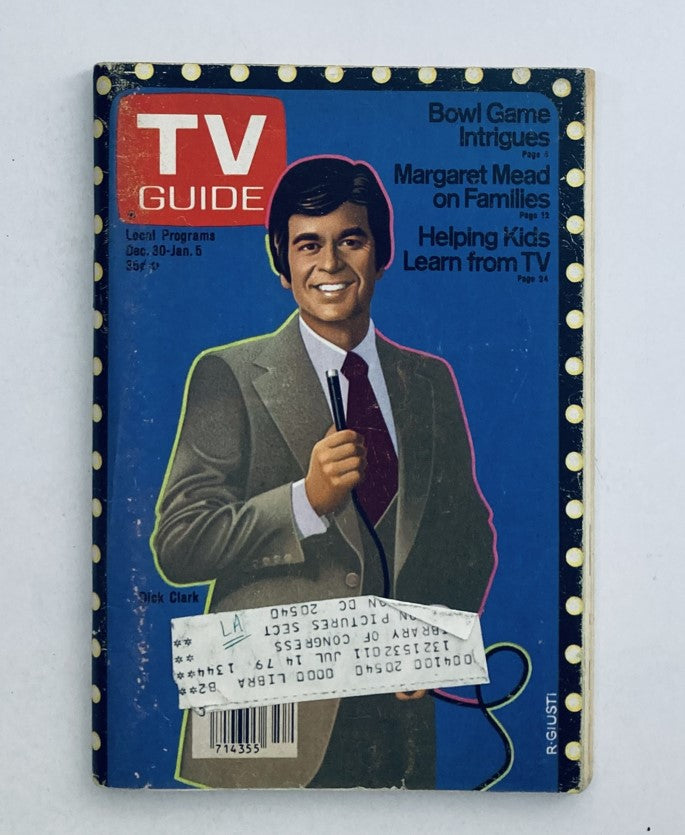
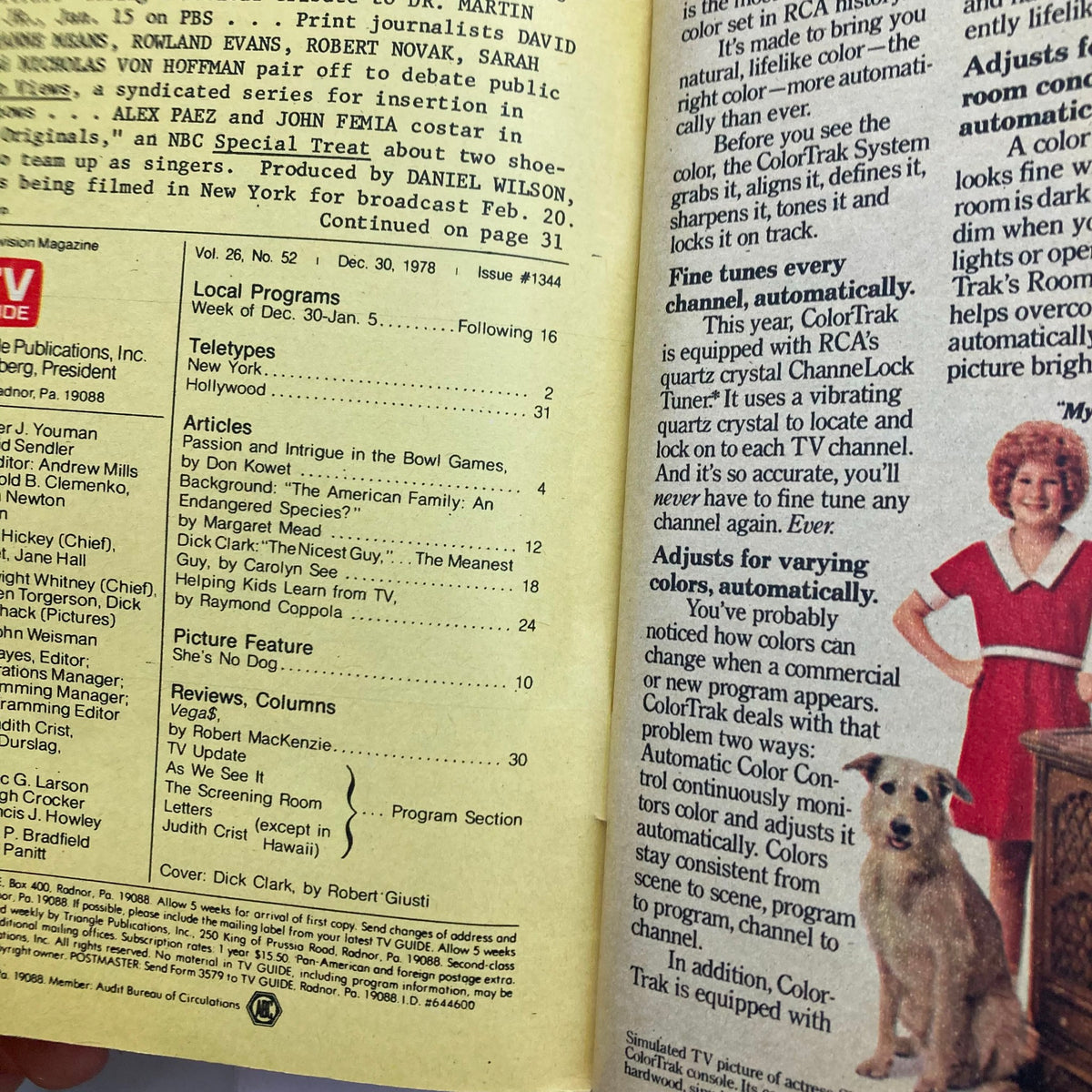
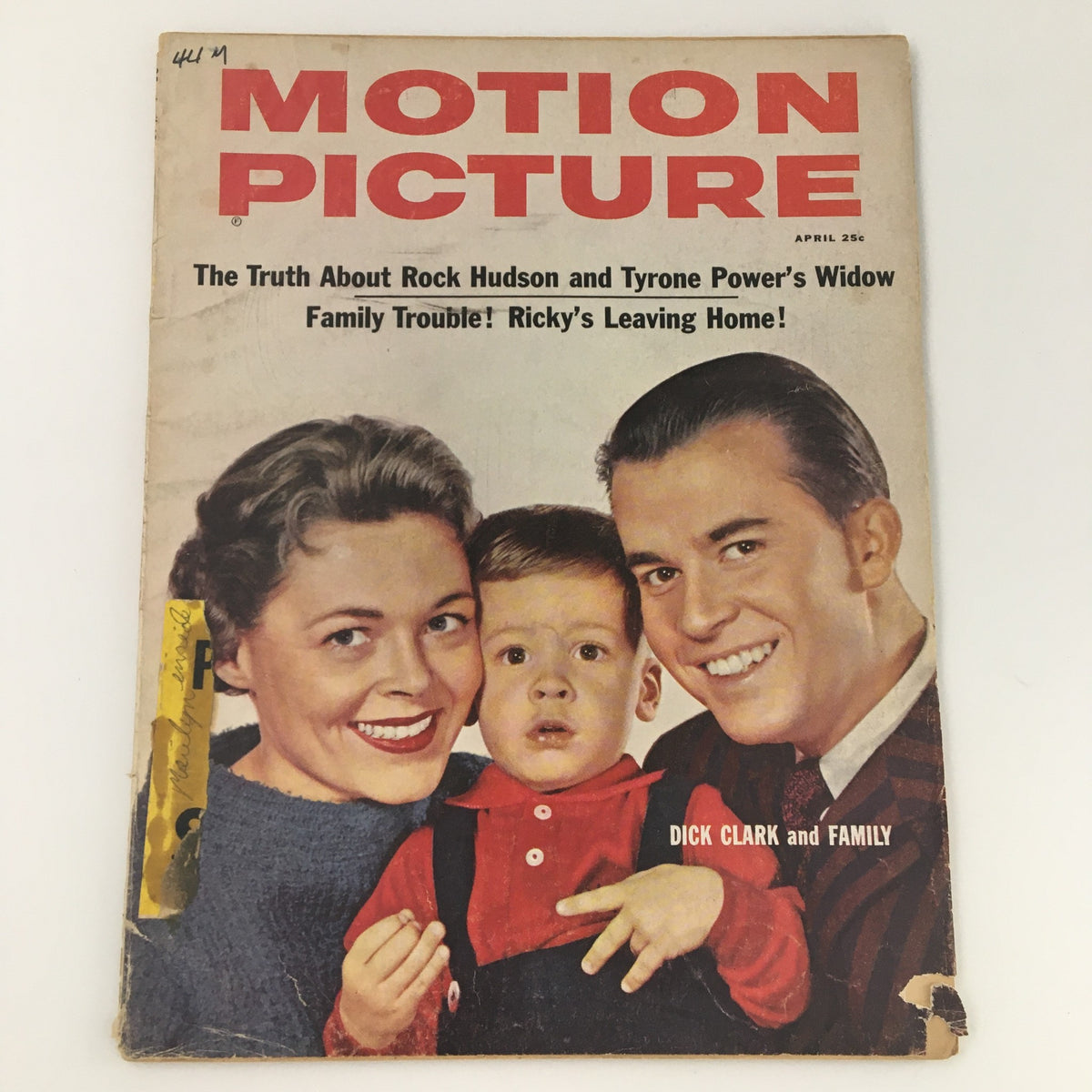
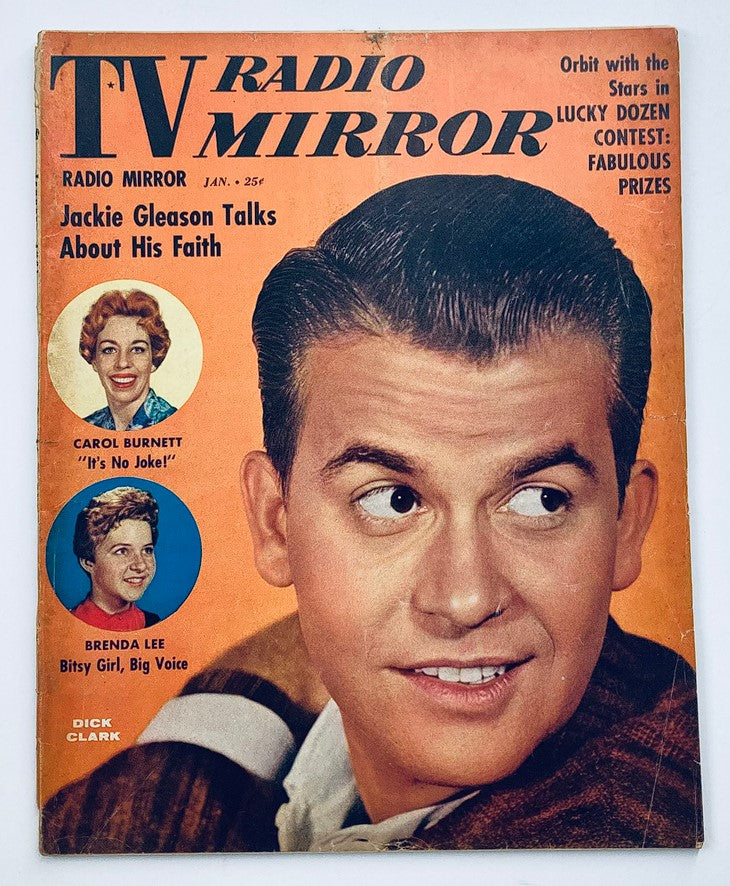
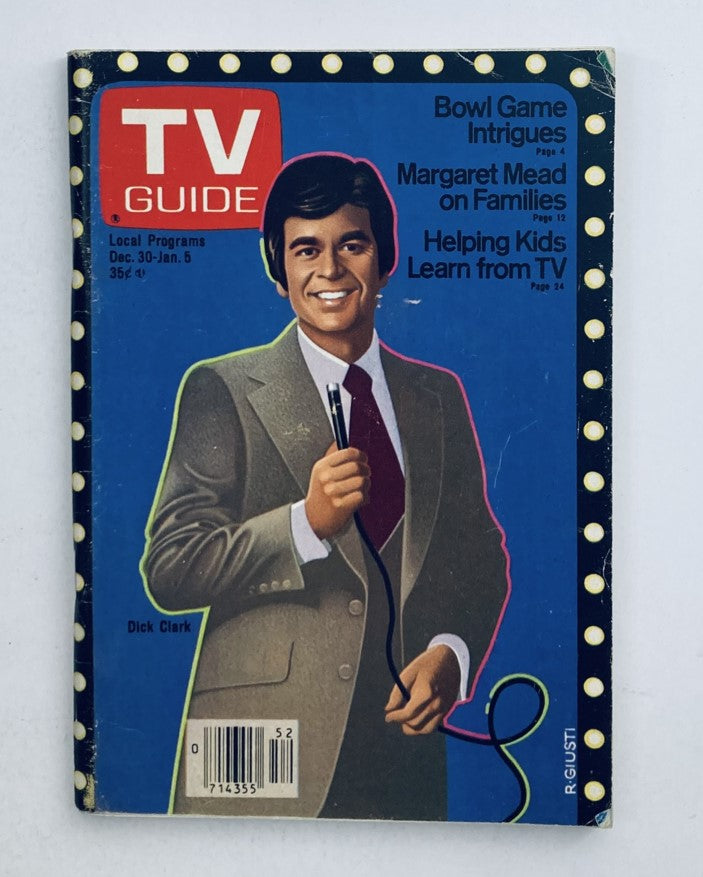
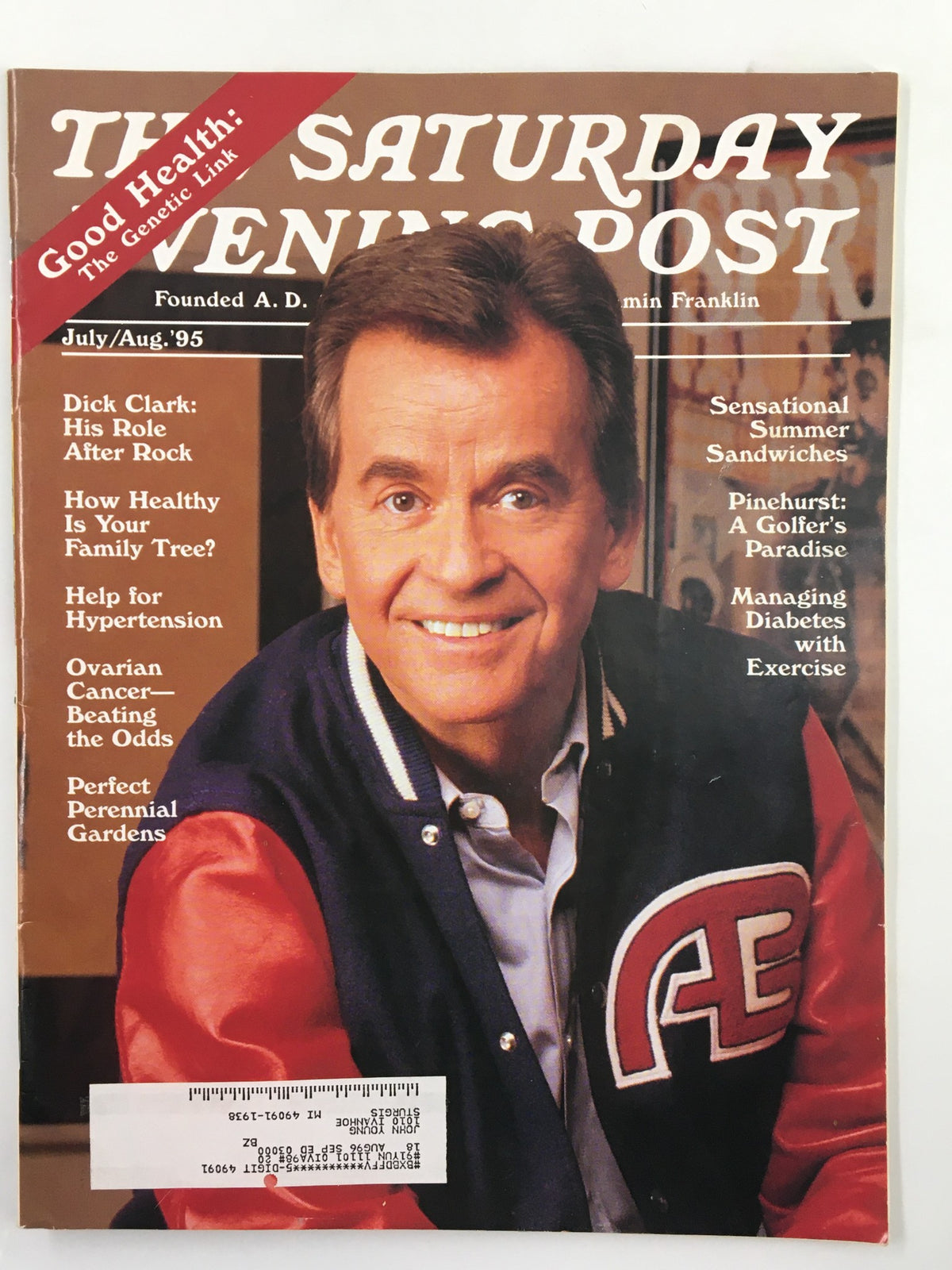
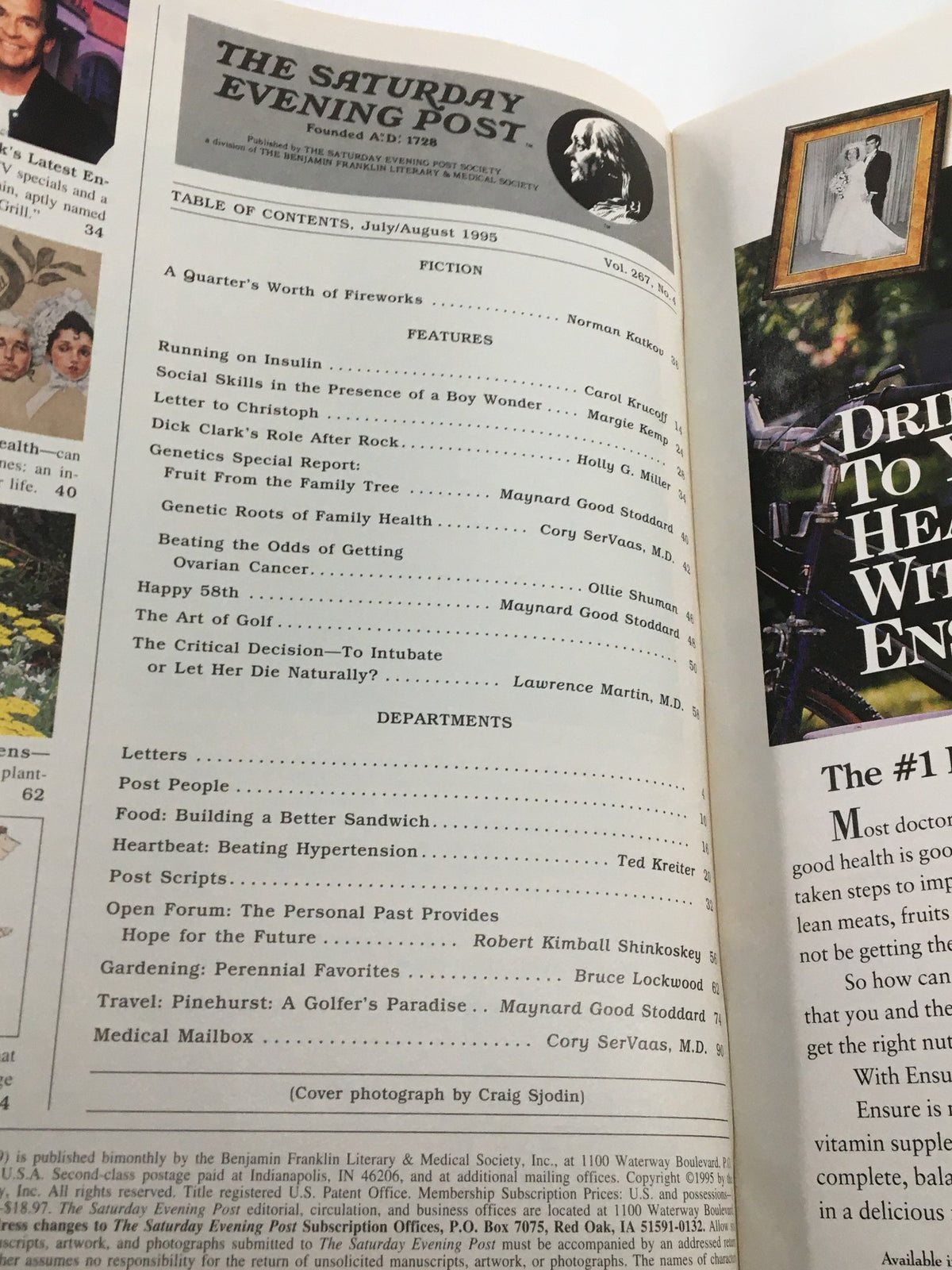
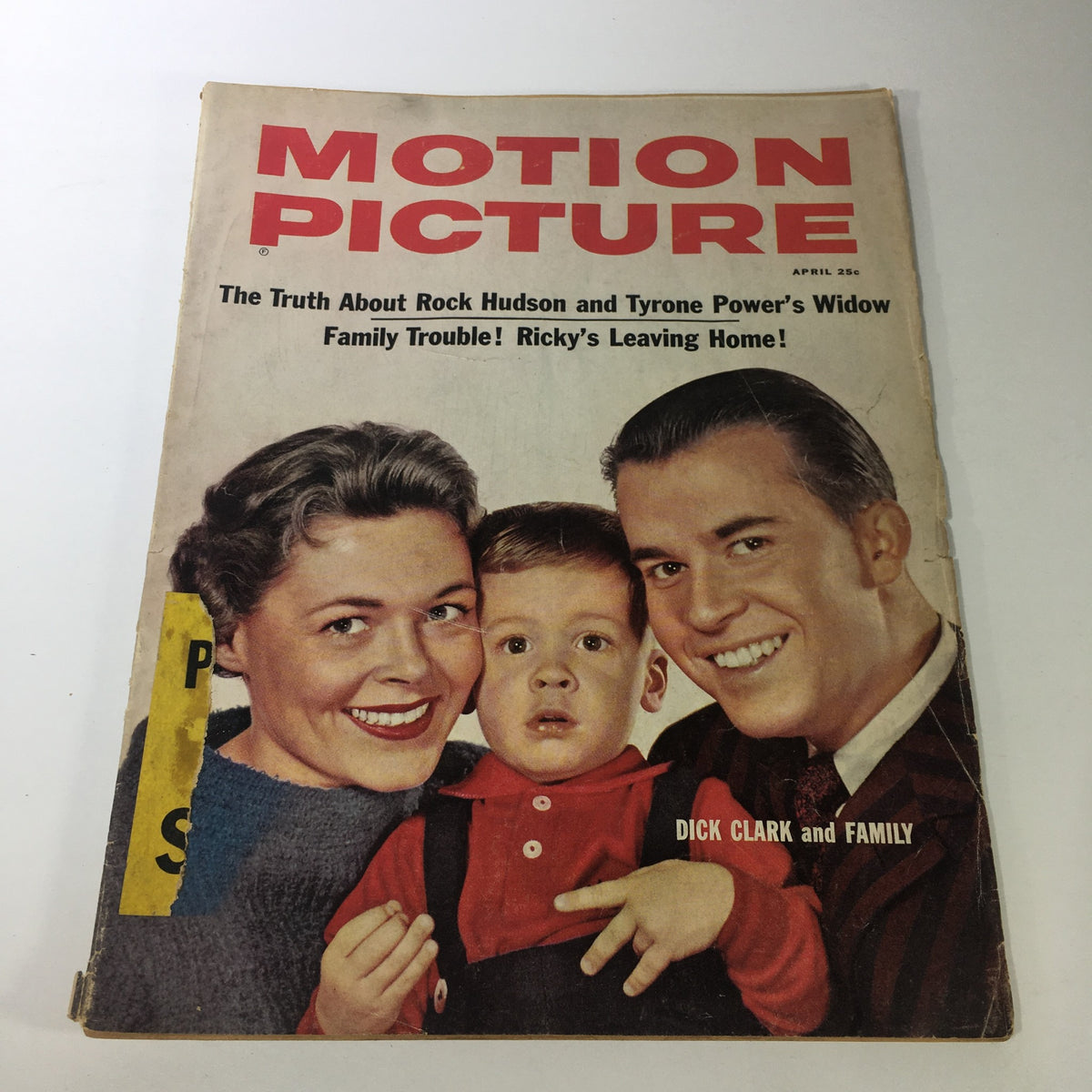
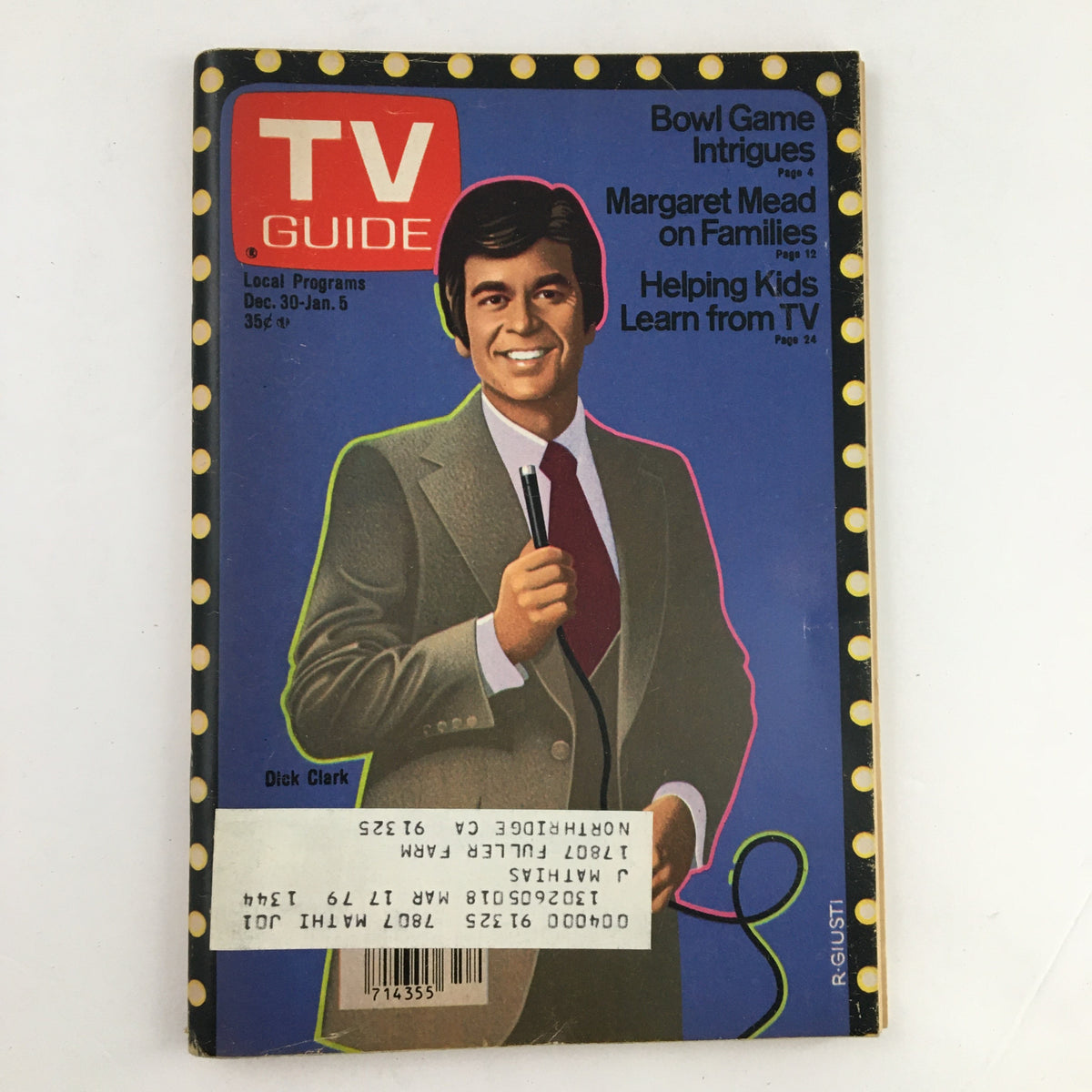
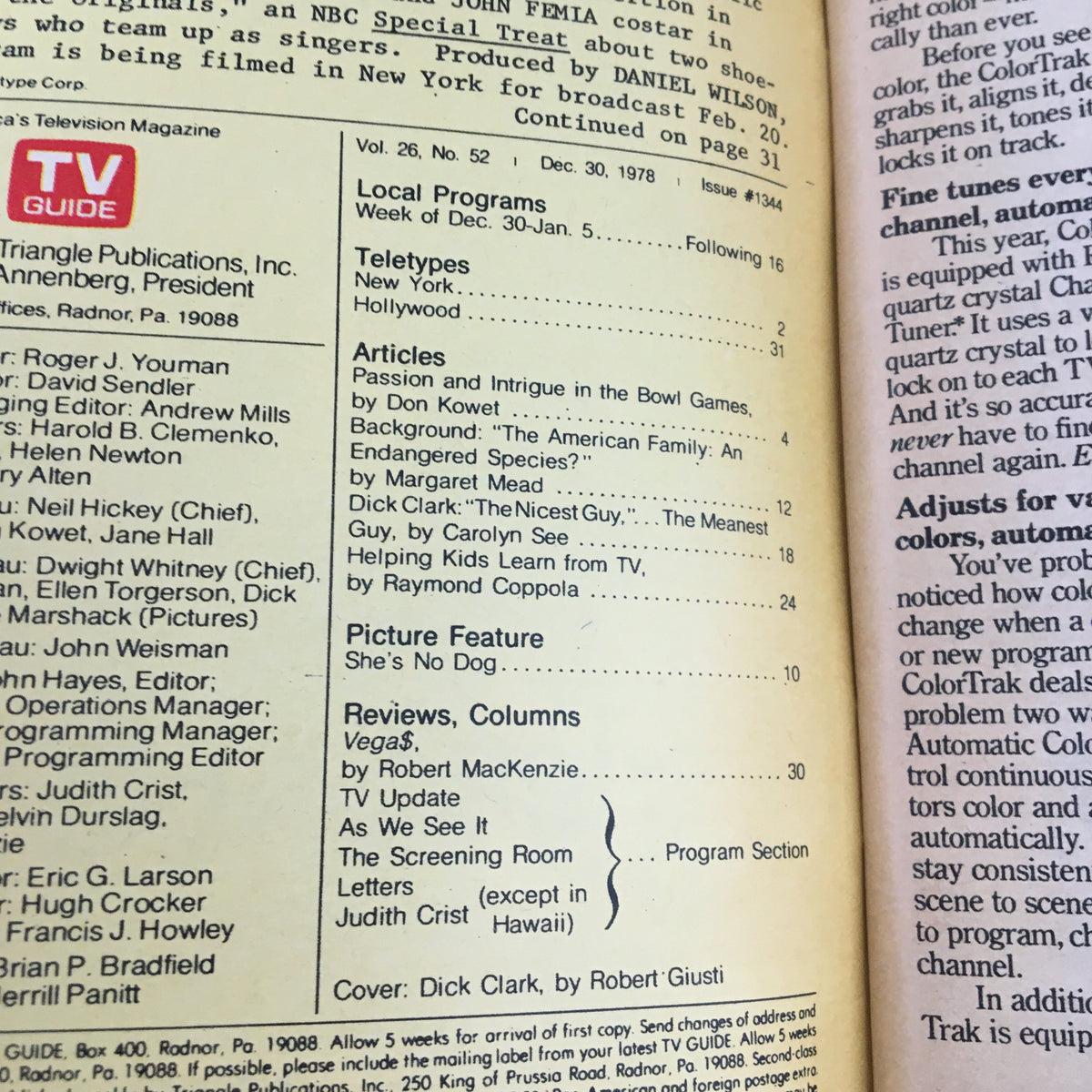
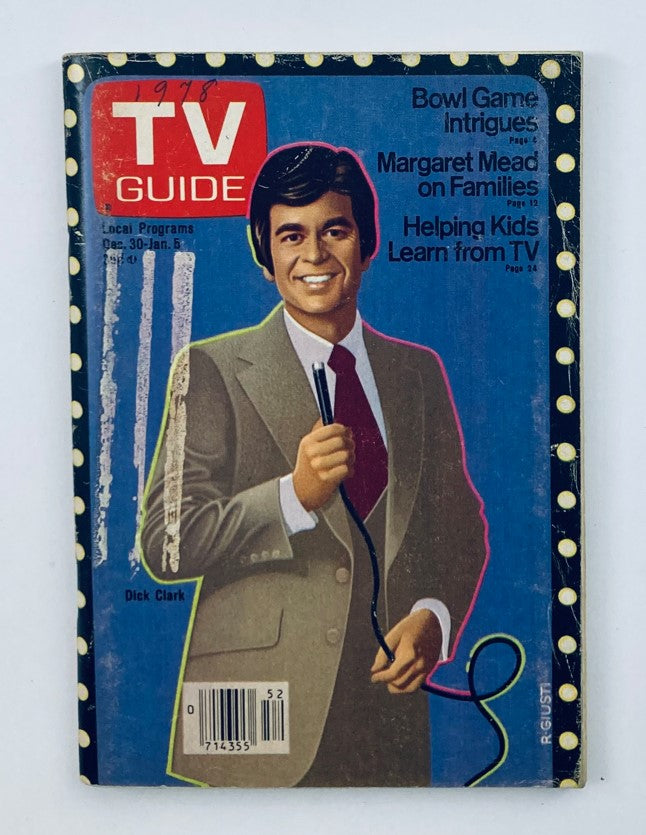
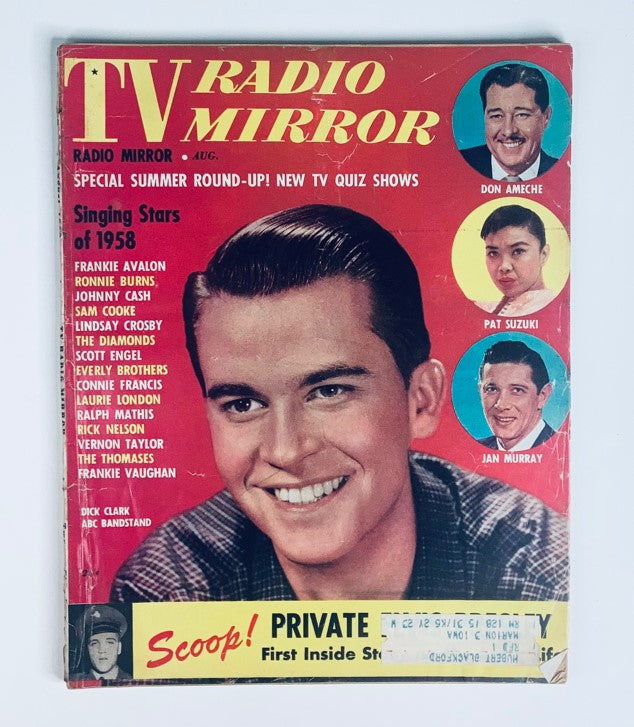
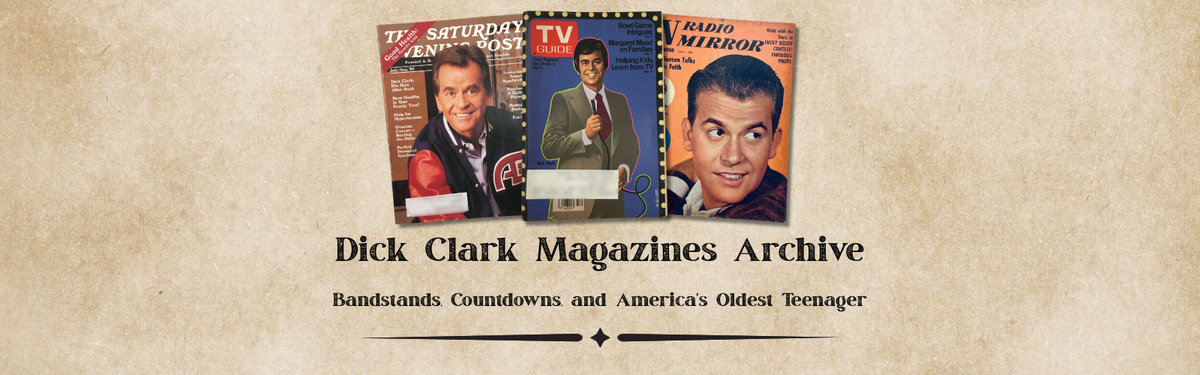
Vintage print media embraced Clark with the particular warmth reserved for figures who made editors' jobs easy — he was photogenic, prolific, and perpetually relevant. In the early years, TV Guide was perhaps his most faithful chronicler, splashing his boyish grin across covers and profiling the phenomenon of Bandstand for a nation still figuring out what television even meant to daily life. Teen and 16 Magazine captured him in the language of his core audience — breathless, adoring, full-page spreads that made him feel like a trusted older friend rather than a media executive. As his career matured and his production empire expanded, broader publications like People and TV Guide revisited him with a more reflective editorial tone, examining the longevity of a man who had somehow outlasted every trend he ever championed. The photography across these decades tells its own story: the sharp, high-contrast studio shots of the early Bandstand era give way to the warmer, more candid frames of the 1970s and the polished celebrity portraiture of the 1980s — a visual autobiography printed on pages you can still hold in your hands.
Curator's Checklist: Highlights Often Include
- Early Bandstand Coverage (Late 1950s–1960s): Features documenting the show's explosive rise, often accompanied by photographs of Clark on the famous Philadelphia studio floor surrounded by dancing teenagers, representing a rare window into the birth of televised pop culture.
- Rock & Roll Controversy and Payola Hearings (1960): Editorial coverage from news and entertainment magazines examining Clark's testimony before Congress during the payola scandal — a historically charged moment that tested his reputation and defined the ethics of the music industry.
- New Year's Rockin' Eve Features (1970s–1990s): Annual retrospectives and entertainment previews in which "America's Oldest Teenager" became synonymous with the national countdown, often featured in year-end issues of major entertainment and television weeklies.
- Celebrity Interview Profiles: Long-form pieces in which Clark reflects on his relationships with artists he helped launch — from Chubby Checker to Michael Jackson — offering collectors a primary source record of pop history told in his own measured, gracious voice.
- Television Producer & Media Mogul Coverage: Later-career profiles in entertainment trade publications and general interest magazines recognizing the full scope of his Dick Clark Productions empire, reframing him as one of the most powerful behind-the-scenes architects of American entertainment.
The Collector's Value
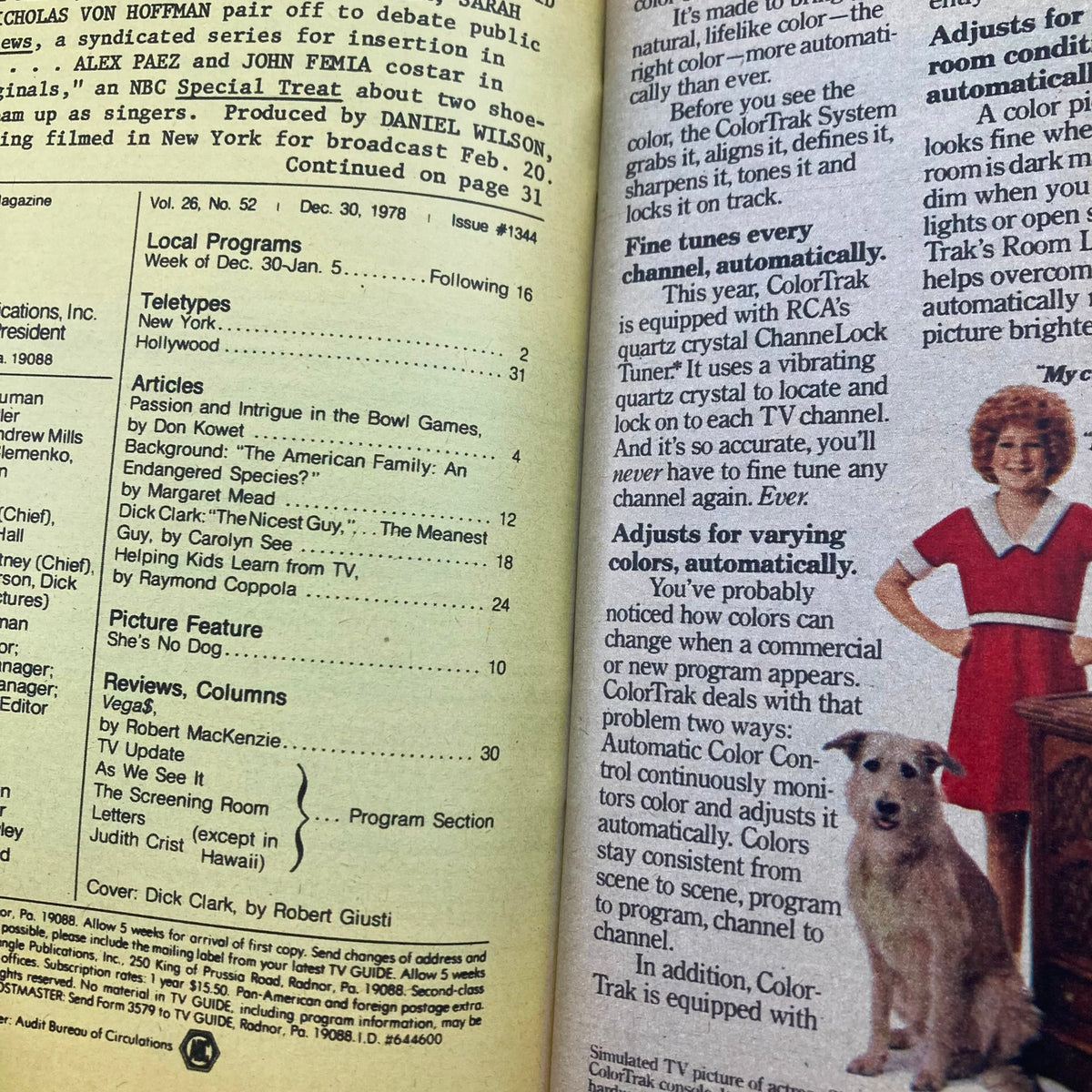
There is something irreplaceable about holding a copy of TV Guide from 1964 with Dick Clark's face on the cover — the slight give of the newsprint under your fingertips, the faintly sweet, woody smell of decades-old ink, the sensation of time made tangible in your hands. The advertisements flanking his image sell cars that no longer exist, cigarettes from a bolder era, and appliances that once represented the pinnacle of modern living; together, they form a complete portrait of the America that Clark entertained and reflected back to itself. These are not reproductions or digital scans — they are primary sources, artifacts of a media landscape that shaped how an entire nation experienced music, television, and the passage of time. For collectors of vintage television memorabilia, rock and roll and pop music history, or mid-century American broadcast culture, these publications offer an intimate, irreplaceable connection to the moments that defined the entertainment world we still live in today. Browse the current available inventory below and discover which pieces of this extraordinary legacy are waiting to find a new home.