📖 About this Collection
Dolph Lundgren: The Iron Curtain Made Flesh
The Legend & The Legacy
When Dolph Lundgren emerged onto the world stage in 1985 as Ivan Drago in Rocky IV, he did not simply play a villain — he became a cultural symbol. Towering at six-foot-five, chiseled to anatomical perfection, and possessed of a genuine intellect that confounded every stereotype the action genre had constructed, the Swedish-born chemical engineering graduate was something the 1980s public had never quite encountered before. In an era defined by Cold War paranoia, the arms race, and the very real fear of Soviet supremacy, his portrayal of the ultimate Eastern Bloc weapon struck a nerve so deep that audiences in cinemas worldwide felt the political tremor. And yet the man behind the myth was far more complex — a Fulbright scholar, a decorated martial artist, a European who had conquered Hollywood on his own extraordinary terms. In those pre-internet decades, when a face could still be genuinely new and a physique could still be genuinely shocking, the public turned to magazines to understand him. Print media was the sole lens through which the world could study, debate, and mythologize Dolph Lundgren.
Inside the Archive
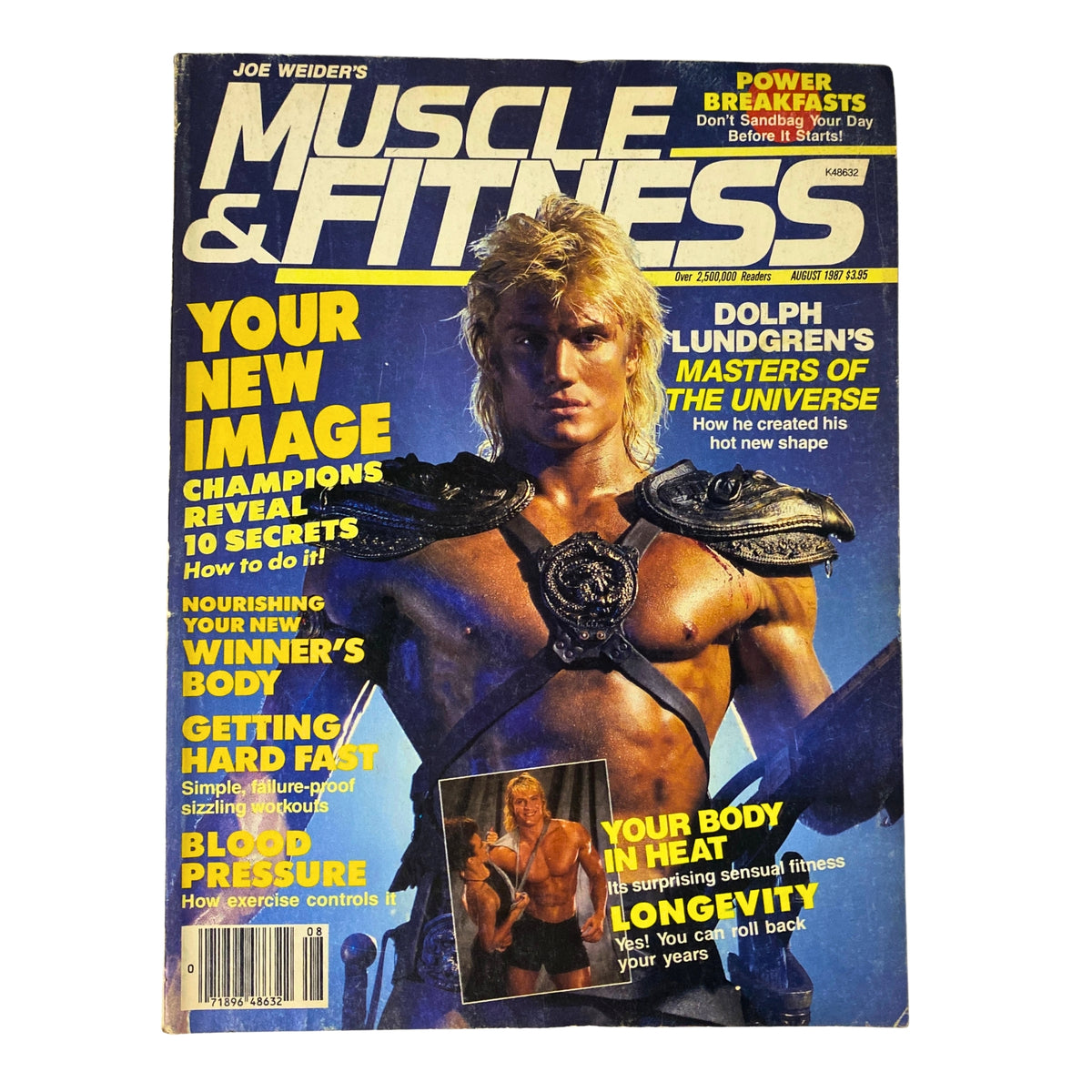
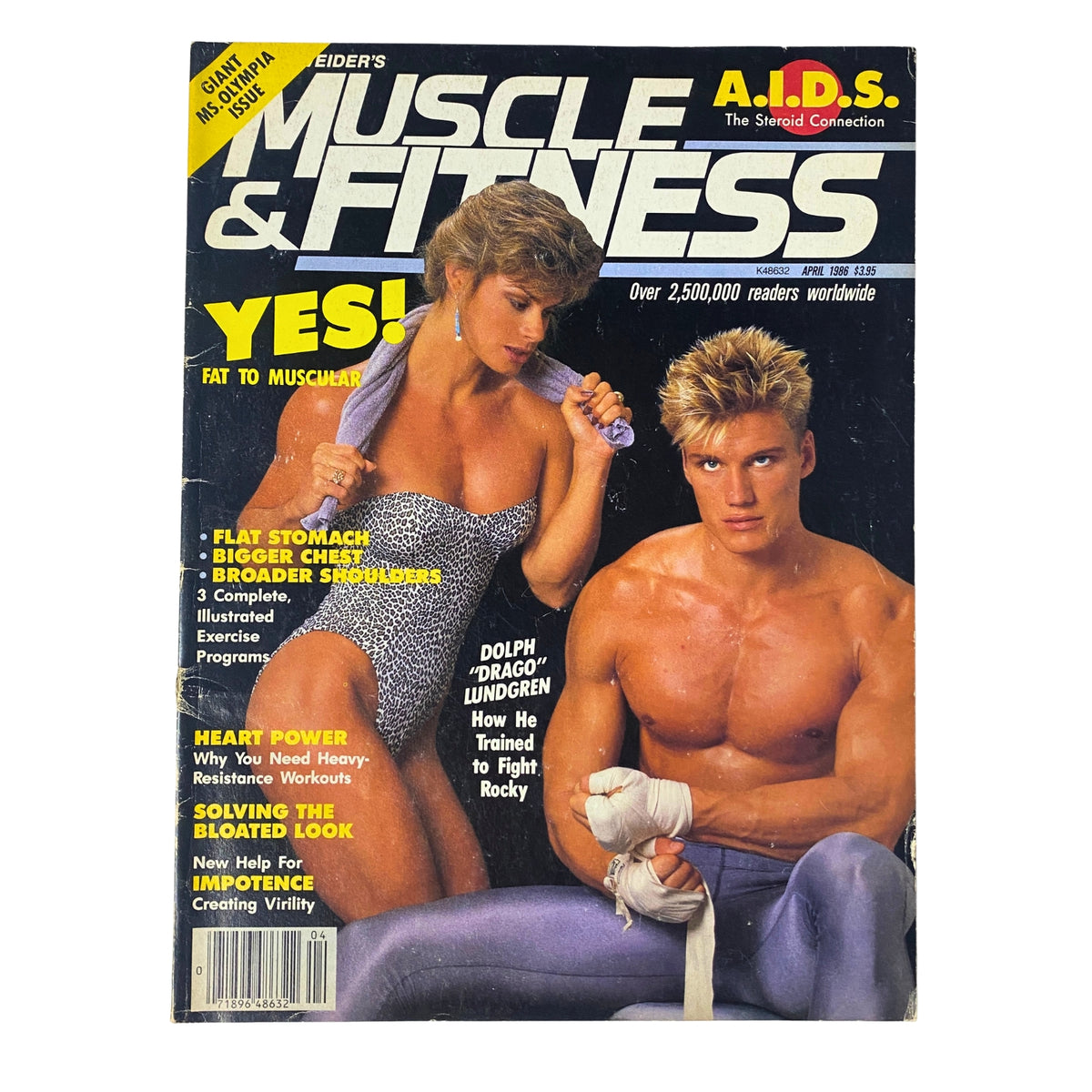
The coverage that defined his peak era was as international as the man himself, spanning the glossy action-hero spreads of American entertainment weeklies to the more thoughtful European profiles that grappled seriously with his paradoxical biography. Publications like Entertainment Weekly and Premiere captured him with the high-contrast, shadow-heavy photography of 1980s Hollywood glamour — cinematic stills from Rocky IV and Masters of the Universe sitting alongside breathless profiles that tried, and often failed, to reconcile the Drago scowl with the Cambridge-educated reality beneath it. European titles, particularly Swedish and German outlets such as Film Revue and Hänt i Veckan, treated him with the reverence of a national and continental icon, their editorial tone warmer and more biographical. Meanwhile, publications like Muscle & Fitness and Flex — the bibles of the era's bodybuilding and physical culture obsession — returned to him repeatedly, his physique serving as both aspiration and editorial gold, photographed with the kind of dramatic studio lighting that transformed the human body into sculpture.
Curator's Checklist: Highlights Often Include
- Rocky IV promotional and review coverage (1985–1986): Feature spreads and full-cover appearances tied to the film's release, frequently presenting the striking visual contrast between Lundgren and Sylvester Stallone, alongside commentary on the film's Cold War resonance and box office dominance.
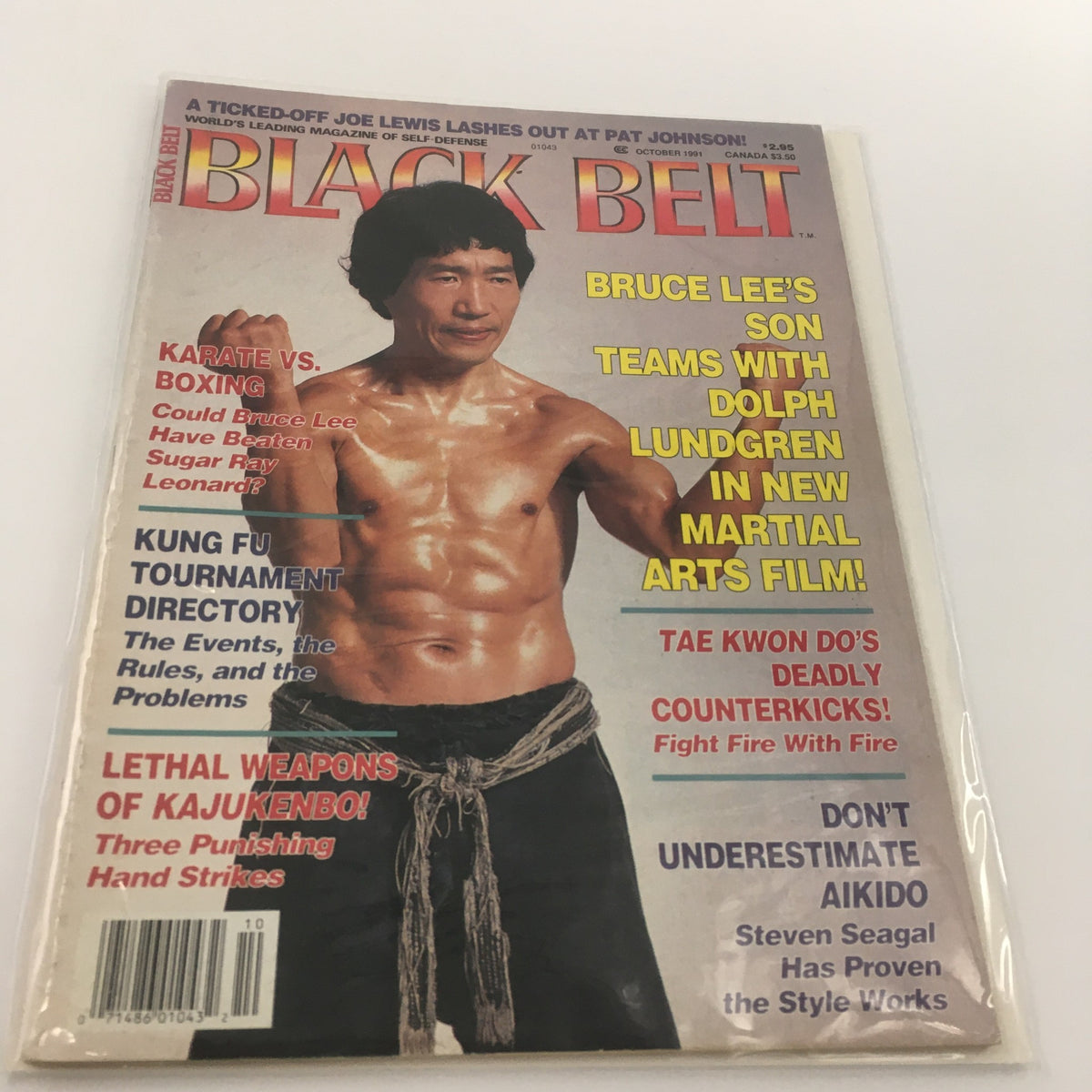
- Martial arts and combat sports profiles: As a legitimate Kyokushin karate champion and former European heavyweight title contender, he drew serious coverage from publications like Black Belt magazine, which examined his athletic credentials with the rigour afforded to elite competitors.
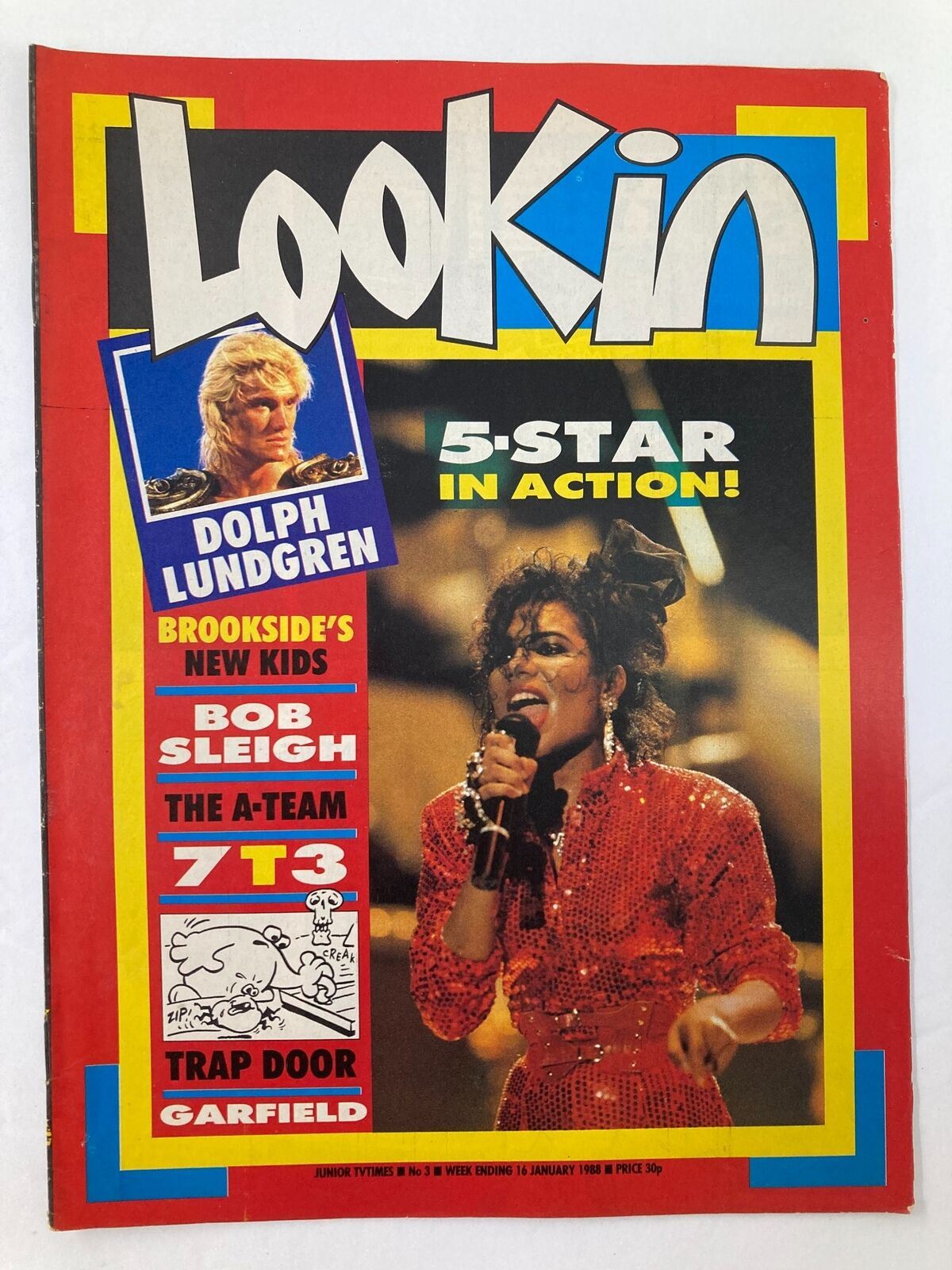
- Masters of the Universe era features (1987): Coverage tied to his role as He-Man, including entertainment guides, sci-fi and fantasy genre publications, and international movie magazines that captured the era's extraordinary appetite for fantasy cinema.
- Physique and training deep-dives: Bodybuilding and men's health publications throughout the late 1980s and into the 1990s documented his training regimens, diet philosophy, and physical evolution, offering a surprisingly intimate window into the discipline behind the legend.
- European celebrity and lifestyle profiles: Particularly in Scandinavian and German-language publications, longer-form biographical features explored his Stockholm upbringing, academic achievements, and unconventional path to Hollywood stardom — a narrative angle largely absent from the American press.
The Collector's Value
To hold one of these original issues today is to hold the 1980s itself — the crinkle of slightly aged coated paper between your fingers, the faint mineral perfume of decades-old ink, the surrounding advertisements for VHS rentals, Reebok hi-tops, and cologne that no longer exists, all conspiring to transport you back to a specific, irretrievable cultural moment with a fidelity that no digital archive can replicate. These are primary source documents from an era of genuine movie-star mystique, when a single magazine cover could create a global icon overnight and a physical publication was the only way a fan in Stockholm, Stuttgart, or Sacramento could feel close to the story. The rarity compounds with every passing year — issues that sold for a few dollars at a newsstand now represent an irreplaceable fragment of Cold War pop culture history. For collectors of 1980s action cinema, Cold War-era popular culture, or physical culture and bodybuilding history, these publications offer not merely decoration but a tangible, authenticated connection to one of the most visually iconic decades in modern memory. Explore the current available inventory below and discover which pieces of this remarkable story are waiting to find a worthy home.