📖 About this Collection
Don Rickles: The Merchant of Insults, Immortalized in Print
The Legend & The Legacy
Long before roast culture became a staple of streaming platforms and late-night television, Don Rickles was performing a kind of comedic alchemy that no one else dared attempt — turning the audience itself into the punchline, and making them love him for it. From his breakout years in the Las Vegas lounges of the late 1950s through his decades-long reign as the undisputed king of the celebrity roast, the man they called "Mr. Warmth" rewrote the rules of stand-up comedy with nothing more than a scowl and a perfectly timed insult. In an era when America consumed its stars through glossy pages and ink, Rickles was a fixture — profiled, photographed, and endlessly quoted in the publications that sat on coffee tables and in barbershop waiting rooms from coast to coast. His friendships with Frank Sinatra, Johnny Carson, and Dean Martin made him not merely a comedian but a symbol of a specific, irreplaceable moment in American entertainment — the smoky, velvet-roped world of the Rat Pack and the Vegas Strip, captured forever in print.
Inside the Archive
Vintage magazine coverage of the legendary insult comic reflects the full arc of a career that spanned more than five decades. In his early years, TV Guide was essential reading for Rickles devotees, chronicling his seemingly inexhaustible television appearances — from The Tonight Show to his own short-lived but beloved series — with a tone that balanced celebrity admiration and genuine bewilderment at his singular gift. People magazine, launched in 1974, took a warmer, more intimate approach, frequently pulling back the curtain on the surprisingly gentle family man behind the barbs, offering readers portraits of a devoted husband and father that stood in deliberate contrast to his onstage persona. Variety and Billboard documented his professional milestones with the reverence of industry insiders who understood his commercial genius, while mainstream entertainment titles captured him in the company of Hollywood royalty — tuxedoed, grinning, always seemingly mid-insult. Photographically, editors favored dynamic, often candid shots that conveyed pure kinetic energy: a pointed finger, a mock scowl, a room full of celebrities doubled over in laughter around him.
Curator's Checklist: Highlights Often Include
- Las Vegas & Rat Pack Era Coverage — Features and profiles from the early 1960s through the 1970s placing him within the Sands Hotel orbit, often appearing alongside Sinatra, Sammy Davis Jr., and Dean Martin in the era's most glamorous entertainment spreads
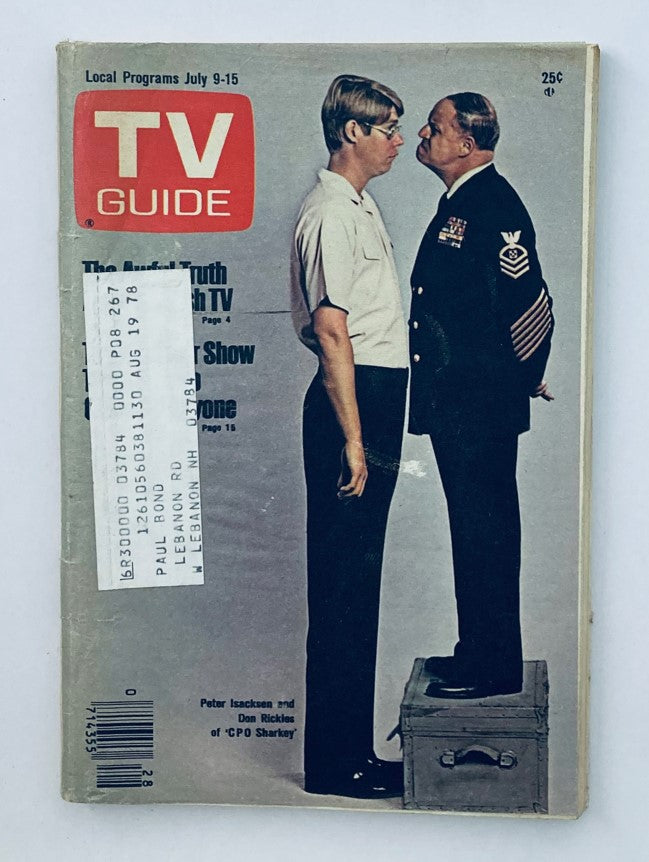
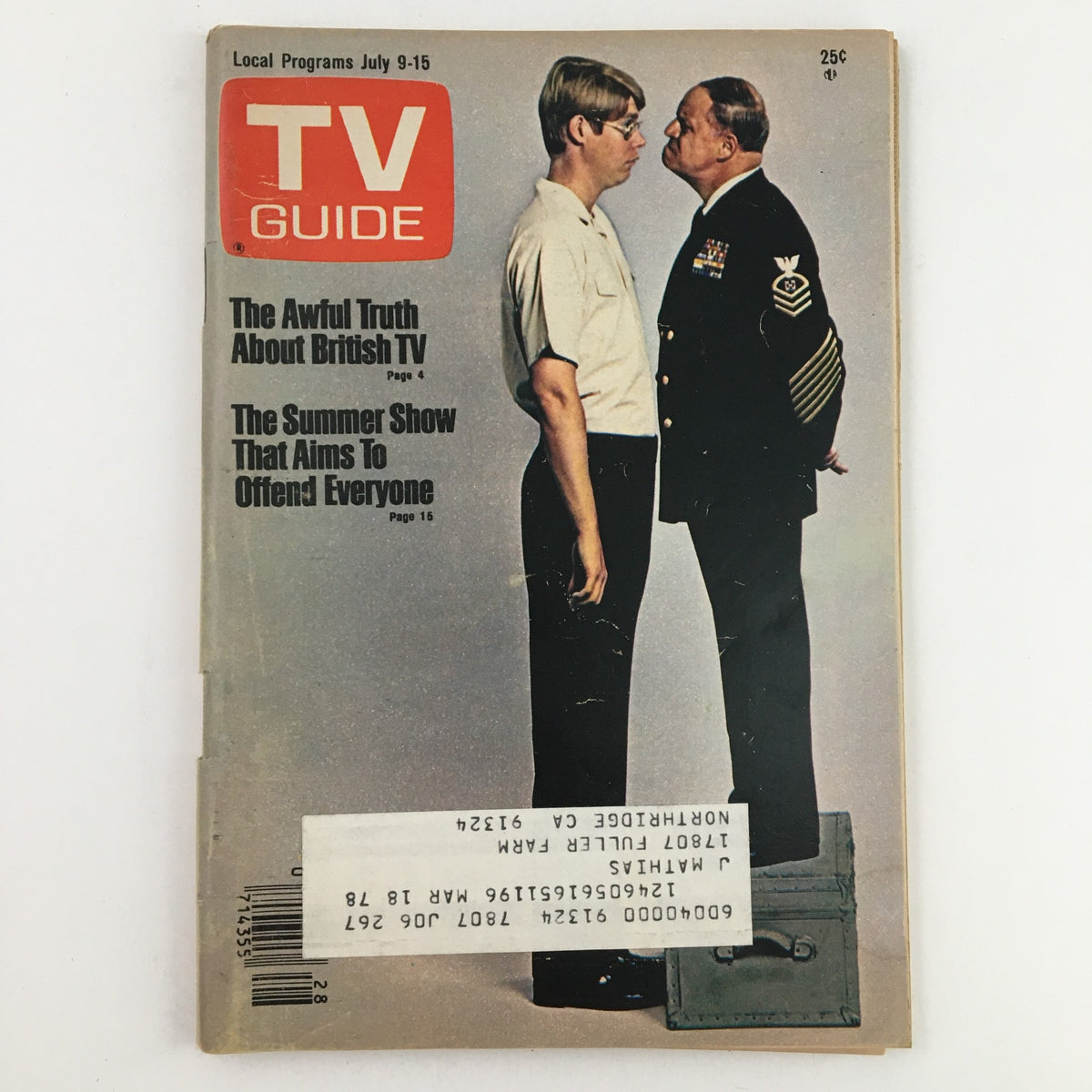
- Television Milestone Features — Coverage of his prolific Tonight Show appearances, his own television specials, and his recurring role on CPO Sharkey (1976–1978), offering a window into the golden age of American variety and talk television
- Celebrity Roast Documentation — Editorial coverage of the legendary Dean Martin Celebrity Roasts, where he reigned supreme, frequently appearing in entertainment weeklies and TV-focused publications that treated the roasts as genuine cultural events
- Hollywood Profile Pieces — Long-form interviews from the 1980s and 1990s in which the elder statesman of comedy reflected on his legacy, his craft, and his famous friendships — often richly photographed in his Beverly Hills element
- Tribute & Legacy Issues — Publications from the later career renaissance following his beloved role as the voice of Mr. Potato Head in Toy Story (1995), which introduced him to an entirely new generation and prompted a fresh wave of appreciative retrospective coverage
The Collector's Value
To hold one of these original issues is to hold something that no digital archive can replicate — the substantial weight of mid-century coated stock, the particular warmth of offset printing, the faint ghost of ink that has been drying since Eisenhower or Kennedy or Nixon occupied the White House. The surrounding advertisements are time capsules unto themselves: cigarette brands, whiskey distillers, and automobile manufacturers that speak to the precise cultural moment in which these profiles were written. These were magazines thumbed through in lounges not entirely unlike the ones where their subject performed — and that proximity to the era is exactly what makes them irreplaceable primary sources. For collectors of classic American comedy memorabilia, Las Vegas golden age ephemera, or mid-century television history, these publications offer something that a poster or a DVD simply cannot — an unmediated, contemporary encounter with a legend as his own era actually saw him. Browse the current inventory below and discover which pieces of this irreplaceable archive are available to bring home today.