📖 About this Collection
Donna Summer: Queen of the Night, Voice of a Generation
The Legend & The Legacy
Long before streaming algorithms decided what the world would hear next, Donna Summer's voice arrived like a force of nature — and the world had no choice but to listen. Born LaDonna Adrian Gaines in Boston, she rose through European theater and club circuits before her collaboration with Giorgio Moroder and Pete Bellotte produced Love to Love You Baby in 1975, a record that scandalized conservative audiences and electrified dance floors in equal measure. She went on to define the disco era with an unbroken string of chart-dominating anthems — I Feel Love, Hot Stuff, Bad Girls, Last Dance — earning her the title that no other artist has since convincingly claimed: the undisputed Queen of Disco. But to reduce her to a genre is to miss the full arc of her greatness. She was a serious vocalist, a Grammy-winning recording artist across multiple categories, and one of the first Black women to achieve sustained crossover dominance on pop, R&B, and rock charts simultaneously. In an age when public figures were known almost exclusively through television appearances, radio play, and — crucially — the glossy pages of the magazines stacked on coffee tables and record shop counters, her image and her story were consumed voraciously in print. She was not merely a pop star; she was a cultural phenomenon that the press could not stop chasing.
Inside the Archive
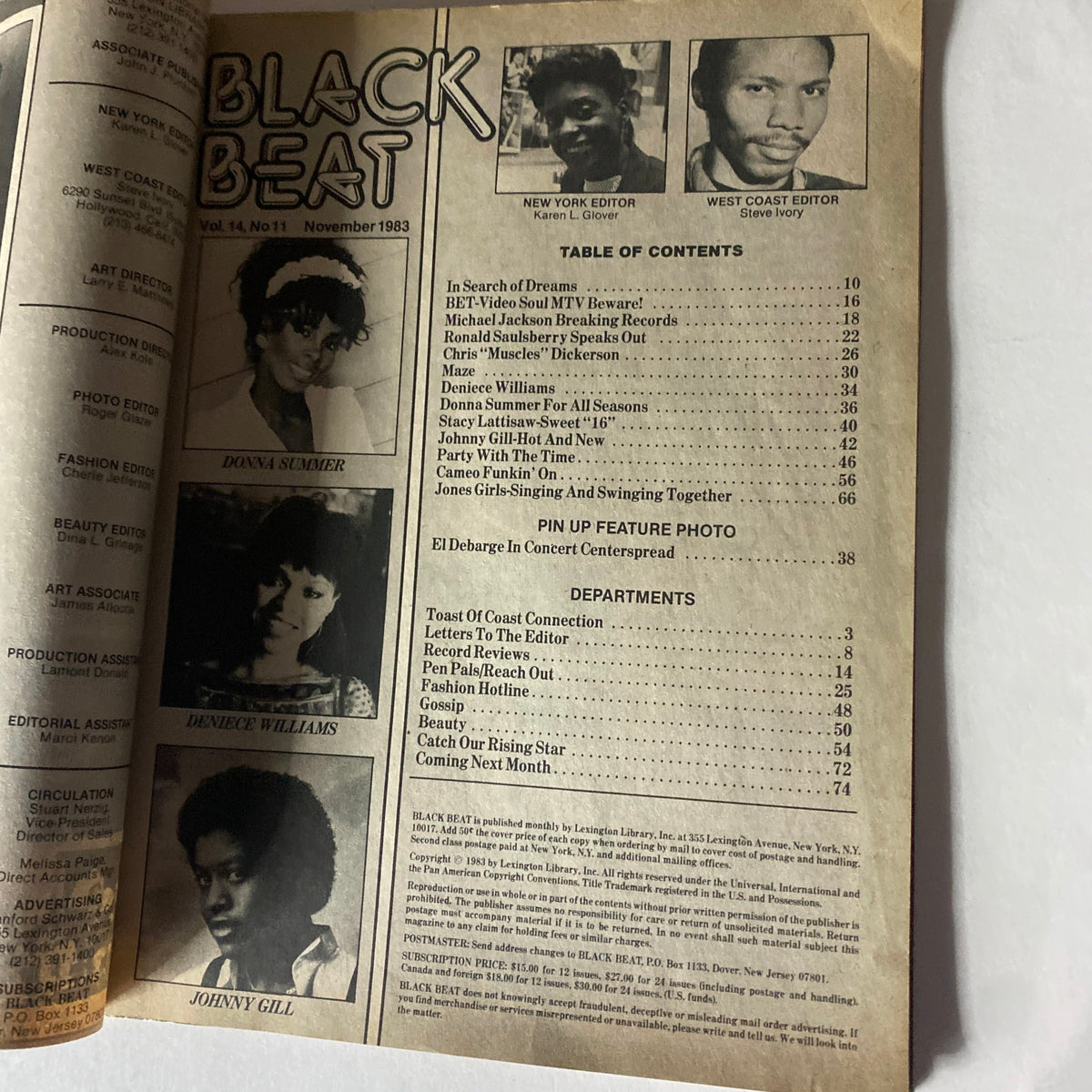
Vintage magazine coverage of the Queen of Disco captures a woman perpetually in the process of reinvention, and the editorial world was utterly transfixed. The photography from her peak years — roughly 1975 through the mid-1980s — reflects the theatrical excess of the era: full-bleed cover portraits bathed in studio light, sequined gowns catching the flash, that unmistakable mane of curls rendered in the rich, saturated color printing of late-1970s magazine production. Rolling Stone documented her musical evolution with the seriousness normally reserved for rock royalty, running major features that grappled with her artistry and her complicated relationship with the industry. Ebony and Jet covered her with particular depth and pride, contextualizing her achievement within the broader narrative of Black excellence in American entertainment — treating her not as a disco novelty but as a towering cultural figure. Meanwhile, international publications like the German Bravo and British Smash Hits reflected the extraordinary scale of her European fanbase, where disco never truly fell out of fashion. The editorial tone across these publications shifts fascinatingly over the decades: from breathless early coverage of a provocative new sensation, to the respectful reassessment of a veteran artist navigating the post-disco landscape, to the celebratory retrospectives that followed her later-career renaissance.
Curator's Checklist: Highlights Often Include
- Disco-era cover features (1975–1980) — Glamour-saturated portraits and full-length fashion spreads coinciding with landmark albums like Once Upon a Time and Bad Girls, often timed to world tours and award season campaigns
- Crossover breakthrough coverage — Editorial pieces examining her remarkable chart versatility, including her rock-leaning The Wanderer era (1980) and the critical conversation around a Black artist commanding rock radio
- Grammy and awards season documentation — Period issues from trade and entertainment publications reporting on her historic wins, including becoming one of the first artists to score back-to-back Grammy Awards for Best Female R&B and Best Female Pop Vocal Performance
- International fan magazine spreads — European teen and music publications offering a striking window into her massive overseas following, with photography and interviews distinct from the American press circuit
- Personal life and faith profiles — Feature-length interviews from the early 1980s onward, in which she spoke openly about her Christian faith and personal reinvention, covered with a more intimate, reflective editorial register than the high-gloss disco years
The Collector's Value
There is something irreplaceable about holding the era in your hands. A vintage issue from 1978 that once sat on a newsstand in Detroit or a record shop in Hamburg carries with it not only the photographs and prose of its time, but the full sensory weight of that moment — the slightly yielding texture of the coated paper stock, the faint ghost of ink and aged binding, and the surrounding advertisements for turntables, perfumes, and leisure suits that remind you, viscerally, that this document was lived with. These are not reprints, not digital scans, not curated social media retrospectives. They are primary sources: the actual, unmediated record of how the world received one of the twentieth century's most extraordinary voices in real time. For collectors of disco and dance music history, Black cultural heritage in entertainment, or 1970s and 1980s pop ephemera, these publications offer a depth of historical texture that no biography or documentary can replicate. Explore the current available inventory below, and find the piece of history that belongs in your archive.