📖 About this Collection
Doris Day: America's Sweetheart, Preserved in Print
The Legend & The Legacy
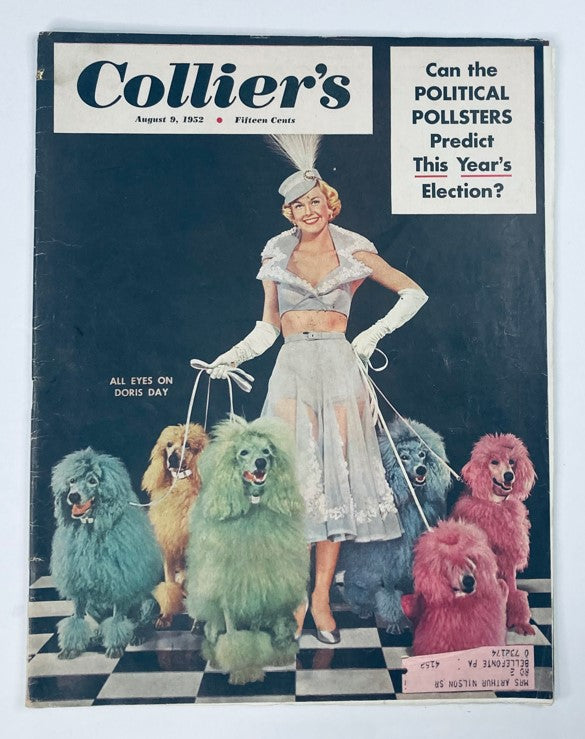
Long before algorithms curated our cultural obsessions and streaming platforms flattened the art of the celebrity profile, the world fell in love with Doris Day one glossy page at a time. From her emergence as a big-band vocalist in the late 1940s to her reign as Hollywood's most bankable star throughout the 1950s and into the 1960s, she occupied a singular place in the American imagination — wholesome yet luminous, funny yet tender, a woman of genuine warmth in an industry built on artifice. At her peak, she was not merely an actress or a singer; she was a cultural barometer, her films and public persona reflecting the anxieties and aspirations of postwar American domesticity. Fans who could not afford a ticket to a premiere or a seat at a recording session turned instead to the newsstand, where the golden girl of Warner Bros. and Universal Pictures gazed back from cover after cover, offering a form of intimate access that felt both glamorous and neighbourly. The printed page was the portal through which an entire generation came to know her.
Inside the Archive
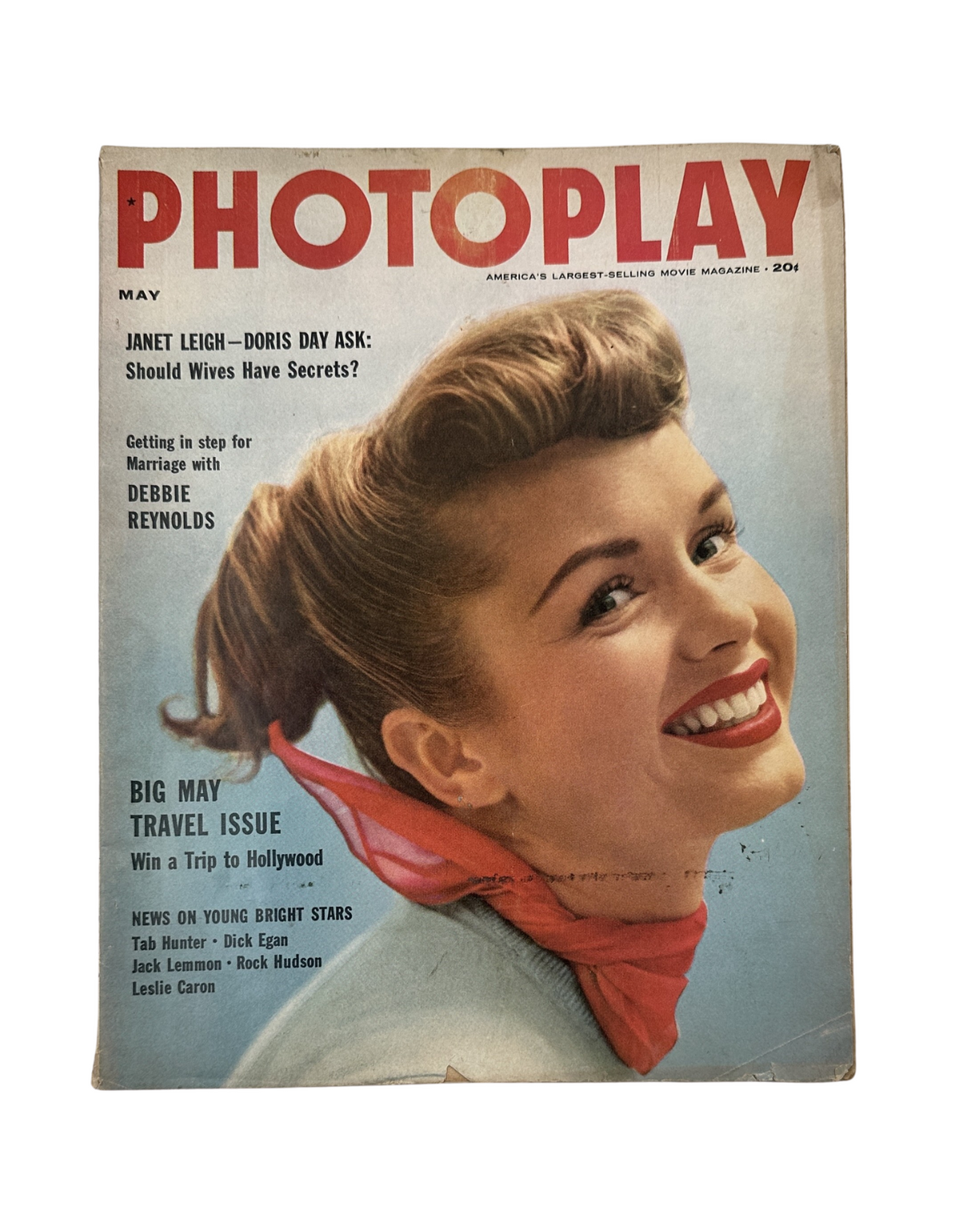
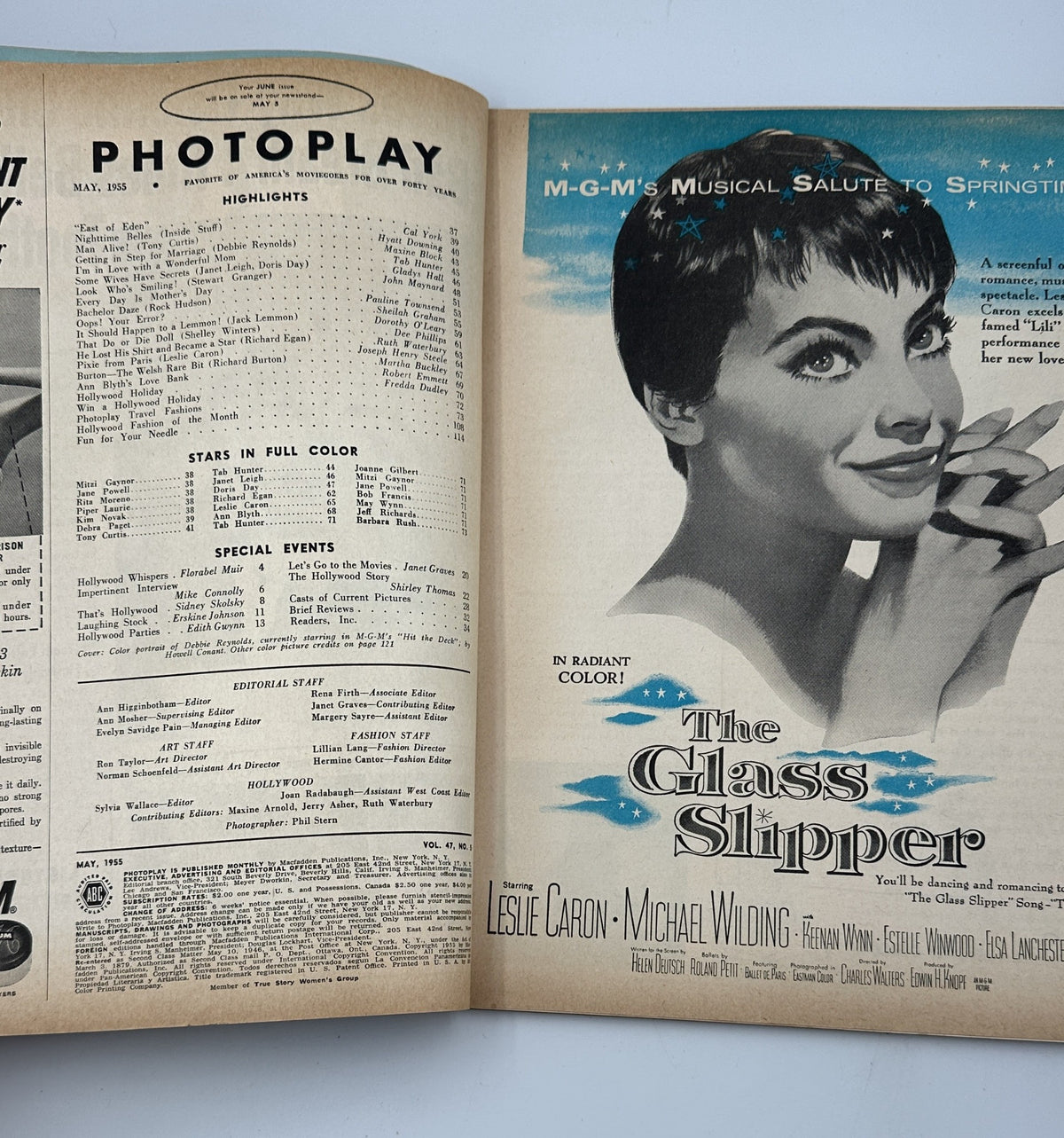
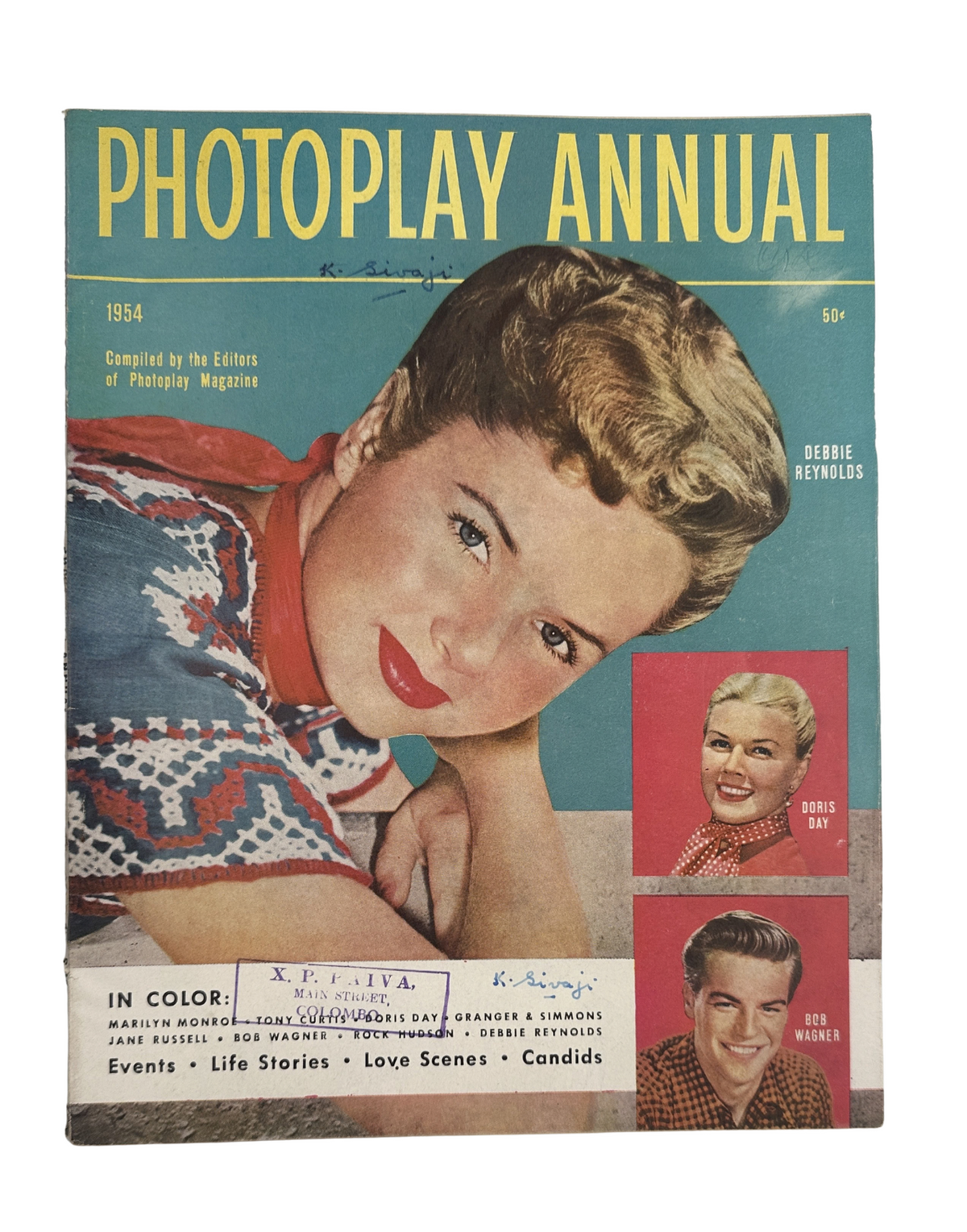
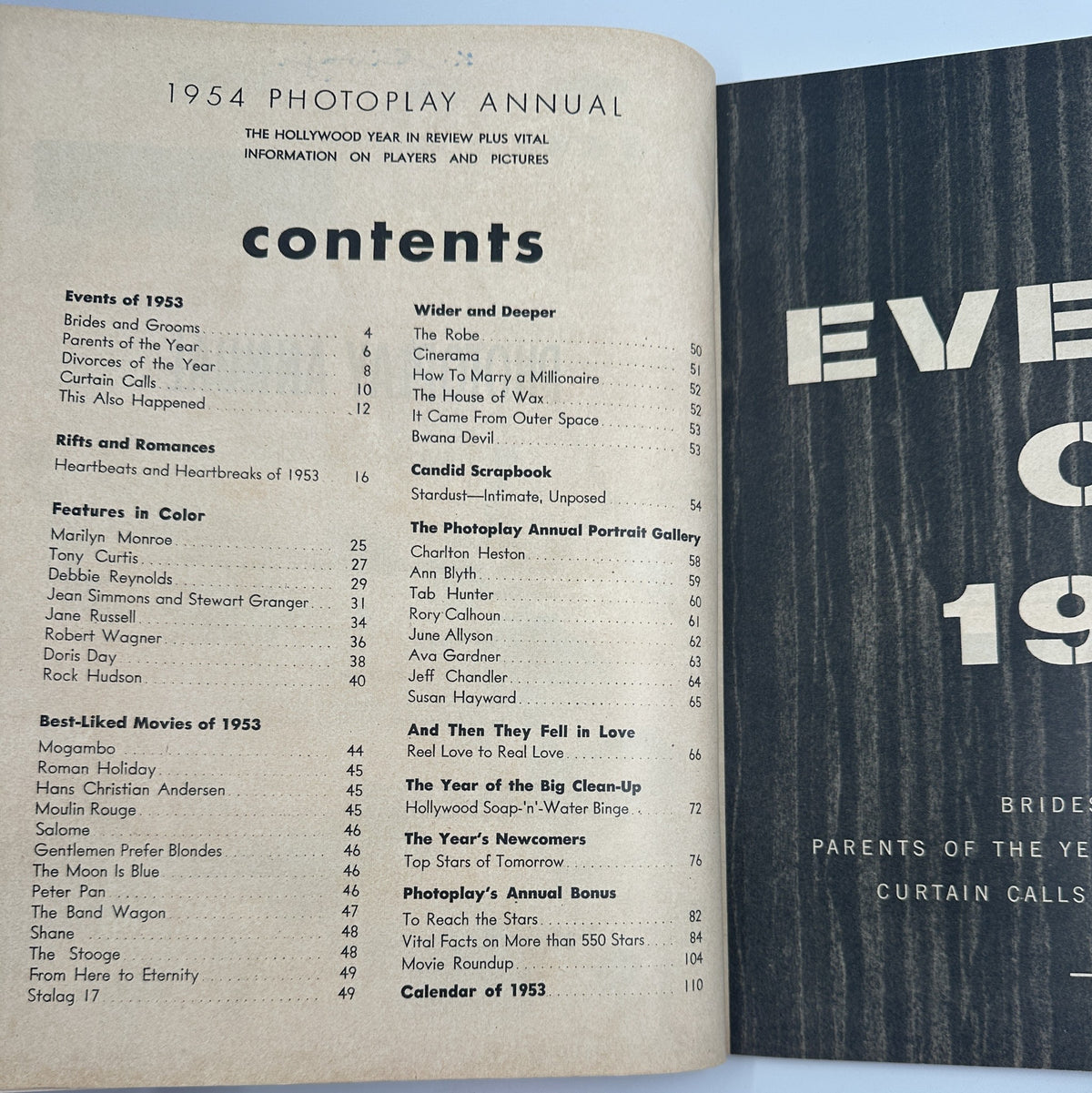
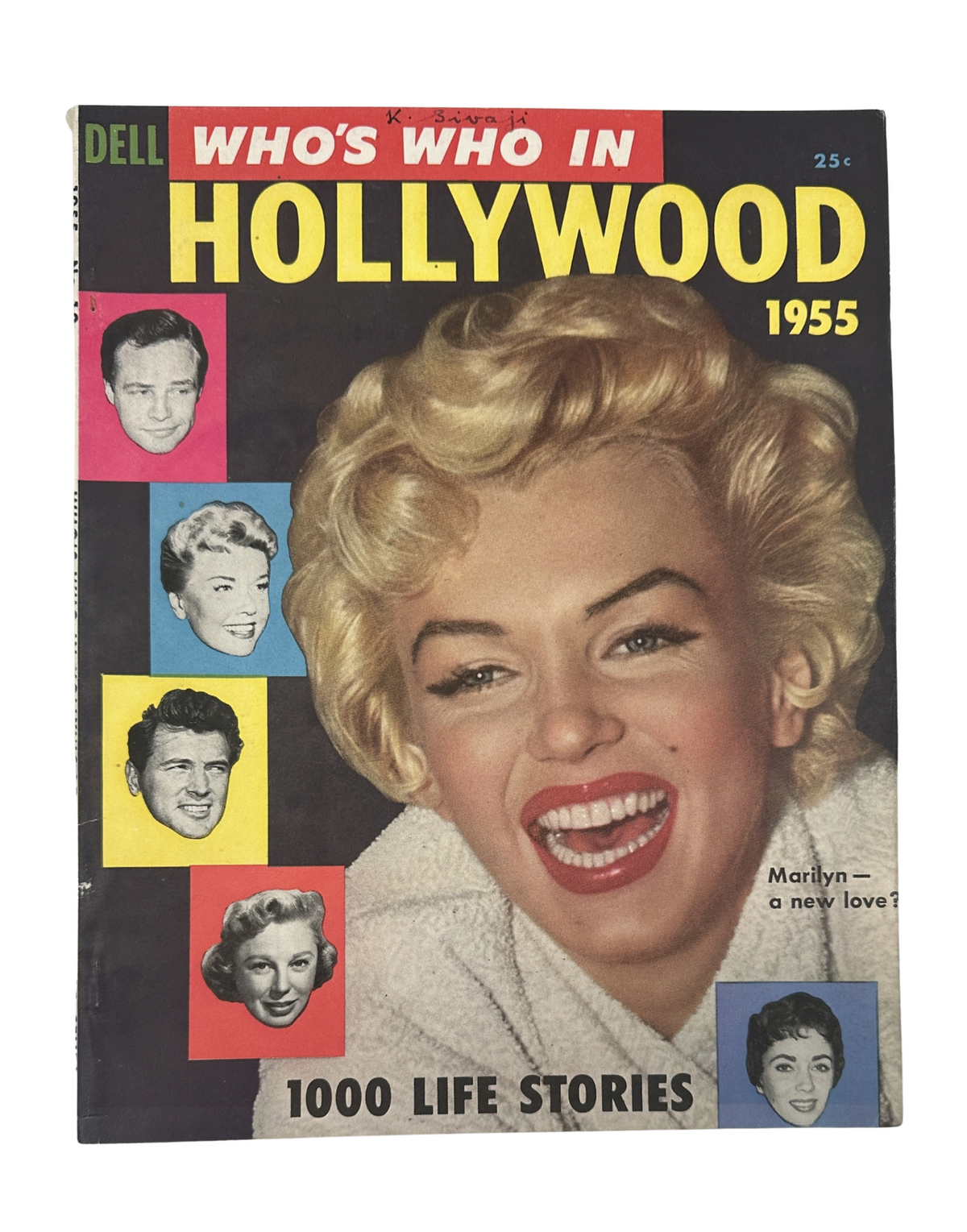
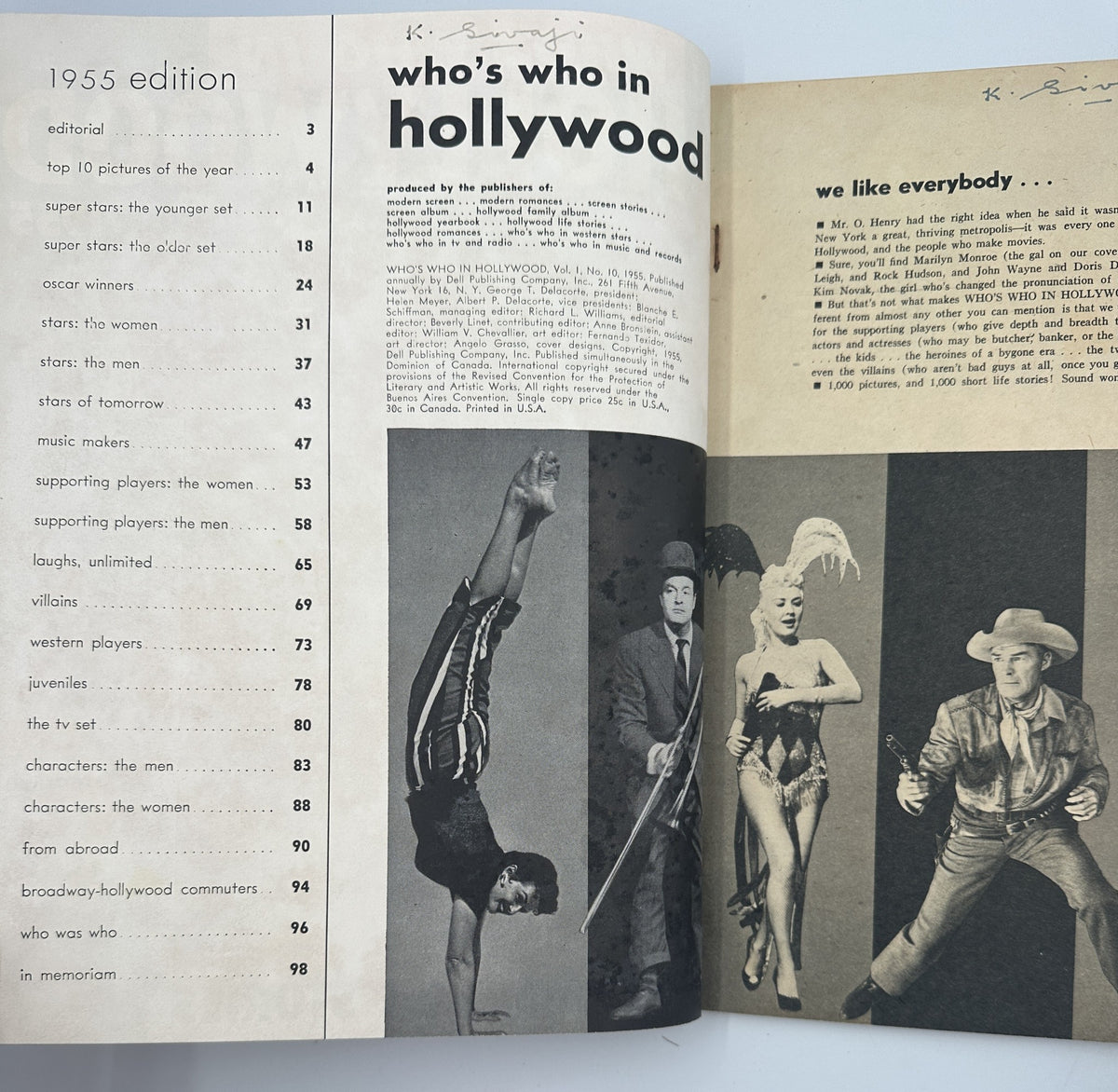
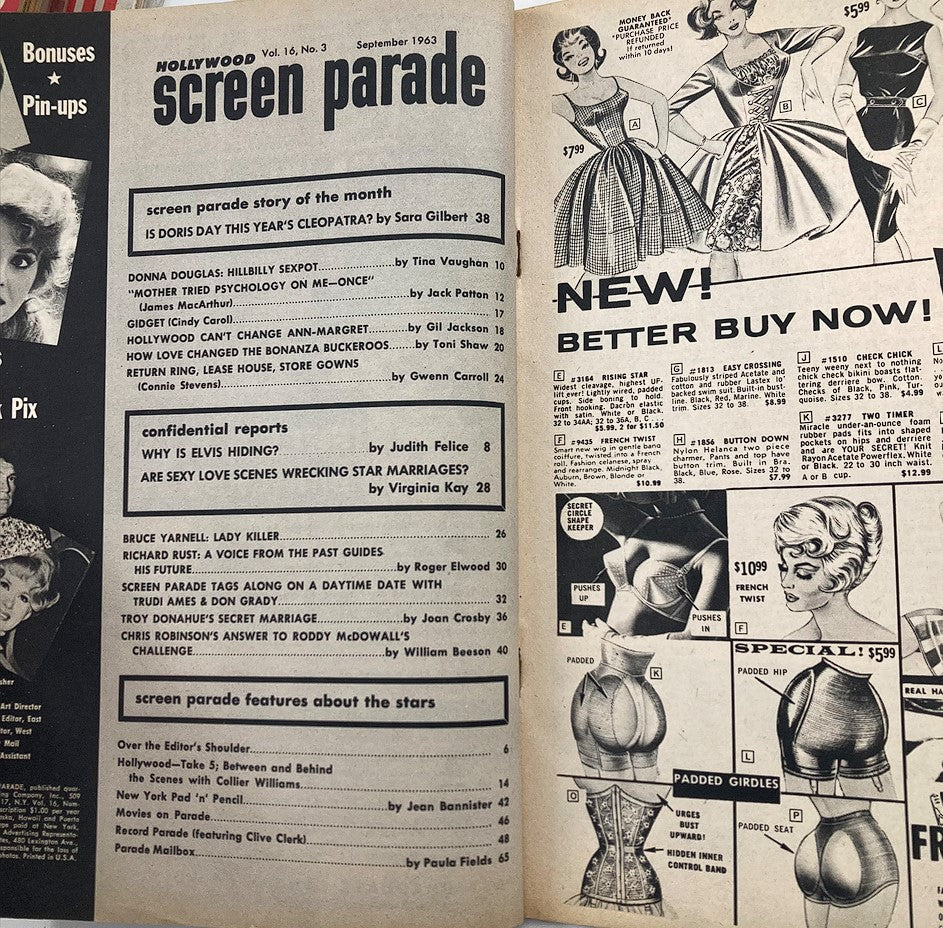
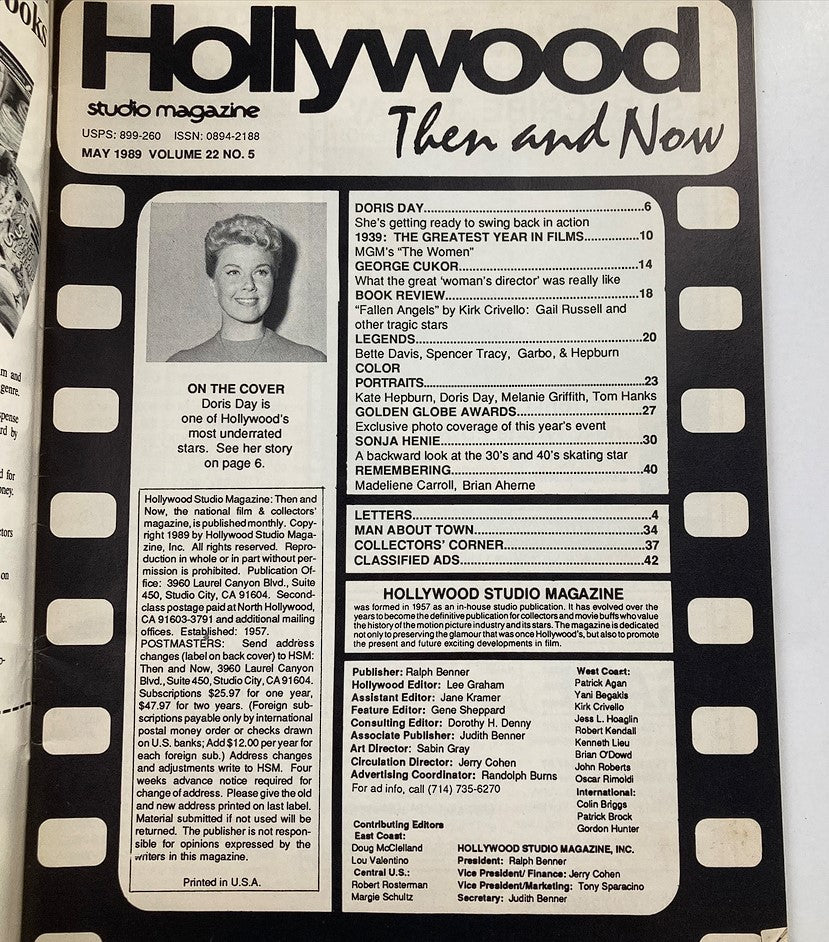
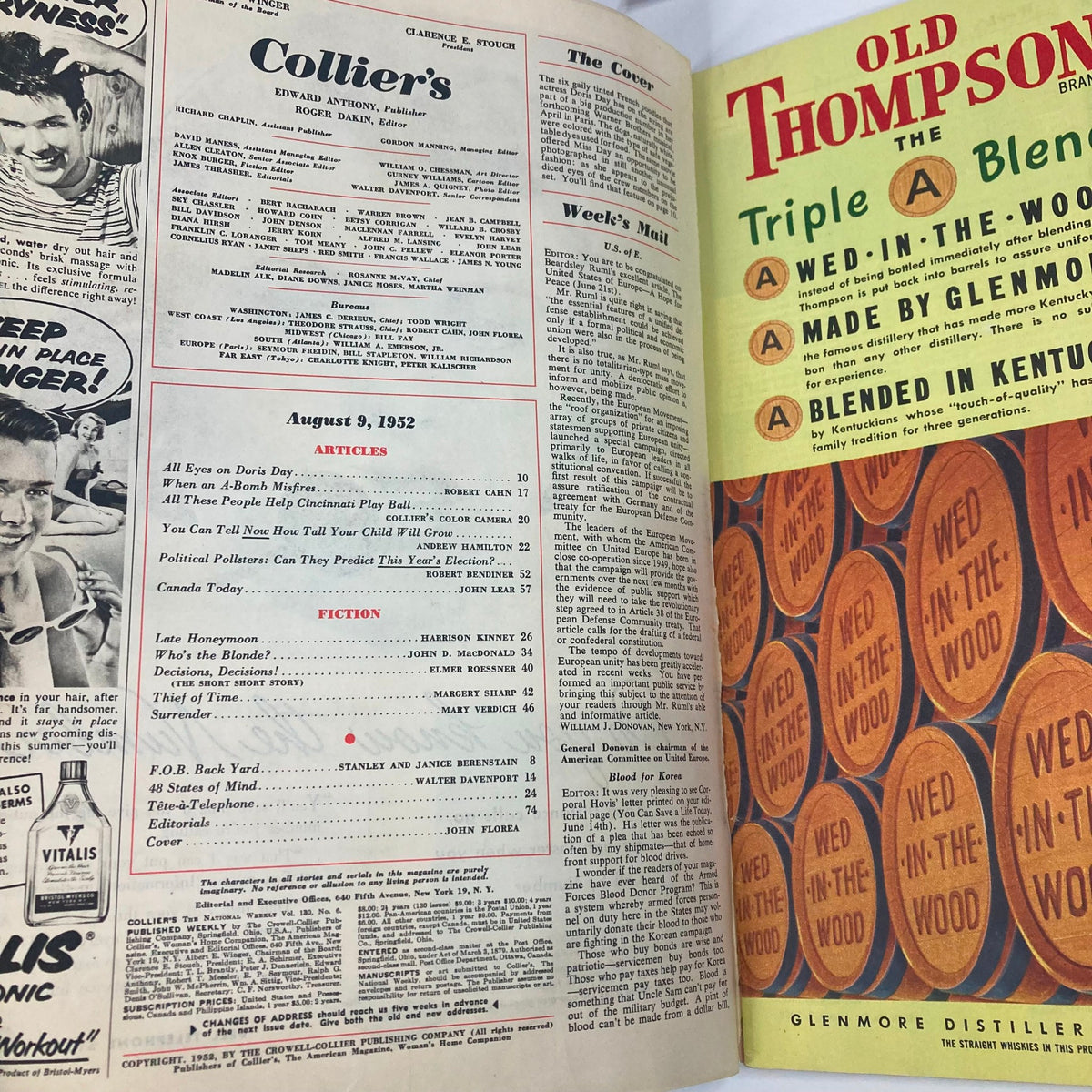
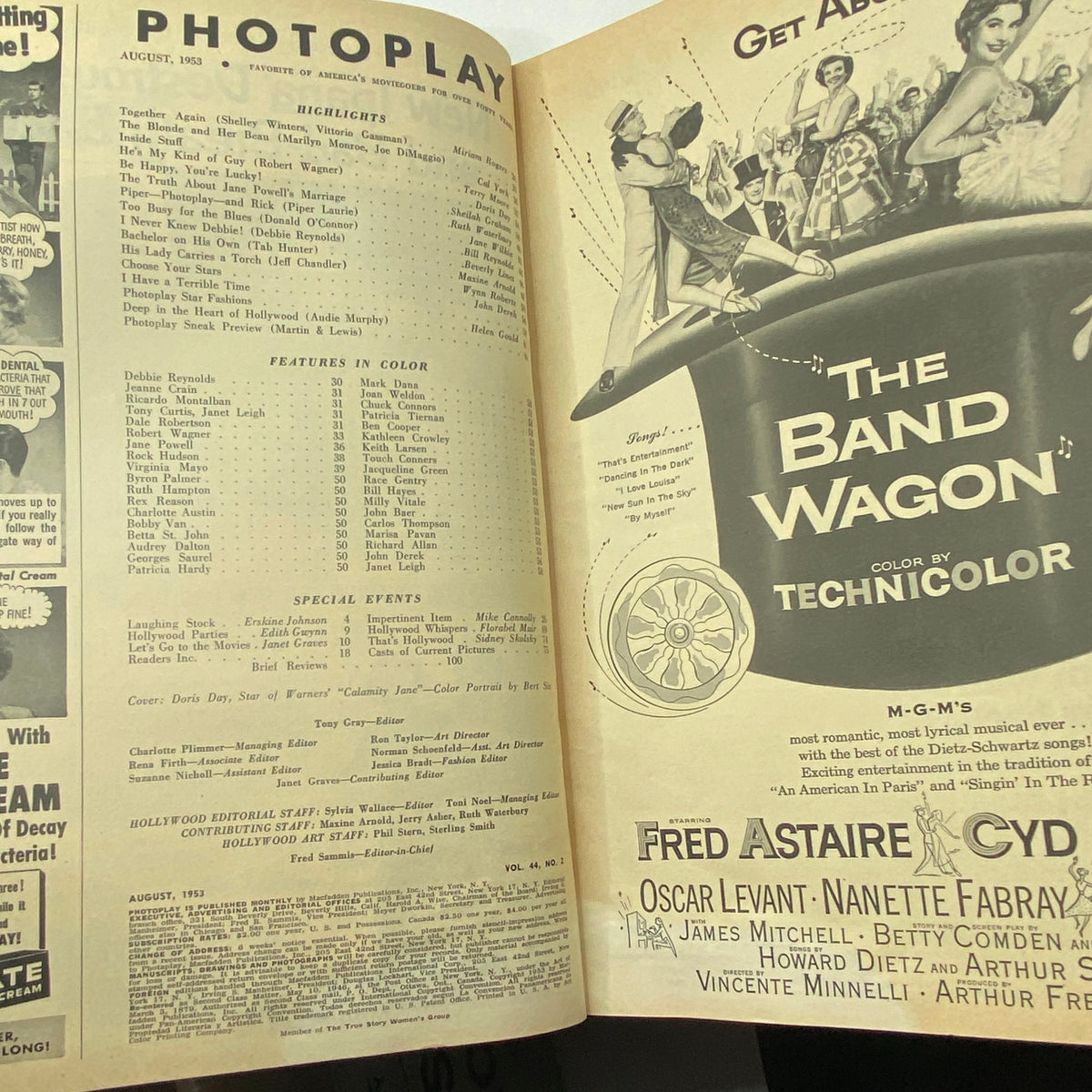
Vintage magazine coverage of this quintessential screen goddess was as varied as it was abundant, ranging from the stately to the breathlessly fan-driven. Life magazine, the great American pictorial record of the mid-century, returned to her repeatedly throughout the 1950s, commissioning lush, large-format photographic spreads that captured her in ways a film still never could — candid on a studio backlot, laughing at a script, radiant in natural light. Photoplay, the premier fan publication of the Hollywood golden age, devoted countless covers and in-depth features to her personal life, her romances, and the carefully constructed narrative of the girl-next-door who conquered the world. Meanwhile, international titles such as Paris Match brought a more continental eye to her image, treating her with the kind of auteur reverence usually reserved for European stars, their photography often more artful and their editorial tone more analytical than their American counterparts. The collective result is an archive of extraordinary visual richness — a decade-by-decade record of how one woman's image was shaped, celebrated, and debated in real time, across continents.
Curator's Checklist: Highlights Often Include
- Early career and big-band era coverage from the late 1940s, when she was first emerging as a recording artist and the music press was beginning to take notice of an extraordinary voice with an uncommonly natural on-camera presence.
- Peak Hollywood glamour features from the 1950s documenting her run of beloved comedies and musicals — Calamity Jane, Pillow Talk, Love Me or Leave Me — including studio publicity portraits and on-set photography of a kind that the modern era simply no longer produces.
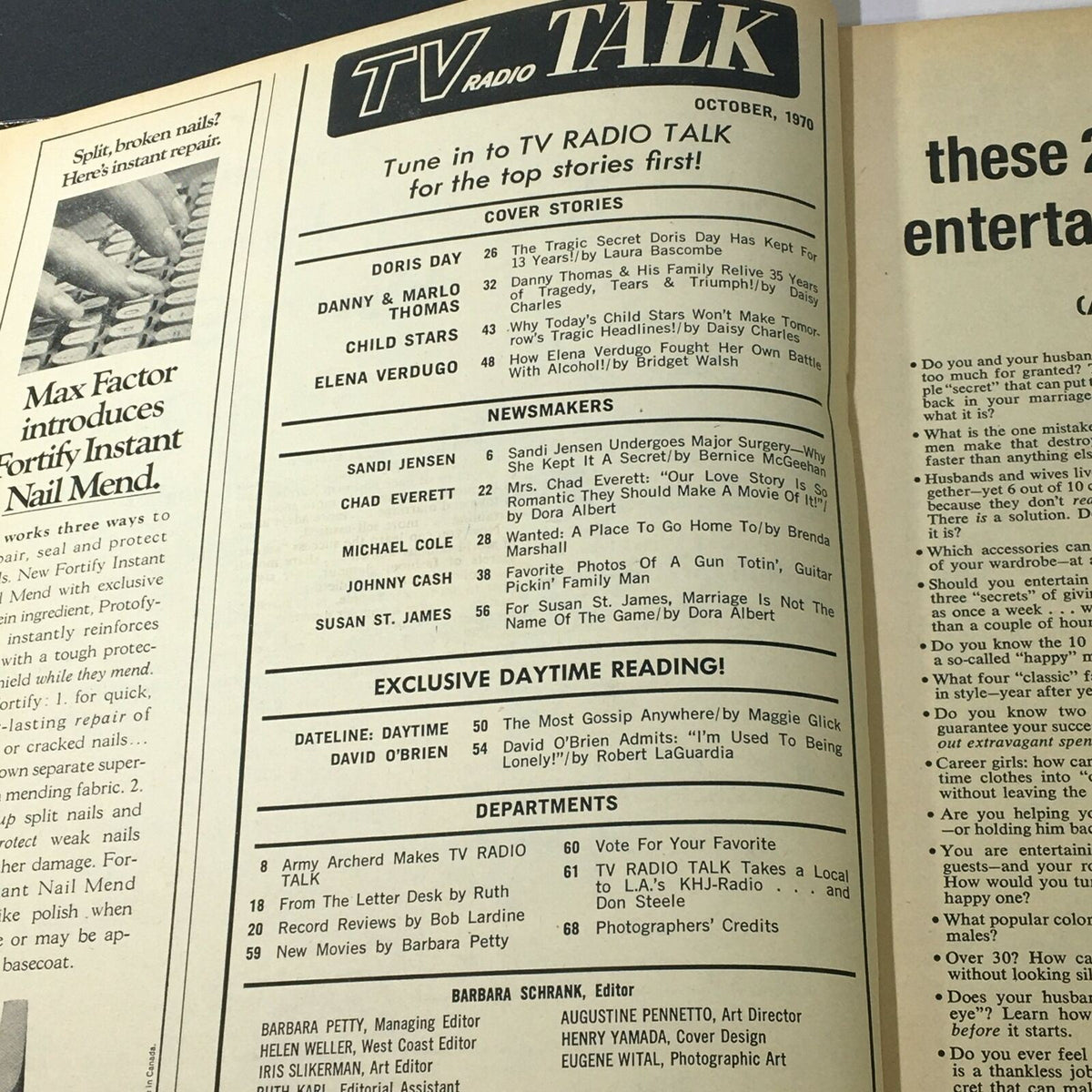
- Personal life and human-interest stories exploring her marriages, her son Terry Melcher, and the carefully managed yet genuinely compelling narrative of her private self, often covered with a frankness that later decades would find startling.
- International and European editions offering a fascinating alternative perspective on her cultural reach beyond American shores, where she was embraced as both a pop icon and a serious dramatic talent deserving of critical attention.
- Later-era animal welfare advocacy coverage from the late 1960s and beyond, documenting her pivotal and pioneering shift from entertainer to activist, as she stepped away from Hollywood and channelled her celebrity into a cause she pursued with lifelong passion.
The Collector's Value
To hold one of these publications in your hands is to hold something that no digital archive can replicate. The slight give of mid-century coated paper stock beneath your fingertips, the faint mineral trace of decades-old ink, the surrounding advertisements for Chesterfield cigarettes and DuPont nylon and Frigidaire refrigerators — all of it conspires to transport you not merely to a photograph of the past, but into the lived texture of it. These are primary sources: unmediated, un-curated by nostalgia, carrying the editorial assumptions and aesthetic standards of their exact moment in history. They are windows, not mirrors. For collectors of Hollywood golden age memorabilia, mid-century American popular culture, or vintage women's and entertainment media, these publications offer something the internet cannot — a tangible, irreplaceable artefact of a world that produced one of its most enduring icons. Explore the current available inventory below and discover which pieces of this extraordinary legacy are waiting to find their next custodian.