📖 About this Collection
Dr. Dre: Architect of Sound, Prophet of a Culture
The Legend & The Legacy
Before streaming algorithms and social media feeds dictated what the world listened to, the story of Andre Romelle Young — the visionary producer and rapper the world came to know as Dr. Dre — was told in ink, on glossy pages, passed hand to hand across neighborhoods, barbershops, and college dorms. Emerging from Compton in the late 1980s as a founding force behind N.W.A, he didn't just make music; he seismically restructured American popular culture, forcing a mainstream press that had long ignored or dismissed the inner city to pay attention, to print the words, and to put the faces on the cover. His departure from N.W.A, the landmark solo debut The Chronic in 1992, the discovery and elevation of Snoop Dogg, Eminem, and 50 Cent, and the eventual billion-dollar triumph of Beats Electronics composed a career arc so sweeping that it demanded coverage across decades — from the culture war anxieties of the early 1990s to the coronation of hip-hop as the defining art form of the 21st century.
Inside the Archive
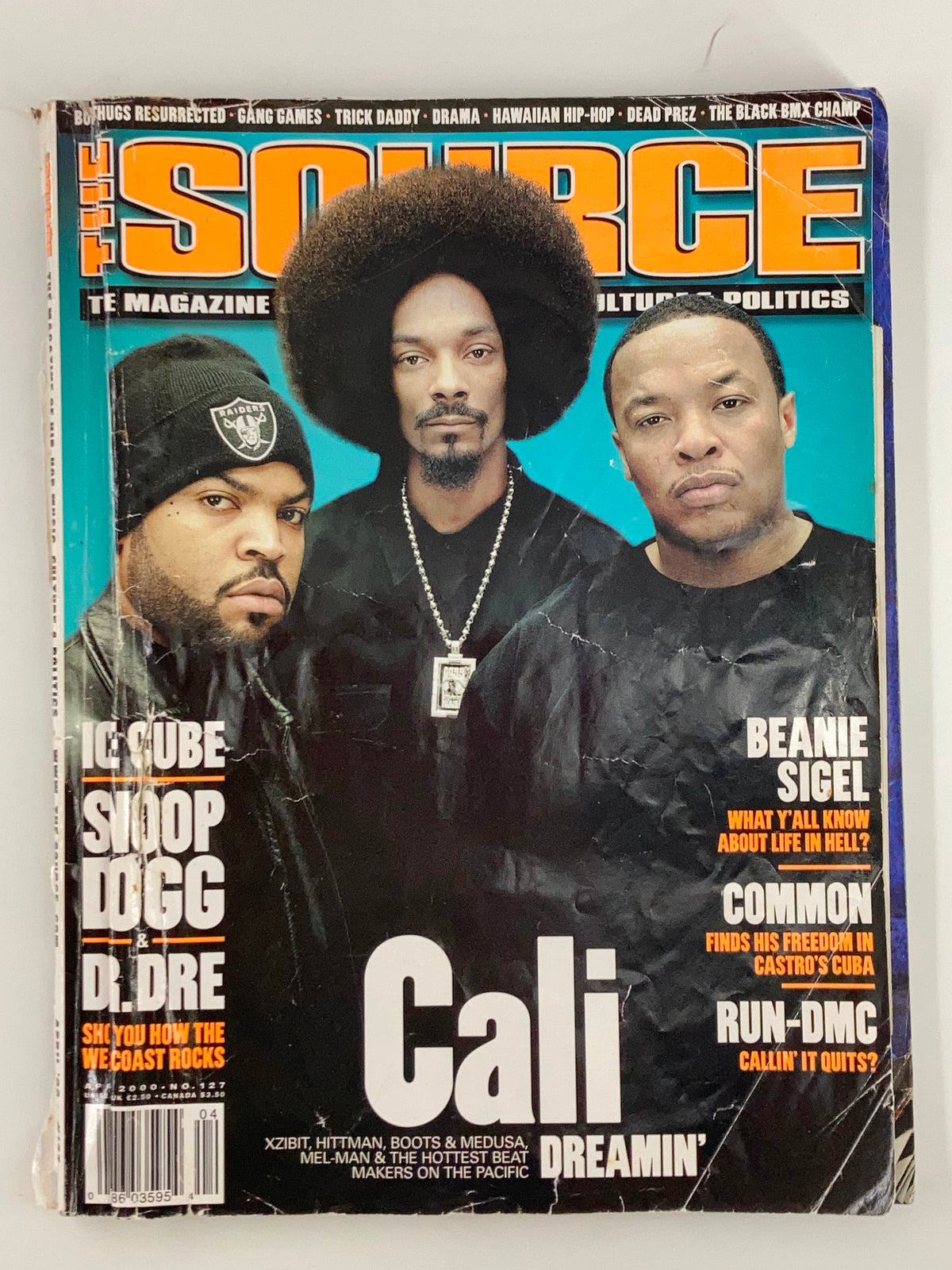
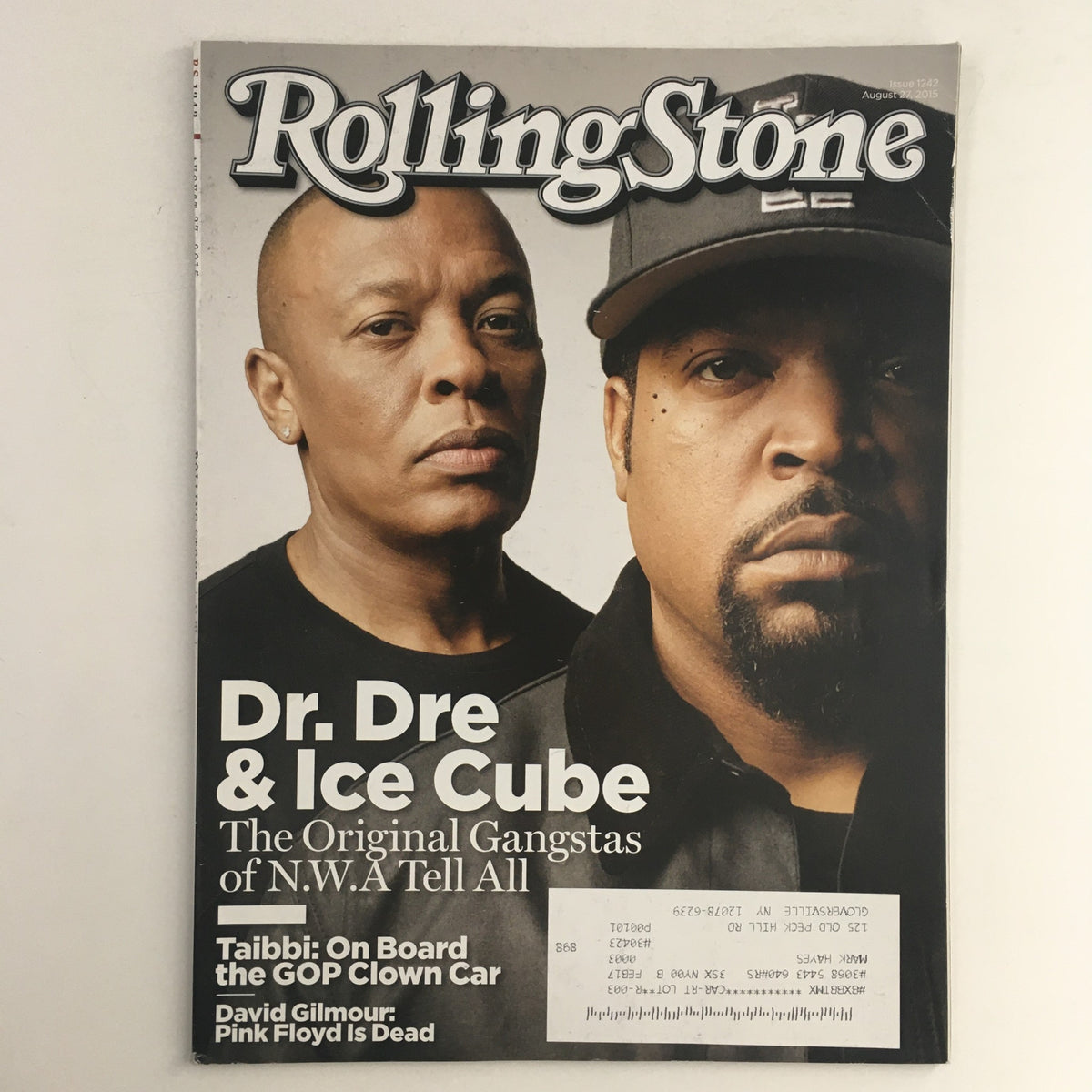
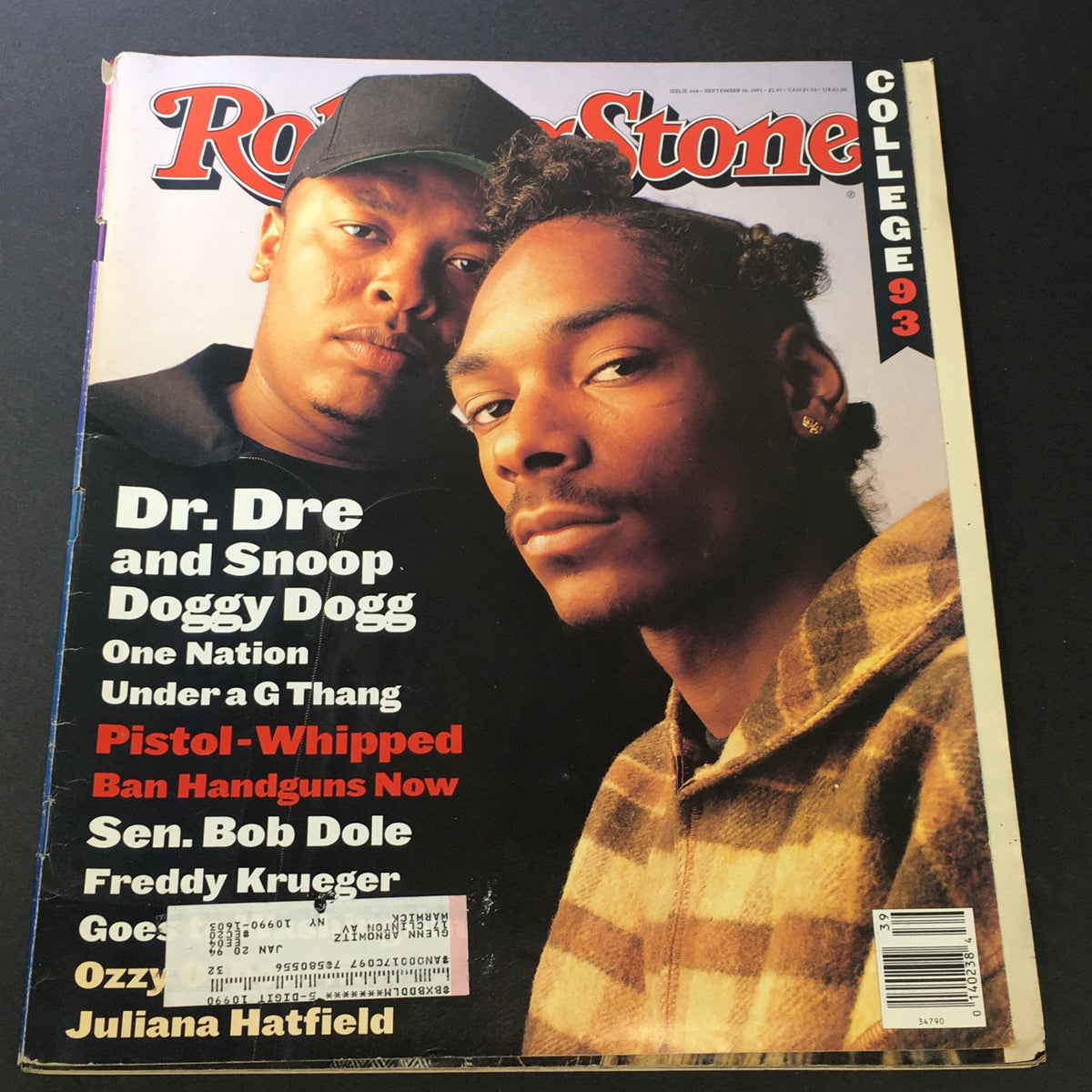
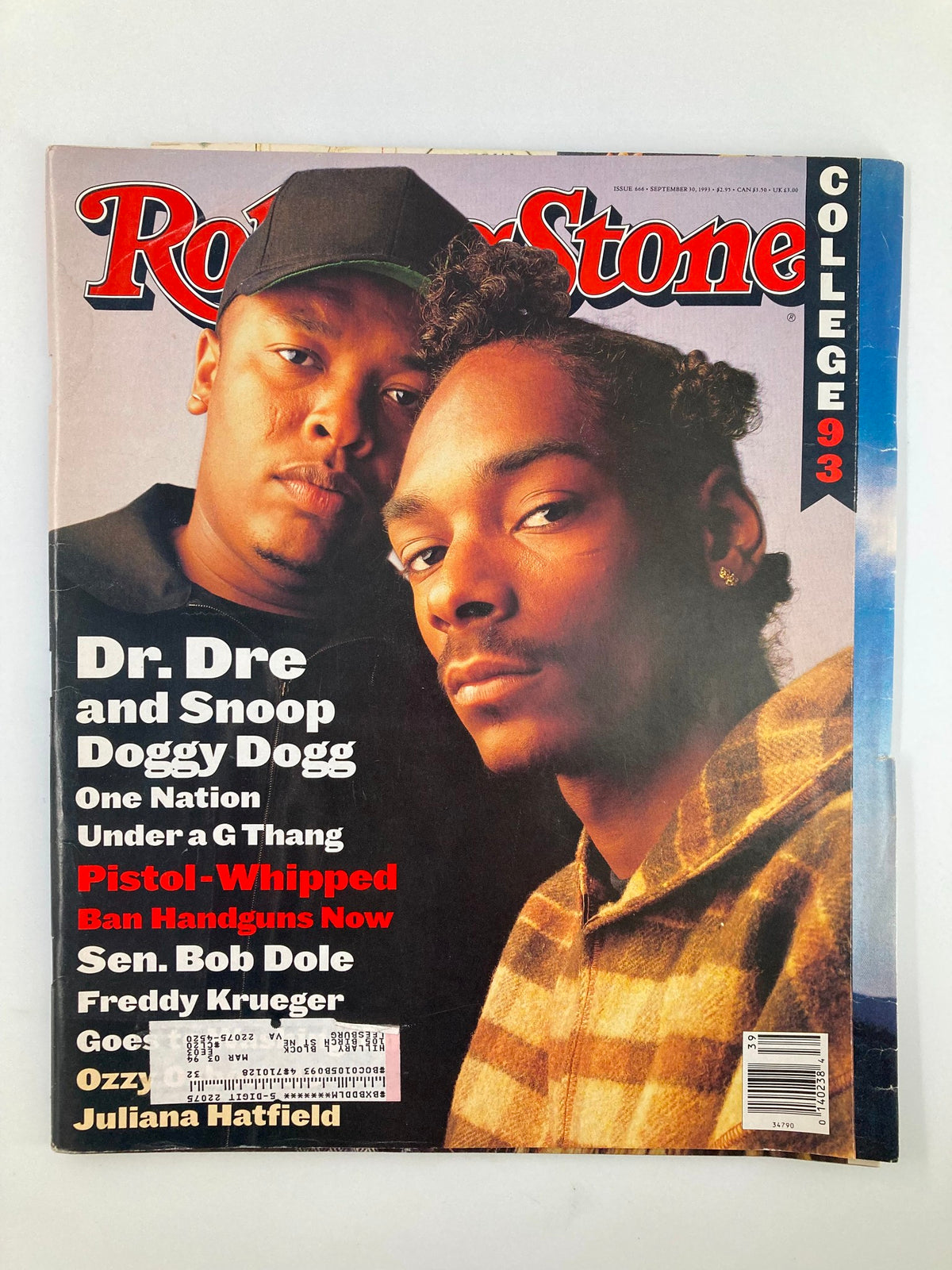
Vintage print media captured Dr. Dre across strikingly different registers depending on the publication and the era. In the early 1990s, hip-hop and urban culture magazines were the first to treat him as the serious architectural force he was — The Source, the undisputed bible of hip-hop journalism, documented his every move with a reverence that mainstream outlets had not yet granted. Vibe, co-founded by Quincy Jones in 1993, brought a more cinematic, fashion-forward lens to his image, pairing ambitious editorial photography — stark studio portraits, sun-drenched Californian settings, luxuriant fur and platinum — with long-form profiles that interrogated the man behind the myth. Meanwhile, mainstream crossover titles like Rolling Stone chronicled his cultural ascent for a broader American readership, grappling in their editorial tone with the provocations of gangsta rap while being unable to deny the commercial and artistic magnitude of what he was building. International music and style publications across the UK, France, and Japan similarly documented the globalization of West Coast hip-hop, recognizing in Dr. Dre something that transcended genre — an auteur, an entrepreneur, an American original.
Curator's Checklist: Highlights Often Include
- N.W.A-era features and group profiles from the late 1980s and early 1990s, in which the architect of the group's sound first surfaces as a distinct, arresting presence amid the storm of controversy surrounding gangsta rap's mainstream breakthrough
- Solo-era cover stories and artist profiles coinciding with The Chronic (1992) and 2001 (1999), two albums widely regarded as cornerstones of modern music history, often accompanied by the defining portrait photography of each respective decade
- Hip-hop industry deep-dives in publications like The Source and Vibe from the mid-1990s documenting the Death Row Records epoch — one of the most dramatic, turbulent, and creatively explosive chapters in music business history
- Crossover mainstream features in titles such as Rolling Stone, Spin, and Entertainment Weekly tracking hip-hop's conquest of popular culture and Dr. Dre's central role as both its sonic engineer and its most powerful executive
- Millennium-era entrepreneur profiles as the late 2000s and early 2010s saw the visionary producer's story reframed through a business lens, culminating in coverage of the Beats by Dre phenomenon and its historic acquisition by Apple in 2014
The Collector's Value
There is something irreplaceable about holding a copy of Vibe or The Source from 1993 — feeling the particular weight of the coated stock between your fingers, catching the faintly sweet, slightly chemical perfume of decades-old ink, and finding yourself face to face with a full-bleed portrait of one of music's most consequential figures, surrounded by the period advertisements, the fashion spreads, and the cultural ephemera that no algorithm could ever reconstruct. These are primary source documents, artifacts of a moment when the story was still unfolding, when the critics were still debating, and when the culture was being made in real time. They carry within them the anxiety, the excitement, and the raw energy of an era before anyone fully understood the magnitude of what hip-hop would become — and what this particular genius would mean to all of it. For collectors of hip-hop history, West Coast music culture, or American pop culture from the 1980s through the 2000s, these publications offer not merely decoration but genuine historical testimony — a direct, tactile connection to a pivotal chapter of the 20th and 21st centuries. Explore the current available inventory below and discover which pieces of that extraordinary story are waiting to find a new home.