📖 About this Collection
Drew Barrymore: Born Into the Frame, Destined to Fill It
The Legend & The Legacy
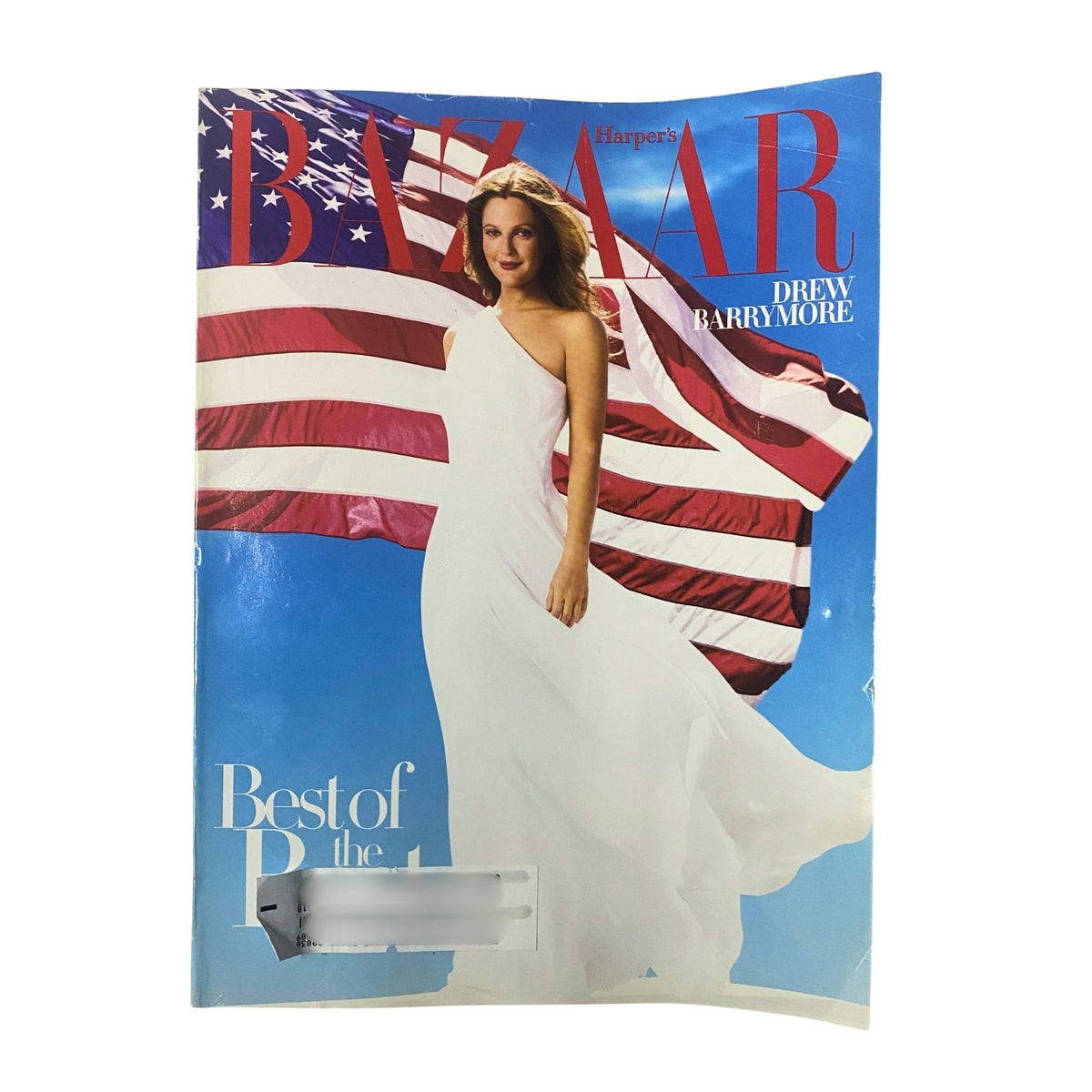
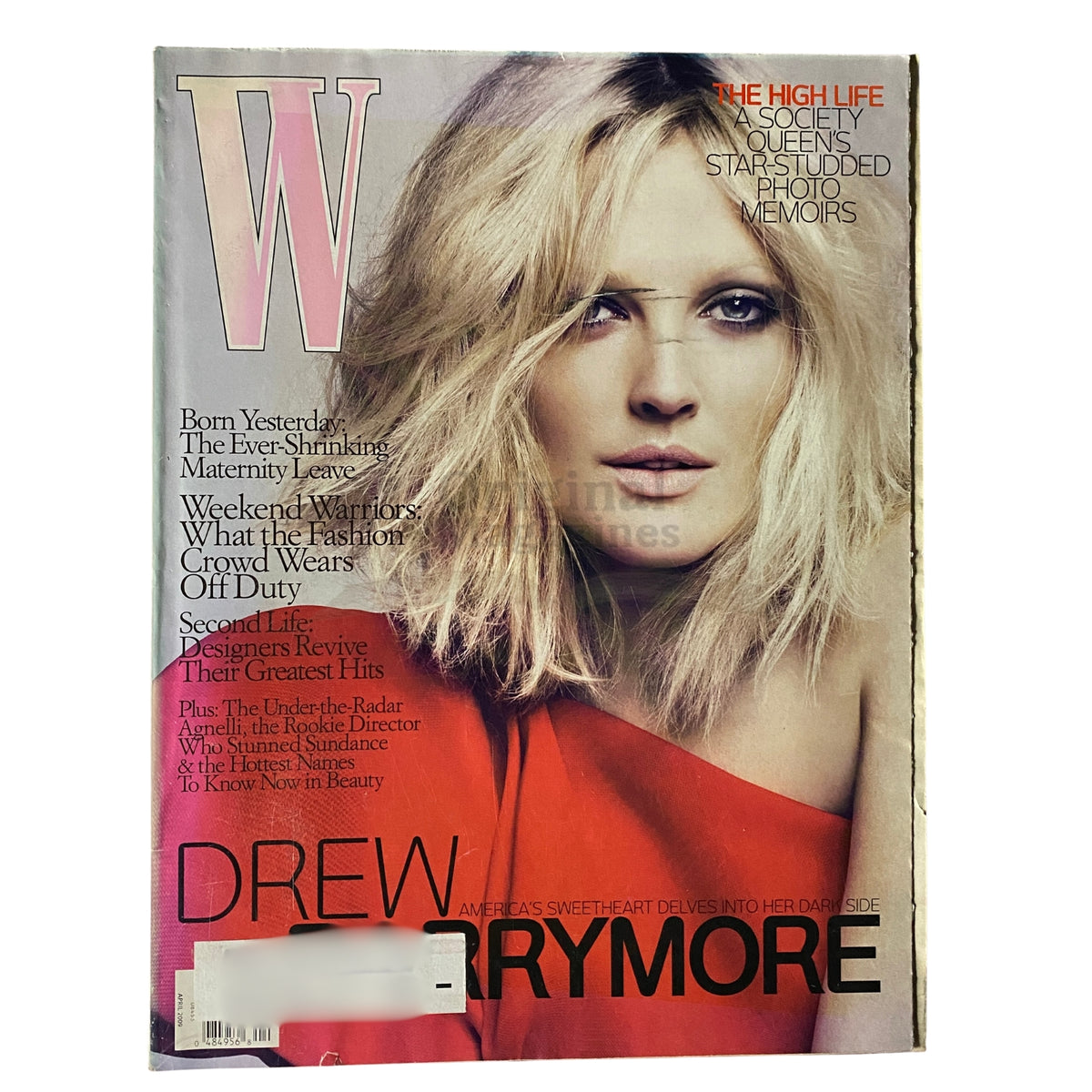
Few figures in modern American cultural life arrived with the weight of dynasty already upon them — and fewer still managed to shed it, reinvent it, and ultimately claim it as their own. Drew Barrymore entered the public imagination not as a discovery, but as an inheritance: the granddaughter of the great John Barrymore, a name that had graced the marquees of Broadway and Hollywood for generations before she ever spoke her first line. When she appeared on screen in E.T. the Extra-Terrestrial in 1982, she did not merely charm audiences — she arrested them. In an era before viral moments and algorithmic fame, that kind of adoration was built slowly and beautifully through the printed page: fan magazines passed between school lockers, glossy covers displayed on grocery store racks, Sunday supplements folded and saved in bedroom drawers. Her subsequent tabloid years — the wild adolescence played out so publicly in the mid-1980s — became one of the great cautionary-yet-compulsive stories of that decade's print media, a real-time serialized drama that readers followed issue by issue. And then came the reinvention: the triumphant adult career of the 1990s, the production company, the romantic comedies that defined a generation's idea of warmth and charm. Every chapter of her life was documented, dissected, and celebrated in ink on paper, at a time when a magazine cover was still the highest currency of cultural legitimacy.
Inside the Archive
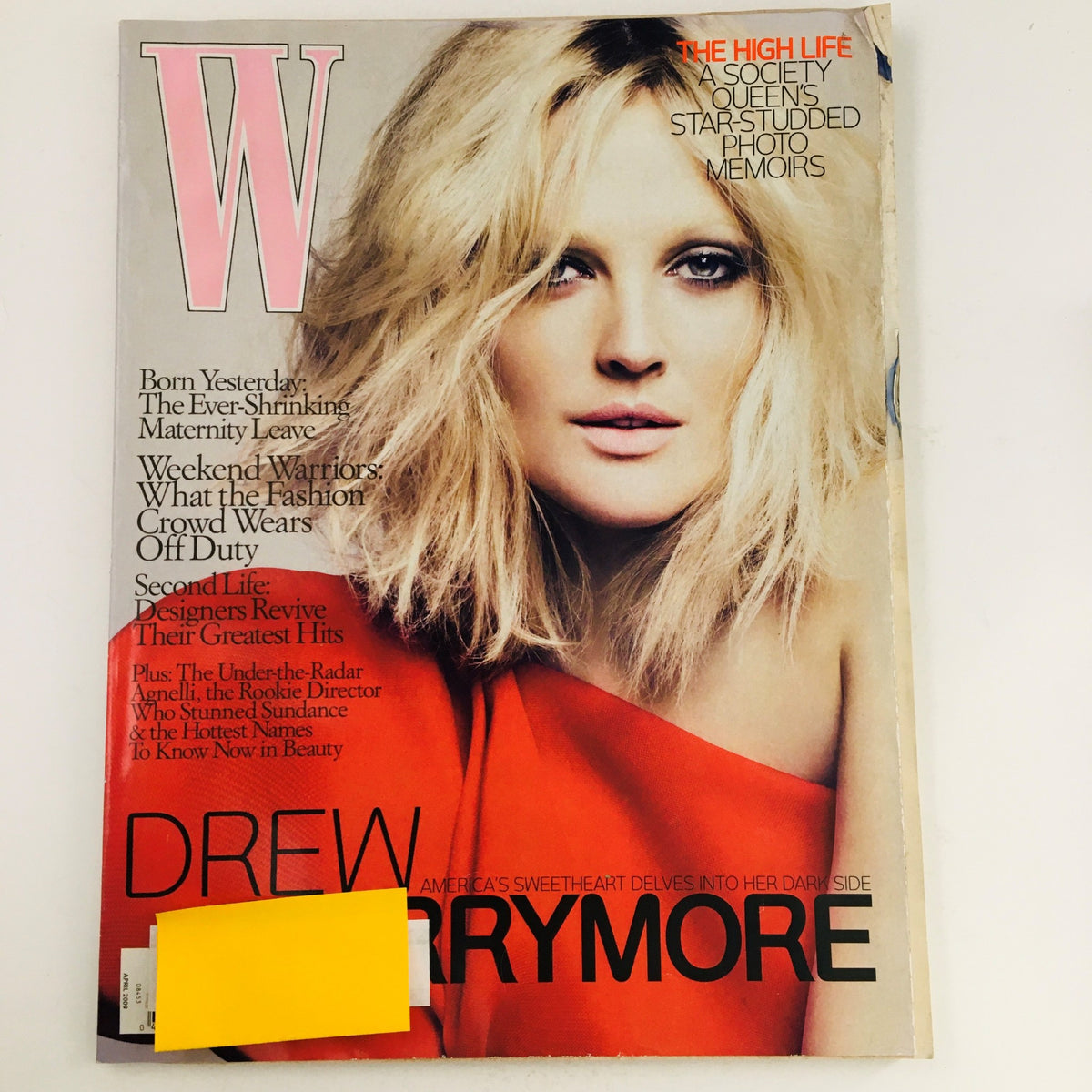
The vintage magazines that chronicled her journey represent one of the most visually dynamic bodies of editorial work of the 1980s and 1990s. In her child-star years, photographers captured something almost ineffable — a luminosity that editors struggled to contextualize, resulting in portraits that oscillate between innocent and uncanny in ways that feel deeply of their era. By the time she re-emerged as a young adult in the early 1990s, the editorial tone shifted dramatically: Rolling Stone famously leaned into her reclaimed wildness with provocative, liberated imagery that announced a new kind of Hollywood woman. Vanity Fair treated her as a subject worthy of long-form cultural examination, pairing serious portraiture with essays that grappled with fame, family mythology, and survival. People returned to her again and again across the decades, each cover a kind of cultural barometer — tracking America's complicated, tender relationship with a woman it had watched grow up in real time. International editions of style and celebrity weeklies from France, Germany, and the UK also devoted significant coverage to her, particularly during the peak of her romantic-comedy era, reflecting her singular crossover appeal to global audiences.
Curator's Checklist: Highlights Often Include
- Child-star feature coverage from the early-to-mid 1980s, including profiles and pictorials tied to the theatrical release of E.T. and her earliest film appearances, often appearing in family-oriented entertainment weeklies and Hollywood trade-adjacent consumer magazines
- Tabloid and confessional-era coverage from the late 1980s, when fan magazines and celebrity weeklies documented her turbulent adolescence with a mixture of alarm and fascination — some of the most candid and historically significant print journalism of that decade's celebrity culture
- The comeback narrative issues of the early-to-mid 1990s, including coverage of Poison Ivy, Batman Forever, and Boys on the Side, often framed as redemption stories in major monthly titles
- Peak romantic-comedy era spreads from the late 1990s through the early 2000s, tied to The Wedding Singer, Never Been Kissed, Charlie's Angels, and 50 First Dates — a period when she dominated fashion and lifestyle covers with a warmth and relatability that photographers and art directors found irresistible
- Entrepreneurial and personal milestone coverage reflecting her transition from actress to producer and businesswoman, including profiles that recontextualized her entire biography as a story of resilience — sought after by collectors of women's leadership and entertainment industry history alike
The Collector's Value
To hold one of these original issues is to hold something irreplaceable — not merely for the image on the cover, but for the entire world that surrounds it. The particular weight of coated magazine stock from the 1980s and 1990s, the slightly waxy resistance of the page as it turns, the faint sweet-chemical perfume of decades-old ink and adhesive: these are not merely sensory details but a form of time travel unavailable to any digital archive. The advertisements alone constitute a museum exhibit — the fashion, the automobiles, the perfumes, the cultural anxieties — all of it pressing in around her image and reminding you that this document was made for a specific moment, by specific hands, for a public that would read it once and move on, never imagining anyone might still treasure it forty years later. For collectors of Hollywood memorabilia, 1980s and 1990s pop culture ephemera, or feminist media history, these publications offer a primary-source record of one of the most compelling and complex public lives of the twentieth century — told not in retrospect, but in the breathless, imperfect present tense of its own unfolding. Browse the current available inventory below and discover which chapter of the story is waiting for you today.