📖 About this Collection
Duke Ellington: The Composer Who Made Jazz a Symphony
The Legend & The Legacy
Edward Kennedy "Duke" Ellington did more than lead a band—he built an American art form and then spent fifty years expanding its borders. From the smoky glamour of Harlem's Cotton Club in the late 1920s to the concert stages of the world, he wrote more than a thousand compositions and insisted, through sheer ambition, that jazz belonged in the same conversation as any symphony. "Mood Indigo," "Sophisticated Lady," "It Don't Mean a Thing (If It Ain't Got That Swing)," and—with his collaborator Billy Strayhorn—"Take the 'A' Train" became the sound of a century's elegance. But Ellington's real instrument was his orchestra itself, a company of virtuosos he wrote for as individuals, coaxing colors from the ensemble no one else could. When the Pulitzer board declined to honor him in 1965, he responded with characteristic grace, and history corrected the slight with a posthumous prize decades later. By his death in 1974, he had already received the Presidential Medal of Freedom and become, simply, the Duke—a title he had earned many times over.
Inside the Archive
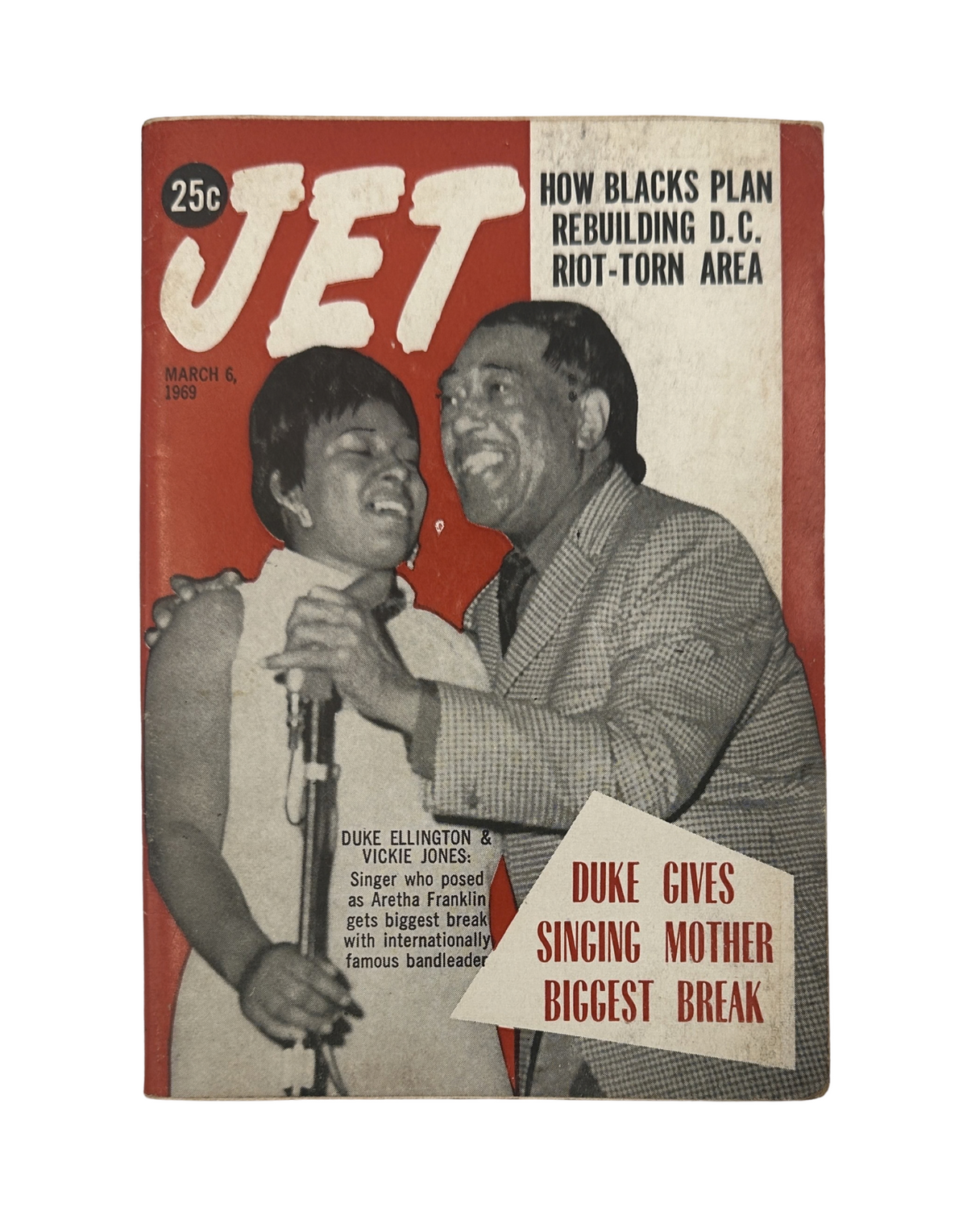
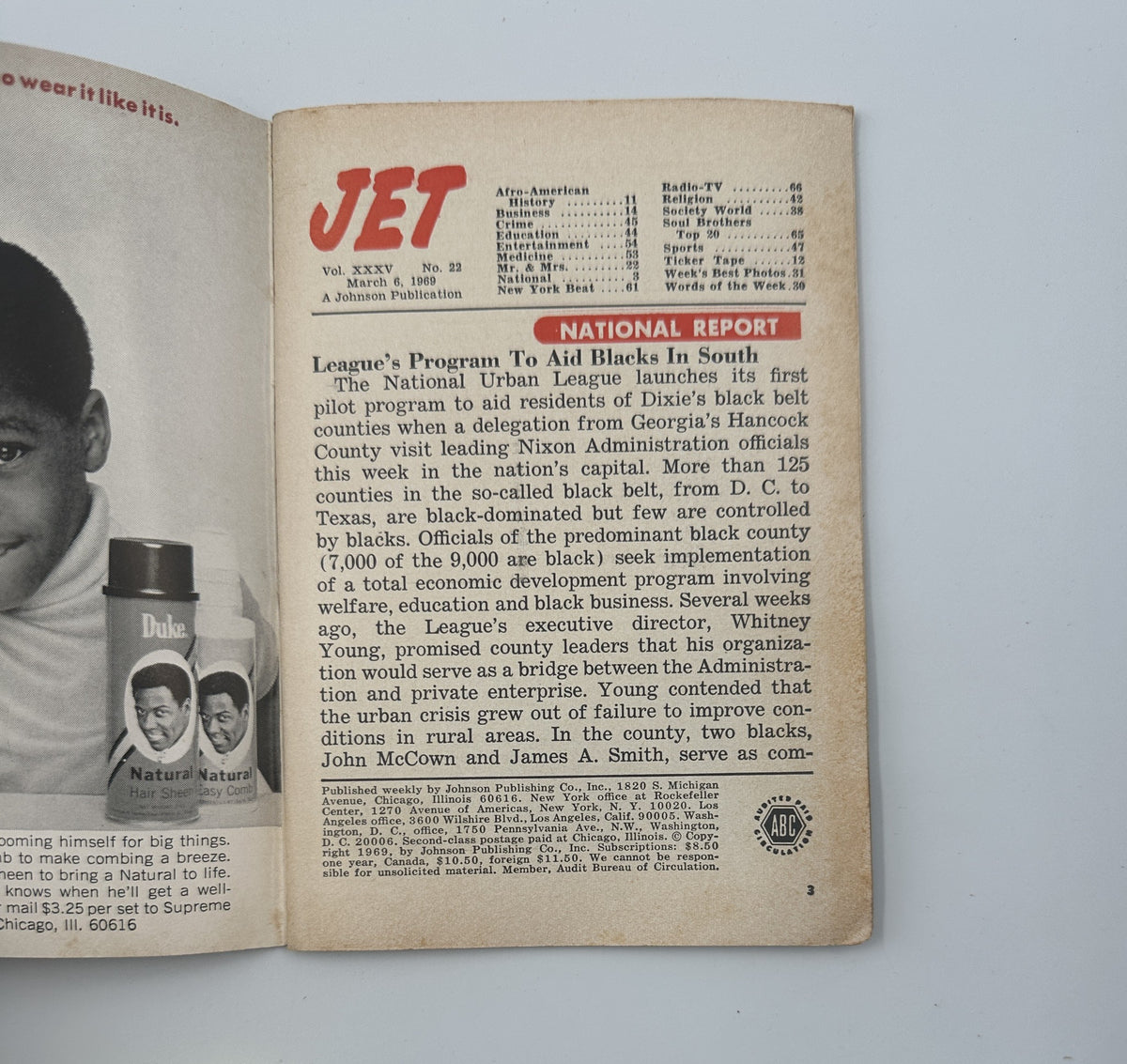
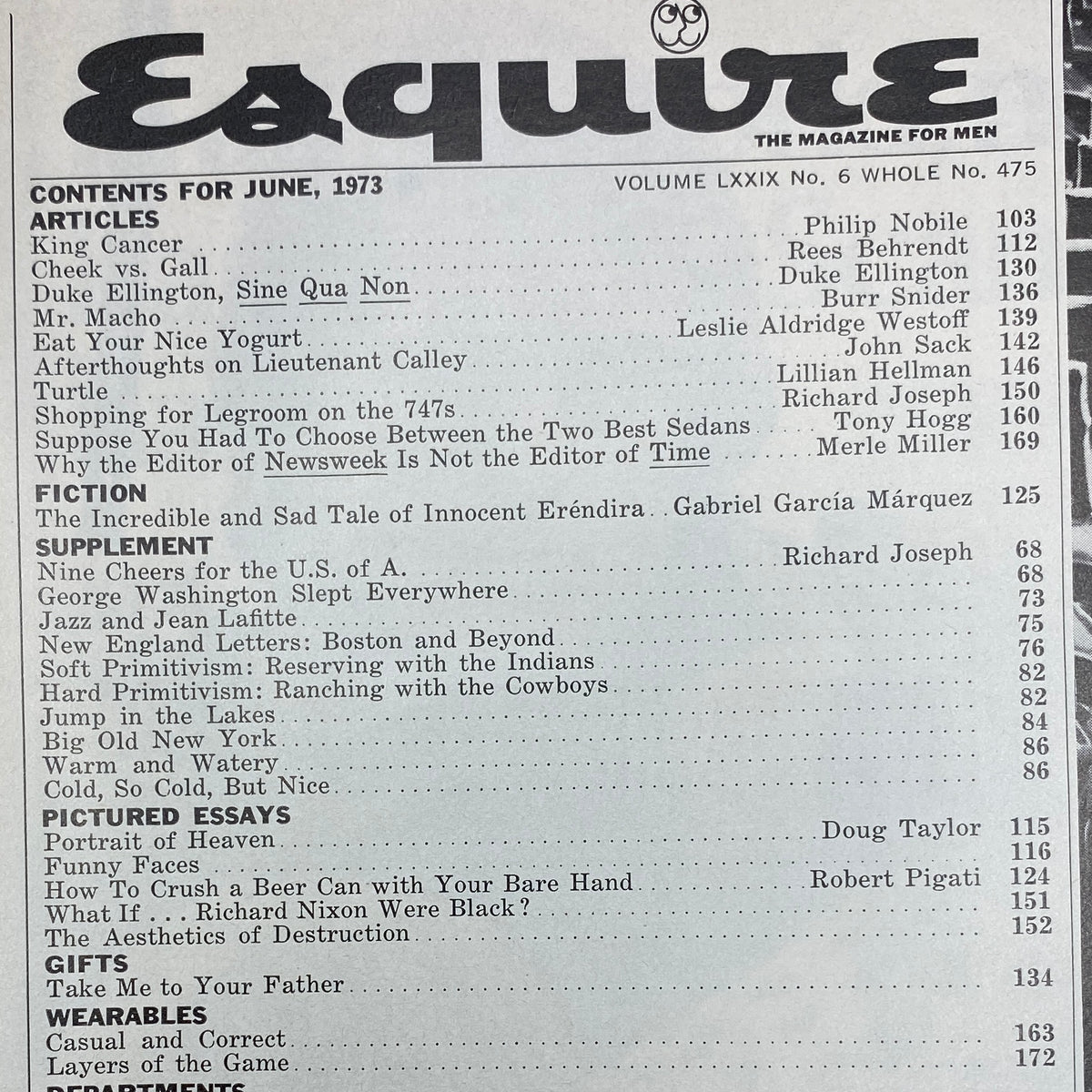
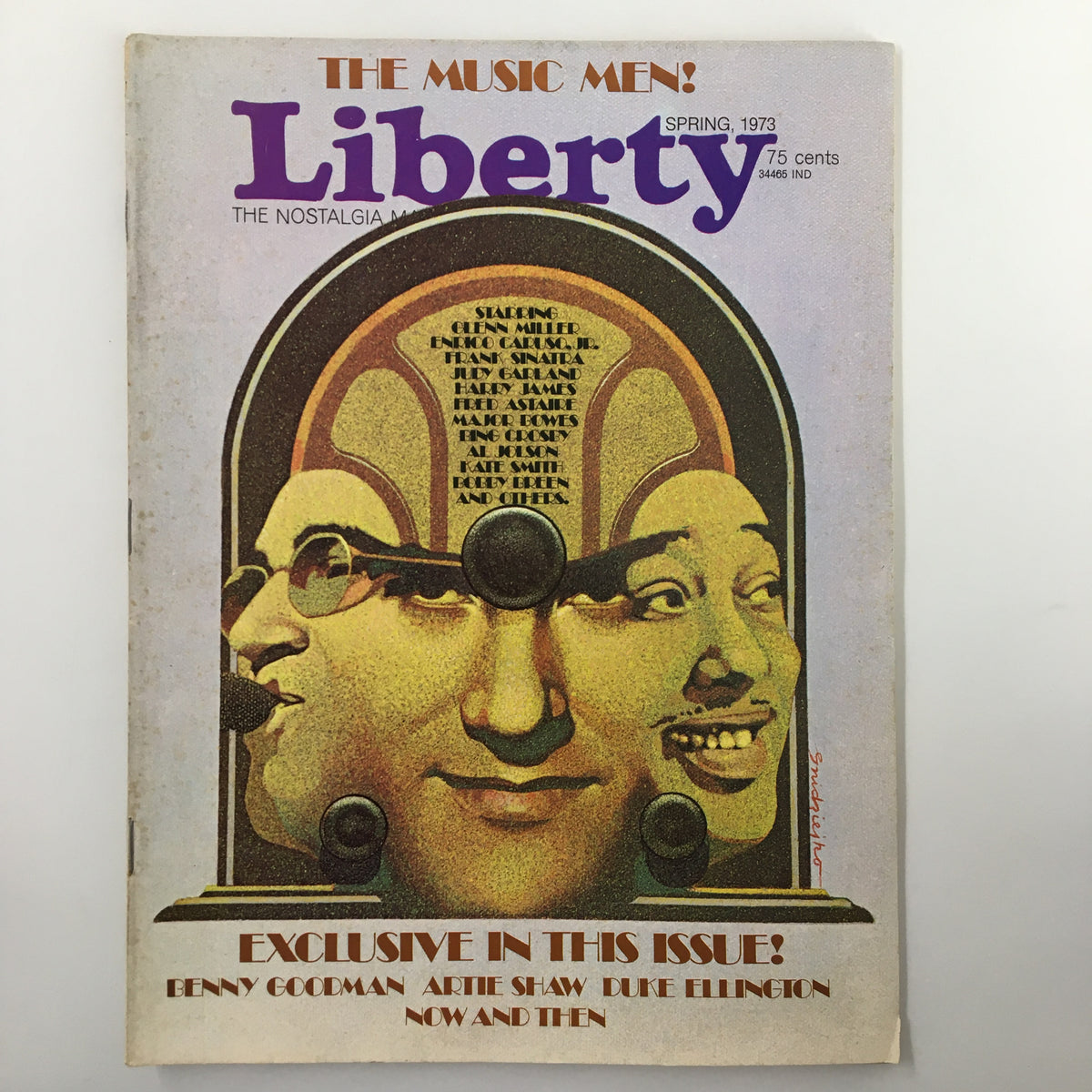
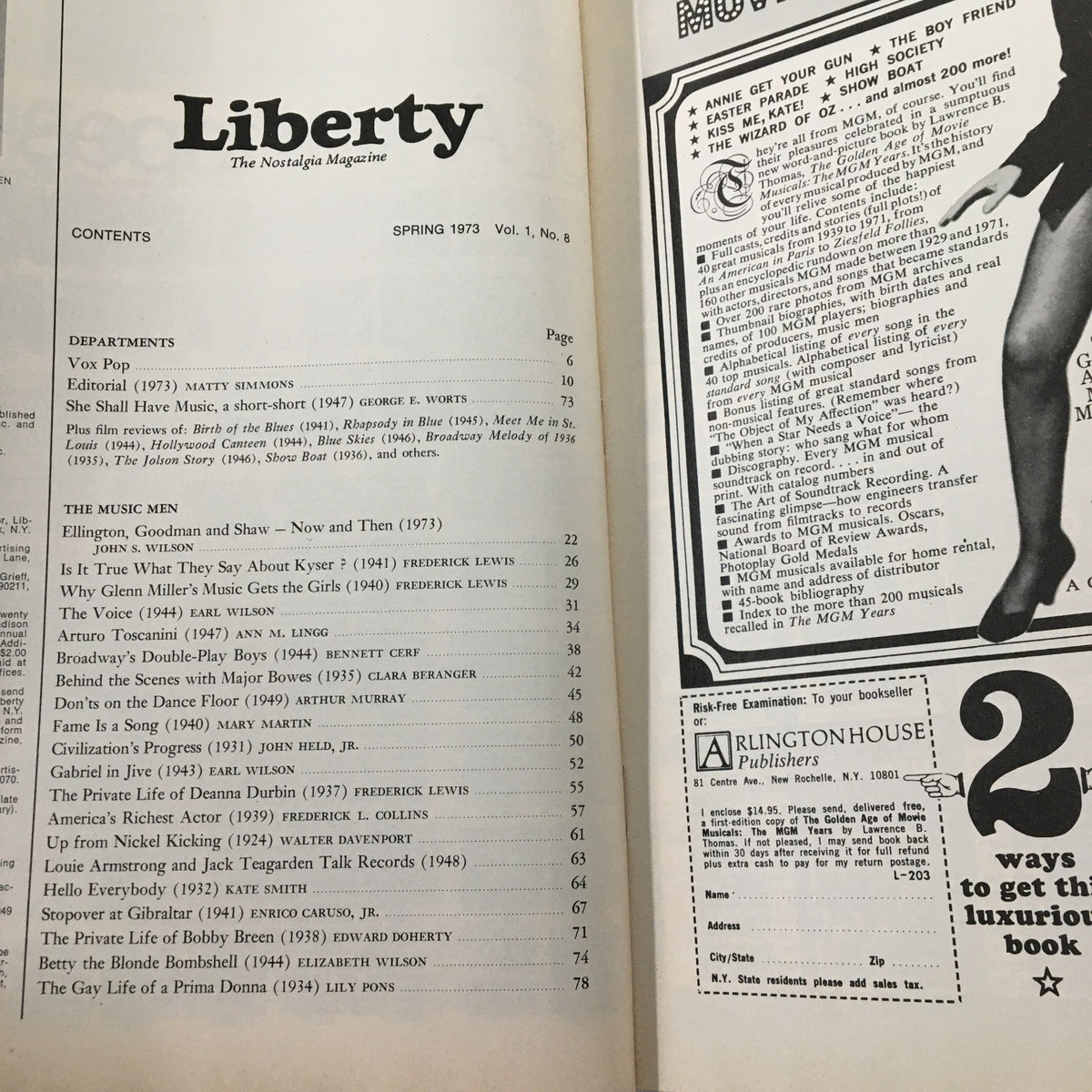
The vintage press followed Ellington from the Jazz Age to the space age. Music magazines analyzed his ambitious extended works with the seriousness usually reserved for classical composers, while general-interest titles profiled the impeccably dressed bandleader whose sophistication became a kind of national style. Photo spreads captured him at the piano, baton in hand, or holding court backstage in his flawless tailoring. As the decades passed, coverage traced his evolution from dance-hall sensation to elder statesman of American music, and tribute features following his death affirmed what critics had slowly come to accept: that he was among the greatest composers the country ever produced, in any genre.
Curator's Checklist: Highlights Often Include
- The Cotton Club Era: Coverage tracing his rise through Harlem's most famous stage and the recordings that made his orchestra nationally famous.
- The Great Compositions: Features on the standards and extended works that carried jazz into the concert hall.
- The Elegant Bandleader: Photo profiles of Ellington's singular style and the virtuoso musicians he wrote for by name.
- Elder Statesman: Coverage of his later honors, world tours, and the Presidential Medal of Freedom.
- Legacy & Tribute: Retrospectives following his 1974 death, weighing his place at the summit of American music.
The Collector's Value
An original magazine featuring Duke Ellington is a primary document of the moment jazz claimed its place as serious American art. These issues preserve, in the language of their own time, the reception of a composer who elevated a dance-hall music into something enduring and grand. For collectors of jazz history, African American history, or 20th-century culture, few names carry more sophistication. Explore our current inventory below to see which chapter of the Duke's story is available today.