📖 About this Collection
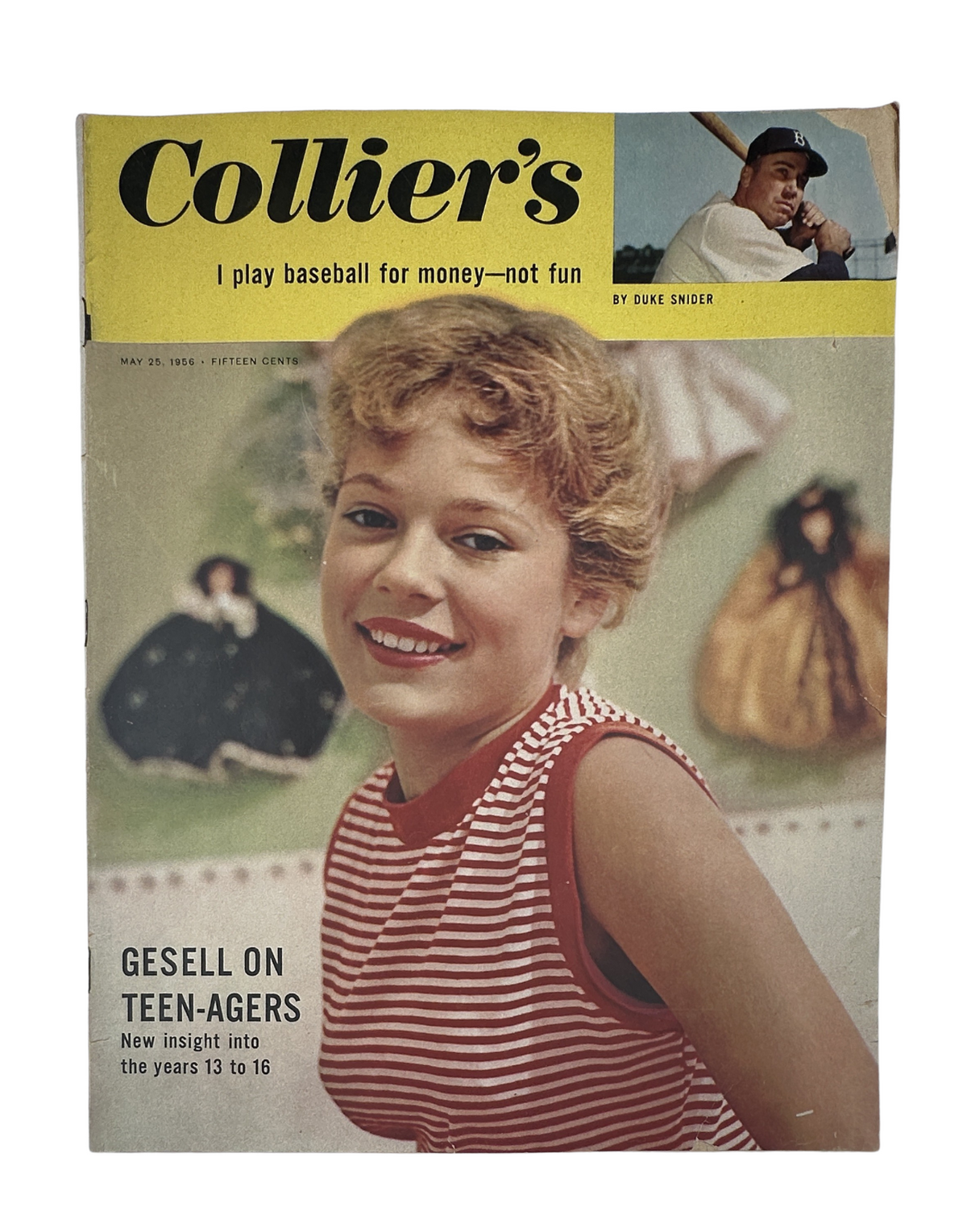
Duke Snider: Silver Bat, Blue Heaven
The Legend & The Legacy
In the golden postwar years when baseball was America's undisputed national religion, Duke Snider reigned as one of its most celebrated high priests. Center fielder for the Brooklyn Dodgers through the borough's most passionate and heartbroken decade, he was the offensive engine of a team that defined civic identity for an entire city — a city that measured its soul, at least in part, by what happened at Ebbets Field. During the remarkable 1950s, Manhattan alone housed three center fielders of mythic caliber — Mantle in the Bronx, Mays in Harlem, and the Silver Fox in Flatbush — yet it was Snider who held the hearts of Brooklyn's faithful most completely. When the Dodgers finally broke the curse and won the 1955 World Series, ending decades of anguished near-misses, his clutch hitting and elegant outfield play were central to the triumph. Then came 1958, and the unthinkable departure to Los Angeles, a wound Brooklyn never fully healed. His story — of glory, loyalty, heartbreak, and a city abandoned — was told almost entirely through the printed page, through the photographs and prose of magazines that landed on doorsteps and waited on barbershop tables across America.
Inside the Archive
Vintage magazines of the late 1940s through the early 1960s captured Duke Snider with the reverential lens that era reserved for its purest athletic heroes. Sports Illustrated, launched in 1954 just as he was ascending to his peak powers, featured the Dodgers and their charismatic center fielder regularly, its photography crisp and heroic, its editorial tone earnest and admiring — the sport treated as genuine American art. Life magazine, the great visual chronicle of mid-century America, brought him into living rooms far beyond the boroughs, its large-format pages giving full dramatic weight to his left-handed swing, one of the most aesthetically pleasing in the game. Sport magazine — the dedicated monthly that rivaled Sports Illustrated in the pre-cable era — produced some of the most intimate profiles of the era's stars, and Snider, with his movie-star bearing and emotional honesty, made for compelling copy. Coverage of the era also frequently surfaces in regional publications and Dodgers yearbooks, where photographs of Ebbets Field's intimate grandeur and the team's legendary clubhouse culture serve as extraordinary time capsules of a lost New York.
Curator's Checklist: Highlights Often Include
- World Series coverage from 1952, 1953, 1955, and 1956 — collectors frequently seek issues documenting Brooklyn's pursuit of championship glory, particularly the jubilant 1955 victory that ended the famous "Wait 'til next year" lament
- Features on the legendary Brooklyn Dodgers roster — issues spotlighting Jackie Robinson, Roy Campanella, Pee Wee Reese, and the broader Boys of Summer, in which Snider appears as a cornerstone figure and frequent subject
- The 1958 West Coast relocation coverage — magazines from the transitional period documenting the Dodgers' controversial move to Los Angeles, with Snider navigating the vast outfield dimensions of the LA Coliseum
- All-Star and home run milestone features — he slugged 40 or more home runs in five consecutive seasons (1953–1957), a streak that drew consistent national magazine attention and earned him repeated recognition as one of the game's premier power hitters
- Hall of Fame induction retrospectives from 1980 — publications marking his enshrinement in Cooperstown often include rich photographic lookbacks across his career, ideal for collectors seeking comprehensive biographical coverage
The Collector's Value
To hold a vintage magazine featuring Duke Snider is to hold something the internet can never replicate — a physical artifact from the living, breathing moment when his story was still unfolding. The paper stock of a 1950s Life or Sport carries a particular weight and warmth, slightly yellowed at the edges with the dignified patina of honest age, and the ink carries that faint, evocative scent that belongs entirely to mid-century print. The advertisements surrounding the editorial content — Chevrolets, Pabst Blue Ribbon, Gillette razors — are themselves a portal, framing the baseball hero within the full texture of the era that produced him. These are primary sources, not reproductions; they represent how Americans actually experienced greatness in real time, before highlight reels and social media reduced athletic legend to a scroll. For collectors of Brooklyn Dodgers memorabilia, Golden Age baseball history, or postwar Americana, these publications offer an irreplaceable depth of context and emotional resonance that no modern reprint or digital archive can approximate. Explore the current available inventory below and discover which pieces of the Silver Fox's story are waiting to come home with you.