📖 About this Collection
Dustin Hoffman: The Actor Who Made America Look in the Mirror
The Legend & The Legacy
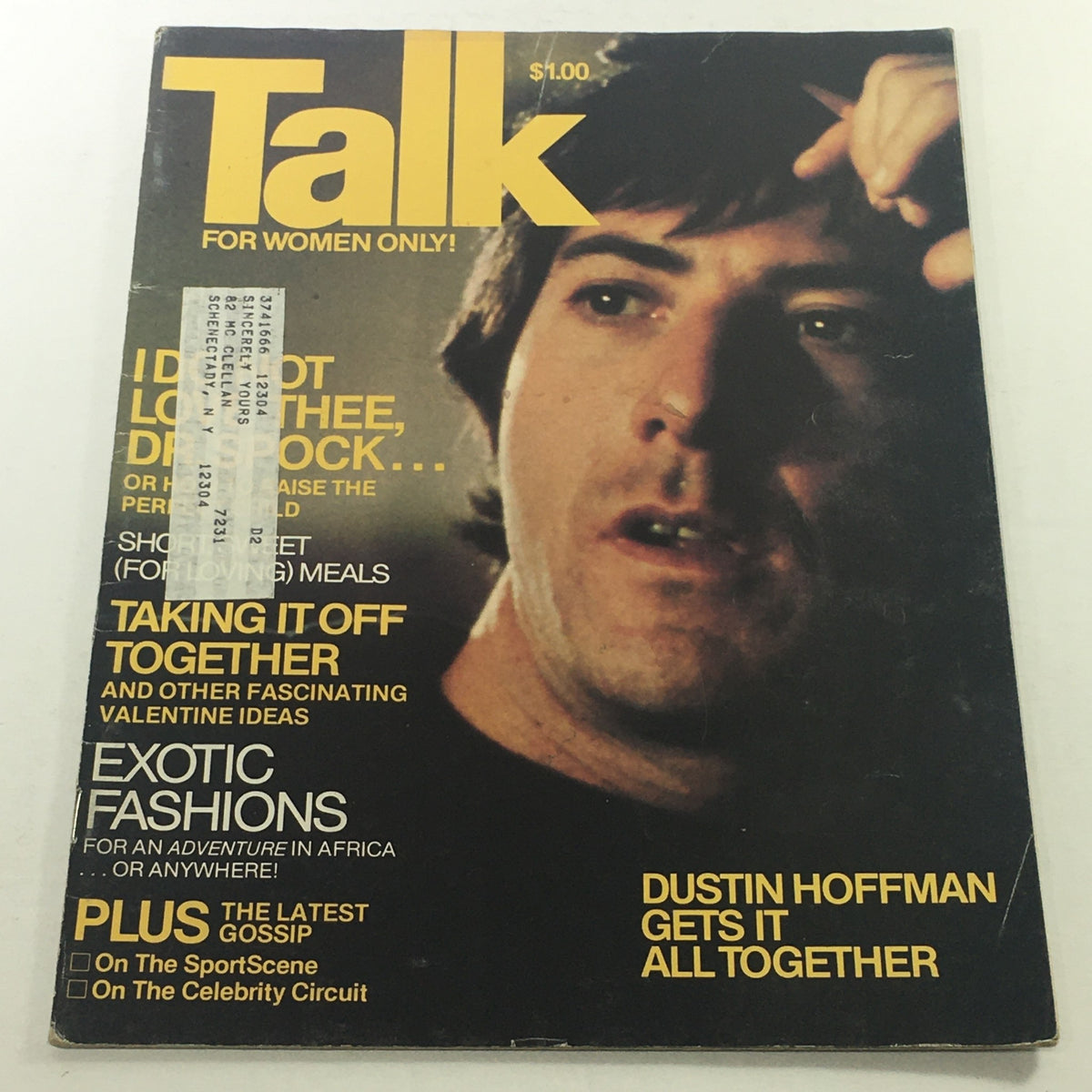
Few figures in twentieth-century American cinema so completely dismantled the mythology of the leading man as the slight, intense young actor who arrived on Broadway in the early 1960s and rewrote the rules entirely. When The Graduate landed in 1967, audiences who had grown up on chiseled, square-jawed heroes were confronted with something bracingly different — a man who fumbled, drifted, and yearned, yet held the screen with an almost uncomfortably human gravity. The cultural conversation that erupted in the pages of magazines, newspaper supplements, and Sunday arts sections was not merely about a film; it was about a generation's crisis of identity, its rejection of postwar prosperity's hollow promises, and its hunger for authenticity. And he was, for that moment and for the decades that followed, its most eloquent embodiment. From Midnight Cowboy to Kramer vs. Kramer, from Tootsie to Rain Man, each new role arrived as a genuine cultural event — debated in living rooms, analyzed in intellectual journals, and documented in breathtaking, carefully lit photographic spreads that a reader could hold in their hands.
Inside the Archive
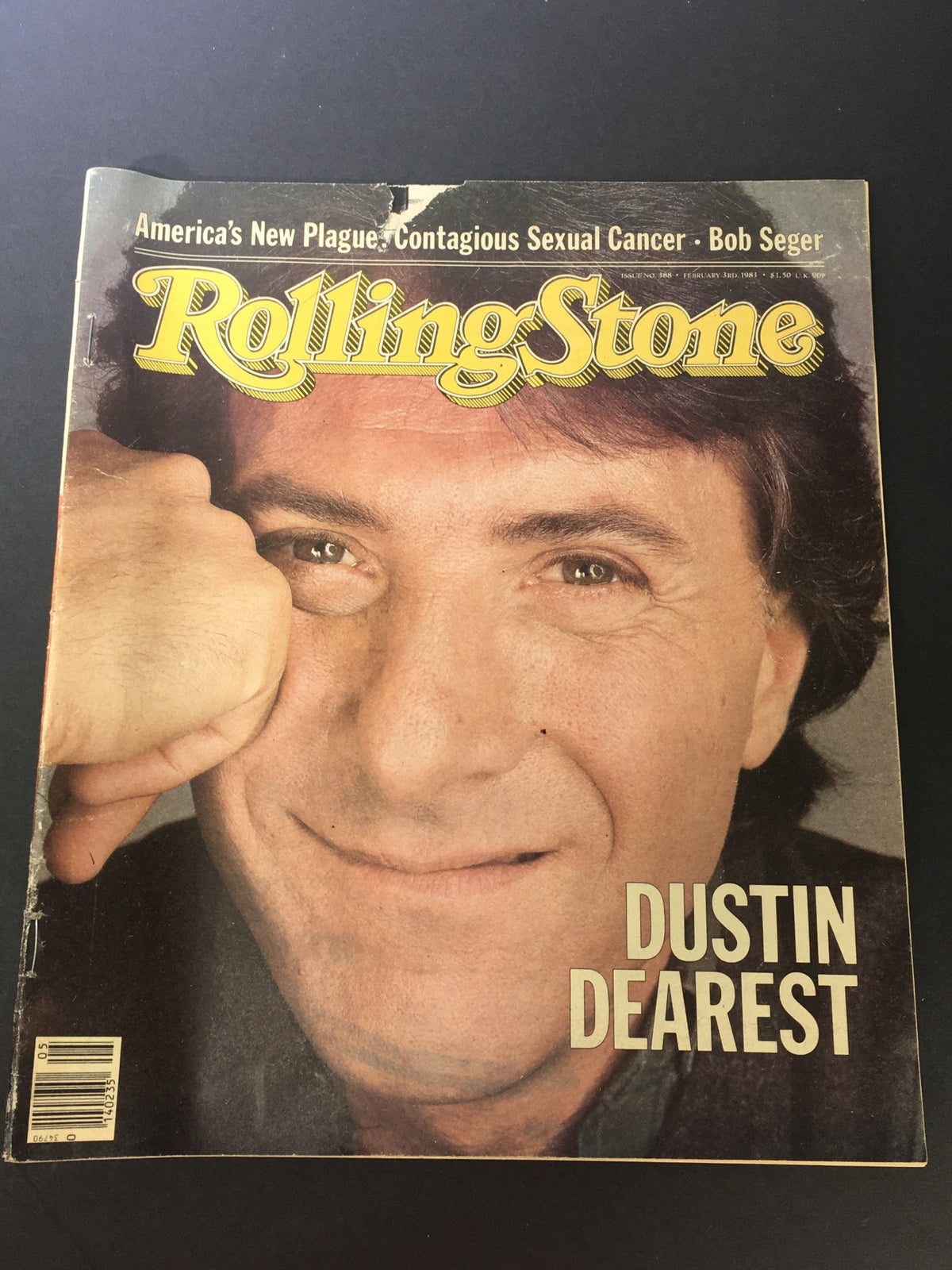
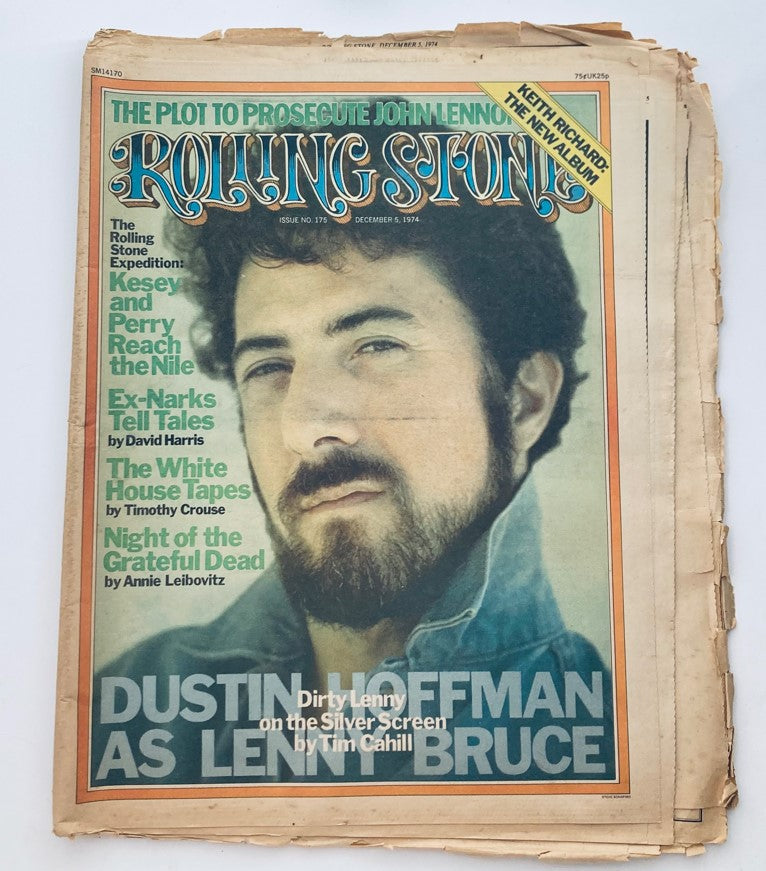
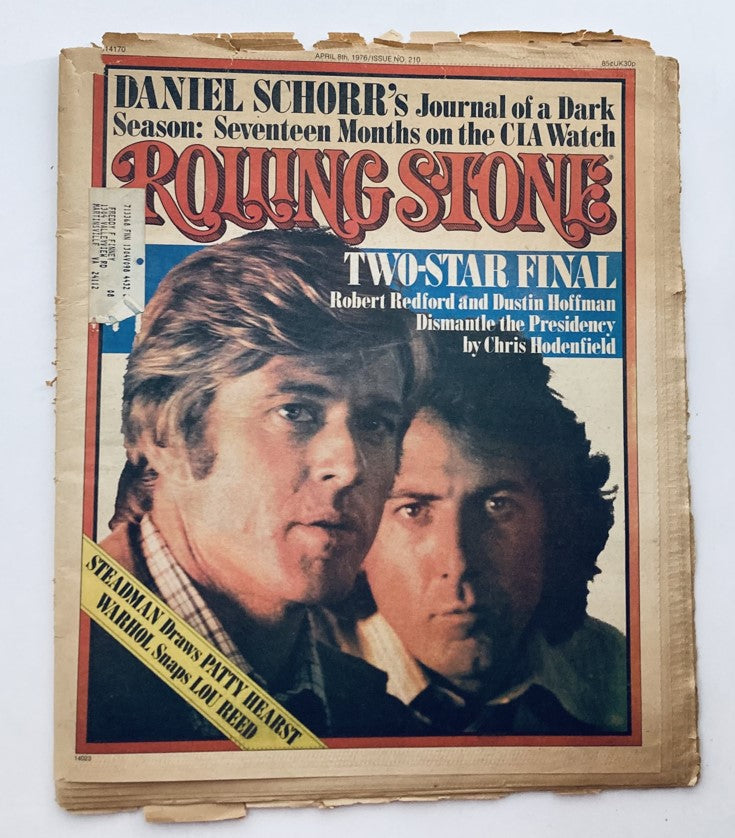
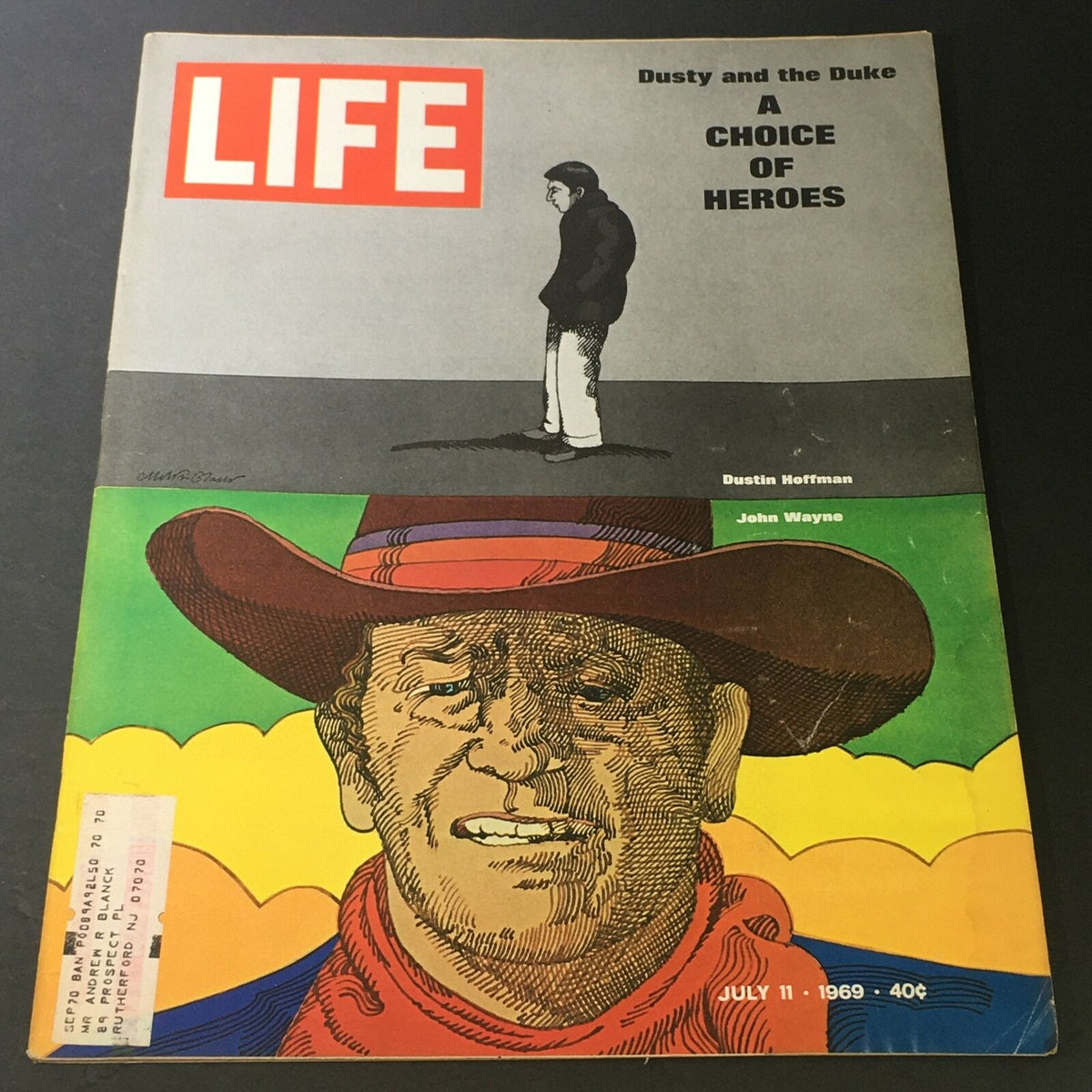
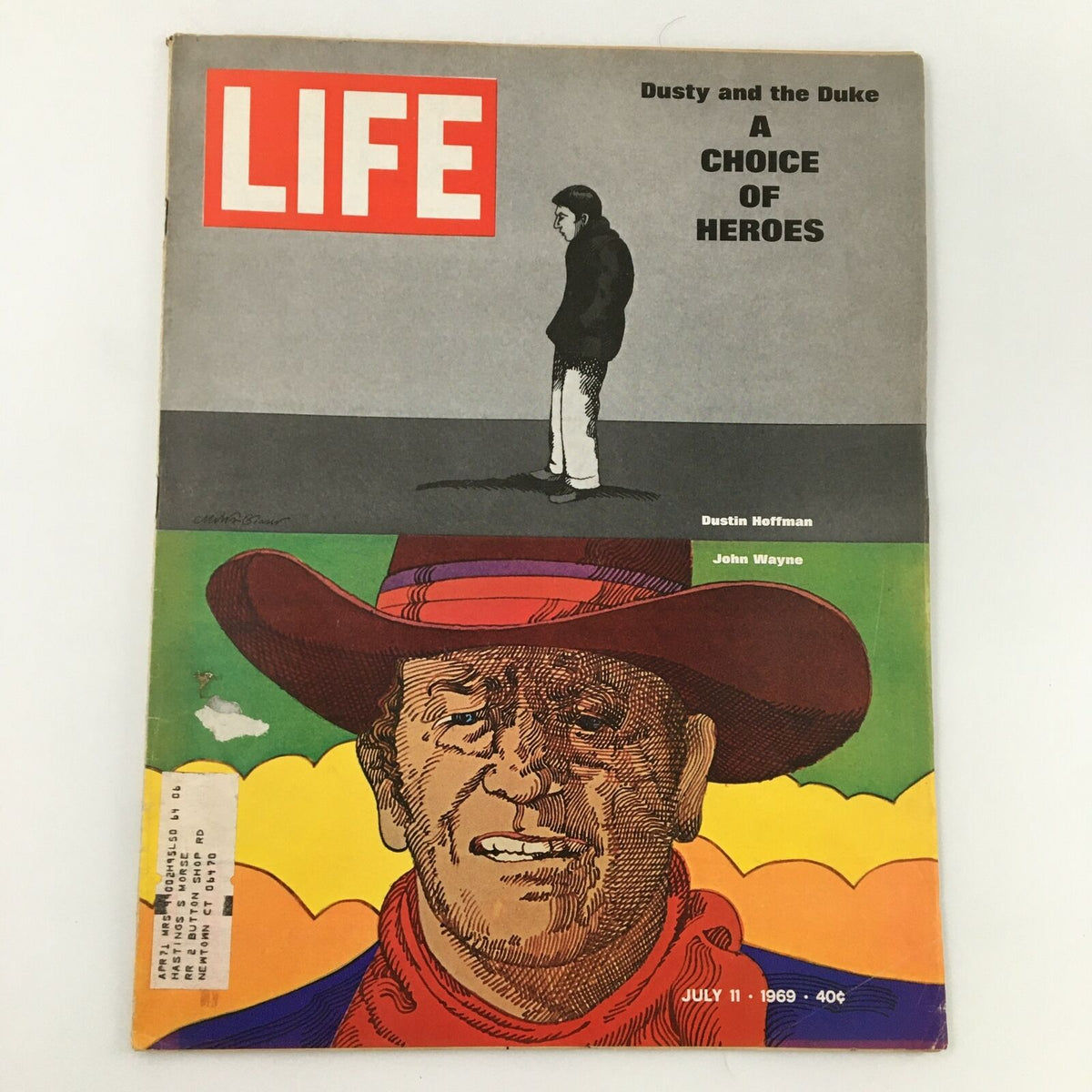
The print media of the late 1960s through the 1980s tracked his career with the reverence typically reserved for heads of state or literary giants. Life magazine, in its golden final years as a weekly publication, understood that his face — so expressive, so stubbornly non-classical — was ideal for the cover treatment, and features from this era frequently combined candid on-set photography with the kind of deeply reported narrative profiles that journalists no longer have the column inches to write. Rolling Stone, which in the 1970s operated as much as a cultural record as a music publication, engaged with his work with intellectual seriousness, situating him within the broader collapse and reinvention of American identity. Internationally, Paris Match brought its characteristically lush, cinematic portraiture to bear on his European celebrity, documenting the particular adoration that French audiences, with their longstanding reverence for American Method acting, extended to him. The editorial tone across publications was consistently one of fascination — here was a man who refused to be categorized, and editors found that irresistible.
Curator's Checklist: Highlights Often Include
- Breakthrough-era features from the late 1960s — coverage often captures the extraordinary cultural impact of The Graduate, with photographic essays documenting the seismic shift the film represented for Hollywood and for a generation coming of age in its shadow.
- In-depth profile journalism from the 1970s — issues from this decade frequently explore his deepening reputation as a transformative character actor, with coverage of Midnight Cowboy, All the President's Men, and Kramer vs. Kramer reflecting both critical adulation and the genuine public fascination with his process.
- Awards season documentation — collectors often seek issues coinciding with his Academy Award wins and nominations, when entertainment coverage reached its most expansive and celebratory register.
- Tootsie and the cultural conversation around identity — the early 1980s generated a remarkable wave of magazine coverage exploring the film's comedic and feminist dimensions, with the actor's image appearing across publications from mainstream entertainment weeklies to more literary periodicals.
- International and foreign-language publications — European magazines and film journals frequently offered a different perspective, treating him as a serious artistic figure rather than simply a Hollywood commodity, and these issues provide a fascinatingly distinct lens through which to understand his global stature.
The Collector's Value
There is something irreplaceable about holding the original document — the magazine that a reader in 1968 or 1979 pulled from a newsstand and carried home under their arm. The paper stock of a Life feature spread has a weight and texture that no digital scan can approximate; the slight yellowing at the margins is not decay but evidence of a life lived in the world. The ink of a 1970s Rolling Stone profile carries its own particular smell, faintly metallic and warm, and the surrounding advertisements — for cigarettes, for automobiles, for department stores long since closed — constitute their own accidental time capsule, a full portrait of the era in which this career unfolded. For collectors of classic Hollywood cinema, American New Wave film history, or Broadway and theatrical ephemera, these publications offer not merely memorabilia but genuine primary source documents — the unmediated record of how a culture understood itself in real time, through the work of one of its most restless and demanding artists. Explore the current available inventory below and find the issue that speaks to you.