📖 About this Collection
Dwayne Johnson: The Architecture of a Modern Titan
The Legend & The Legacy
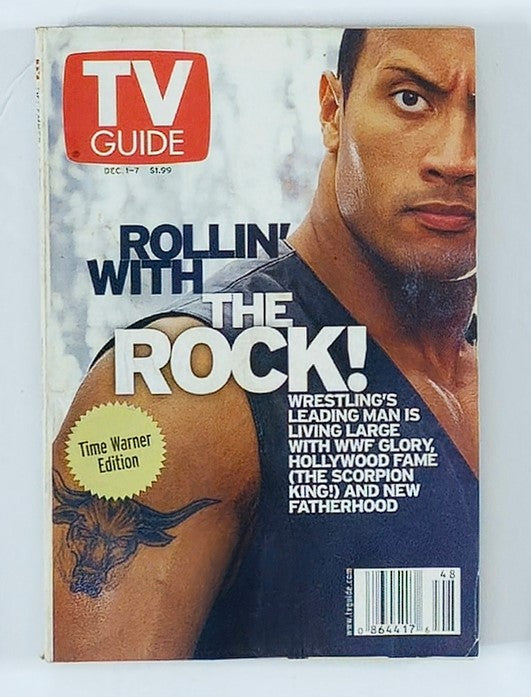
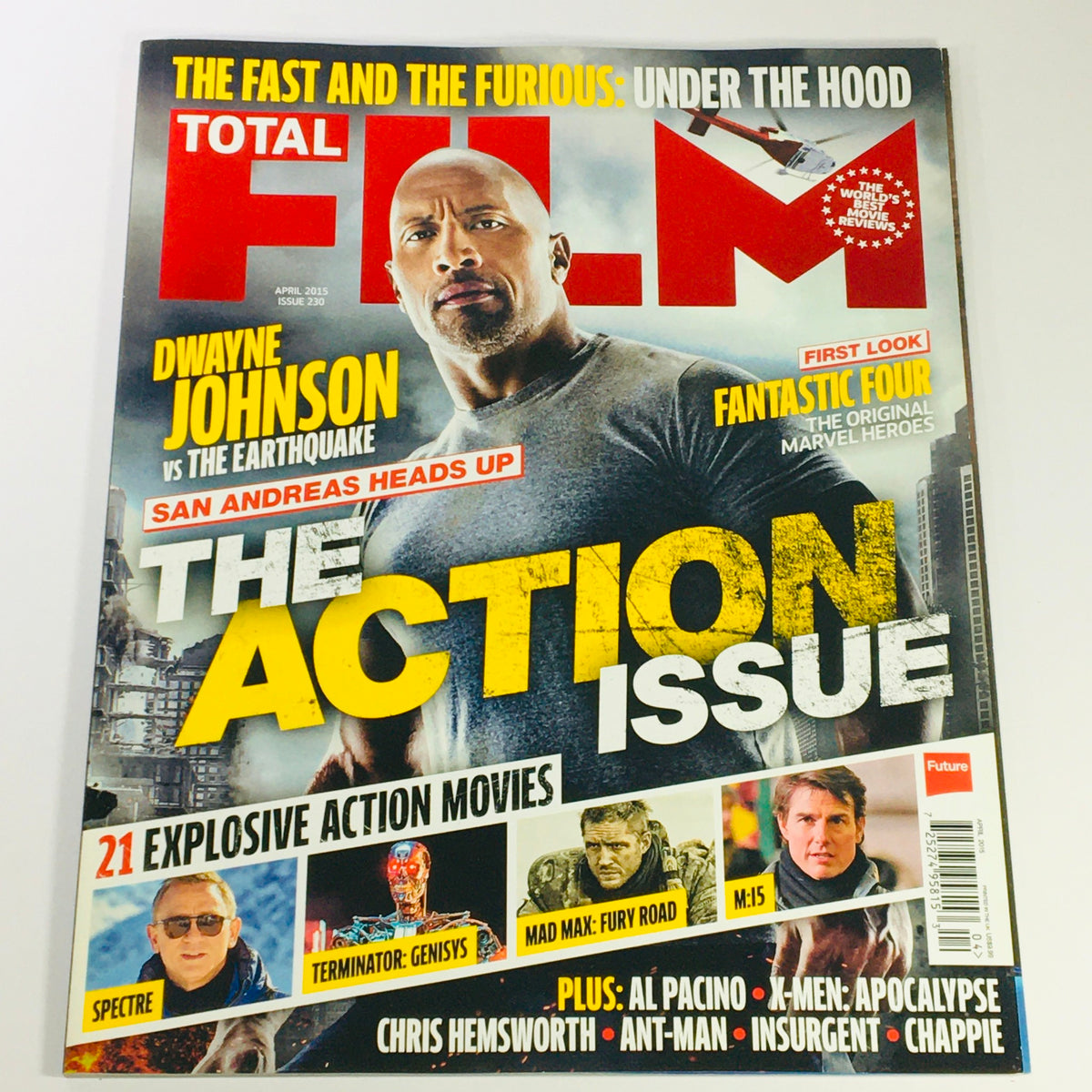
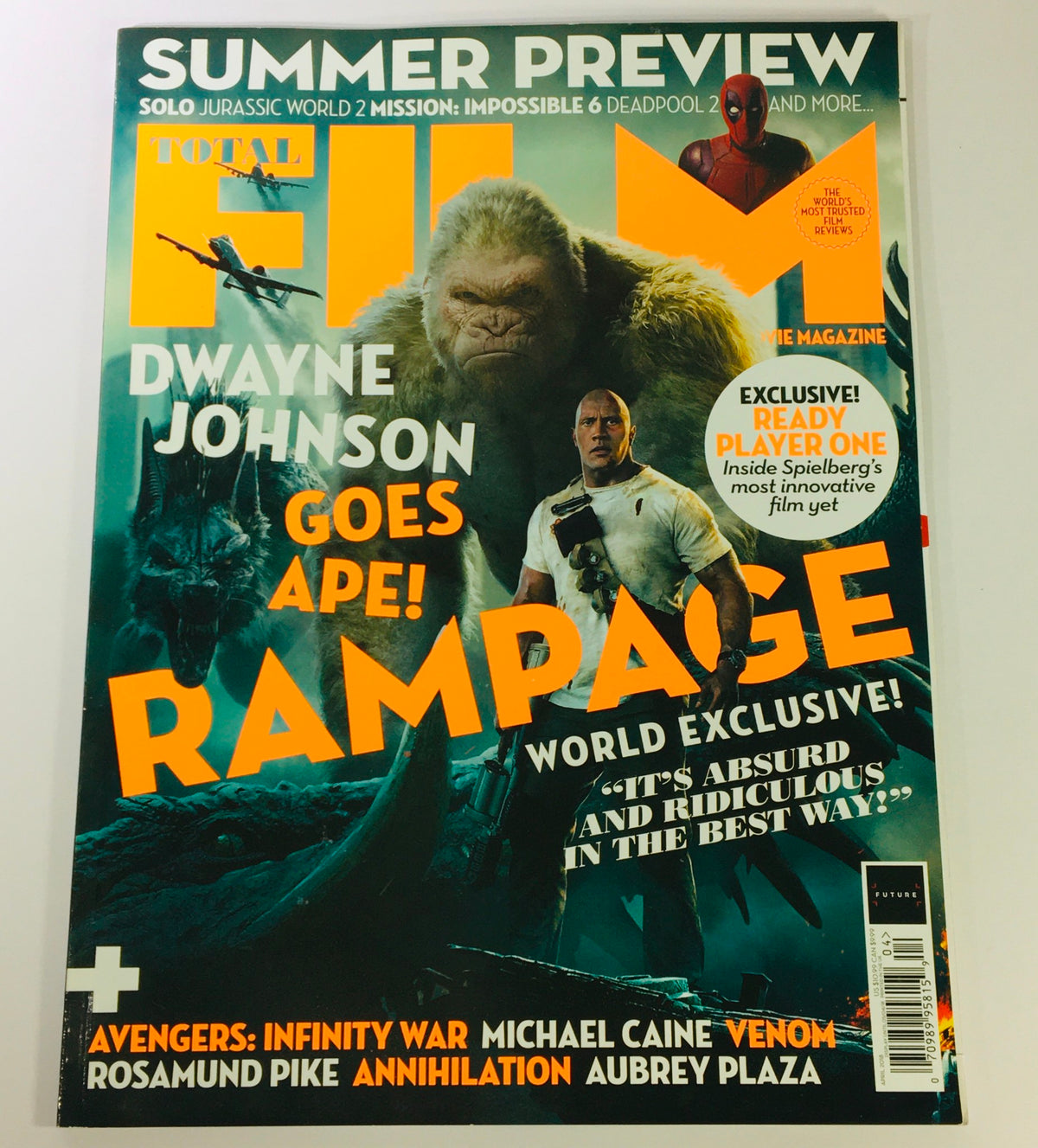
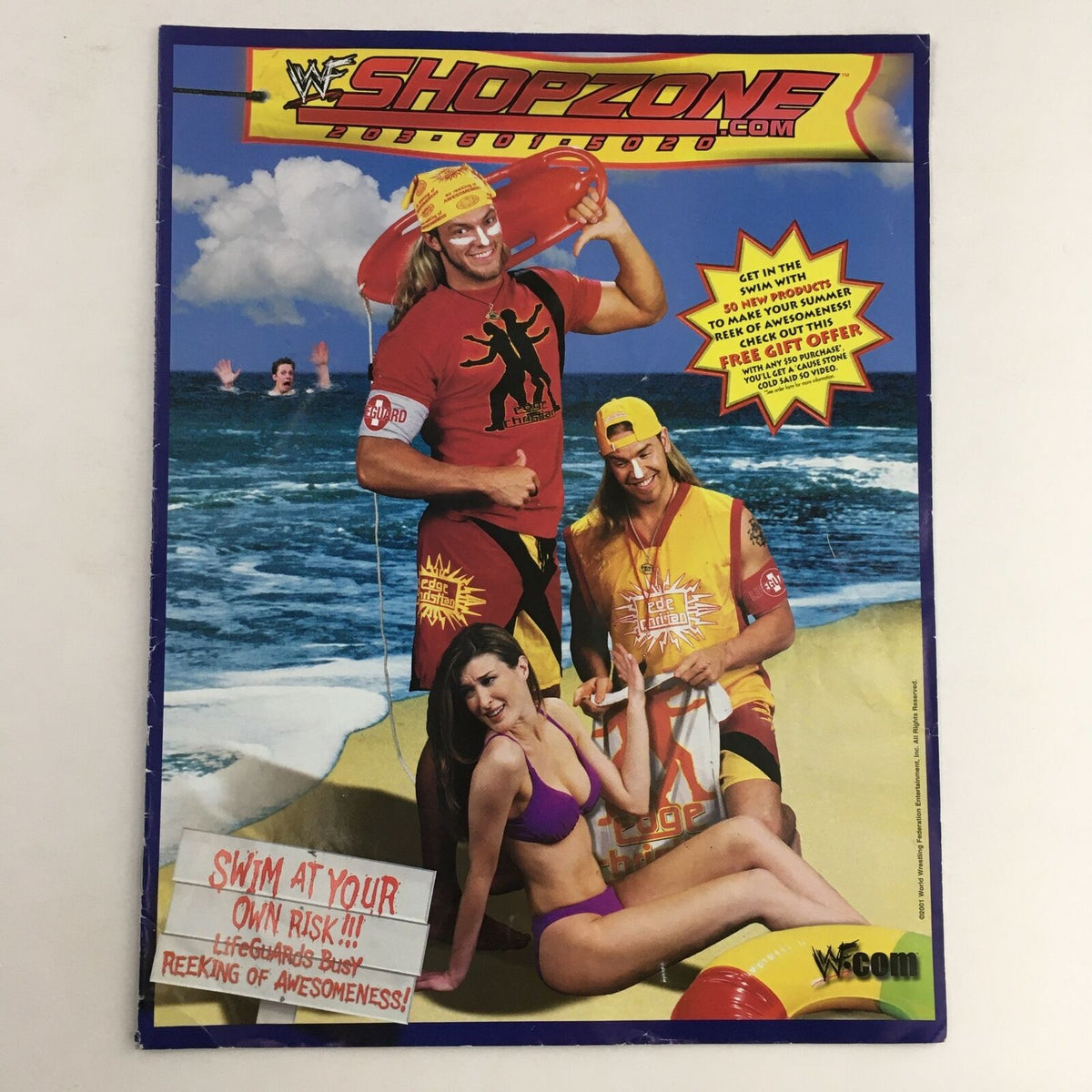
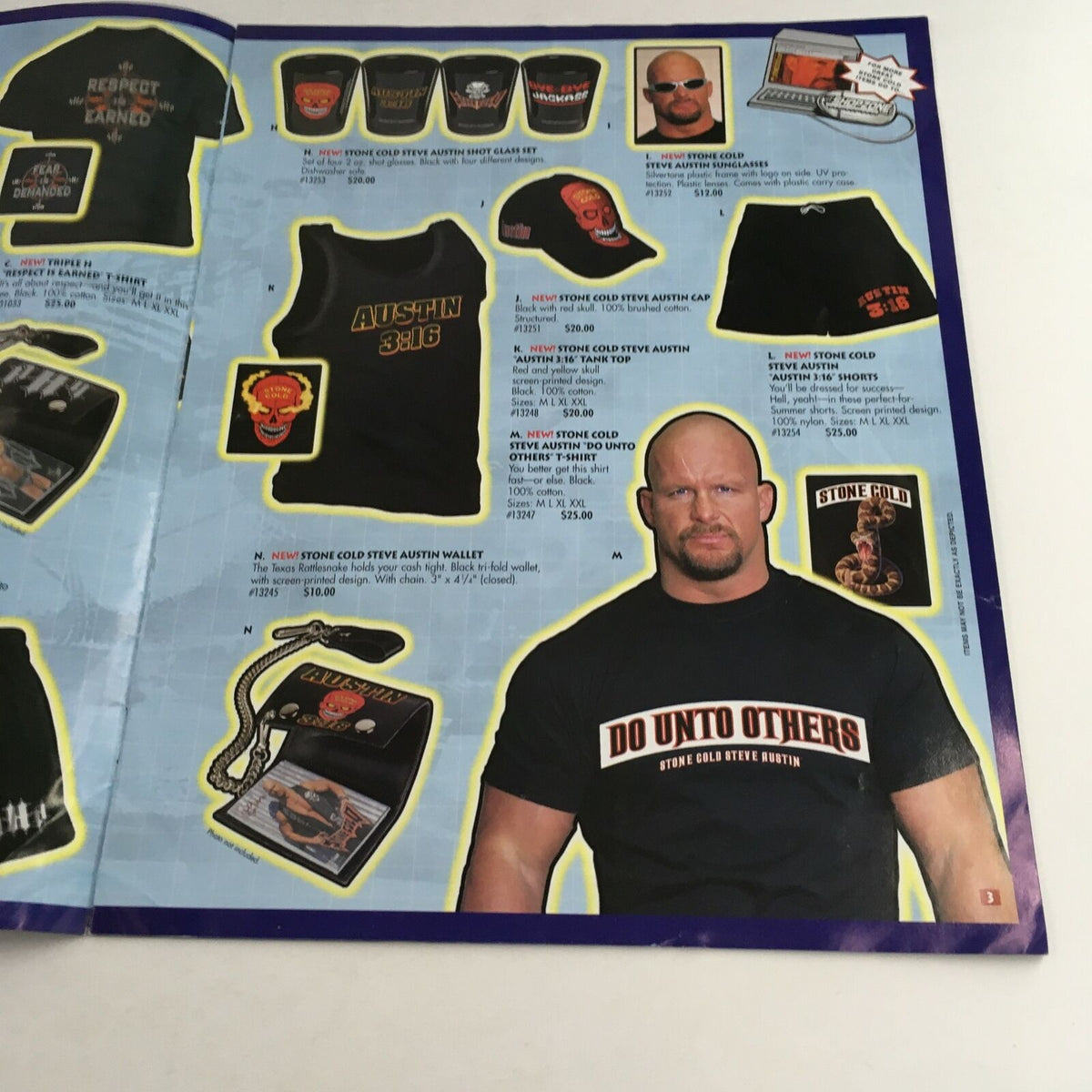
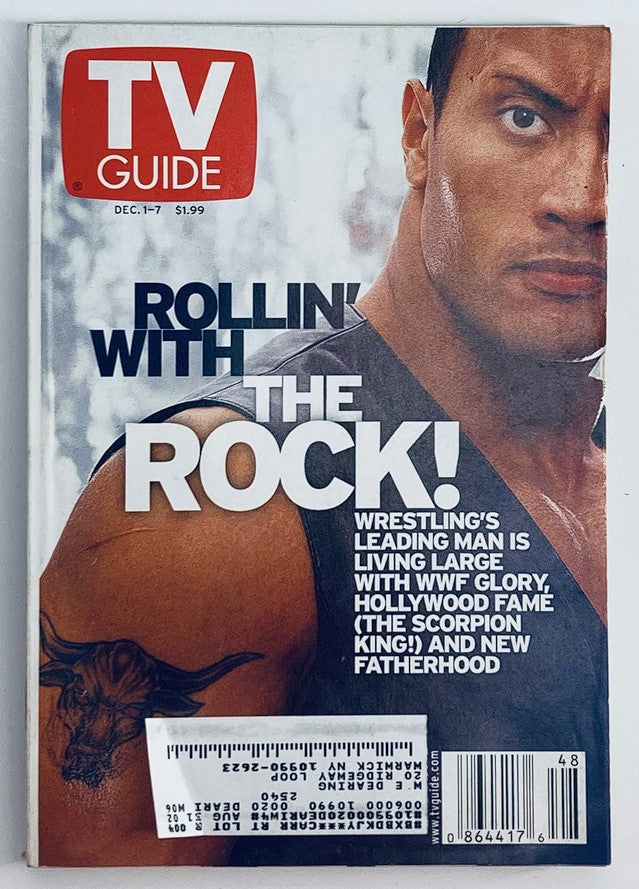
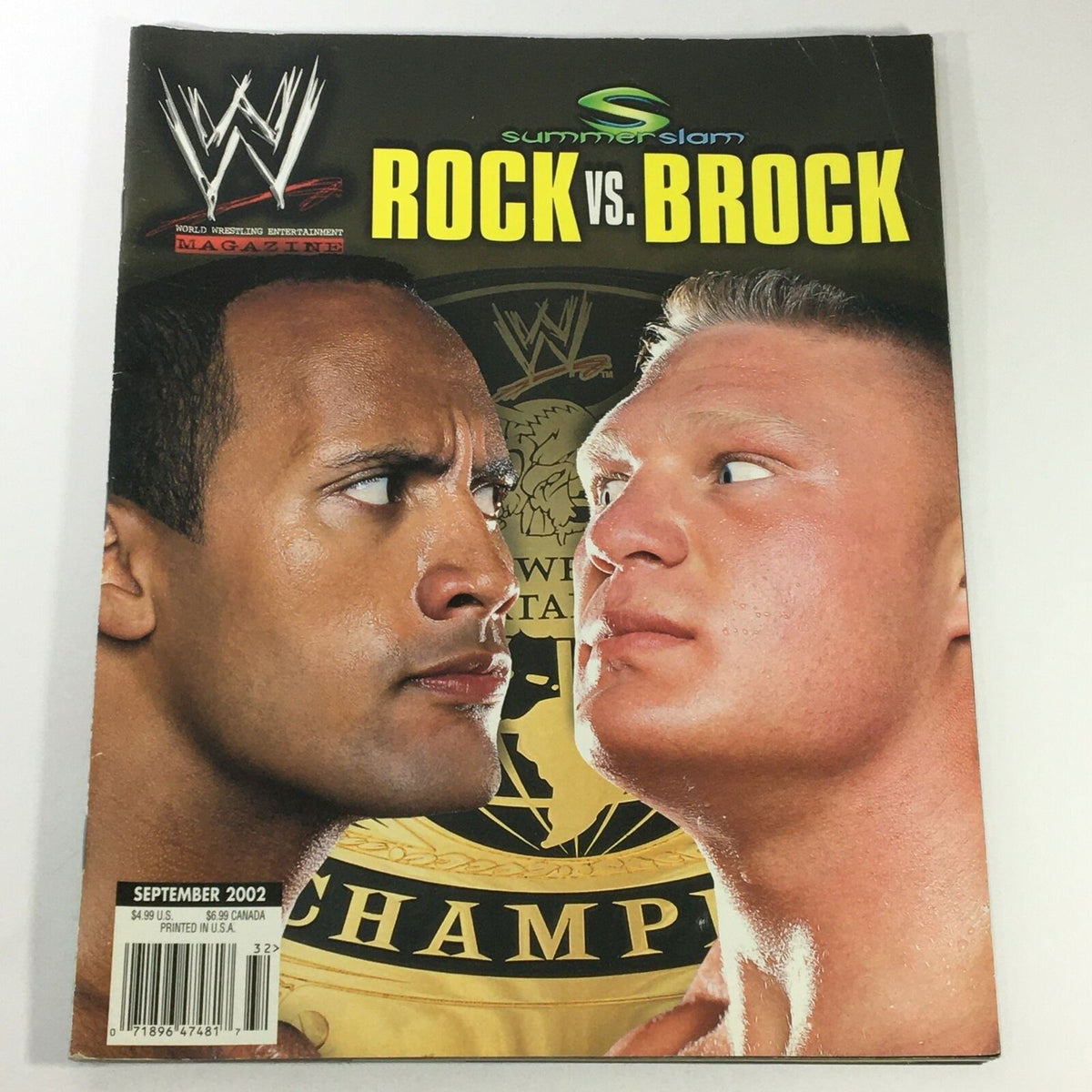
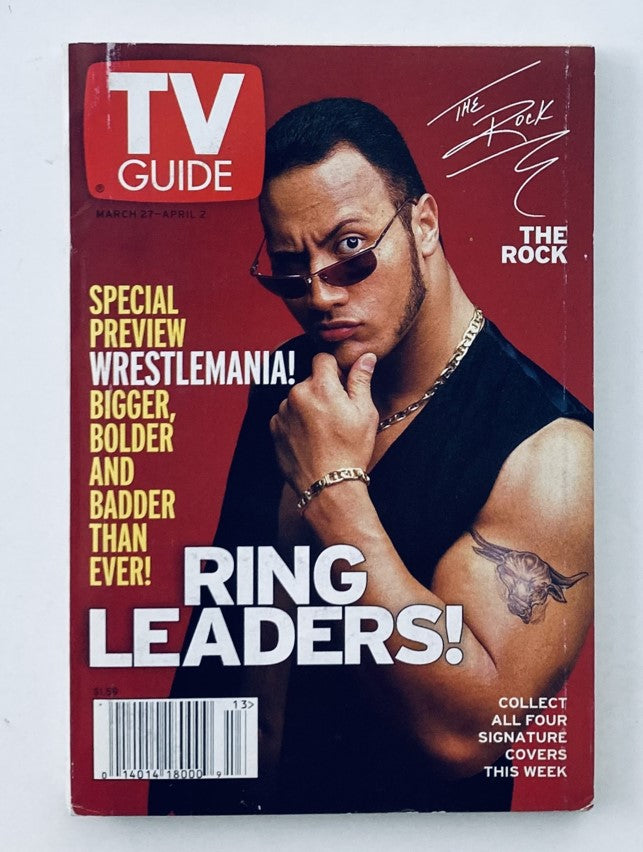
Before the age of algorithmic feeds and streaming empires, the metamorphosis of Dwayne Johnson was chronicled in ink and glossy paper — a saga that unfolded across newsstands, gym waiting rooms, and living room coffee tables across the world. He arrived first as a gladiator of the squared circle, the charismatic heir to a dynasty of wrestling royalty, carrying the bloodlines of "High Chief" Peter Maivia and Rocky Johnson into arenas that shook with the thunder of his name. In the late 1990s and early 2000s, the WWF's most electrifying performer didn't merely dominate his sport — he became a cultural phenomenon that spilled from the wrestling pages into mainstream consciousness, his catchphrases embedding themselves into the vernacular of a generation. Then came the second act: a Hollywood ascent so deliberate and total that it rewrote what was possible for an athlete-turned-actor, his face graduating from the back pages of sports weeklies to the cover lines of entertainment glossies. All of it — every championship belt raised, every blockbuster announced, every candid glimpse of the man behind the persona — was first told not by a tweet, but by a photographer's flashbulb and an editor's headline.
Inside the Archive
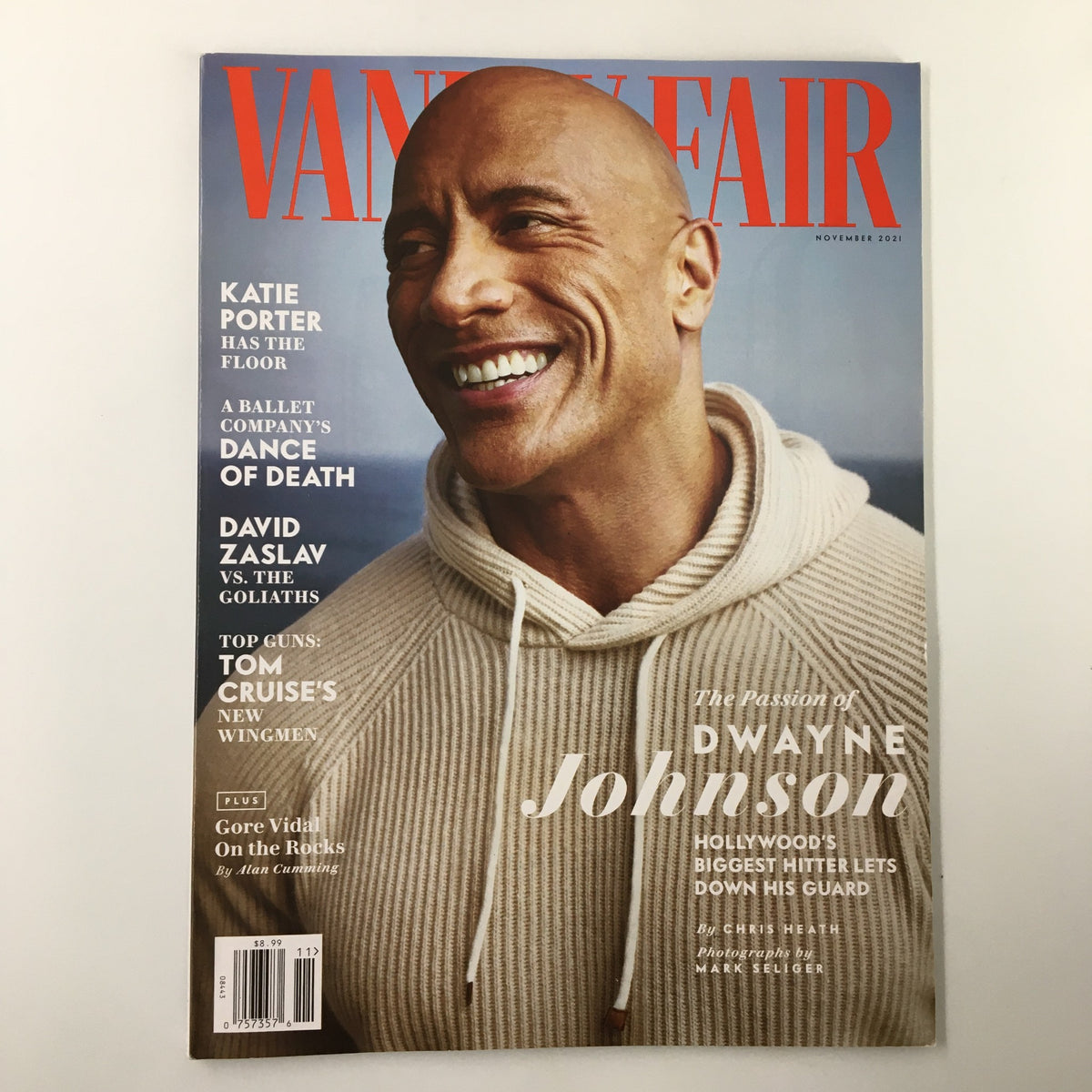
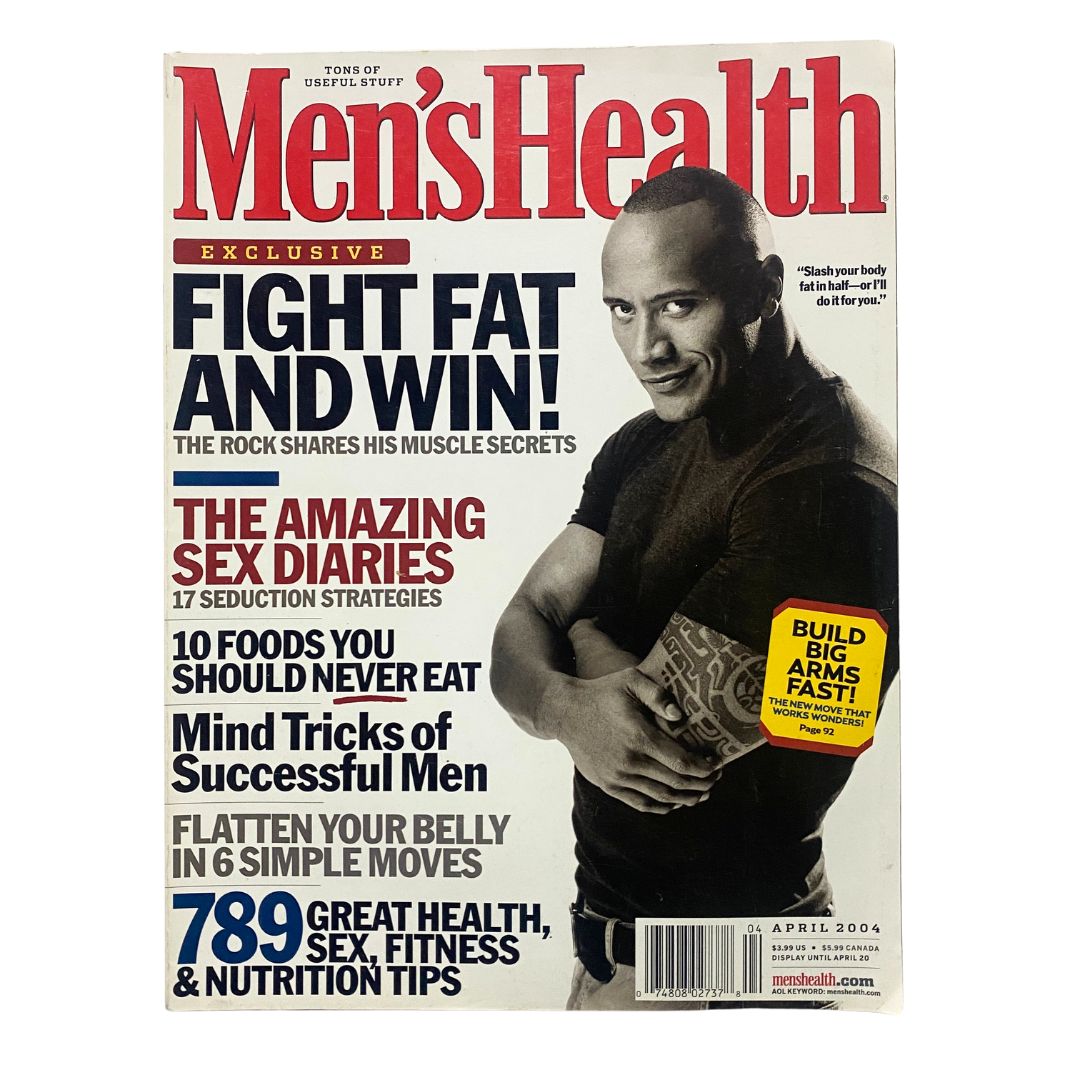
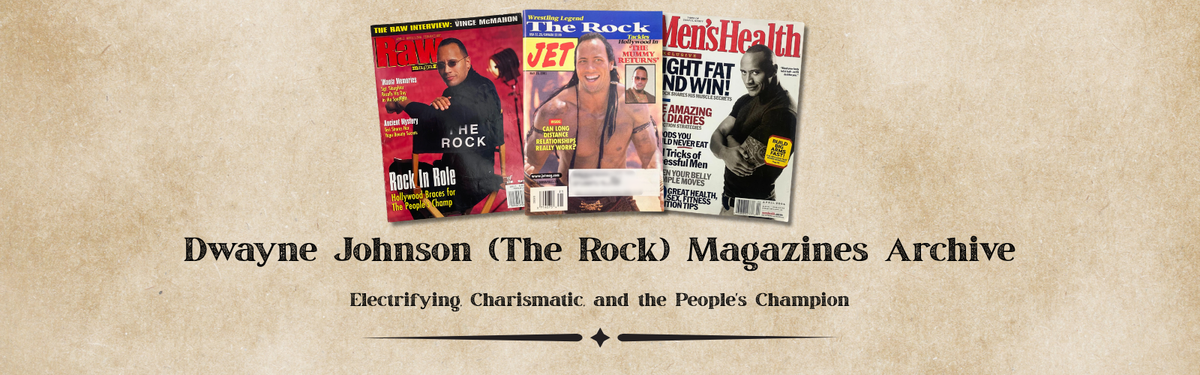
Vintage magazines captured him with a visual language that oscillated between raw athletic power and sculpted, almost mythological grandeur. The photography of his wrestling years leaned into drama and spectacle — ring lights cutting hard shadows across an impossibly proportioned frame, the crowd a blurred sea of adoration behind him. As his Hollywood profile rose, the editorial gaze softened into something more intimate: profile shoots for Entertainment Weekly and Men's Health that lingered on the discipline behind the physique, pairing commanding portraiture with long-form narratives about reinvention and ambition. Sports Illustrated, which had long treated professional wrestling with a complicated fascination, found in him a subject worthy of genuine athletic reverence. Meanwhile, Ebony and Essence honored the profound significance of a man of Black and Samoan heritage ascending to the highest tiers of both sports entertainment and global cinema — contextualizing his rise within a broader, vital cultural conversation about representation and possibility. International titles, too, took notice; European entertainment weeklies tracked his Hollywood trajectory with the enthusiasm reserved for once-in-a-generation crossover stars.
Curator's Checklist: Highlights Often Include
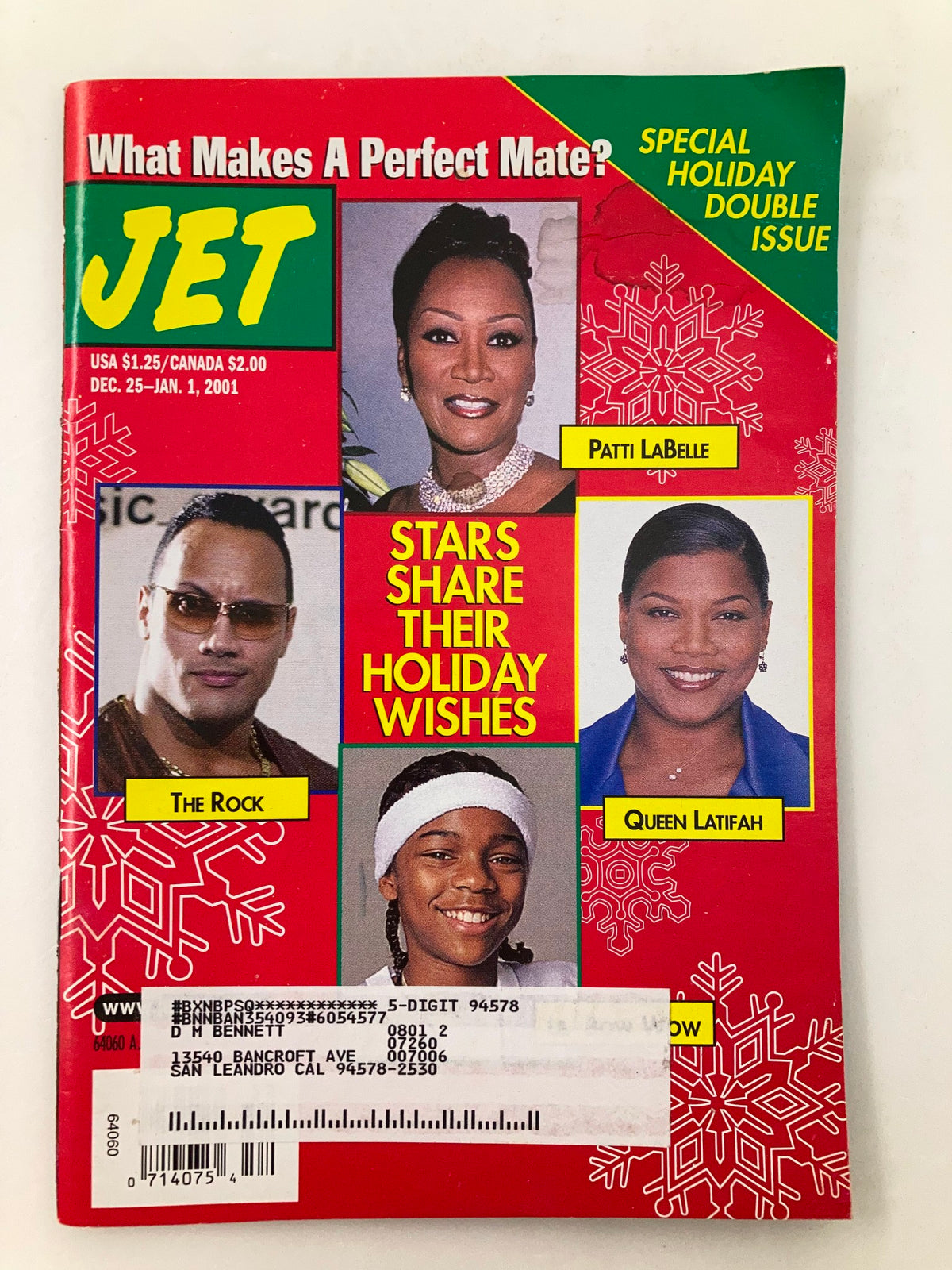
- WWF/WWE Championship Era Coverage (late 1990s–early 2000s): Wrestling-specific publications and mainstream sports weeklies documenting the birth of "The Rock" persona, Royal Rumble victories, and the legendary rivalries that defined the Attitude Era
- Hollywood Breakthrough Features: Entertainment and film trade publications from the early-to-mid 2000s charting his transition from The Scorpion King onward, often featuring studio-era portraiture and behind-the-scenes photography
- Men's Fitness & Physique Profiles: Issues of Men's Health, Muscle & Fitness, and comparable titles offering training philosophies, dietary regimens, and aspirational cover imagery that became benchmarks of the genre
- Cultural & Representation Milestones: Features in publications such as Ebony, People, and Time that situated his success within conversations about diversity in Hollywood and the evolving definition of the American action hero
- International & Foreign-Language Editions: European, Australian, and Latin American entertainment magazines covering his global box office dominance, offering a fascinating cross-cultural lens on how the world received his stardom
The Collector's Value
There is something irreplaceable about holding the moment in your hands — the slight give of a decades-old cover stock, the faintly sweet oxidation of aged ink, the full-page advertisements for products and fashions that place you precisely in another era as surely as any time machine. A vintage Men's Health from 2002 does not merely feature Dwayne Johnson; it surrounds him with the full texture of his time — the car ads, the film trailers rendered in print, the cultural anxieties and aspirations of an audience that was, in that very moment, watching something extraordinary unfold in real time. These are primary source documents, not reprints or commemorations, but the original artifacts through which a generation first understood what this man represented. For collectors of professional wrestling memorabilia, Hollywood golden-era ephemera, or cultural history centered on Black and Pacific Islander achievement, these publications offer an irreplaceable and deeply human connection to a story still very much alive in the cultural imagination. Browse the current inventory below and discover which chapter of the legend is waiting for you.