📖 About this Collection
Ed Sullivan: The Curtain That Never Fell
The Legend & The Legacy
For nearly a quarter of a century, Ed Sullivan was not merely a television host — he was the gatekeeper of American culture. Every Sunday night from 1948 to 1971, tens of millions of families gathered around their sets to witness what the stone-faced impresario from Manhattan had assembled for them, from operatic tenors to acrobatic plate-spinners to the most explosive musical acts of the 20th century. Yet long before a single frame flickered across a cathode-ray tube, Sullivan had already cultivated his authority as a Broadway columnist for the New York Daily News, a man whose ink-stained approval could make or break a career. It was print media — the morning papers, the weekly entertainment journals, the glossy monthly magazines — that first canonized him, tracking his ascent from gossip columnist to cultural sovereign and documenting, issue by breathless issue, the parade of history that passed across his stage: Elvis's controversial hip swivel in 1956, the Beatles' world-conquering American debut in February 1964, and the quiet, radical act of booking Black performers like Bo Diddley, Louis Armstrong, and the Supremes for a white, mainstream, prime-time audience. In an era without social media, without streaming replays, without even reliable video recording, the magazine was the archive — the only place a stunned viewer could return to, week after week, to make sense of what they had just witnessed.
Inside the Archive
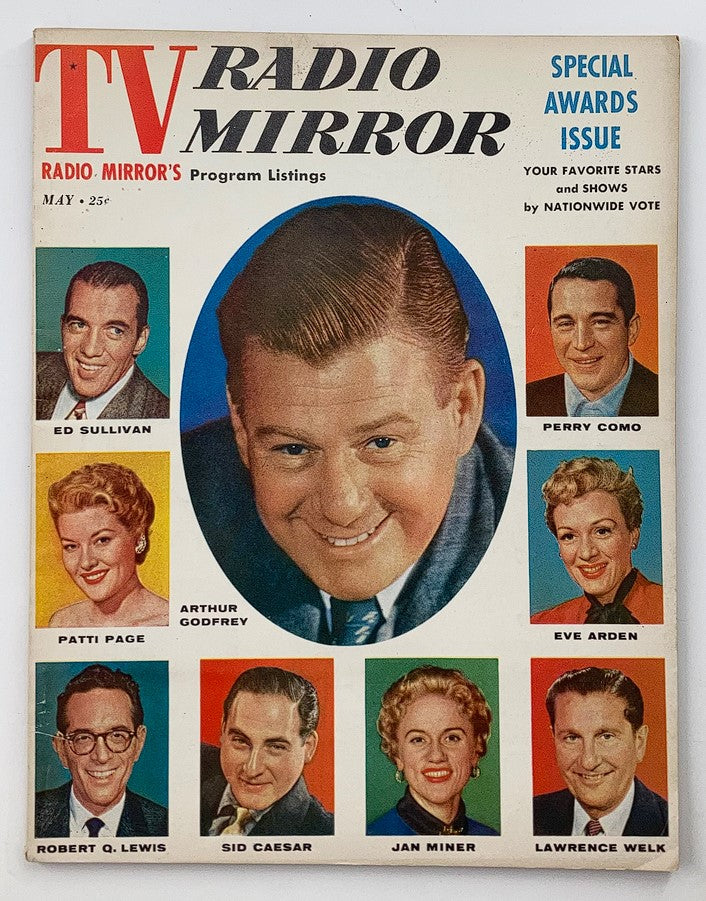
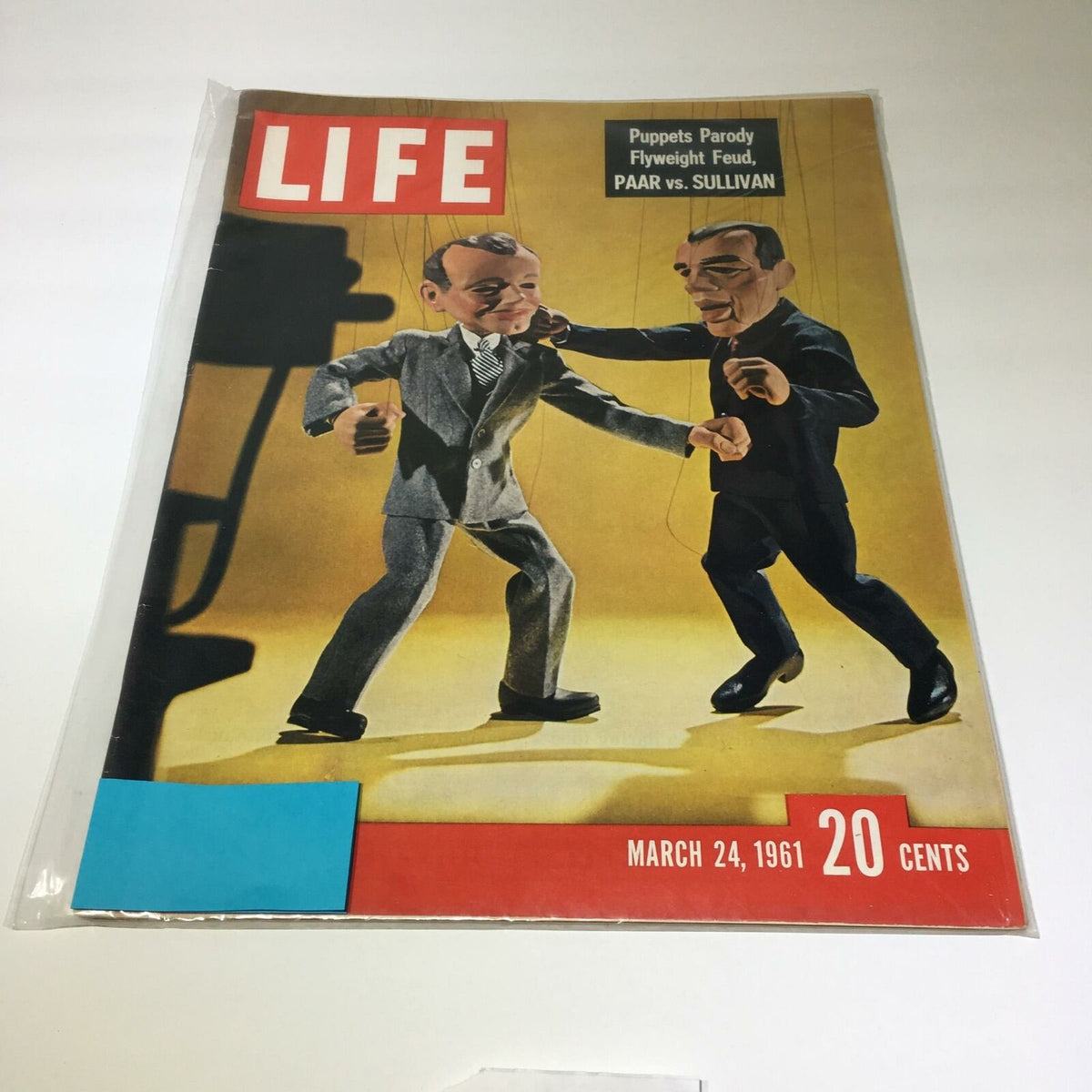
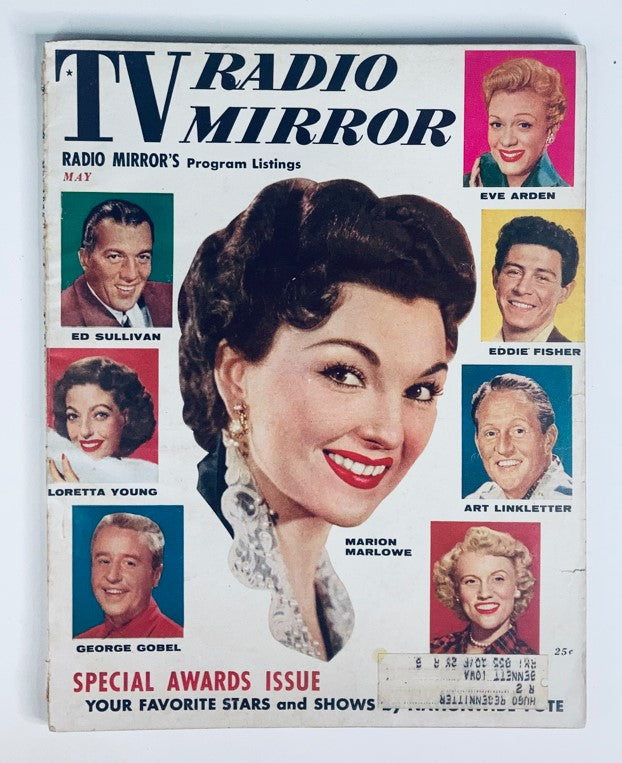
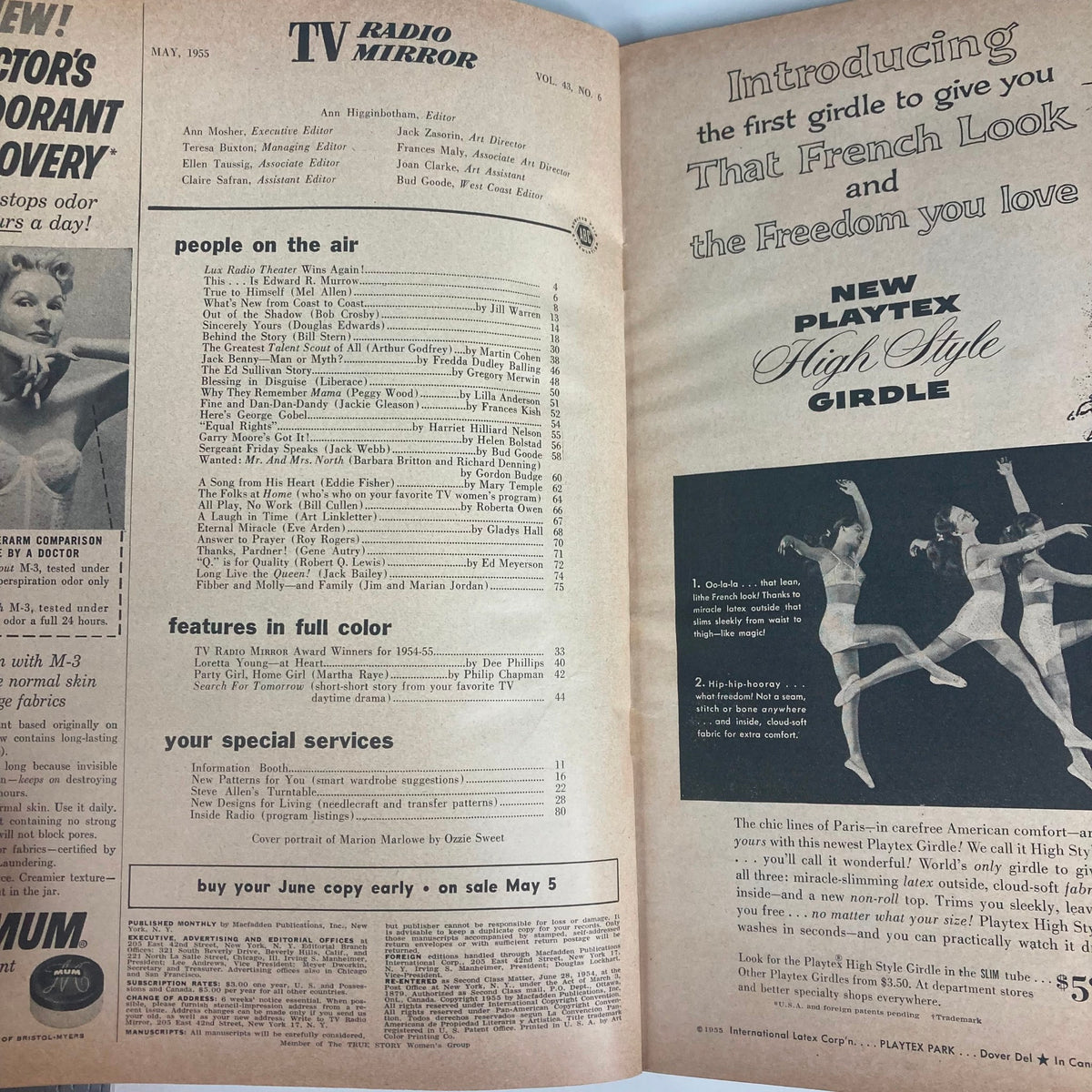
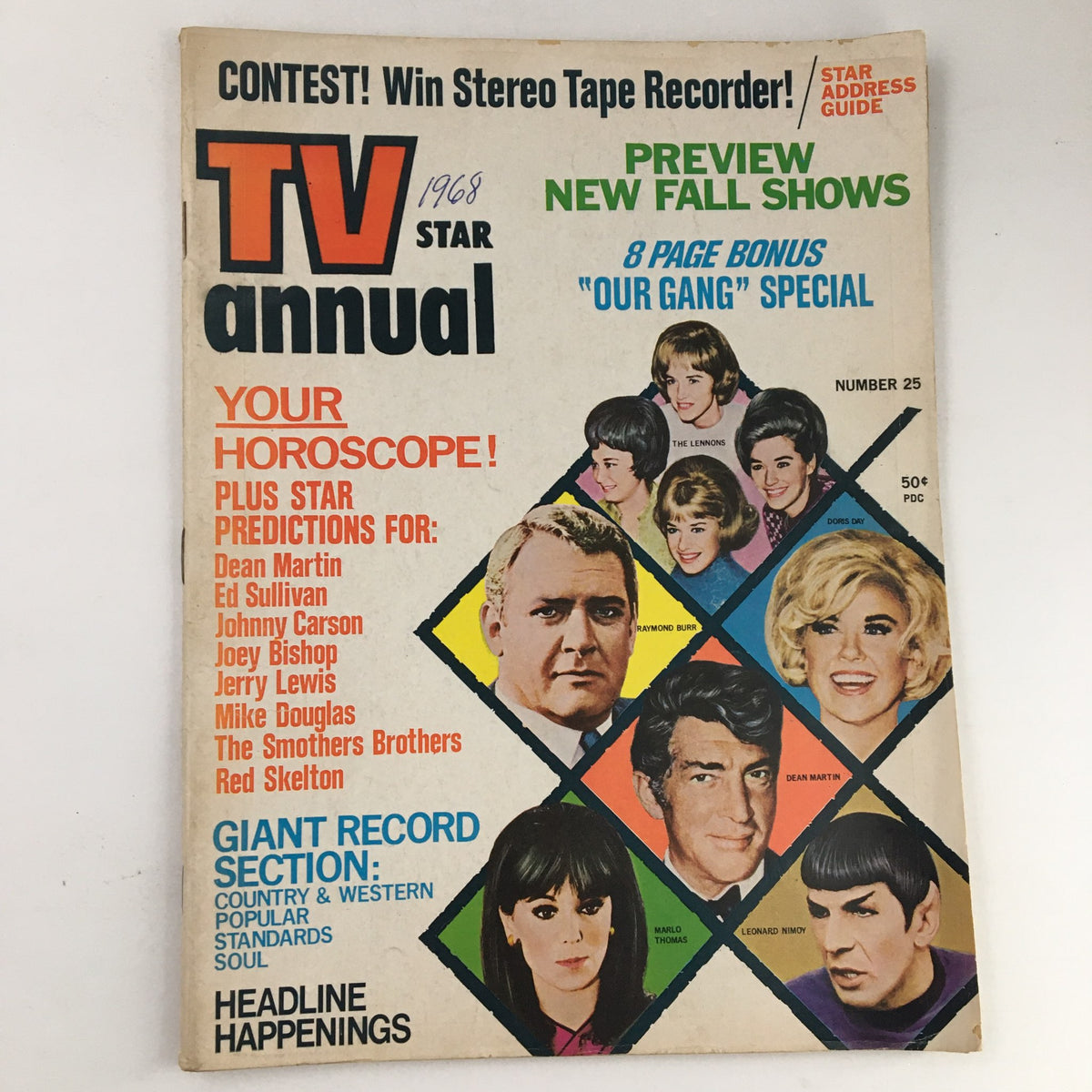
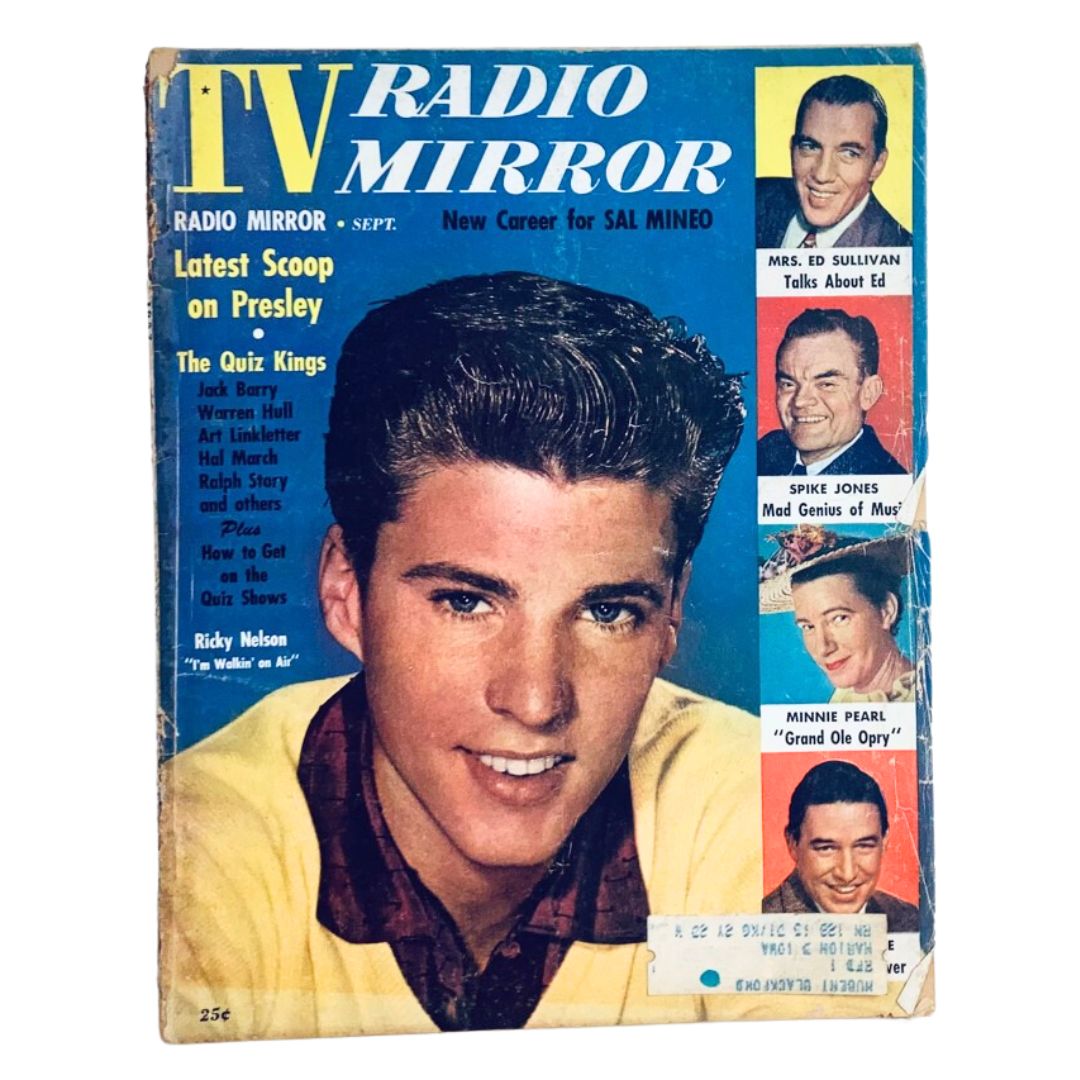
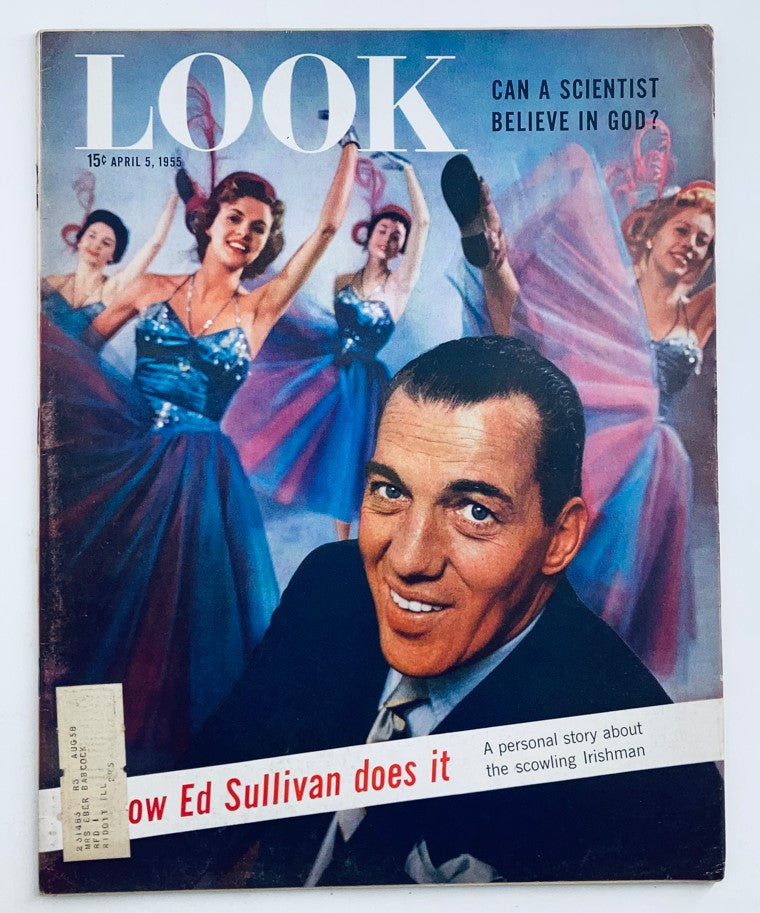
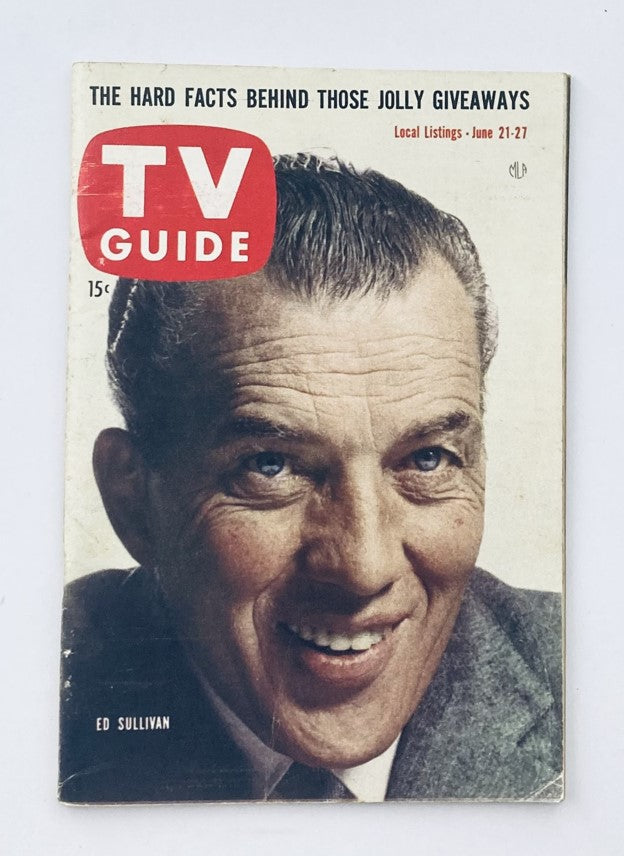
The editorial world treated Sullivan with a fascination reserved for institutions rather than individuals. Photographers captured him in his natural habitat — standing in the wings of the Ed Sullivan Theater on Broadway, arms crossed, expression inscrutable, a man simultaneously awkward and utterly commanding. Life magazine, that definitive chronicle of mid-century America, returned to him repeatedly, its full-bleed photographs immortalizing the backstage electricity of his productions and the cultural watershed moments his show generated. TV Guide, the most widely circulated periodical in the United States during the 1950s and '60s, featured him with remarkable regularity, its covers and interior profiles dissecting the machinery of his influence with the seriousness of a political analysis. Look magazine — Life's great rival in photojournalism — offered its own rich portraits of the man and his milieu, capturing the peculiar glamour of live television during its golden age. The editorial tone across these publications oscillated between reverent and gently baffled: here was a man critics routinely called a poor performer who nonetheless commanded the single most powerful stage in the free world, and the press could not look away.
Curator's Checklist: Highlights Often Include
- Beatles & British Invasion coverage — Issues from early 1964 frequently include frenzied reporting on the Sullivan-Beatles appearances, often with striking performance photography and cultural commentary on the seismic shift in popular music
- Elvis and the censorship controversies — Entertainment and news publications from 1956–57 often revisited the debate surrounding Sullivan's decision to film Presley only from the waist up, a moment that crystallized the era's cultural anxieties
- Civil rights and representation — Profiles and entertainment features sometimes examined Sullivan's quiet but consistent booking of Black artists during the height of segregation, a dimension of his legacy that grew in editorial significance through the 1960s
- Broadway and variety arts coverage — Given his origins as a theatre columnist, Sullivan appeared regularly in publications covering the New York entertainment scene, with features touching on his relationships with comedians, classical performers, and the dying art of vaudeville
- Anniversary and retrospective issues — The show's milestone seasons — its tenth, its twentieth — often prompted long-form magazine tributes, rich with archival imagery and career retrospectives that today serve as remarkable time capsules of postwar American entertainment
The Collector's Value
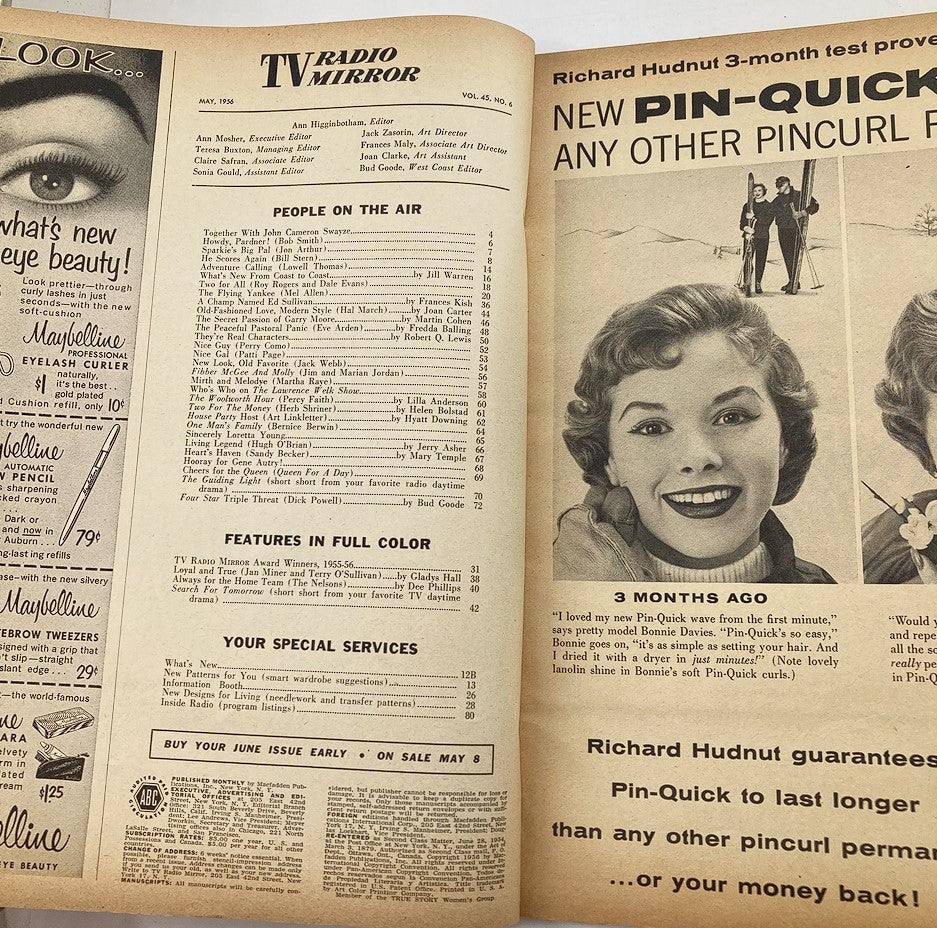
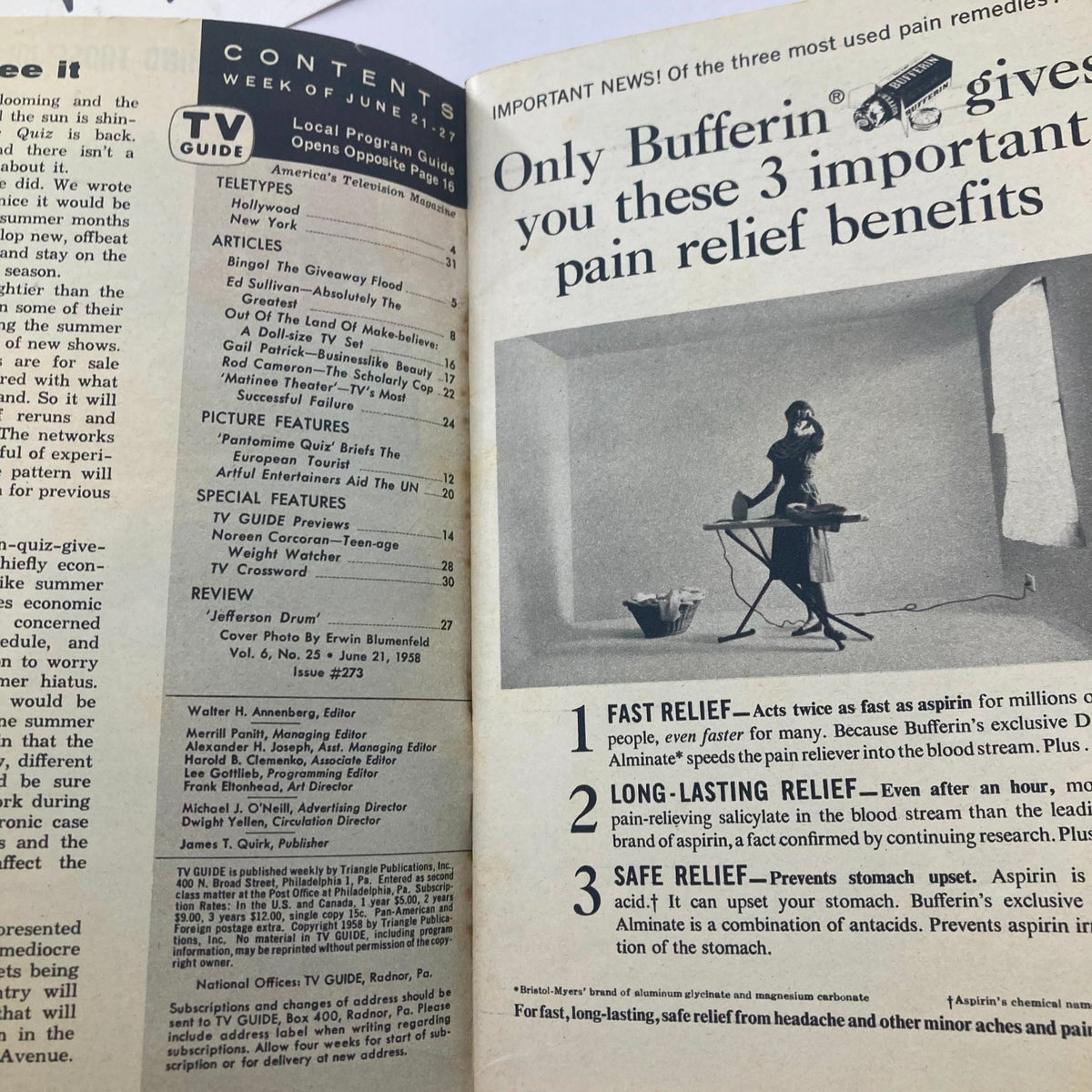
To hold an original magazine from the Sullivan era is to hold something the internet has never been able to replicate: the complete, unfiltered texture of a moment. The paper stock of a 1964 Life carries a particular weight and grain, its ink still faintly redolent of the press runs that delivered it to newsstands from Topeka to Tallahassee, its surrounding advertisements — for Chevrolets, for cigarettes, for Kodak cameras — painting the full portrait of the world in which Sullivan reigned. These are not reproductions or digital scans; they are primary sources, handled by real people in real living rooms, in the very weeks that history was being made. The crease on a cover, the clipped coupon on the back page — each imperfection is evidence of a life once lived alongside these stories. For collectors of vintage television history, mid-century Americana, or music and pop culture memorabilia, these publications offer an irreplaceable window into an age of shared national experience that can never be reconstructed. Explore the current available inventory below and discover which remarkable piece of that era is waiting to find its next keeper.