📖 About this Collection
Eleanor Roosevelt: The Conscience of an Age in Print
The Legend & The Legacy
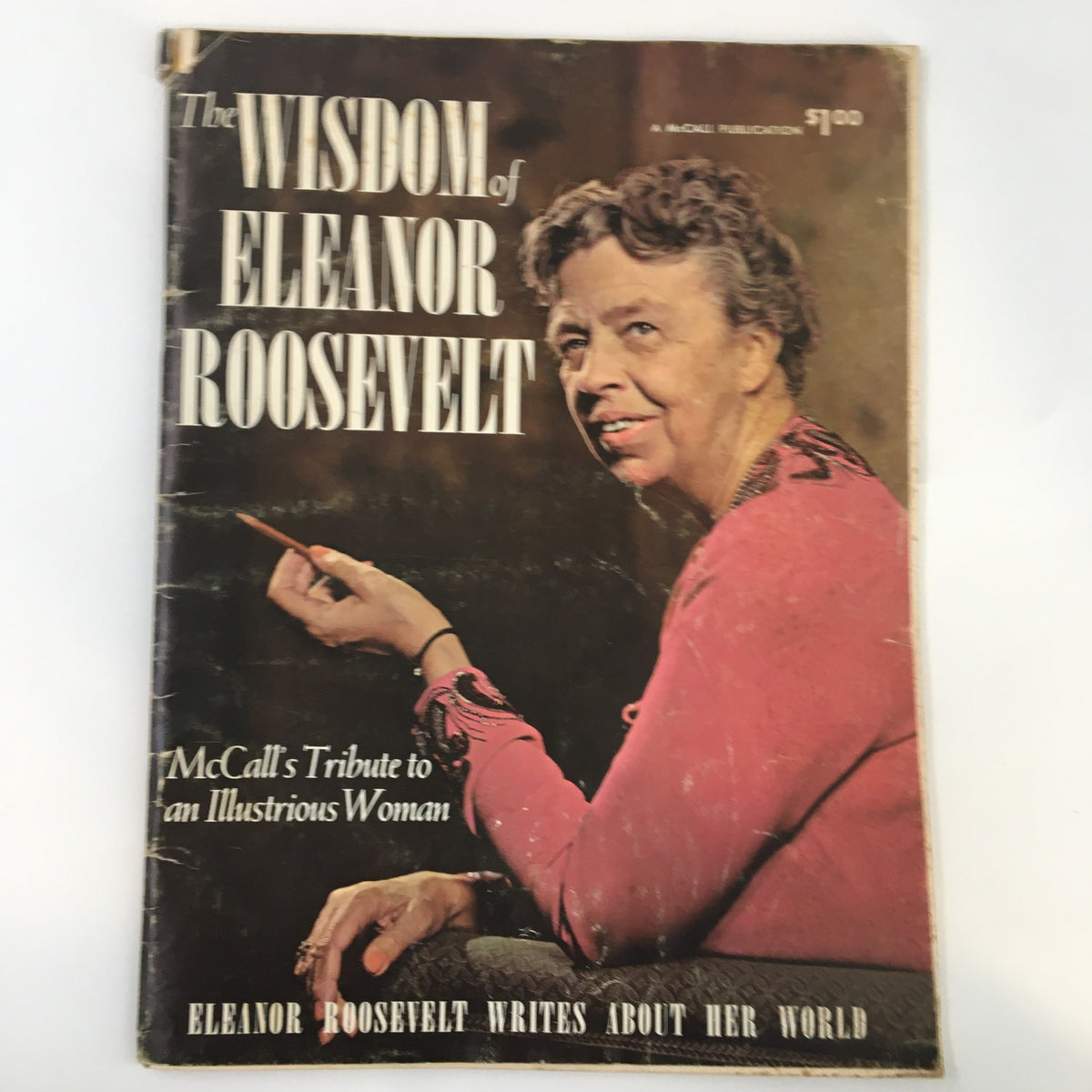
Eleanor Roosevelt did not merely occupy the role of First Lady — she redefined it entirely, and the American press had no choice but to follow her wherever she went. From the depths of the Great Depression through the fires of World War II and into the founding chambers of the United Nations, she moved through history not as a figurehead but as a force. In an era when the public received their understanding of the world through ink pressed onto paper, she was one of the most photographed, profiled, and debated women on the planet. Readers opened their weekly magazines to find her visiting coal mines in muddy boots, delivering speeches to packed auditoriums, and advocating for civil rights decades before it was politically comfortable to do so. Long before television reduced public figures to soundbites, the printed page gave her the space to be complex — and the newsstands of mid-century America ensured that complexity reached millions of hands.
Inside the Archive
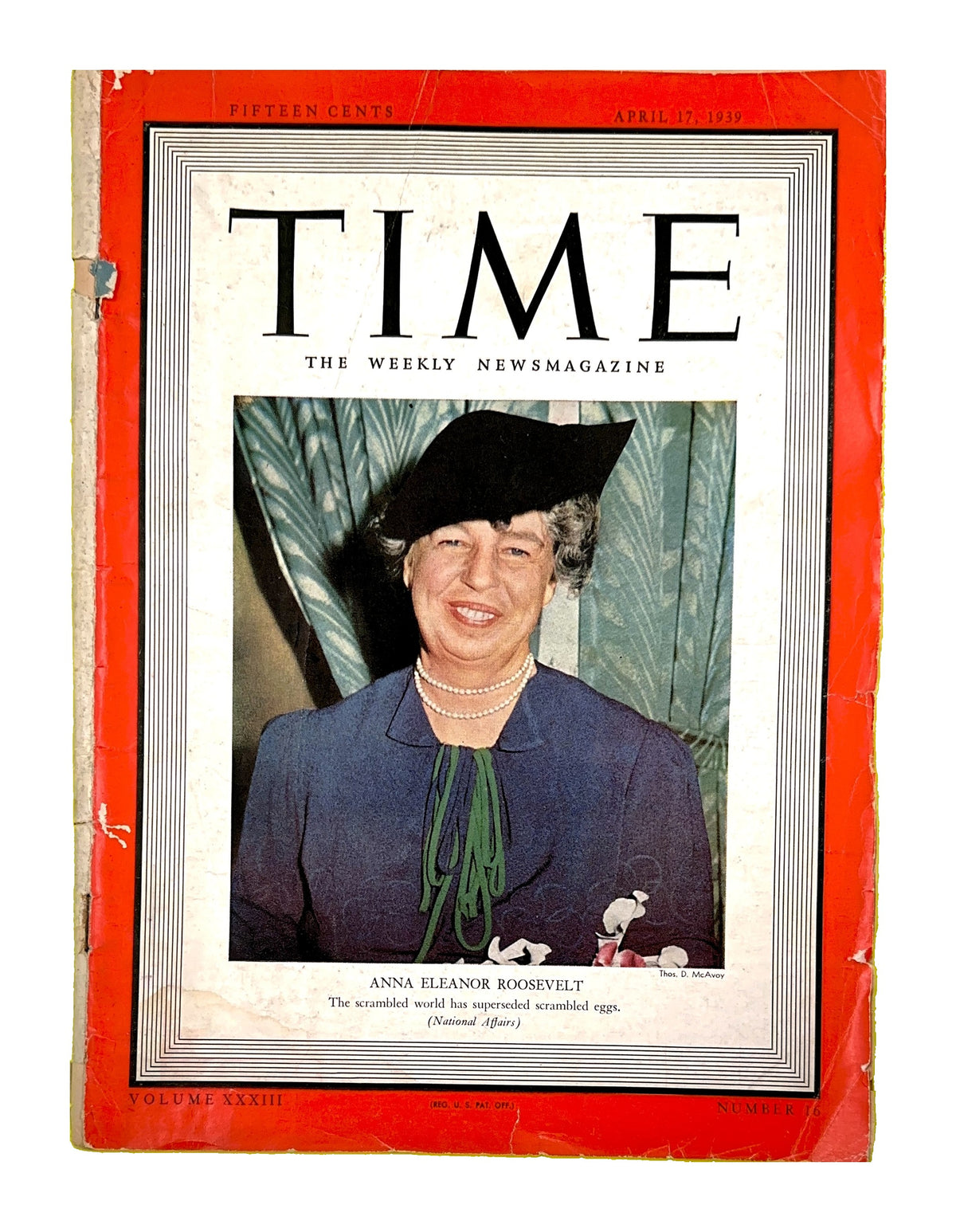
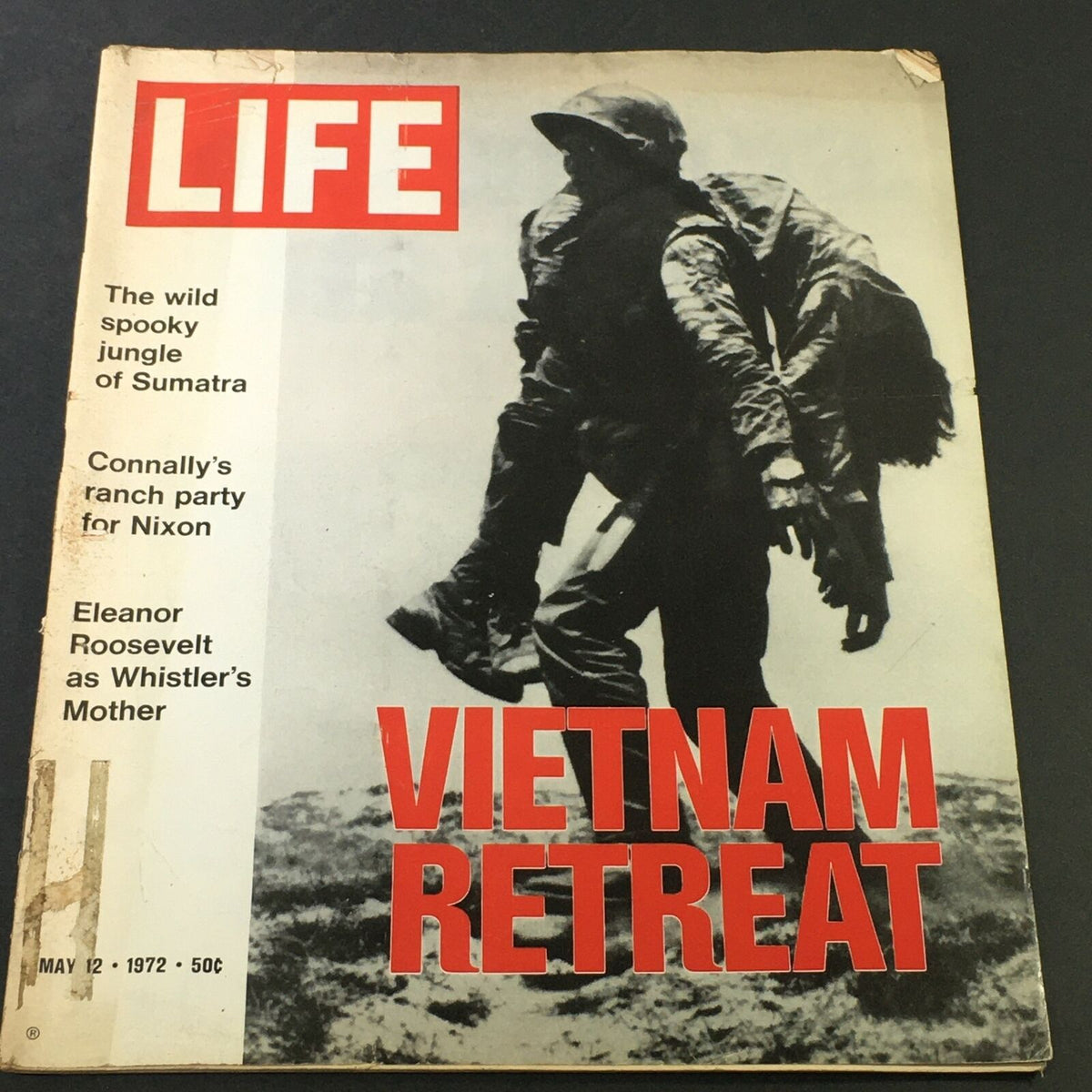
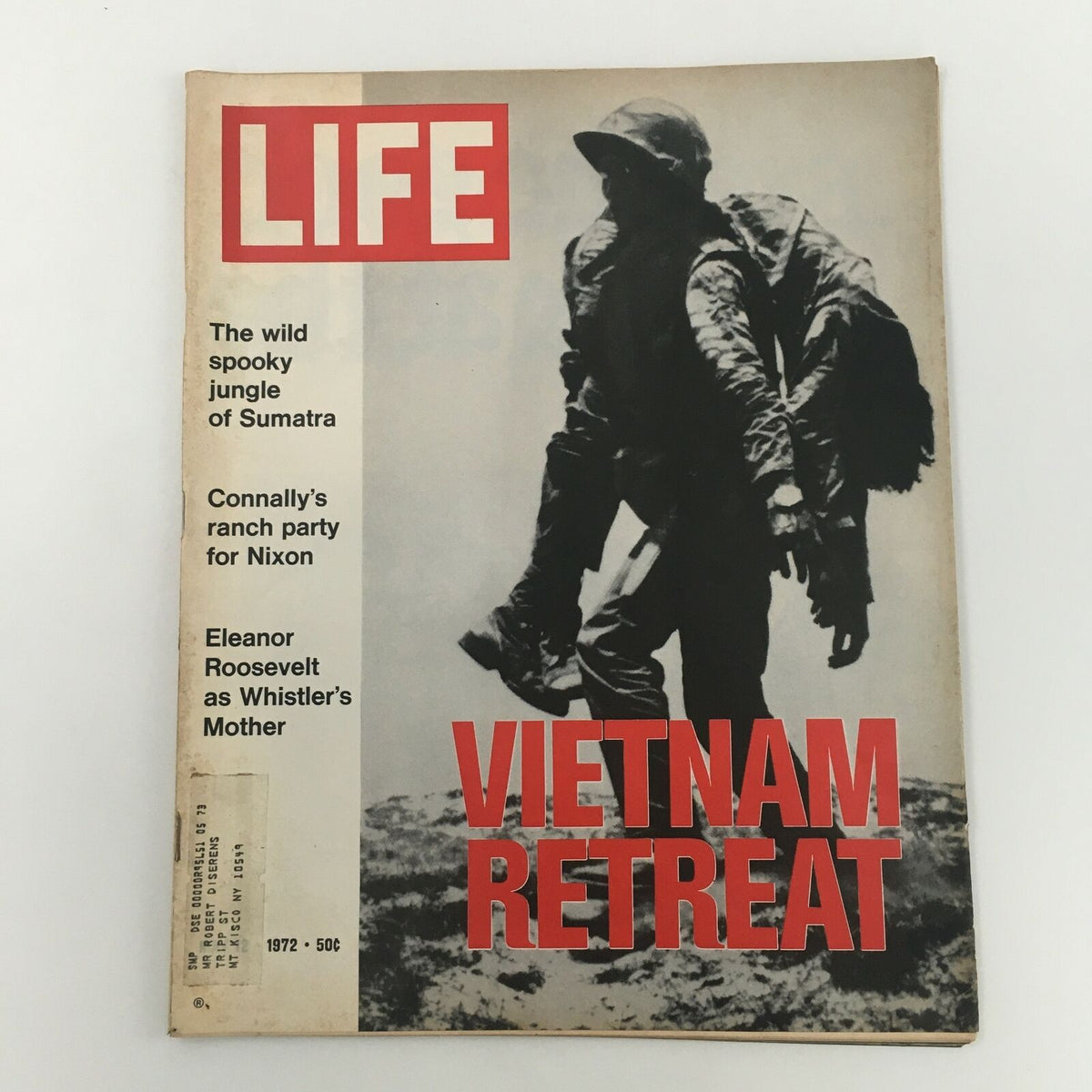
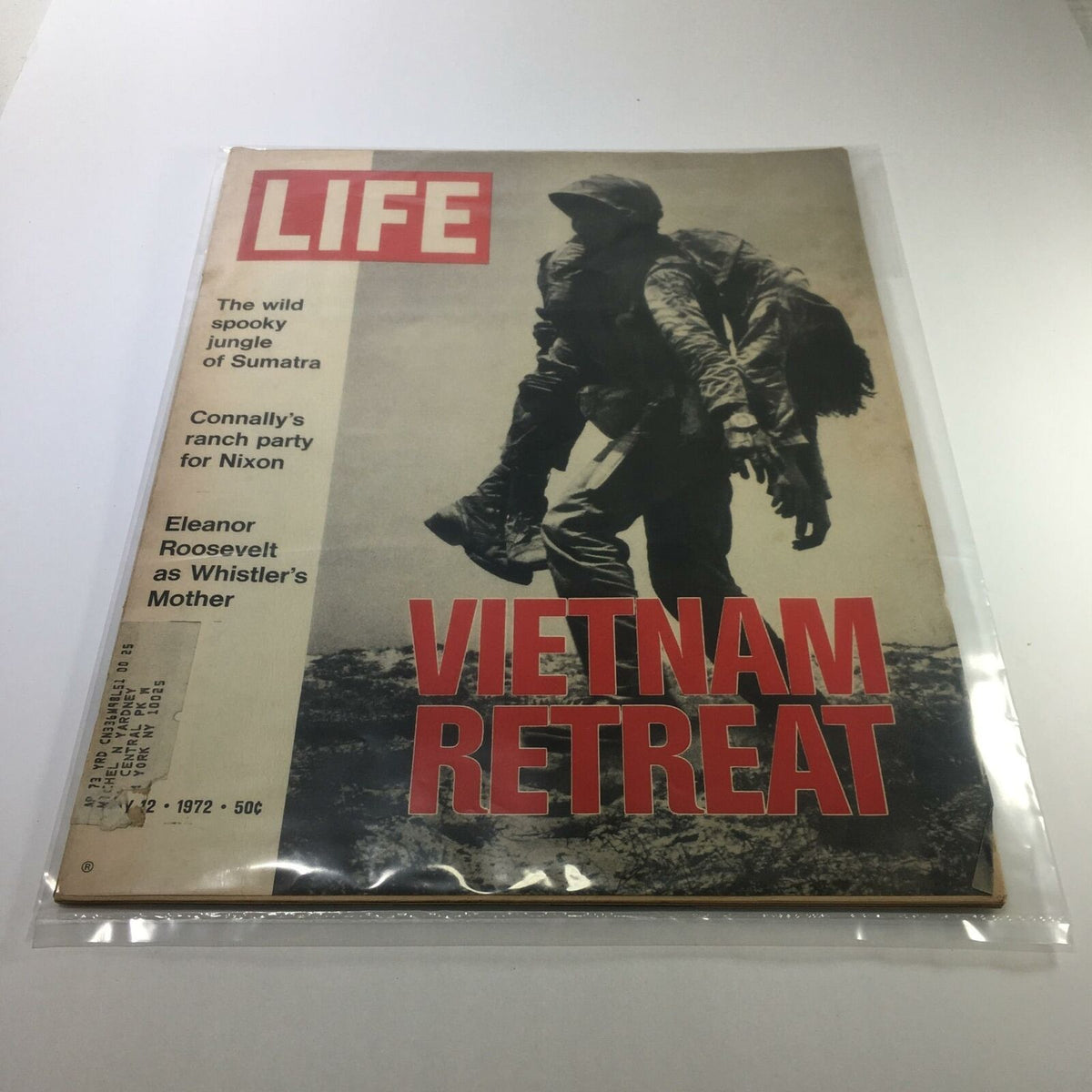
Vintage magazines of the 1930s through the 1960s approached this towering figure with a fascinating mixture of reverence, curiosity, and occasional controversy. Life magazine, perhaps more than any other publication, captured her in the full cinematic sweep of documentary photography — candid images of the First Lady among soldiers abroad, alongside displaced families, and seated with world leaders that carry the unmistakable gravity of history mid-motion. Time placed her formidable profile on its cover multiple times, framing her in the earnest, high-contrast portraiture typical of its era's editorial ambition. Overseas, publications such as Picture Post in Britain and various continental weeklies covered her wartime travels and her UN work with particular seriousness, recognizing in her a rare American voice that spoke beyond national interest. The editorial tone across decades shifted from cautious admiration during the New Deal years to something approaching moral authority by the late 1940s — here was a woman the press had grown to regard not simply as a political spouse, but as a stateswoman in her own right.
Curator's Checklist: Highlights Often Include
- Wartime coverage from the early 1940s, featuring her visits to troops in the Pacific and Europe — issues in which she appears not in the society pages but alongside frontline reporting, a deliberate editorial choice that spoke volumes about her standing
- New Deal and Depression-era profiles documenting her unprecedented policy influence and her championing of the poor, often illustrated with the stark, humanist photography that defined that decade's journalism
- United Nations features from the late 1940s and 1950s, following her appointment as chair of the UN Commission on Human Rights and the drafting of the Universal Declaration of Human Rights — one of the most significant journalistic subjects of the postwar world
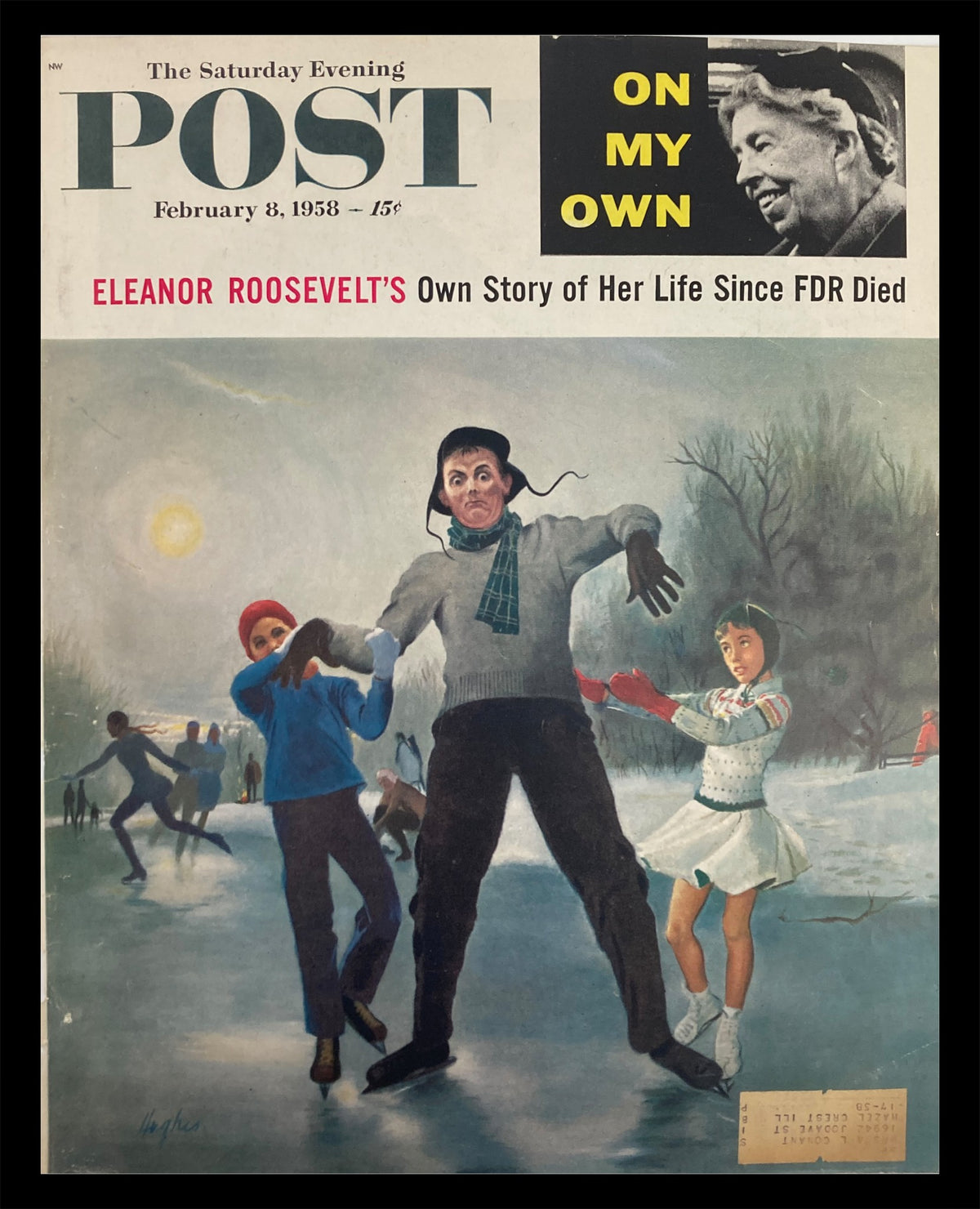
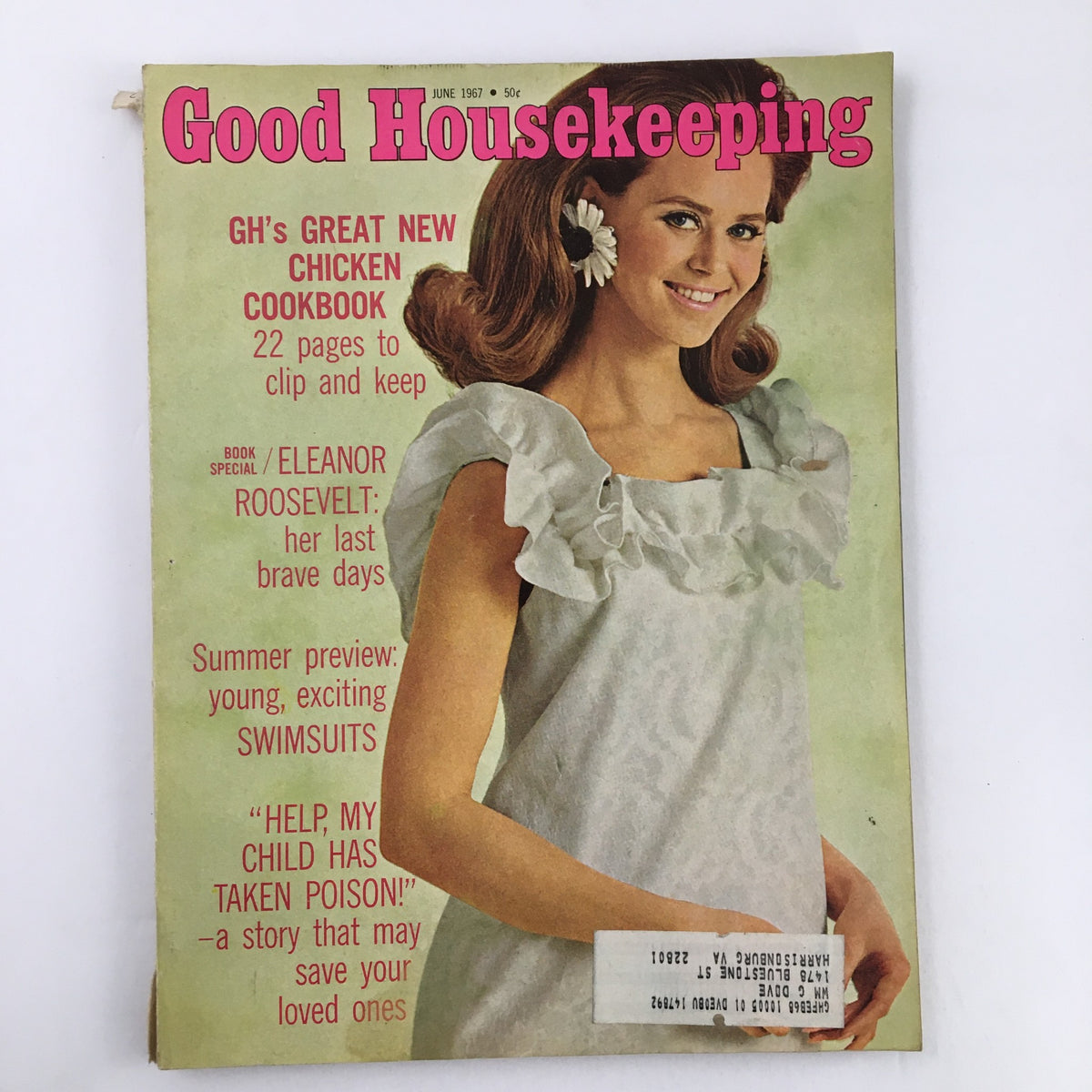
- Civil rights adjacency coverage, particularly issues from the mid-1950s onward in which her outspoken positions on racial equality placed her in the same editorial breath as figures like Marian Anderson and Thurgood Marshall
- Retrospective and tribute issues from late 1962 and early 1963, published in the wake of her death in November 1962, which frequently rank among the most emotionally resonant and collectible pieces in this category
The Collector's Value
To hold one of these magazines is to touch the nervous system of the 20th century. The paper stock of a mid-century Life or Time issue carries a particular weight — slightly yellowed at the margins, the ink faintly waxy beneath your fingertips, the perfume of decades rising from the gutter of the spine in a way no digital archive can replicate. The advertisements surrounding her image are their own time capsule: war bonds, nylon stockings, early television sets — the full material culture of an era framing the woman who helped shape its conscience. For collectors of American political history, women's history and suffrage-era legacy, or mid-century photojournalism and documentary print culture, these publications offer something no biography or museum reproduction can provide — the unmediated experience of encountering greatness exactly as a contemporary audience did, week by week, headline by headline, in real time. Explore the current available inventory below and find the piece of history waiting to belong to your collection.