📖 About this Collection
Eminem: Ink & Fury — The Rapper Who Made Print Beg for More
The Legend & The Legacy
When a white kid from the battered streets of Detroit emerged from the underground rap circuit in the late 1990s to become the most scrutinized, celebrated, and debated artist on the planet, the world's press could not look away. Eminem — born Marshall Mathers — detonated into the cultural conversation at a moment when hip-hop was still fighting for mainstream legitimacy, and his arrival complicated every narrative the industry had written. His albums The Slim Shady LP, The Marshall Mathers LP, and The Eminem Show sold in numbers that shattered records and shattered expectations simultaneously, making him a figure impossible to ignore and equally impossible to categorize. In an era before streaming algorithms and social media feeds curated public opinion, it was the printed page — glossy, ink-heavy, and fiercely opinionated — that processed his cultural explosion in real time. Magazine editors assigned him covers not merely because he sold copies, but because he demanded a response: from parents, from politicians, from the gay community, from the music establishment, and from a generation of disaffected youth who heard themselves for the first time in his rhymes.
Inside the Archive
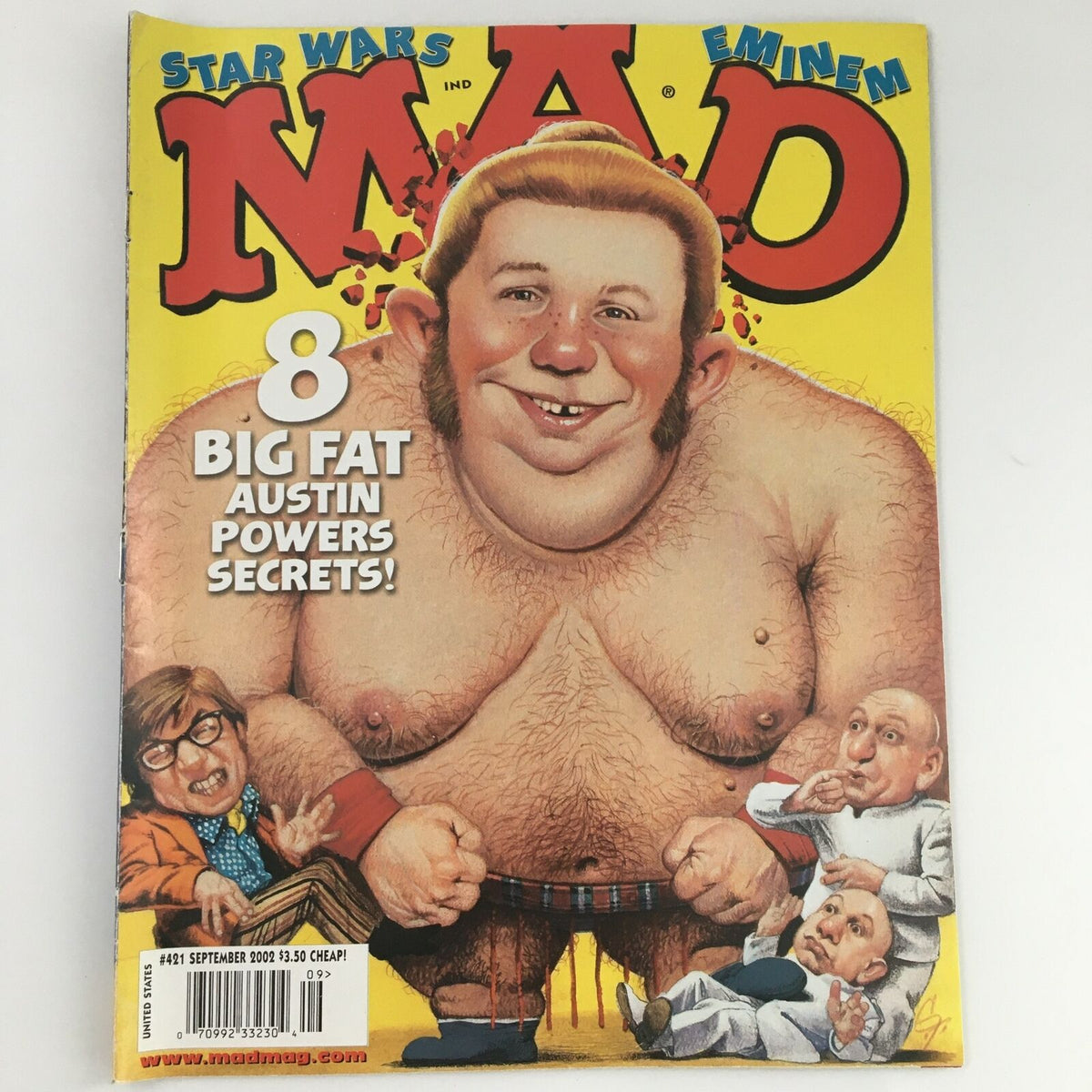
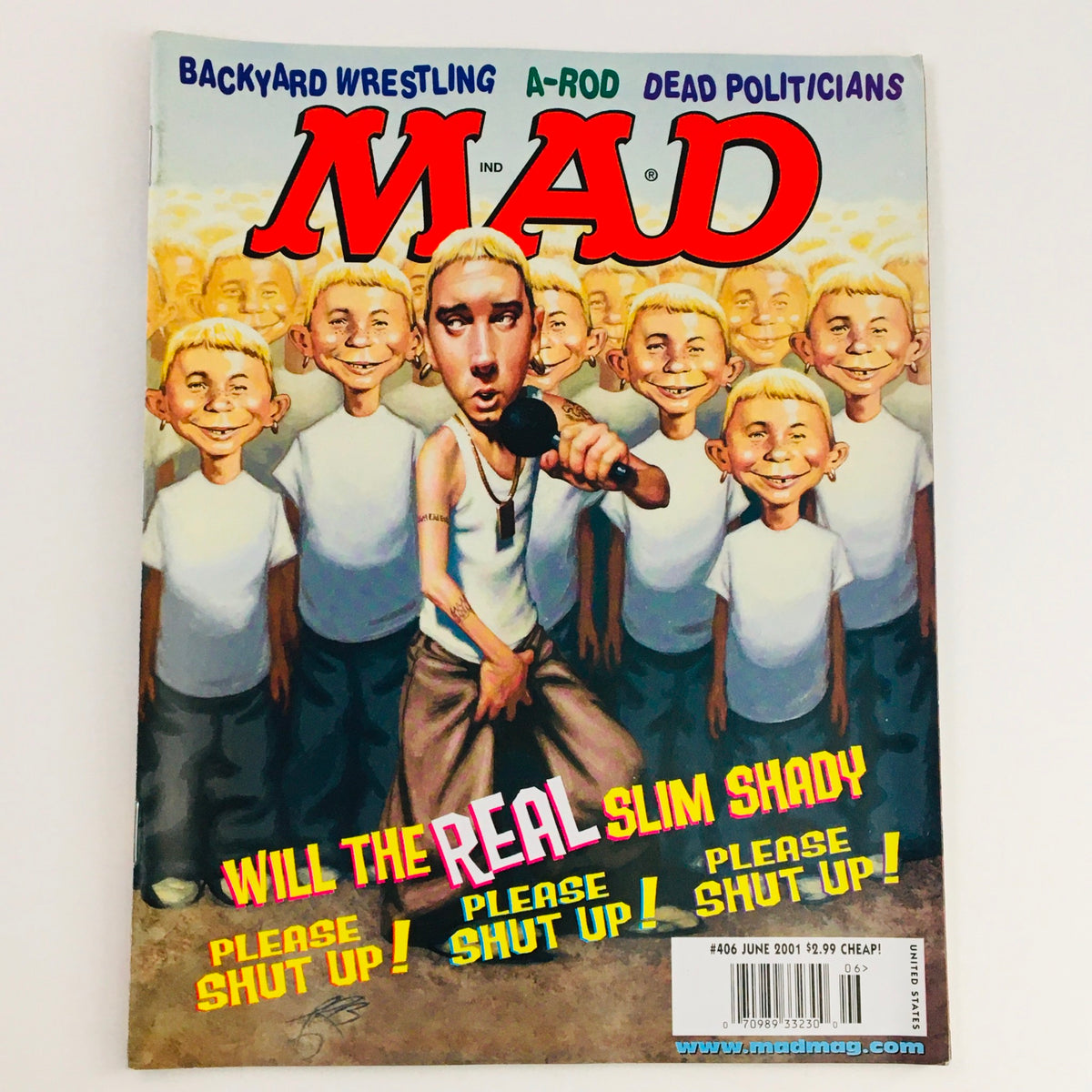
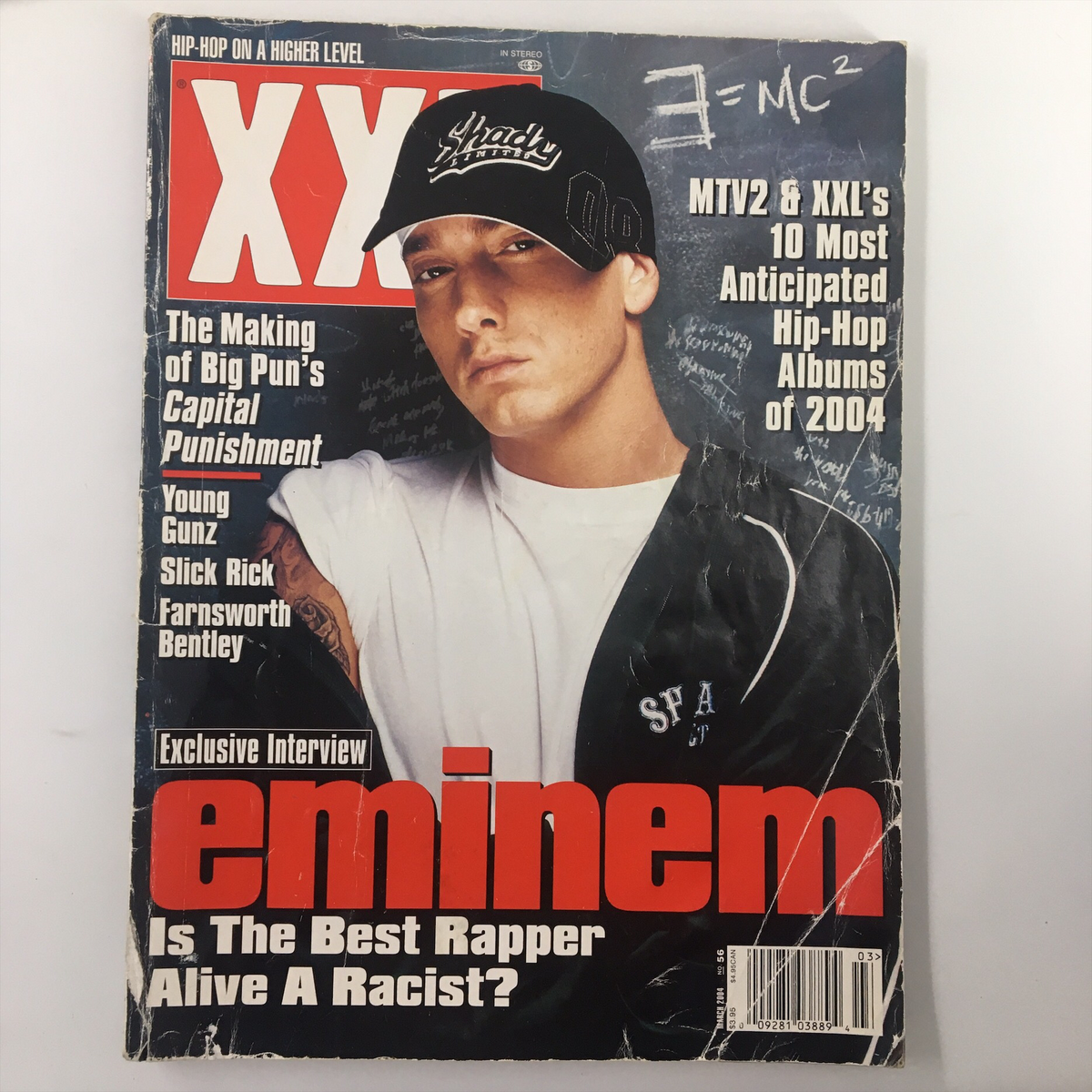
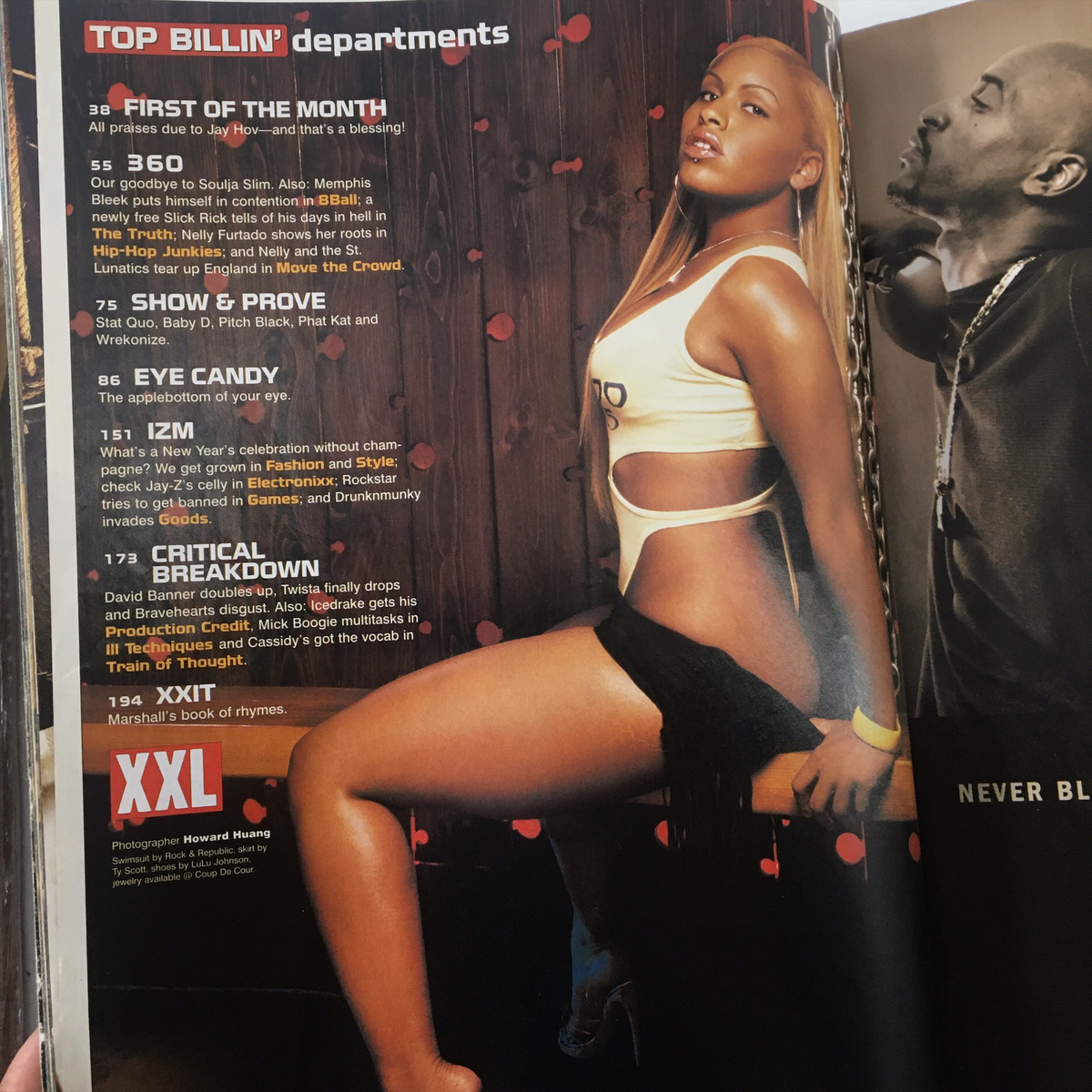
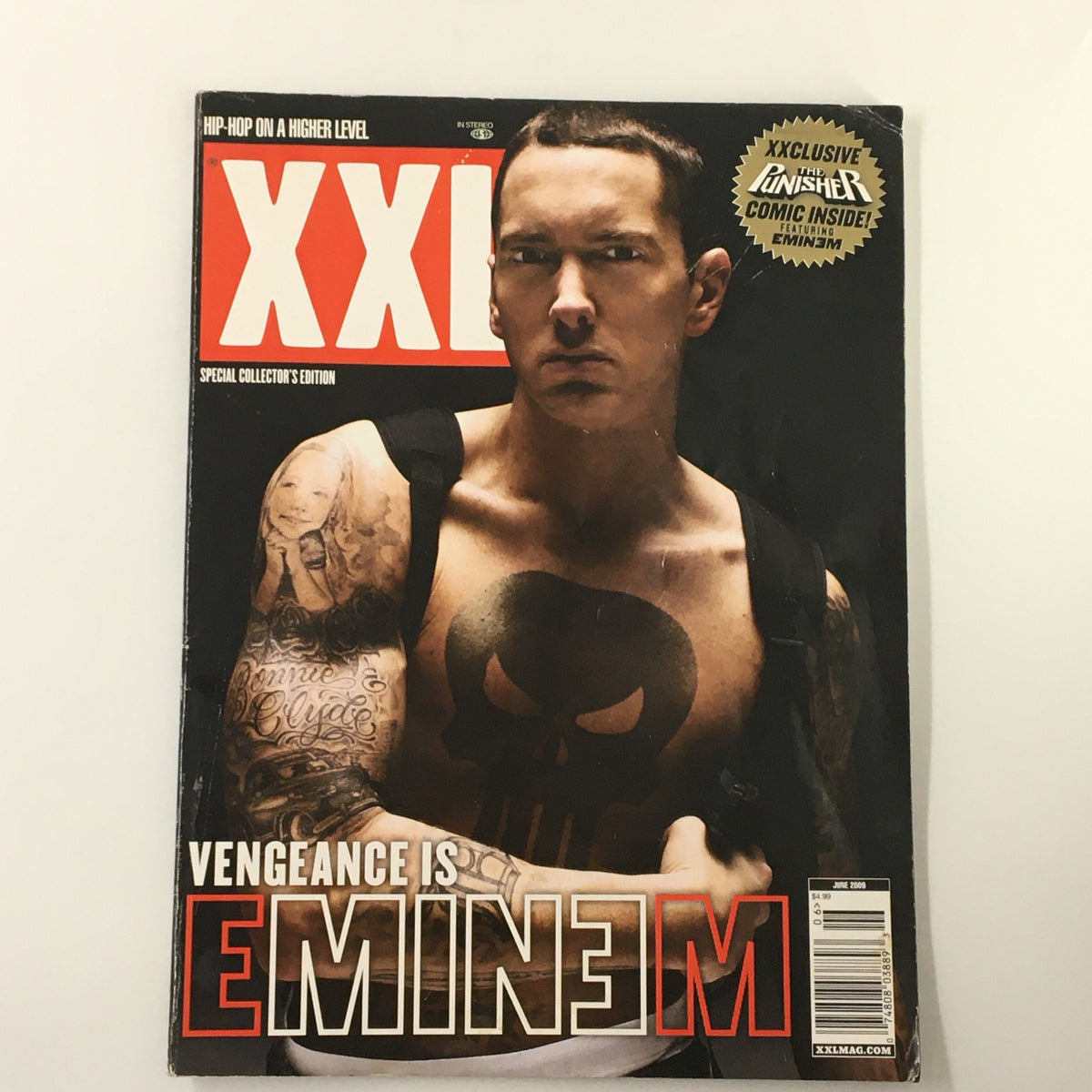
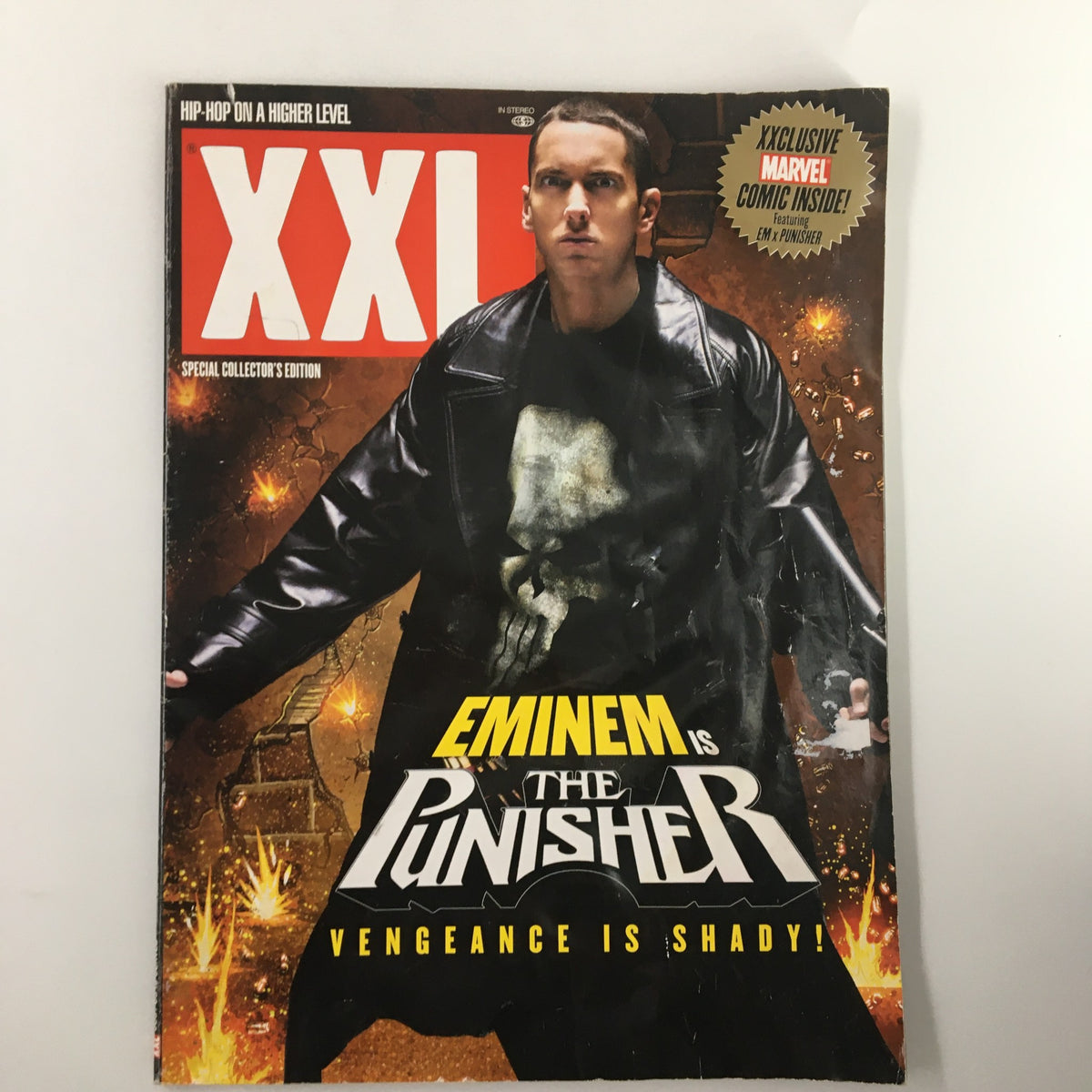
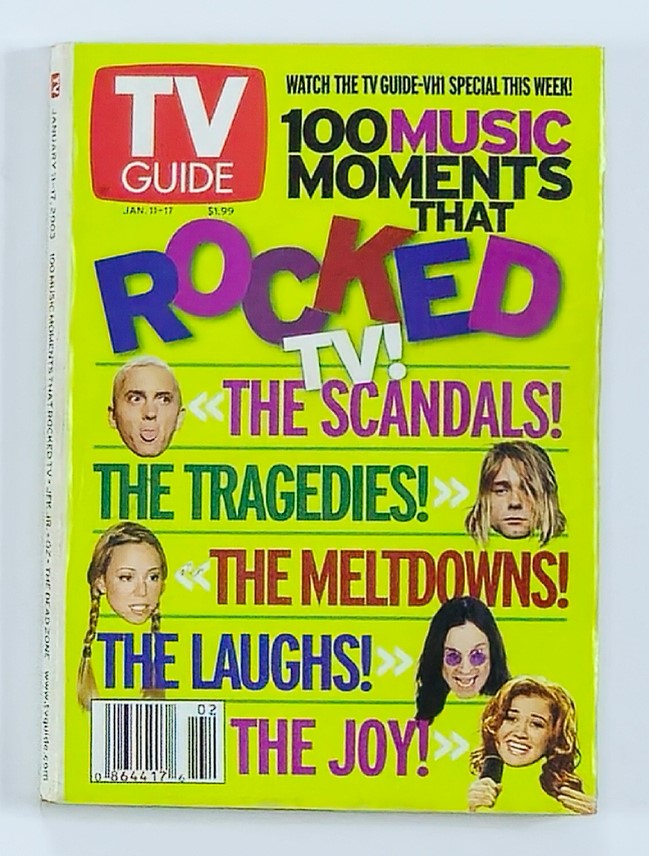
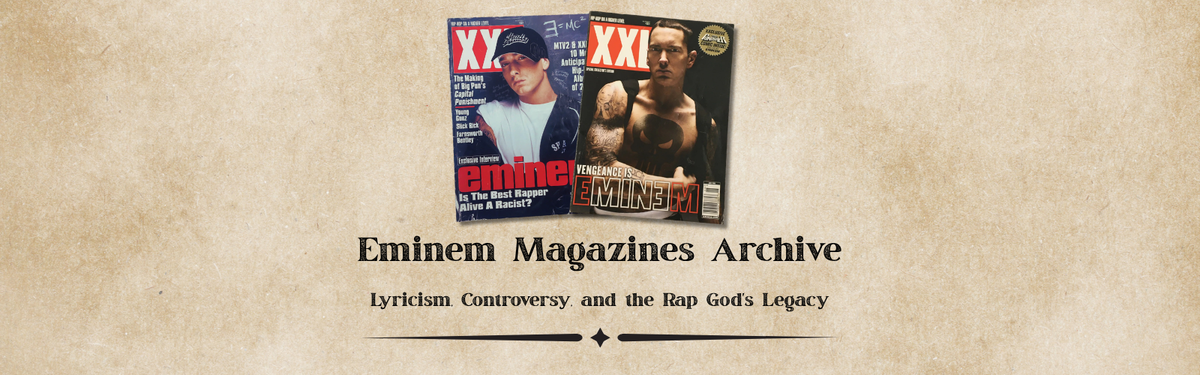
The print media of the late 1990s and early 2000s met this Detroit provocateur with a mixture of reverence, alarm, and insatiable curiosity. Cover photography of the era tended toward raw, high-contrast portraiture — unsmiling, hood up, dog tags catching the light — images designed to project the volatility and intelligence that made him so compelling. Rolling Stone, the definitive chronicler of his era, placed him on its cover multiple times, producing some of the most forensic and celebrated long-form profiles in the magazine's modern history, wrestling earnestly with questions of race, authenticity, and artistic genius. The Source and XXL, the twin bibles of hip-hop print culture, tracked his rise, his feuds, and his dominance from within the genre itself, offering a street-level credibility that mainstream outlets could not replicate. Meanwhile, international publications — from British music weeklies like NME and Q Magazine to European lifestyle titles — grappled with him as a uniquely American phenomenon, framing his controversy through the lens of cultural export and the uneasy global reach of hip-hop. The editorial tone across all these outlets swung dramatically: one issue might offer breathless admiration for his technical lyricism, the next a sharp moral interrogation of his content — and that tension is precisely what makes the archive so alive.
Curator's Checklist: Highlights Often Include
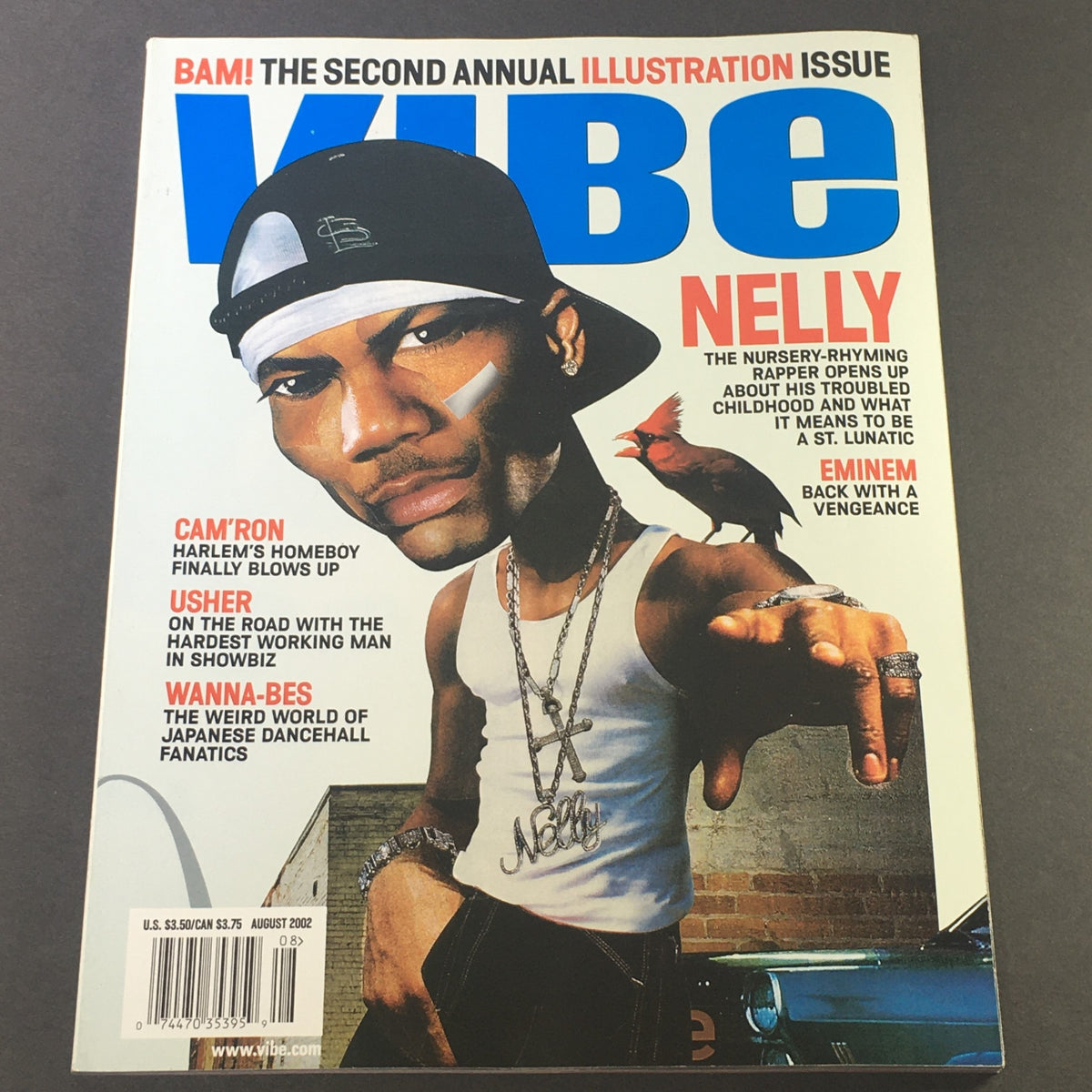
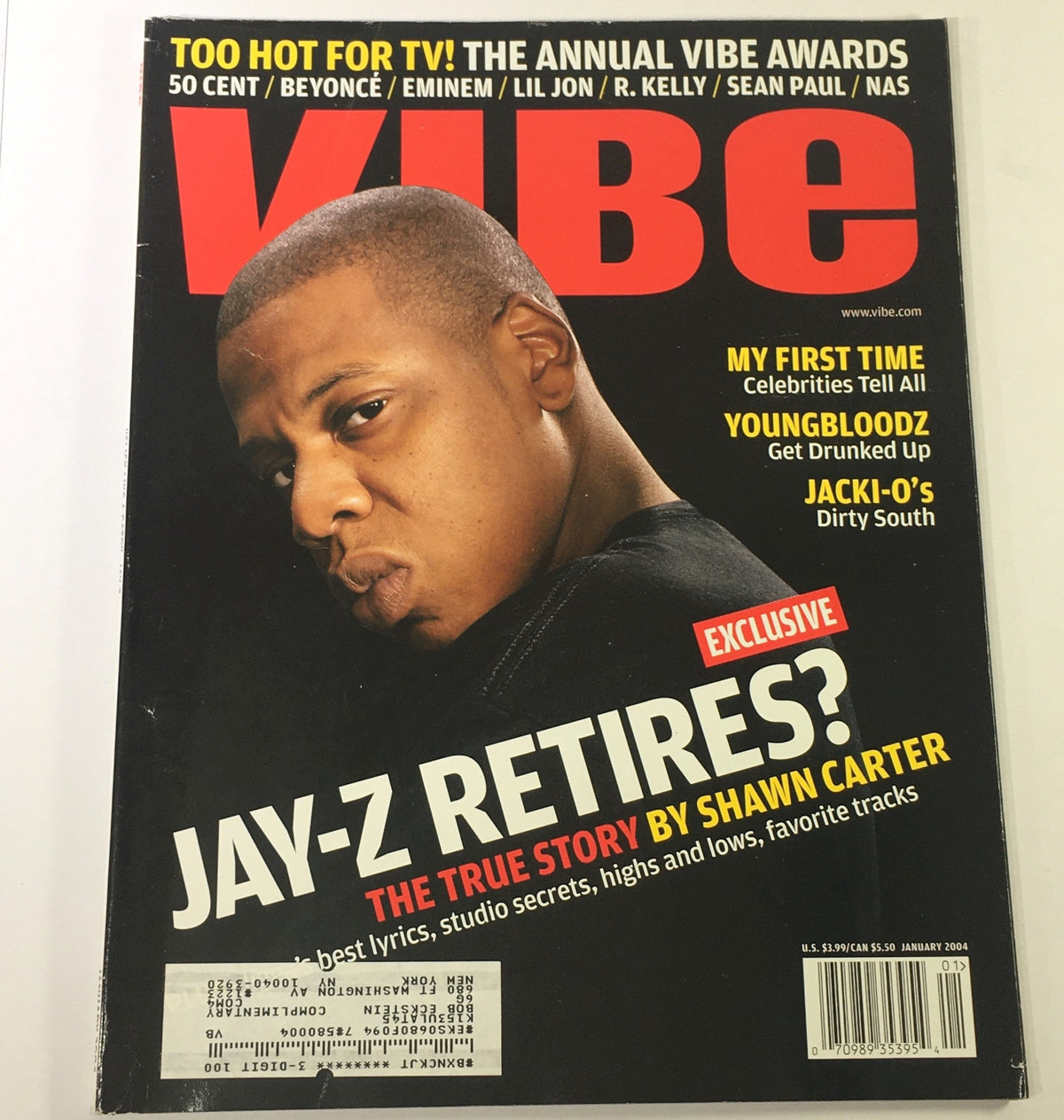
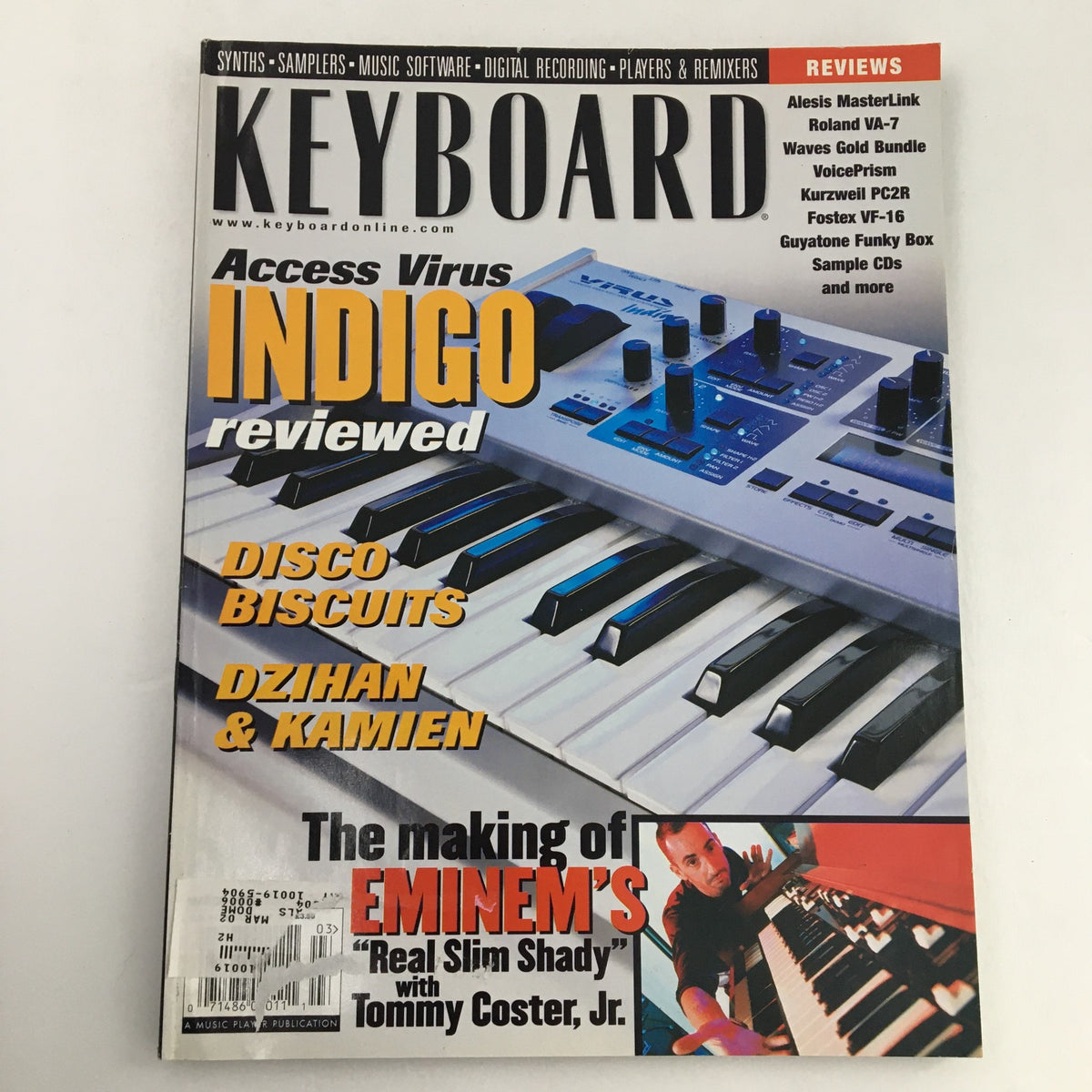
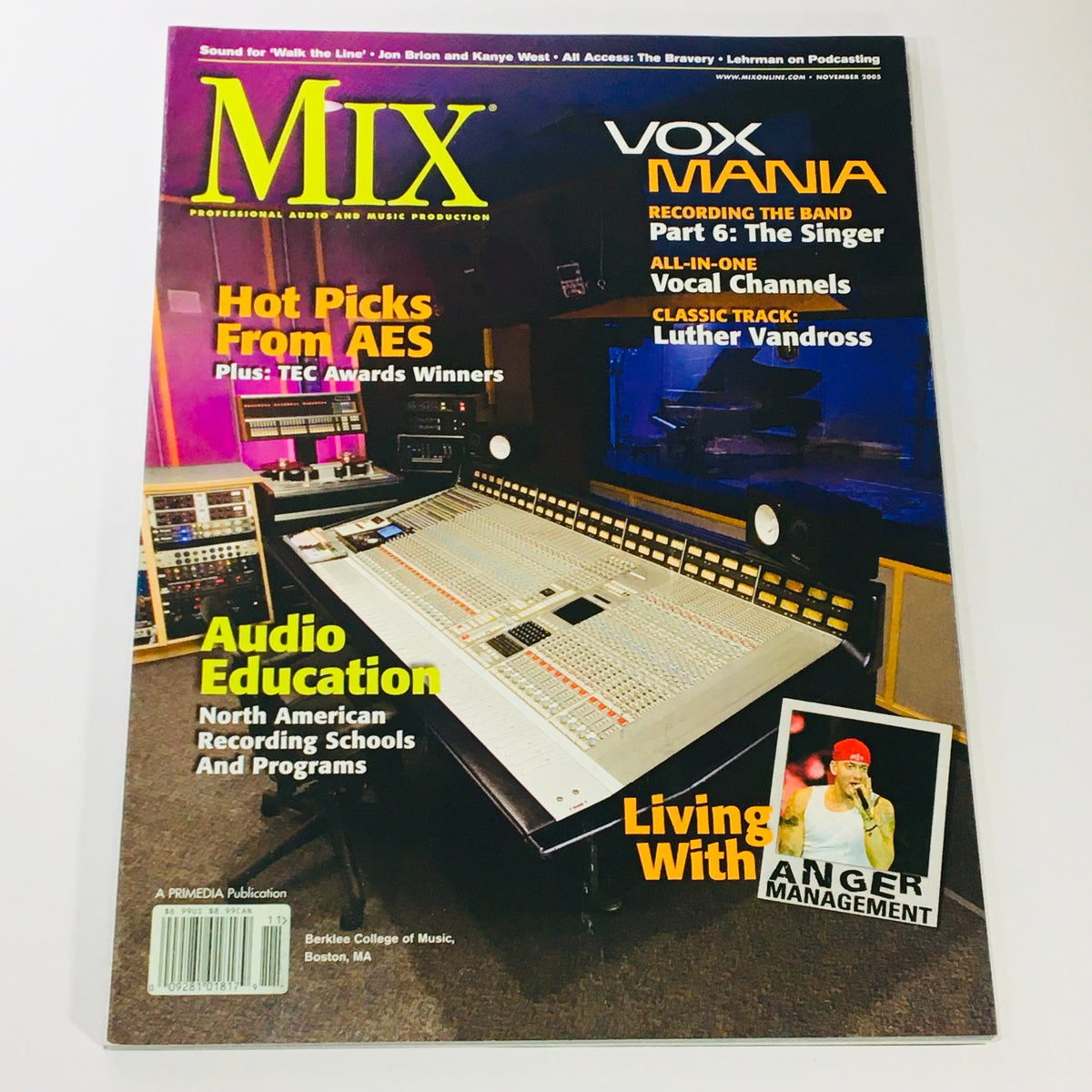
- Milestone album release coverage — feature-length reviews and artist profiles tied to landmark releases, often accompanied by exclusive studio photography and interview excerpts from the recording sessions themselves
- Controversy and cultural debate pieces — editorial essays and news features responding to congressional criticism, LGBTQ advocacy group protests, and the broader national conversation his lyrics ignited in the early 2000s
- Hip-hop genre retrospectives — issues in which the Detroit rapper is positioned alongside Dr. Dre, Jay-Z, and 2Pac as a defining force in the genre's commercial and artistic evolution, frequently appearing in year-end or decade-defining special editions
- Personal narrative deep-dives — profiles exploring his childhood in Lincoln Park, his relationship with his daughter Hailie, and his highly publicized personal struggles, offering a humanizing counterpoint to the Slim Shady persona
- Award season and chart dominance coverage — Grammy night recaps, Billboard milestone features, and pop culture roundups documenting the sheer commercial force of his catalog during its peak years
The Collector's Value
To hold one of these original issues in your hands is to hold a timestamp — a freeze-frame of a culture trying to process something it had never quite seen before. The paper stock of a late-nineties Rolling Stone or an early-2000s XXL carries its own history: the slight yellowing at the margins, the particular weight of a newsstand edition, the surrounding advertisements for frosted-tip hair gel and flip phones that anchor you irrevocably to a specific and irretrievable moment in time. These are not reprints or digital archives — they are primary sources, artifacts from the exact weeks and months when the arguments they contain were live and unresolved. The ink, the photography, the editorial fury, the full-page ads for 8 Mile on DVD — all of it constitutes a document that no Wikipedia summary can replicate. For collectors of hip-hop memorabilia, late-nineties and early-2000s pop culture ephemera, or American music history, these publications offer an unmediated, tactile connection to one of the most culturally turbulent careers in modern entertainment — evidence, held in the hands, that it all really happened. Explore the current available inventory below and find the issue that belongs in your collection.