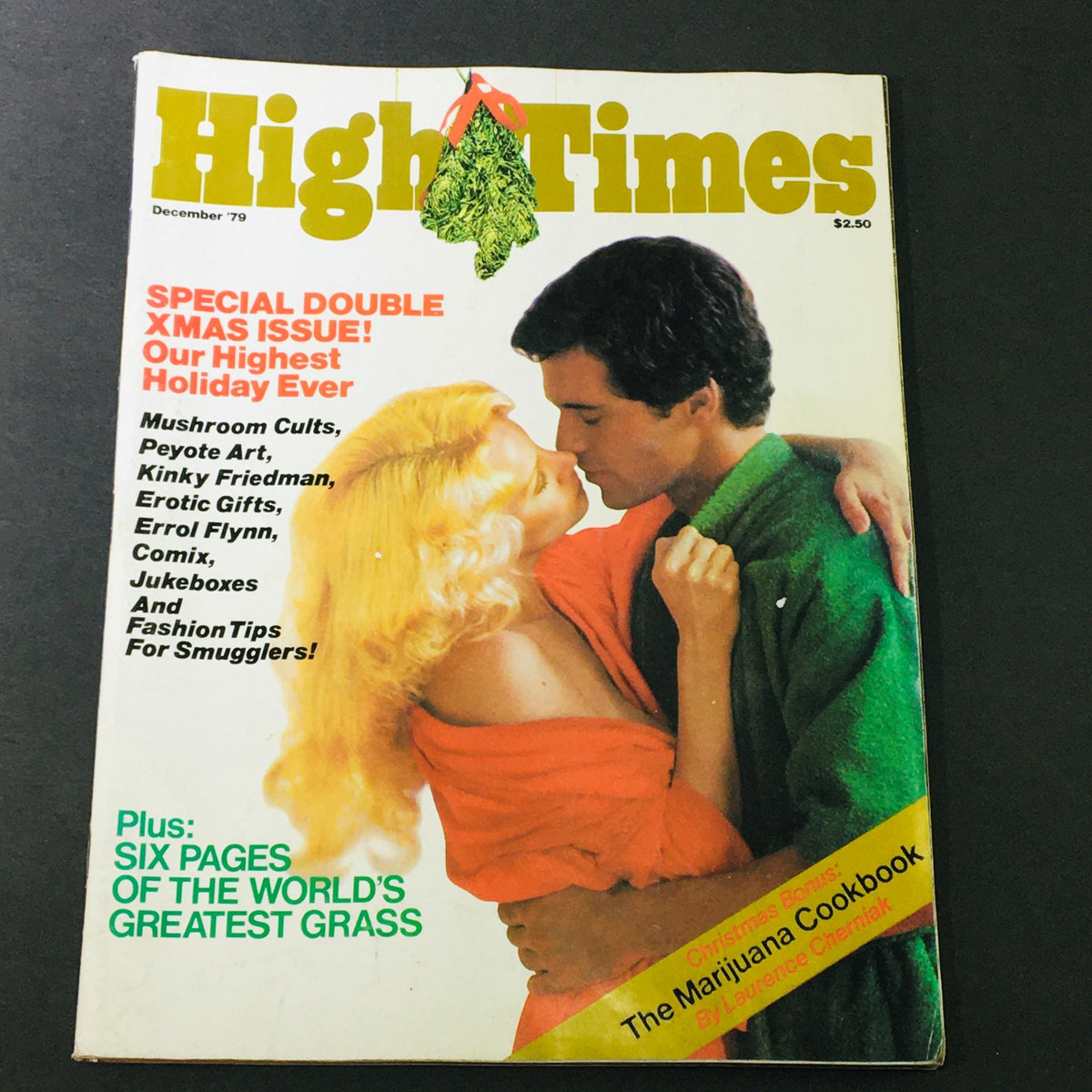
📖 About this Collection
Errol Flynn: The Swashbuckler Who Made the World His Stage
The Legend & The Legacy
Before the algorithm and the streaming queue, before celebrity became a data point, there was Errol Flynn — a man whose life arrived each month in glossy, ink-rich pages, crackling with rumour, romance, and barely contained scandal. From his explosive rise in Captain Blood in 1935 to his sun-drenched exile in Jamaica, the Australian-born adventurer occupied a singular place in the 20th-century imagination: he was not merely an actor, but a living archetype — the rogue, the lover, the rake who winked at consequence. Readers didn't simply follow his career; they devoured it, pressing their fingertips to studio-lit portraits and full-page profiles that tried — and invariably failed — to fully contain him. In an era when Hollywood's golden machinery controlled the narrative, physical magazines were the primary conduit through which an adoring and scandalized public encountered the man behind the myth, absorbing his every courtroom appearance, romantic conquest, and nautical escapade through prose that could be breathless, damning, or reverential, sometimes all at once.
Inside the Archive
The vintage magazine coverage of Flynn is as theatrical as the man himself. Studio-sanctioned spreads in Photoplay and Modern Screen during the late 1930s and 1940s presented him as the definitive leading man — barrel-chested, grinning, posed aboard sailing vessels or draped across chaise longues in a manner that suggested danger made handsome. The photography was lush and deliberately aspirational, lit with the warm, honeyed contrast of mid-century Hollywood portraiture. Life magazine, with its unmatched photojournalism pedigree, offered a more complex and often more candid lens — capturing the actor both at the height of his Warner Bros. reign and in the increasingly rakish later years that fascinated the public just as intensely. International editions and European publications, including the French Cinémonde, gave the story a transatlantic dimension, reflecting how thoroughly the swashbuckling Irishman had penetrated the global imagination. The editorial tone across publications shifted markedly across the decades: early coverage was breathlessly promotional; by the 1950s, it had grown tinged with elegy, the golden boy now a cautionary fable the press couldn't stop re-examining.
Curator's Checklist: Highlights Often Include
- Golden Era Hollywood profiles from the late 1930s and 1940s, frequently featuring lavish studio portrait photography and behind-the-scenes coverage of productions such as The Adventures of Robin Hood and The Sea Hawk
- Trial and scandal coverage from the early 1940s, when his highly publicized statutory rape trial consumed the American press and transformed him from matinee idol into something far more complex and compelling
- Human interest and lifestyle features centred on his yacht Zaca, his Jamaican estate Bolt Hall, and his reputation as one of Hollywood's most committed bon vivants — coverage that straddled the line between admiration and moral caution
- Obituary and retrospective issues from late 1959, published in the immediate aftermath of his sudden death at 50, which frequently offered sweeping reassessments of a career and a life that had already assumed the weight of legend
- International and fan magazine crossover issues from the 1950s that tracked his attempts at a European career reinvention, often carrying a poignant, autumnal tone absent from his triumphant early press
The Collector's Value
To hold a Flynn-era magazine is to hold something that breathes. The paper stock of a 1940s Photoplay carries a particular weight — slightly coarse beneath the fingertips, the ink set into the fibres in a way that no digital reproduction can approximate — and the advertisements surrounding his portrait tell their own story of mid-century American life: cigarette brands, perfume houses, war bond appeals, and starlet cosmetics all competing for attention alongside the man himself. These are primary source documents, not merchandise, and they carry the irreplaceable authority of contemporaneous witness. The surrounding cultural context is part of the artifact: to read Flynn's press in its original setting, surrounded by the anxieties and glamour of the era that produced him, is a fundamentally different experience from reading about him in retrospect. For collectors of classic Hollywood memorabilia, Golden Age cinema history, or mid-century print and publishing culture, these publications offer an unmediated encounter with the myth as it was being constructed in real time — urgent, opinionated, and gloriously impermanent. Browse the current available inventory below and discover which pieces from the Flynn archive are waiting to find a new custodian.