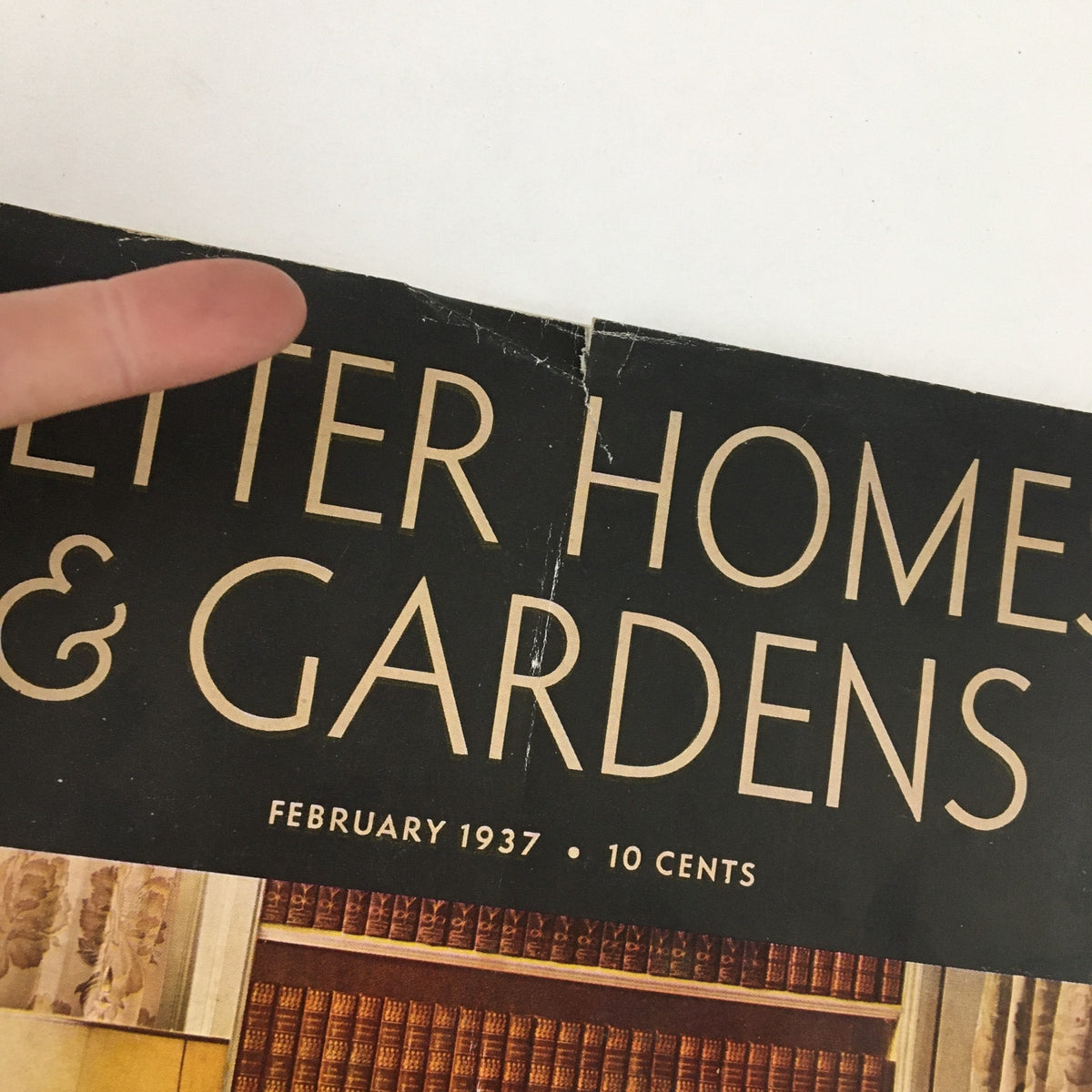
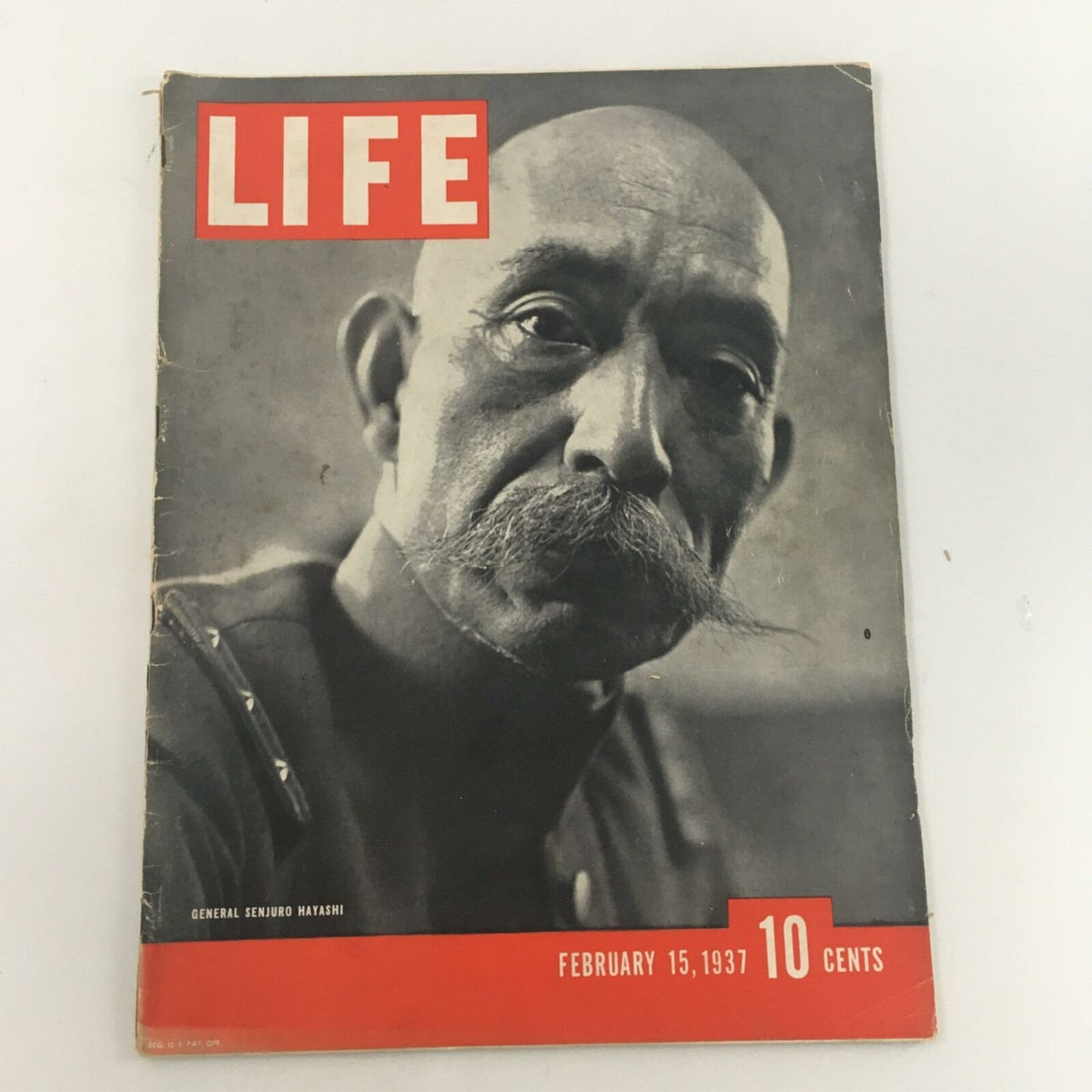
📖 About this Collection
February 1937: The Month America Held Its Breath
The Historical Context
February 1937 arrived like a coiled spring. The dominant story was one of raw political confrontation: President Franklin D. Roosevelt shocked the nation on February 5th with his audacious proposal to enlarge the Supreme Court—what critics immediately branded the "court packing" plan. The scheme to add up to six new justices threatened to reshape the balance of American democracy overnight, and the debate consumed Washington, the newspapers, and parlor conversations from coast to coast. It ultimately failed, but the fight it ignited revealed a nation wrestling with the limits of executive power at the height of the New Deal era.
Beyond Washington, the world watched labor and capital collide in the industrial heartland. The grueling 44-day sit-down strike at General Motors in Flint, Michigan—workers literally occupying the factory floors—ended on February 11th, a watershed moment for the American labor movement. Meanwhile, on the global stage, the League of Nations moved to formally ban foreign "volunteers" fighting in the Spanish Civil War on February 21st, a gesture of desperate diplomacy as Europe edged toward catastrophe. This was the world your loved one entered—charged, uncertain, and alive with consequence.
Culture, Sport & the Newsstands
While statesmen sparred and workers stood their ground, February 1937 offered its own quieter revolutions. On the sports pages, Australian cricket legend Don Bradman delivered two staggering performances against England—212 runs in the fourth Test and then a blazing 169 in the fifth—securing Australia's Ashes victory 3-2 and cementing his reputation as the greatest batsman who ever lived. Life and international sports journals tracked every innings with an intensity that rivaled political coverage.
On Broadway, Maxwell Anderson's dramatic verse play Masque of Kings opened on February 8th, bringing operatic tragedy to New York stages, while Jean Anouilh's Le Voyageur Sans Baggage made its Paris premiere—two theatrical openings that announced 1937 as a year of serious, ambitious drama. Science made its quiet claim on the future as well: DuPont patented nylon on February 16th, a discovery that would soon transform fashion advertising in Vogue and Harper's Bazaar for decades. Original magazines from February 1937 capture all of it—the box scores, the theater reviews, the advertisements for a synthetic future not yet arrived.
The Curator's Checklist
-
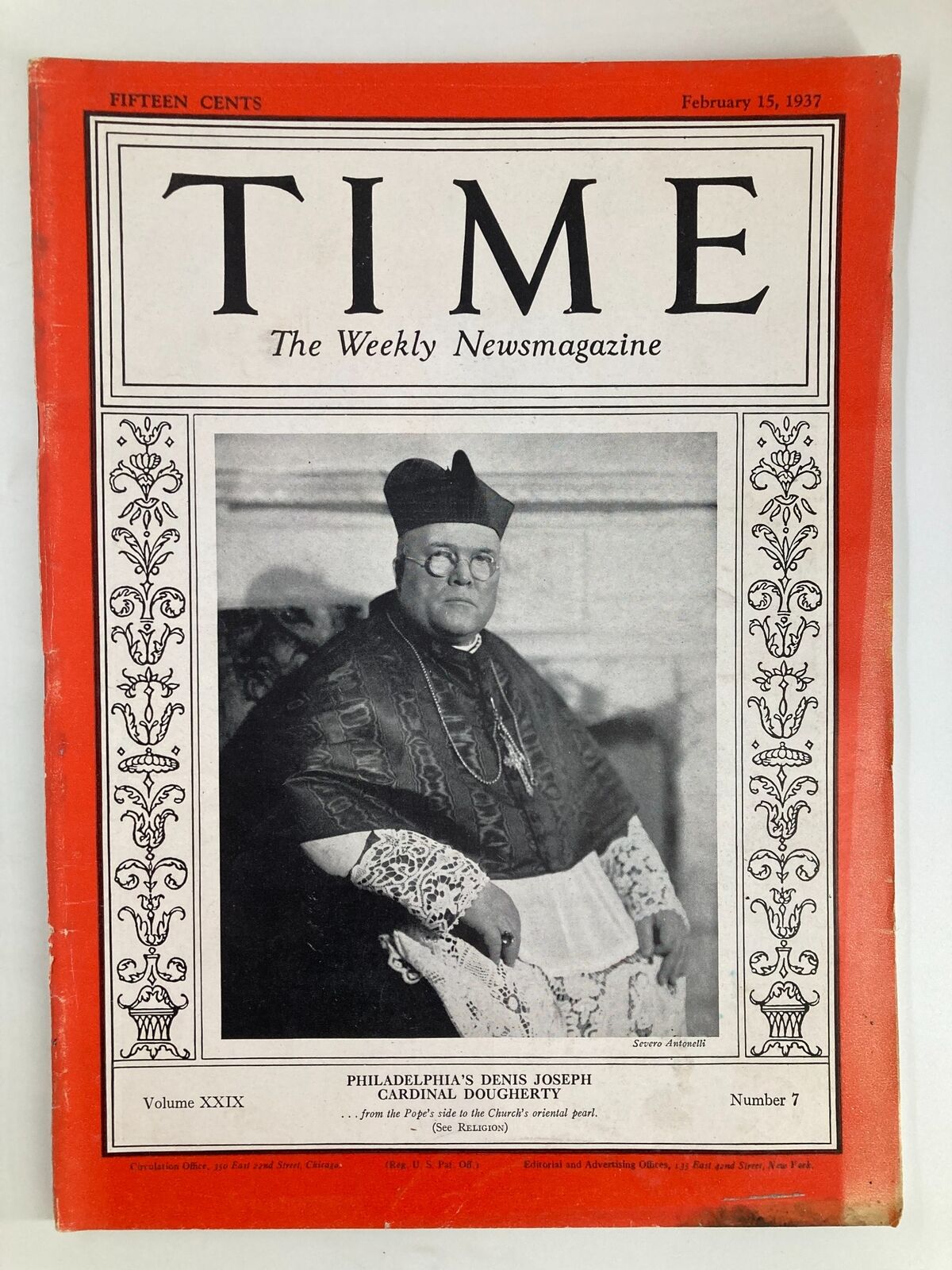
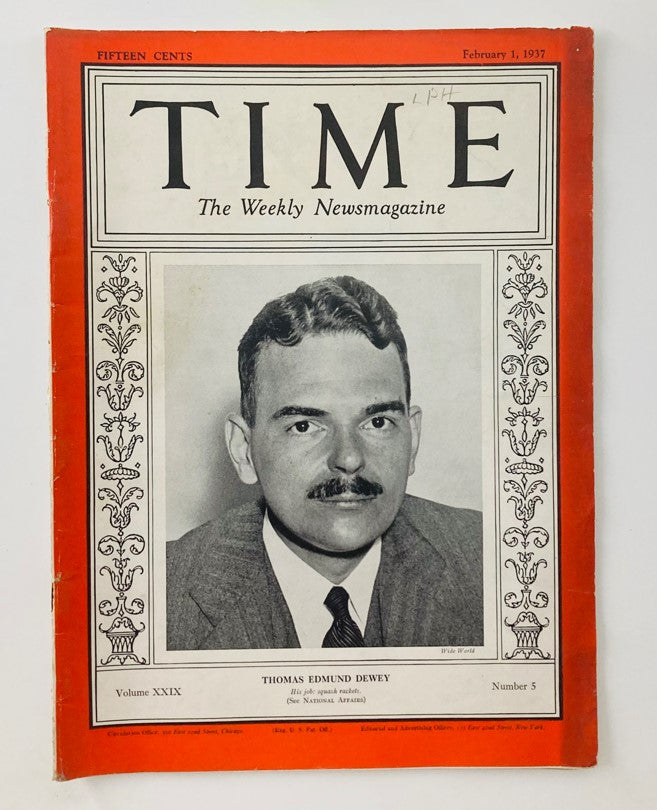
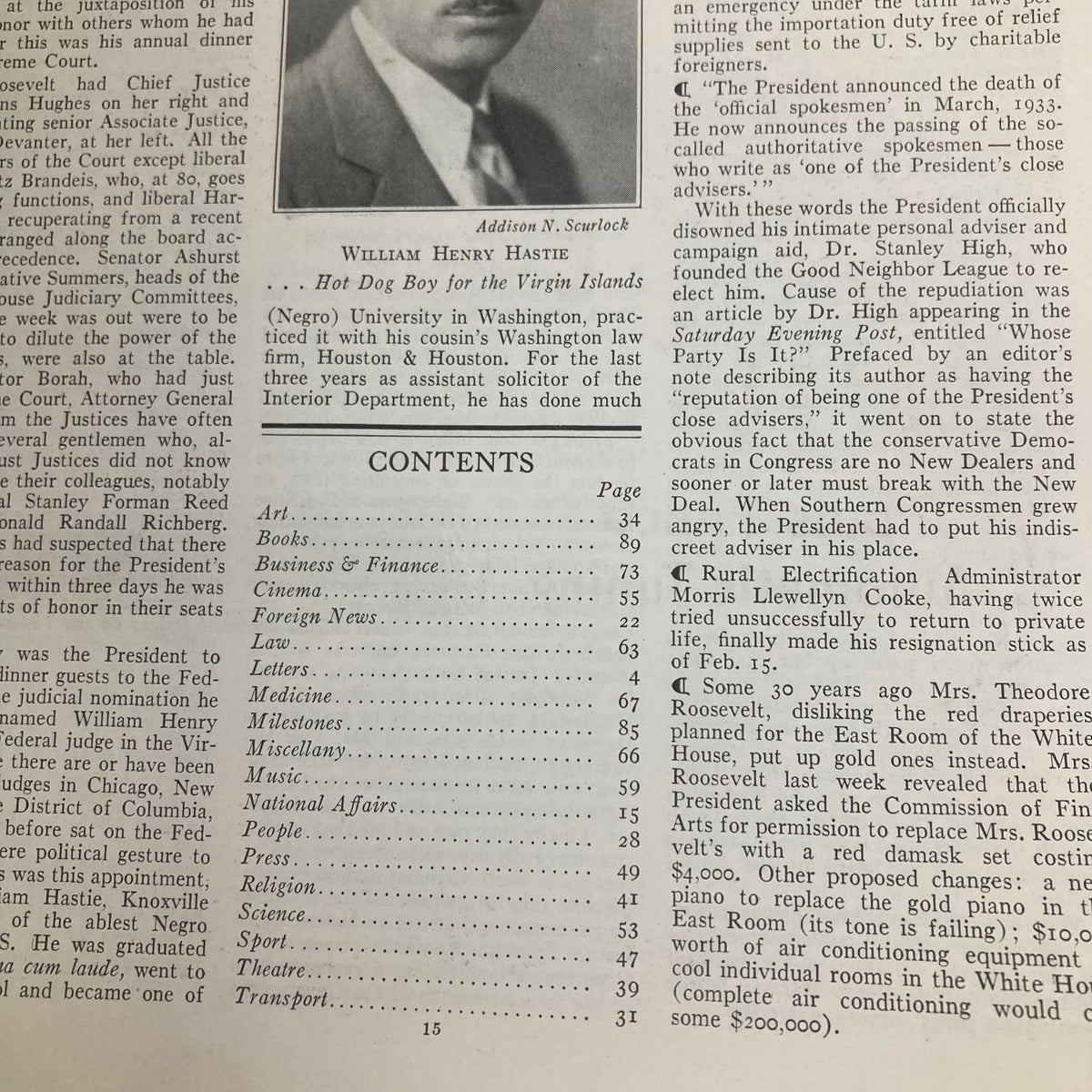
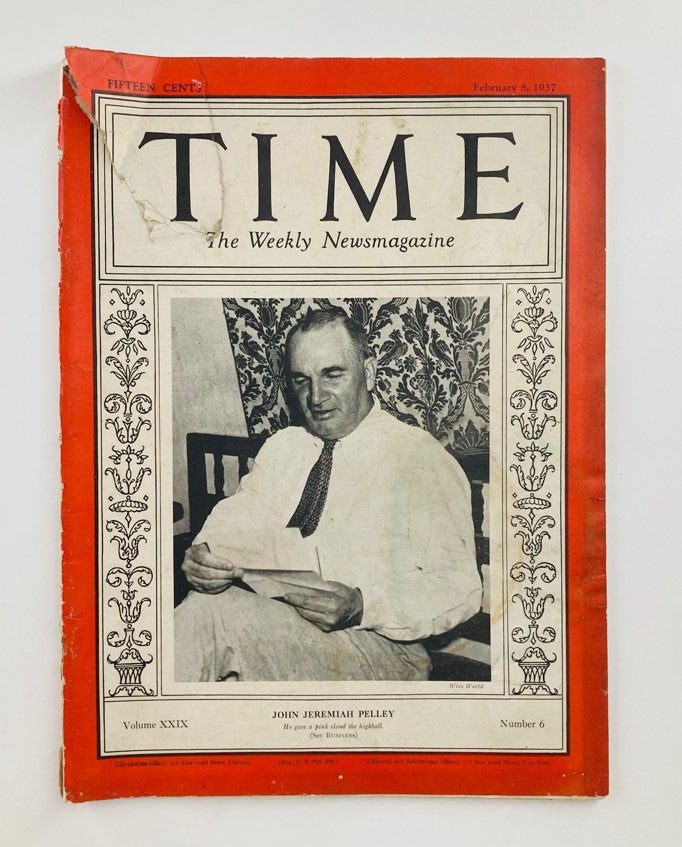
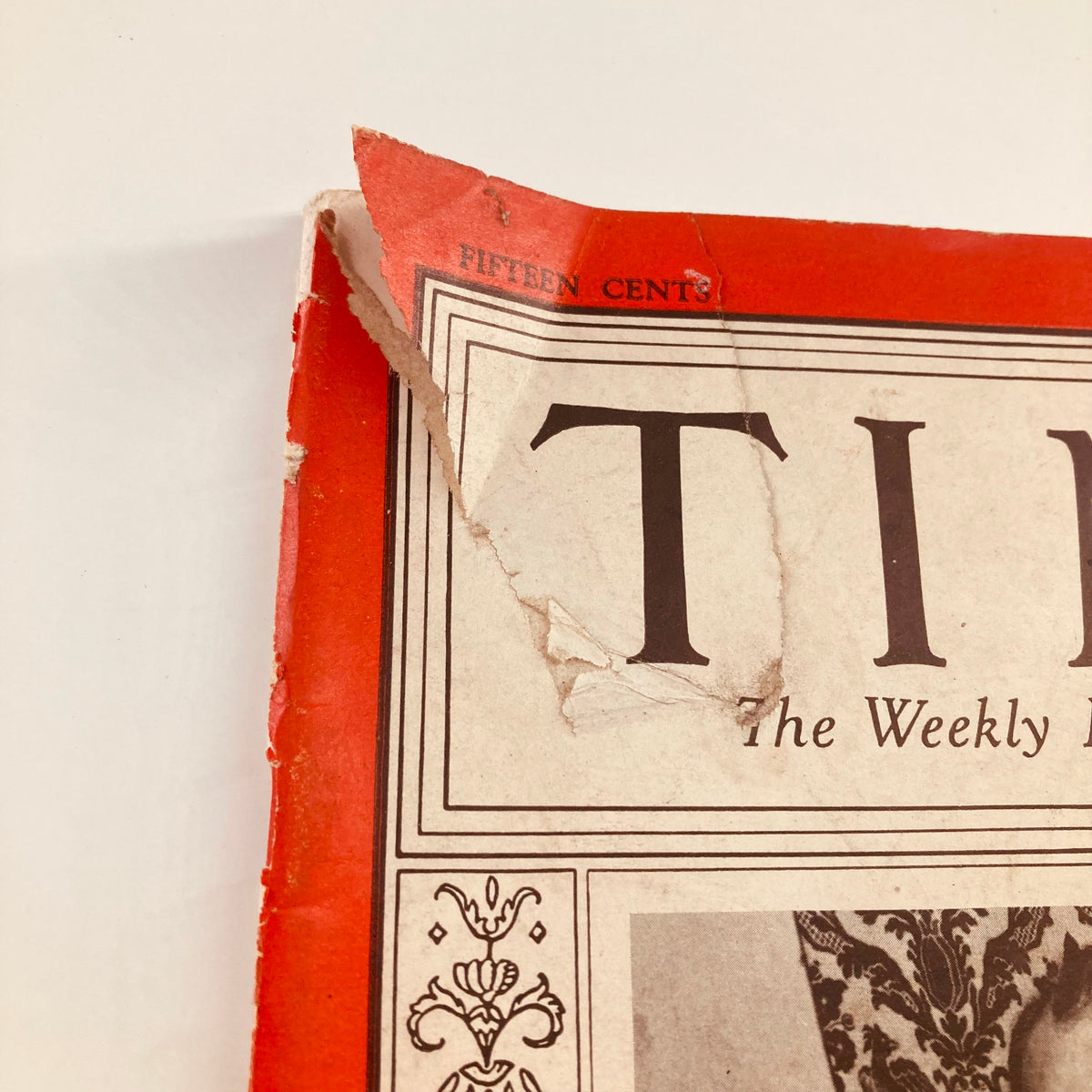
FDR's Court-Packing Proposal: Time, Newsweek, and Life all devoted major spreads to Roosevelt's Supreme Court enlargement plan, featuring editorial cartoons, portrait photography of the justices, and heated opinion columns—some of the most charged political journalism of the New Deal era.
-
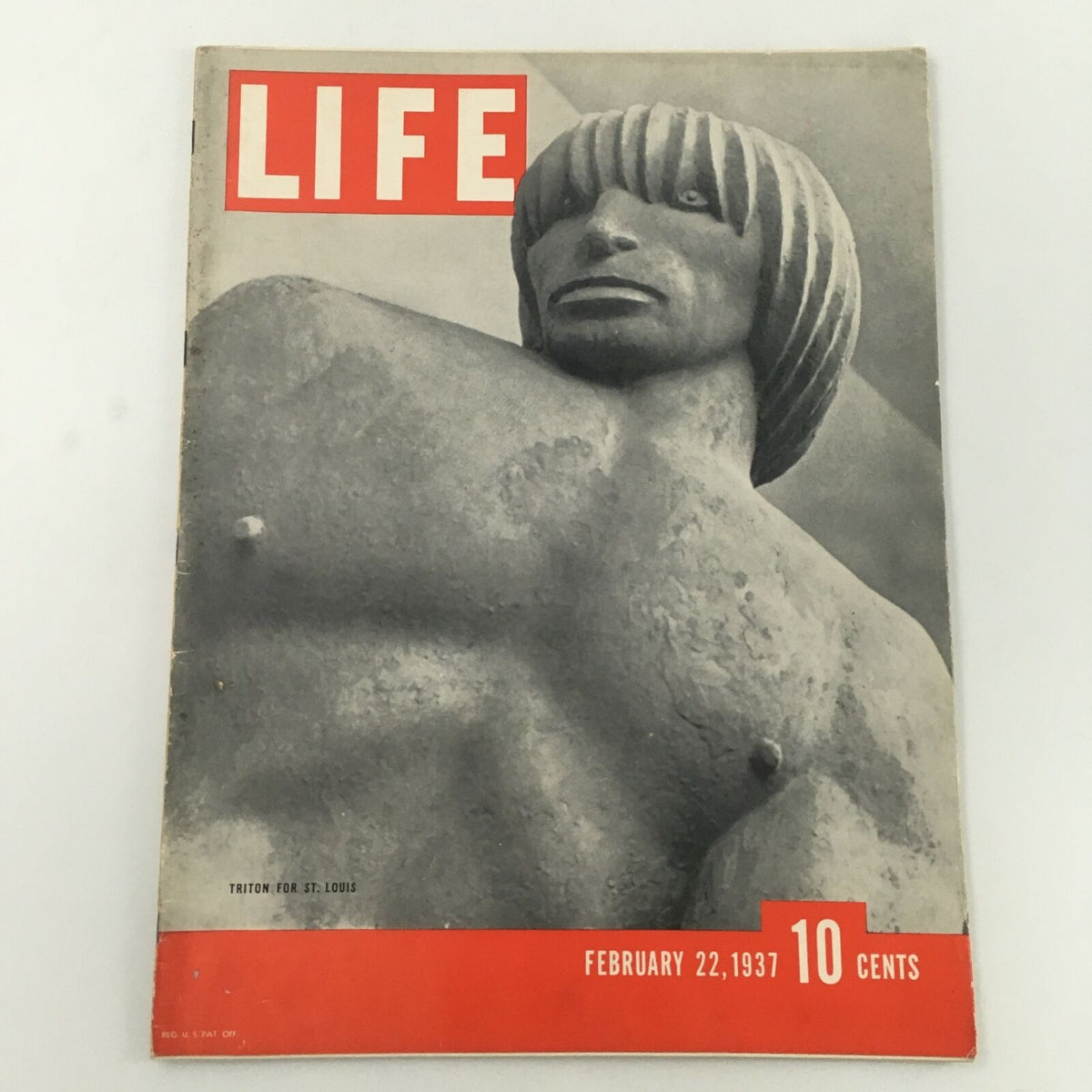
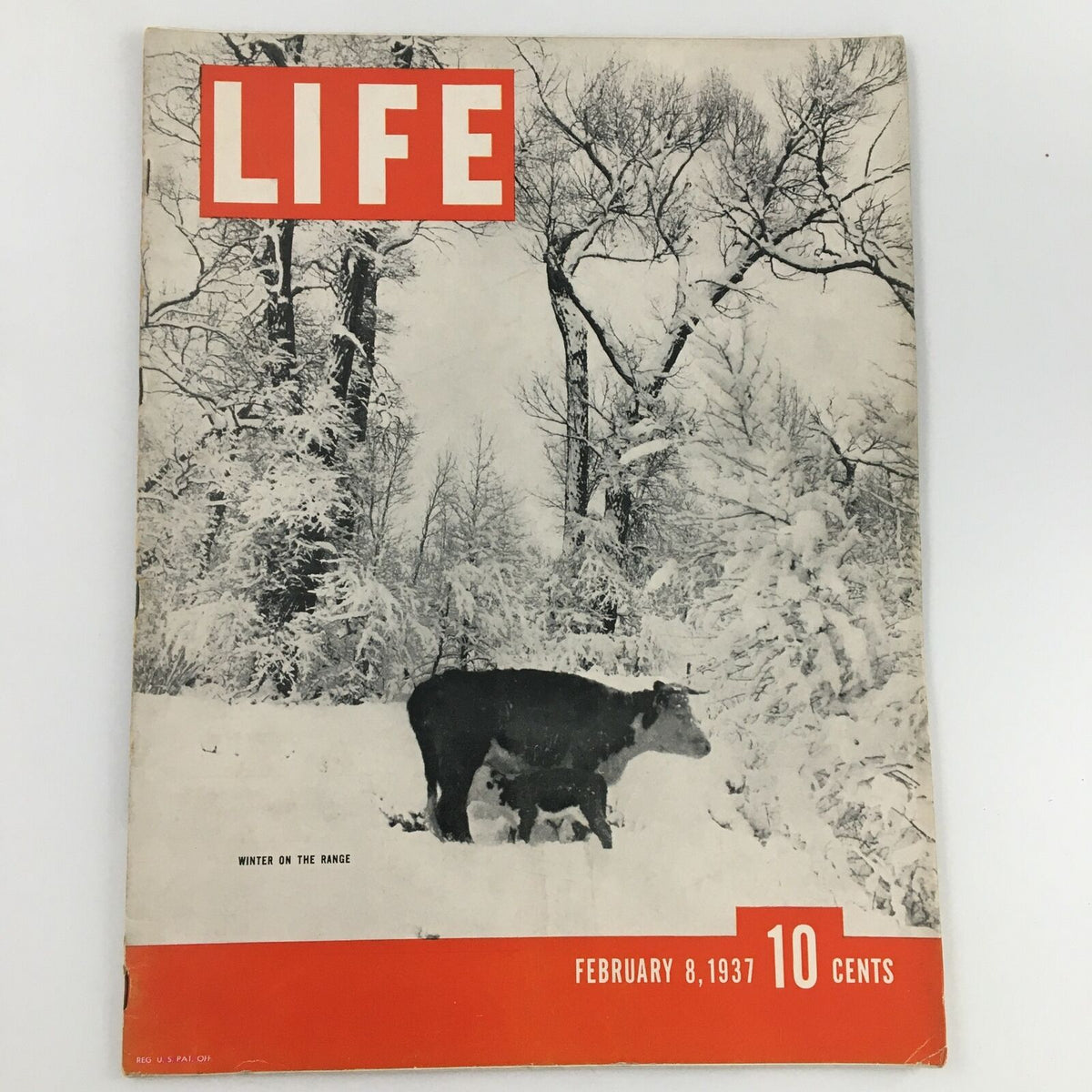
The Flint GM Strike: Look for Life and Look photojournalism issues from this month showcasing rare images of workers inside occupied factory floors, alongside advertisements for consumer goods that carry an ironic weight given the labor unrest surrounding their production.
-
Don Bradman's Ashes Triumph: Sports Illustrated did not yet exist, but British and Australian sporting publications and general-interest vintage magazines from this period feature dramatic match reporting and portrait photography of Bradman at the crease—genuine collector's items for cricket historians.
-
DuPont Patents Nylon: Fashion and lifestyle publications like Vogue and Harper's Bazaar from early 1937 showcase the advertising campaigns and fabric editorials that preceded nylon's consumer launch—authentic documentary evidence of a material that changed the modern world.
-
Prince Valiant & American Comics: The debut of the Prince Valiant comic strip on February 13th is captured in newspaper supplement archives and general-interest magazines chronicling the golden age of illustrated American storytelling—a rare glimpse at a cultural institution at its birth.
The Perfect Gift
For someone born in February 1937, an original magazine from this extraordinary month isn't just a piece of paper—it's a genuine time capsule of a world in transformation, preserved in authentic headlines, period advertisements, and photography that no reproduction can replicate.