📖 About this Collection
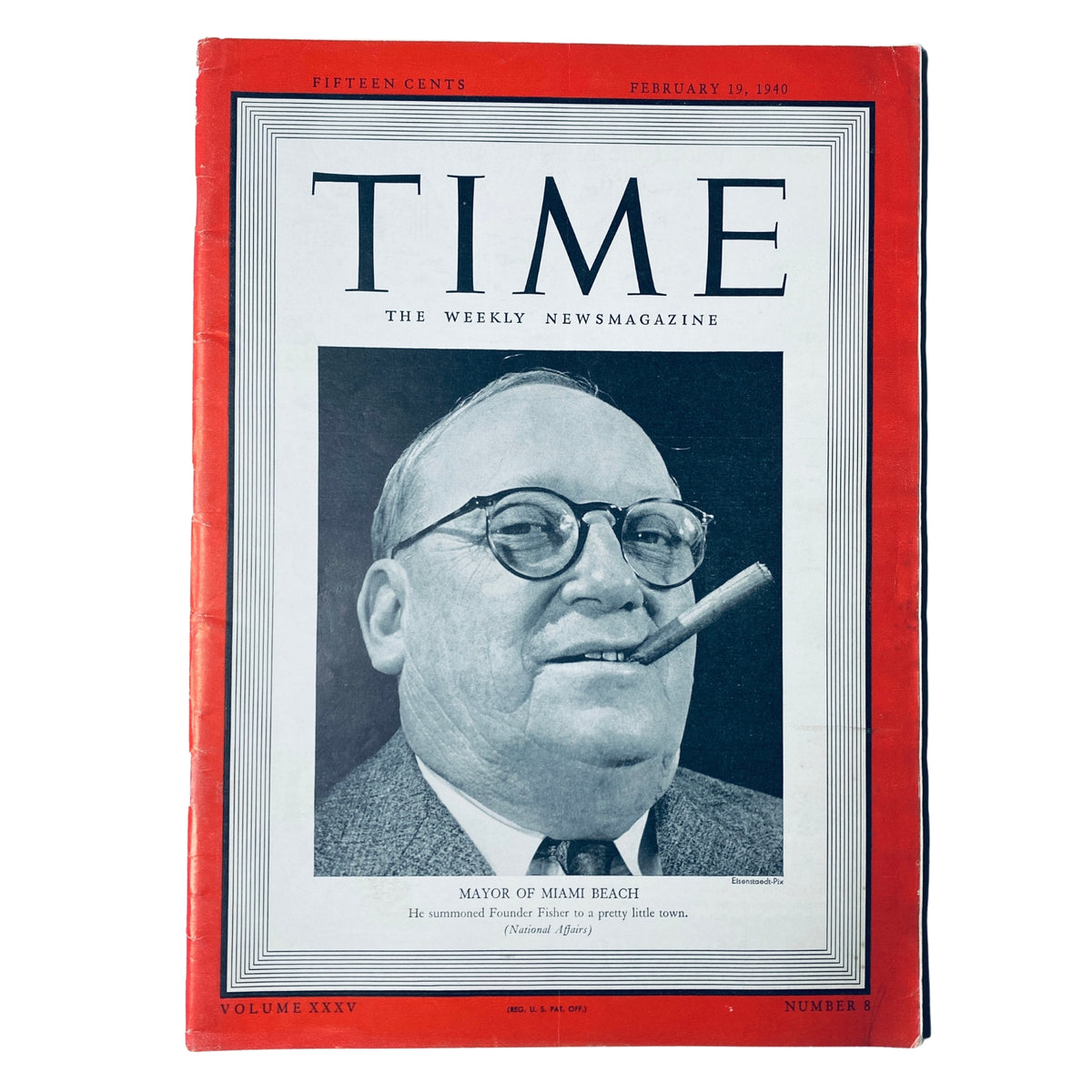
February 1940: When Swing Played On and Empires Trembled
The Historical Context
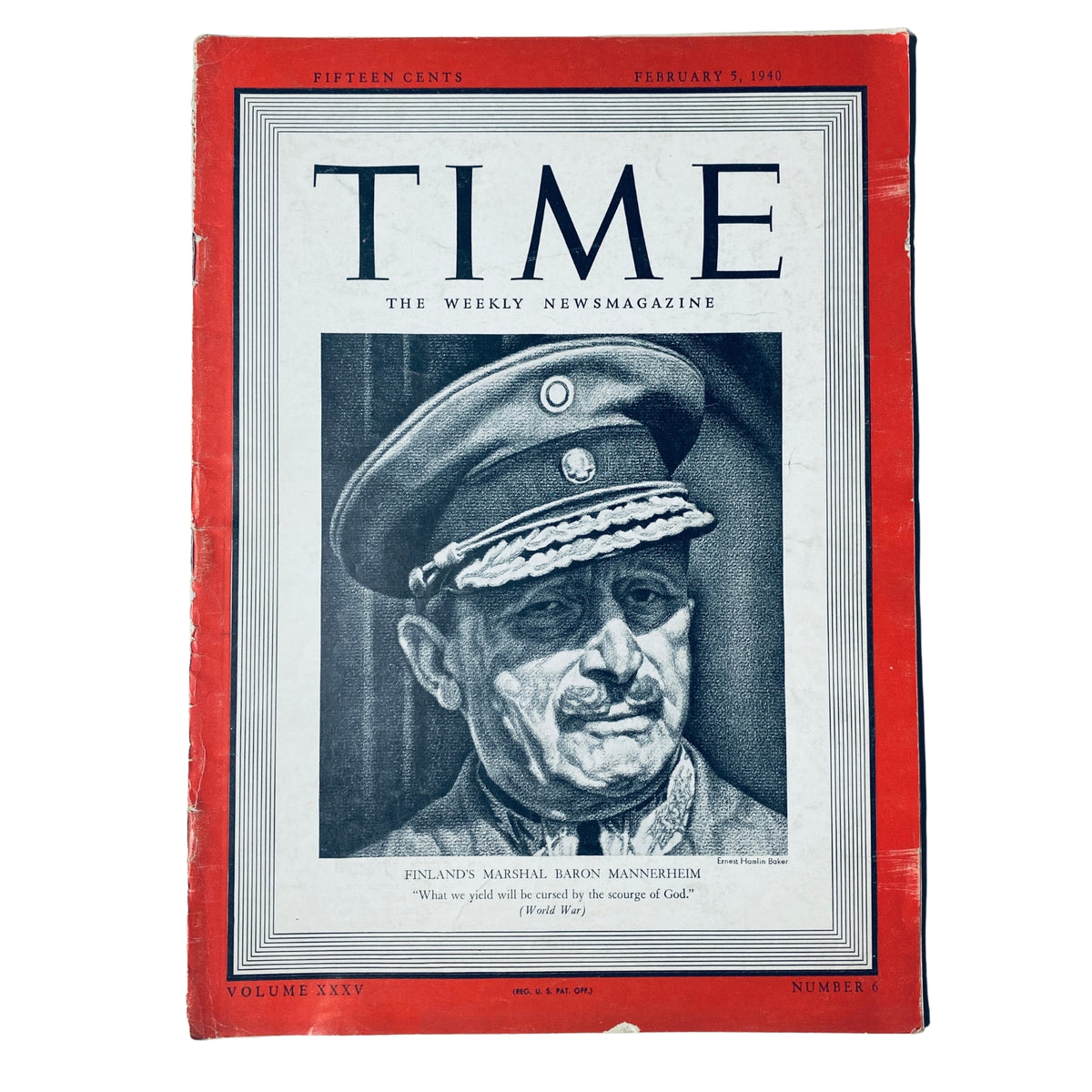
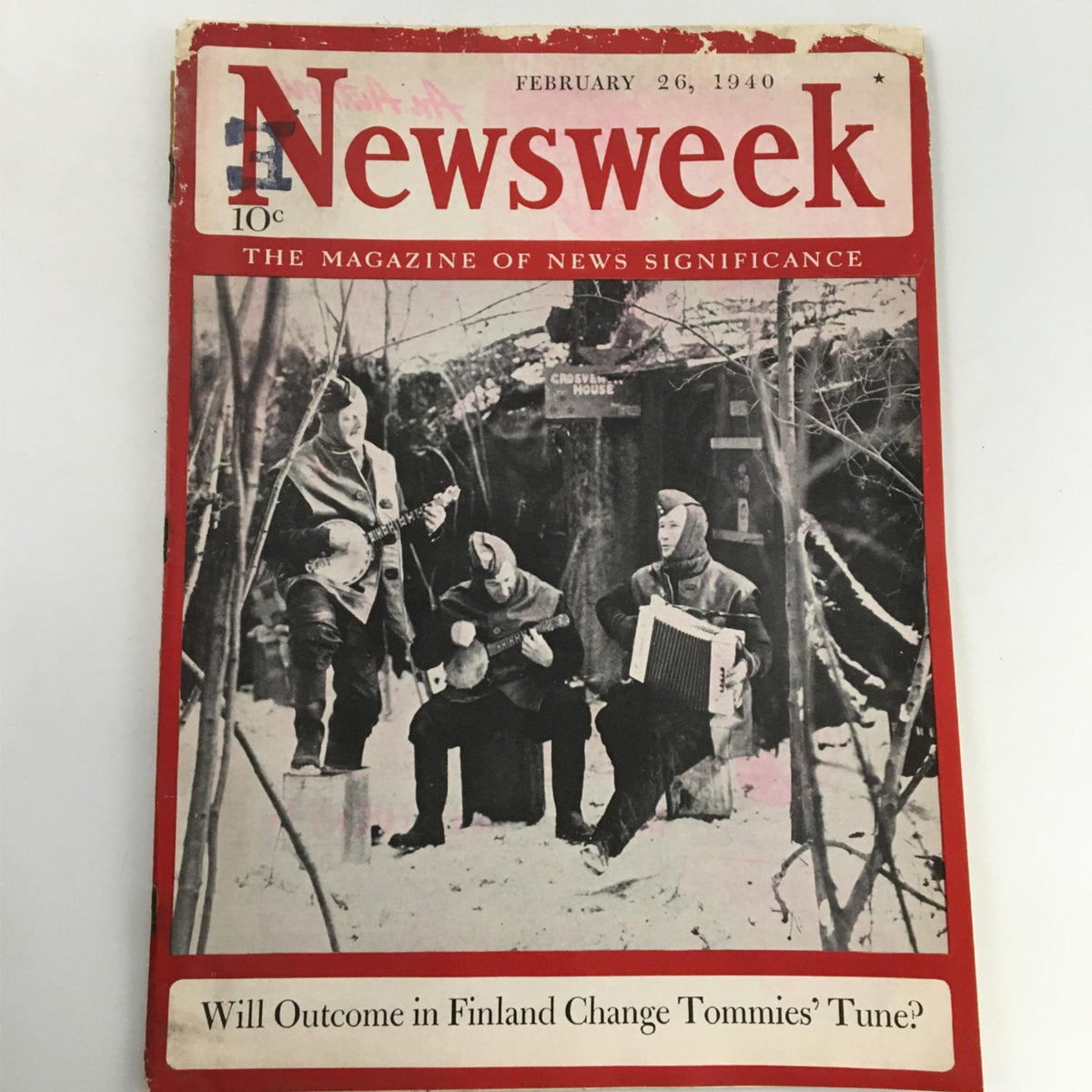
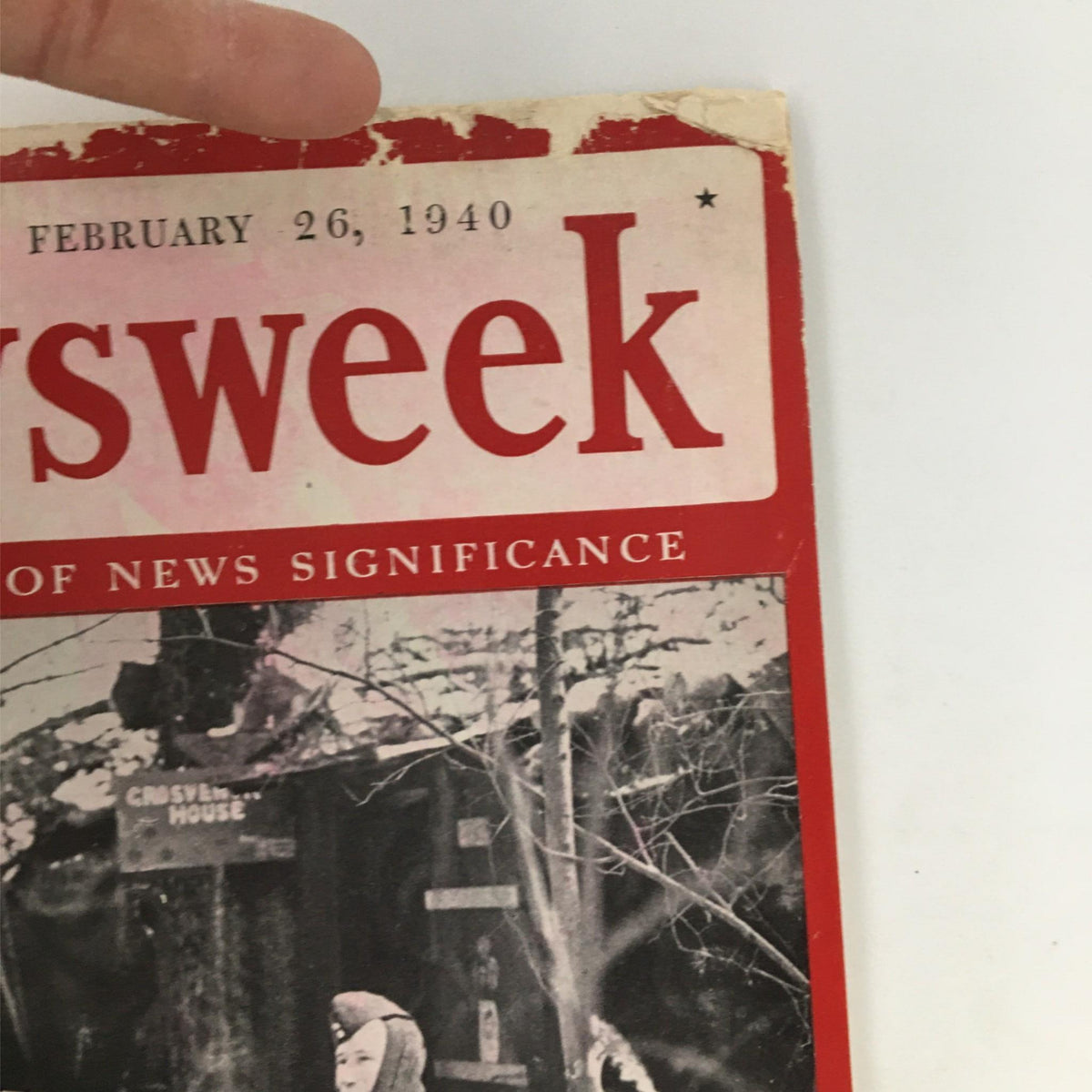
February 1940 arrived with the weight of a continent under siege. Finland's defiant stand against Soviet forces dominated the world's attention — Moscow had launched a brutal new offensive, driving Finnish troops from island to island, and by month's end, Helsinki had no choice but to begin peace negotiations. The Winter War was grinding toward its bitter conclusion, and Time and Life captured every desperate mile of it.
Yet even as Europe bled, history moved on its own terms. On February 17th, the Royal Navy launched a daring rescue in Norway's Jøssingfjord — sailors boarding the German ship Altmark with bayonets and cutlasses in what would prove the last such action in Royal Naval history, freeing 299 British prisoners in hand-to-hand fighting. Closer to home, February 27th delivered a discovery of quiet, staggering importance: scientists Martin Kamen and Sam Ruben identified carbon-14 at the University of California, unlocking the future of radiocarbon dating. This was the world your loved one entered — one trembling between catastrophe and wonder.
Culture in Full Swing, Captured in Every Issue
For all its shadows, February 1940 roared with life on American newsstands. On February 7th, Walt Disney unveiled Pinocchio to New York audiences — his second animated feature, a film of breathtaking technical ambition — and original magazines from February 1940 brimmed with studio promotion and full-color stills that no streaming service can replicate. Glenn Miller's orchestra recorded "Tuxedo Junction" on the 5th, and "In The Mood" climbed to number one on the 10th; Variety tracked every chart move and ballroom booking. On February 29th — a leap day etched in Hollywood memory — the 12th Academy Awards delivered Gone with the Wind eight Oscars, with Vivien Leigh and Robert Donat honored as Best Actress and Actor, and Hattie McDaniel made history as the first African American woman to win an Academy Award.
Television, too, was finding its footing: NBC staged the first inter-city broadcast on February 1st, and New York's W2XBS aired the first televised hockey game on the 25th and the first televised basketball game three days later. TV Guide didn't yet exist to document it, but Look and the Saturday Evening Post were already marveling at the strange new box in the living room.
The Curator's Checklist: What to Look for in Your February 1940 Issue
-
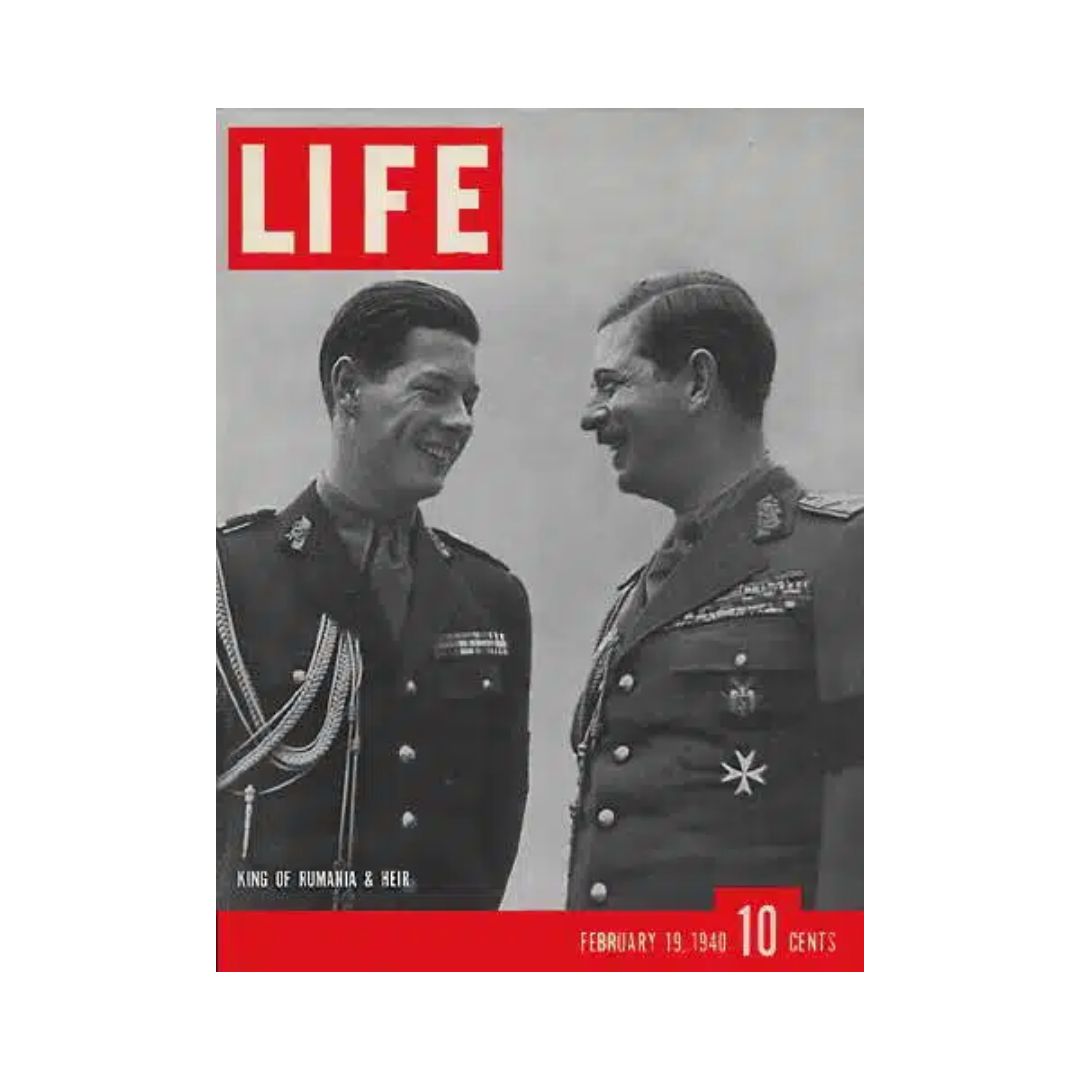
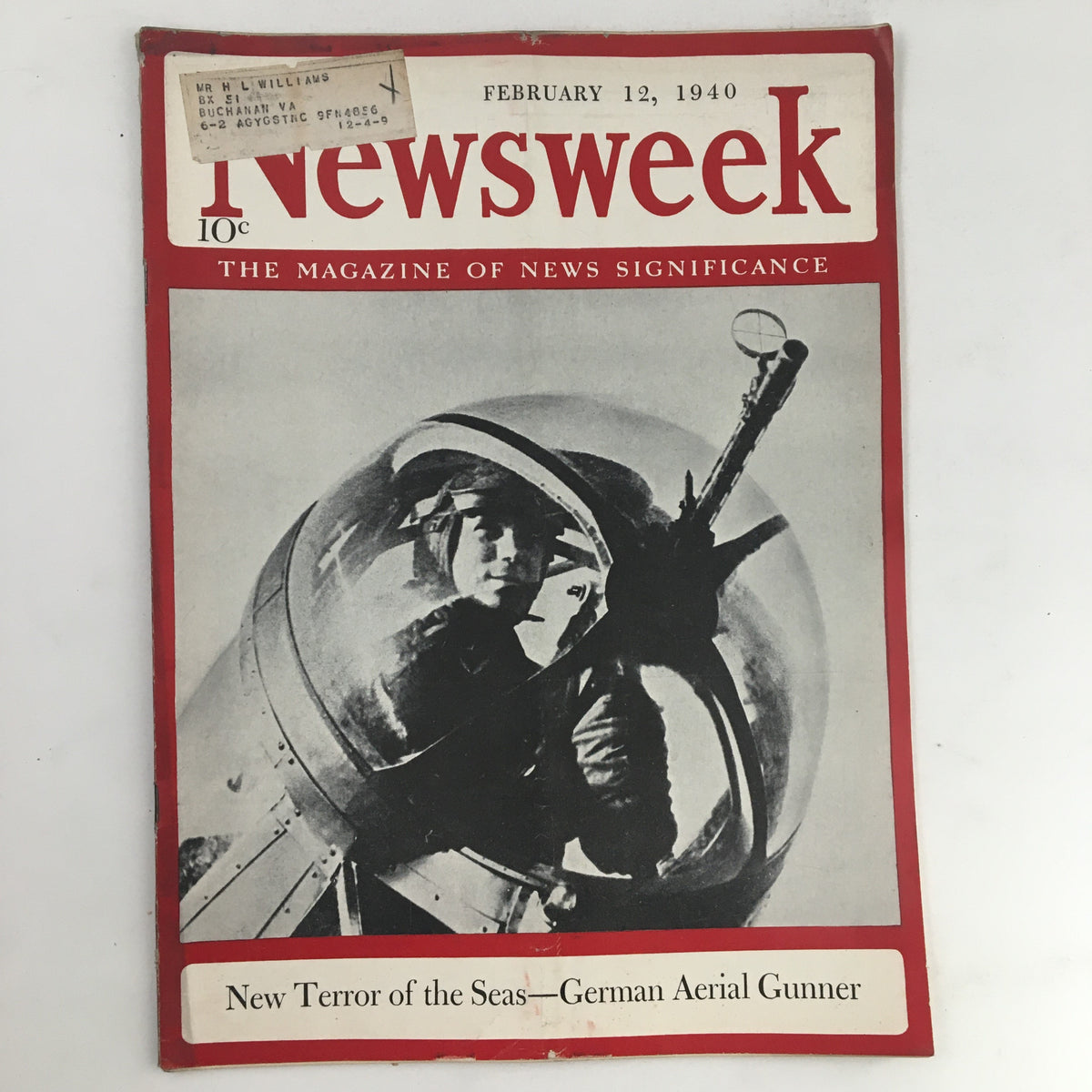
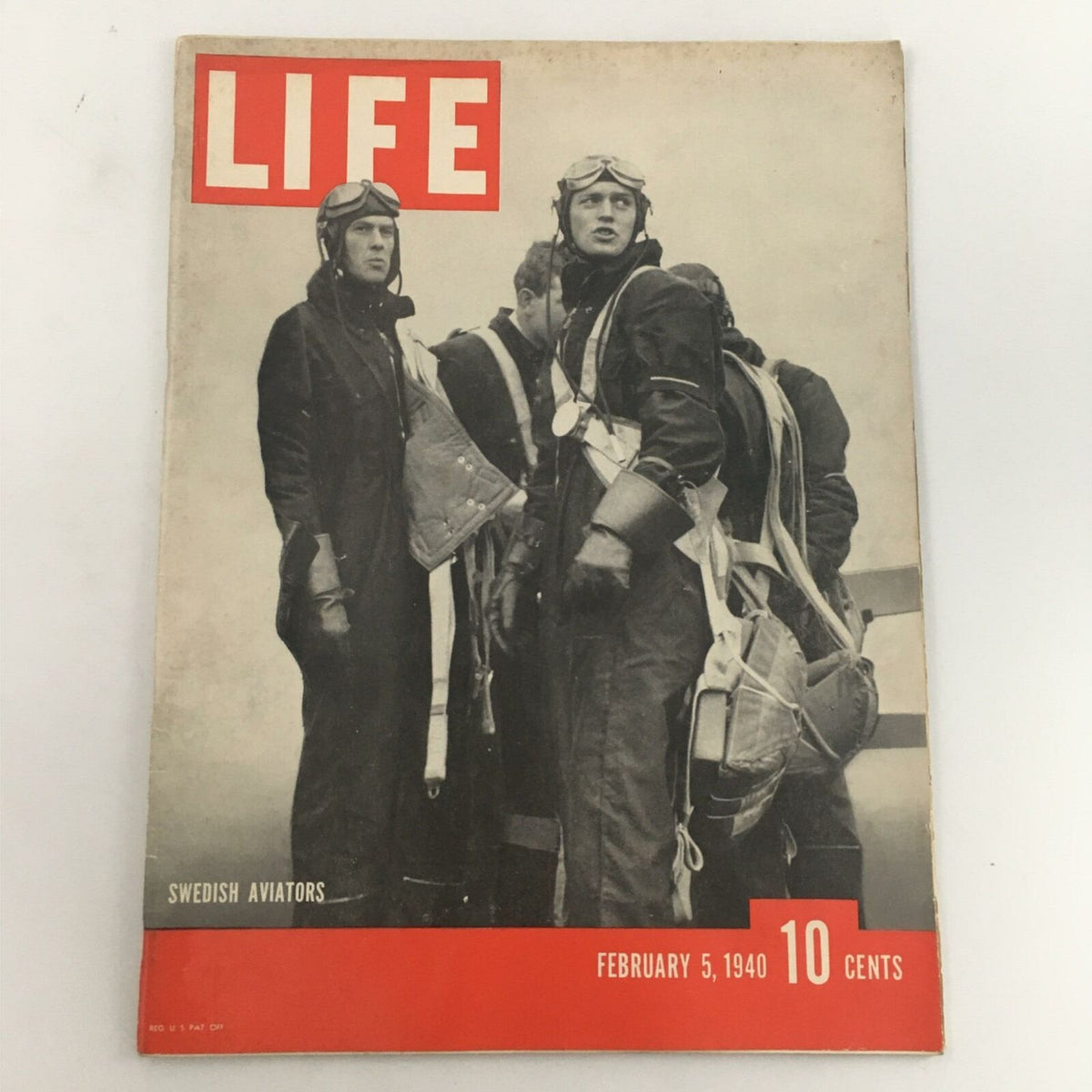
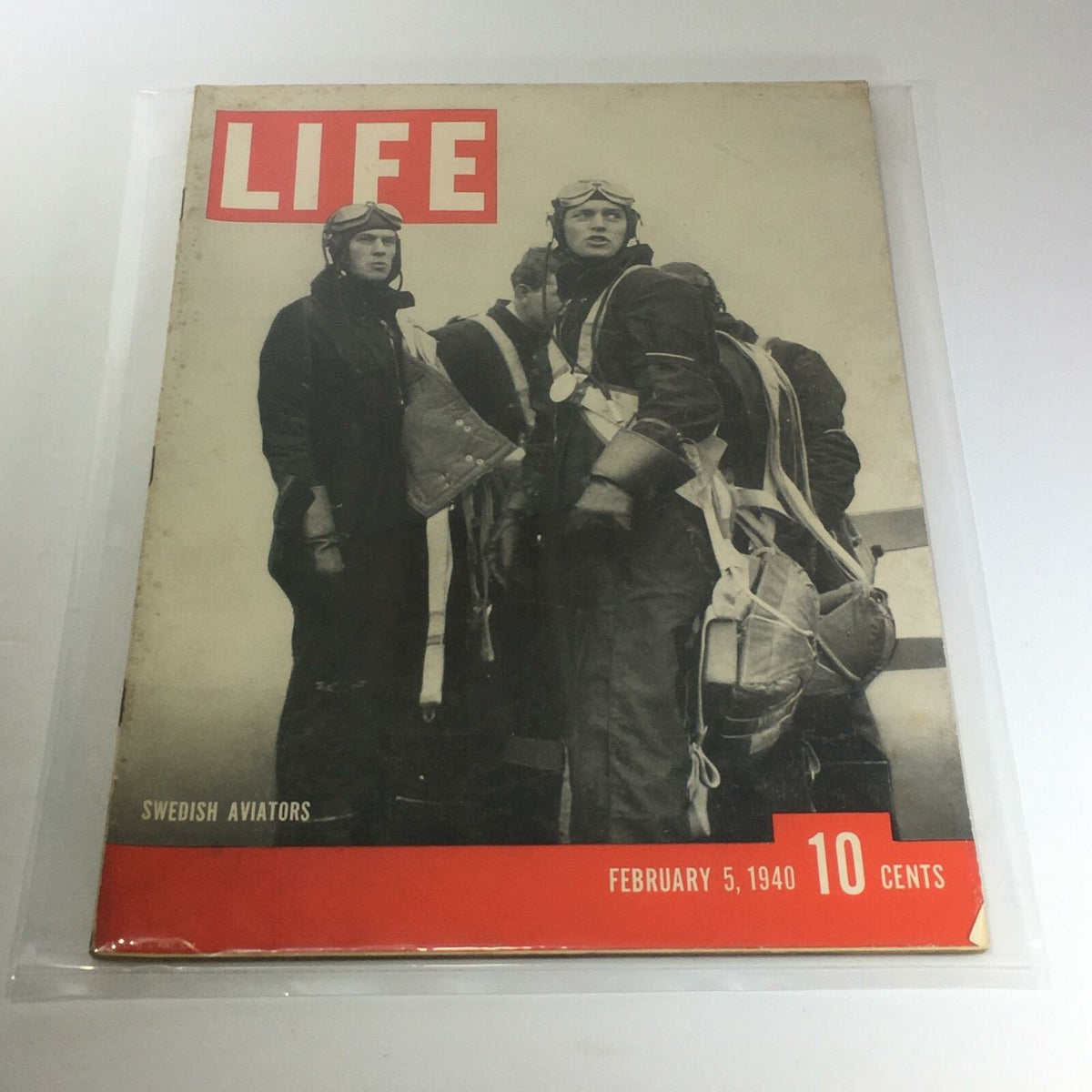
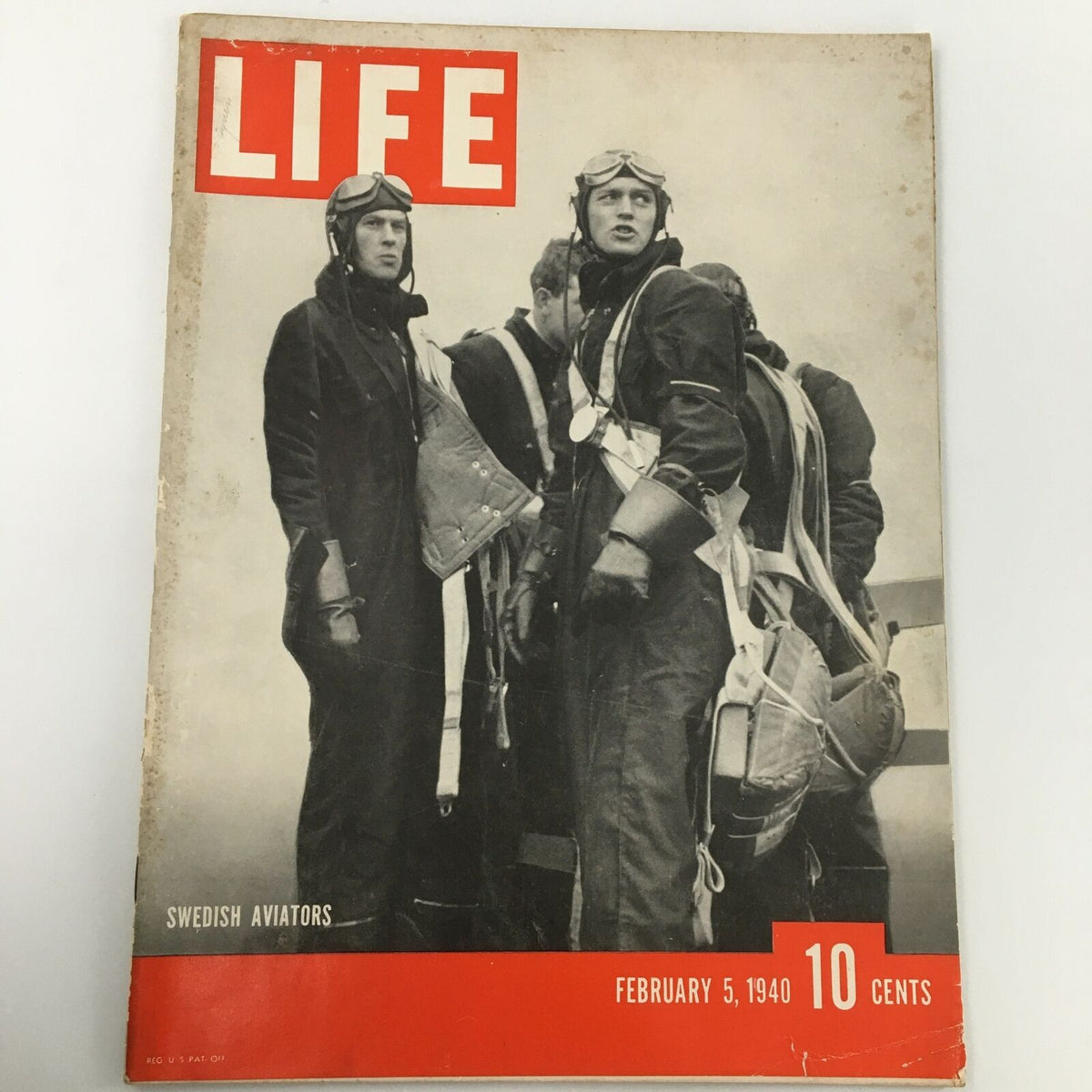
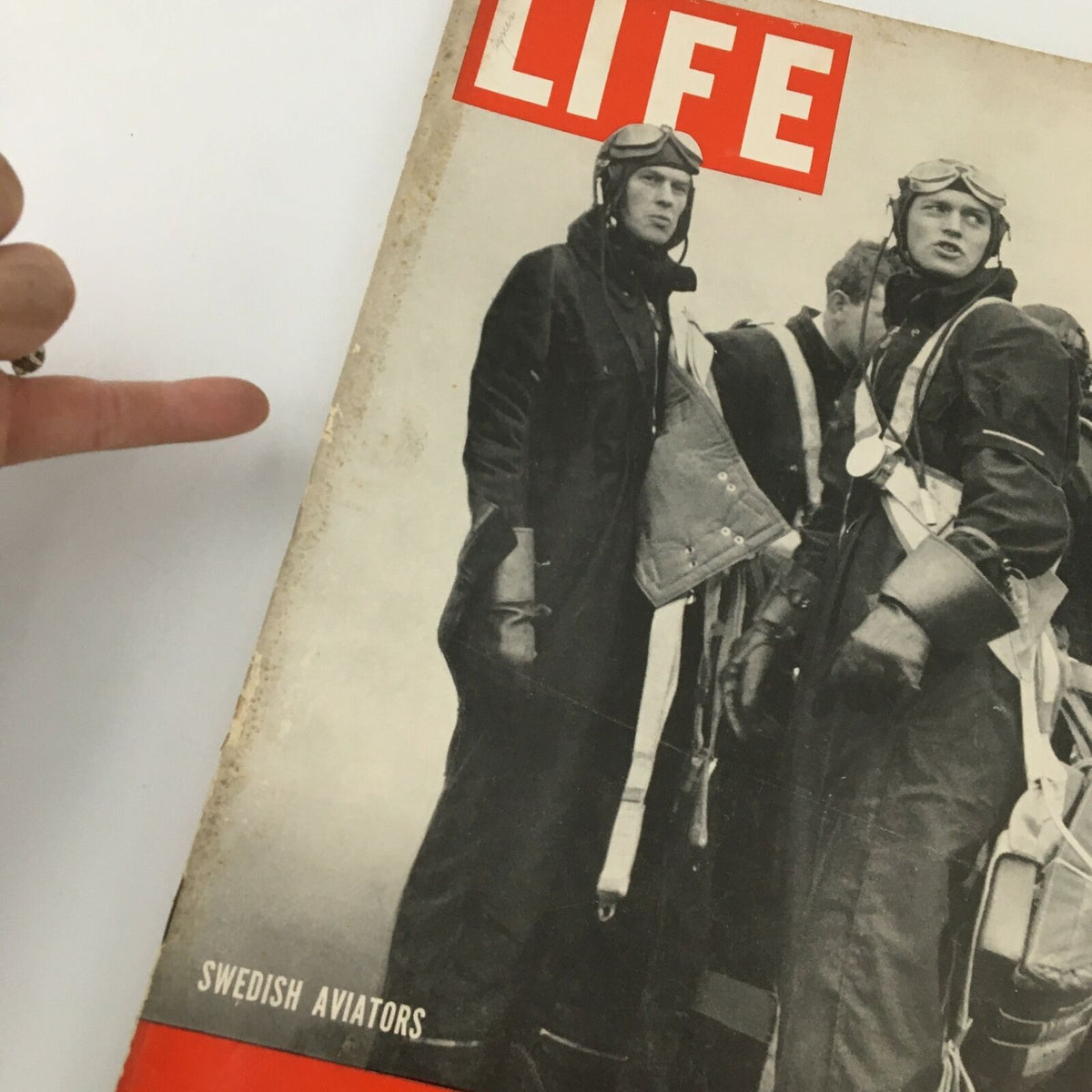
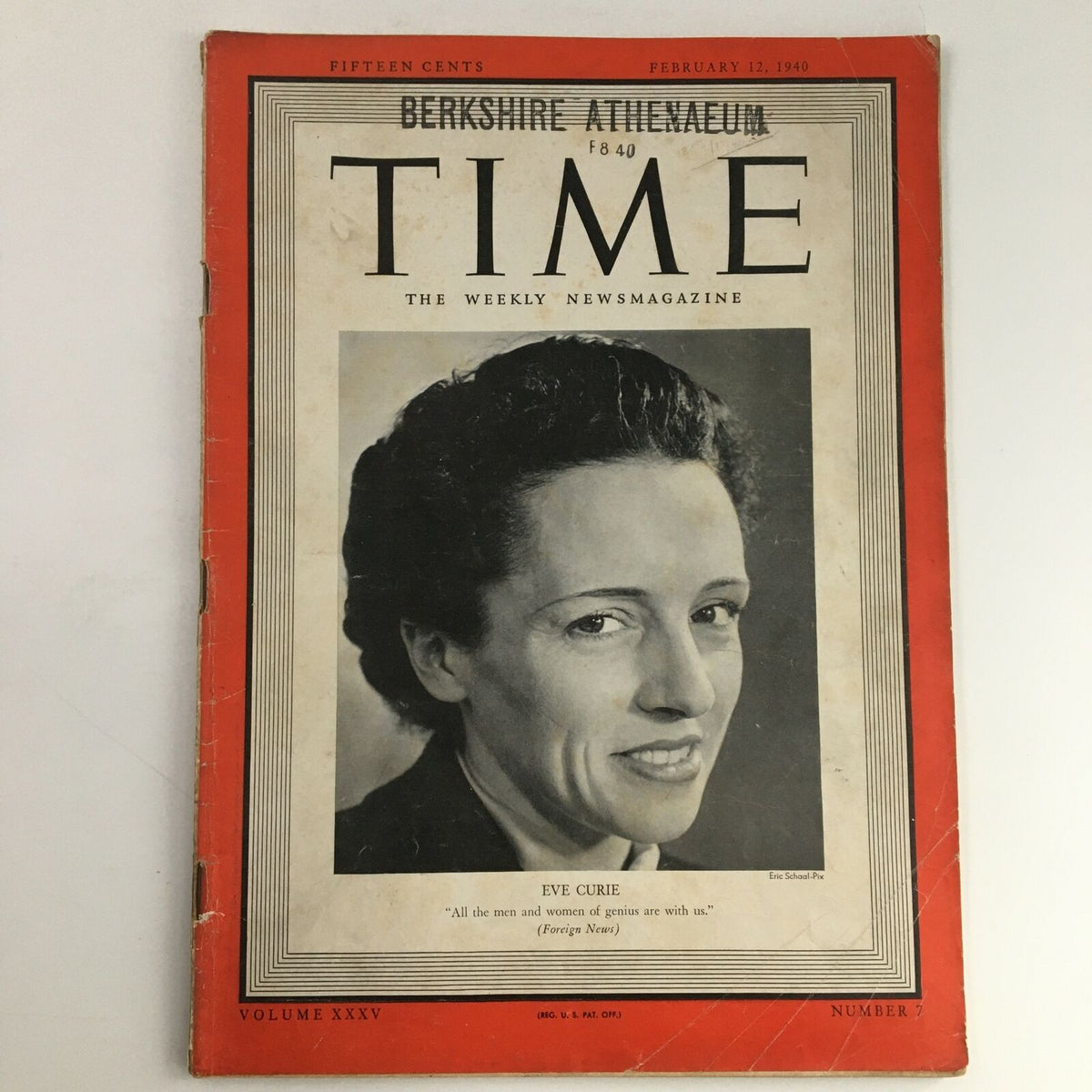
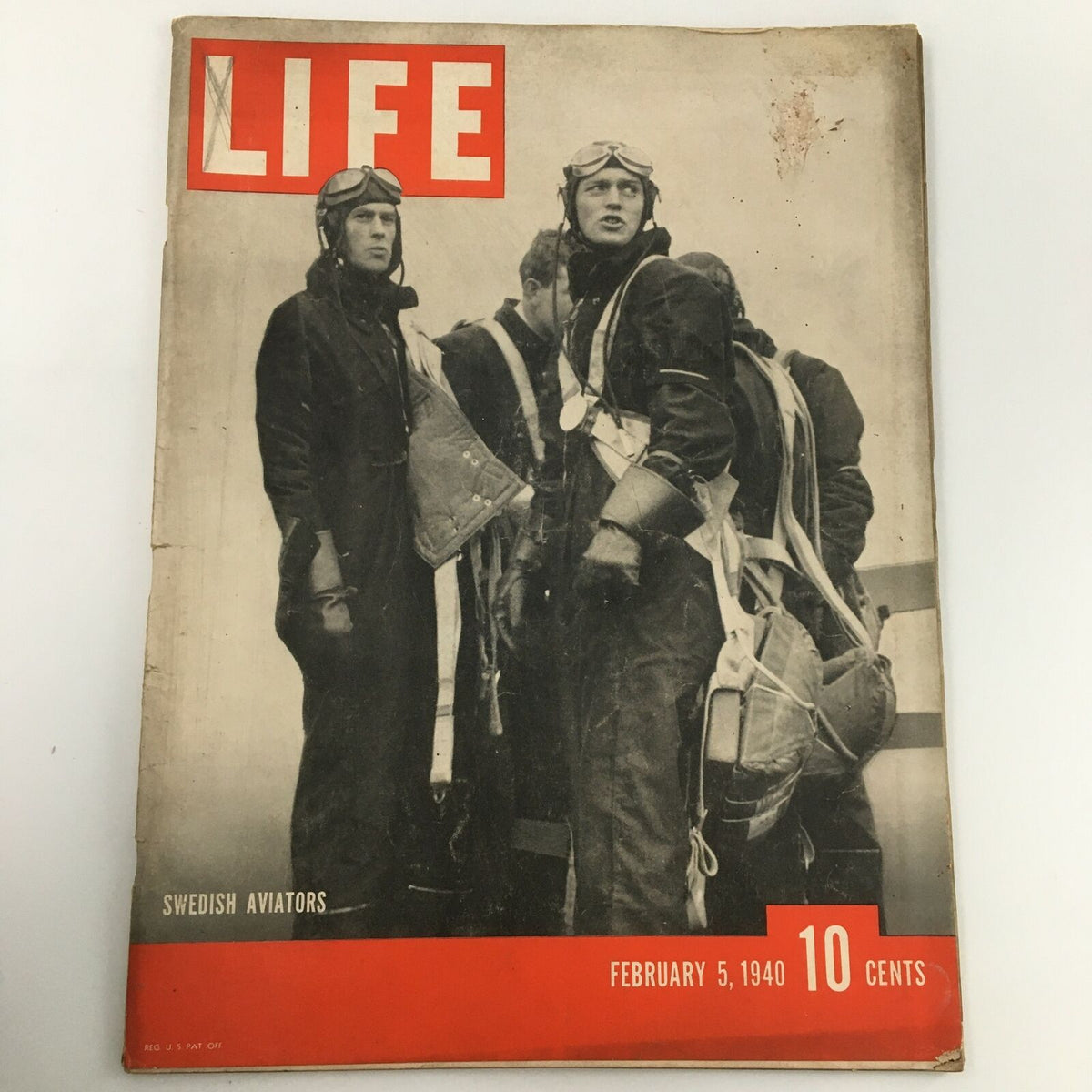
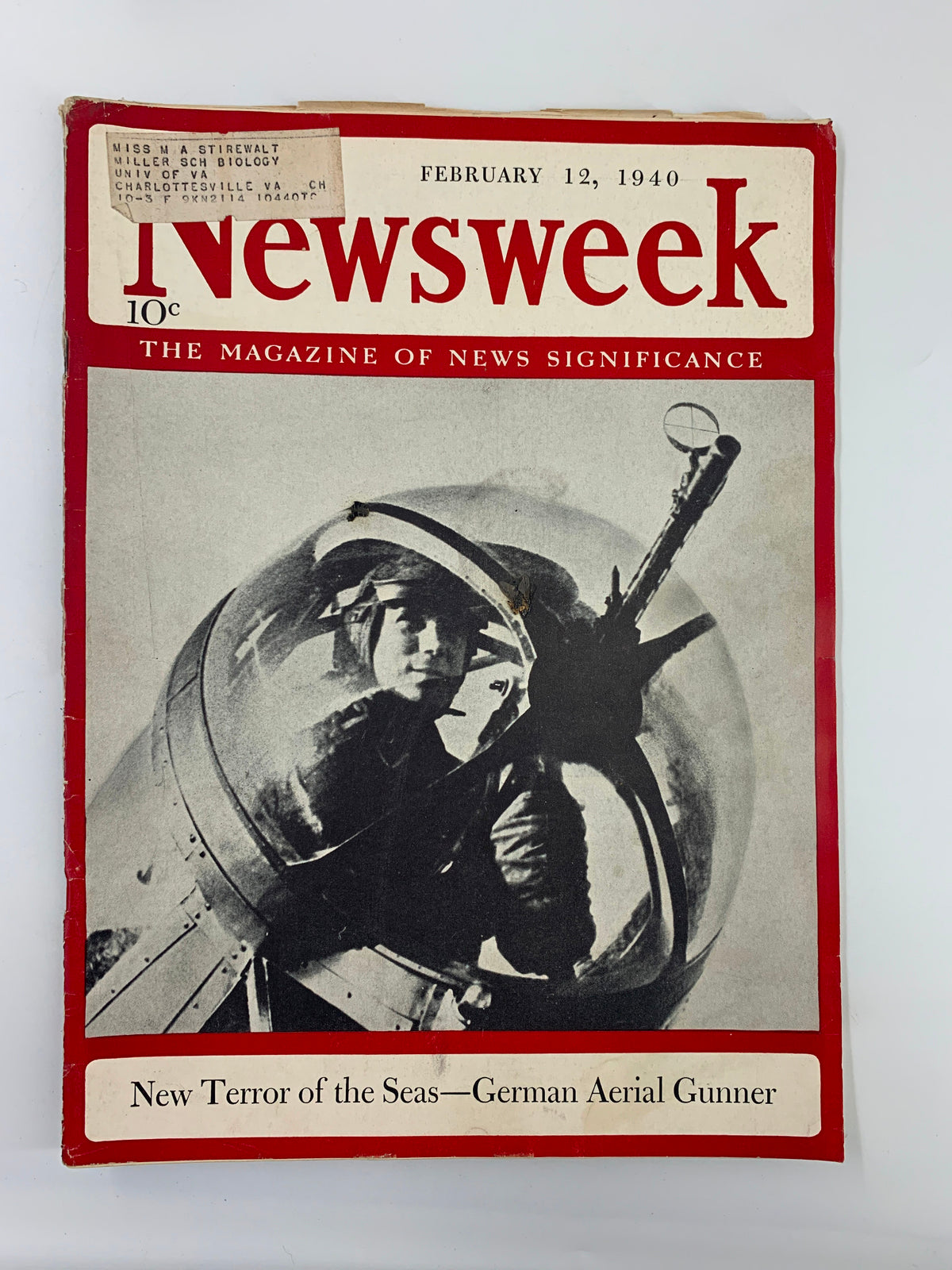
The Winter War and Europe's Crisis: Time, Life, and Newsweek issues featuring full-page photojournalism of Finnish and Soviet forces, often illustrating the siege with stark battlefield photography and urgent, banner headlines that defined the anxious tone of early 1940.
-
The Altmark Incident: Rare magazines from Britain and the U.S. showcasing the dramatic Royal Navy boarding action in Norwegian waters — a story of cutlasses, prisoners freed, and Churchill's defiant Navy — illustrated with maps and dramatic dispatches from correspondents at sea.
-
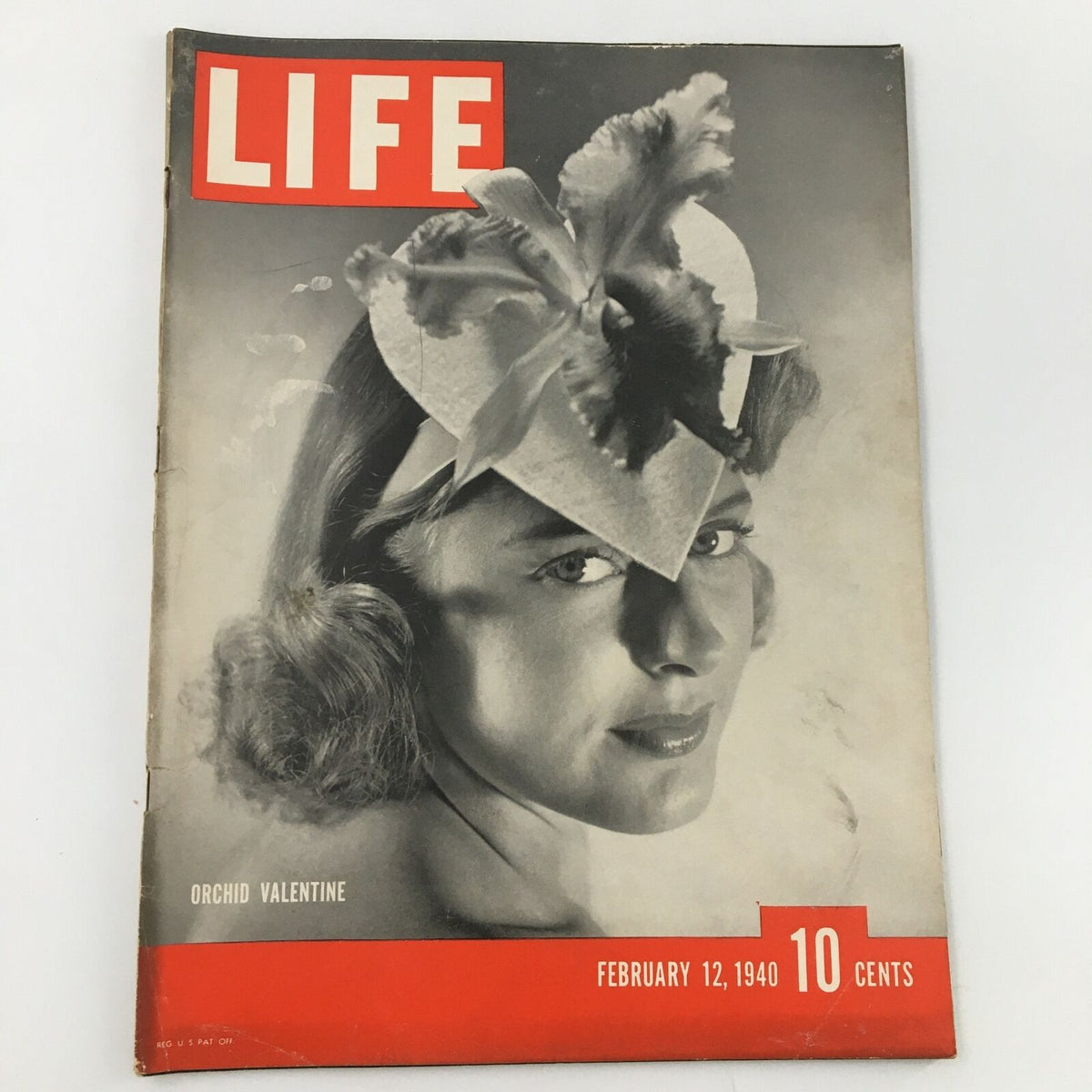
Pinocchio and the Golden Age of Disney: Life, Look, and entertainment weeklies showcasing Walt Disney's new animated masterpiece, featuring vivid production art, behind-the-scenes photography, and the lush full-color advertising campaigns that announced Pinocchio to an expectant American public.
-
Gone with the Wind's Oscar Sweep and Hattie McDaniel's Historic Win: Variety and vintage magazines from the week of February 29th chronicling the 12th Academy Awards — with photographs of the ceremony and coverage of McDaniel's landmark achievement, a moment documented in print as it happened.
-
The Big Band Era at Its Peak: Esquire and entertainment-focused vintage magazines featuring Glenn Miller, Tommy Dorsey (whose new featured singer, a young Frank Sinatra, performed his first show with the orchestra on February 2nd), and the advertisements for dance halls and radio programs that captured America listening and swinging through uncertain times.
The Perfect Gift, Preserved in Print
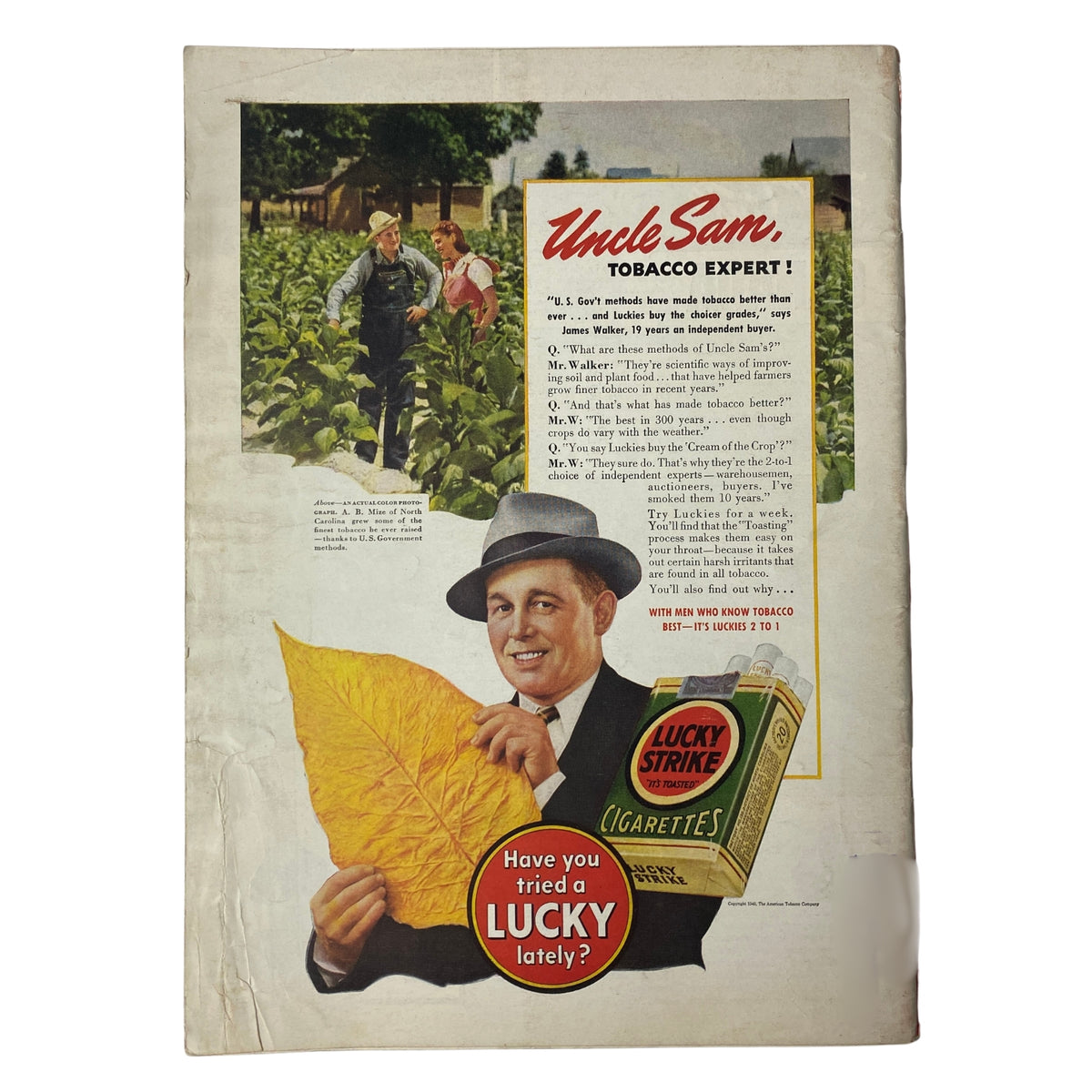
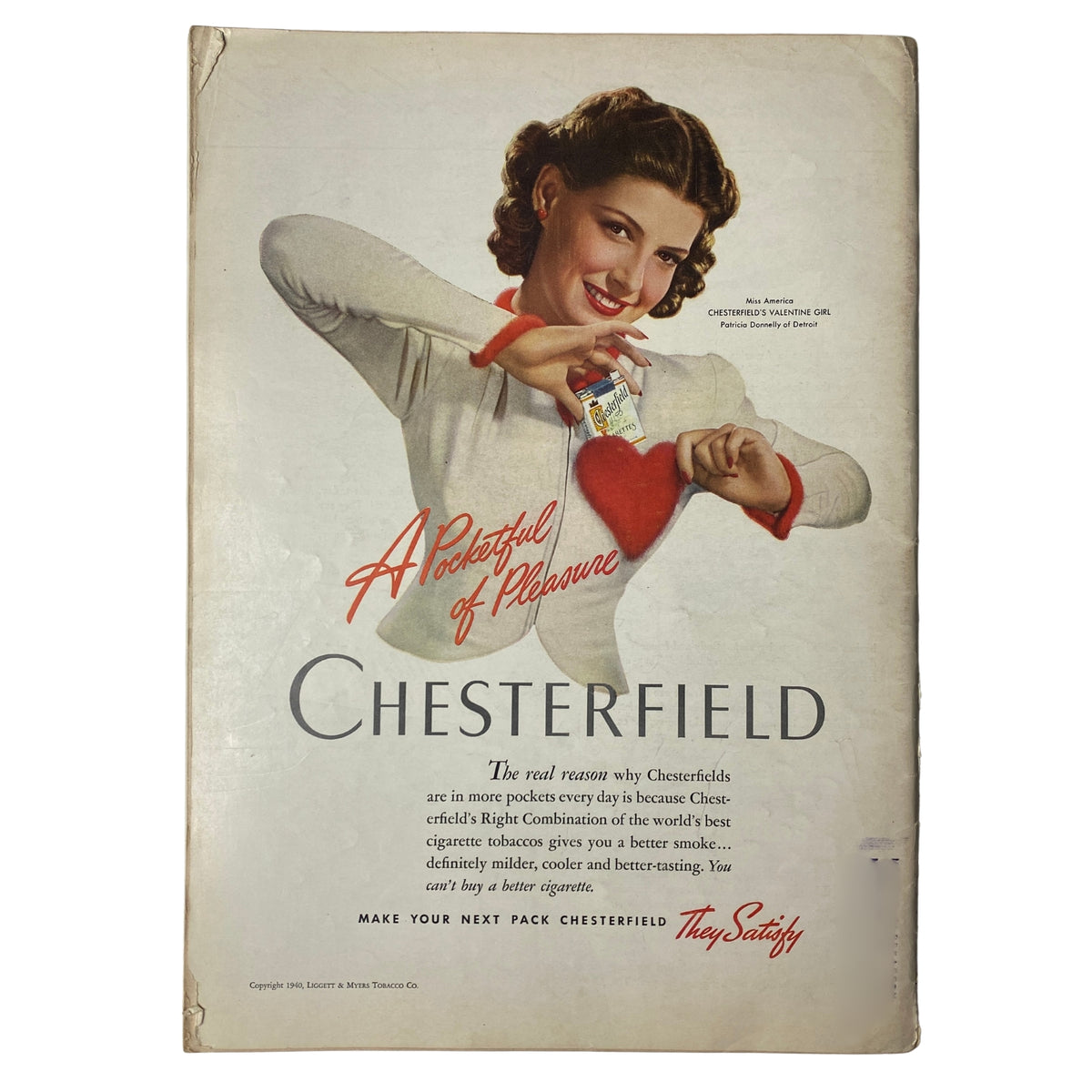
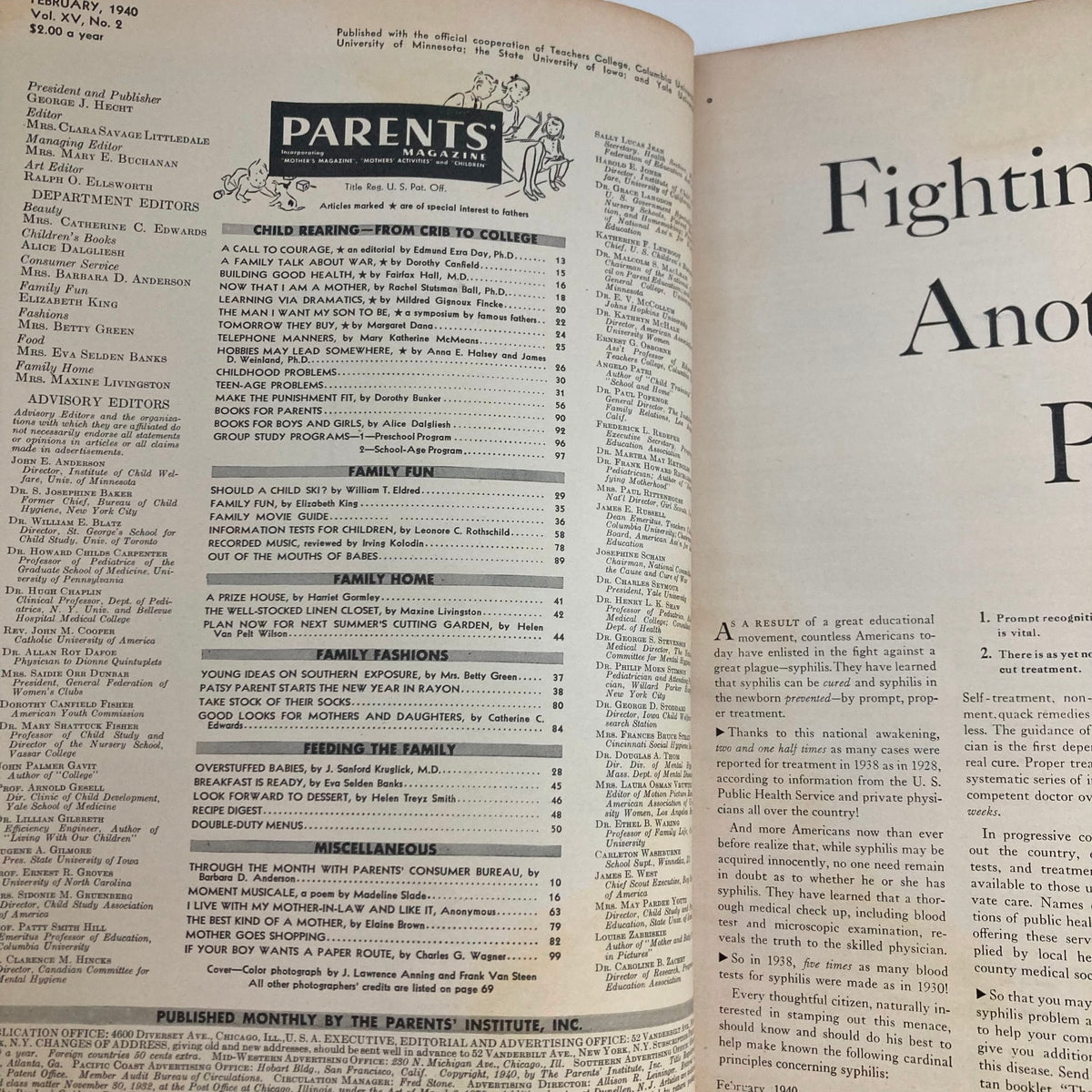
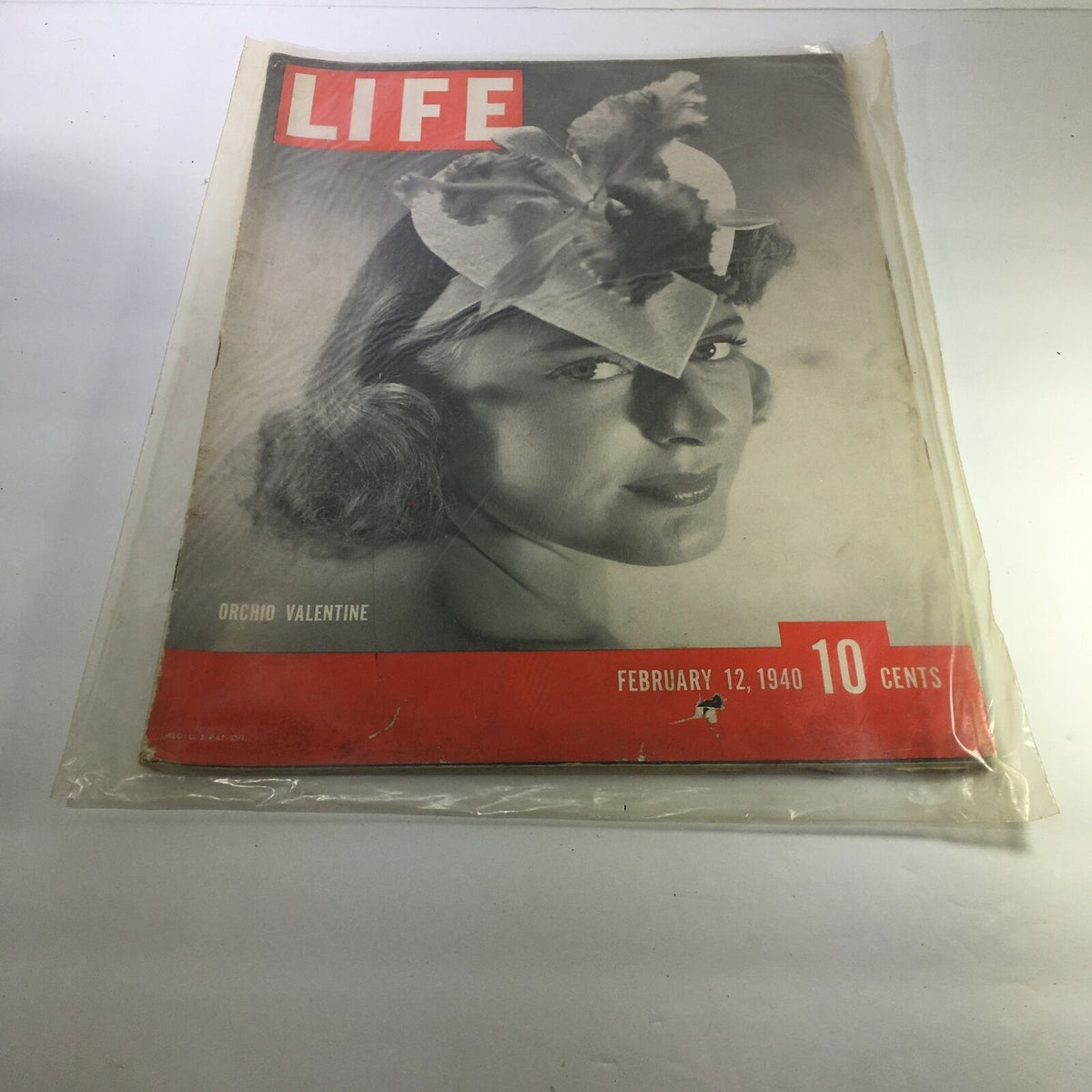
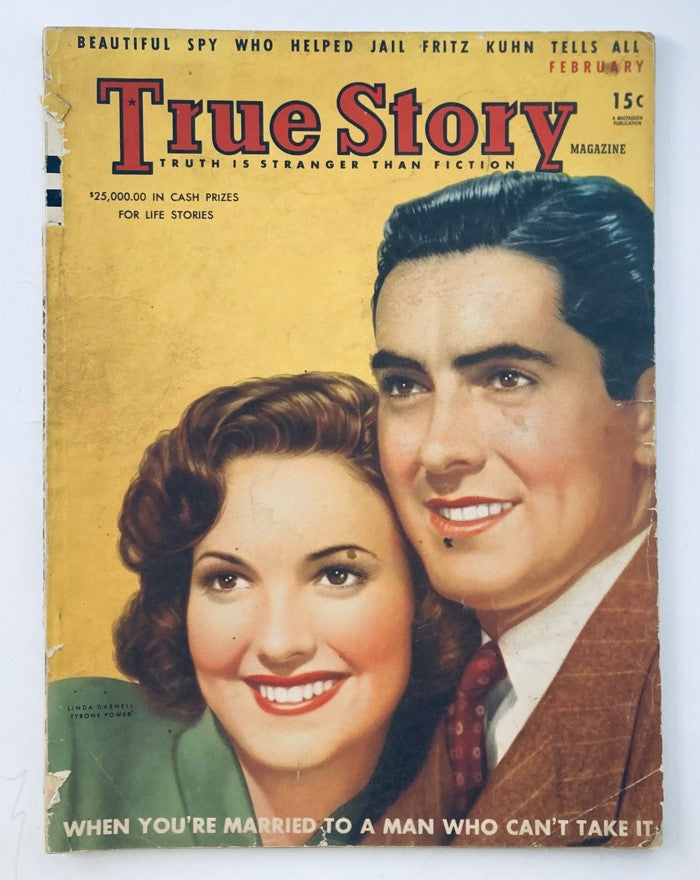
For someone born in February 1940, an original magazine from this extraordinary month isn't just a piece of old paper — it's an authentic time capsule of their first days on earth, preserved in genuine headlines, original advertisements, and the photographs a nation was actually looking at when they arrived.