📖 About this Collection
February 1941: Europe in the Balance, America on the Threshold
The Historical Context
February 1941 opened with the thunder of tank treads in the Libyan desert. British forces were dismantling Mussolini's African empire piece by piece—Bengazi fell on the 6th, El Agheila by the 9th—and for a brief, dazzling moment, the Allies held the momentum in North Africa. Then, on February 11th, a single German general stepped off a plane in Tripoli, and everything changed. Erwin Rommel's arrival signaled Hitler's decision to rescue his faltering ally, and within days the Afrika Korps was ashore and the desert war entered a new, deadlier phase. Across occupied Europe, the machinery of persecution ground forward: Nazi police raided Amsterdam on February 22nd, rounding up 429 young Jewish men for deportation, a atrocity that sparked the extraordinary February Strike—ordinary Dutch workers laying down their tools in open defiance of Nazi rule. This was the world's condition in February 1941. For anyone born in this charged, consequential month, it was an entrance onto a stage already shaking.
Culture, Sport & the American Moment
While Europe burned, American culture pulsed with remarkable vitality. On February 15th, Duke Ellington and his orchestra gathered at an RCA studio in Hollywood to record a Billy Strayhorn composition called "Take the 'A' Train"—the piece that would become Ellington's signature for the rest of his career. That same week, Frank Sinatra and the Tommy Dorsey Orchestra cut "Everything Happens to Me," a recording that captures a young voice still discovering its power. On February 27th, Hollywood royalty gathered for the 13th Academy Awards: Rebecca took the top prize, with James Stewart and Ginger Rogers collecting honors in a ceremony that Life and Look covered with characteristic glamour. Joe Louis, in his 14th heavyweight title defense, dispatched Gus Dorazio in two rounds in Philadelphia. Original magazines from February 1941 carry all of this—the swing-era advertisements, the Hollywood portraits, the boxing coverage—alongside the war dispatches that framed every page.
Curator's Checklist: What to Look for in February 1941 Issues
-
Rommel and the Afrika Korps: News magazines including Time, Life, and Newsweek began tracking the German general's arrival in Tripoli with maps and photography, often illustrating early desert engagements that would soon escalate into the famous North Africa campaign.
-
The Academy Awards: Life and fan publications from this month feature photographs and coverage of the 13th Academy Awards ceremony, showcasing the glamour of Rebecca's victory alongside portraits of James Stewart and Ginger Rogers in the formal dress of Hollywood's Golden Age.
-
Duke Ellington and the Swing Era: Entertainment and music coverage in rare magazines from this period captures the height of the Big Band era, with advertisements for records, dance halls, and radio programs reflecting a culture still swinging hard against the backdrop of distant war.
-
Joe Louis, Heavyweight Champion: Sports Illustrated would not yet exist, but Life, Look, and boxing publications chronicle Louis's 14th title defense, featuring action photography and profiles that document one of the most dominant championship reigns in sports history.
-
The USO and the Mobilizing Nation: Vintage magazines from February 1941 carry the unmistakable texture of a country bracing for war—USO founding announcements, military recruitment advertisements, and a consumer culture beginning to shift toward sacrifice, preserved in the original ink and paper of the era.
The Perfect Gift
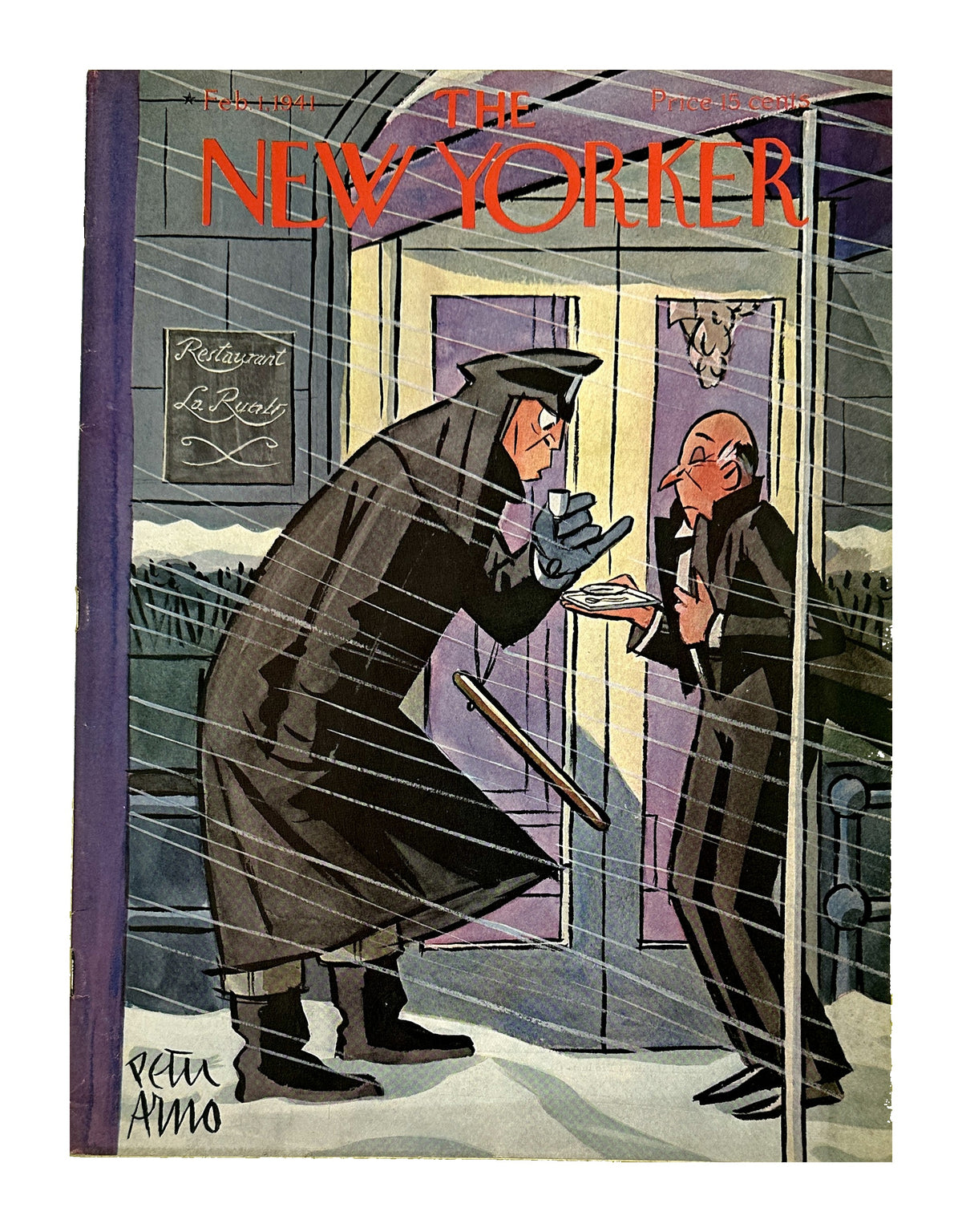
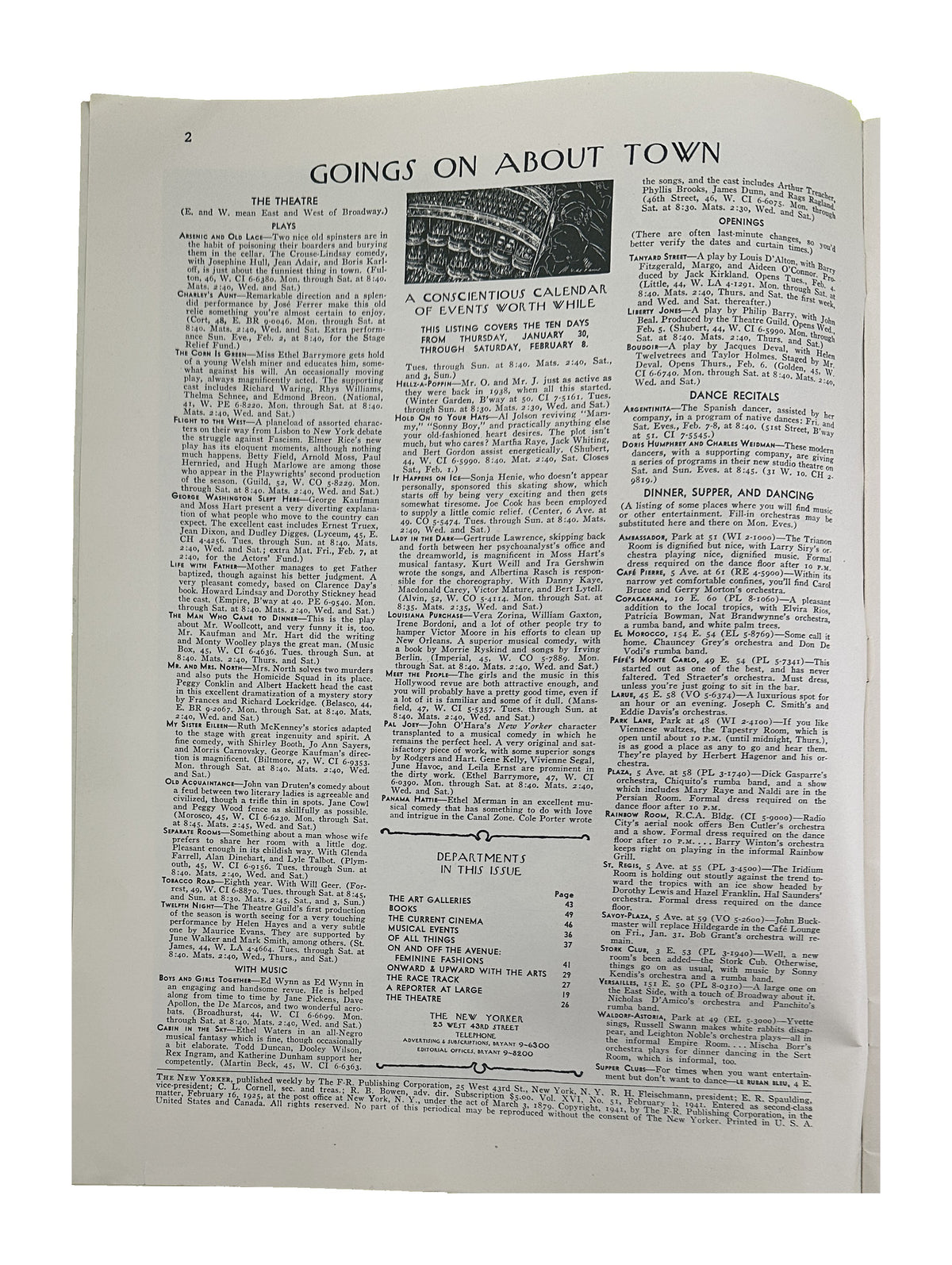
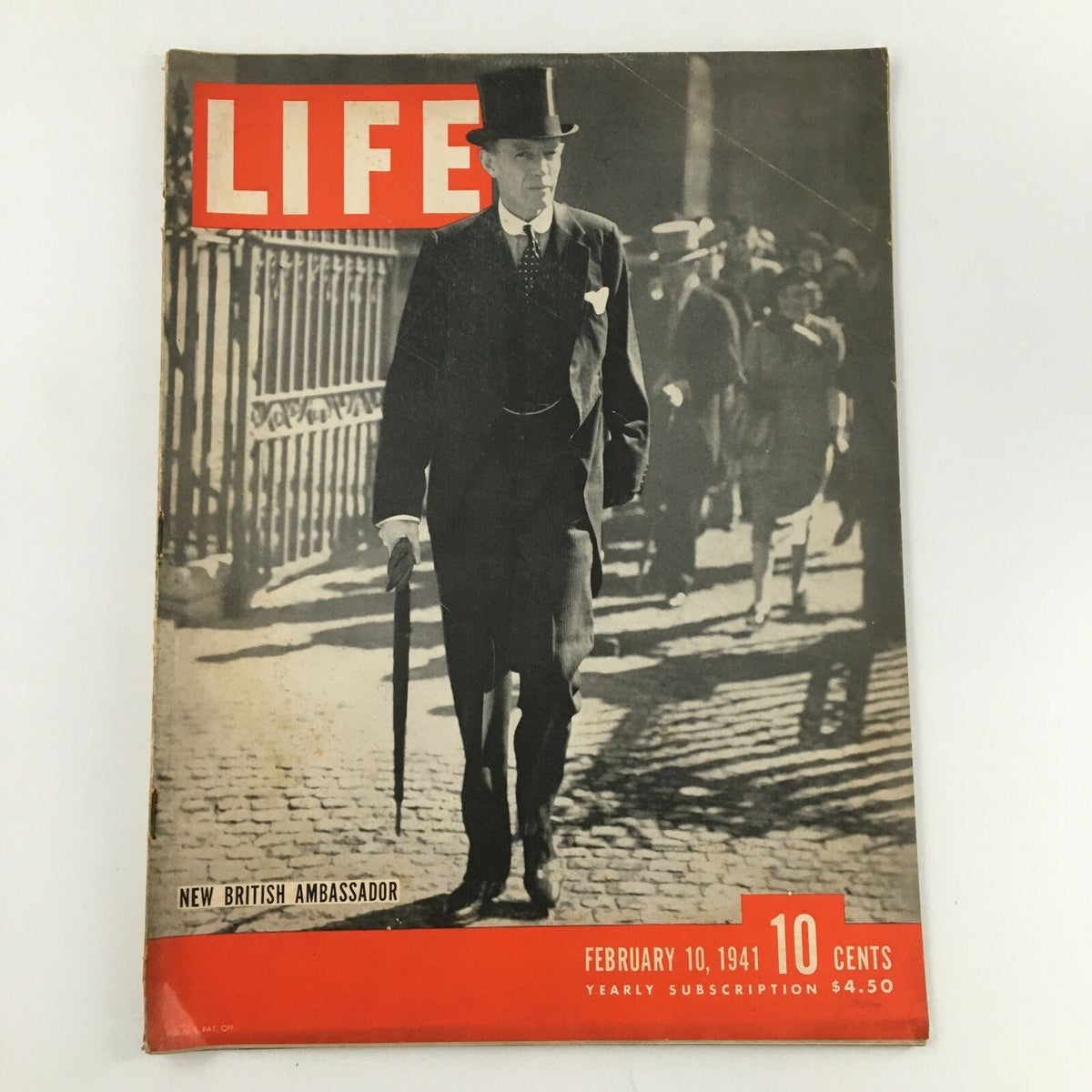
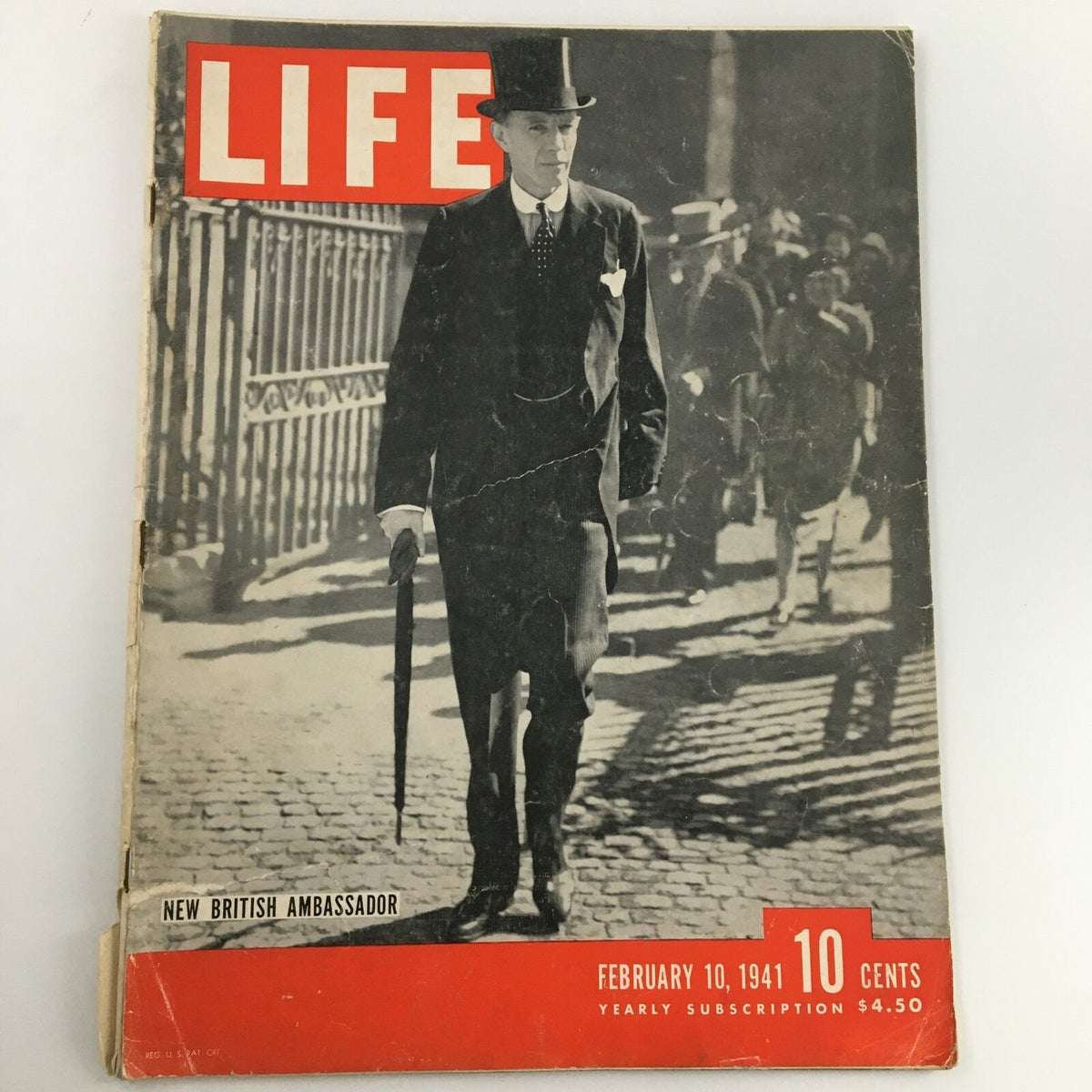
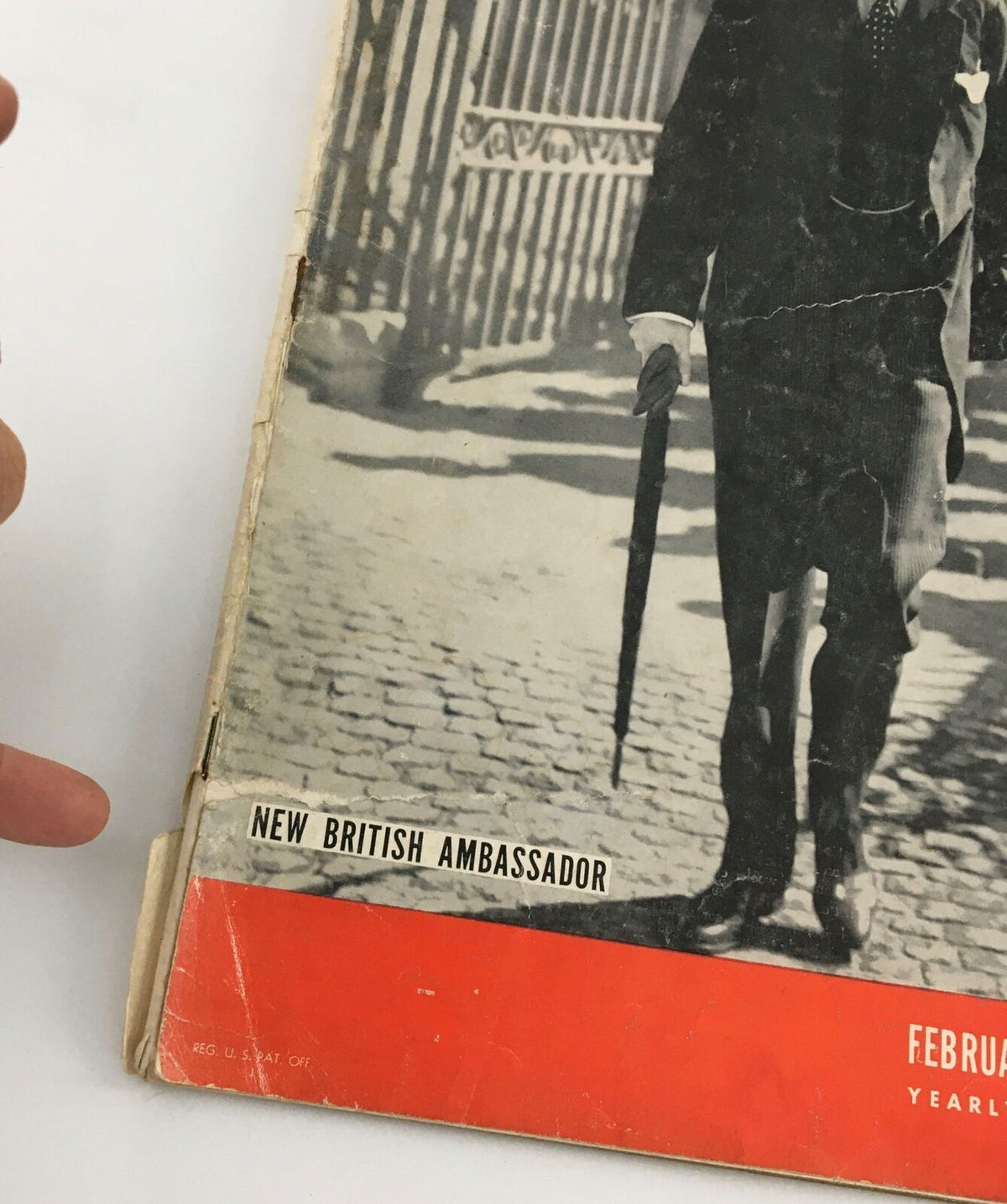
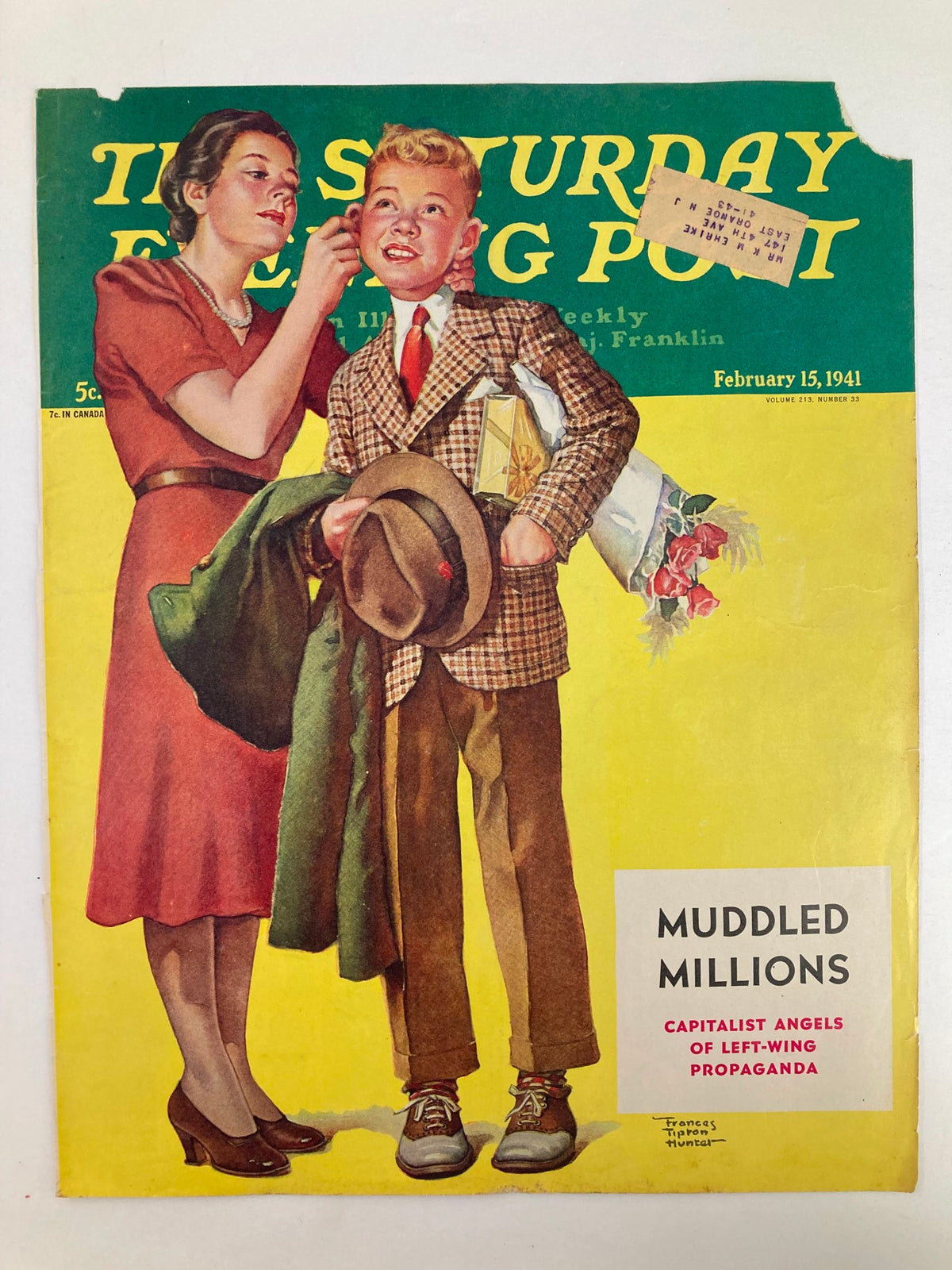
For someone born in February 1941, an original magazine from this pivotal month isn't just a birthday gift—it's an authentic time capsule of the precise moment history tilted, preserved in genuine headlines, original photography, and the actual advertisements of a world that would never quite be the same again.