📖 About this Collection
February 1943: The World at Its Darkest Hour
The Historical Context
The eastern front had spent months in agony, but on February 2nd, the silence finally arrived. Germany's once-invincible 6th Army—surrounded, starving, shattered—surrendered at Stalingrad. The reverberations were felt from Berlin's propaganda halls to London's war rooms: for the first time, the Wehrmacht had not simply been halted but broken. Josef Goebbels responded sixteen days later with a thunderous speech demanding "total war" from the German people, a frantic doubling-down that told its own story. The war was turning.
Meanwhile, in the Pacific, February 9th brought another seismic shift: Japanese forces evacuated Guadalcanal, ending a grinding six-month struggle in the Solomon Islands. On the same day, President Franklin D. Roosevelt signed an executive order mandating a 48-hour work week in critical war industries—the home front itself now running on war's rhythm. This was the world your loved one entered: not peaceful, not certain, but crackling with the raw energy of a conflict approaching its pivot point.
What the Nation Was Watching, Wearing, and Talking About
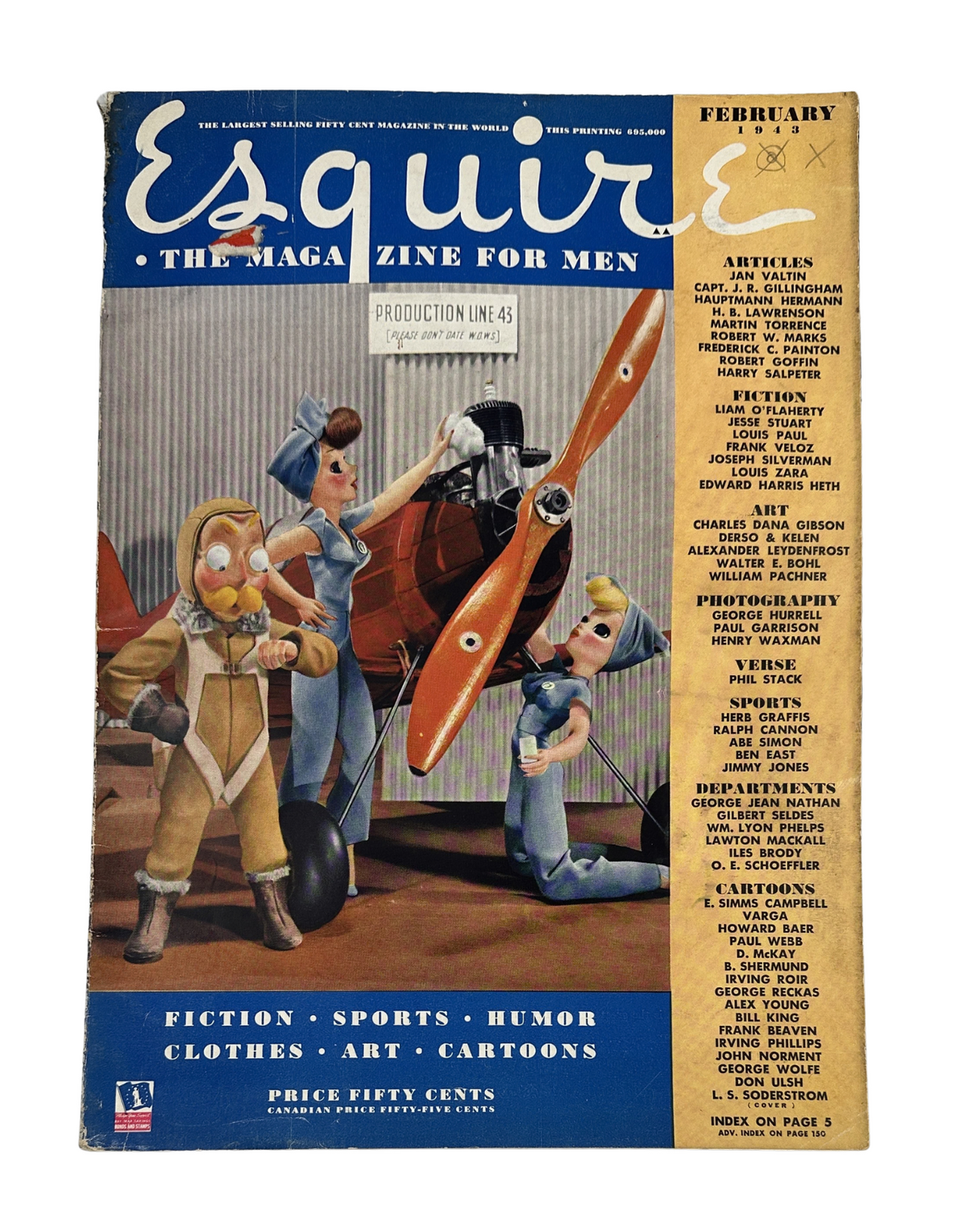
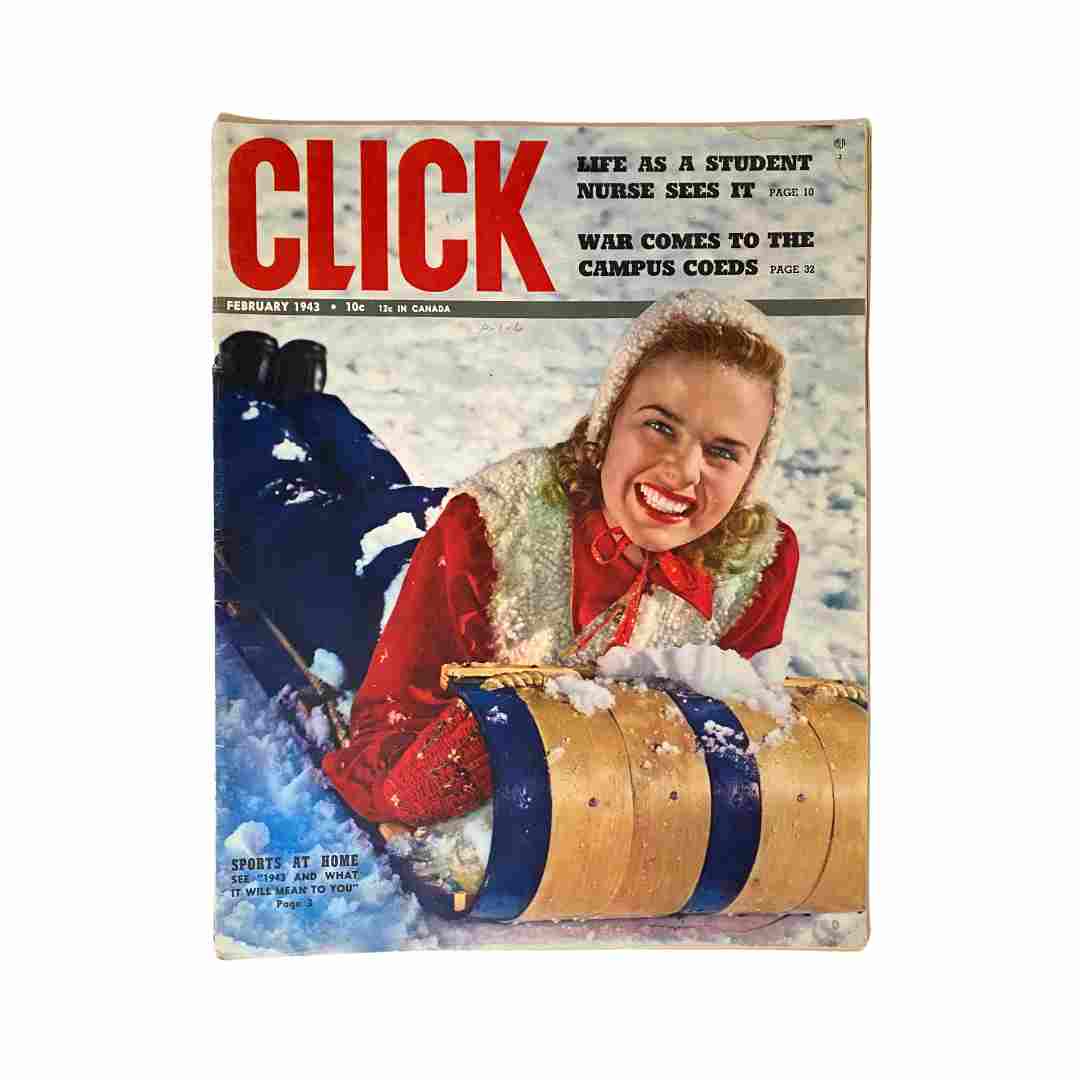
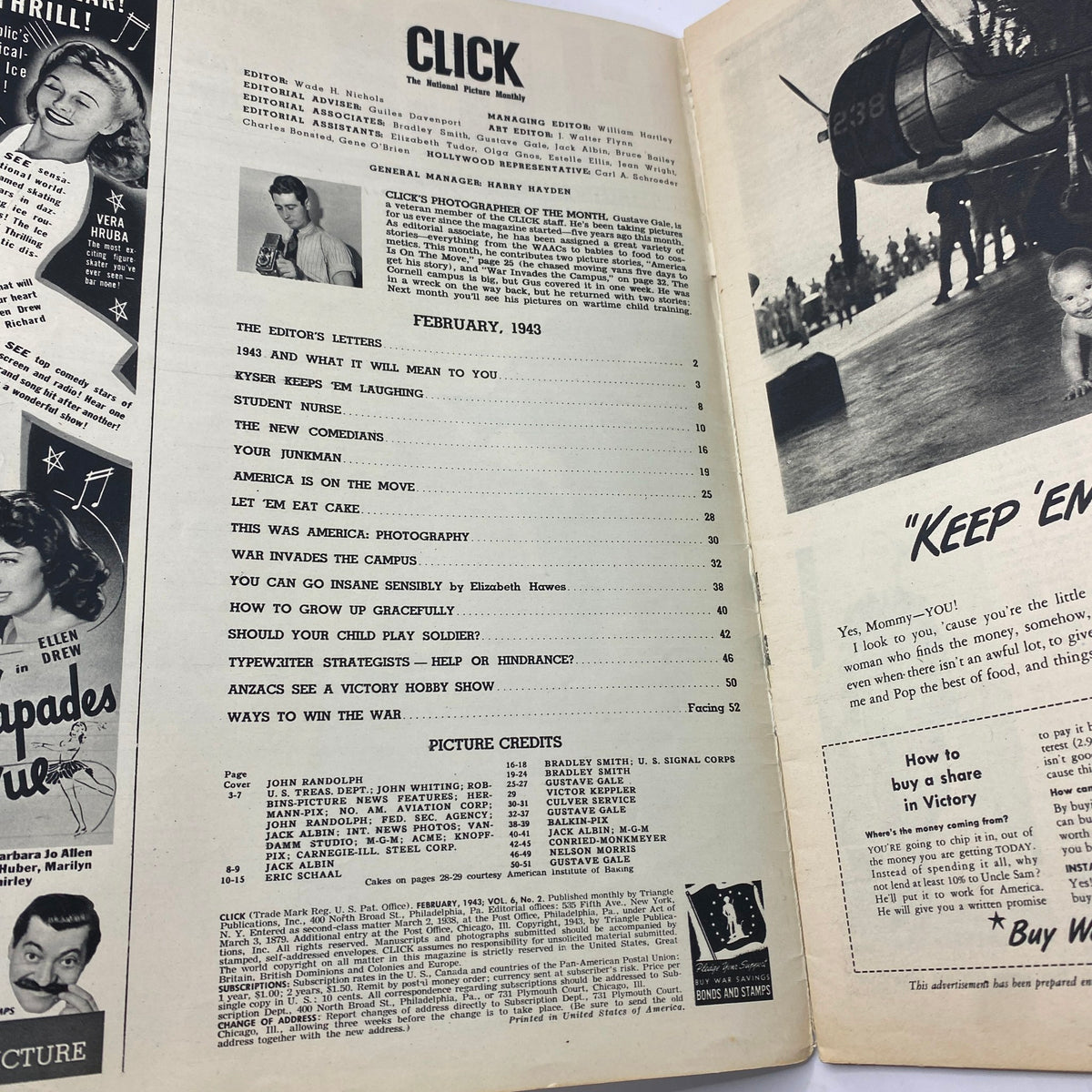
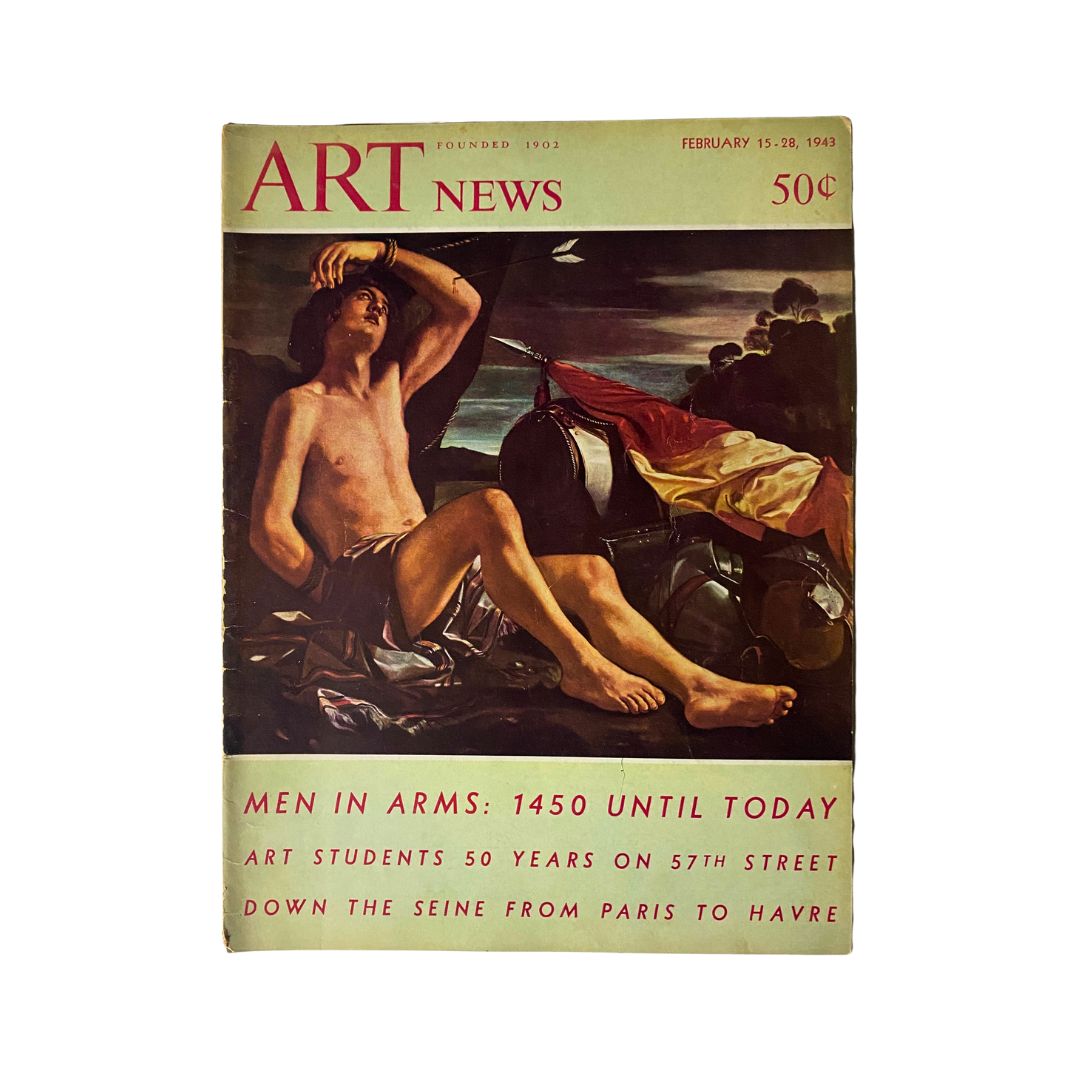
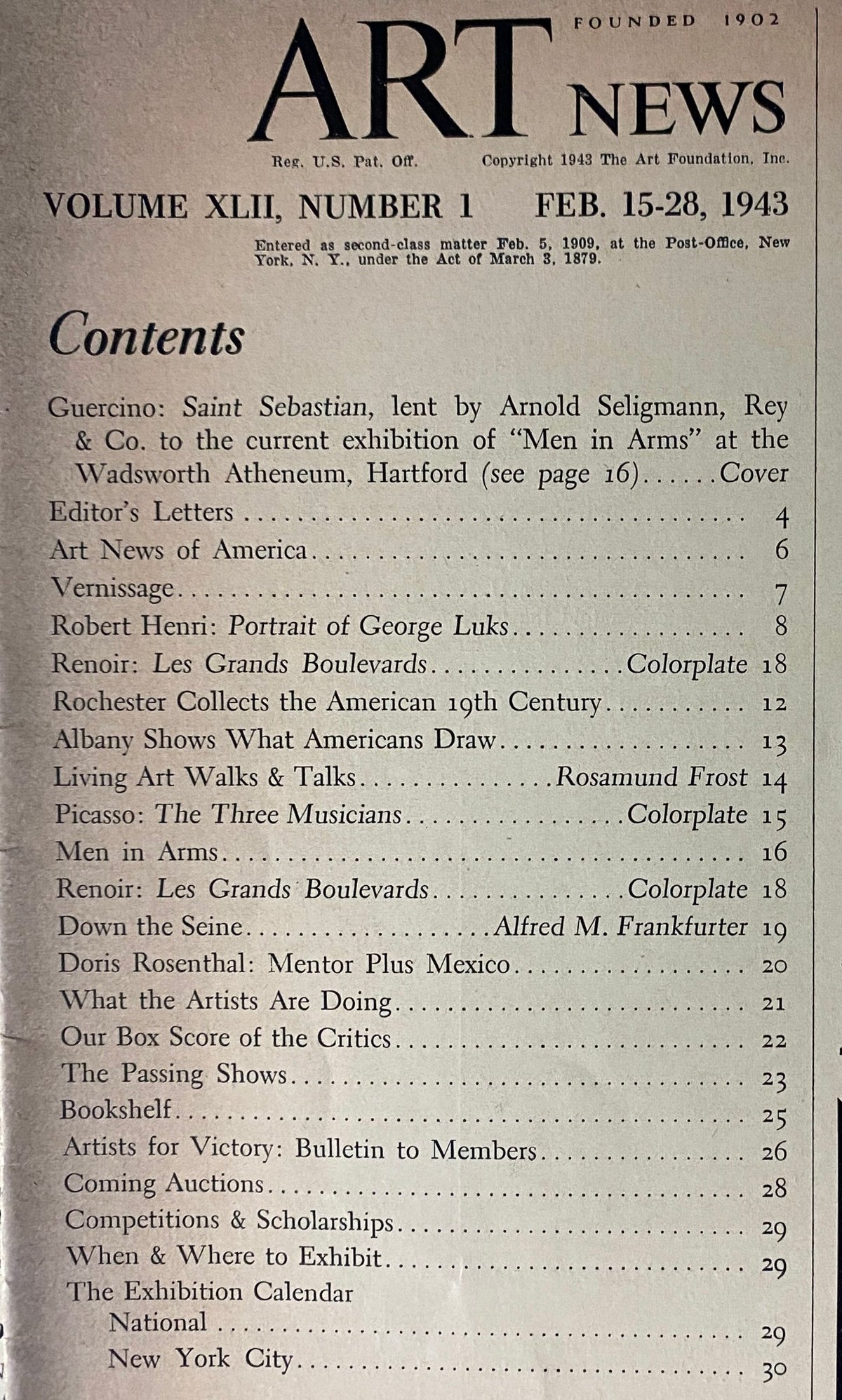
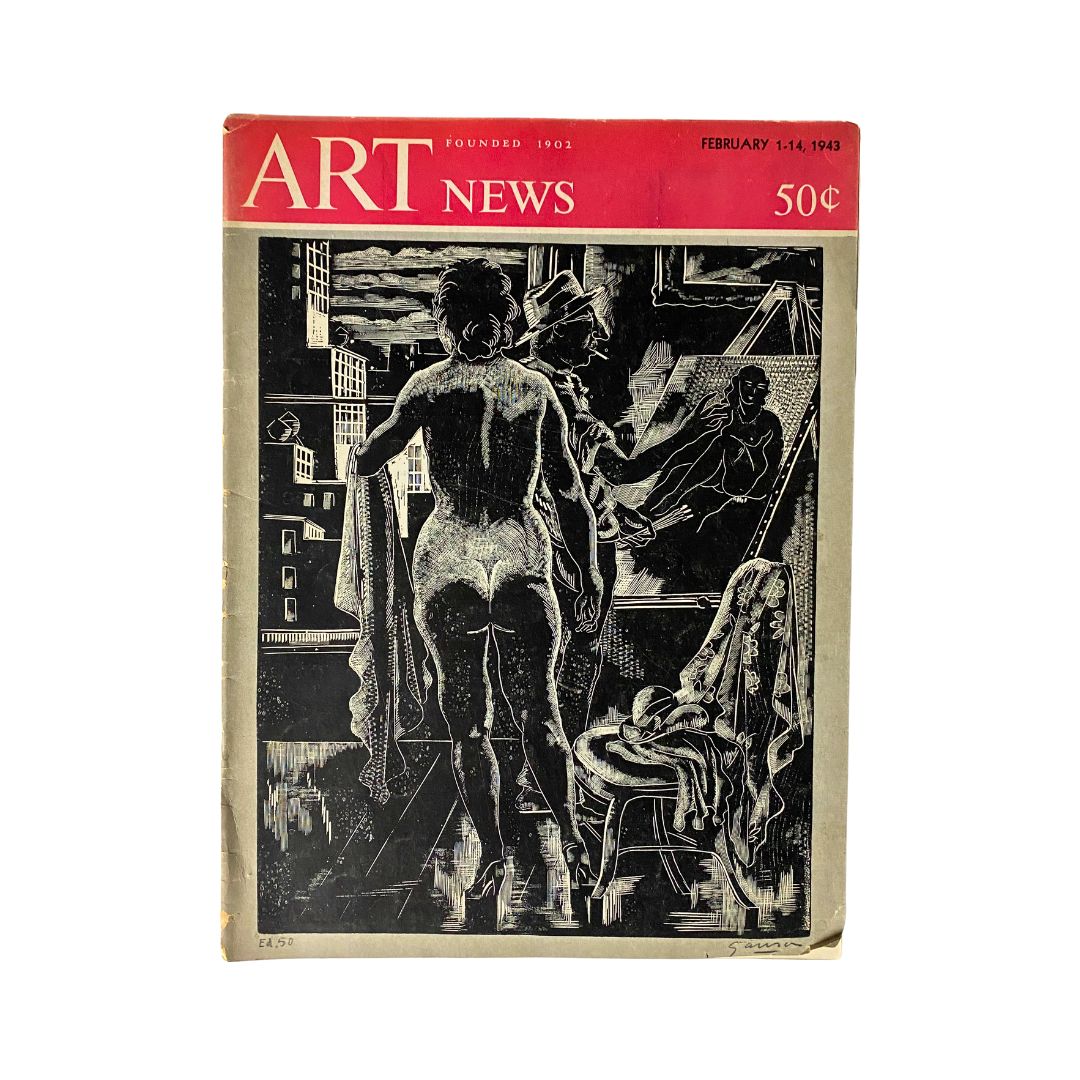
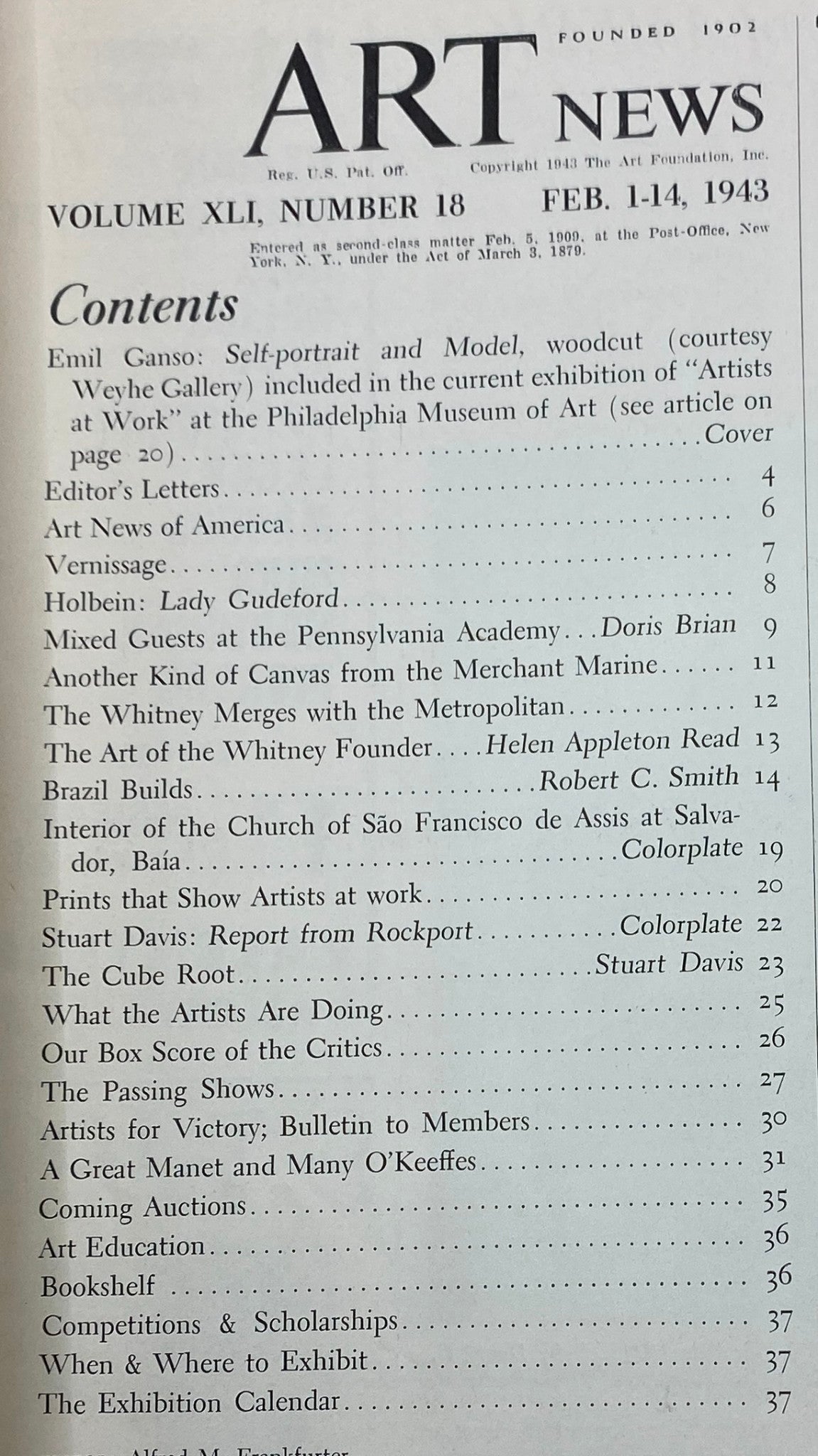
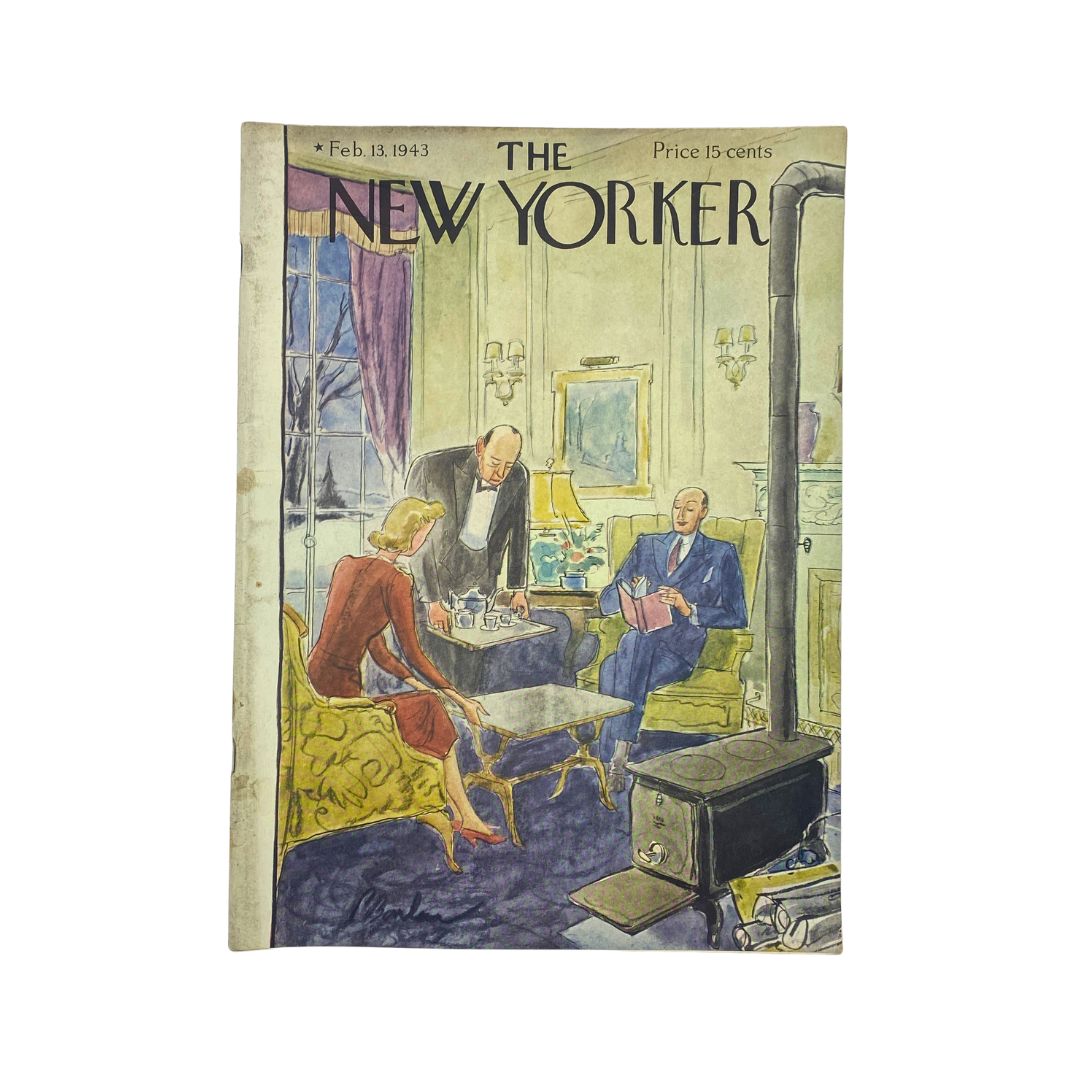
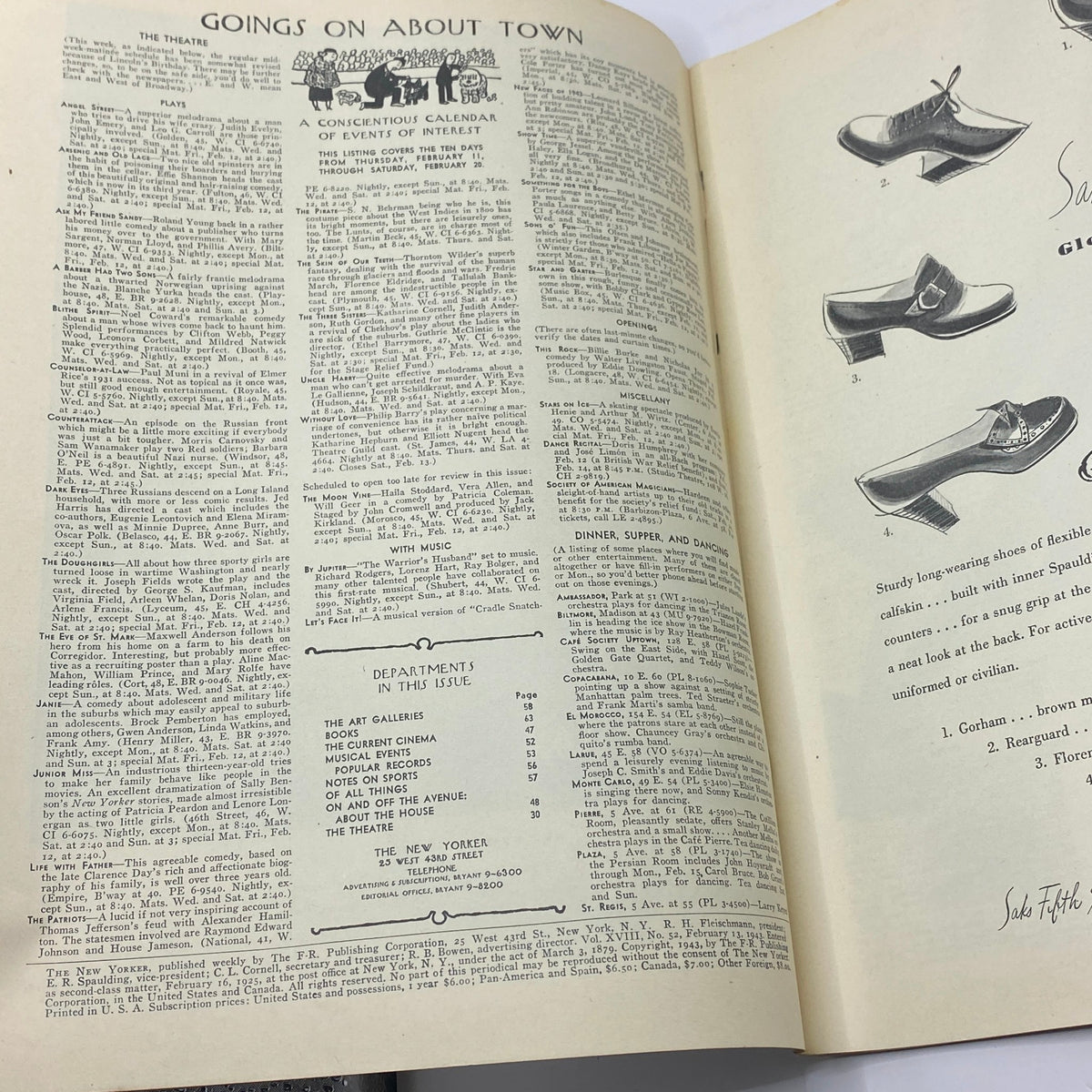
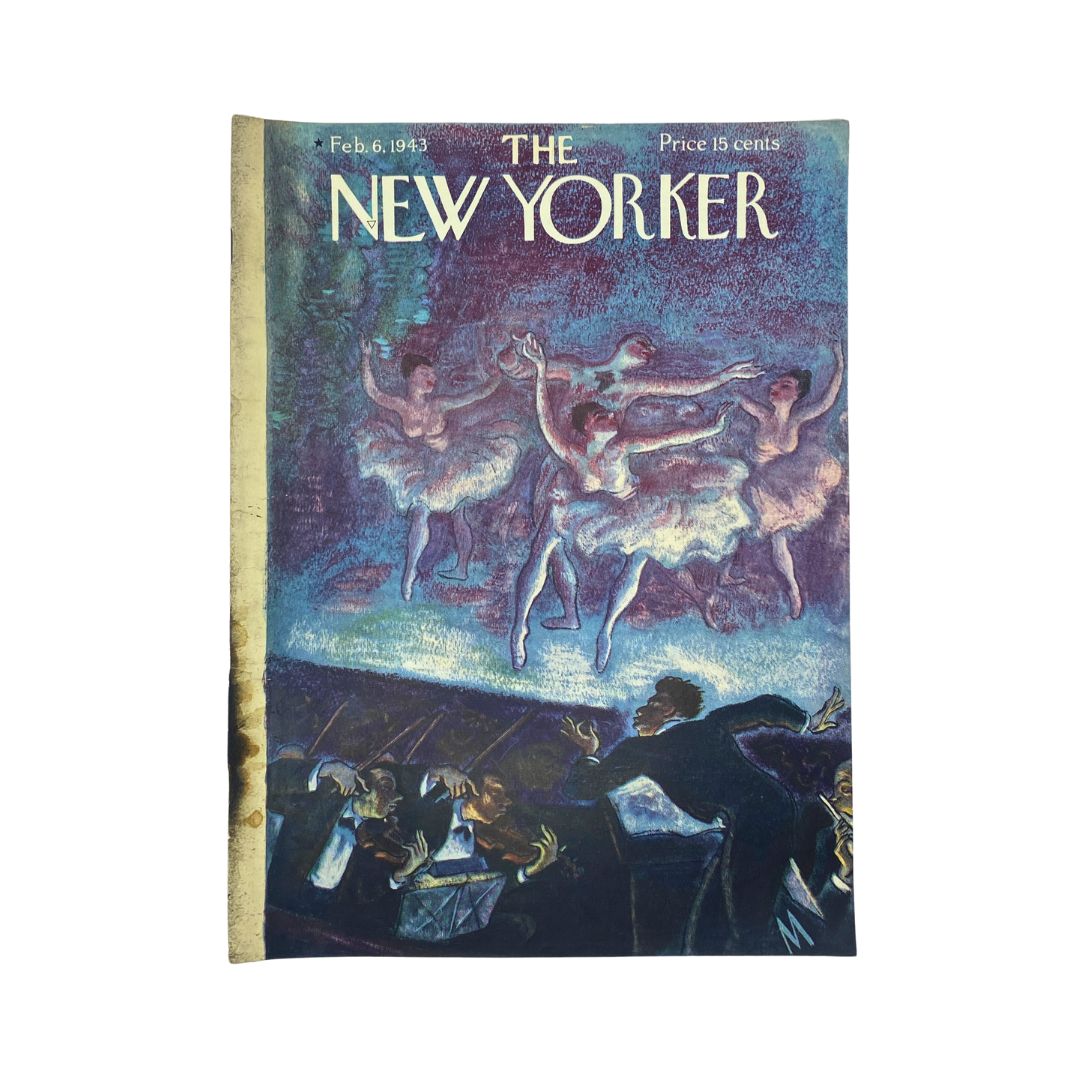
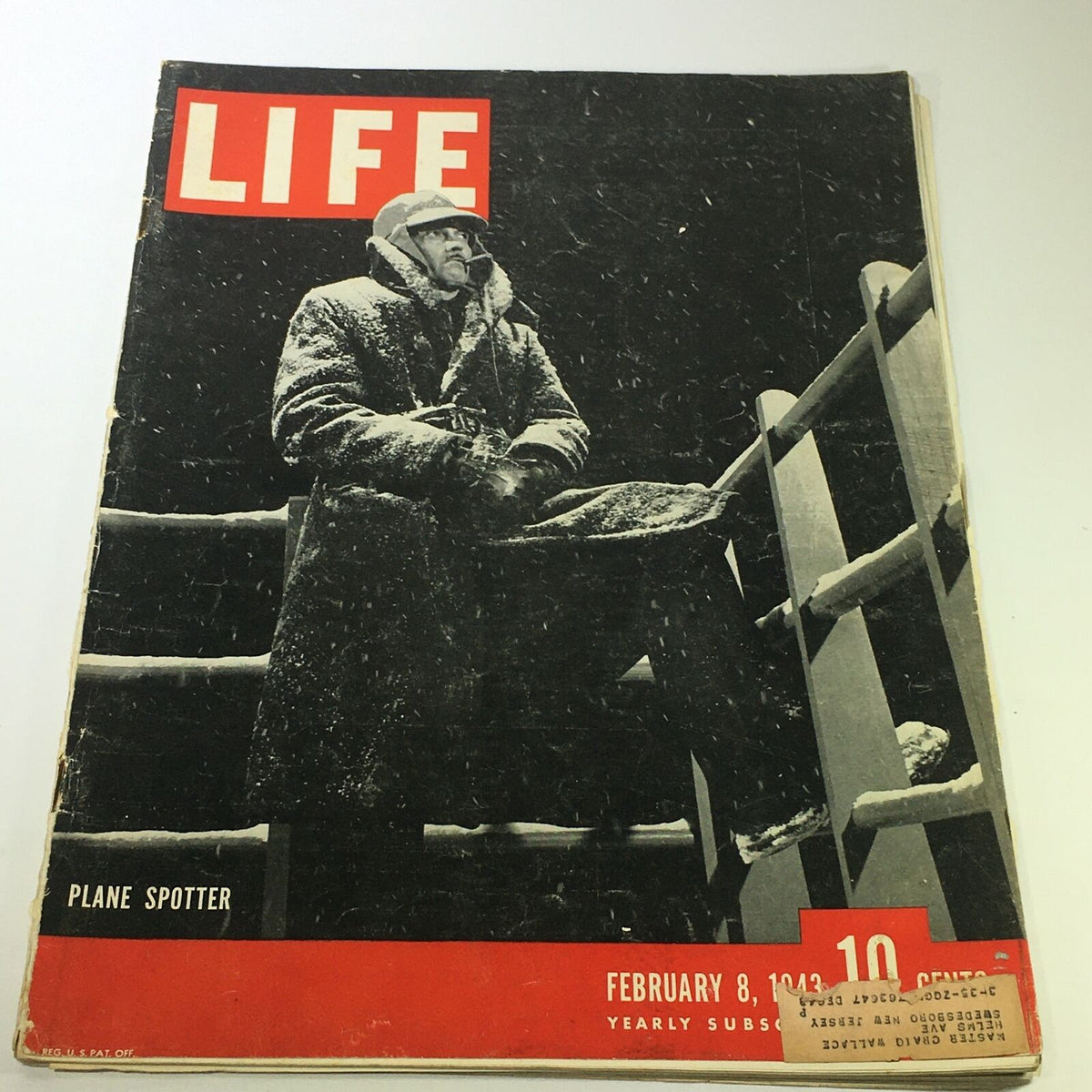
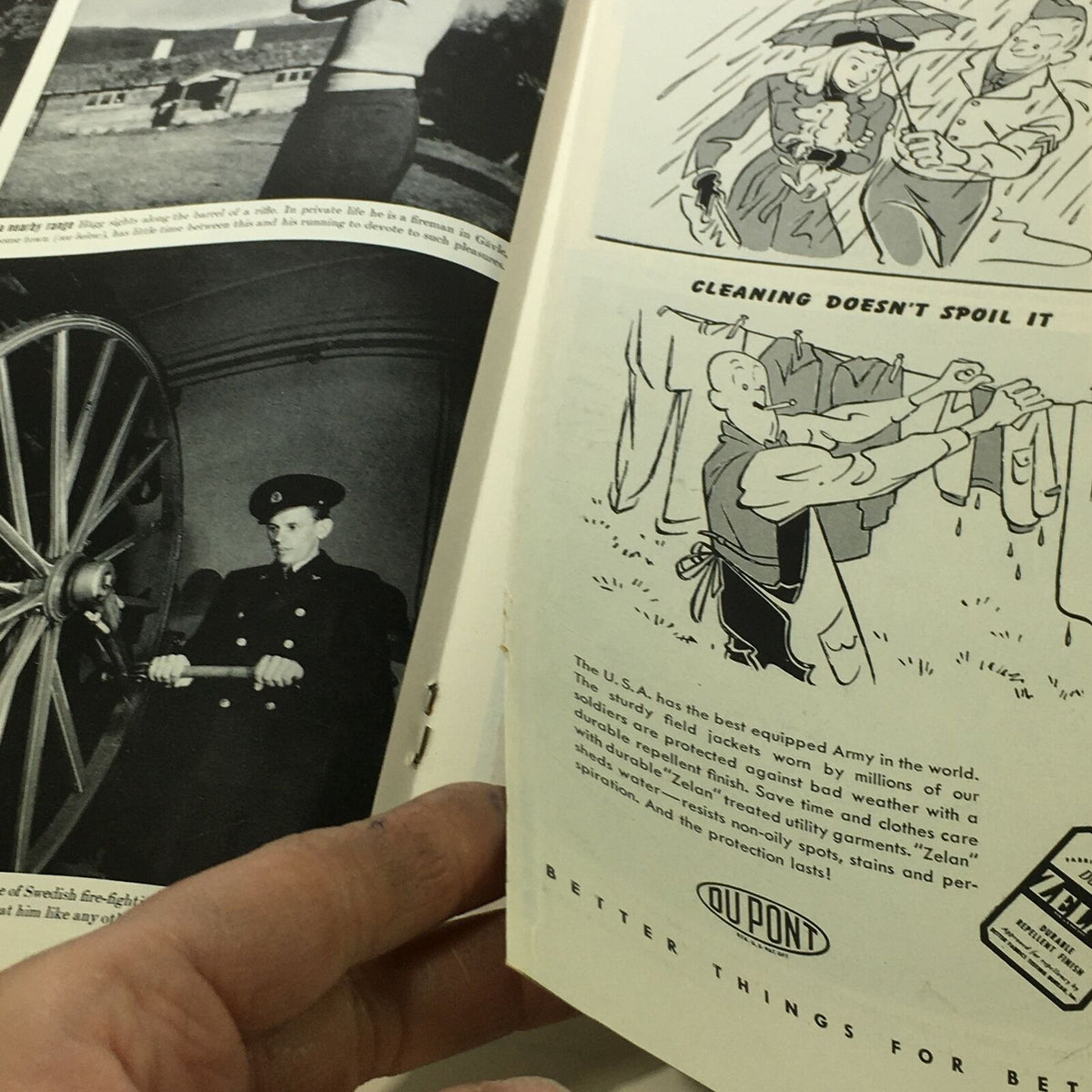
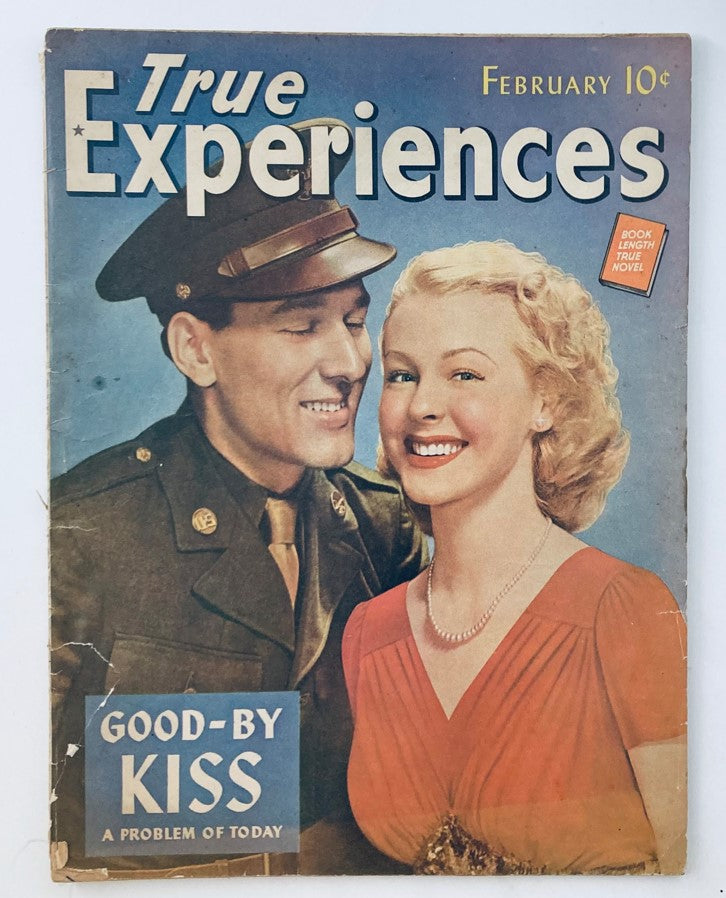
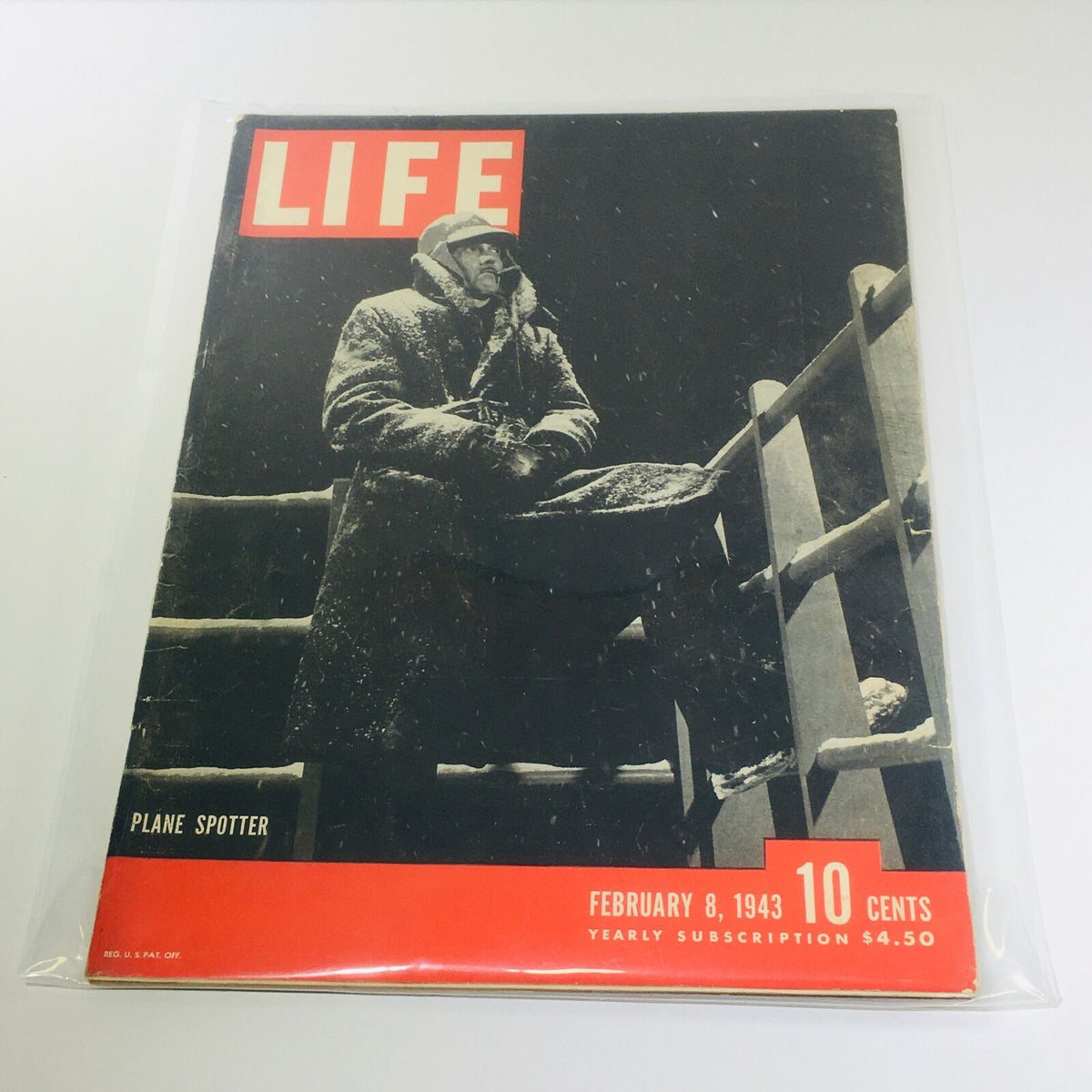
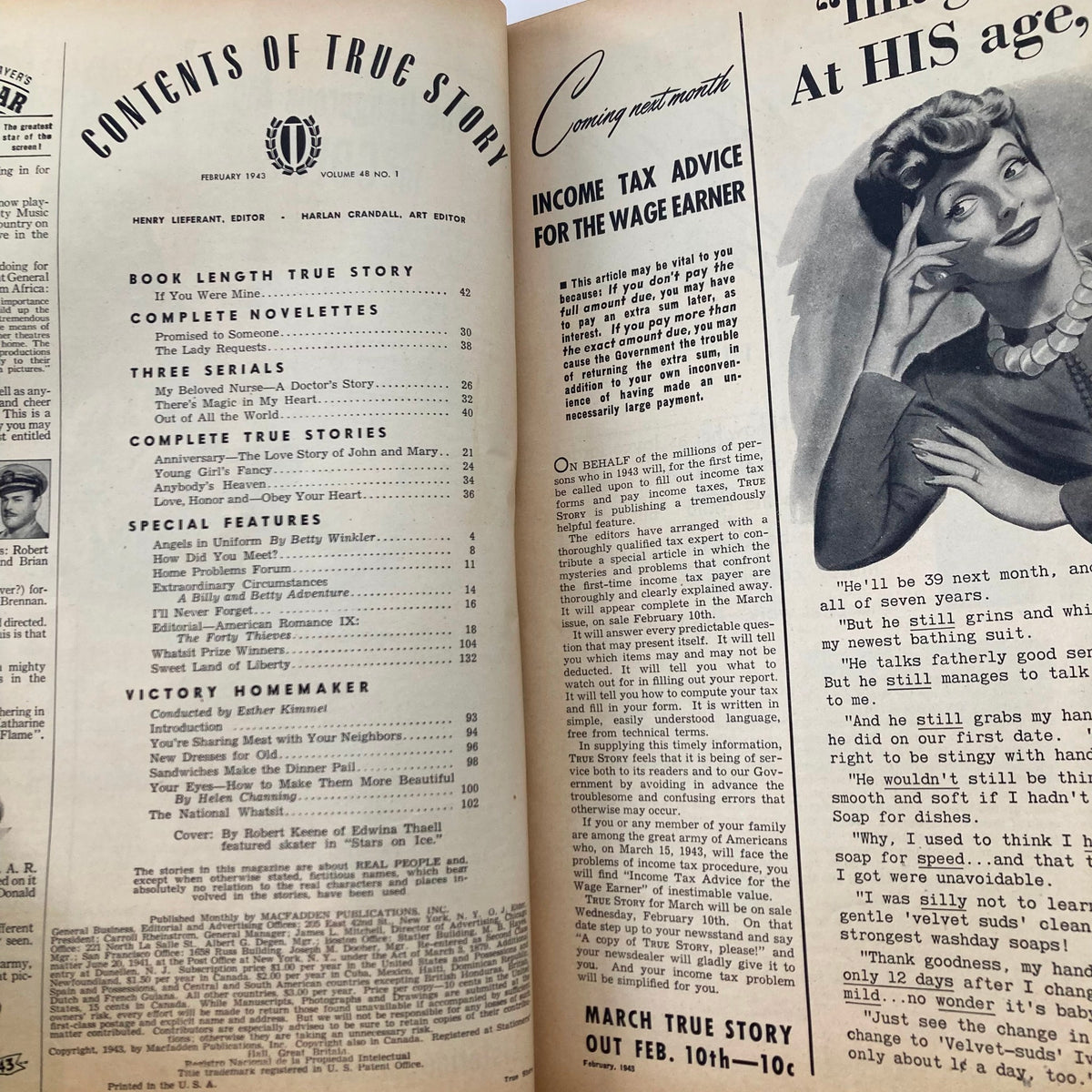
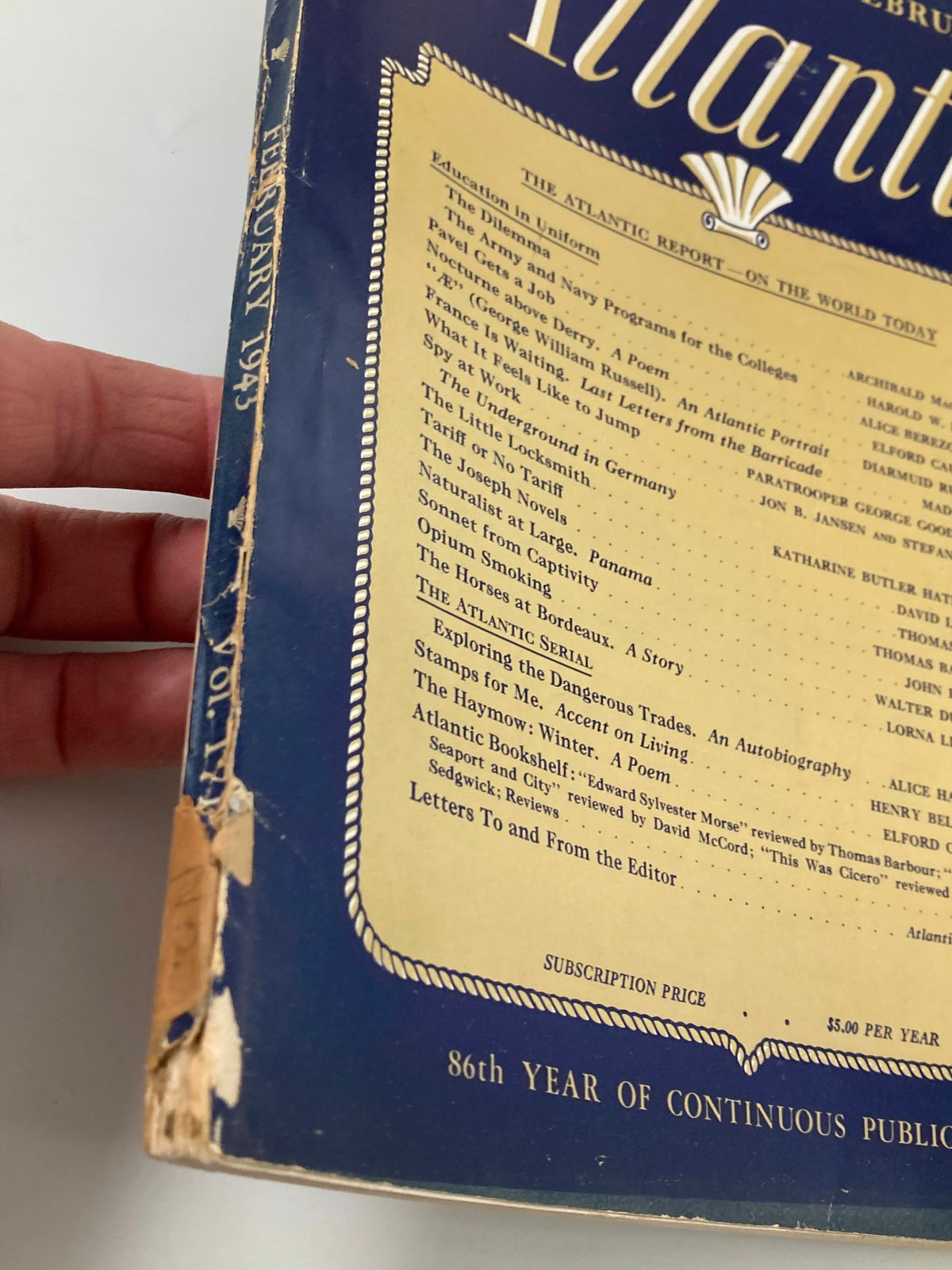
Away from the battlefield dispatches, American culture was absorbing the war into its very bones. On February 6th, a young New Jersey singer named Frank Sinatra made his debut on radio's Your Hit Parade, launching a career that would define popular music for decades. Shoe rationing had begun in the US just days earlier—a quiet reminder that even fashion now answered to the war effort. Original magazines from February 1943 capture this layered civilian reality with remarkable intimacy: advertisements for rationed goods alongside patriotic copy, Hollywood glamour pressed against recruitment notices.
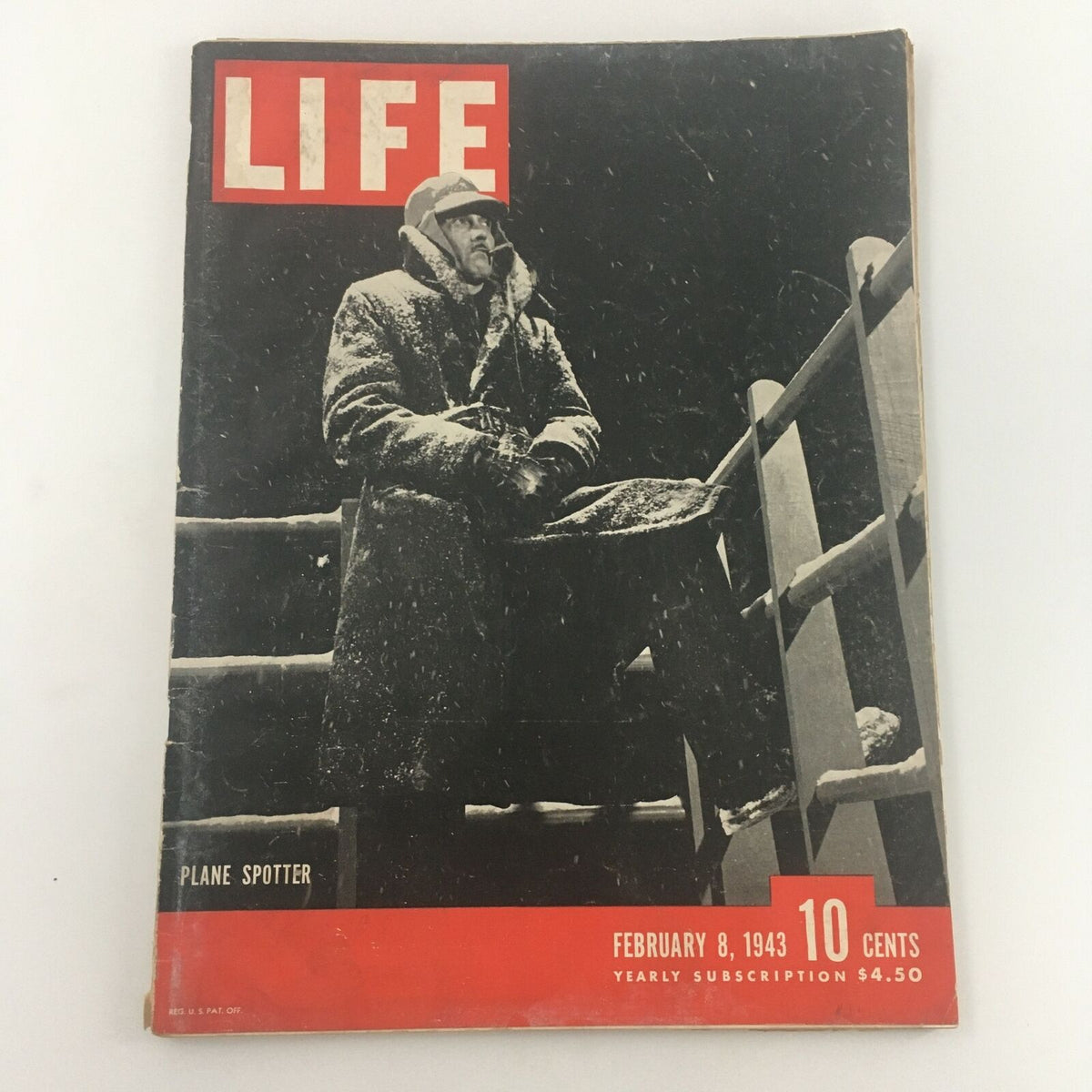
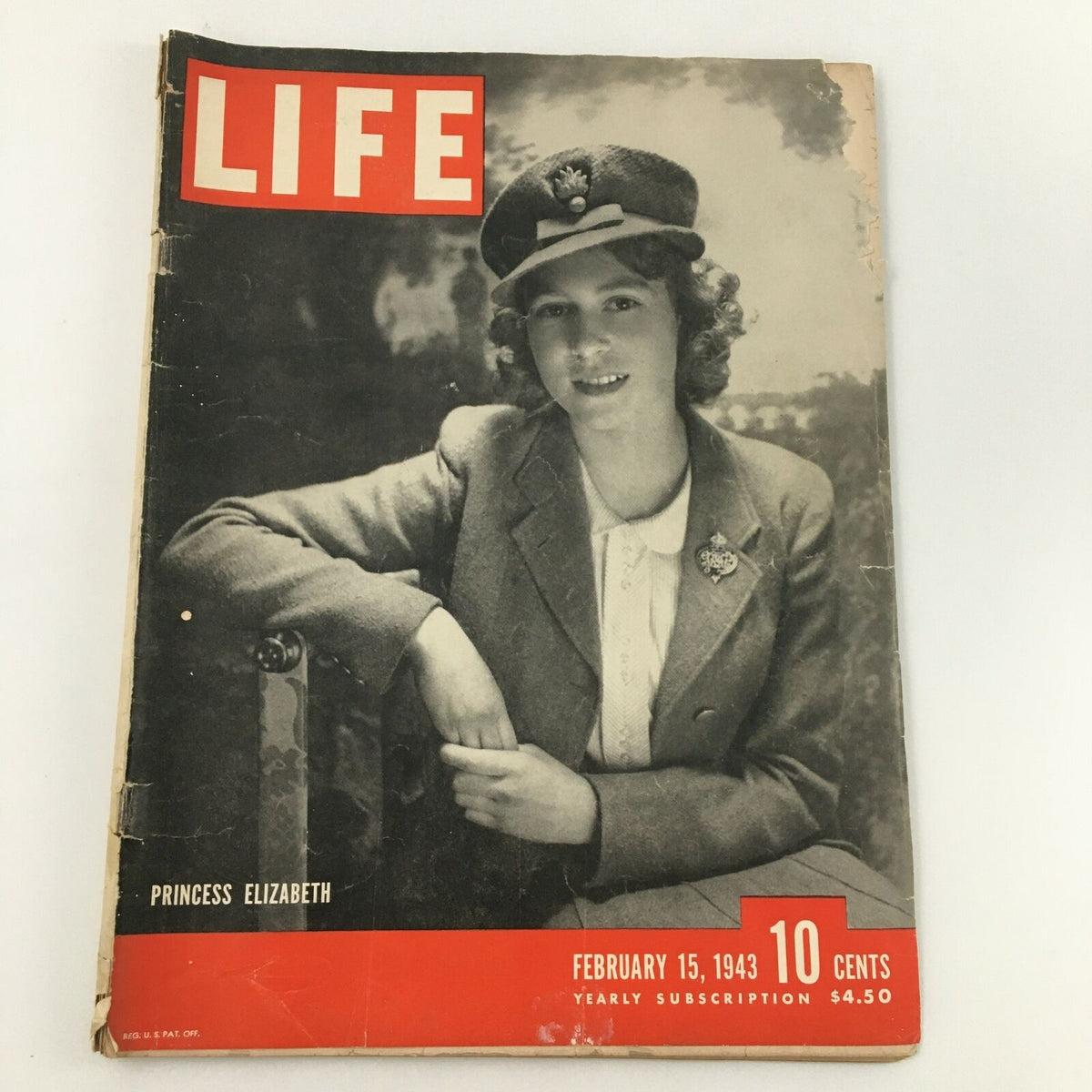
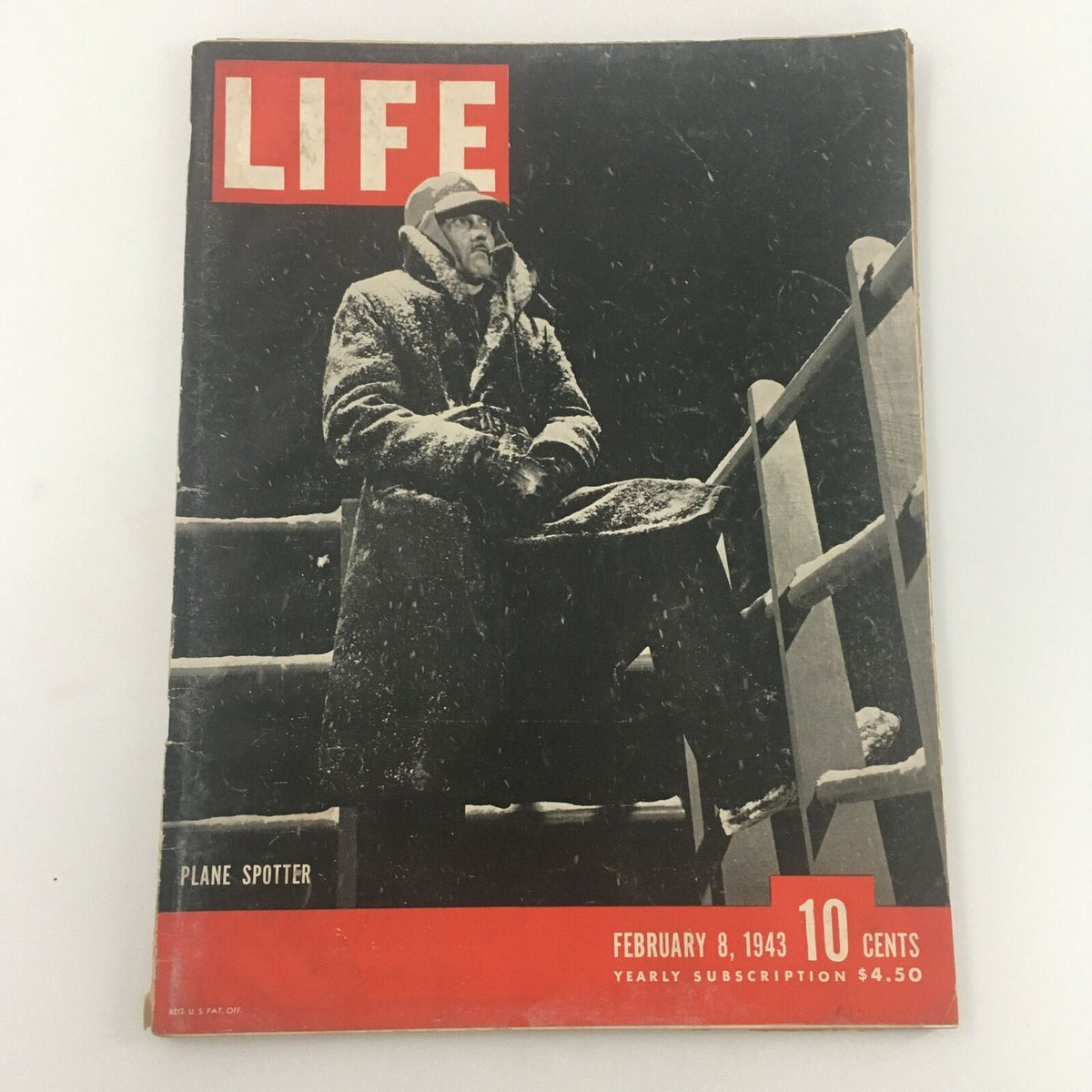
At the boxing arena, Jake LaMotta handed Sugar Ray Robinson his first professional defeat in a Detroit bout that fight fans would debate for years. On February 15th, J. Howard Miller's We Can Do It! poster was being displayed across Westinghouse plants—an image that would outlast the war itself. Life, Look, and Time from this month carry the genuine pulse of a nation simultaneously grim and galvanized. The rare magazines that survive from this winter offer something no archive can replicate: the actual advertisements, editorials, and photography that Americans held in their hands during the most consequential weeks of the twentieth century.
Curator's Checklist: What to Look For
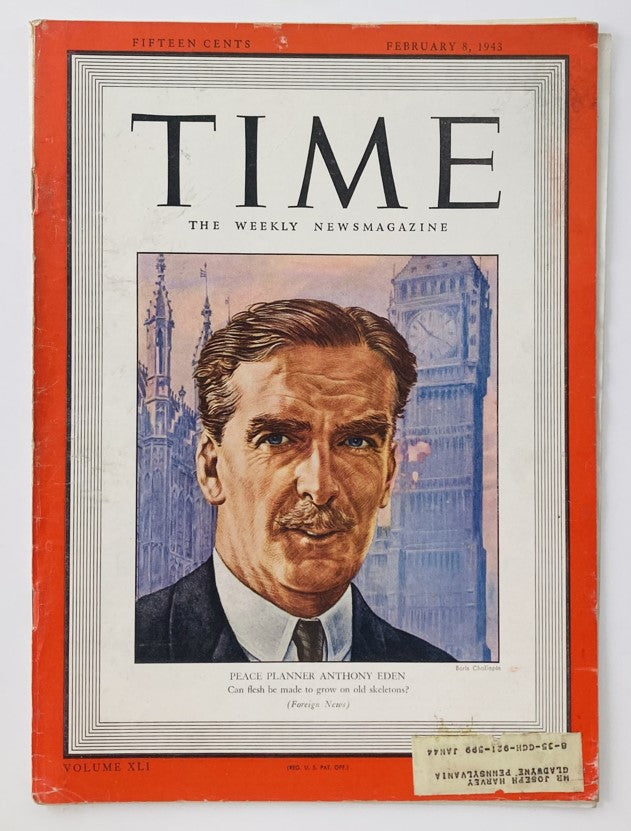
- The Fall of Stalingrad: News magazines including Time, Life, and Newsweek featuring front-page coverage and maps of the Eastern Front, often illustrated with stark battlefield photography and editorial analysis marking this as the war's turning point.
- Frank Sinatra's Debut: Entertainment pages and radio listings in publications like Variety and the Saturday Evening Post showcasing the emerging youth culture around Sinatra's rise, with vintage advertisements reflecting the bobby-soxer phenomenon in its earliest days.
- The "We Can Do It!" Era: Wartime propaganda imagery woven throughout authentic magazine ads from this period—look for Westinghouse and similar industrial advertisers running patriotic copy alongside genuine articles about women entering the workforce.
- Jake LaMotta vs. Sugar Ray Robinson: Sports Illustrated (then in its pre-1954 form) and sports sections of Life and Look chronicling what was one of boxing's most storied rivalries, with genuine period photographs of both fighters.
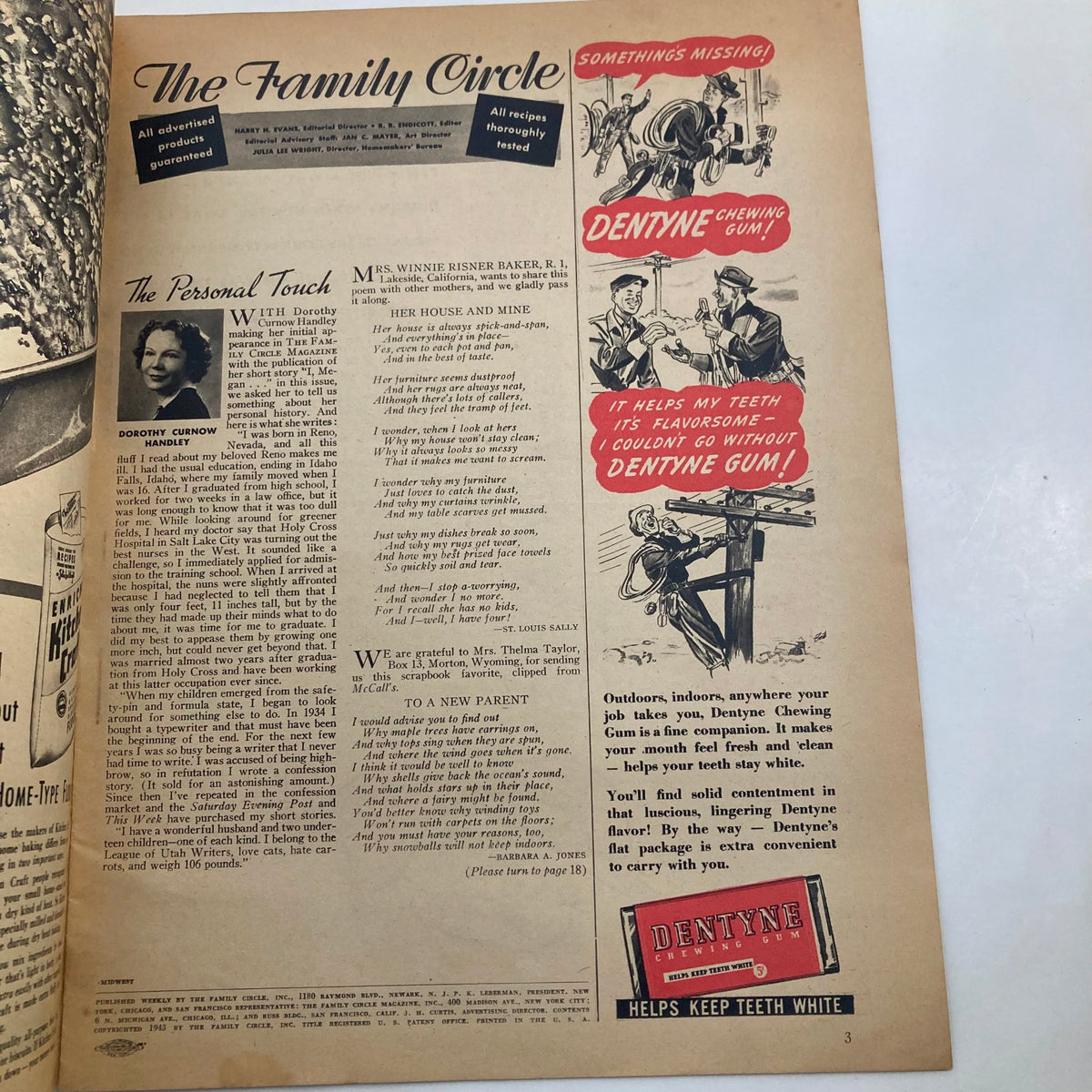
- Home Front Rationing: Consumer product advertisements in these vintage magazines reveal the texture of daily life—shoe rationing notices, war bond promotions, and the subtle pivots major brands made to align with a nation at war.
The Perfect Gift
For someone born in February 1943, an original magazine from this pivotal month isn't just a piece of paper—it's an authenticated time capsule of the moment the tide began to turn, preserved in genuine wartime headlines, photography, and advertising that no reproduction can touch.