📖 About this Collection
February 1945: The Month the World Held Its Breath
The Historical Context
February 1945 arrived with the thunder of artillery and the cold logic of an endgame. The war in Europe was entering its final, brutal chapter, and the world's most powerful leaders knew it. At Yalta, in a Crimean palace still scarred by German occupation, Franklin D. Roosevelt, Winston Churchill, and Joseph Stalin convened to carve the future. The Declaration of Liberated Europe, signed on February 11, promised free elections and self-determination for nations emerging from Nazi darkness—words that would echo, and in some cases haunt, the decades that followed.
Meanwhile, the cost of victory was being counted in fire and blood. Allied bombers reduced Dresden to ash in a firestorm that killed over 22,000 people. On a small volcanic island in the Pacific called Iwo Jima, 30,000 U.S. Marines stormed the beaches on February 19. Four days later, a photographer named Joe Rosenthal captured six men raising a flag atop Mount Suribachi—an image that would define a generation's understanding of sacrifice. This was the world in February 1945.
The Culture Behind the Headlines
Even in wartime, Americans found moments of laughter, melody, and escape. The Andrews Sisters dominated the airwaves as "Rum and Coca-Cola" climbed to number one on February 10, its breezy Caribbean rhythm an unlikely counterpoint to the war dispatches crowding the front pages of Life and Time. Walt Disney's The Three Caballeros had just reached theaters, bringing Technicolor exuberance to audiences hungry for something bright and warm. On February 28, Elia Kazan—a young director then unknown—released his debut feature film, A Tree Grows in Brooklyn, starring Dorothy McGuire and Joan Blondell in a portrait of American resilience that felt achingly timely.
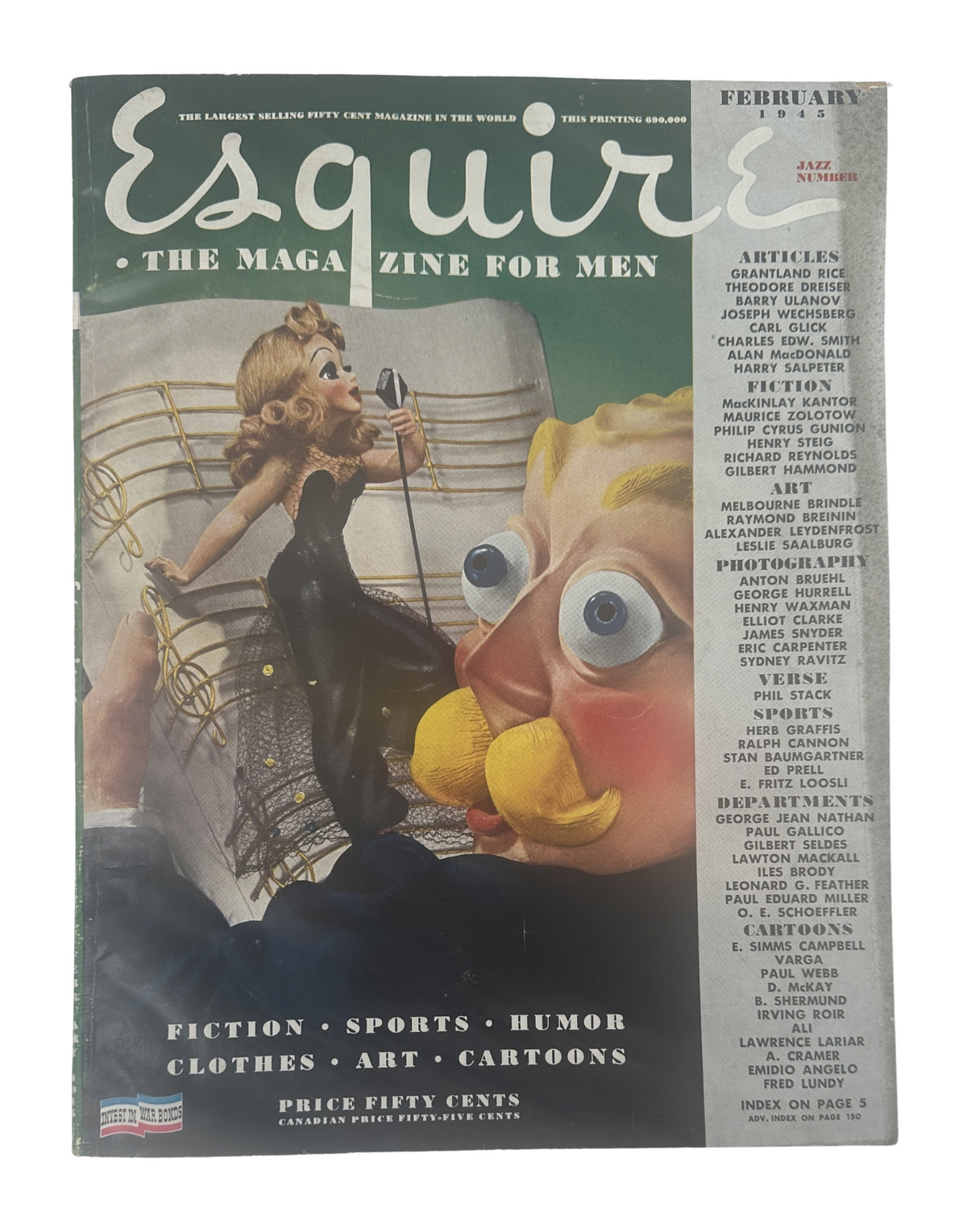
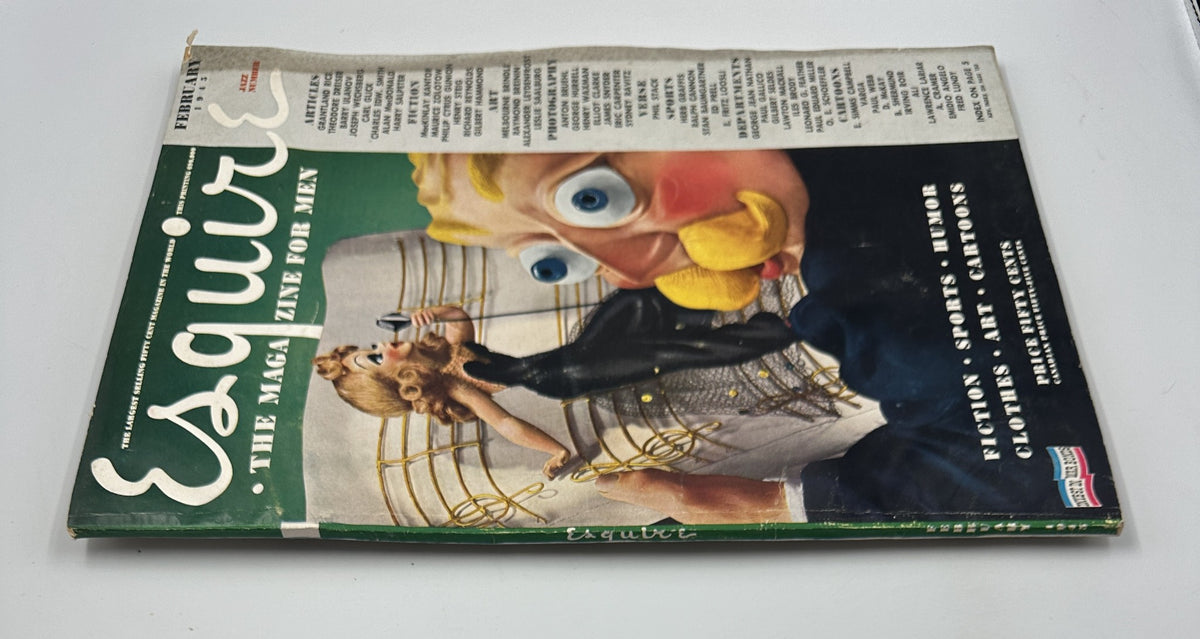
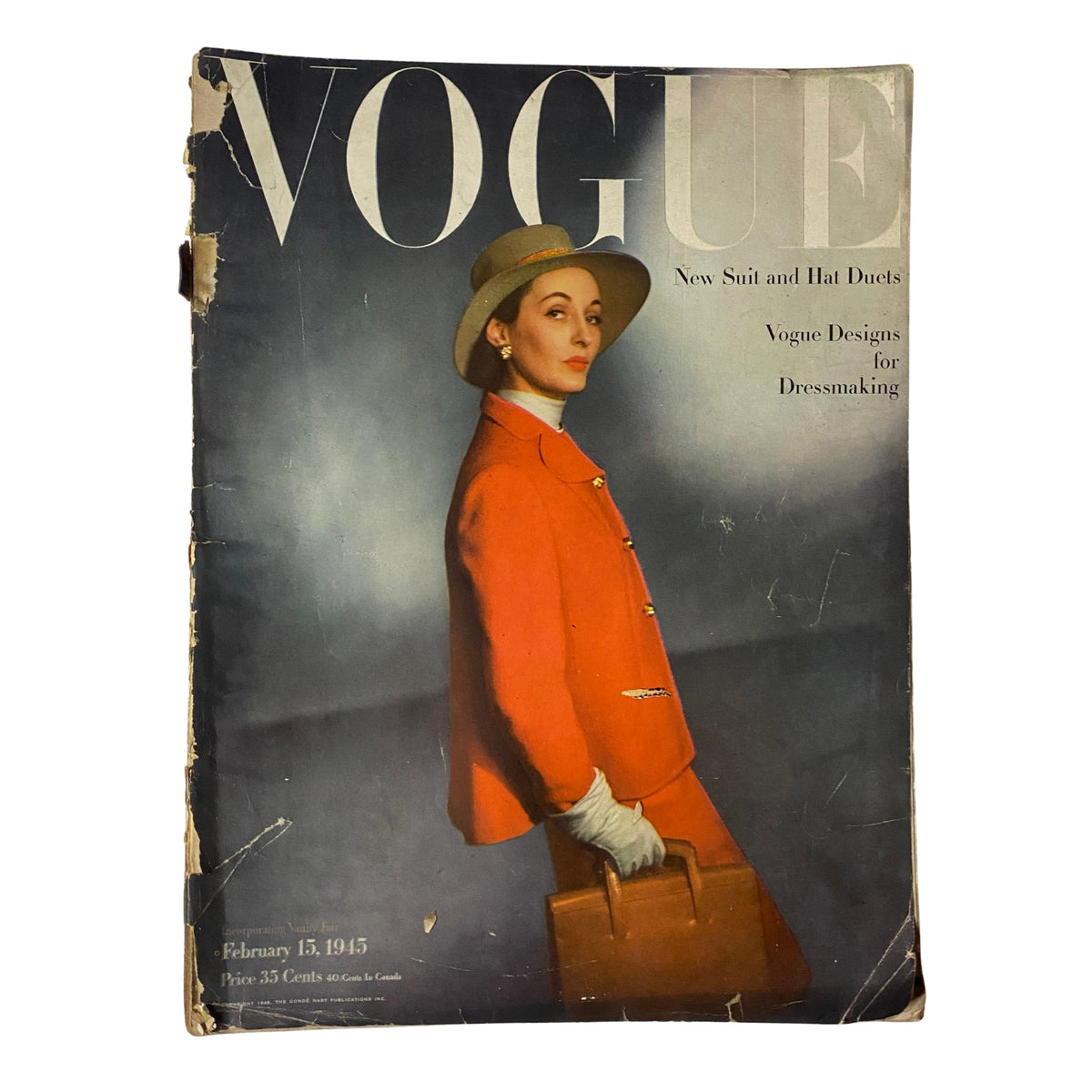
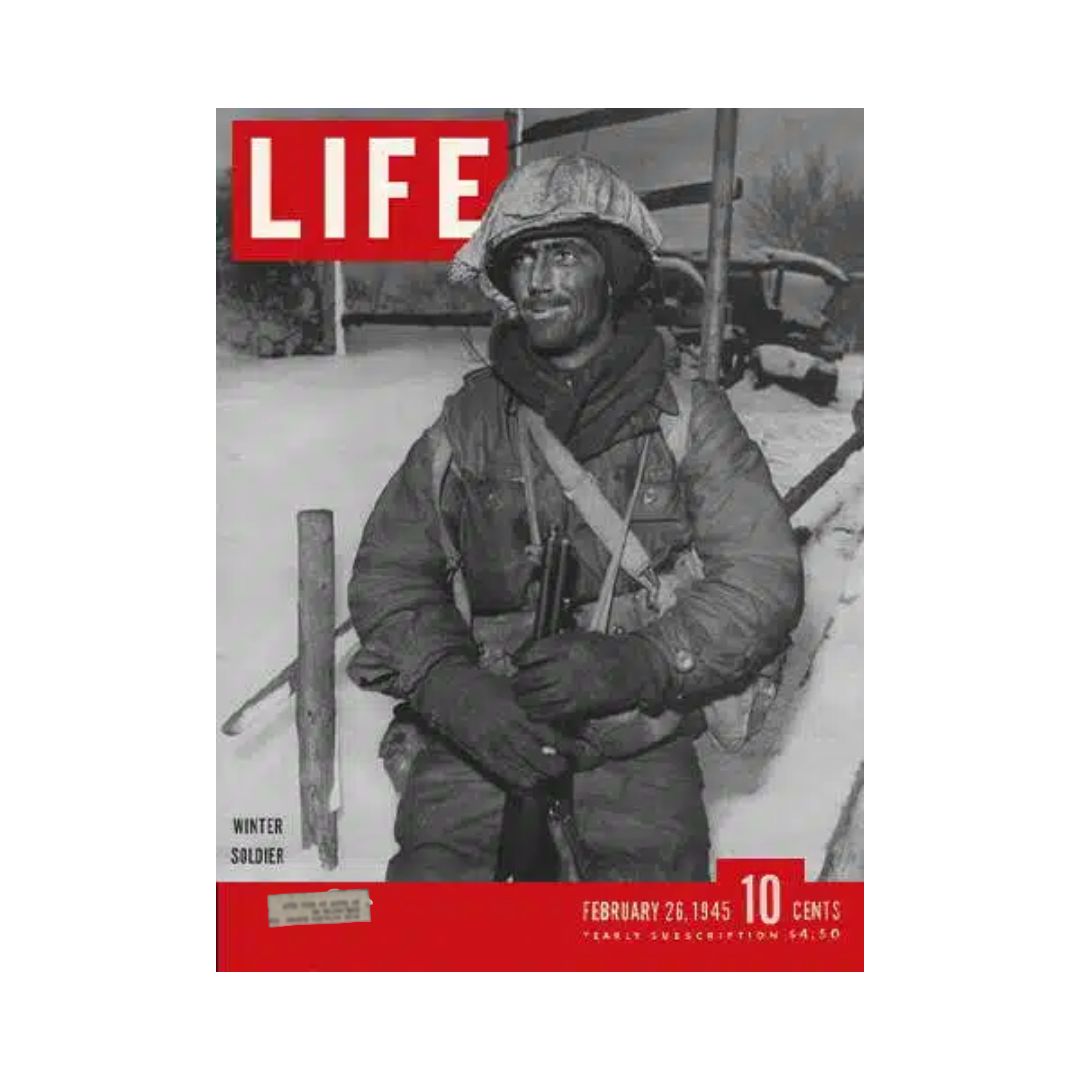
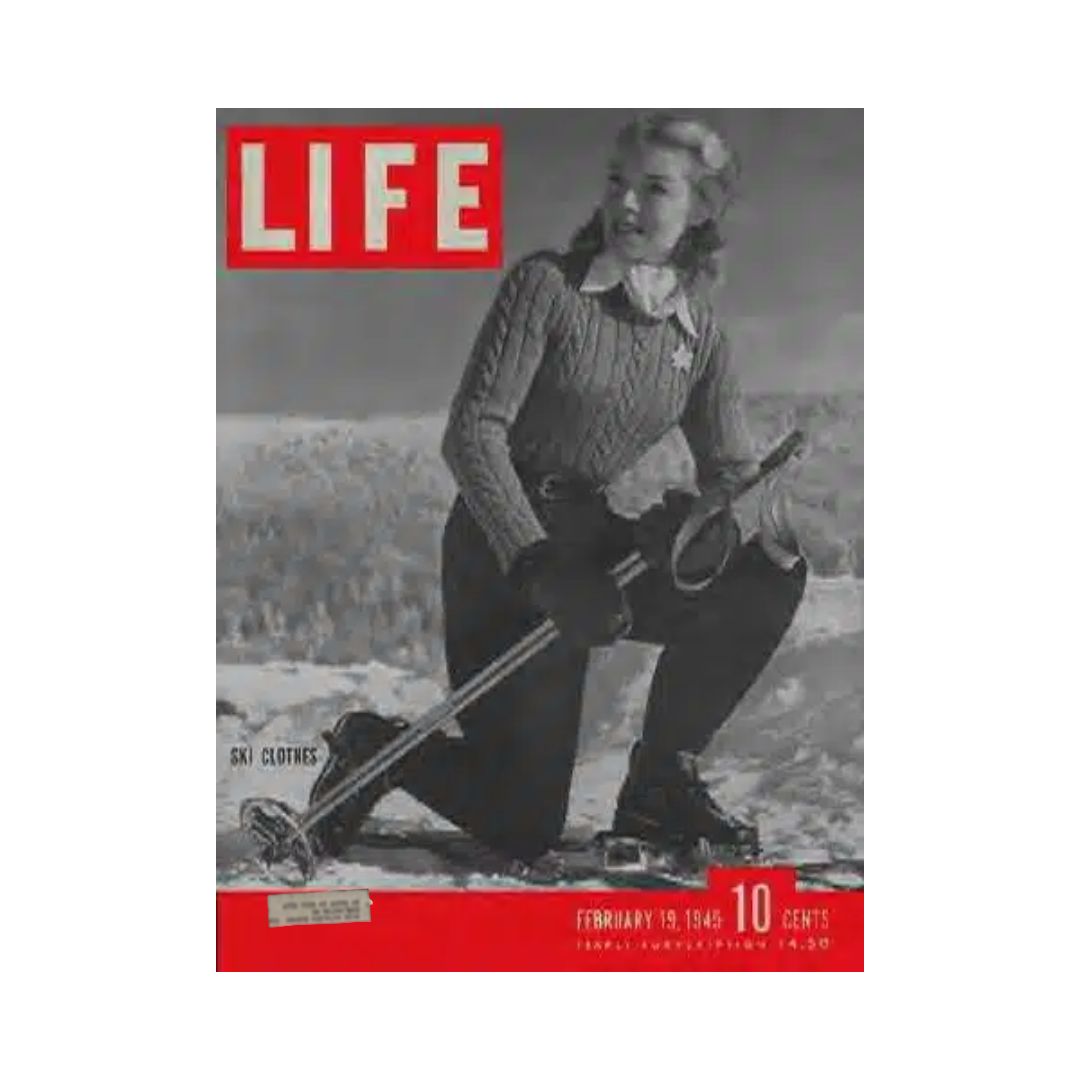
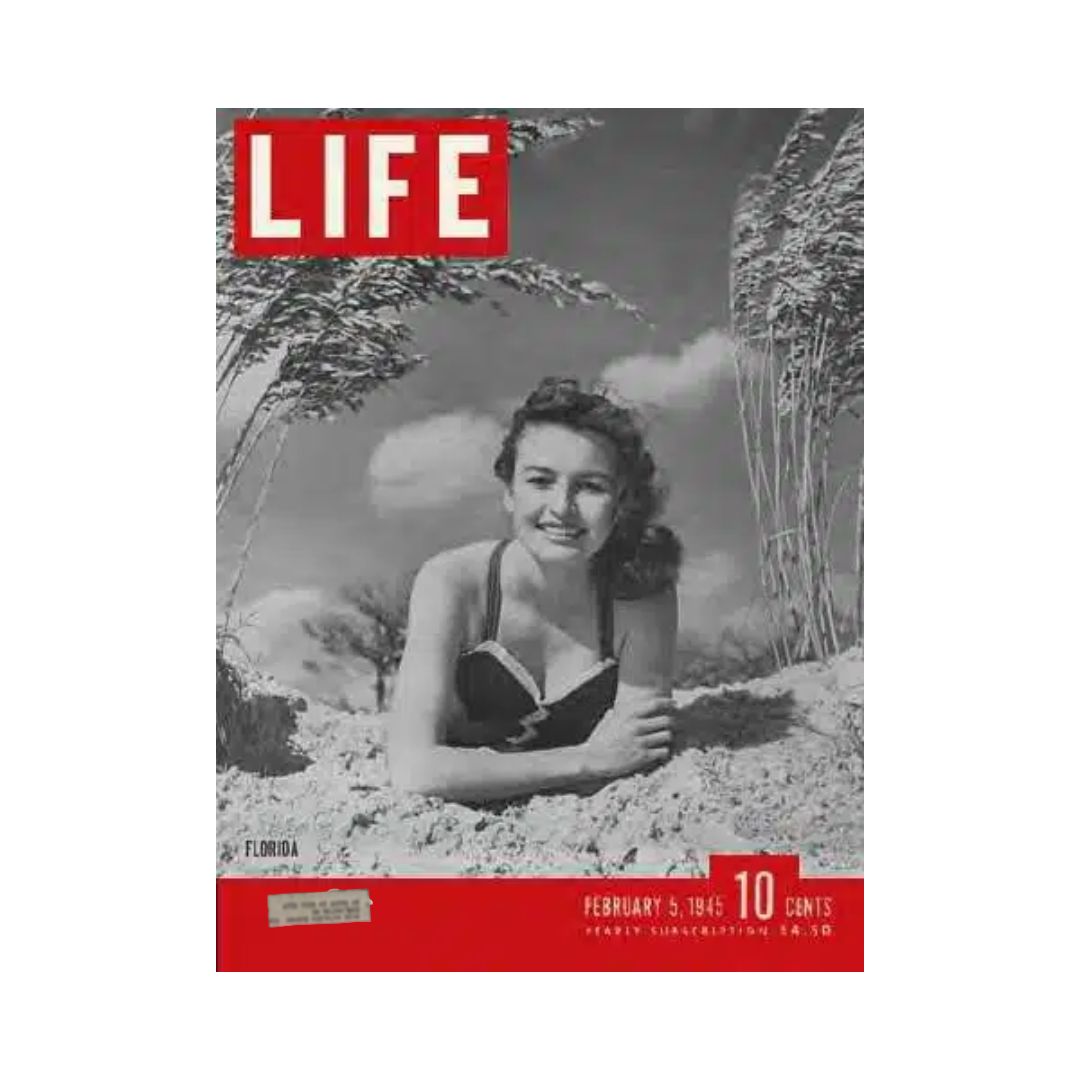
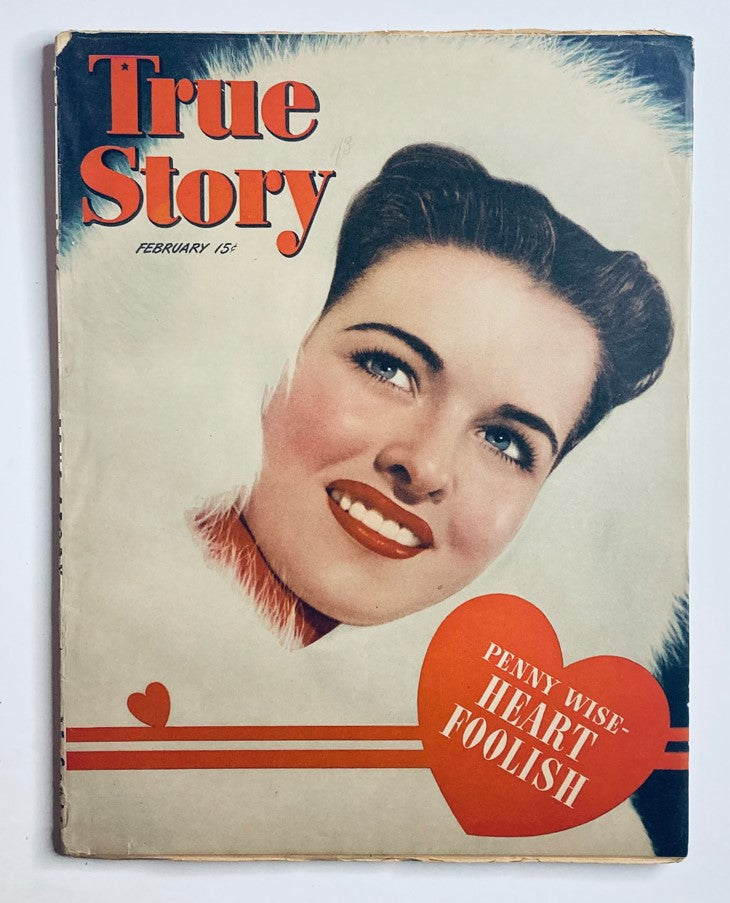
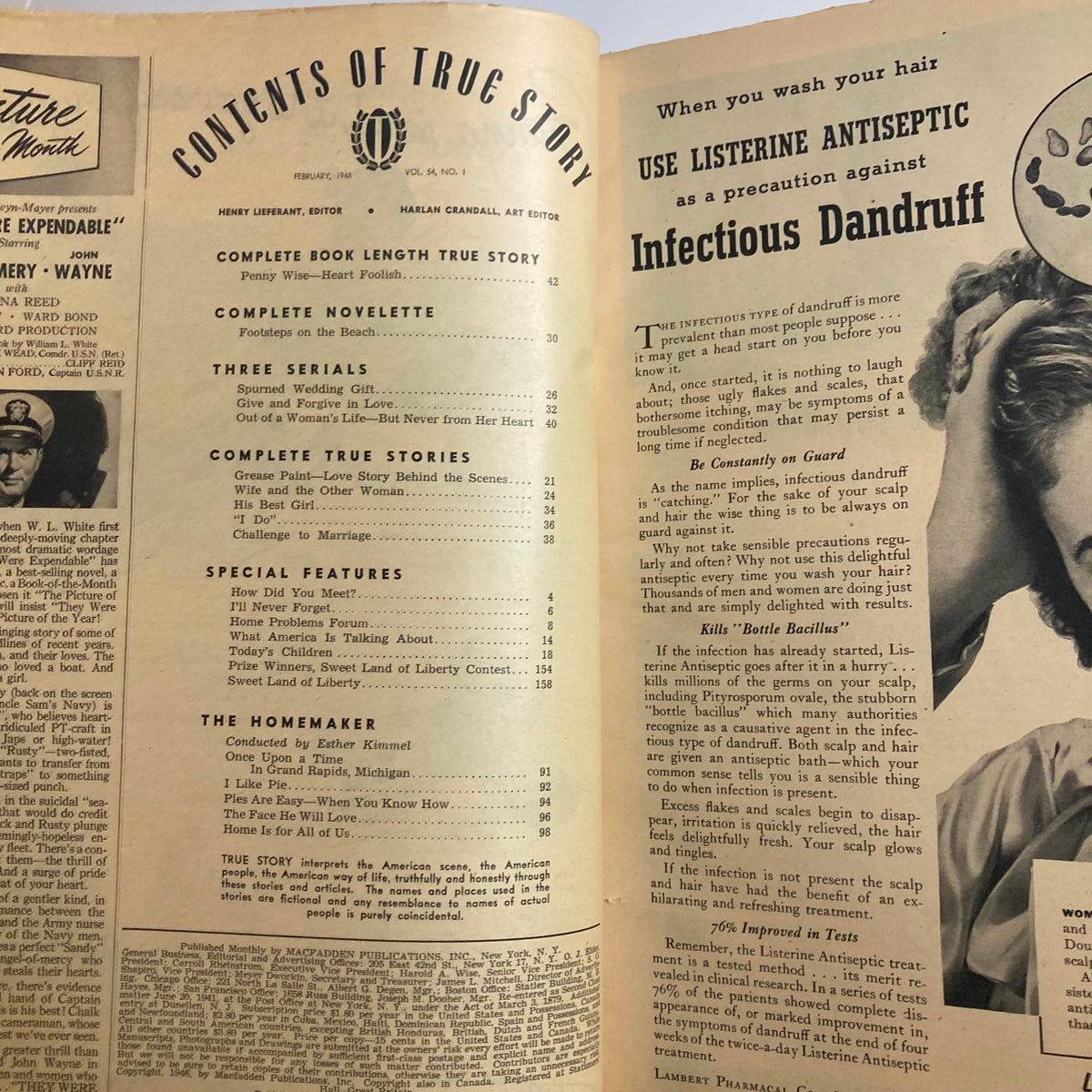
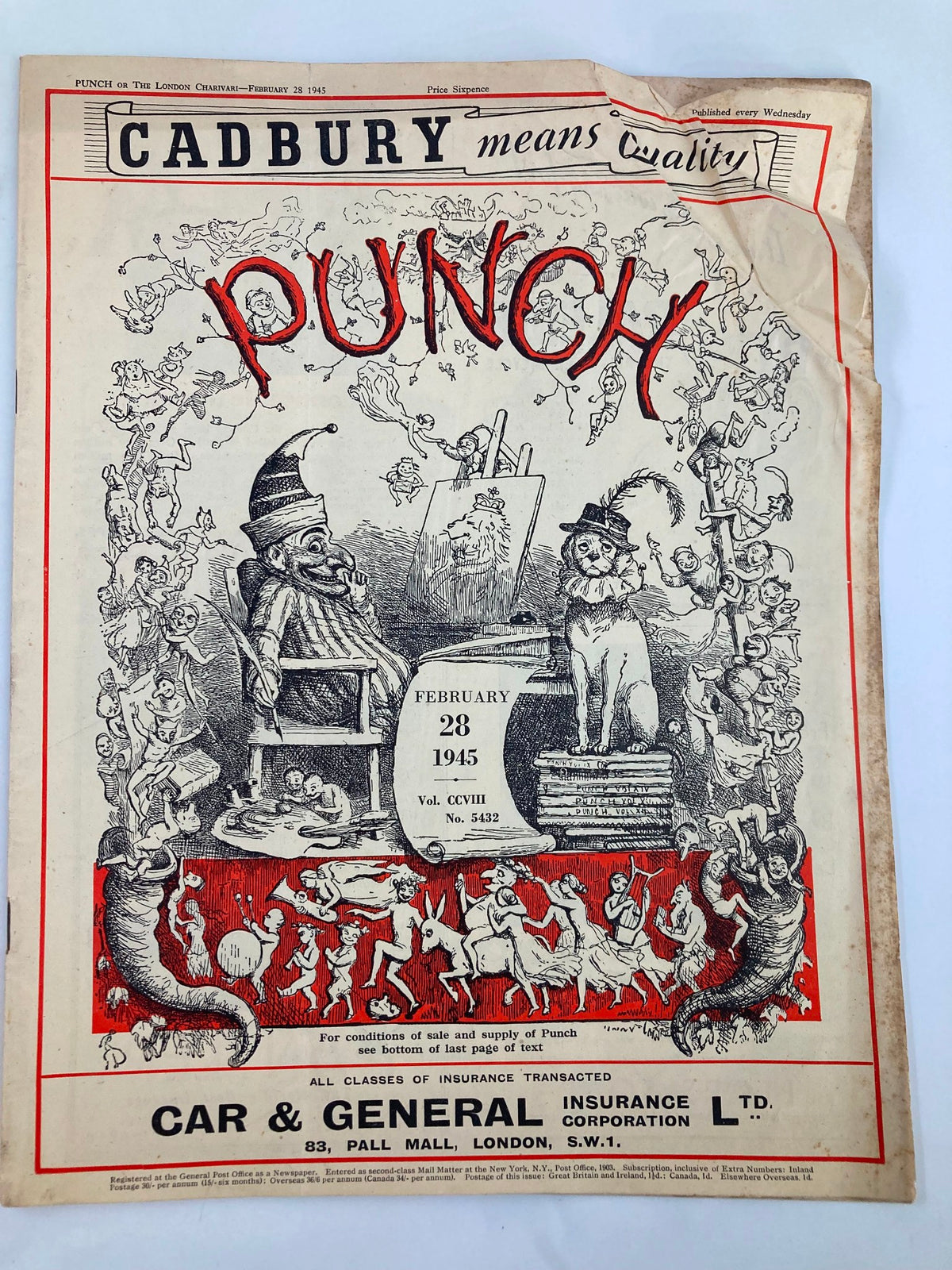
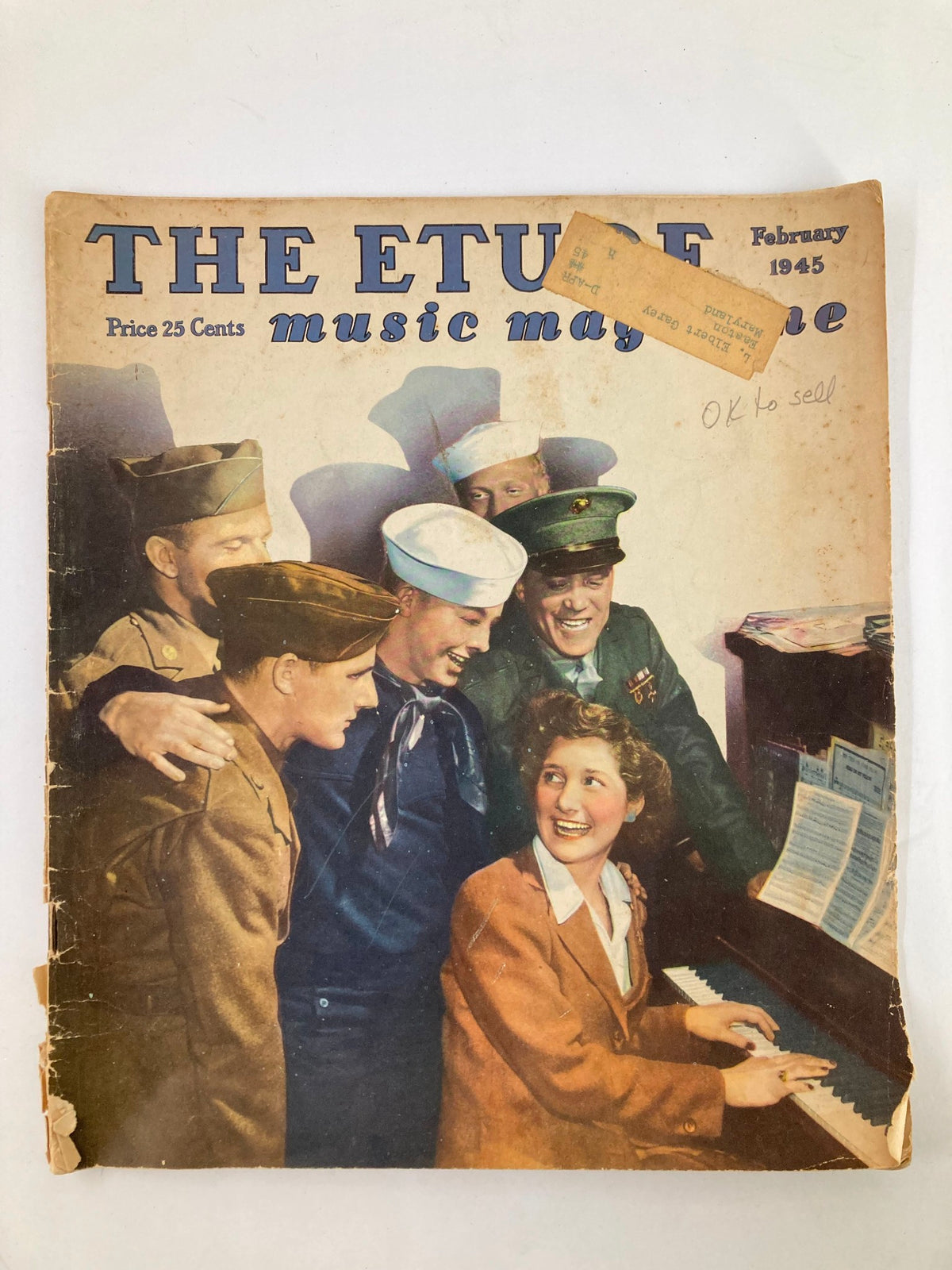
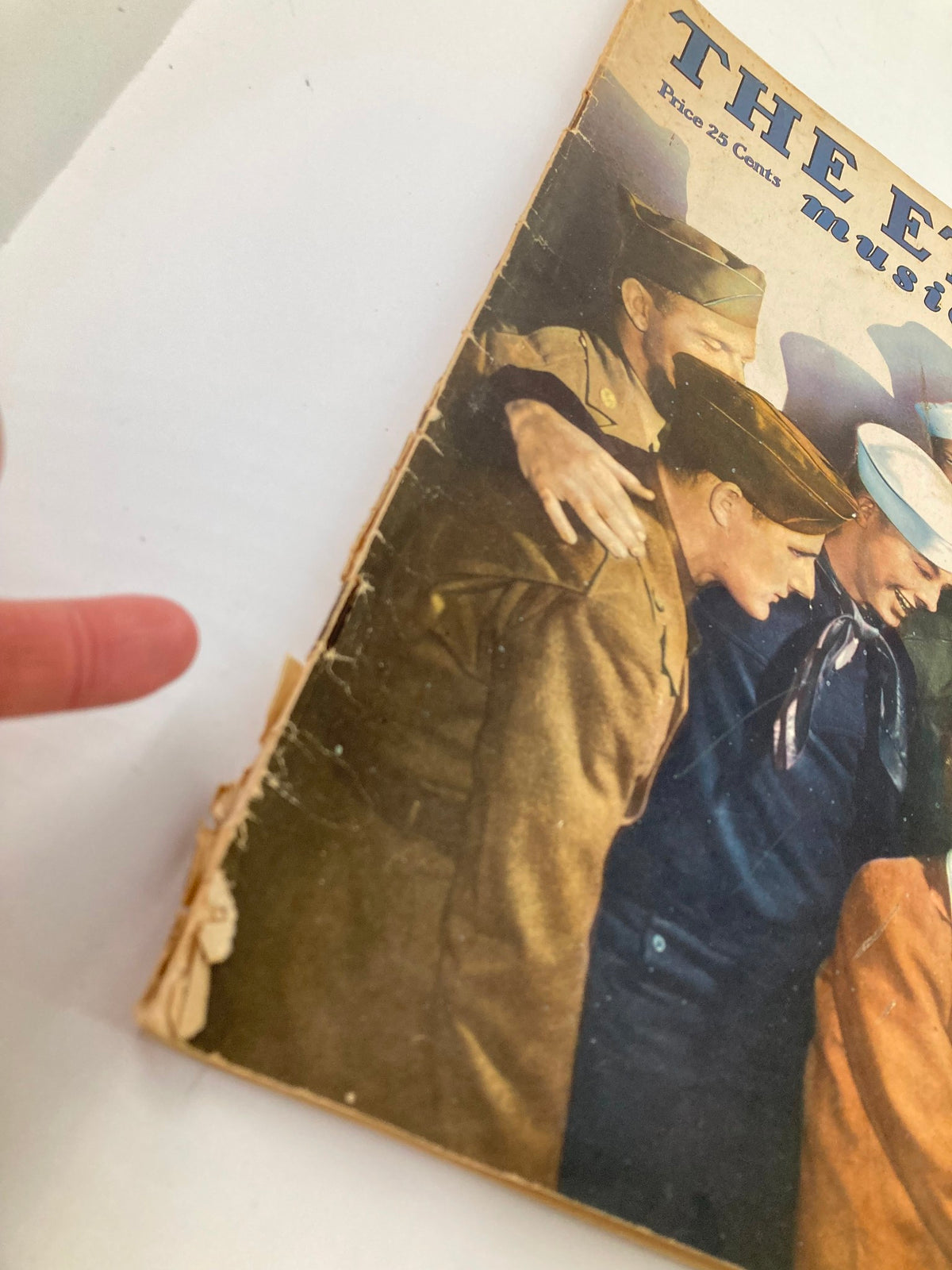
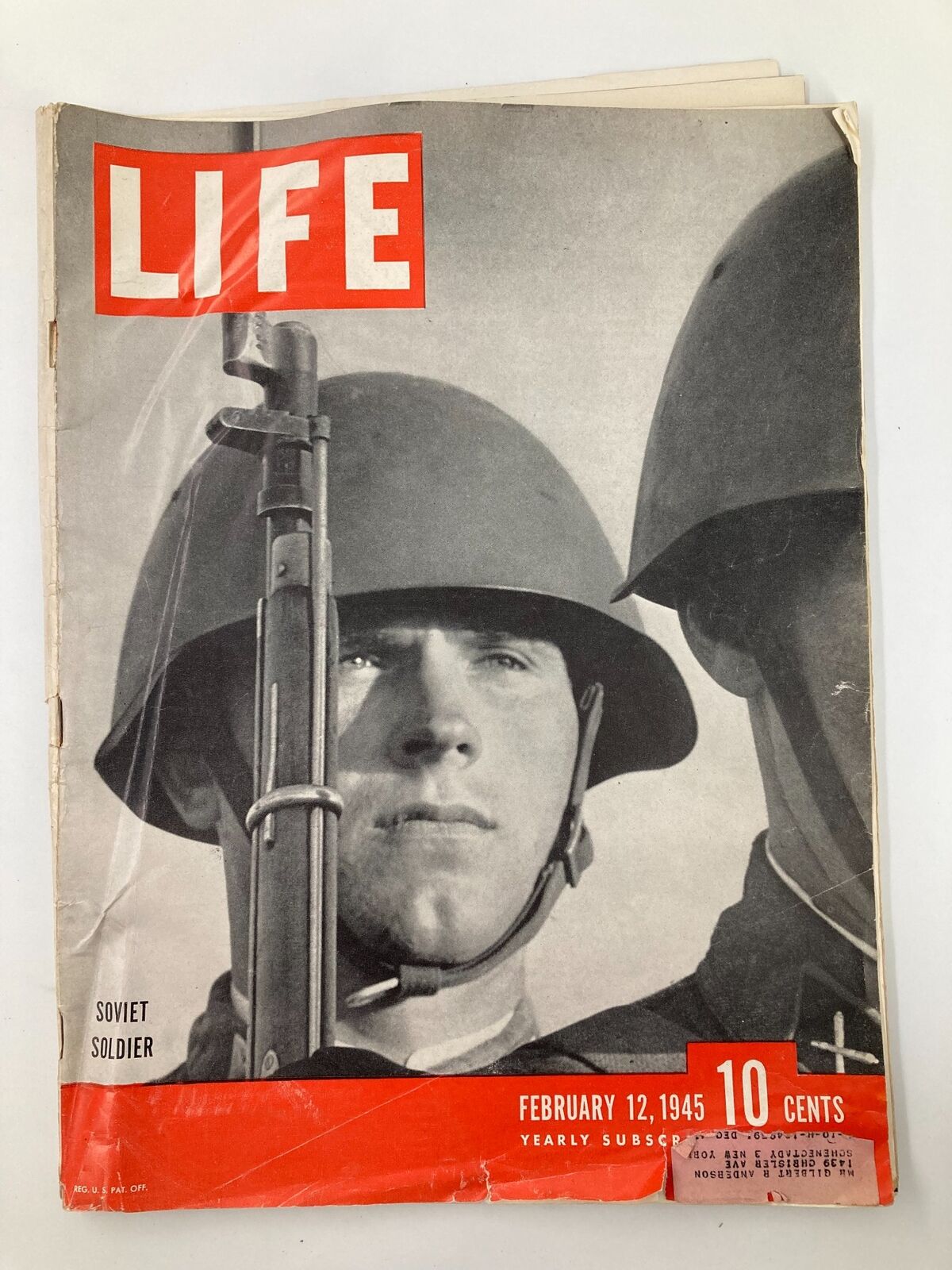
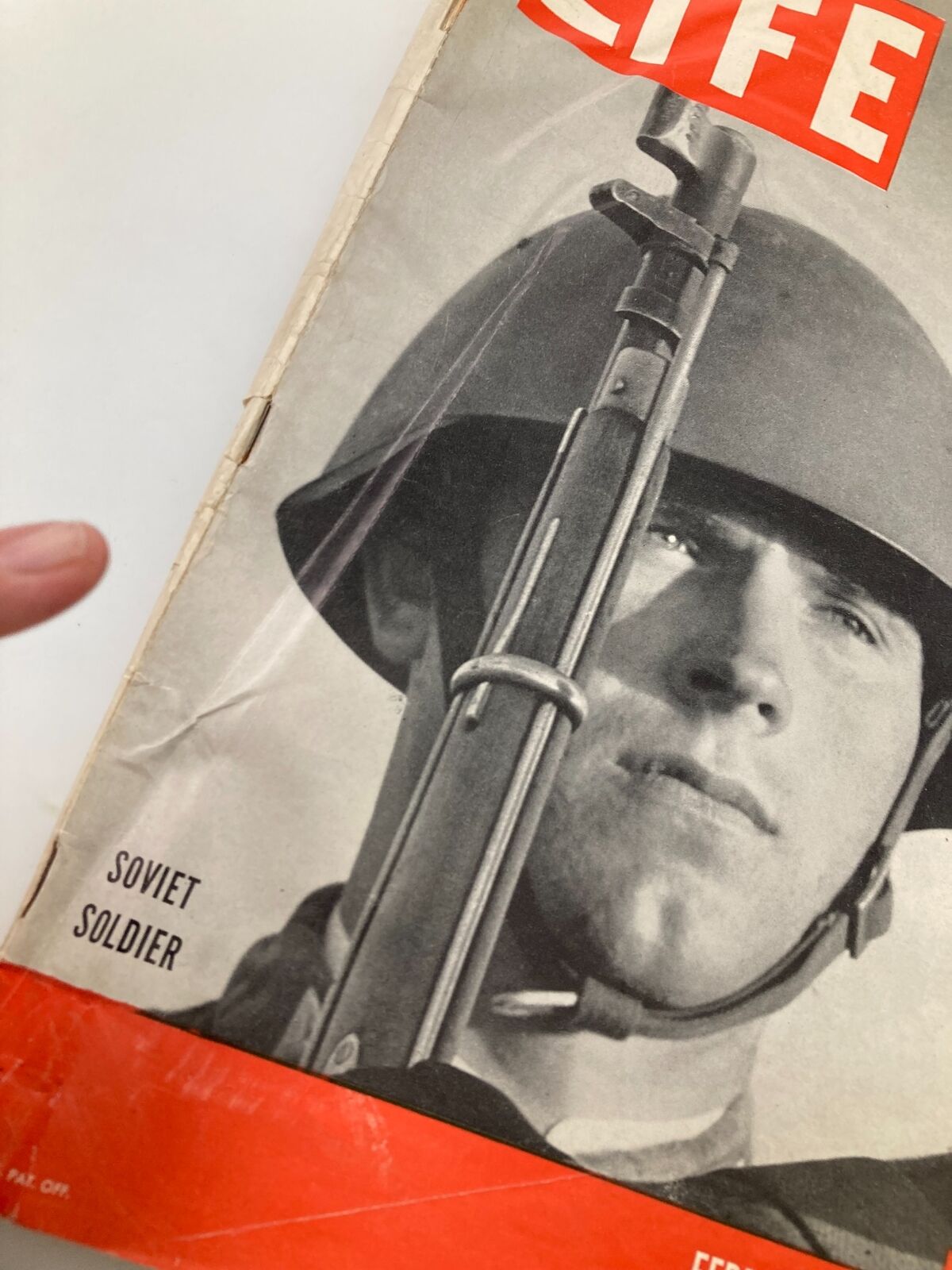
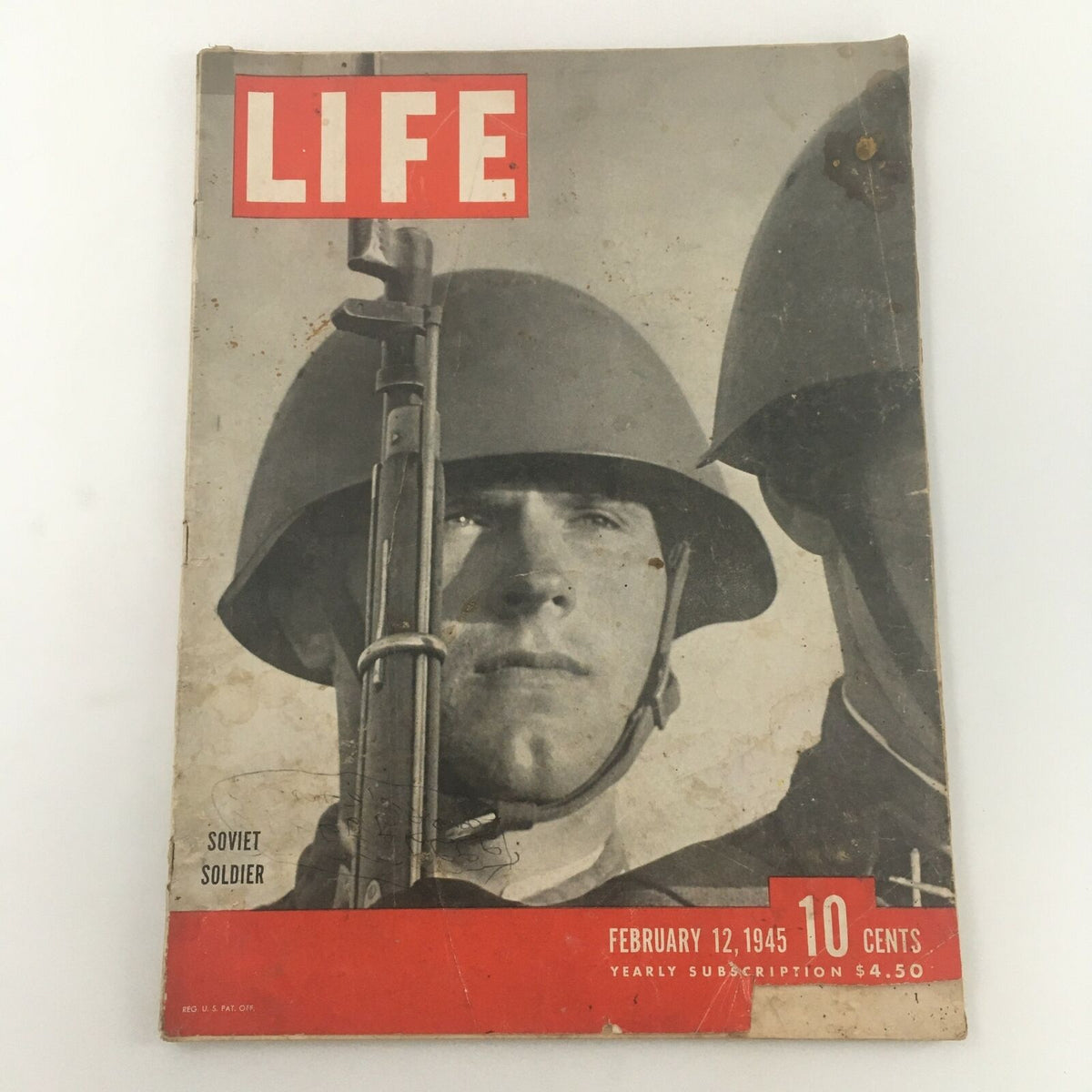
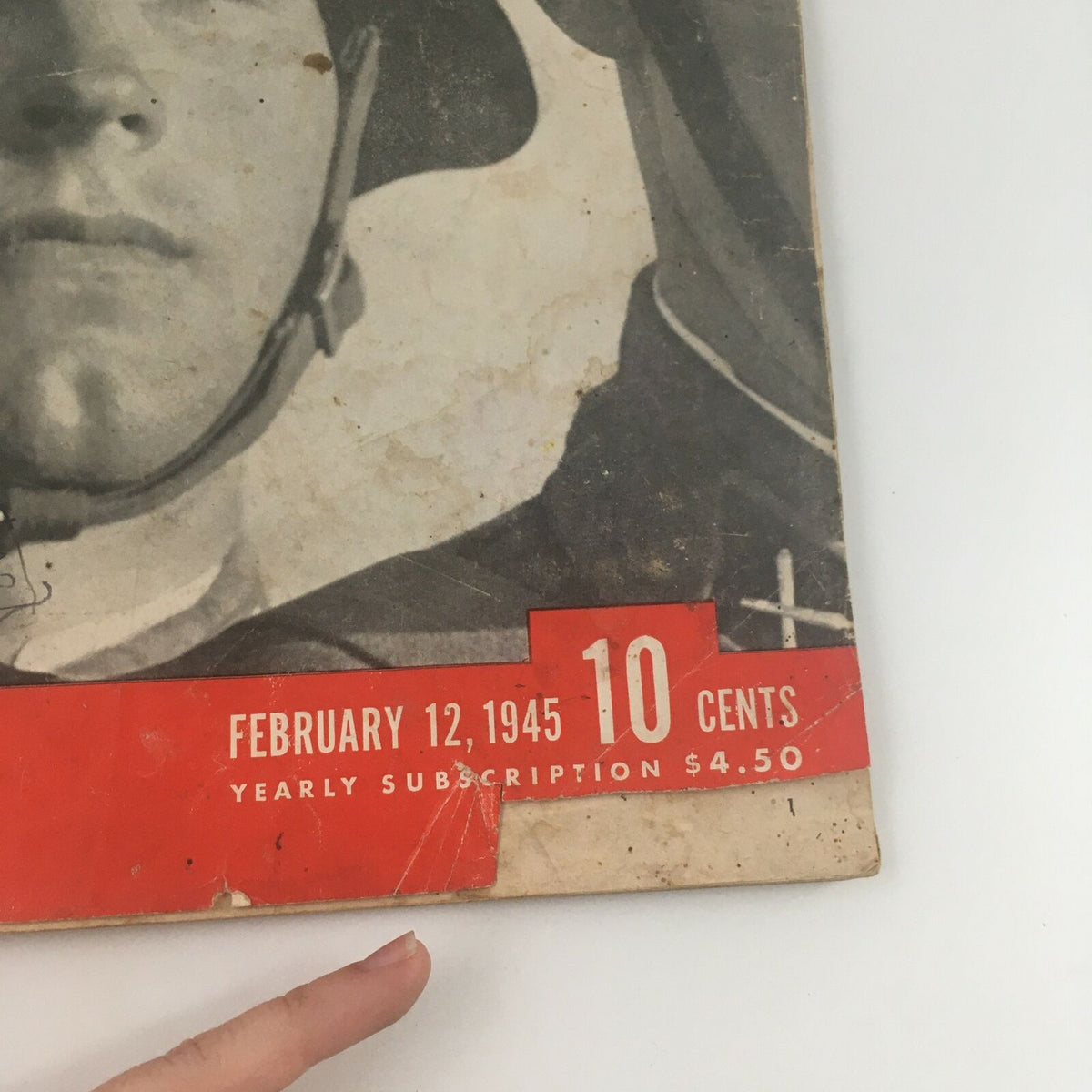
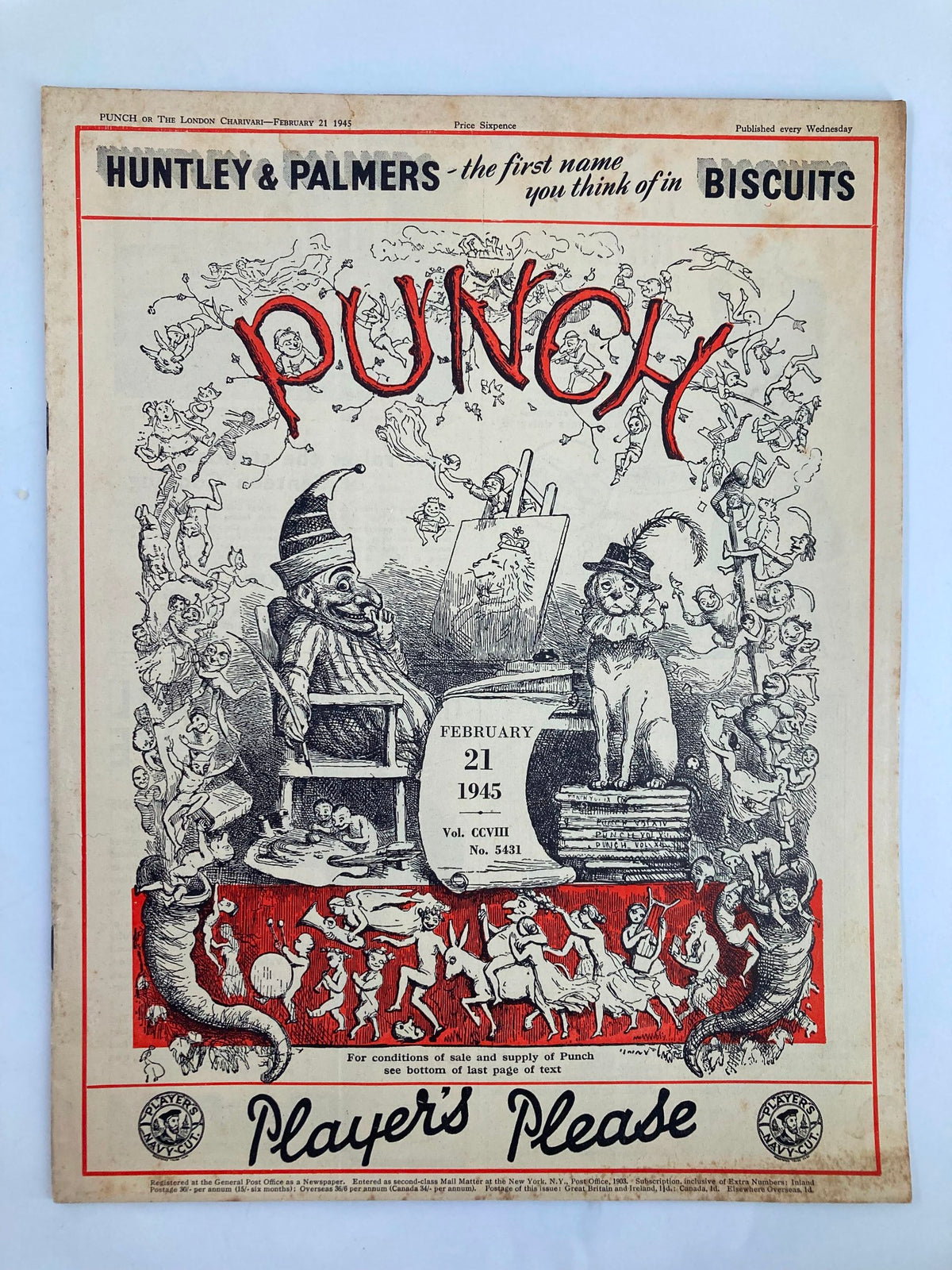
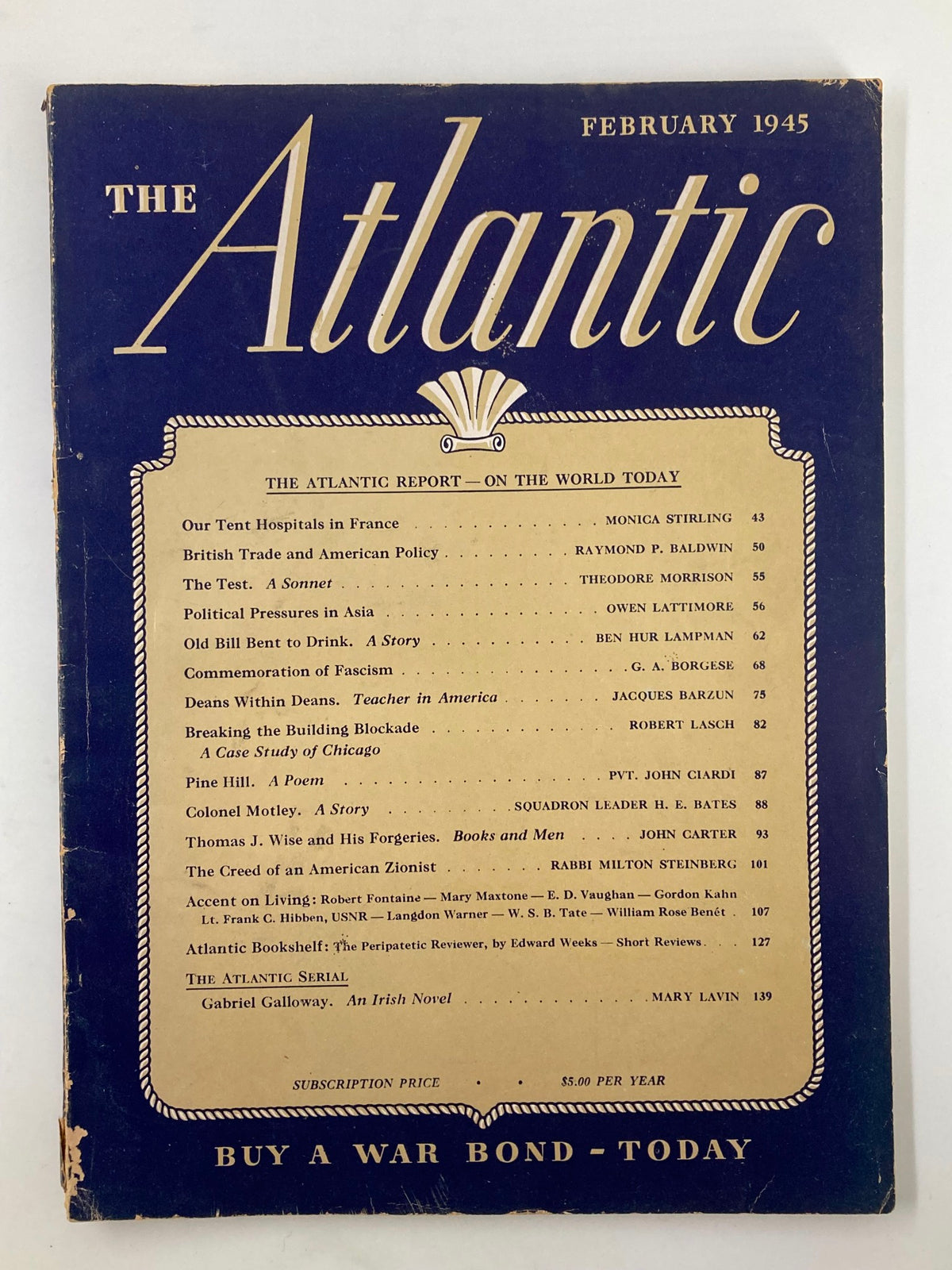
Original magazines from February 1945 capture this remarkable tension between the monumental and the intimate. Newsweek and Look ran split-page layouts: battle maps alongside ads for nylon stockings and refrigerators. Saturday Evening Post covers depicted a home front suspended between grief and hope. These are rare magazines that document not just events, but the texture of daily American life at its most defining hour.
Curator's Checklist: What to Look For
- The Yalta Conference: Time, Life, and Newsweek issues from February 1945 frequently feature photographs of Roosevelt, Churchill, and Stalin seated together at the Crimean summit, often with detailed analytical features on the geopolitical stakes of their negotiations and the shape of the postwar world.
- Iwo Jima and the Pacific Campaign: Look for Life magazine issues showcasing early wire photographs from the island invasion alongside illustrated maps of the Pacific theater, chronicling the brutal fight that would produce one of the most iconic images of the twentieth century.
- The Bombing of Dresden: Genuine vintage magazines from this month document Allied air strategy through both editorial photography and op-ed debate, with Time and Newsweek offering contemporaneous moral and military framing that no history book can replicate.
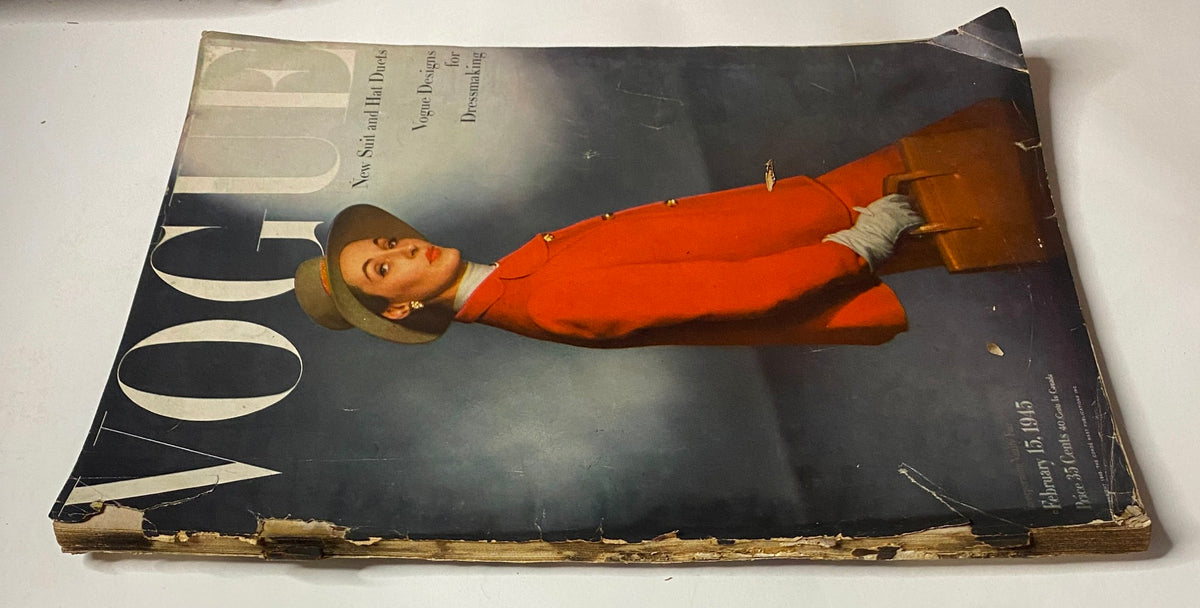
- Home Front Advertising: Vogue, Harper's Bazaar, and Mademoiselle issues from February 1945 are remarkable time capsules of wartime fashion and consumer culture—featuring war bond advertisements alongside luxury goods, preserving the strange coexistence of sacrifice and aspiration.
- Entertainment and Escapism: Variety and regional entertainment publications from this month showcase the opening of A Tree Grows in Brooklyn and the musical chart success of the Andrews Sisters, illustrating how authentic popular culture functioned as wartime morale alongside hard news.
The Perfect Gift
For someone born in February 1945, an original magazine from this extraordinary month isn't just a piece of paper—it's the genuine world they arrived into, preserved in the photographs, headlines, and advertisements that greeted their first breath.