📖 About this Collection
February 1946: The World Remade Itself
The Historical Context
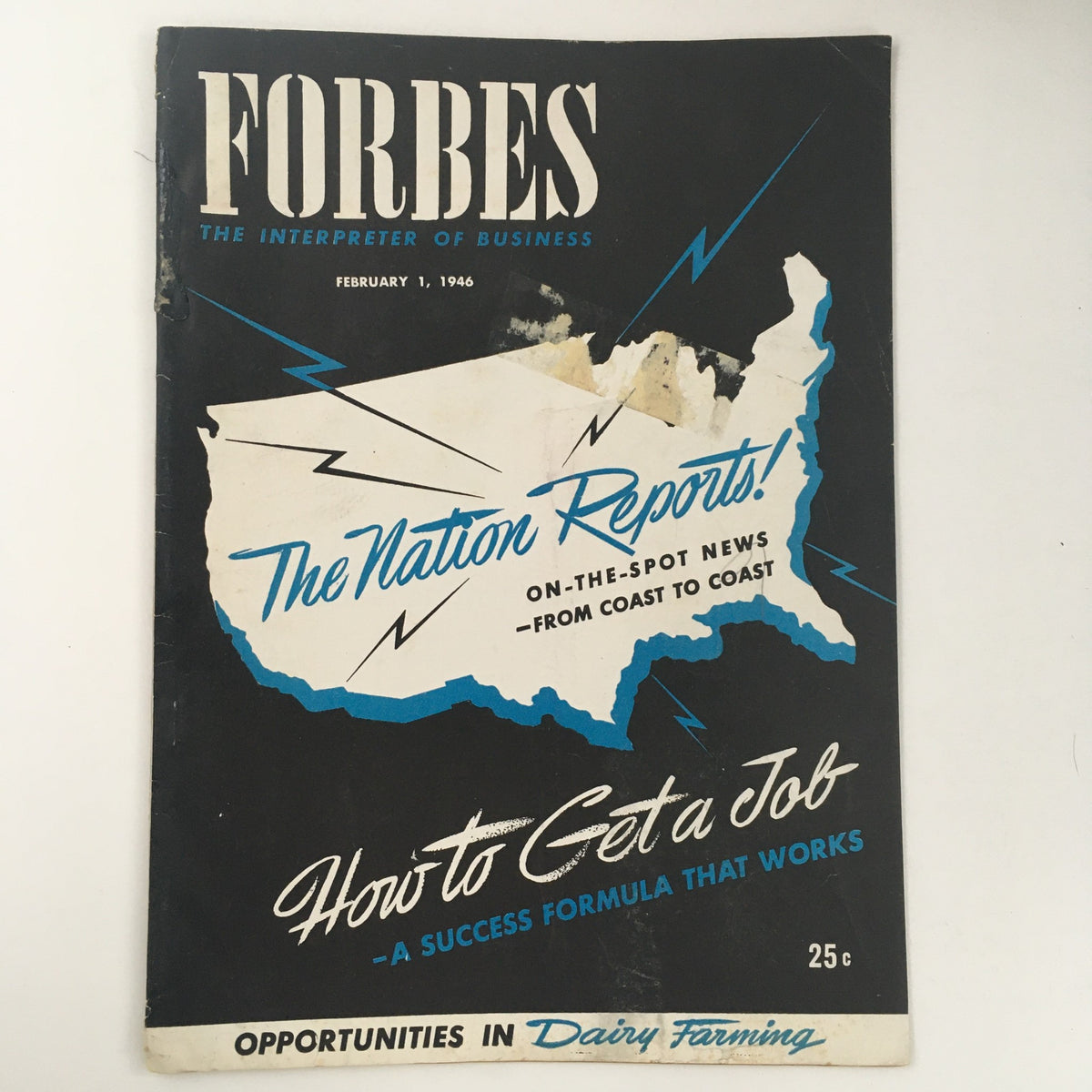
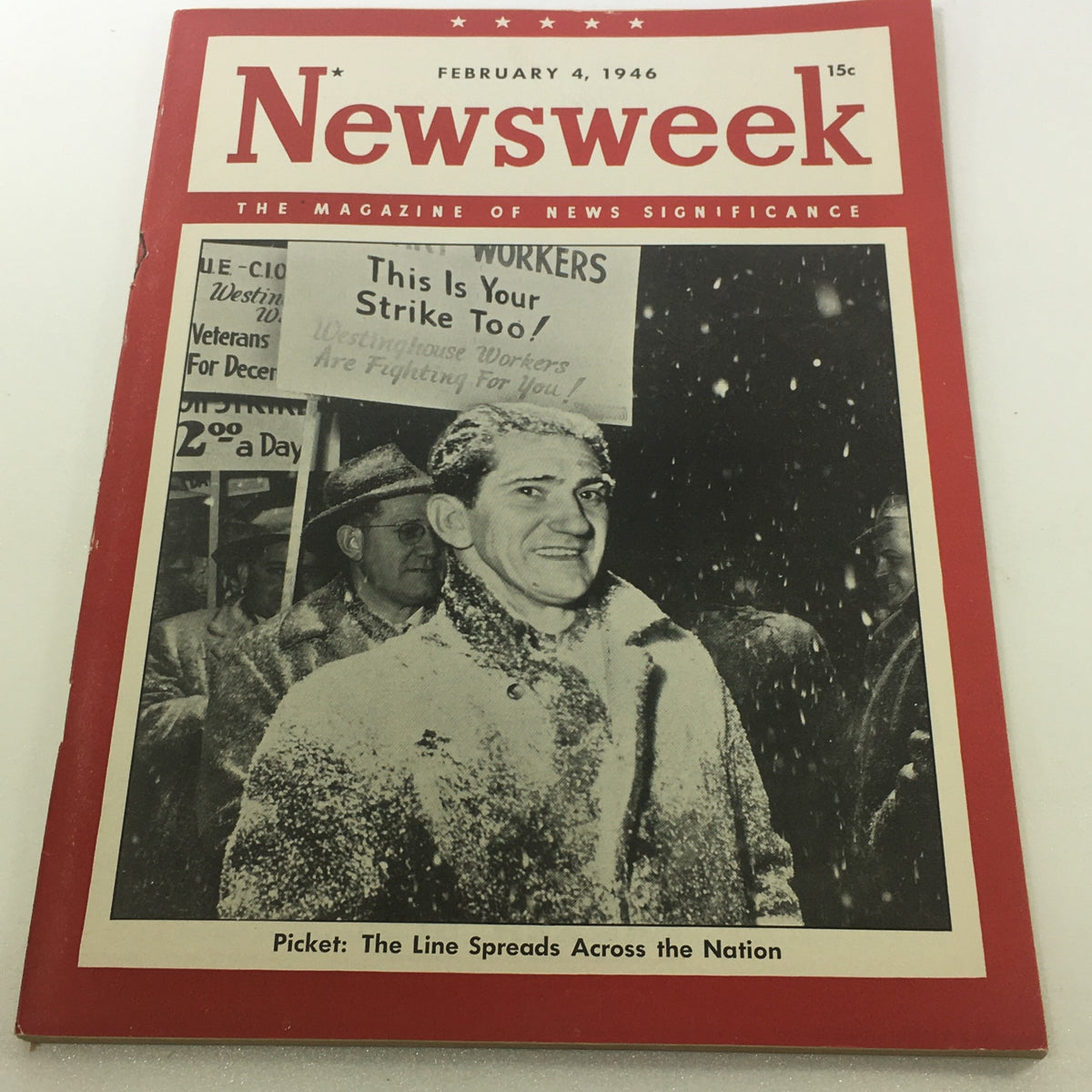
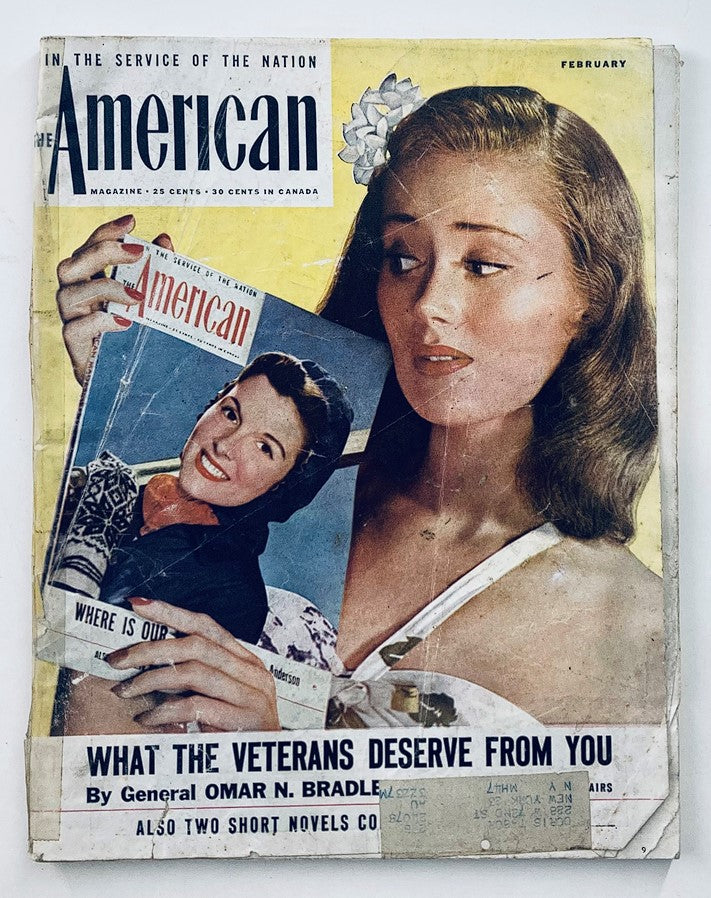
February 1946 arrived with the electric tension of a world still learning to breathe after war. The defining moment came on the first day of the month, when Norwegian statesman Trygve Lie was elected the inaugural Secretary-General of the United Nations—humanity's most ambitious experiment in collective peace, barely months old and already testing its voice. The world watched a new institution take its first steps, uncertain and extraordinary. Elsewhere, Hungary cast off its old skin entirely, the National Assembly proclaiming a republic and naming Zoltán Tildy its first president. Across the Atlantic, the United States Senate killed the Fair Employment Practices Committee bill through filibuster, a reminder that progress rarely moves in a straight line. And in Philadelphia on February 14th, engineers unveiled ENIAC—the first American computer—to a public that had no framework yet for what it was witnessing. This was the world your loved one entered: not at rest, but restless with possibility.
What People Were Reading, Watching, and Talking About
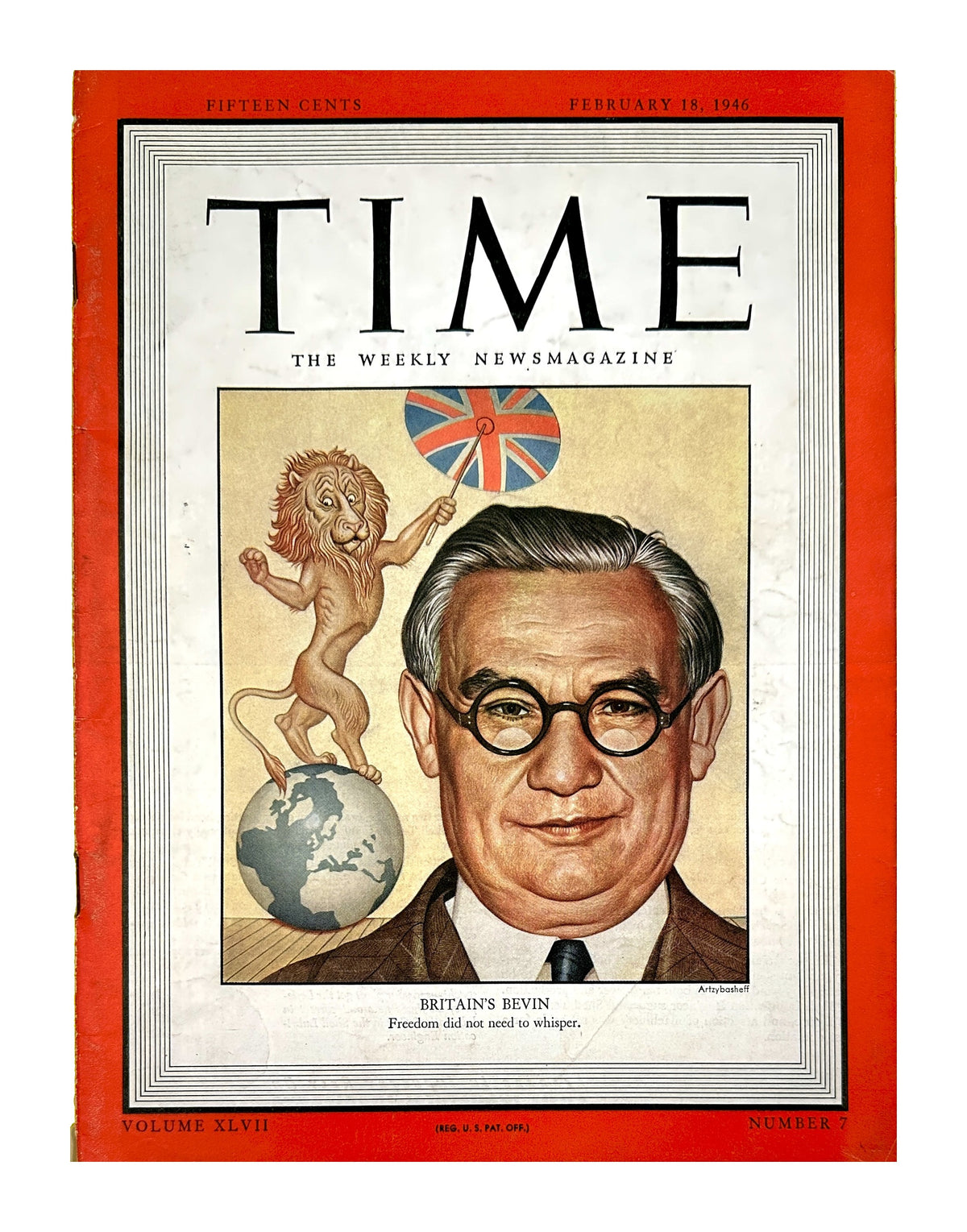
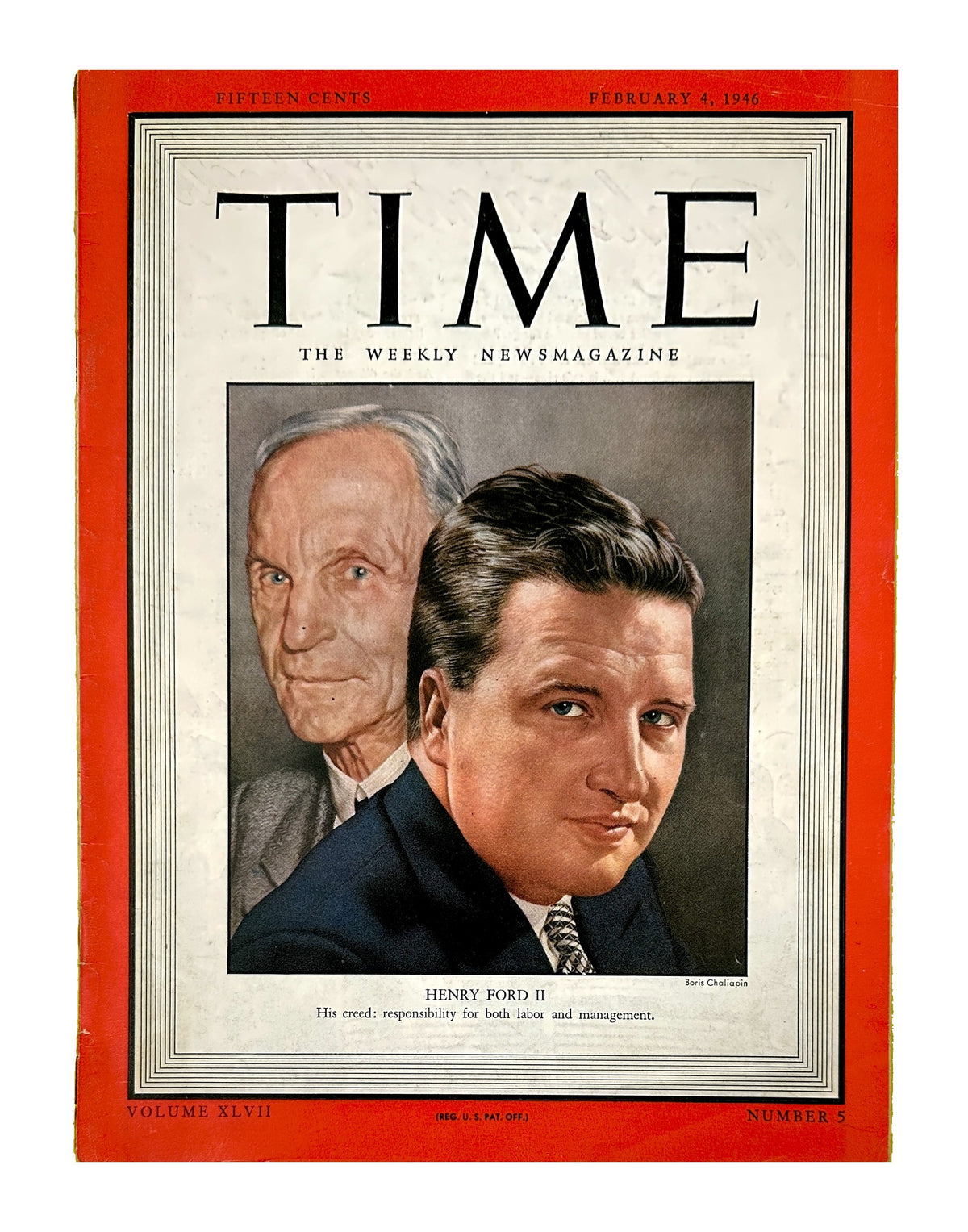
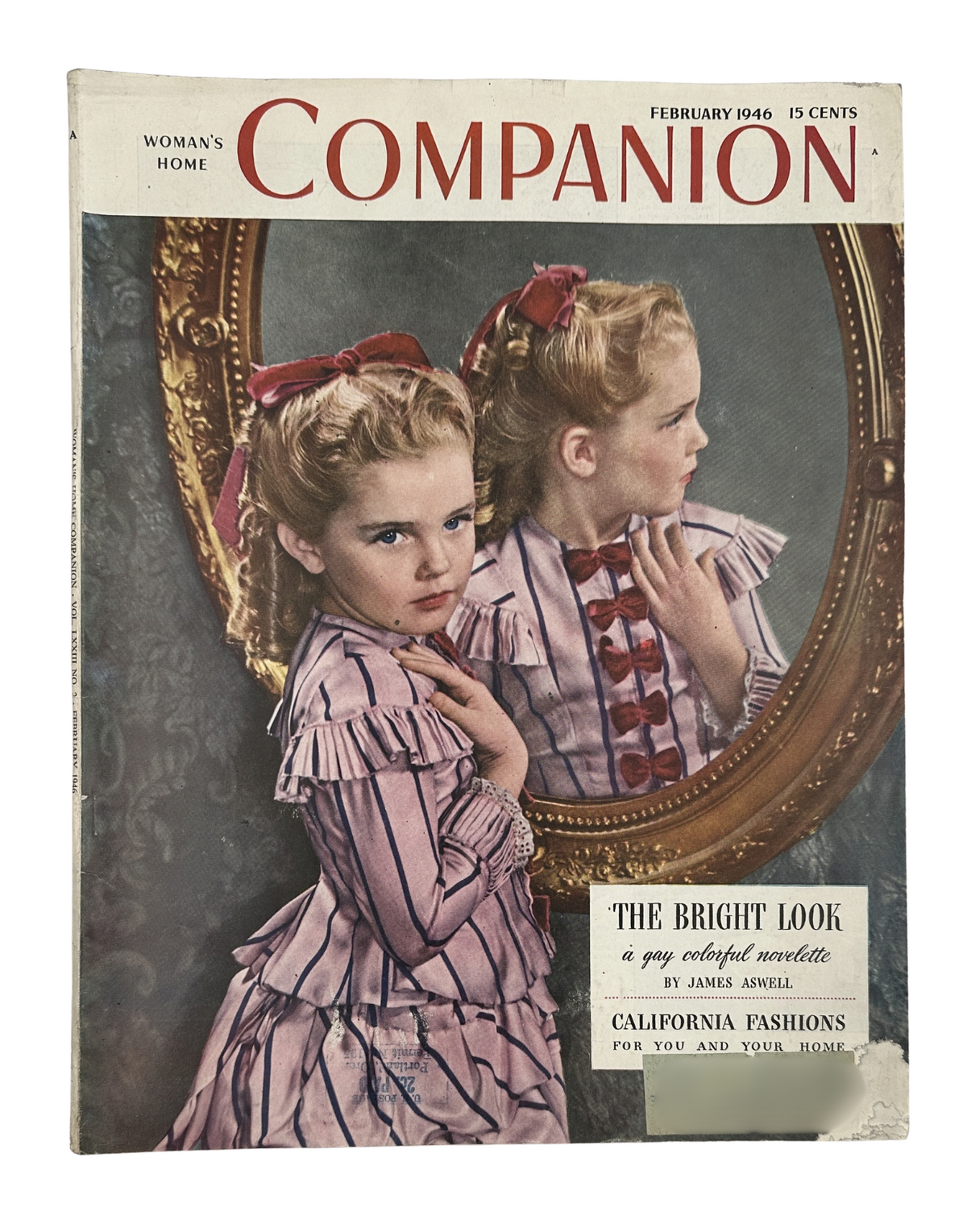
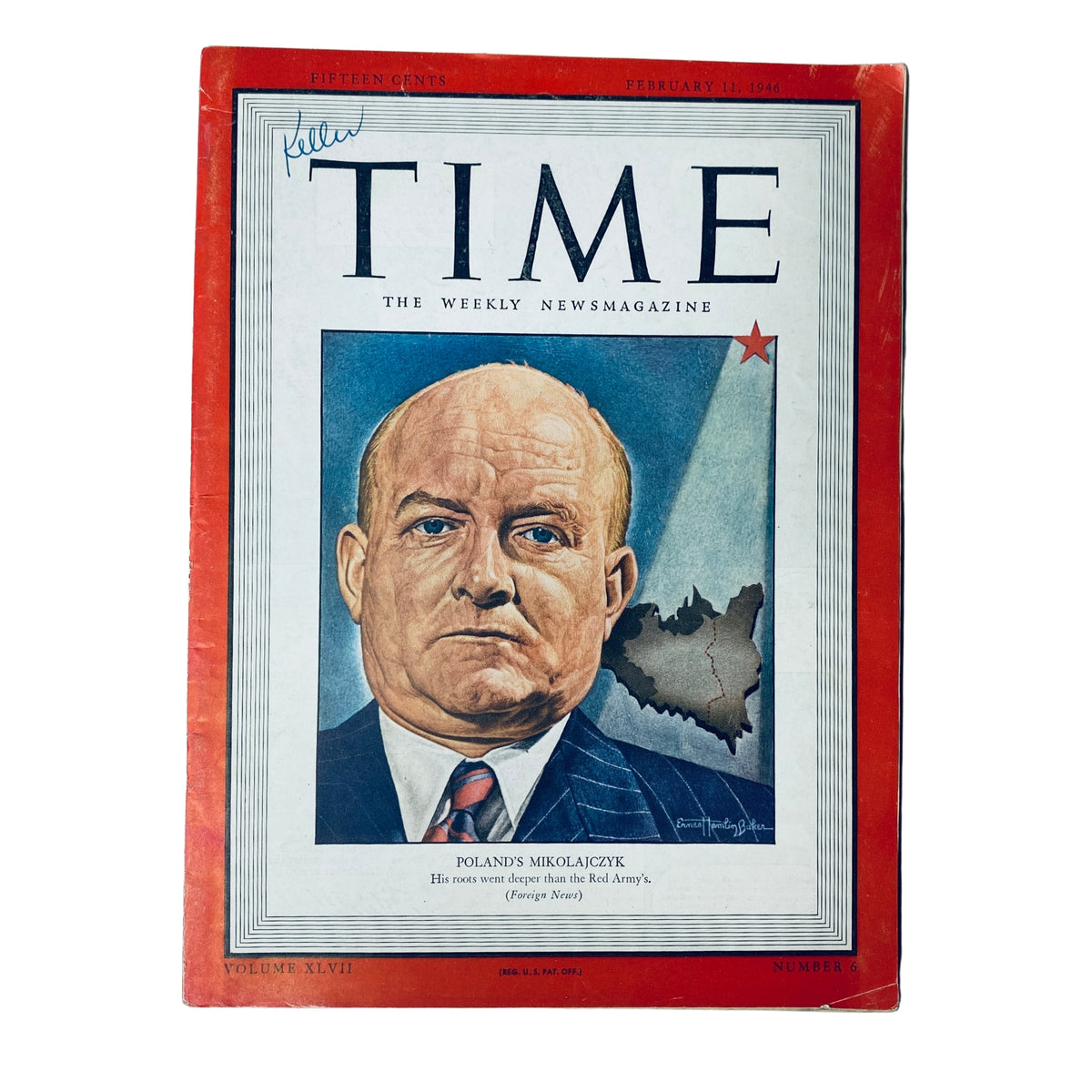
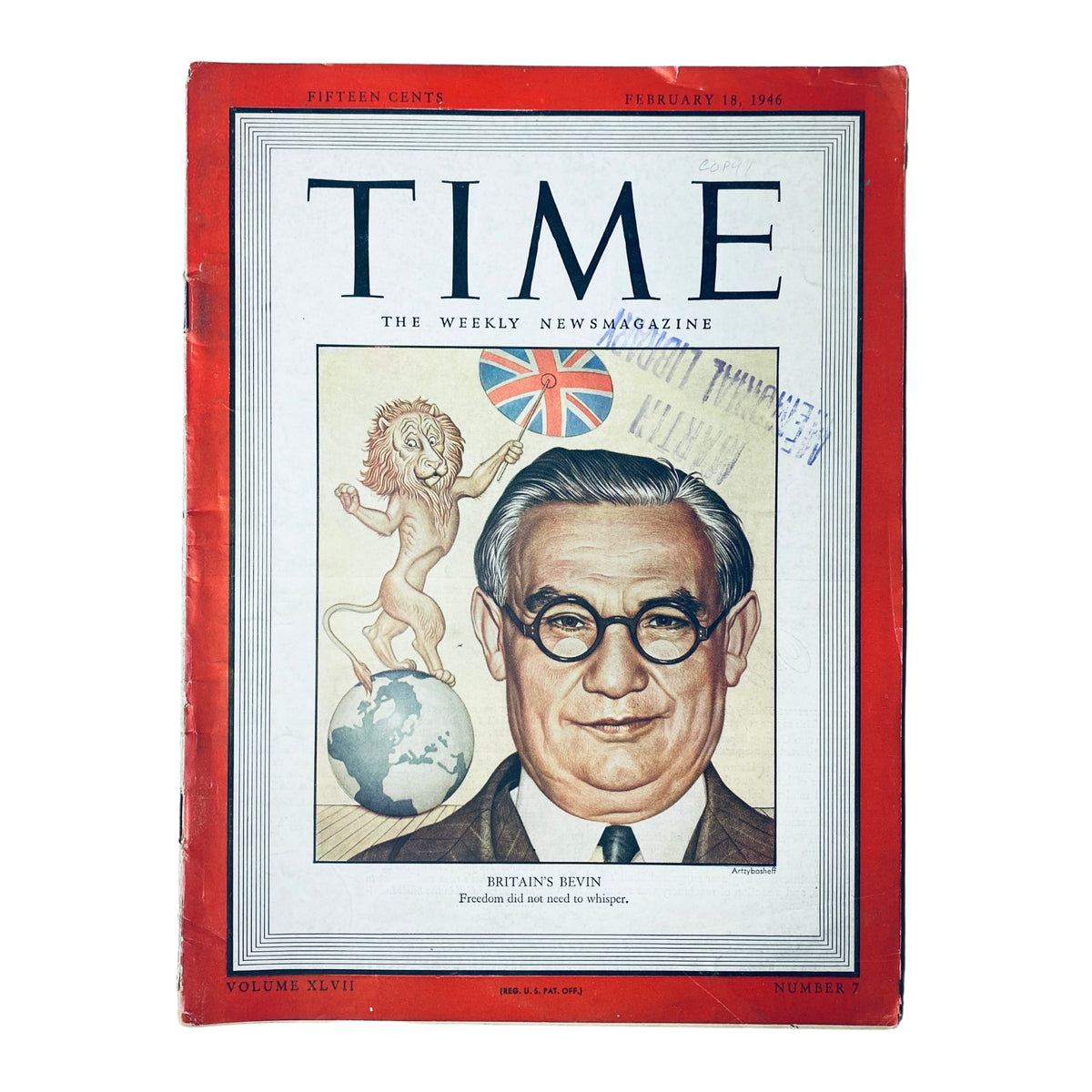
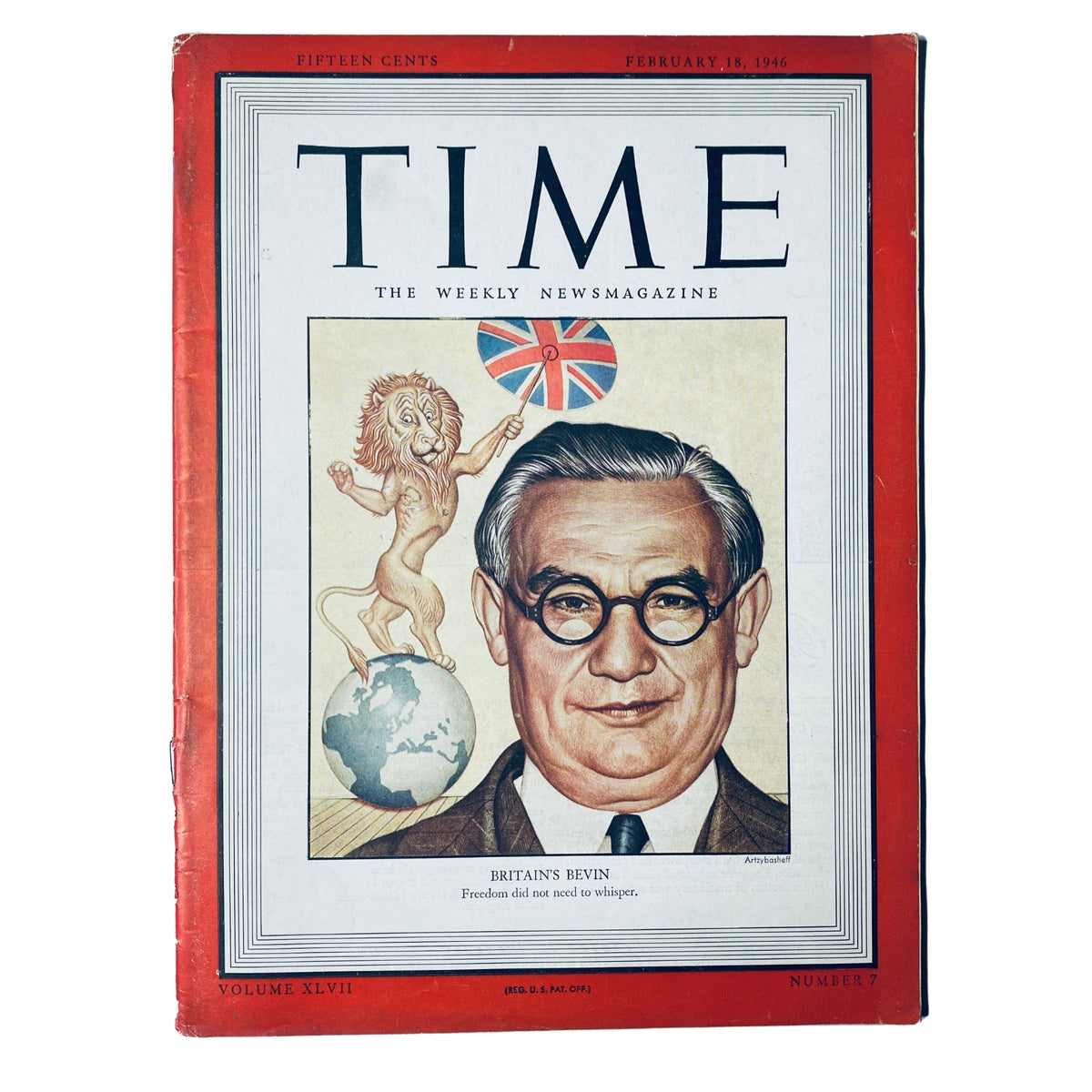
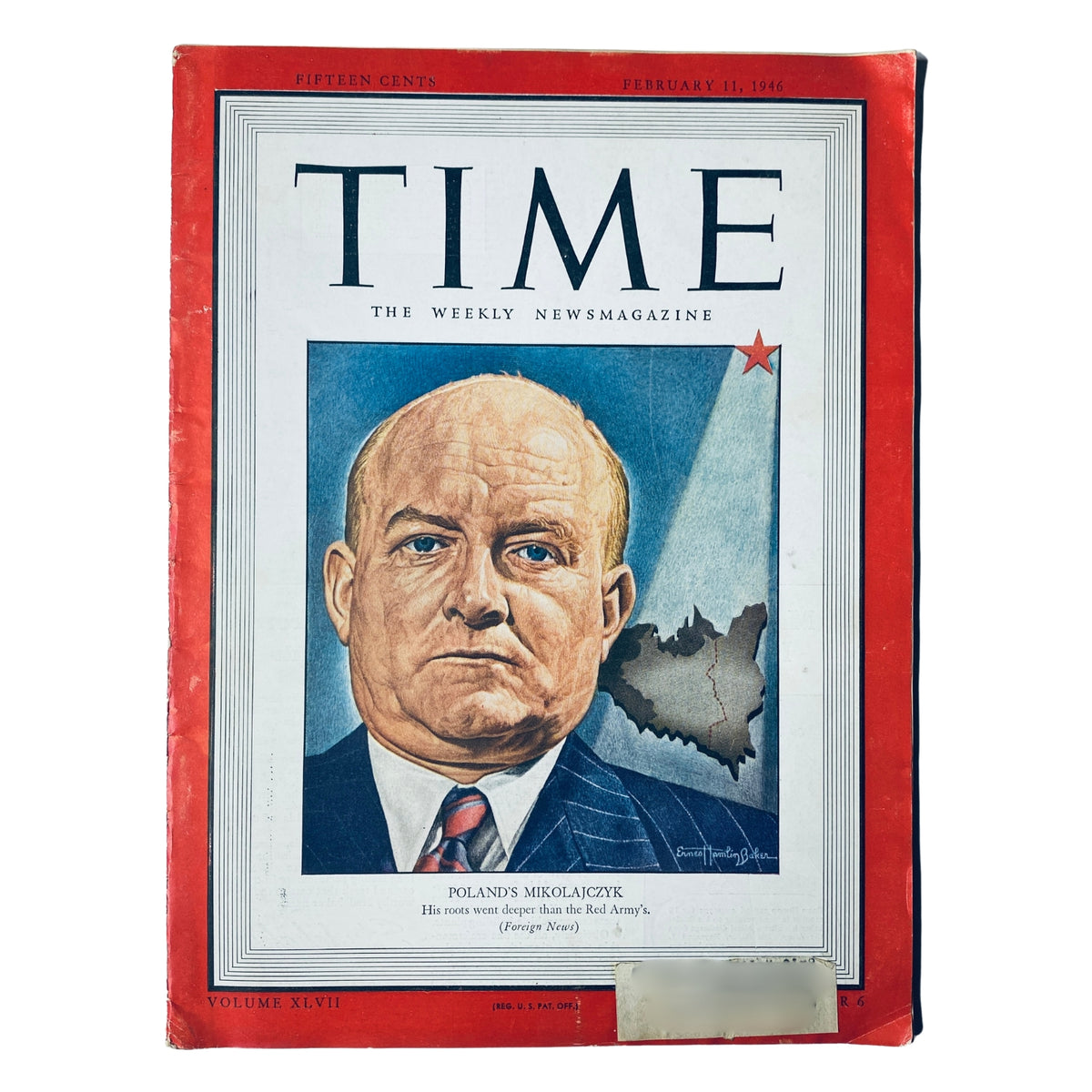
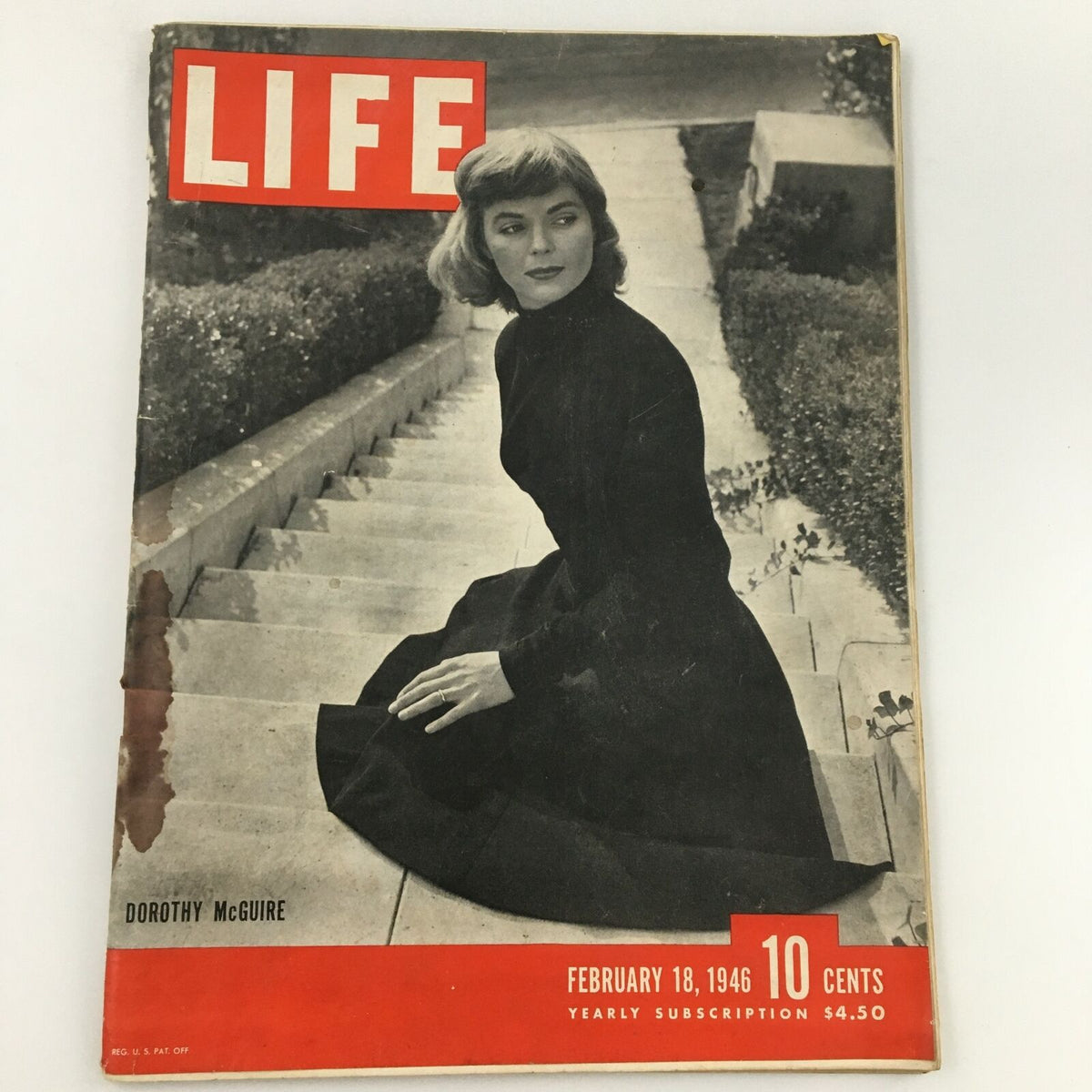
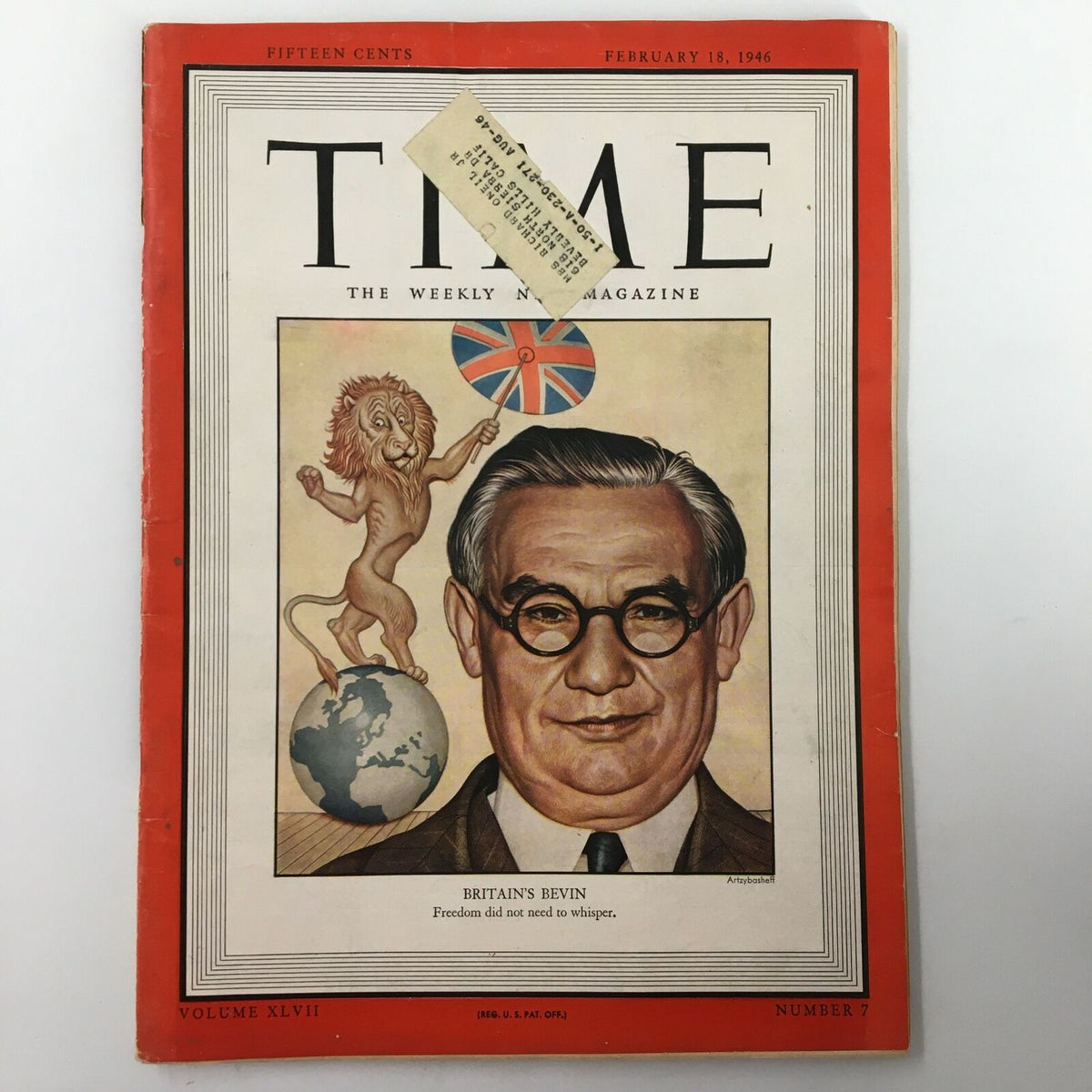
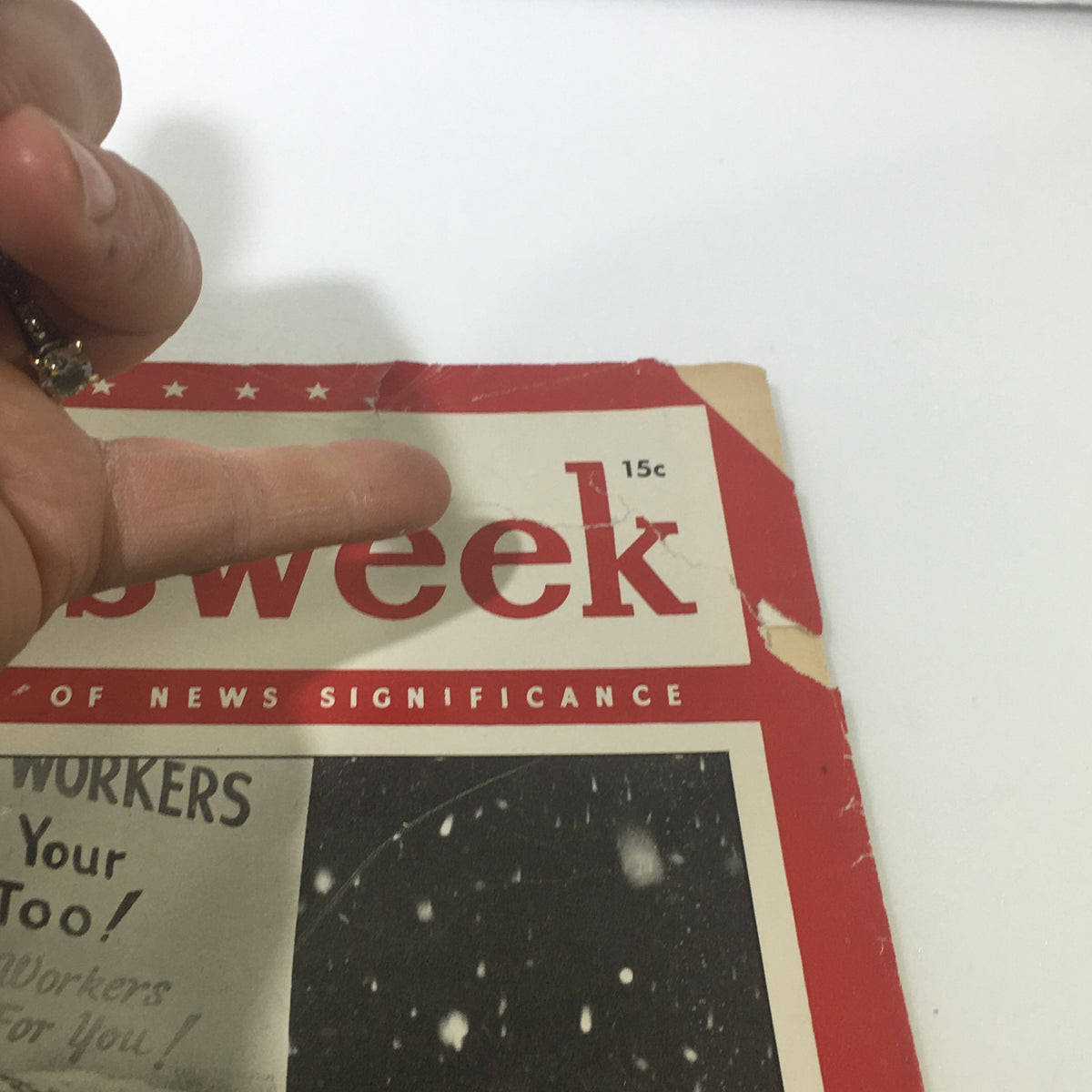
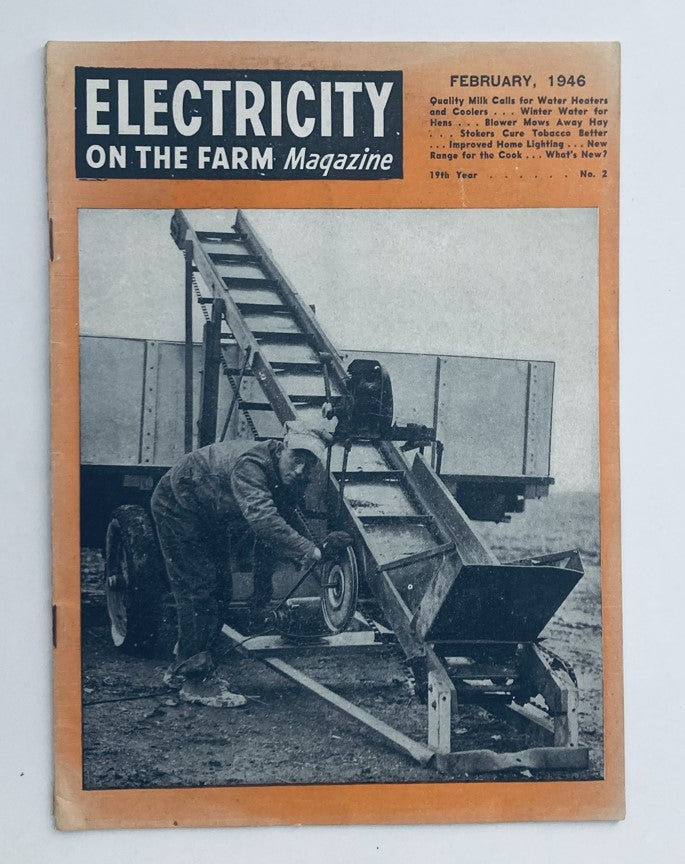
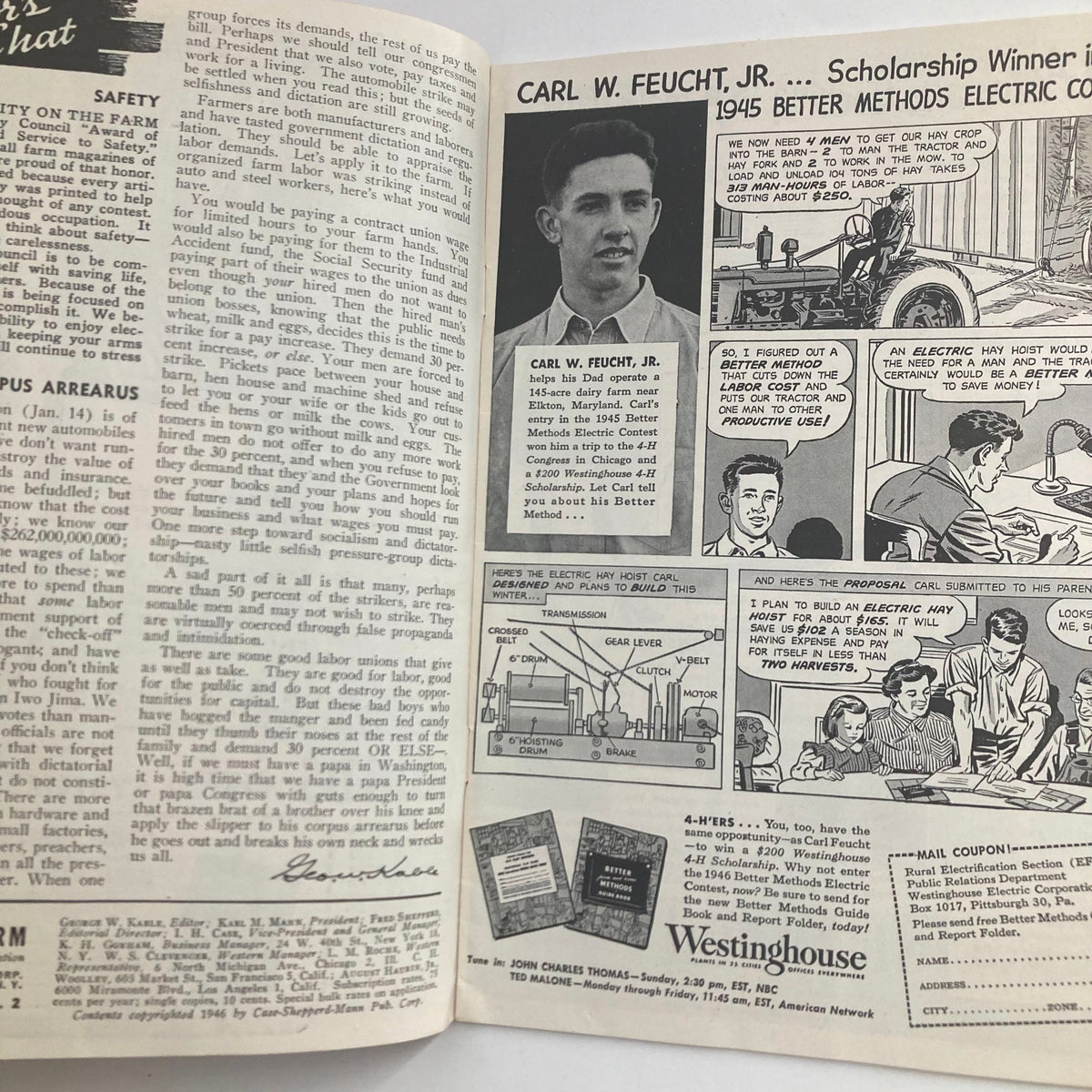
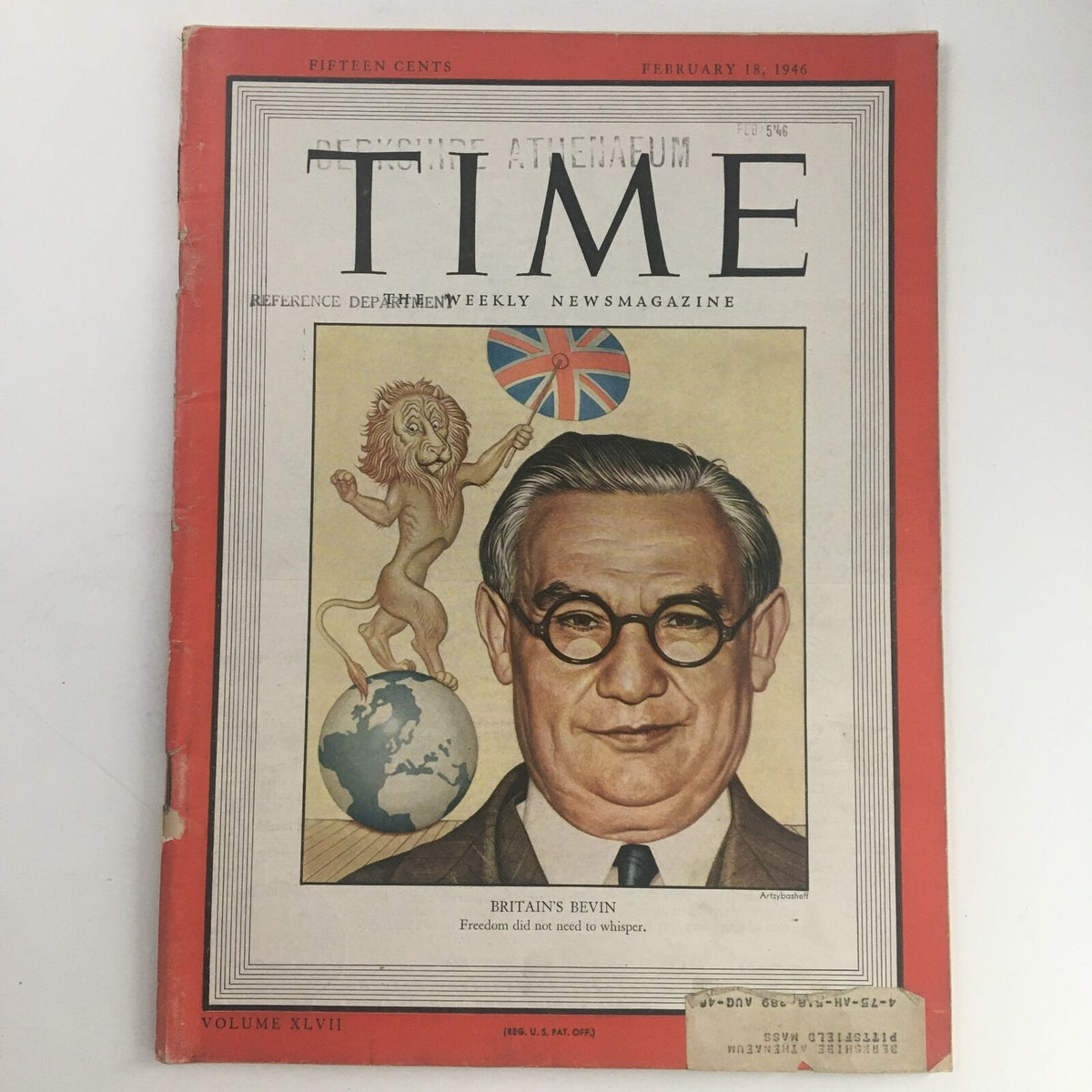
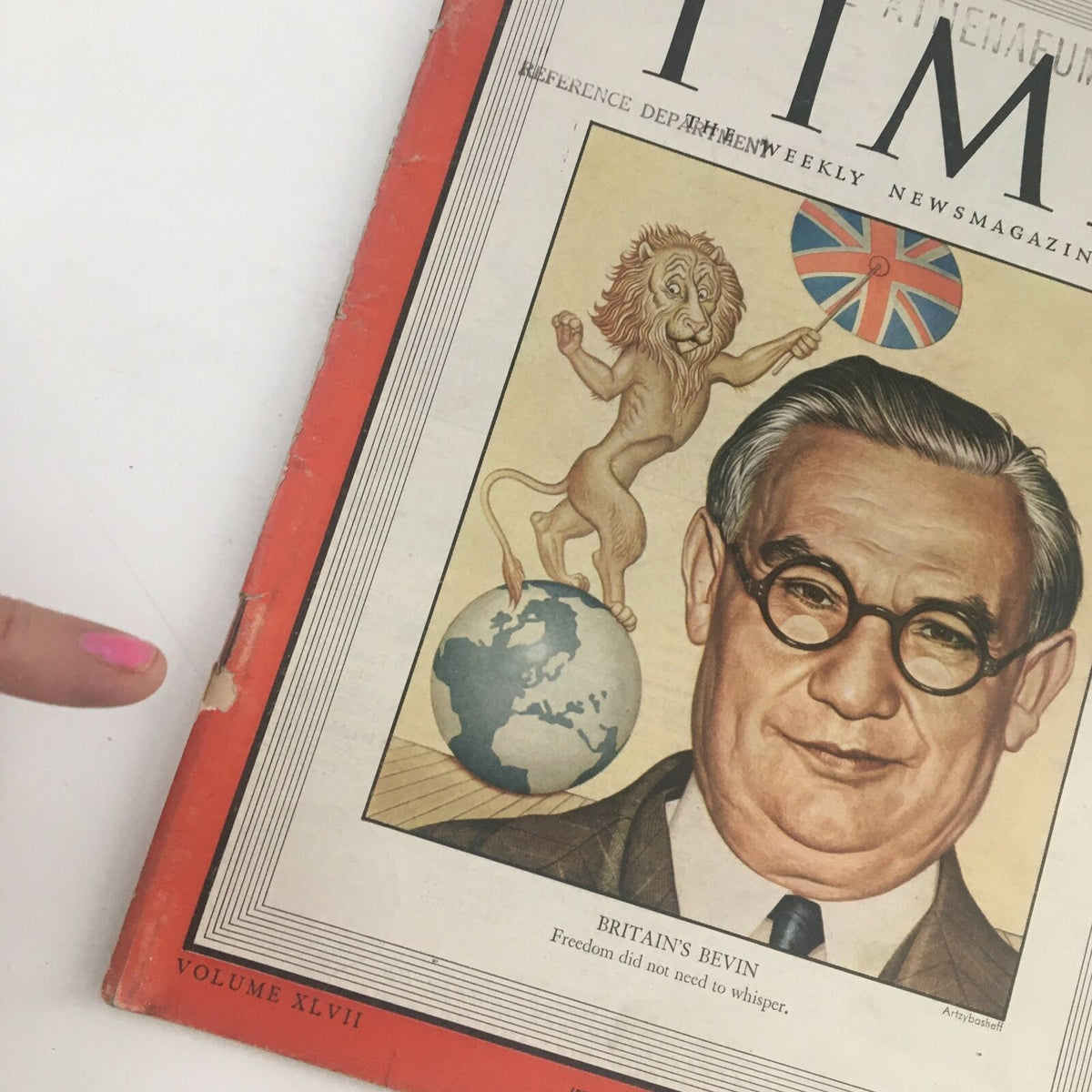
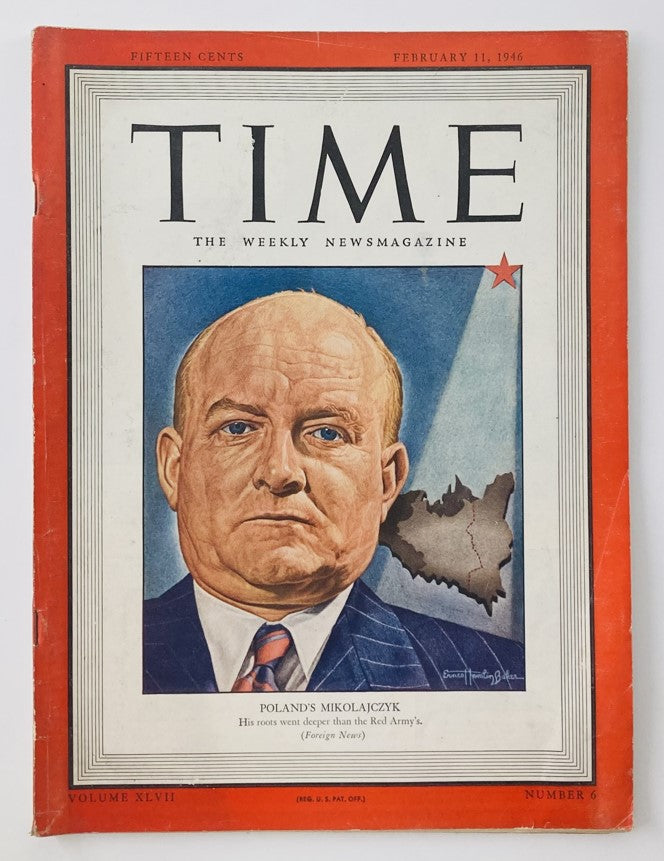
New York's stages were alive in February 1946. Garson Kanin's sharp, witty Born Yesterday opened on the 4th and would become one of Broadway's most celebrated comedies, while Lute Song began a long run at the Plymouth Theater. In Philadelphia's concert halls, the posthumous premiere of Béla Bartók's Third Piano Concerto moved audiences who understood they were hearing a farewell—the composer had died just months before. On February 27th, Bing Crosby and Bob Hope brought laughs to cinemas in Road to Utopia, the fourth entry in their beloved Road series. Original magazines from February 1946 capture this cultural moment in full: Life and Look offered photographic essays on the new United Nations, while Time wrestled with the meaning of ENIAC, and Variety chronicled the Broadway season with insider authority. The Saturday Evening Post ran the kind of warmly illustrated covers that defined American optimism at the edge of a new era.
The Curator's Checklist: What to Look For
- The Birth of the United Nations: News magazines—Time, Life, Newsweek—featuring coverage of Trygve Lie's election as the first UN Secretary-General, illustrated with formal assembly photographs and diplomatic portraits that document the earliest days of this world-changing institution.
- The ENIAC Announcement: Popular Mechanics and general-interest publications showcasing the public debut of America's first computer on February 14th, with diagrams and photographs of the room-sized machine that few readers could yet imagine would reshape civilization.
- Perón's Rise in Argentina: Time and Newsweek chronicling General Juan Perón's election as Argentina's president on February 24th, a story of populism and power that these rare magazines preserve with the immediacy of breaking news.
- Broadway's Golden Moment: Variety and entertainment publications covering the February openings of Born Yesterday and Lute Song, featuring cast photographs, reviews, and the theatrical advertising that makes vintage magazines irreplaceable records of live performance history.
- Lucky Luciano's Deportation: True Crime and detective magazines alongside mainstream news weeklies covering the February 10th deportation of Charles "Lucky" Luciano to Italy—a gangland finale that genuine, authentic period publications treated as front-page drama.
The Perfect Gift
For someone born in February 1946, an original magazine from this pivotal month isn't just a piece of paper—it's an authenticated time capsule of the world at its most transformative, preserved in the period ink, photography, and advertisements that no reproduction can replicate.