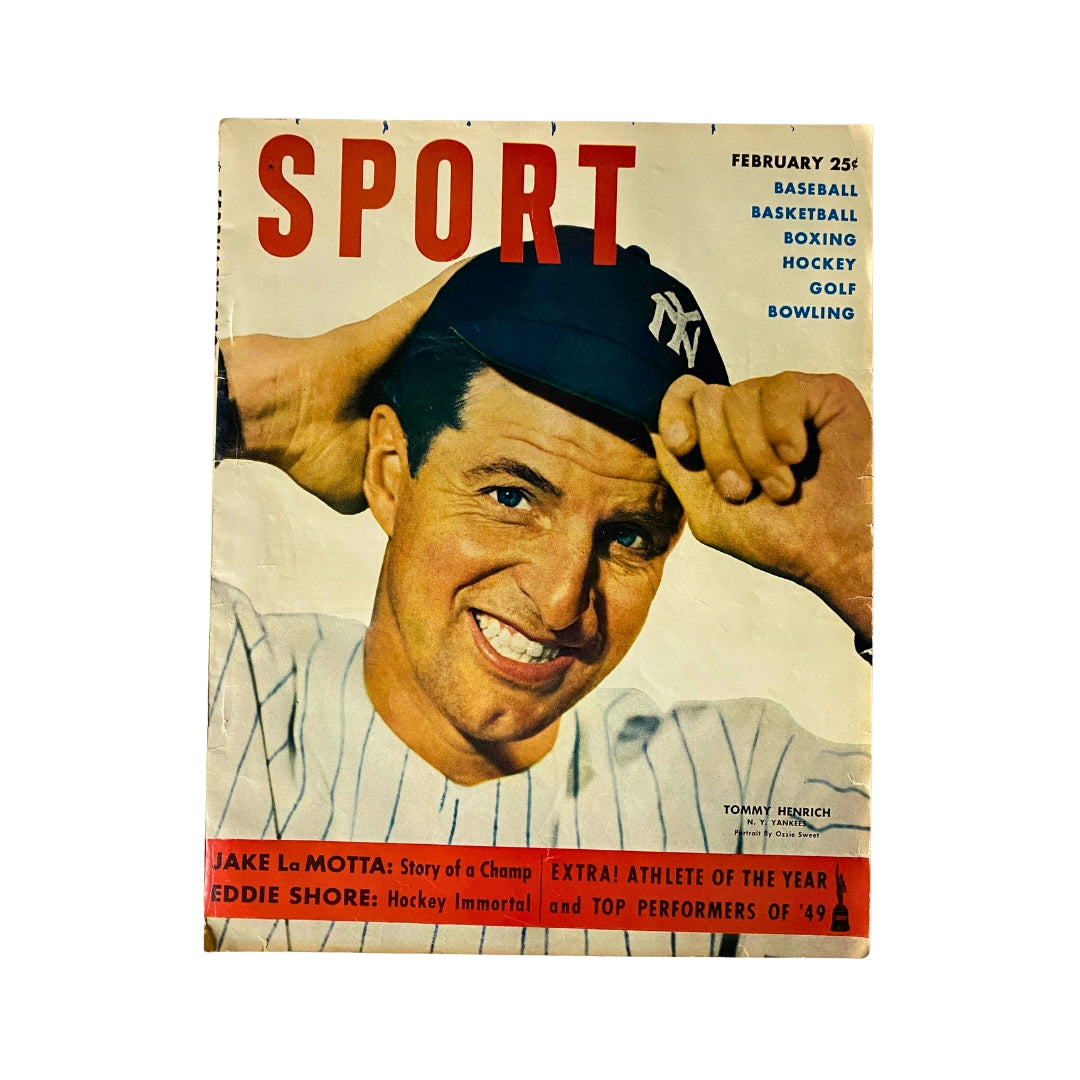
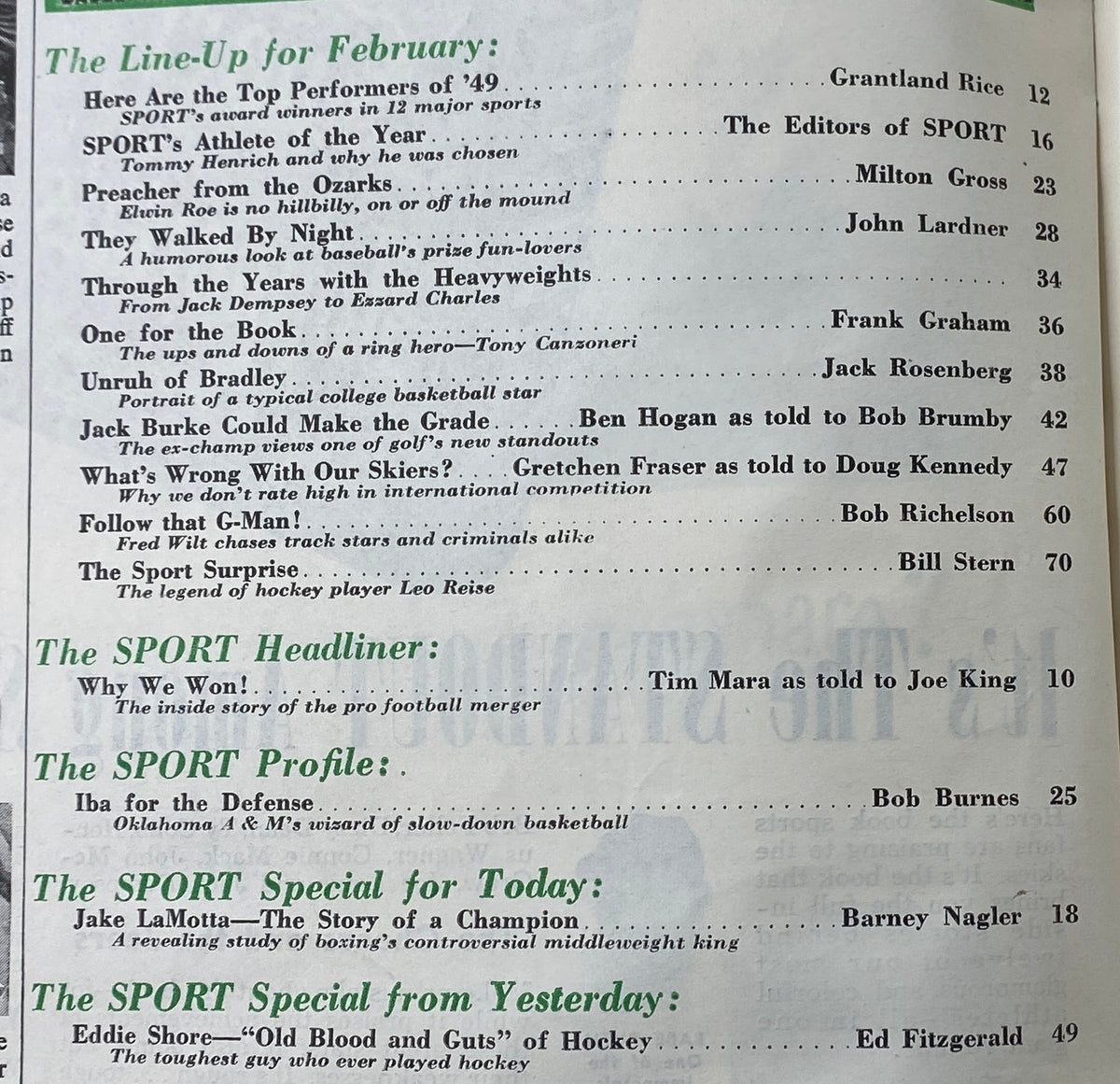
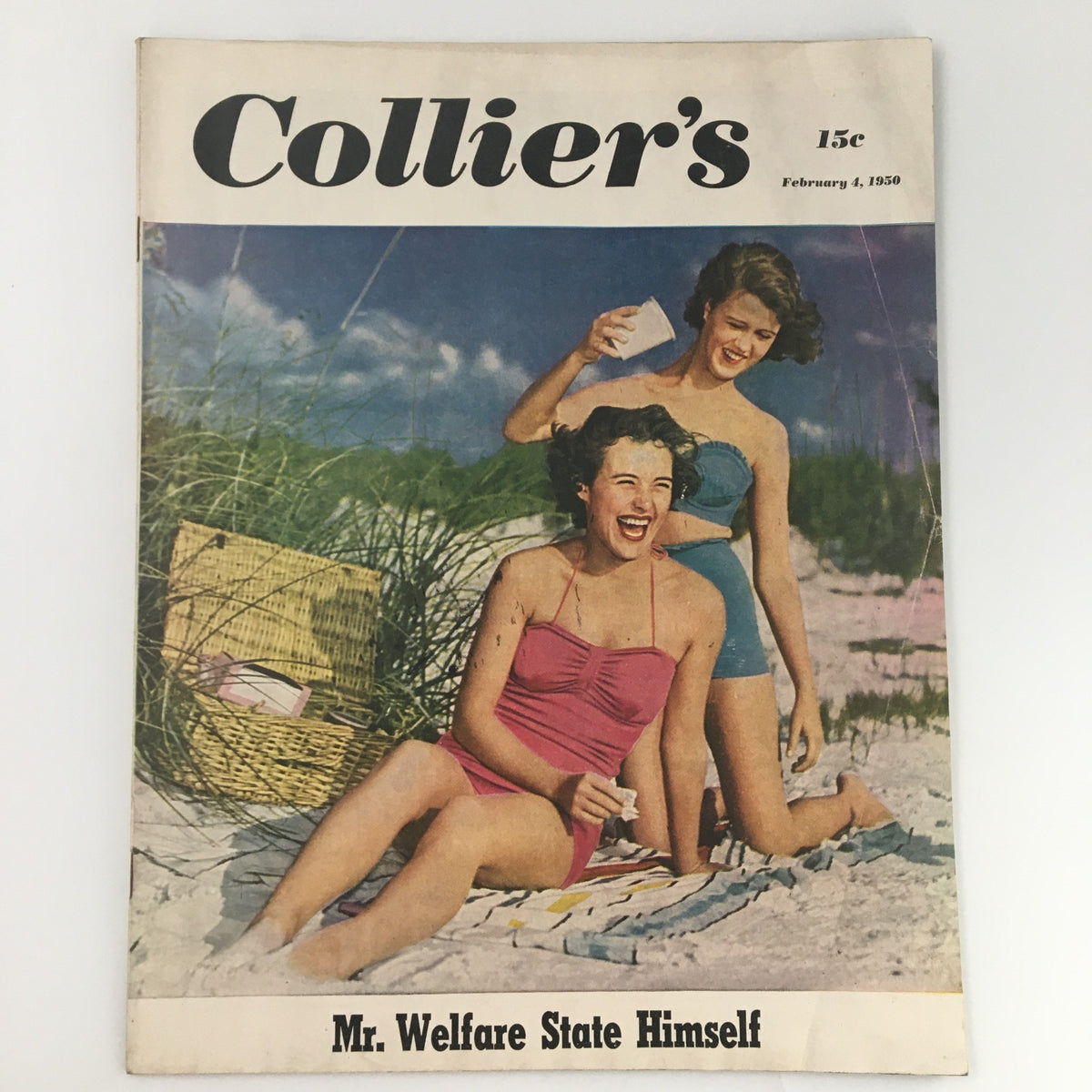
📖 About this Collection
February 1950: The Red Scare Intensifies
The Historical Context
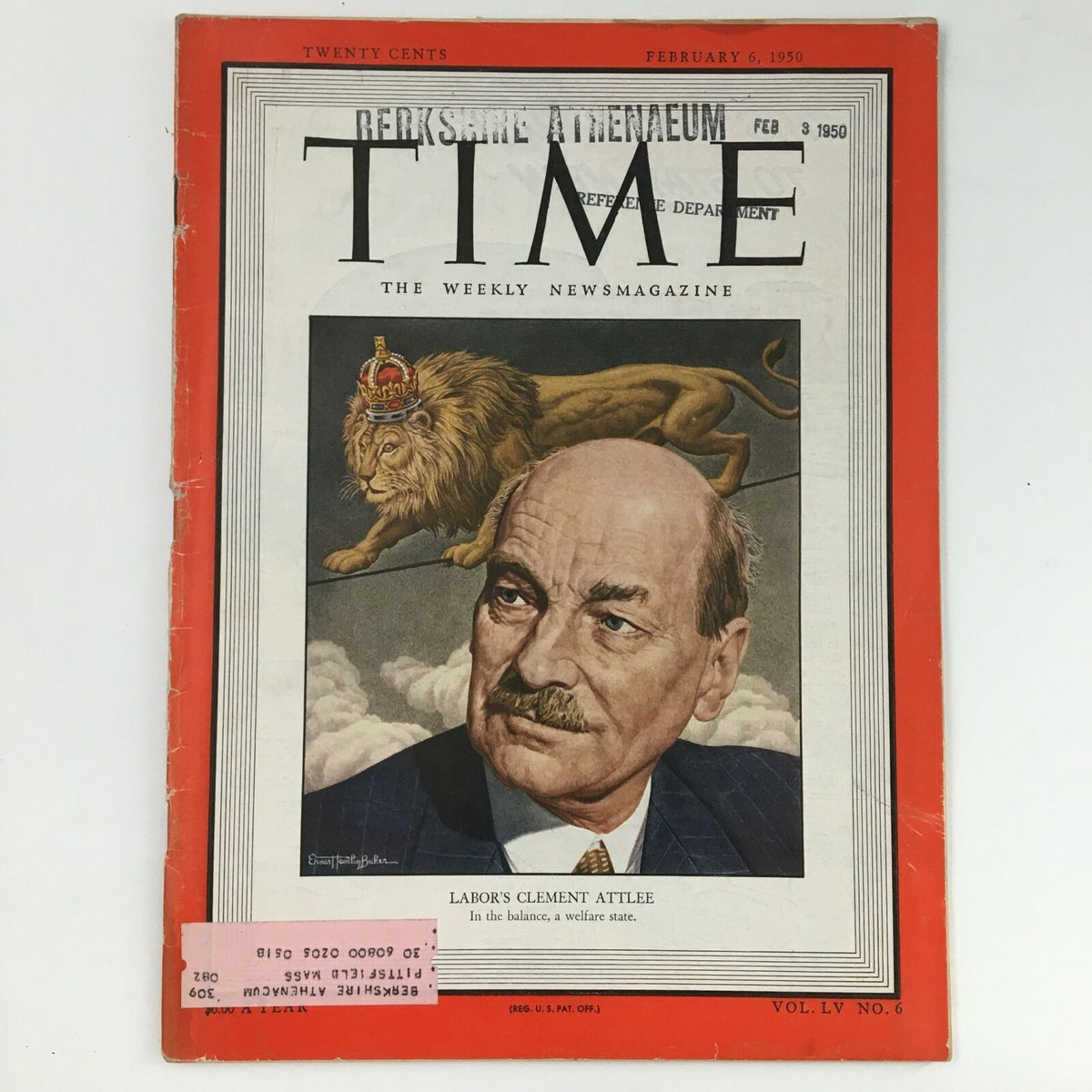
February 1950 marked the moment when Cold War paranoia crystallized into full-blown national hysteria. On February 9th, Senator Joseph McCarthy delivered his infamous speech claiming the State Department was "infested with 205 communists," igniting a witch hunt that would define the decade and destroy countless lives. The arrest of nuclear physicist Klaus Fuchs on February 3rd for passing atomic secrets to the Soviets seemed to validate America's darkest fears about enemy agents in their midst. Albert Einstein's warning against the hydrogen bomb on February 12th underscored the existential dread permeating every headline. Yet geopolitical chess moves continued: the USSR and China signed a peace treaty, the United States formally recognized Bảo Đại's State of Vietnam, and the Labour Party clung to power in Britain by a mere five seats. This was the world your loved one entered—a nation prosperous and terrified in equal measure, where loyalty oaths and bomb shelters became the currency of survival.
Pop Culture & Lifestyle
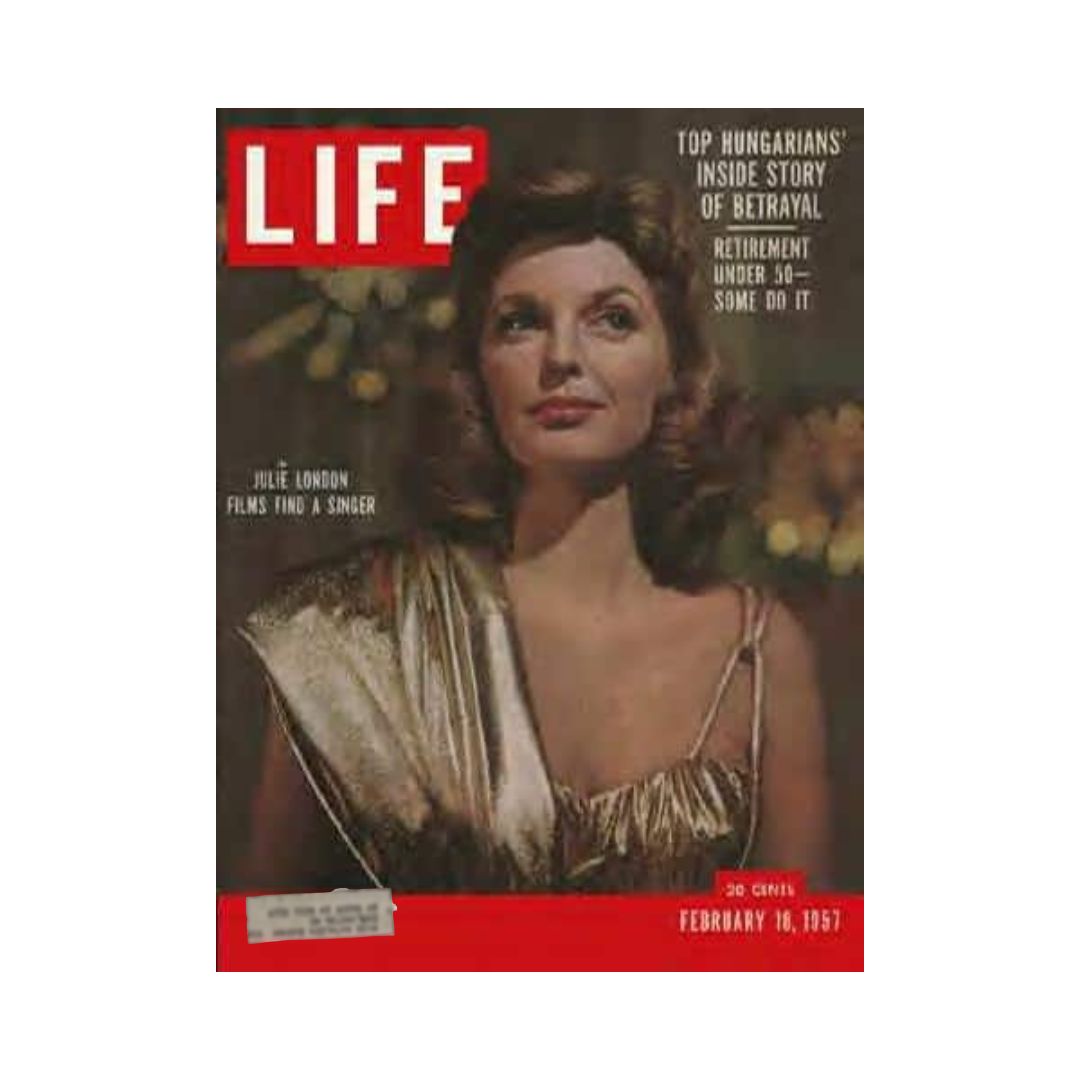
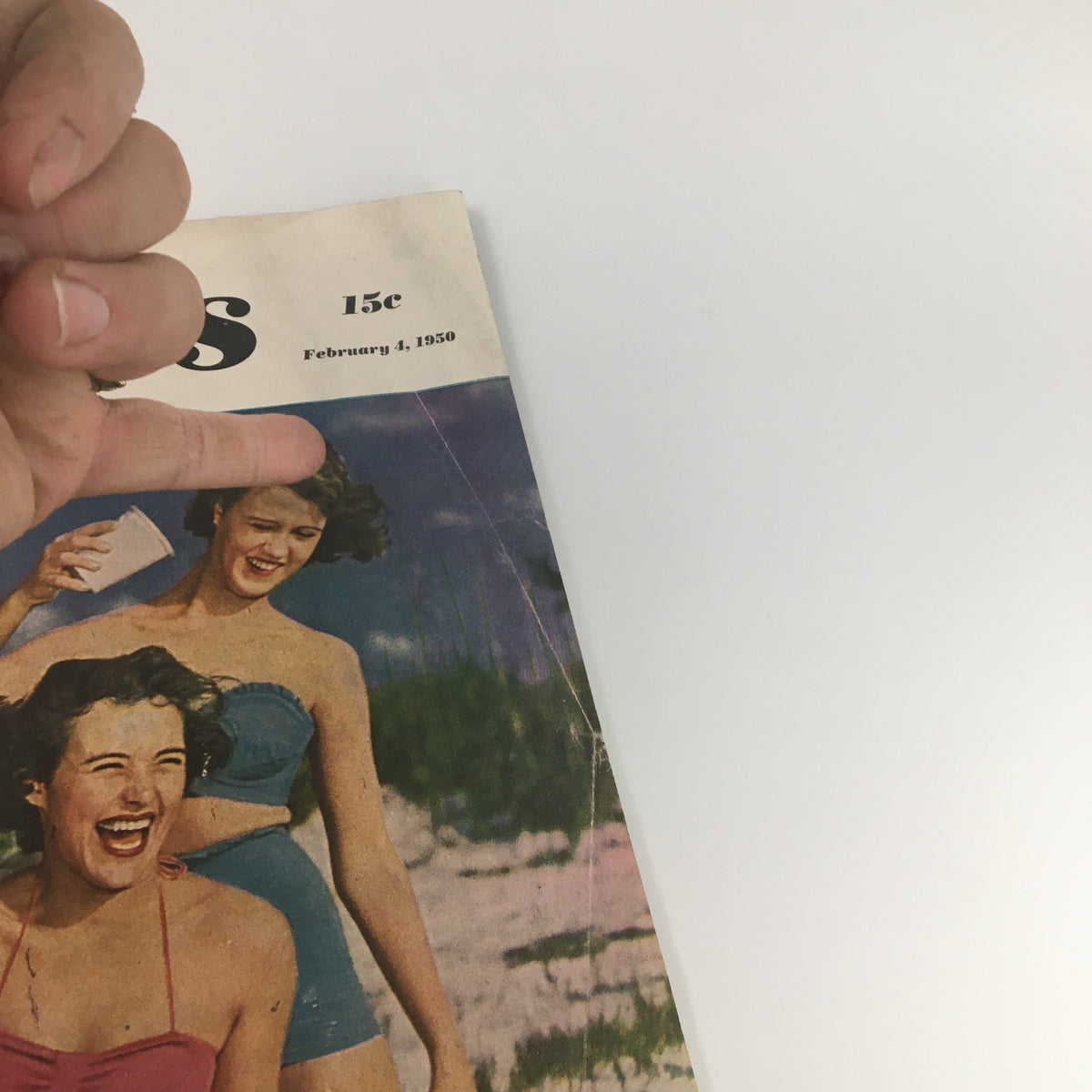
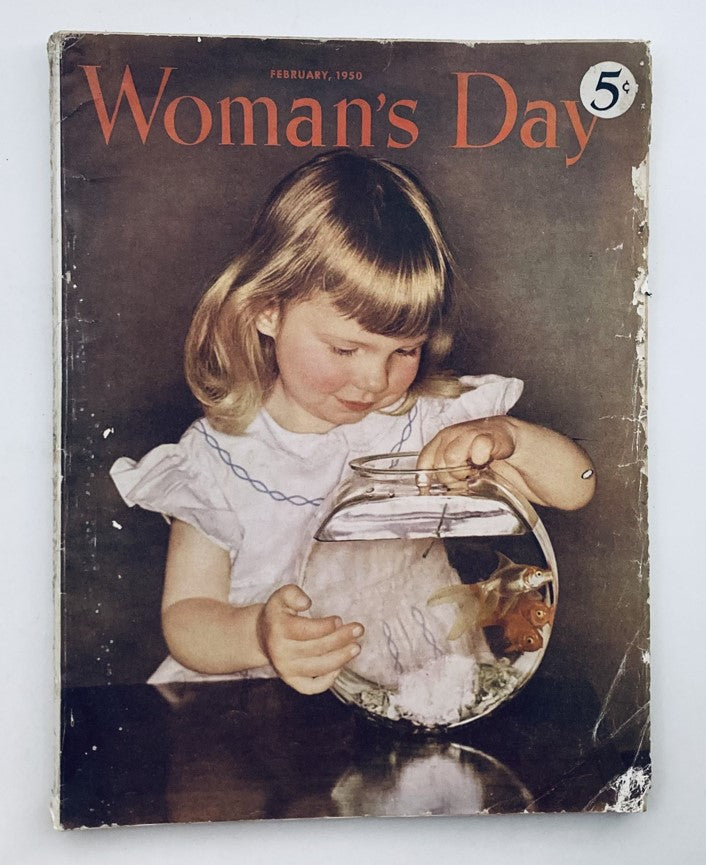
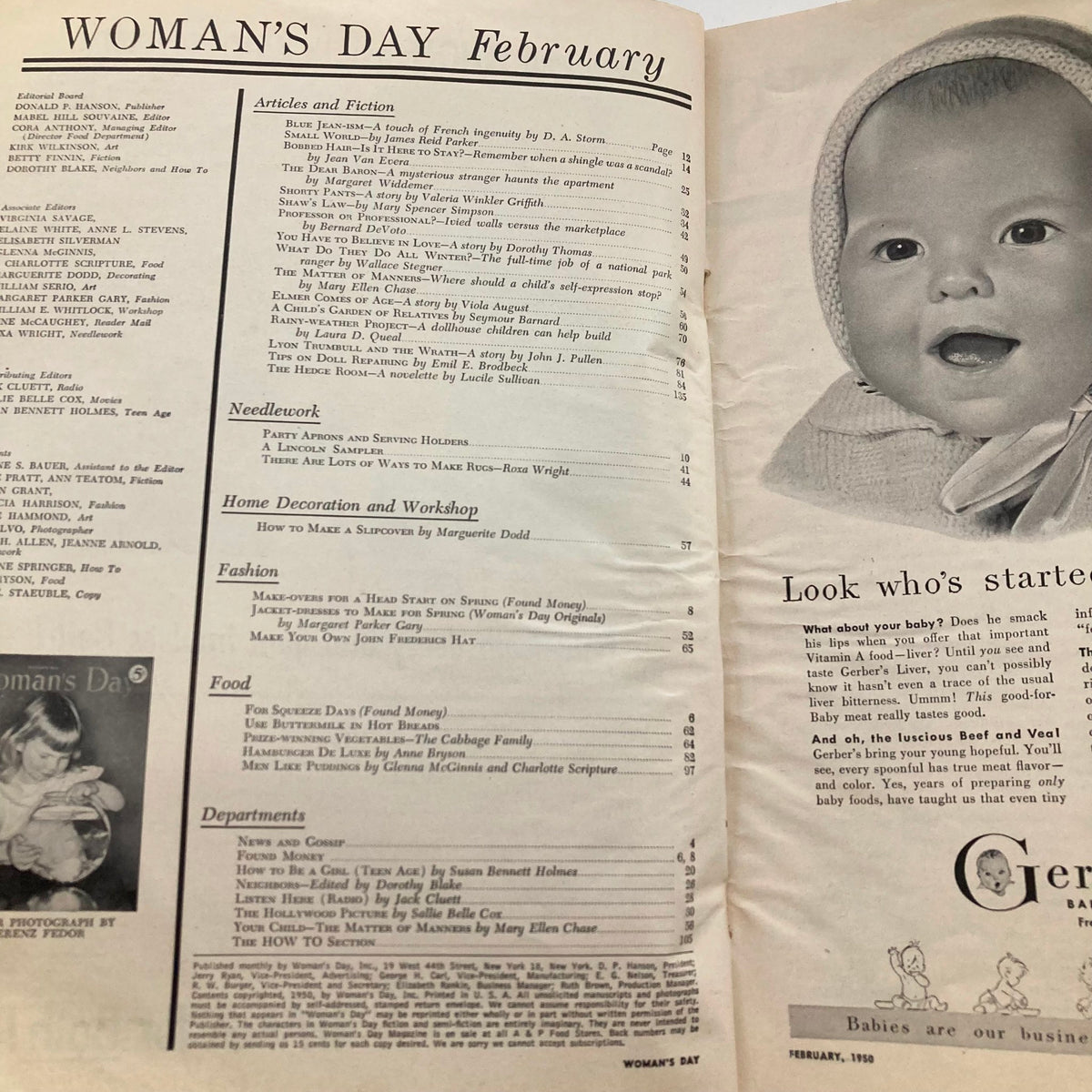
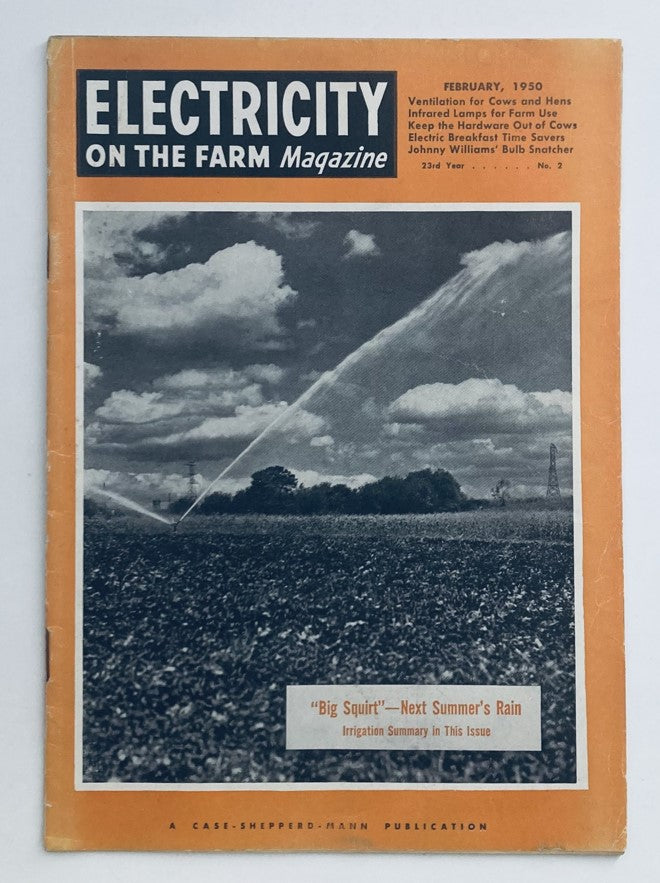
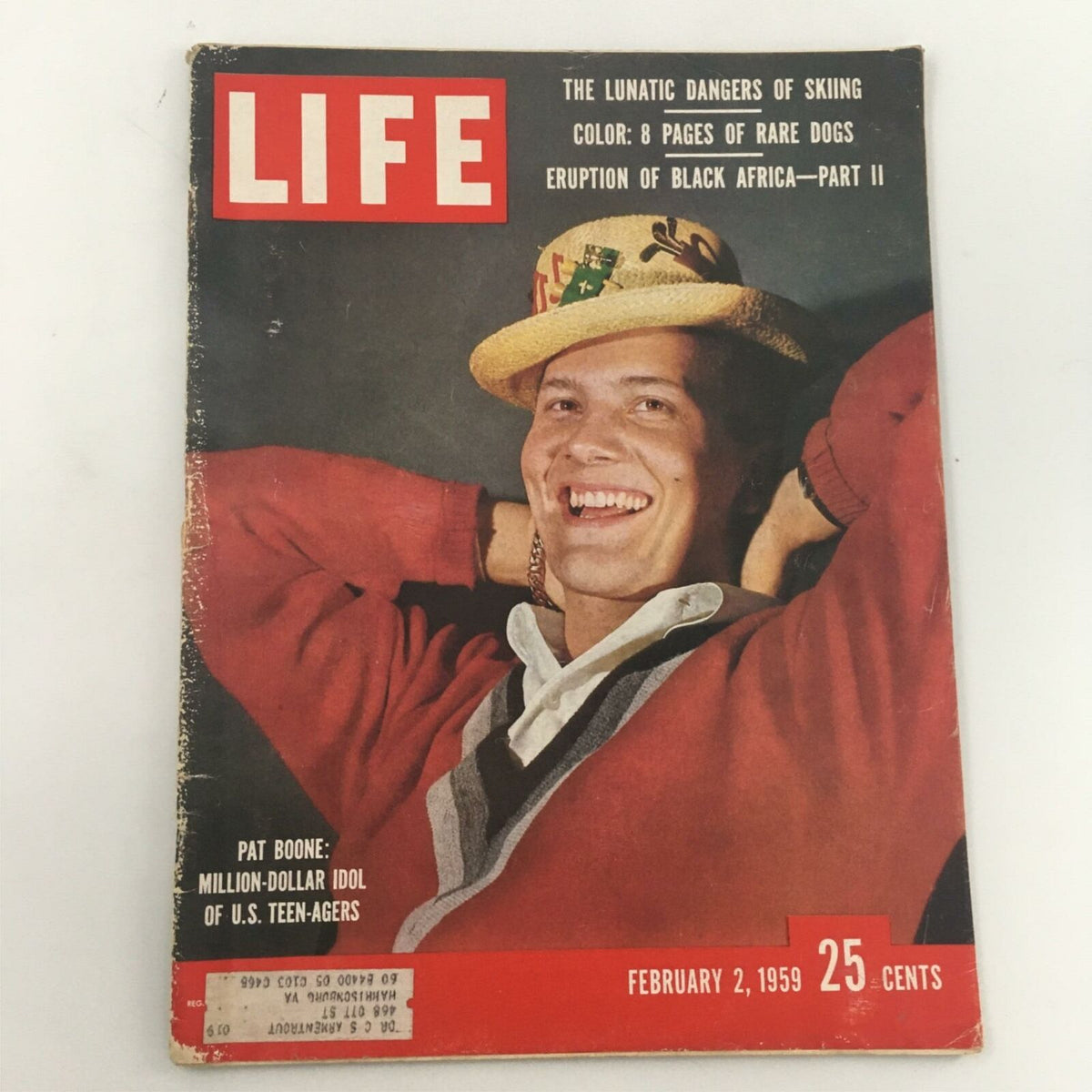
Beyond the front-page fear, February 1950 offered Americans welcome escape into entertainment's golden age. Walt Disney's Cinderella premiered in Boston on February 15th, marking the studio's triumphant return to feature animation after wartime austerity—original magazines from February 1950 brimmed with advertisements for the fairy tale spectacular alongside merchandise tie-ins. Television cemented its cultural dominance with the debut of two legendary programs: "What's My Line?" launched on February 1st, while "Your Show of Shows" with Sid Caesar and Imogene Coca premiered on February 25th, featuring writing from future legends Mel Brooks, Neil Simon, and Woody Allen. The Ames Brothers' "Rag Mop" topped the charts, while Broadway welcomed William Inge's "Come Back, Little Sheba" starring Shirley Booth to critical acclaim. At the Golden Globes, Broderick Crawford and Olivia de Havilland claimed victories for "All the King's Men." Sports fans marveled at British runner Jack Holden completing the Empire Games marathon barefoot after his shoes disintegrated, while Curly Lambeau's resignation from the Green Bay Packers ended an era. Rare magazines like Vogue and Harper's Bazaar continued championing the "New Look," while Life and Look captured this moment of contradiction in stunning photojournalism.
Curator's Checklist
When browsing vintage magazines from February 1950, look for these distinctive features that make this month historically significant:
- McCarthy's Communist Crusade: Time, Life, and Newsweek featuring dramatic coverage of Senator McCarthy's accusations, illustrated with photographs of committee hearings, lists of alleged communists, and editorial cartoons capturing the era's paranoid atmosphere
- The Fuchs Spy Scandal: News weeklies and science magazines chronicling the arrest of atomic physicist Klaus Fuchs, often accompanied by diagrams of nuclear secrets and Cold War espionage networks that fueled Red Scare fears
- Cinderella's Magic Returns: Entertainment magazines, women's publications, and general interest periodicals showcasing Disney's elaborate marketing campaign with full-color illustrations, behind-the-scenes animation features, and theater listings for the premiere
- Television's Golden Age Arrives: TV Guide predecessors and lifestyle magazines highlighting the February debuts of "What's My Line?" and "Your Show of Shows," featuring cast photographs and advertisements for the newest television sets from RCA and Philco
- Einstein's Atomic Warning: Popular Science, Popular Mechanics, and news magazines covering Einstein's public statement against the H-bomb, contextualizing the nuclear arms race with technical illustrations and civil defense recommendations
The Perfect Gift
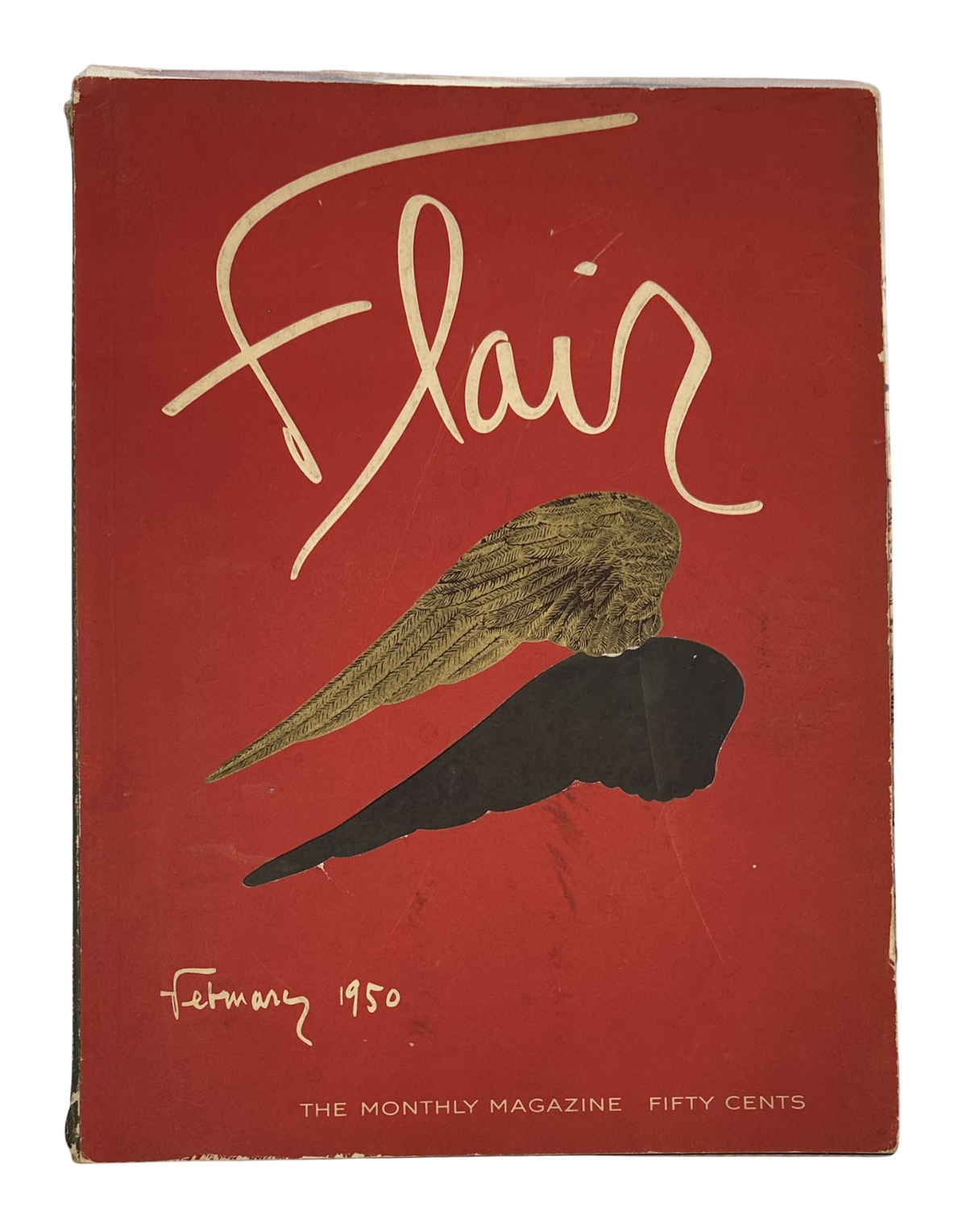
For someone born in February 1950, an original magazine from this pivotal month isn't just memorabilia—it's an authenticated time capsule of the precise cultural moment they arrived, preserved in genuine headlines, advertisements, photography, and editorial voice that captures both the era's anxiety and its irrepressible optimism.