📖 About this Collection
February 1951: America's Atomic Awakening
The Historical Context
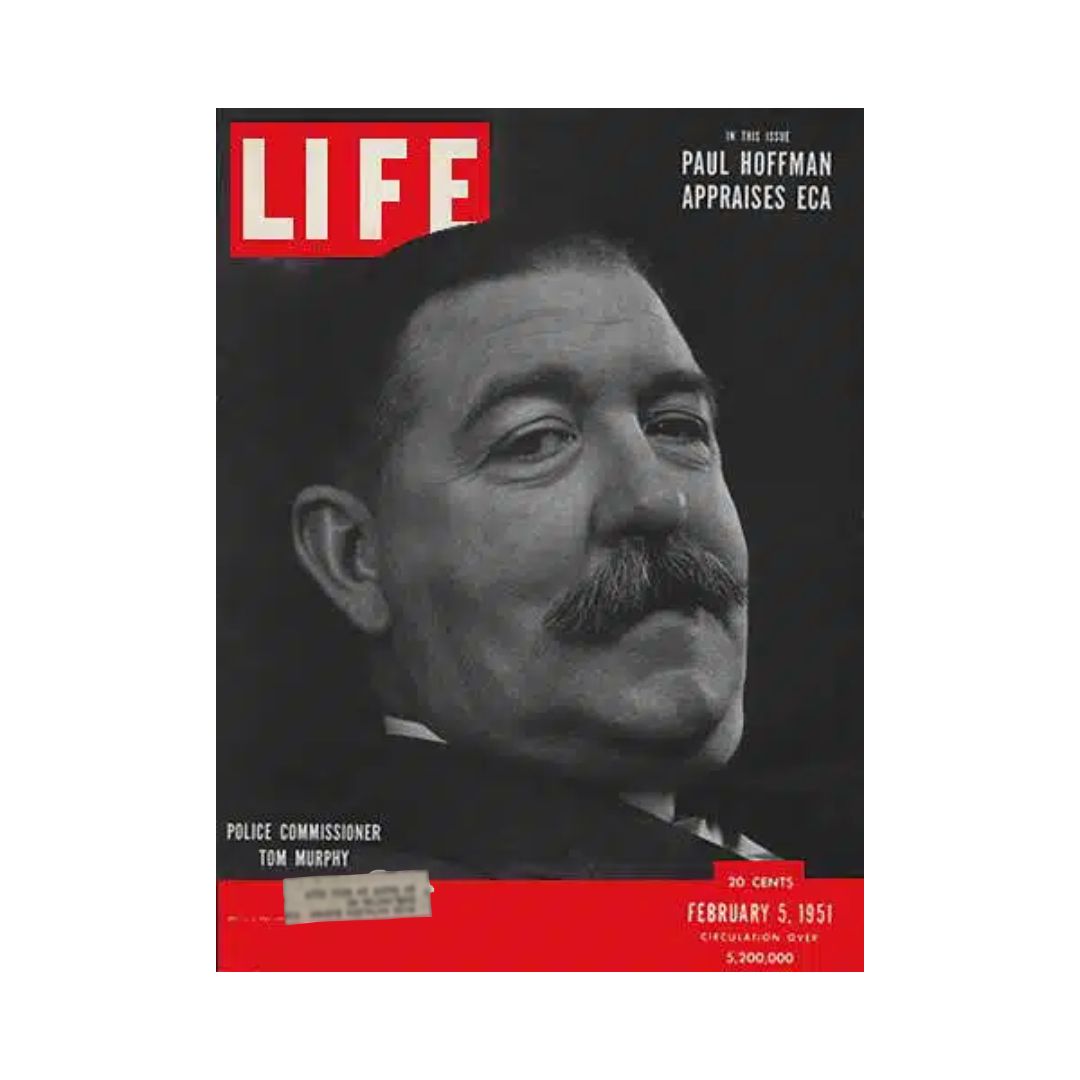
The nation held its breath as mushroom clouds bloomed over Nevada's desert floor. February 1951 marked a jarring new chapter in American history as the atomic age moved from distant Pacific atolls to the continental United States. On February 1st, KTLA Los Angeles broadcast the first live television images of a nuclear detonation at 5:30 AM—transforming abstract Cold War anxieties into stark visual reality for millions of breakfast-table viewers. That same day, the United Nations formally condemned the People's Republic of China as an aggressor in Korea, deepening America's commitment to a conflict that would define the decade. Meanwhile, Paul Harvey's brazen attempt to expose security lapses at Argonne National Laboratory made national headlines when the ABC radio broadcaster was arrested on February 6th. In the boxing ring, Sugar Ray Robinson claimed the middleweight crown with a stunning Valentine's Day victory over Jake LaMotta. This was the world your loved one entered in February 1951—a nation grappling with unprecedented power, Cold War tensions, and the uncomfortable proximity of atomic testing to American homes.
Entertainment magazines and sports publications from February 1951 capture a culture seeking normalcy amid nuclear unease. Tennessee Williams' "The Rose Tattoo" premiered on Broadway February 3rd, while comedian Victor Borge launched his NBC television variety show the same evening—both events prominently featured in original magazines from February 1951. The 8th Golden Globes on February 28th crowned "Sunset Boulevard" and its stars Gloria Swanson and José Ferrer, cementing the film noir's cultural dominance in publications like Variety and Life. Detroit's Gordie Howe notched his 100th career NHL goal on February 17th, while figure skating champion Dick Button defended his sixth consecutive title—moments preserved in Sports Illustrated's predecessors and general-interest weeklies. The St. Louis Browns' signing of 45-year-old pitching legend Satchel Paige on February 9th symbolized baseball's slow march toward integration, chronicled in the authentic advertisements and photography that filled vintage magazines of this electrifying month.
What to Look For: Curator's Checklist
- Nuclear Test Coverage: News weeklies like Time, Life, and Newsweek featuring dramatic photography of Nevada desert detonations, often accompanied by civil defense advertising and Geiger counter promotions that reveal America's atomic anxiety.
- Korean War Escalation: February's UN condemnation of China illustrated with maps, troop movement graphics, and patriotic editorial cartoons, plus recruitment advertisements showcasing the era's military-industrial messaging.
- Boxing's Greatest Rivalry: Sports and men's magazines chronicling the Robinson-LaMotta middleweight championship bout with ringside photography, training camp features, and the cigar and razor blade ads that dominated male-targeted publications.
- Broadway's Southern Drama: Entertainment sections previewing Williams' "The Rose Tattoo" premiere, often paired with theater district advertisements, cigarette sponsorships, and the sophisticated illustration style that defined rare magazines of the early 1950s.
- Television's Expansion: TV Guide predecessors and variety show listings documenting Victor Borge's NBC debut, alongside advertisements for console television sets, rabbit-ear antennas, and the consumer products fueling America's broadcast revolution.
The Perfect Gift
For someone born in February 1951, an original magazine from this momentous month isn't just a keepsake—it's authenticated witness to America's atomic awakening, preserved in genuine advertisements, Cold War headlines, and photography that museums cannot replicate.