📖 About this Collection
February 1954: The Shadow of the Atomic Age
The Historical Context
The world held its breath in February 1954 as President Eisenhower announced what Americans had whispered about for two years—the hydrogen bomb was real. The detonation confirmed on February 2nd marked humanity's entry into a terrifying new era, one where the destructive power of the sun itself had been harnessed. Yet amid this atomic anxiety, everyday life pushed forward with remarkable determination. Jonas Salk's polio vaccine began its first mass inoculation in Pittsburgh schools, offering hope to millions of parents who'd lived in annual summer dread. On television, Senator John F. Kennedy made an early appearance on "Meet the Press," while families gathered around their sets for the debut of CBS's "The Secret Storm." In sports arenas, college basketball witnessed unprecedented scoring feats, and at New York's City Center, George Balanchine's "The Nutcracker" opened with Maria Tallchief, beginning its transformation into an American holiday tradition. This was the world your loved one entered—balanced precariously between scientific triumph and existential fear, yet stubbornly hopeful.
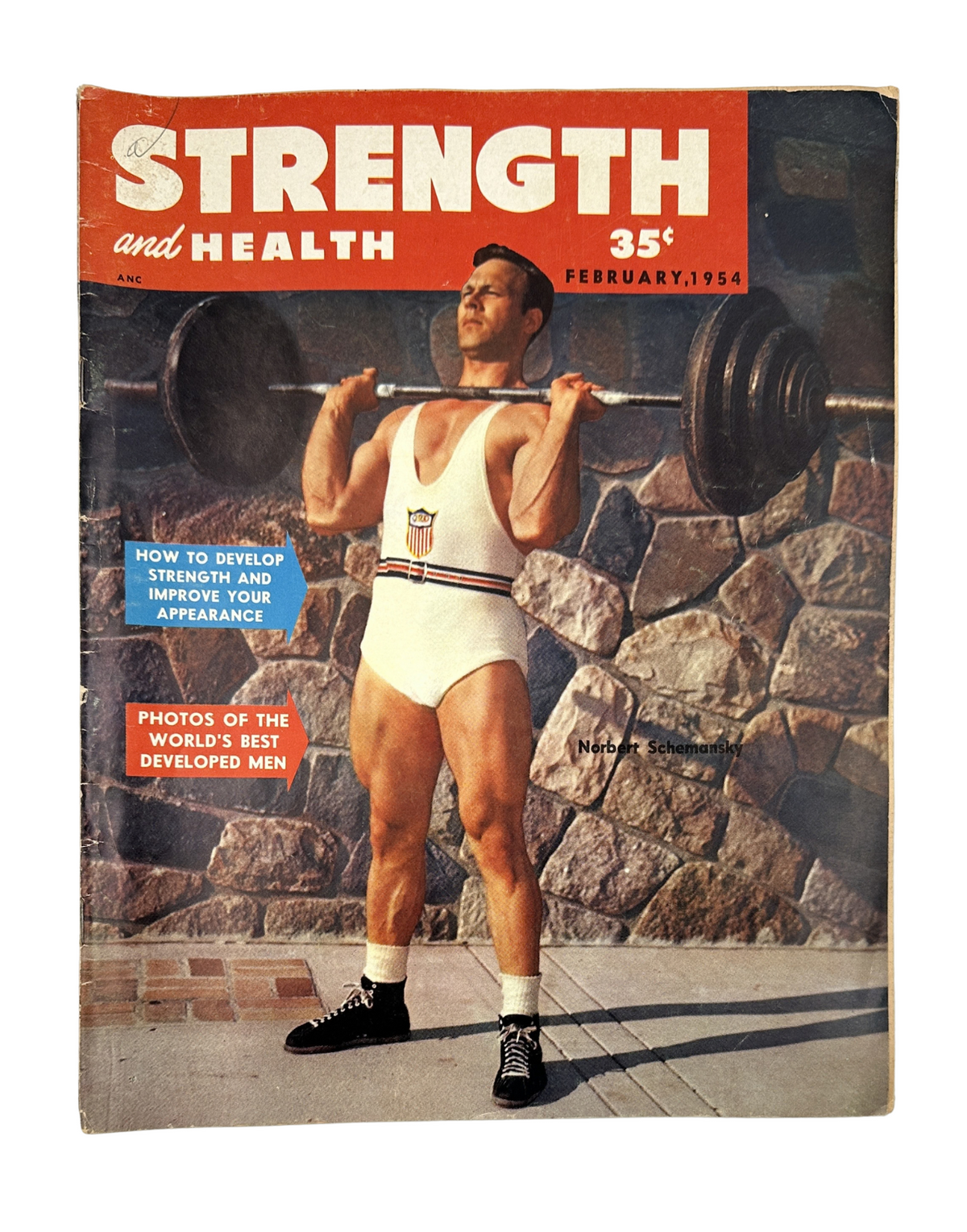
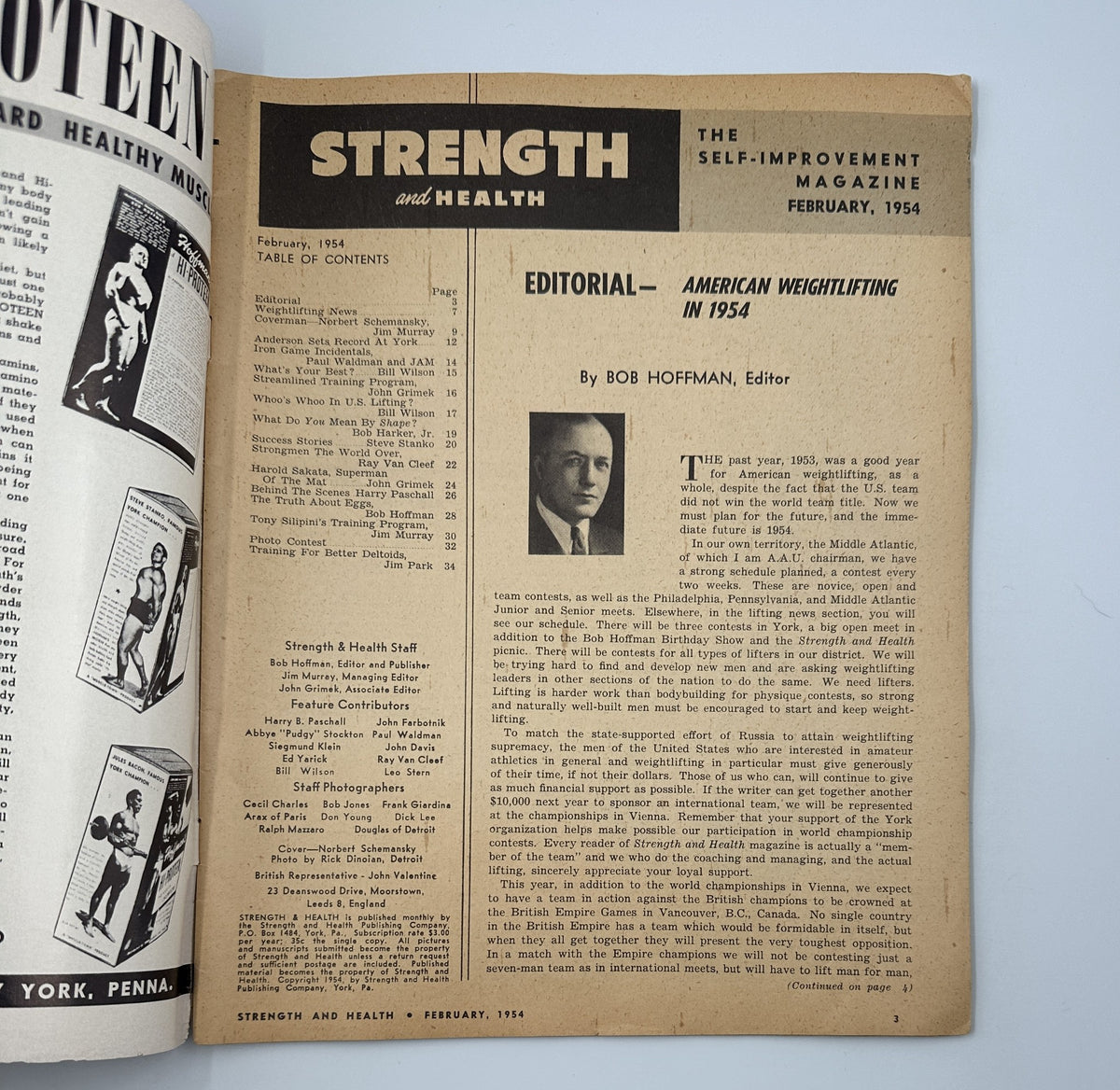
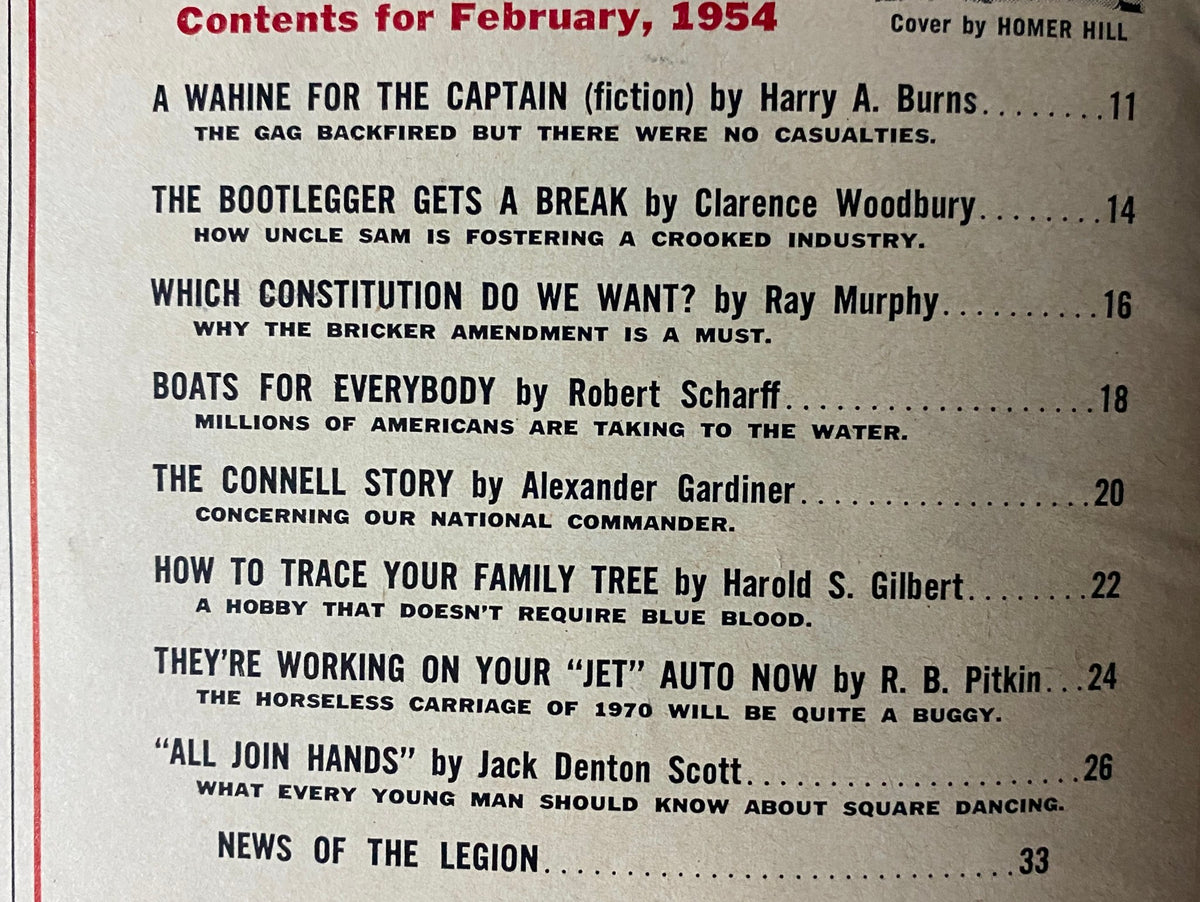
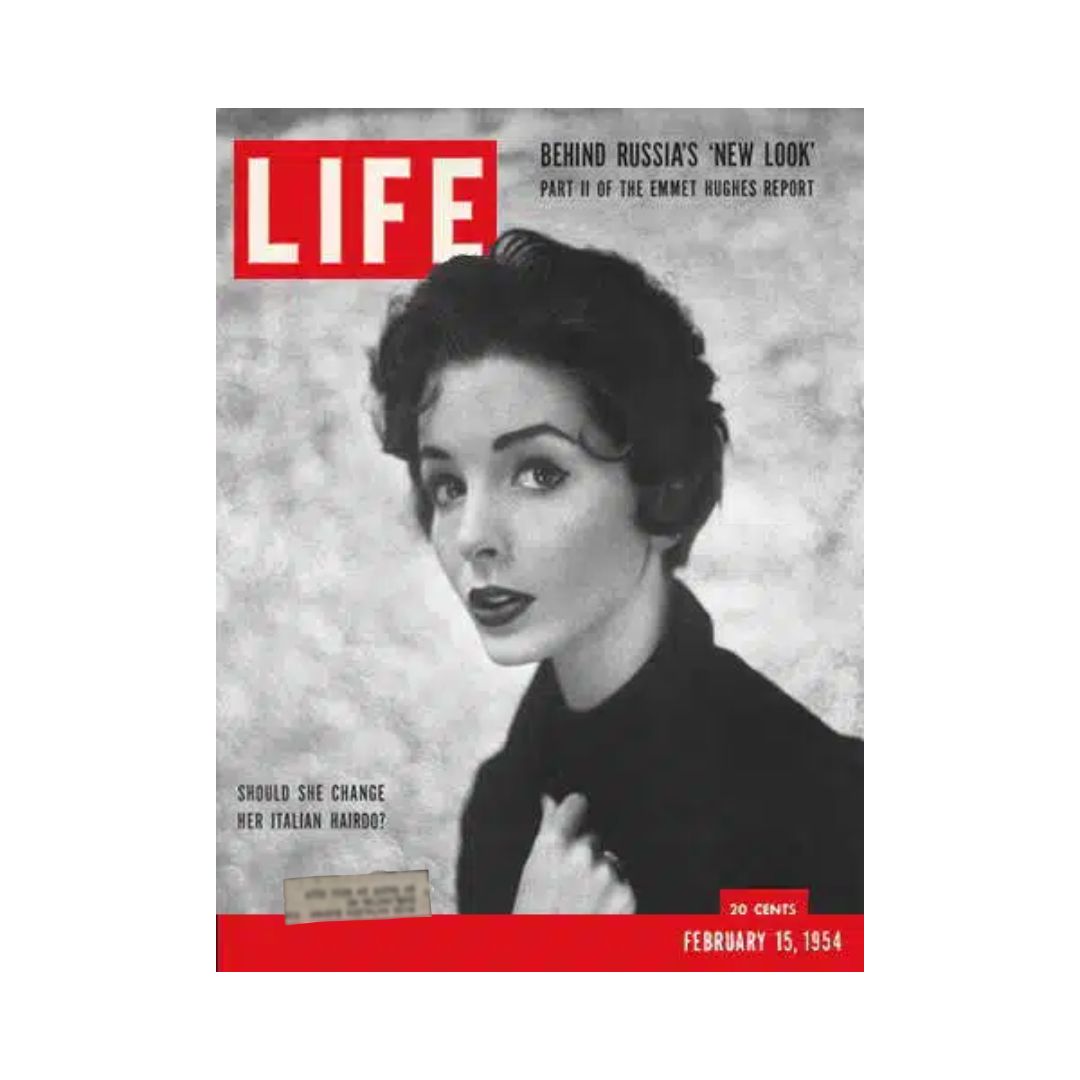
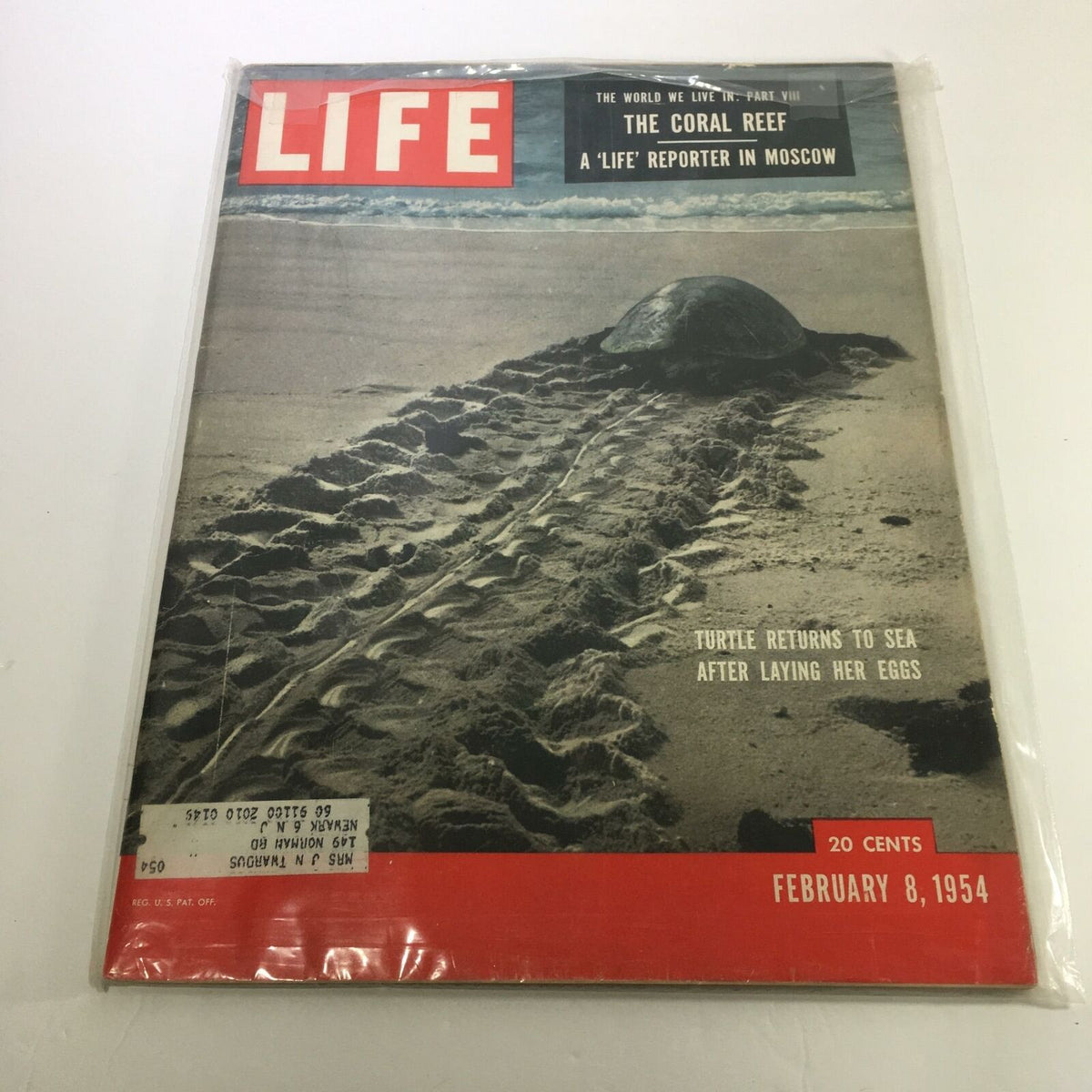
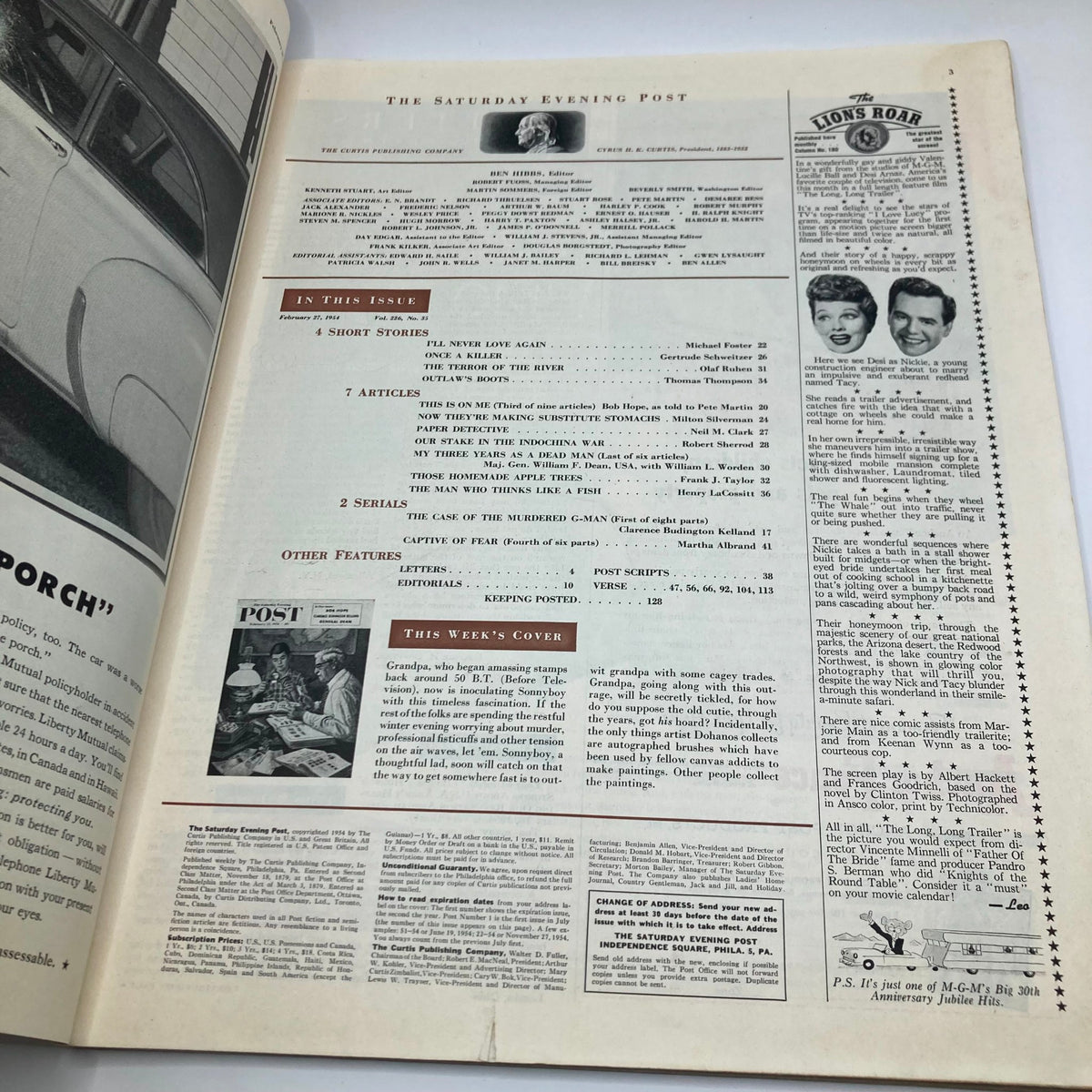
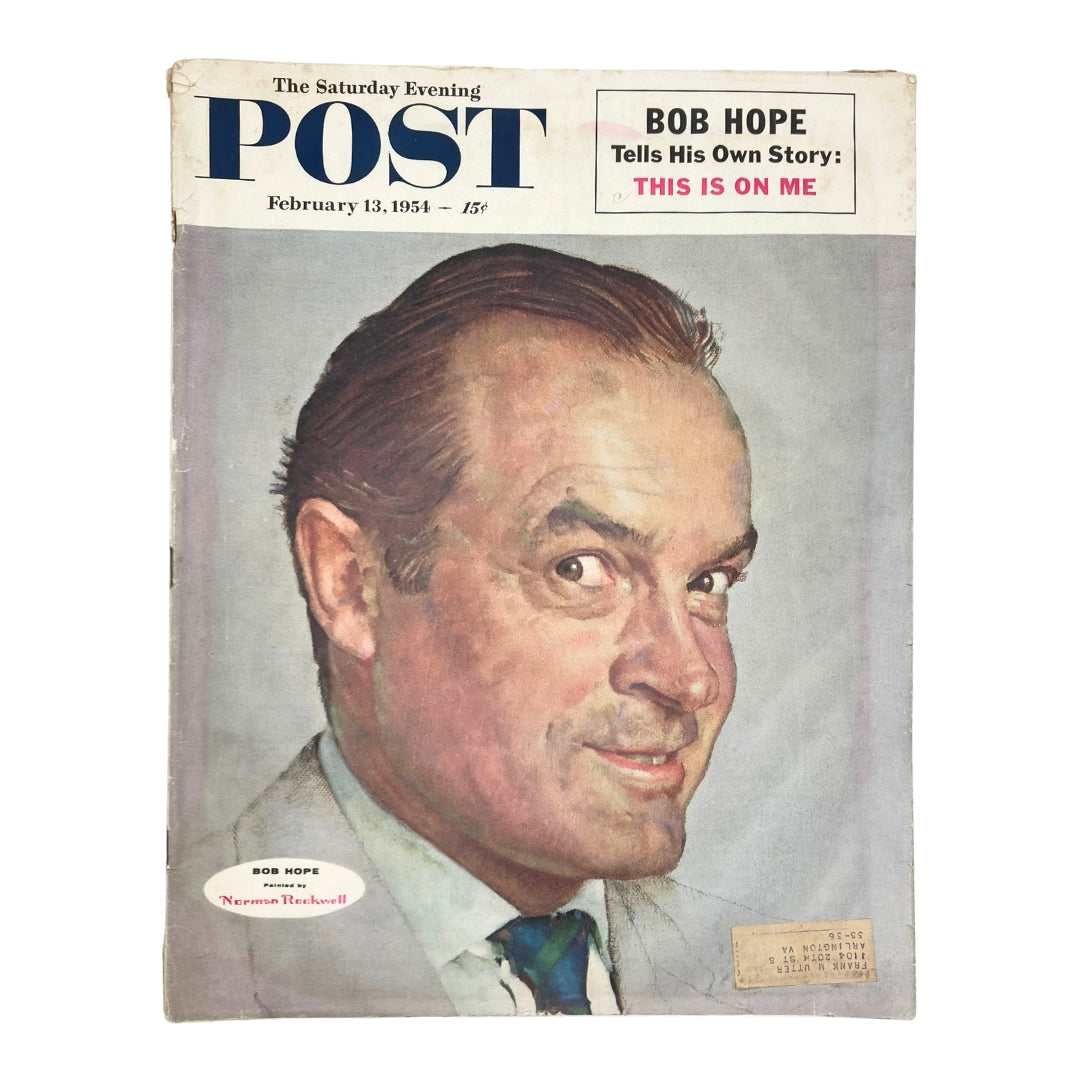
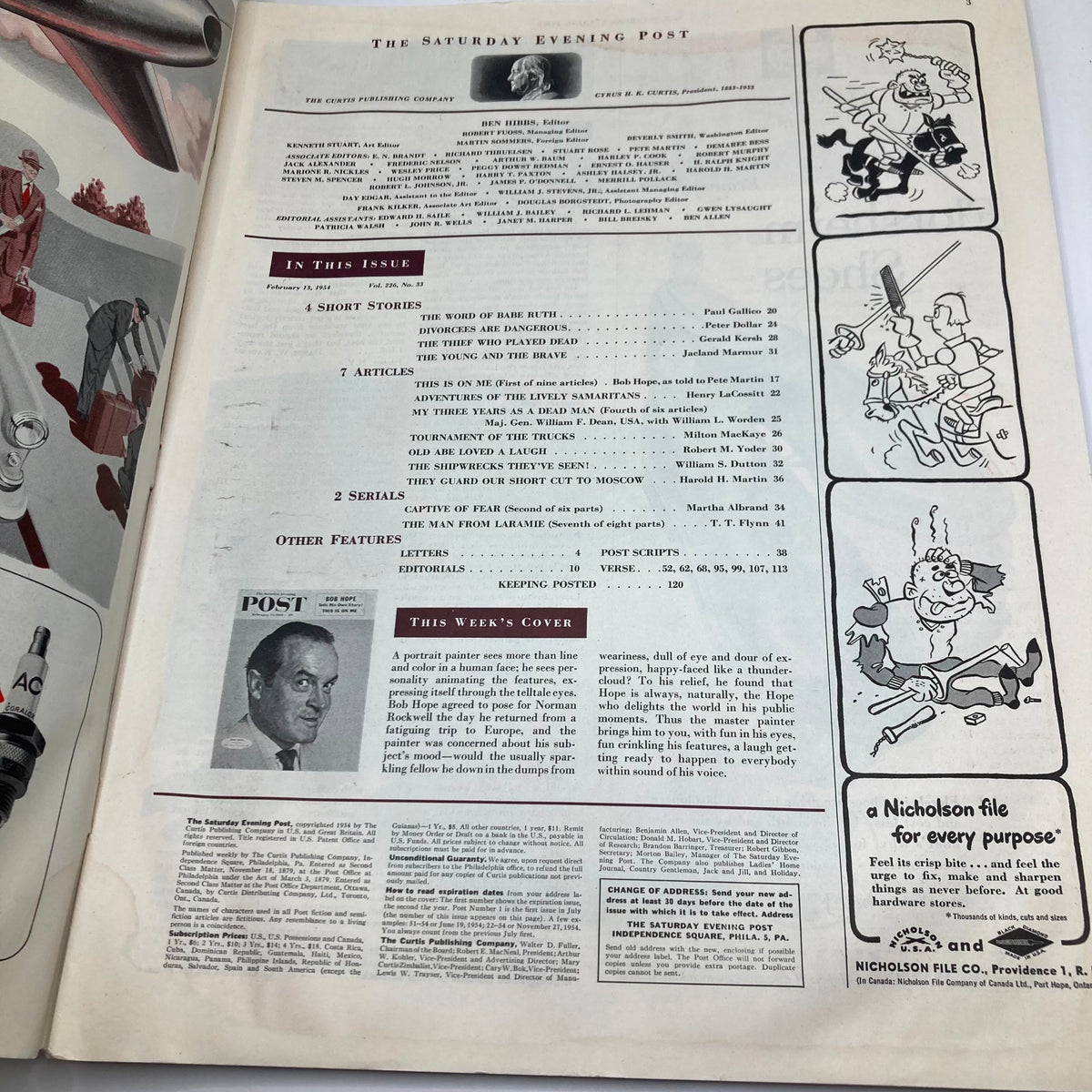
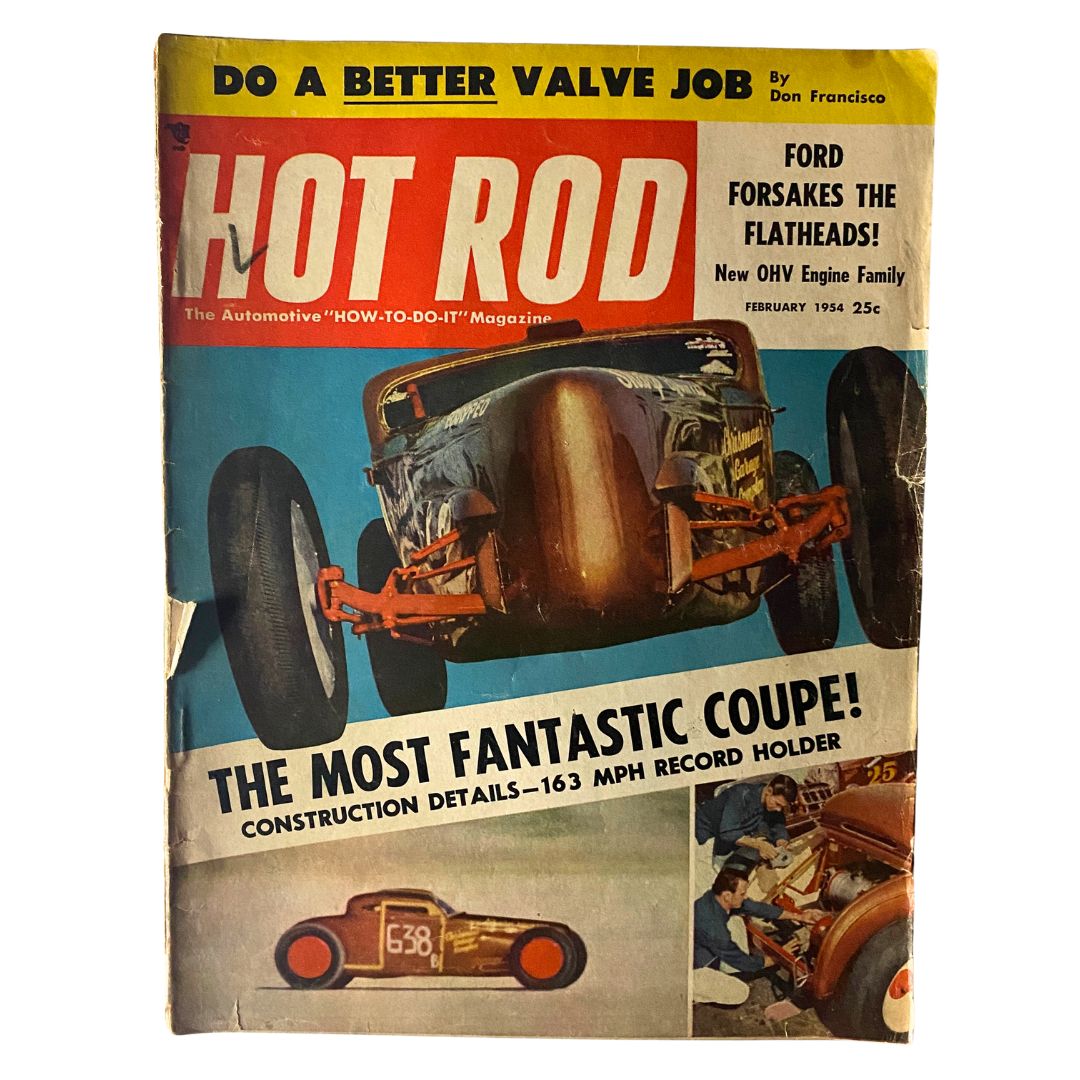
Original magazines from February 1954 captured this peculiar tension in every page and advertisement. Life and Look devoted dramatic photo spreads to the hydrogen bomb announcement, their layouts dominated by mushroom clouds and infographics explaining fusion versus fission. The polio vaccine rollout appeared in news magazines like Time and Newsweek with images of schoolchildren bravely rolling up their sleeves, while pharmaceutical advertisements began shifting their messaging from fear to prevention. Television sets—still a relative luxury—appeared prominently in ads as families sought distraction from atomic anxiety through shows like the new daytime soap "The Secret Storm." Sports Illustrated readers followed basketball's astonishing scoring records (Bevo Francis's 113 points against Hillsdale would dominate sports sections), while cultural magazines covered Balanchine's revolutionary Nutcracker production. Fashion publications like Vogue showcased women's silhouettes that attempted normalcy—full skirts, cinched waists—even as civil defense pamphlets appeared in the same issues.
What to Look for in Vintage Magazines from February 1954
-
Hydrogen Bomb Coverage: News magazines featuring stark black-and-white photography of nuclear tests at Bikini Atoll, detailed cutaway diagrams explaining thermonuclear reactions, and editorial debates about America's atomic supremacy versus Soviet capabilities that defined Cold War journalism.
-
Polio Vaccine Breakthrough: Rare magazines documenting the historic Pittsburgh inoculations with photographs of children at Arsenal Elementary School, pharmaceutical company advertisements heralding the Salk vaccine, and parent-focused articles explaining the science behind the injection that would change public health forever.
-
Basketball's Record-Breaking Month: Sports publications chronicling unprecedented scoring achievements—Bevo Francis's 113-point game and Frank Selvey's 100-point performance—with action photography and statistics that captured college basketball's explosive offensive era.
-
Television's Growing Dominance: Entertainment magazines and TV Guide (just 10 months old) featuring the February 14th "Meet the Press" appearance by Senator Kennedy, listings for the new CBS soap "The Secret Storm," and the 6th Emmy Awards coverage celebrating I Love Lucy's continued reign.
-
Cultural Milestones in the Making: Theater and arts publications covering Balanchine's Nutcracker premiere with Maria Tallchief, establishing what would become America's most beloved ballet tradition, often illustrated with elegant performance photography and costume designs.
The Perfect Gift
For someone born in February 1954, an original magazine from this momentous month isn't just a birthday card—it's an authenticated time capsule from the dawn of both atomic anxiety and medical miracles, preserved in genuine advertisements, Cold War headlines, and the hopeful faces of children receiving humanity's triumph over polio.