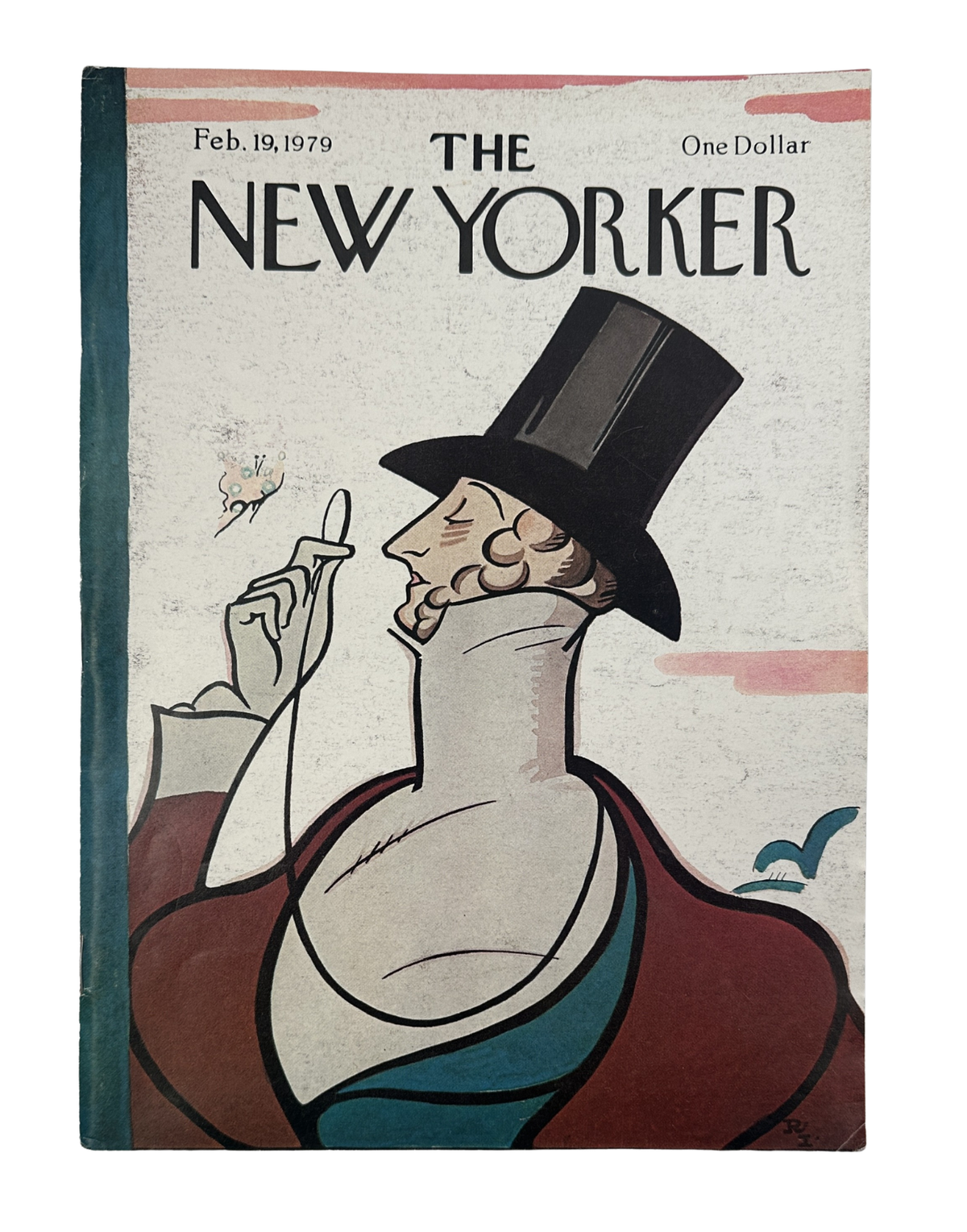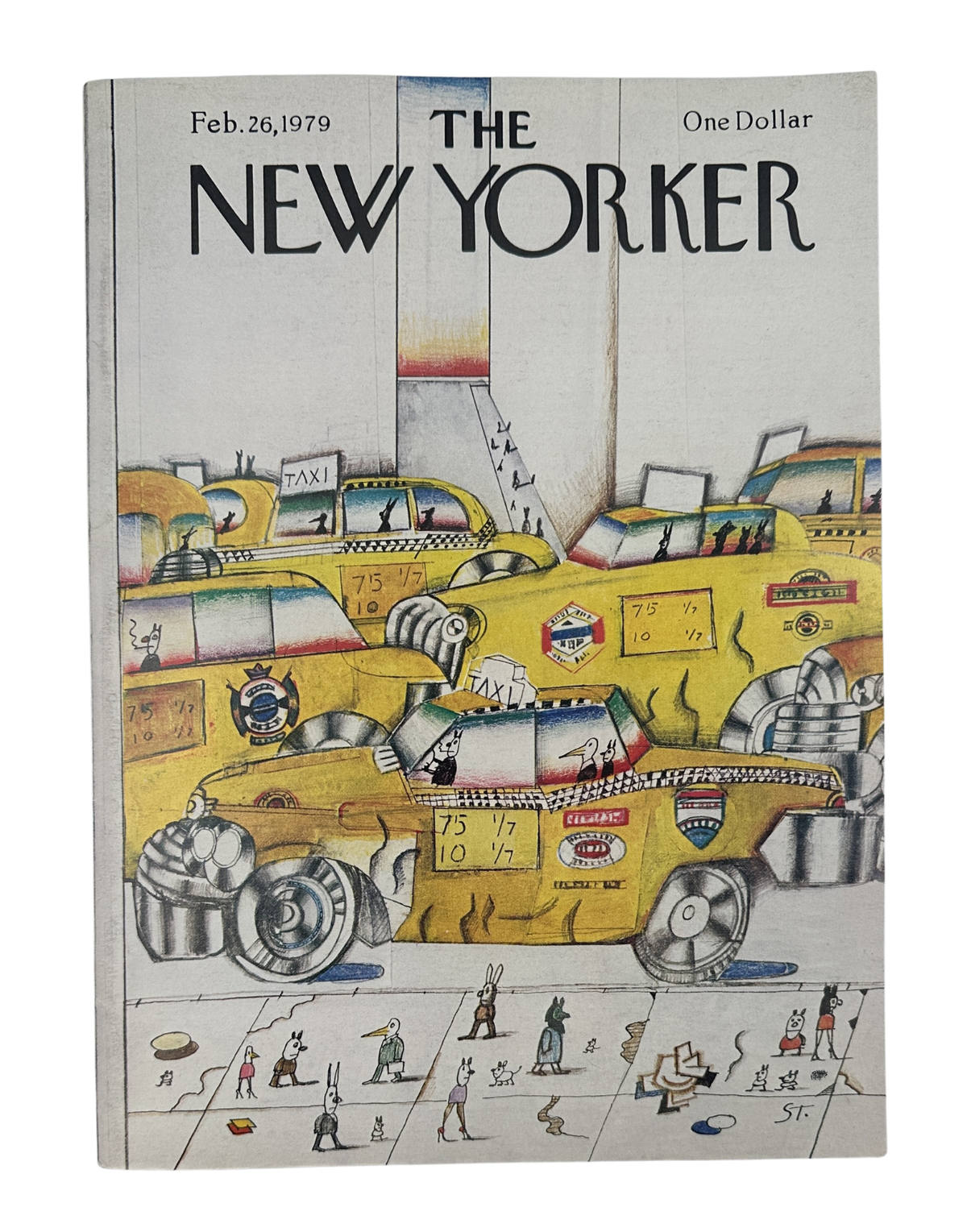
📖 About this Collection
February 1979: Revolution's Turning Point
The Historical Context
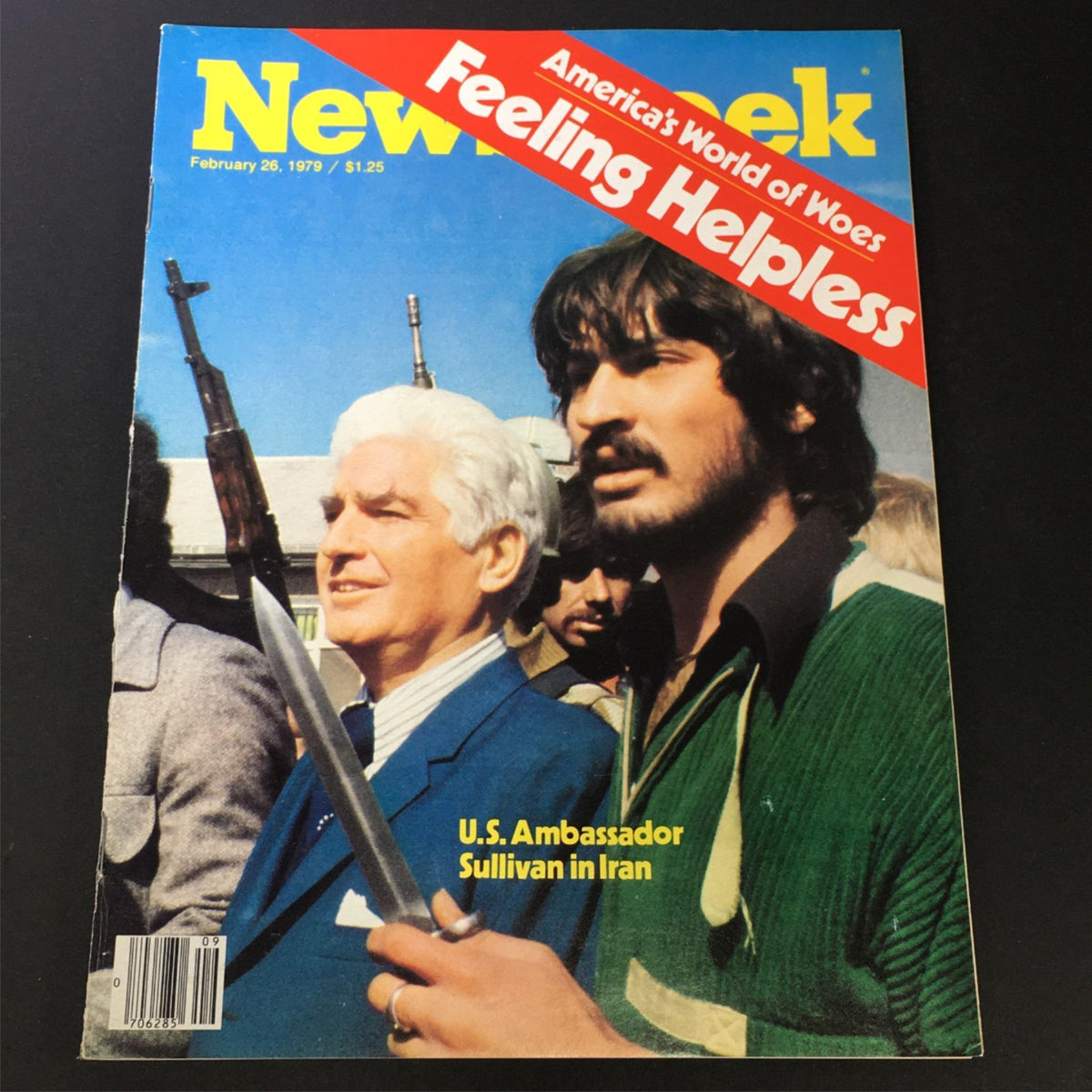
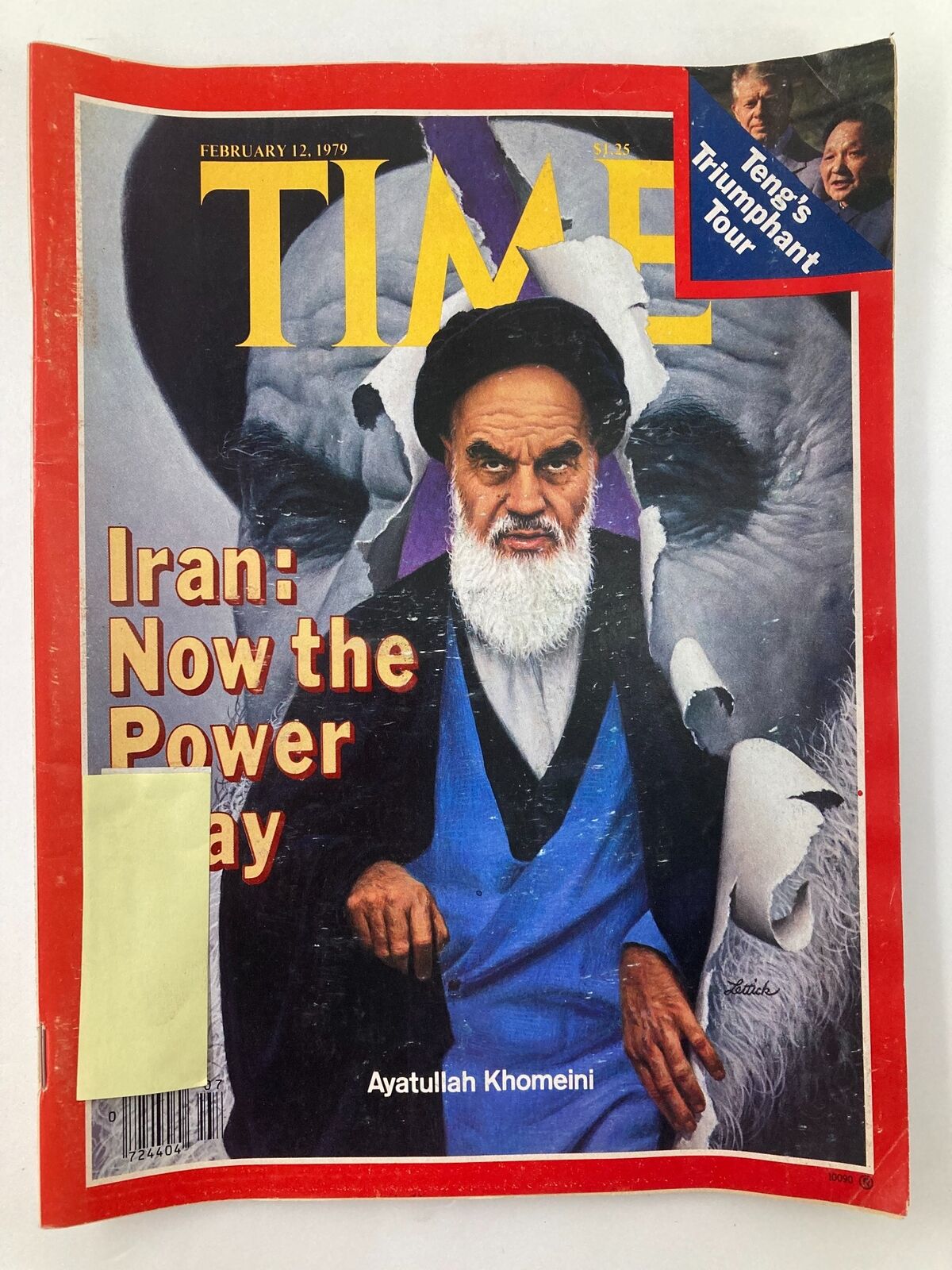
The world held its breath in February 1979 as the Iranian Revolution reached its stunning conclusion. On February 11th, Ayatollah Khomeini seized power after Prime Minister Shapour Bakhtiar resigned, ending 2,500 years of Persian monarchy and reshaping Middle Eastern geopolitics for generations to come. Just days earlier, Khomeini had returned from 15 years of exile to ecstatic crowds, setting the stage for one of the century's most consequential power transfers. Tensions rippled globally: China invaded Vietnam on February 17th, sparking the Sino-Vietnamese War, while in Kabul, American ambassador Adolph Dubs was kidnapped and killed during a dramatic gunfight. Against this backdrop of international upheaval, American publishing heiress Patty Hearst walked free from prison on February 1st, closing one of the decade's most bizarre crime sagas. This was the world your loved one entered—a February crackling with revolutionary energy, where the old order crumbled and new powers emerged from the chaos.
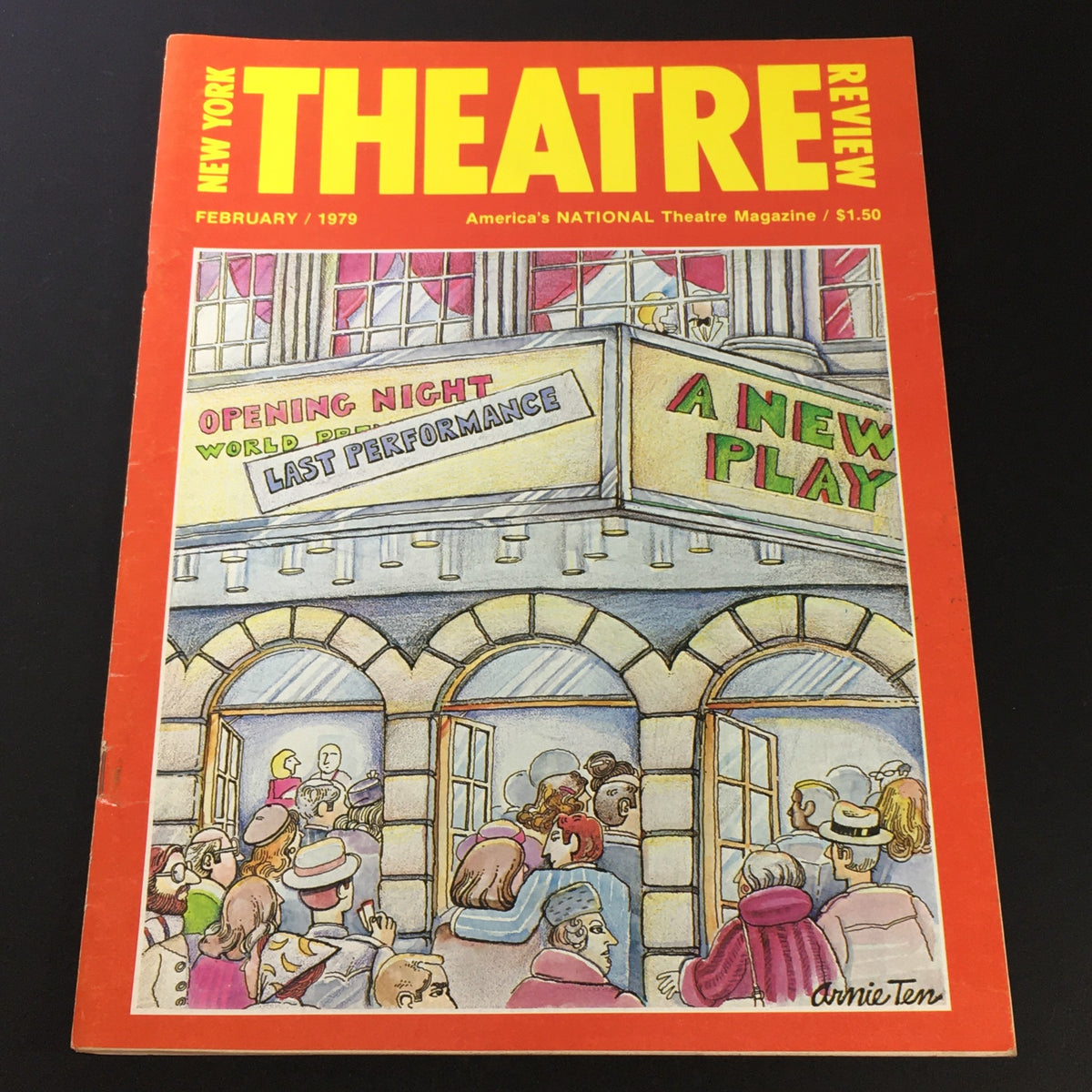
While headlines chronicled revolution abroad, Americans escaped into entertainment that would define the era's closing chapter. Rod Stewart's sultry "Da Ya Think I'm Sexy?" dominated the airwaves, peaking at #1 on February 10th, while 43 million viewers tuned in to watch ABC's "Elvis!" special on February 11th, mourning the King just 18 months after his death. Movie theaters erupted with controversy when "The Warriors" premiered on February 9th, its visceral gang warfare sparking real violence that forced studios to halt the film's marketing campaign. NASCAR fans witnessed history at the Daytona 500 on February 18th—the first 500-mile race broadcast start to finish—when Richard Petty claimed victory after leaders Cale Yarborough and Donnie Allison spectacularly collided on the final lap. Broadway welcomed Neil Simon's "They're Playing Our Song" on February 11th, while original magazines from February 1979 captured Rod Carew's shocking trade to California, Trevor Francis becoming Britain's first million-pound footballer, and speed skater Eric Heiden's world-record heroics that foreshadowed his coming Olympic dominance.
What You'll Discover in Vintage Magazines from February 1979
-
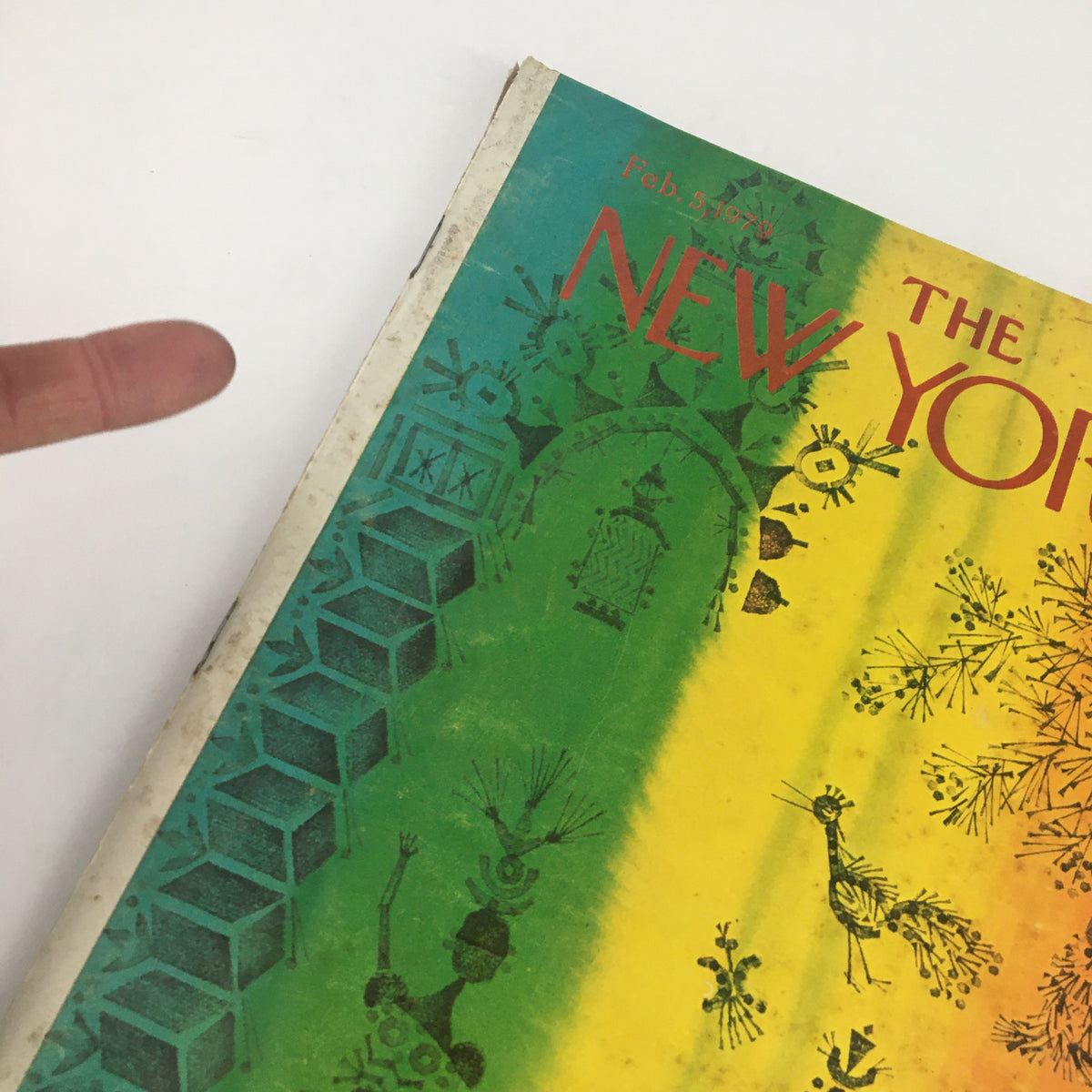
The Iranian Revolution: News weeklies like Time, Newsweek, and Life featuring dramatic photography of Khomeini's triumphant return and the Shah's exile, with maps chronicling the 15-day transformation that redrew the Middle East's power structure.
-
Patty Hearst's Release: True crime magazines and mainstream periodicals showcasing the conclusion of America's most sensational kidnapping-turned-bank-robbery saga, illustrated with courtroom sketches and photos spanning her four-year ordeal from heiress to "Tanya" to prisoner.
-
"The Warriors" Controversy: Entertainment publications chronicling the film's violent premiere week, featuring lobby cards, promotional stills of the gang-themed thriller, and editorials debating Hollywood's responsibility for real-world violence in theater parking lots.
-
Daytona 500 Drama: Sports magazines capturing Richard Petty's legendary victory and the Yarborough-Allison brawl that made this NASCAR's most-watched race, complete with sequential photography of the last-lap collision that shocked 15 million TV viewers.
-
Grammy Night Glory: Rare magazines documenting Billy Joel's breakthrough wins for "Just the Way You Are" and the Saturday Night Fever soundtrack's dominance, alongside advertisements for disco fashion and the Bee Gees' continued chart reign in music's most transitional year.
The Perfect Gift
For someone born in February 1979, an original magazine from this revolutionary month isn't just a collectible—it's an authenticated time capsule from the threshold of a new era, preserved in genuine advertisements, photographs, and headlines that museums can only reference but never replicate.