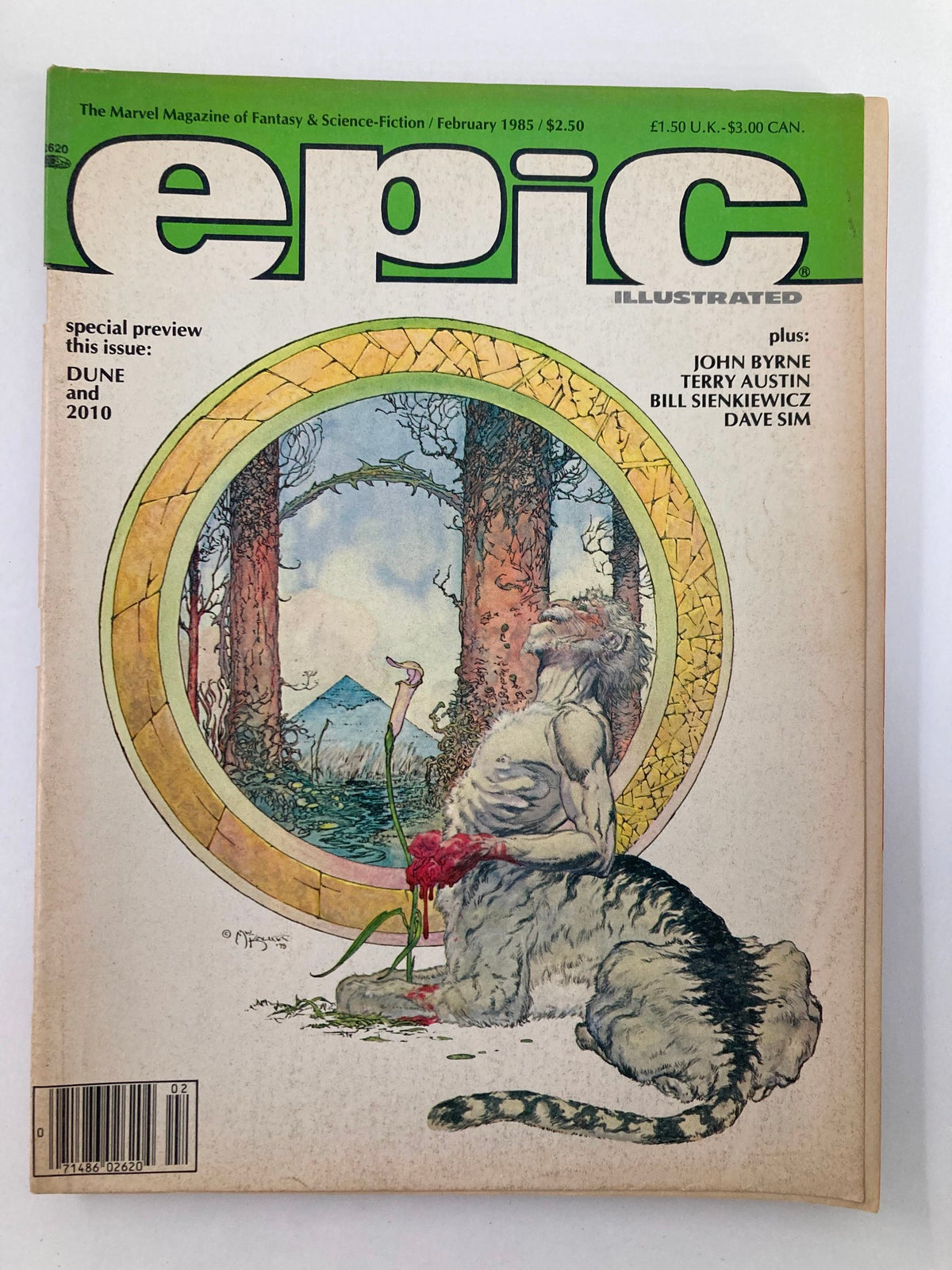
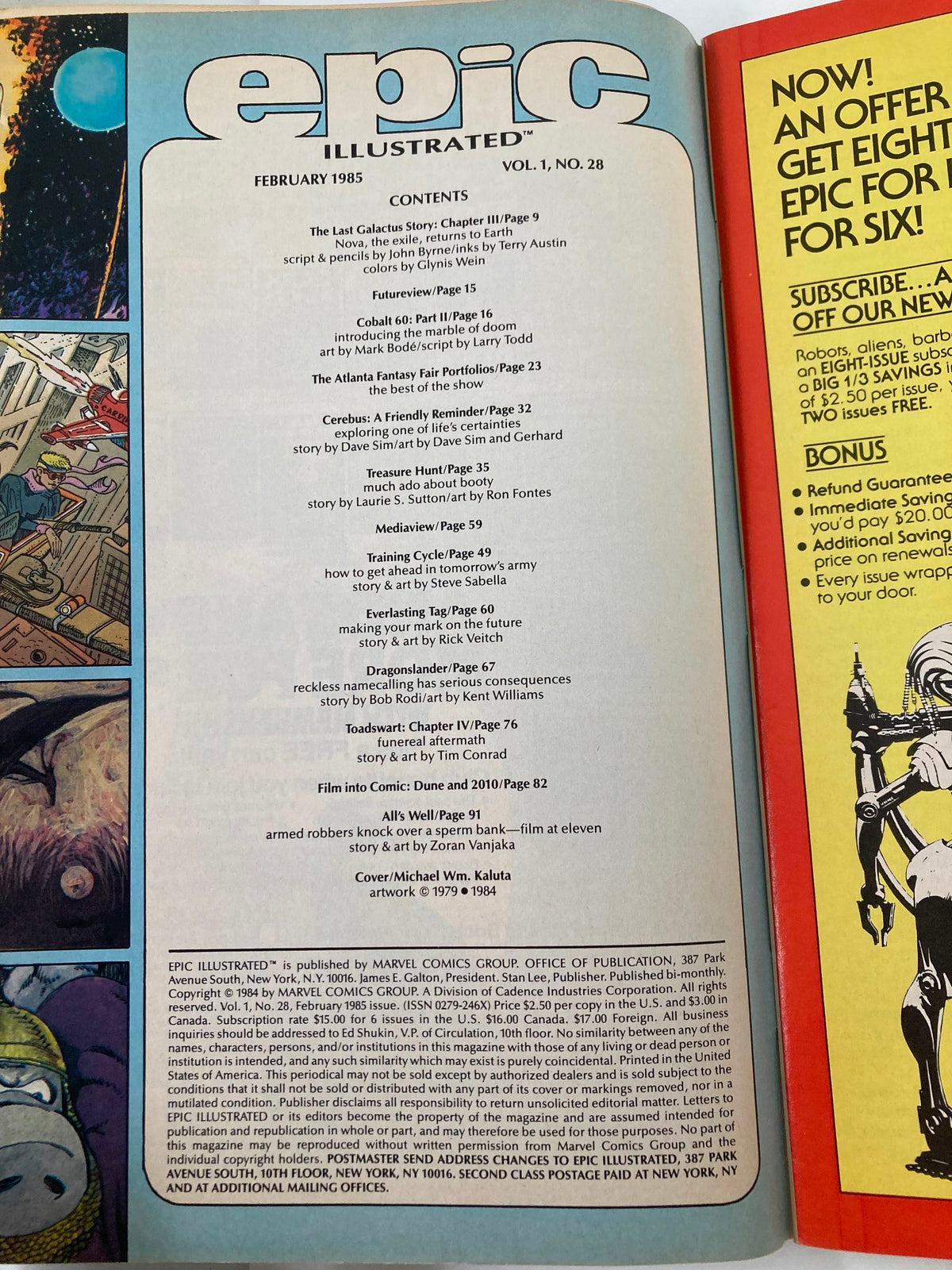
📖 About this Collection
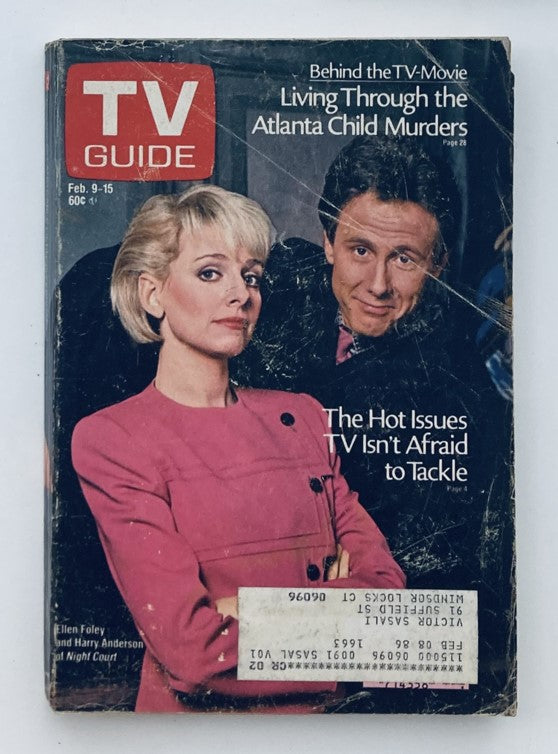
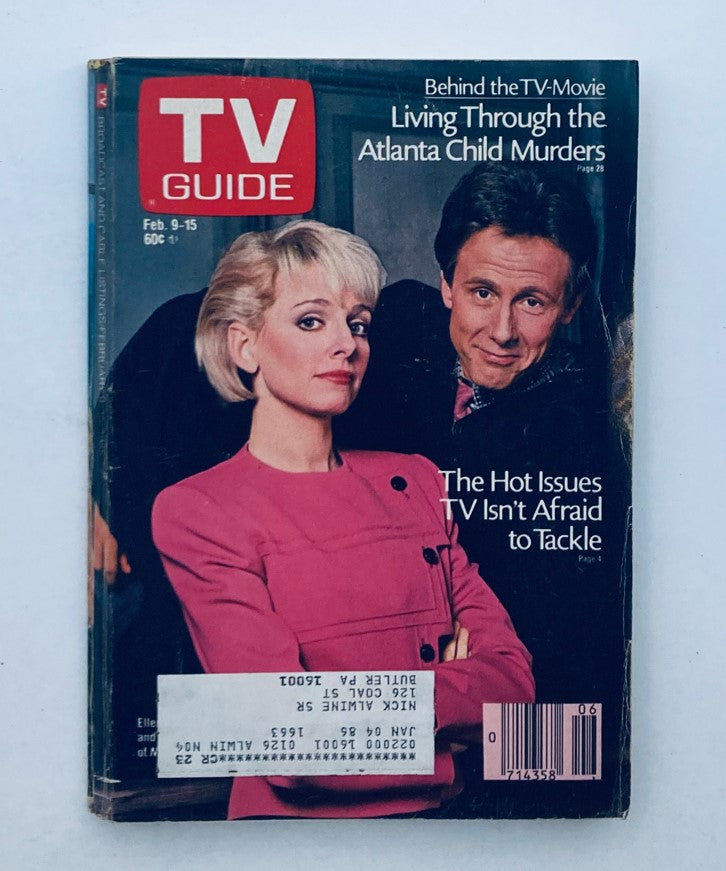
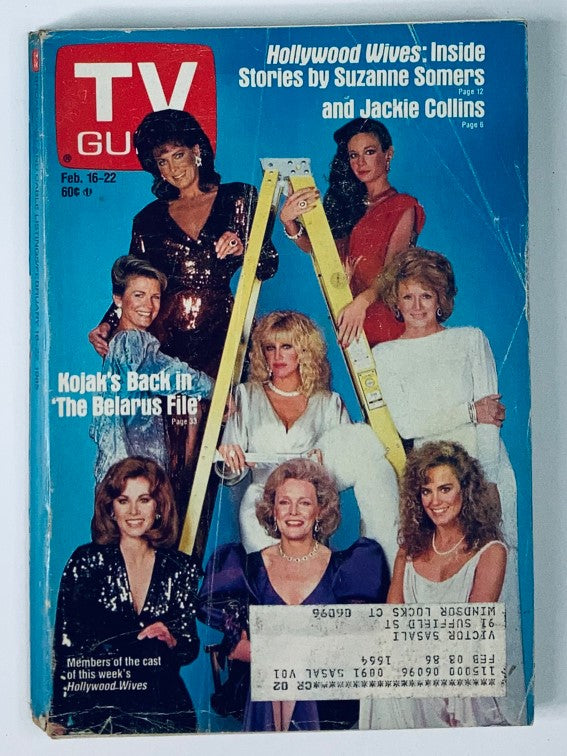
February 1985: The Month Cold War Tensions Met Neon Dreams
The Historical Context
The world in February 1985 crackled with contradictions—a planet still locked in superpower standoff while pop culture exploded in unprecedented directions. Twenty nations signed the UN Convention Against Torture on February 4th, though the United States notably refused to join, a decision that underscored the decade's moral complexities. Meanwhile, naval exercises collapsed when the U.S. declined to reveal whether nuclear weapons sat aboard the USS Buchanan, straining Pacific alliances. Poland arrested seven Solidarity leaders on February 13th as Eastern Bloc authoritarianism tightened its grip, while in Lebanon, Hezbollah's founding on February 16th and the torture-murder of DEA agent Enrique "Kiki" Camarena signaled the drug war's darkest turn. Yet this same month saw Whitney Houston release her groundbreaking debut album on Valentine's Day, "The Breakfast Club" redefine teen cinema, and Cherry Coke hit shelves nationwide. For someone entering the world in February 1985, this was a month suspended between the last gasps of Cold War paranoia and the first bright flashes of a cultural revolution that would define a generation.
Pop Culture & Everyday Life
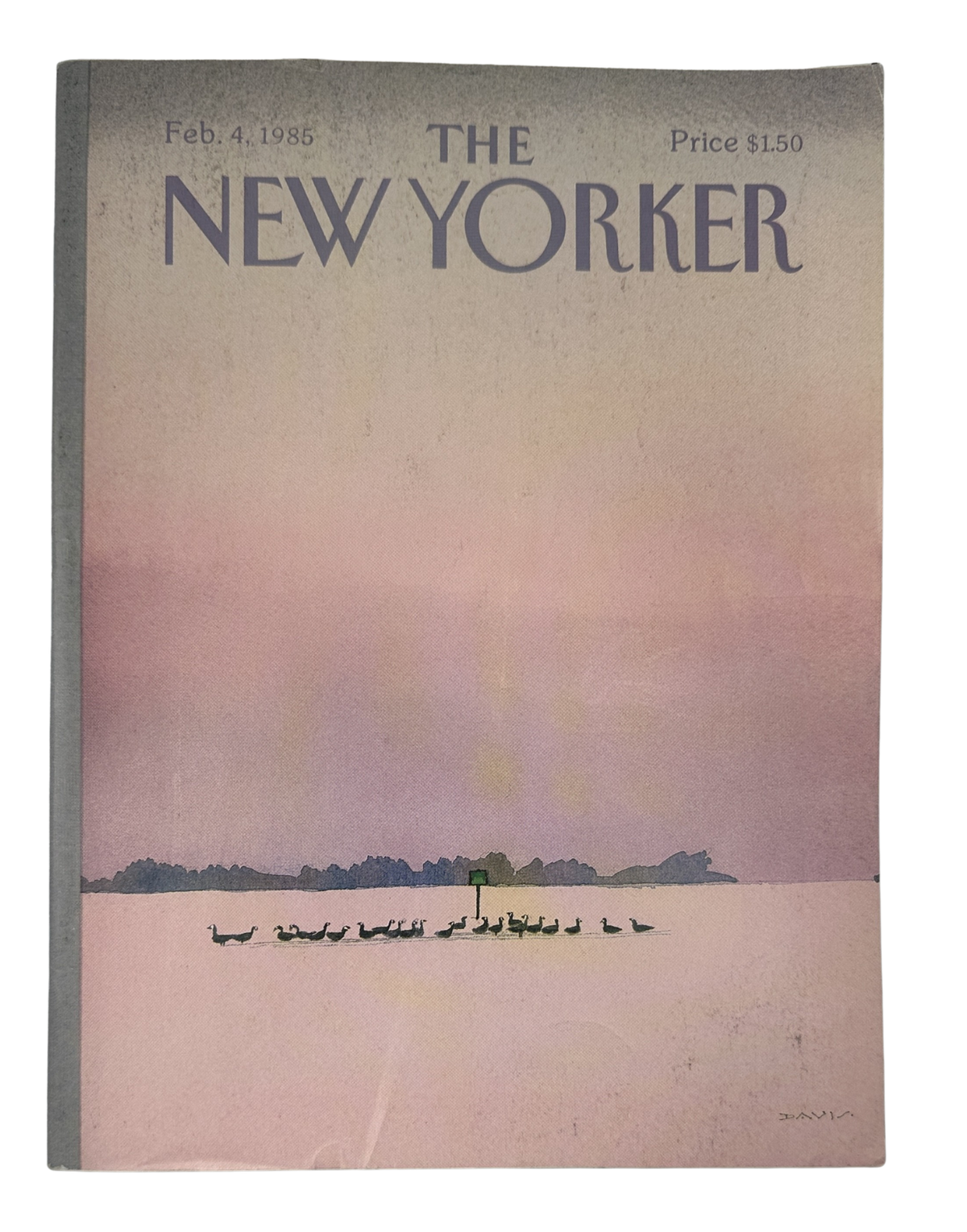
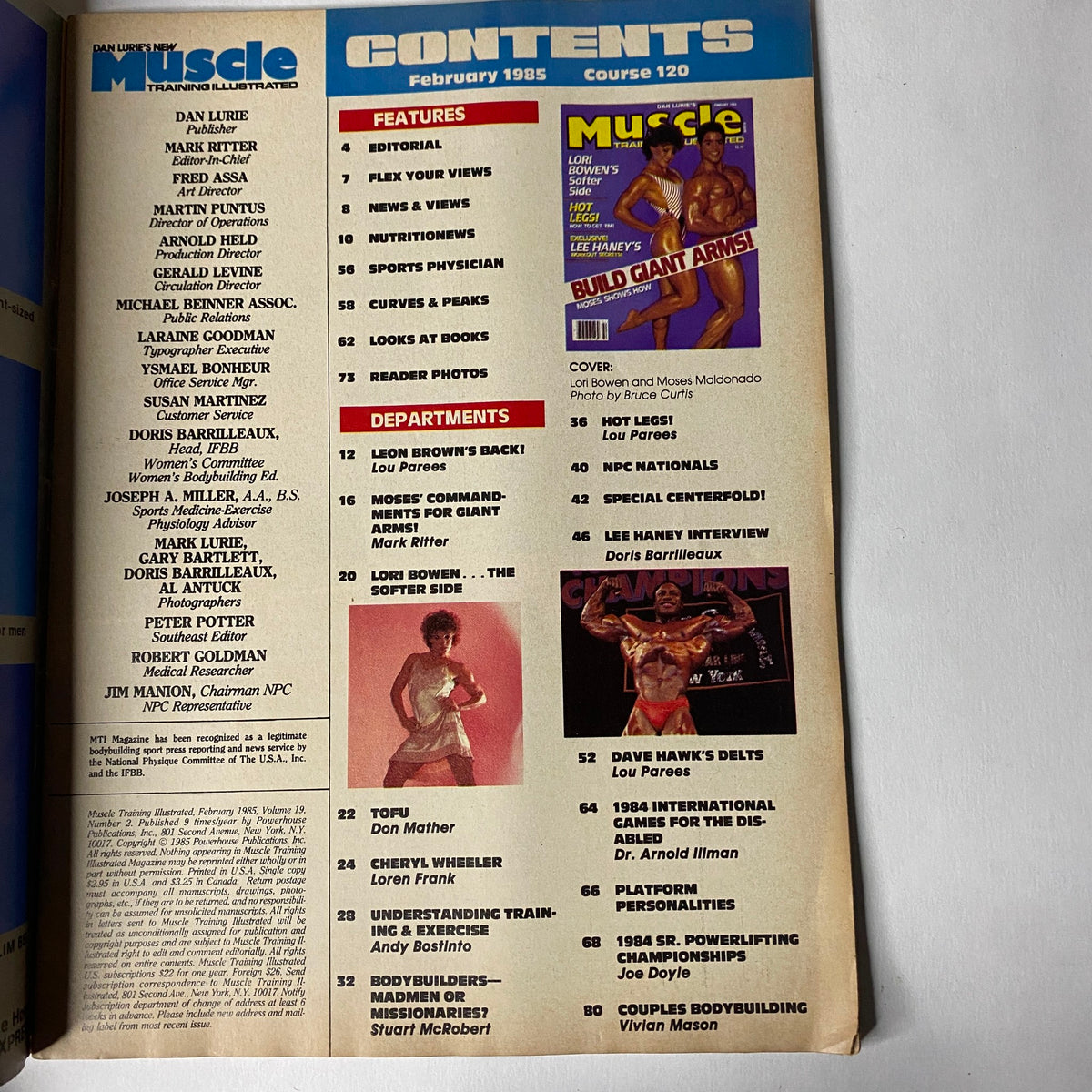
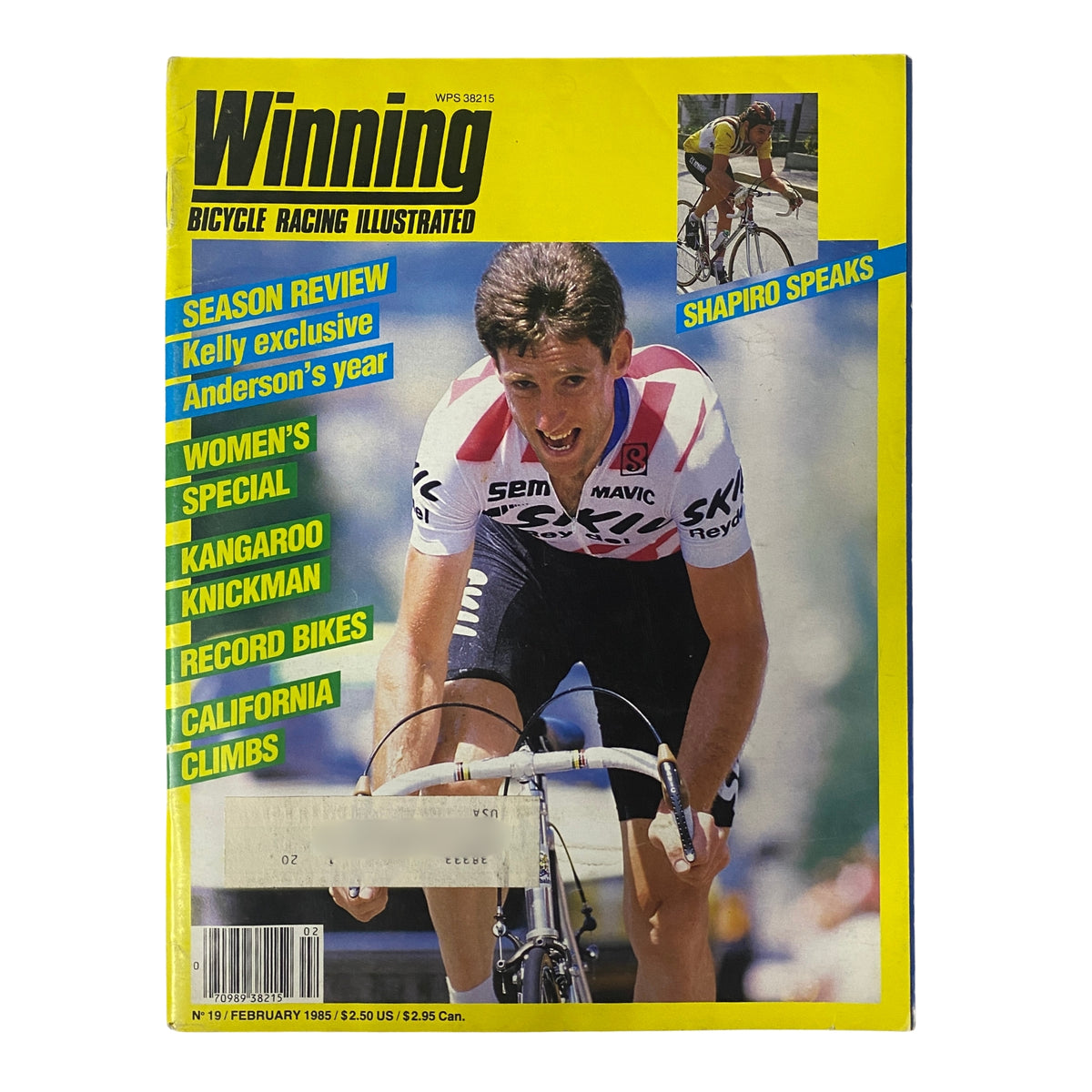
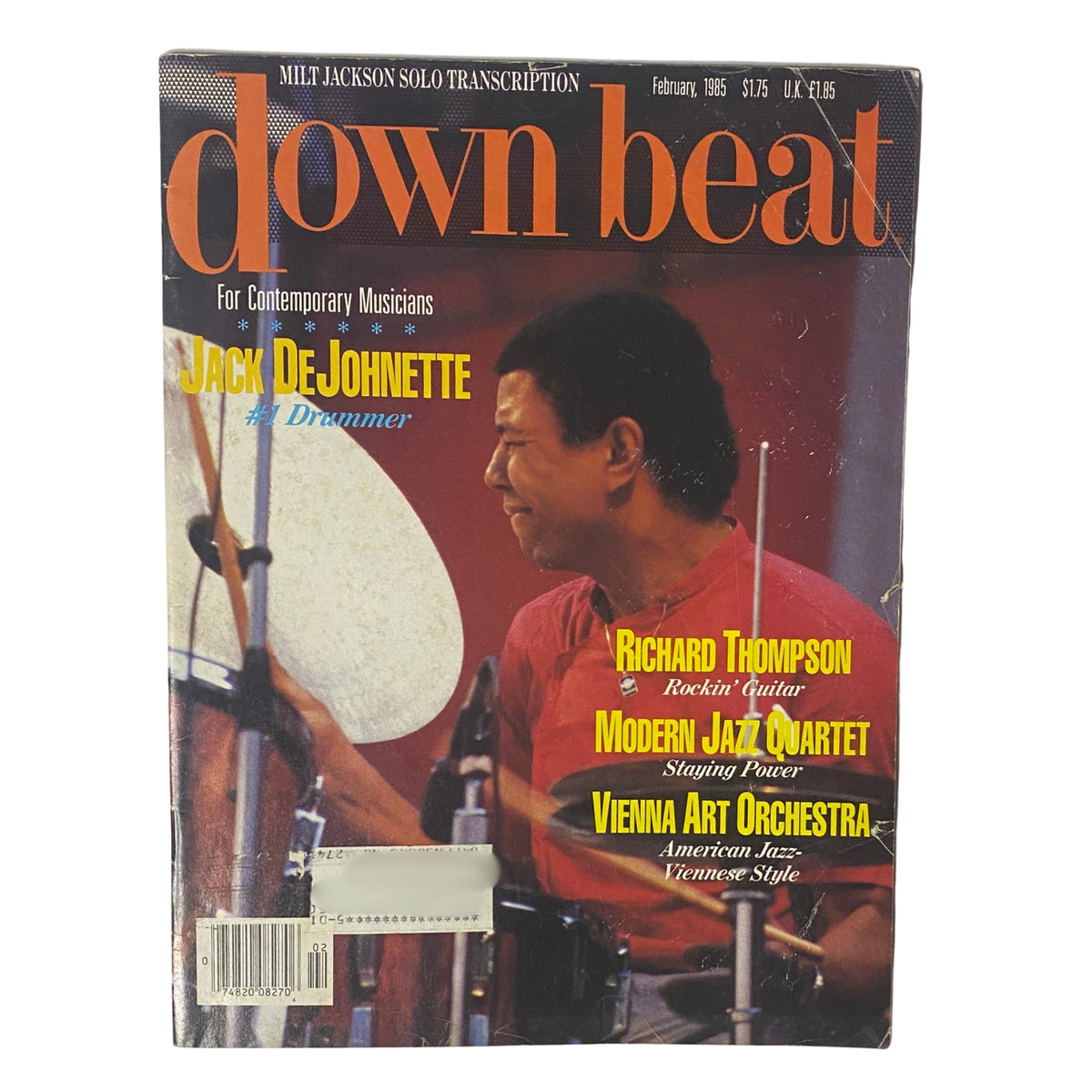
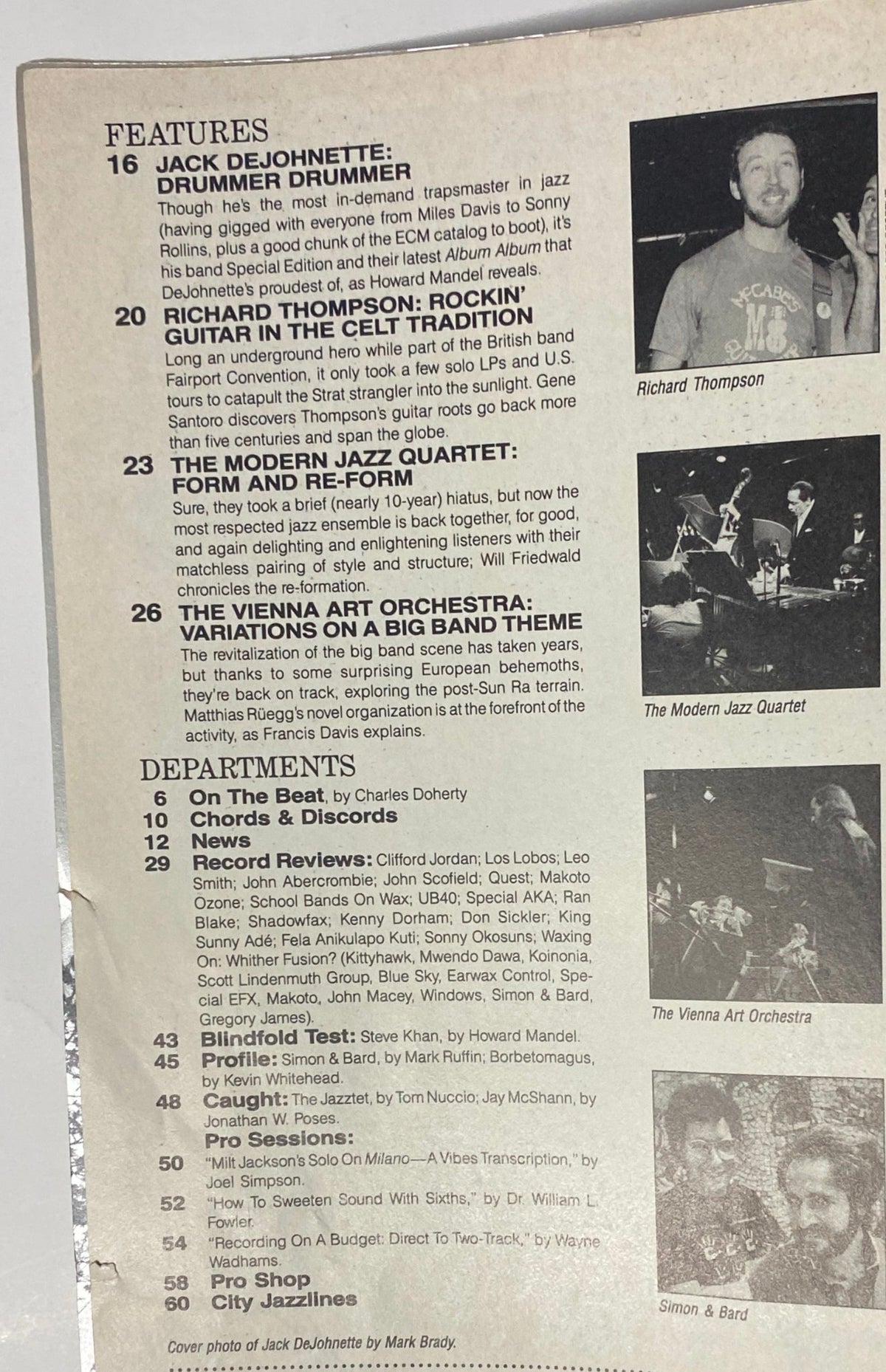
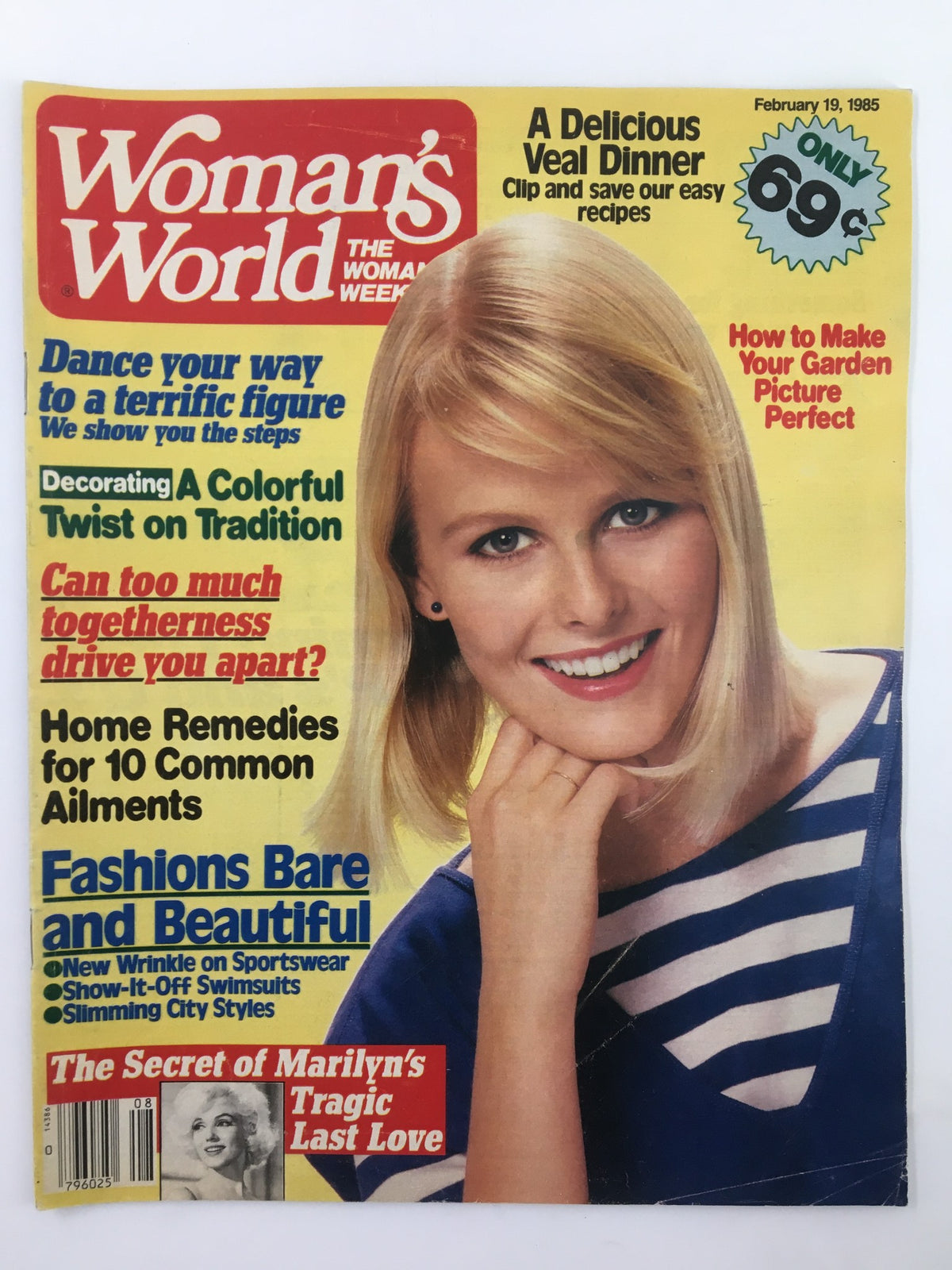
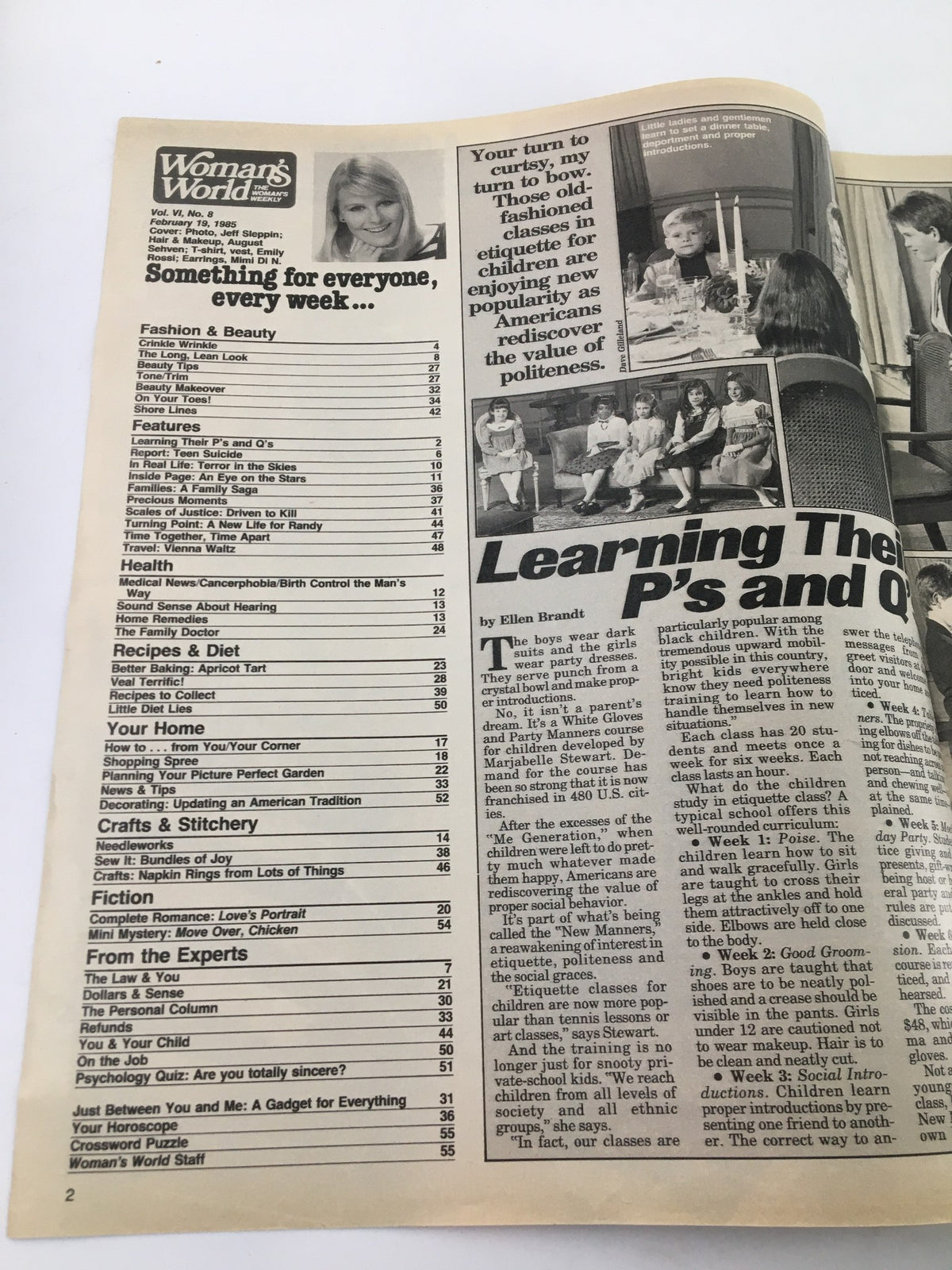
Original magazines from February 1985 captured a precise moment when entertainment shifted from wholesome to edgy. "The Breakfast Club" premiered on February 15th, turning five unknown teens into icons and their Saturday detention into the decade's defining snapshot of suburban angst. Madonna's "Like a Virgin" ruled the charts for three consecutive weeks starting February 9th, her controversial persona dominating magazine covers from Rolling Stone to People. Whitney Houston's self-titled debut dropped on Valentine's Day, introducing a voice that would sweep the 1986 Grammys while reshaping expectations for female vocalists. Sports fans witnessed Bill Elliott's record-shattering 205 mph pole position at the Daytona 500 on February 17th, while NHL arenas celebrated Mario Lemieux's MVP performance at Calgary's All-Star Game. Even British television got a cultural reset when "EastEnders" premiered on the BBC on February 19th, the same week Coca-Cola launched Cherry Coke in cans and bottles. Fashion spreads in vintage magazines showcased the era's maximalist aesthetic—shoulder pads, neon workout gear, and power suits that reflected the month's bold contradictions.
What to Look for in February 1985 Issues
-
The Camarena Crisis: News magazines like Time and Newsweek featuring investigative coverage of the DEA agent's kidnapping on February 7th and murder on February 9th, often illustrated with photos documenting the escalating U.S.-Mexico drug war tensions and Miguel Ángel Félix Gallardo's cartel operations.
-
Whitney Houston's Arrival: Entertainment magazines and music publications showcasing the debut album release with full-page ads, early reviews, and photo spreads of the 21-year-old vocalist whose Valentine's Day launch timing was no accident, preserved in the original glossy pages.
-
"The Breakfast Club" Phenomenon: Movie magazines and rare magazines like Premiere chronicling John Hughes's teen drama with cast interviews featuring Molly Ringwald, Judd Nelson, and Emilio Estevez, alongside theater ads for the February 15th opening weekend.
-
Cold War Flashpoints: International news coverage in publications like U.S. News & World Report documenting the February 4th UN torture treaty signing (notably without U.S. participation), Poland's Solidarity crackdown, and the nuclear weapons standoff that canceled Pacific naval exercises—authentic geopolitical anxiety frozen in newsprint.
-
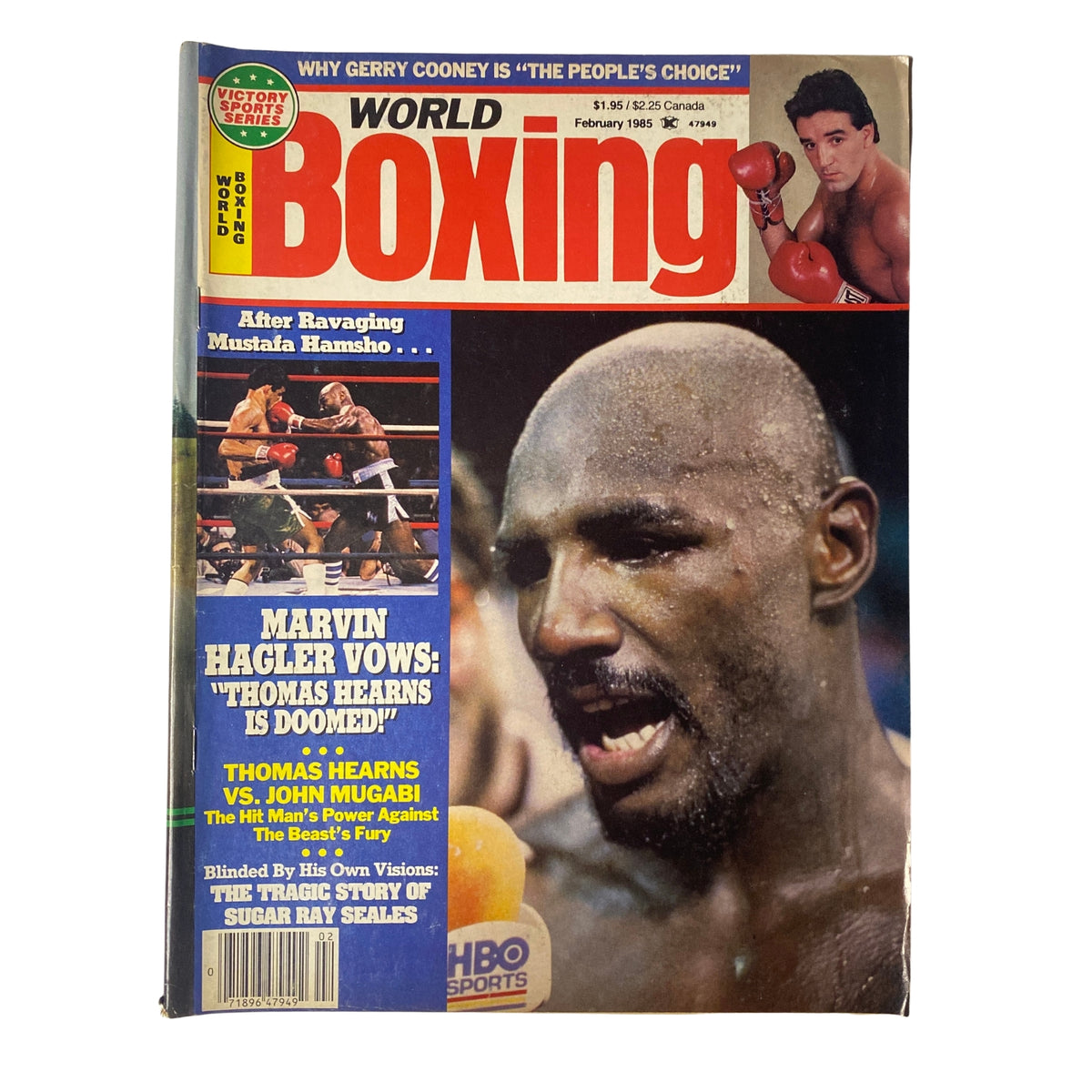
Sports History Moments: Sports Illustrated and specialty publications featuring Bill Elliott's record-breaking Daytona 500 pole position, Patrick Roy's NHL debut for Montreal on February 23rd, and the bizarre story of flyweight champion Sot Chitalada's $104,000 prize stolen by a ringside pickpocket on February 20th.
The Perfect Gift
For someone born in February 1985, an original magazine from this volatile month isn't just memorabilia—it's a time capsule preserving the exact collision of Cold War anxiety and pop culture rebellion, authenticated through genuine advertisements, headlines, and photography that museums cannot replicate.