📖 About this Collection
Ferdinand Marcos: Power, Pageantry, and the Paper Trail of a Dynasty
The Legend & The Legacy
Few figures in the twentieth century commanded the pages of the world's press with the same complex, theatrical intensity as Ferdinand Marcos. For over two decades, he ruled the Philippine archipelago as its president — and later, its self-declared strongman — constructing a persona so carefully curated that it rivaled any Hollywood production. From his celebrated wartime heroism (later disputed by historians) to his sweeping proclamation of Martial Law in 1972, and through the opulent spectacle of Imelda's "Blue Ladies" and the Conjugal Dictatorship's grand infrastructure projects, his story was one that editors worldwide could not resist. He was, in the truest sense, a media-age autocrat — a man who understood that the photograph, the headline, and the carefully staged press conference were instruments of power as consequential as any executive decree. In an era before the internet flattened the news cycle, readers in Manila and Madrid, in New York and Tokyo, absorbed the drama of his regime through glossy covers, long-form investigative features, and photo essays that captured both the grandeur of Malacañang Palace and the quiet suffering in the provinces. His rise, his reign, and his spectacular fall formed one of the great serialized narratives of the twentieth century — and print media was its only stage. The pages of those magazines did not merely report history; they were history, delivered monthly to millions of doorsteps around the world.
Inside the Archive
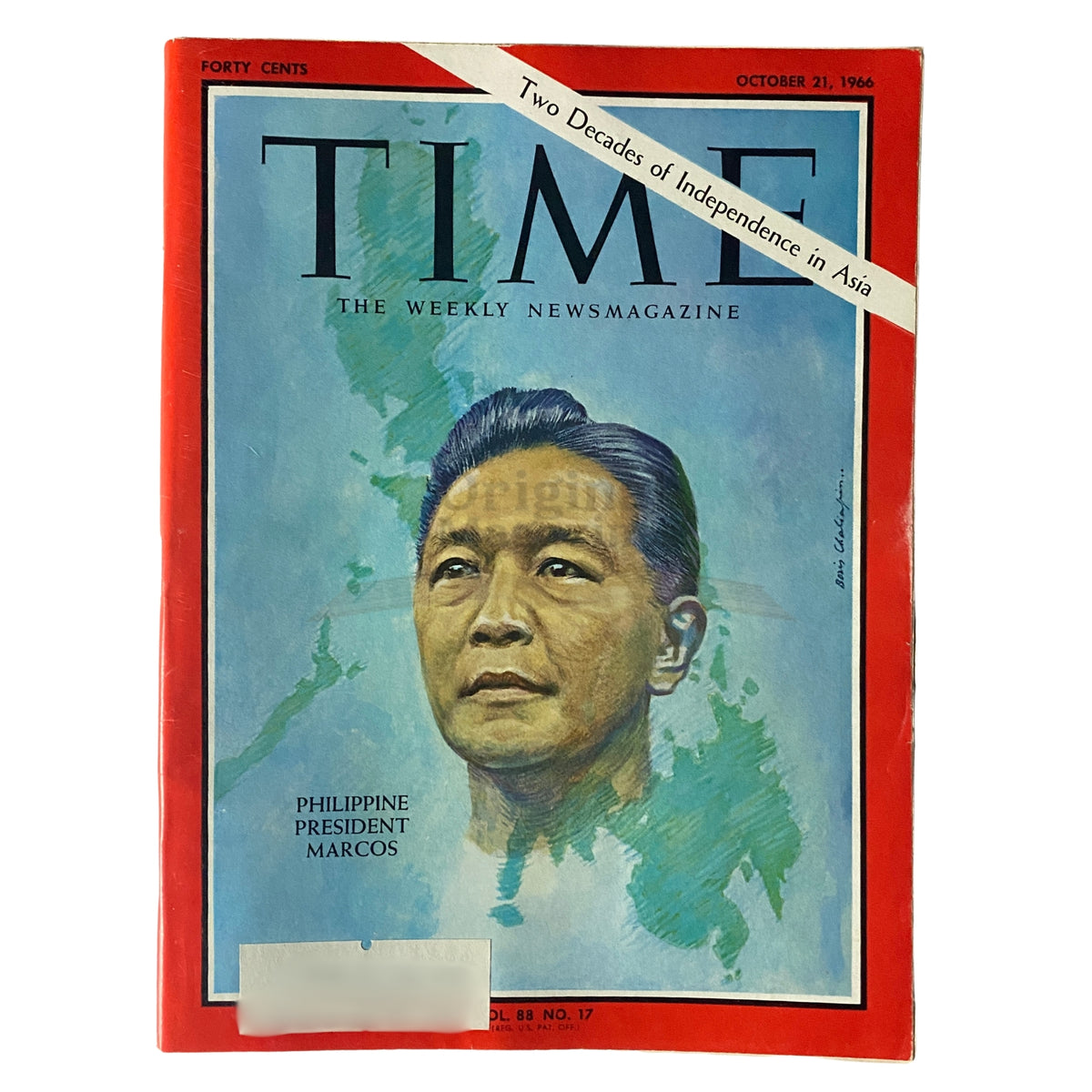
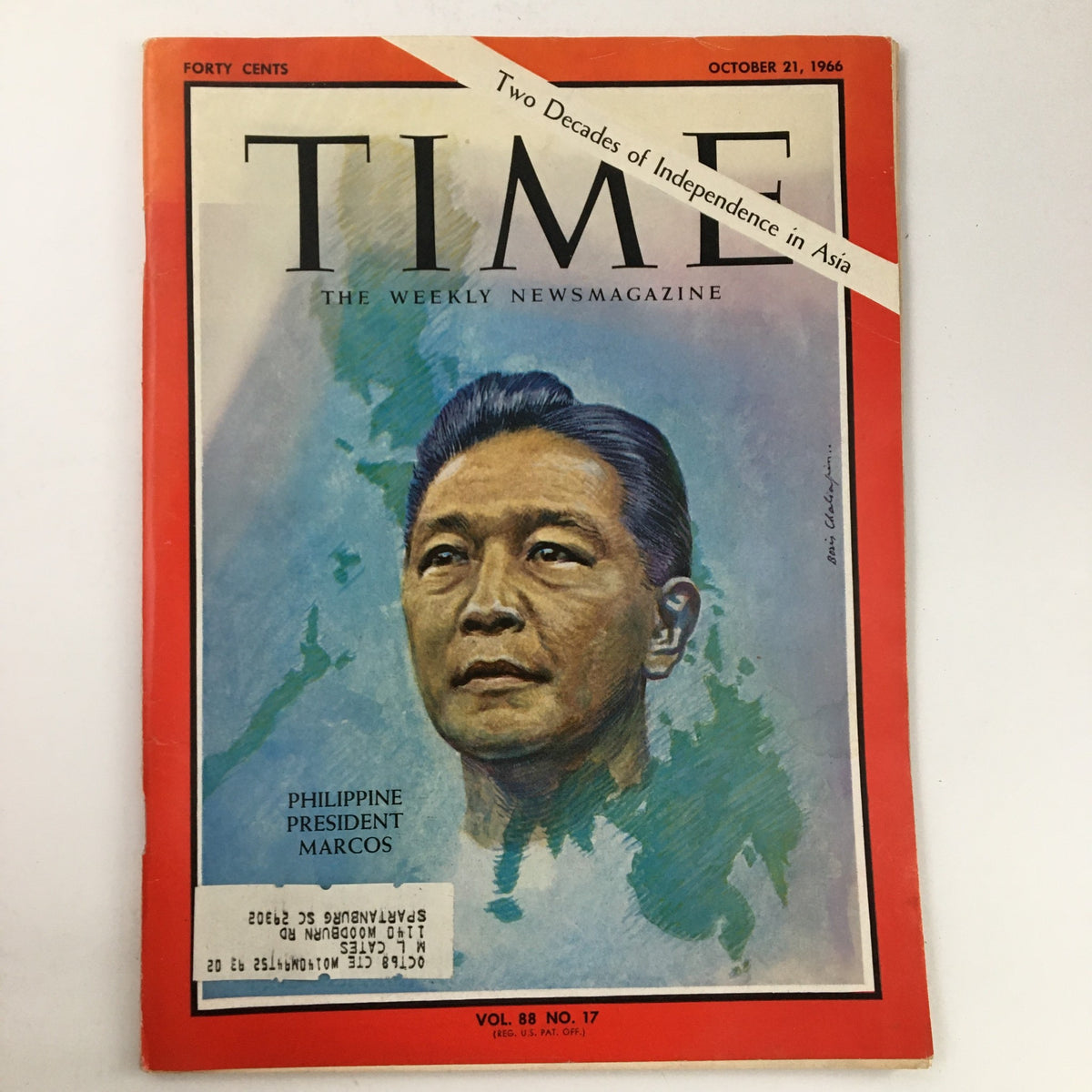
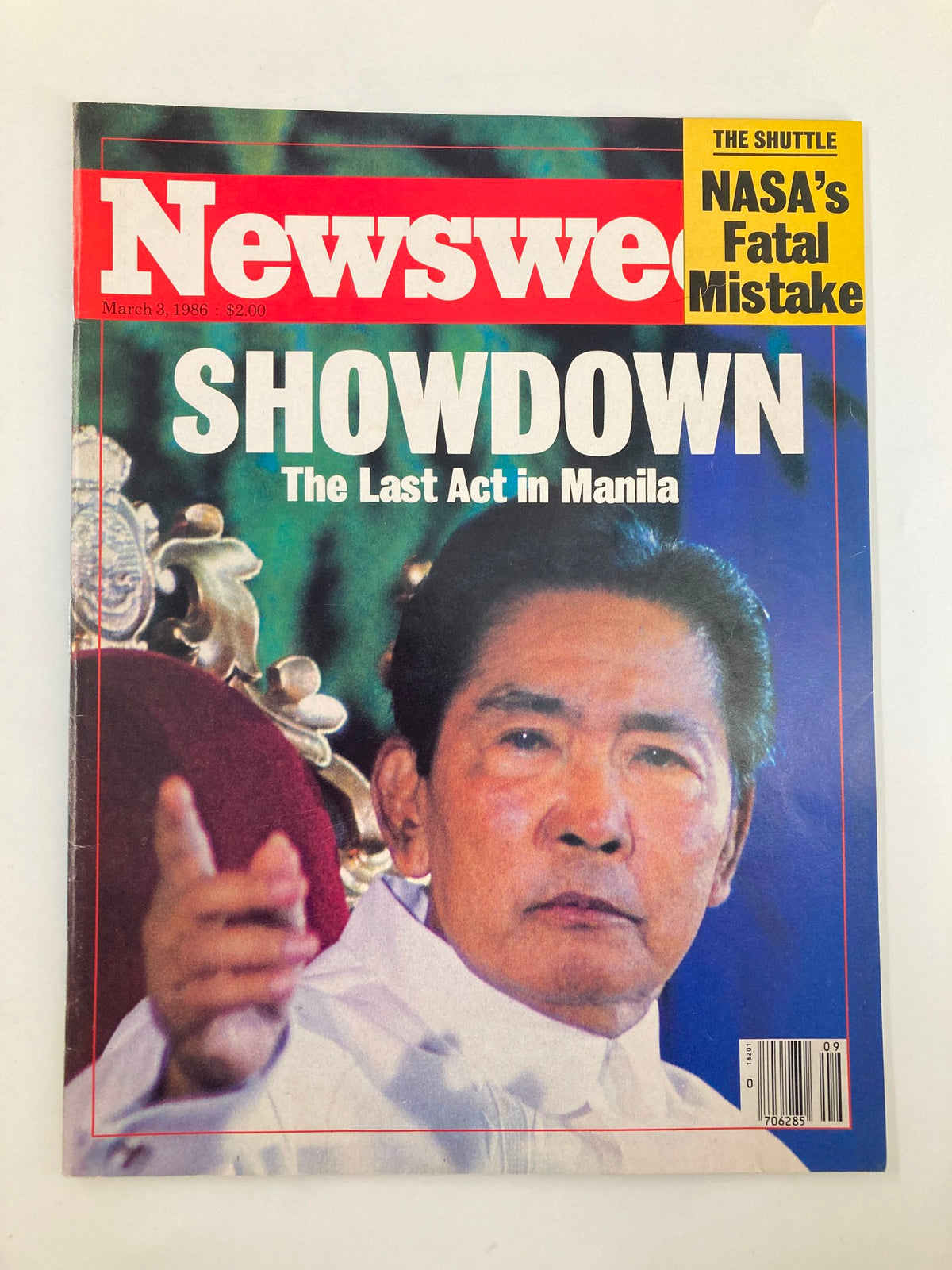
The coverage of Marcos and his era spanned a remarkable editorial spectrum — from fawning state-adjacent portraits in the early years to unflinching exposés as global sentiment shifted. Domestic publications like the Philippine Free Press (before its forced closure under Martial Law) offered some of the most courageous early journalism of his presidency, while Asia Magazine tracked his regional political ambitions with the measured eye of a continent watching one of its own consolidate power. Internationally, Time magazine placed him — and on several occasions, Imelda — on its iconic red-bordered cover, framing the Marcos story as an archetypal Cold War parable of American-backed authority. Newsweek pursued the administration's contradictions with more adversarial energy, particularly through the turbulent late 1970s and the explosive aftermath of the Benigno Aquino assassination in 1983. Photography in this era leaned heavily into symbolism: the strongman in barong Tagalog, Imelda draped in terno silk receiving foreign dignitaries, vast crowds choreographed for state cameras. The visual grammar was one of theatrical authority — even as the captions grew increasingly skeptical. What makes this body of print coverage so historically rich is precisely its internal tension: the same publication might lionize the regime's infrastructure ambitions on one page and quietly note the suspension of habeas corpus on the next. International photo agencies such as Magnum and AP poured resources into the Philippines throughout this period, meaning the imagery that accompanied these features was often of extraordinary documentary quality — the kind that wins awards and endures in museum retrospectives decades later.
Curator's Checklist: Highlights Often Include
-
Martial Law proclamations and the New Society — Coverage from 1972–1973 often captures the world's immediate reaction to the suspension of democratic rule, including editorial responses from Southeast Asian press outlets and major American newsweeklies; some issues from this window are particularly prized for their contemporaneous shock and the raw, unrevised editorial voice of journalists who had not yet fully grasped the scale of what was unfolding
-
The Conjugal Dictatorship in its prime — Features on Imelda Marcos as a political and cultural force in her own right, including her diplomatic missions, her patronage of the arts, and the construction of the Cultural Center of the Philippines; society and lifestyle magazines from the mid-1970s occasionally framed her with an almost cinematic glamour, making these issues fascinating artifacts of how power performs femininity on the world stage
-
Cold War geopolitics and U.S.-Philippine relations — Issues touching on the strategic importance of Clark Air Base and Subic Bay Naval Station, placing the Marcos regime within the broader American foreign policy narrative of the era; foreign affairs journals and policy-adjacent magazines from this period offer some of the most analytically rigorous coverage, invaluable for serious researchers and historians
-
The Aquino assassination and its aftermath (1983) — Among the most sought-after issues in this category, capturing the international media firestorm that followed the tarmac murder of opposition leader Benigno "Ninoy" Aquino Jr.; the weeks and months of coverage that followed represent a turning point in how the global press framed the regime, and issues from this window document that editorial pivot in real time
-
The People Power Revolution of 1986 — A watershed moment covered by virtually every major publication on earth, from Paris Match to Der Spiegel, documenting the peaceful uprising that ended the Marcos era and sent the family into Hawaiian exile; issues from February and March of that year are among the most visually dramatic in the entire archive, filled with the extraordinary images of rosary-clutching civilians facing down tanks on EDSA — a story that briefly made the Philippines the conscience of the world
The Collector's Value
To hold a vintage magazine from the Marcos era is to hold something that no digital archive can replicate: the weight of coated paper that once sat on a newsstand in Ermita or a waiting room in Washington, D.C., the faint petroleum perfume of decades-old ink, the surrounding advertisements for Tanduay rum or Pan Am flights to Manila that place you irrevocably inside that particular moment in history. These are primary sources — unmediated, unrevised, and radically honest about how the world felt at the time, not how it has since been remembered. The editorial choices alone — which photograph was selected, which quote was pulled for the subheading — speak volumes about the geopolitical anxieties and cultural assumptions of the era. There is something quietly profound about turning past a Marcos cover story and landing on an advertisement for a Kodak camera or a Philippine Airlines inaugural route — the ordinary commerce of daily life continuing, indifferent, alongside the extraordinary drama of a nation's fate. Each issue is also a record of its own medium: the typography, the layout conventions, the paper stock, and the printing technology all tell a parallel story about how journalism itself was evolving through these decades. For collectors of Southeast Asian political history, Cold War-era journalism, or 20th-century authoritarian studies, these publications offer an irreplaceable window into one of the most dramatic and consequential chapters in modern Philippine and Asian history. They are conversation pieces, research tools, and genuine relics of a world that no longer exists in quite the same form — and they belong on the shelves of anyone serious about understanding how power and the press have always been locked in their uneasy, indispensable dance. Browse our current rotating selection of available issues below, and discover which piece of that extraordinary era is waiting to find its next keeper.