📖 About this Collection
Flip Wilson: The Man Who Made America Laugh Out Loud
The Legend & The Legacy
In an era when television was the living room altar around which American families gathered, Flip Wilson ascended to its highest pulpit with a smile that could disarm a nation. Born Clerow Wilson Jr. in Jersey City, New Jersey, he rose from poverty and a fractured childhood to become, by the early 1970s, the most-watched comedian in the United States — a distinction that carried enormous cultural weight at a moment when the country was still navigating the raw aftermath of the Civil Rights Movement. The Flip Wilson Show, which premiered on NBC in 1970, became the second-highest-rated program on American television, a staggering achievement for a Black entertainer headlining his own prime-time variety hour. Long before social media could amplify a catchphrase overnight, it was print — the newsstand, the barbershop magazine rack, the coffee table periodical — that crystallized his genius for the millions who couldn't get enough. Readers devoured profiles, cover stories, and photo spreads that tried to capture what made this man so irresistibly, universally funny. "The devil made me do it" didn't become a cultural landmark because of a tweet; it spread through the ink and paper of a nation's press.
Inside the Archive
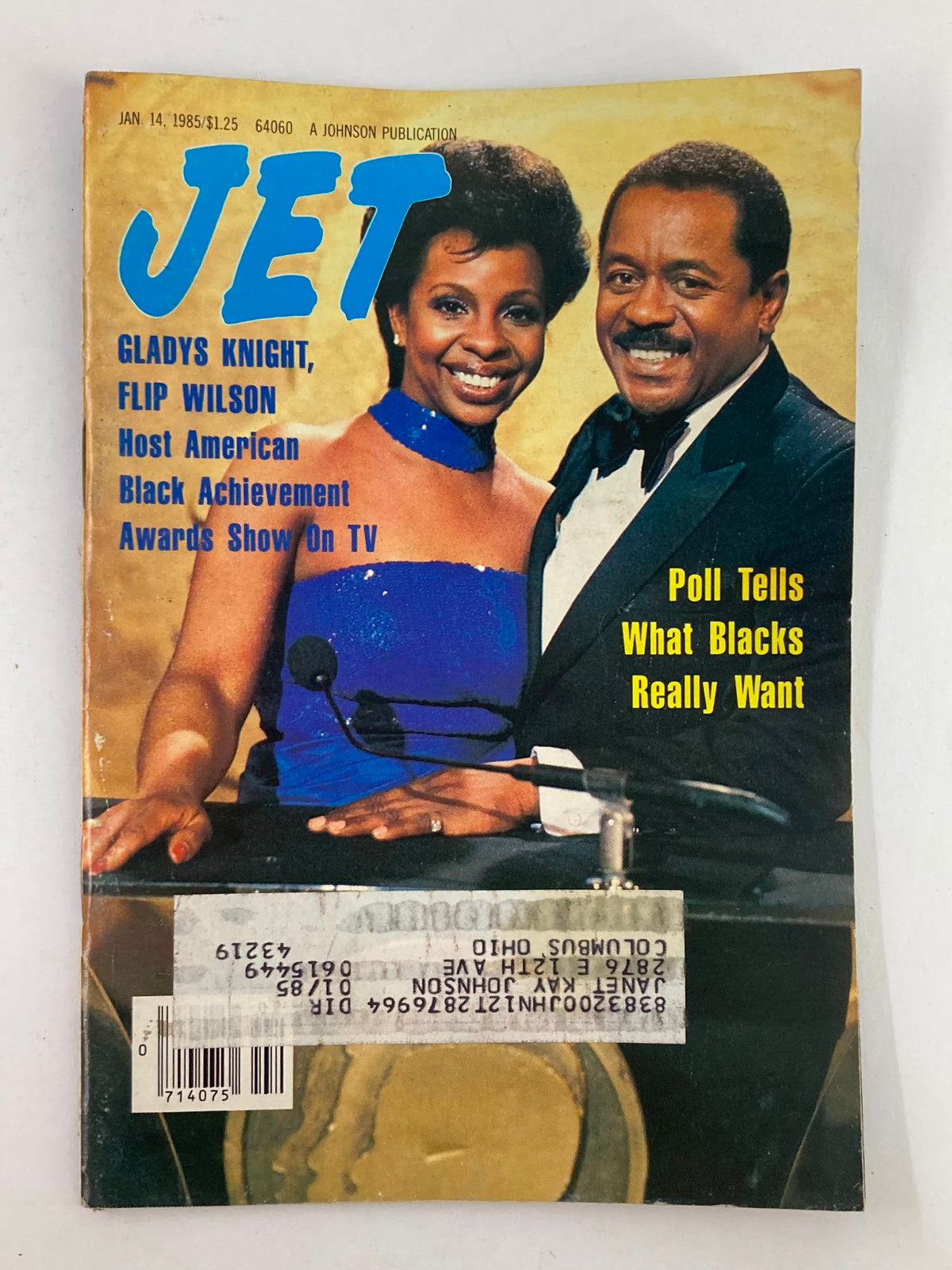
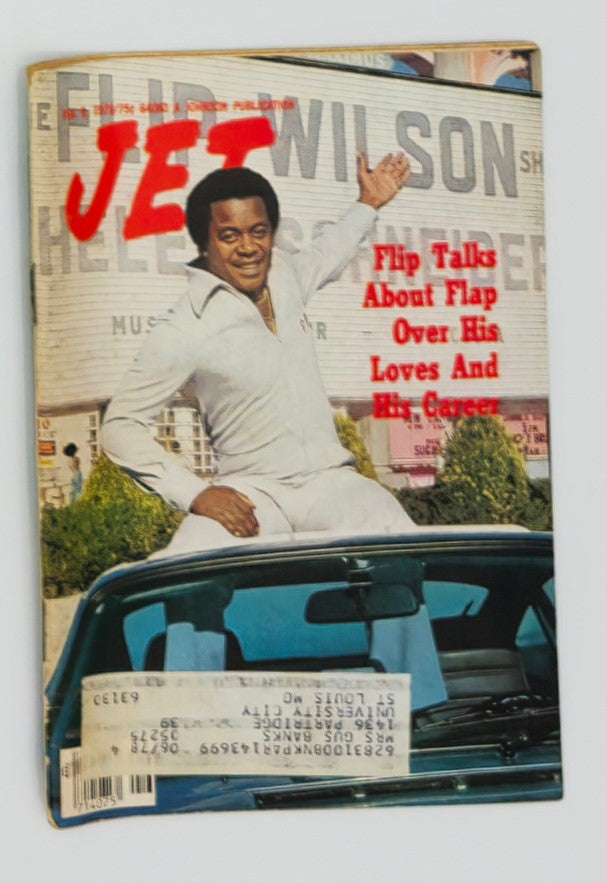
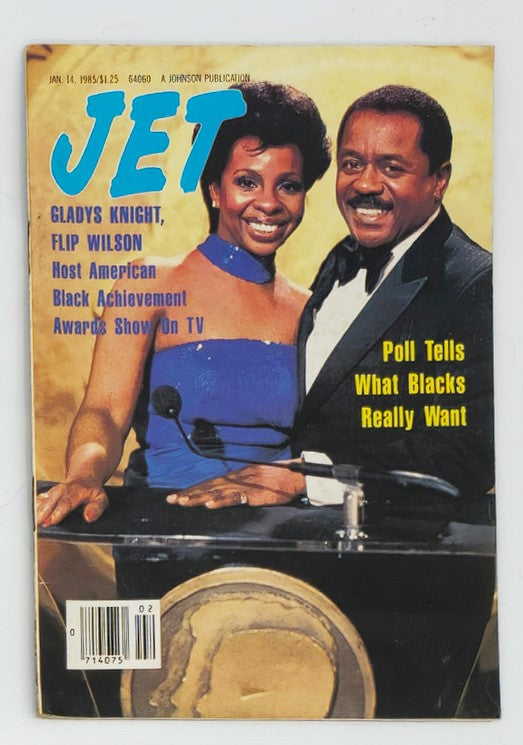
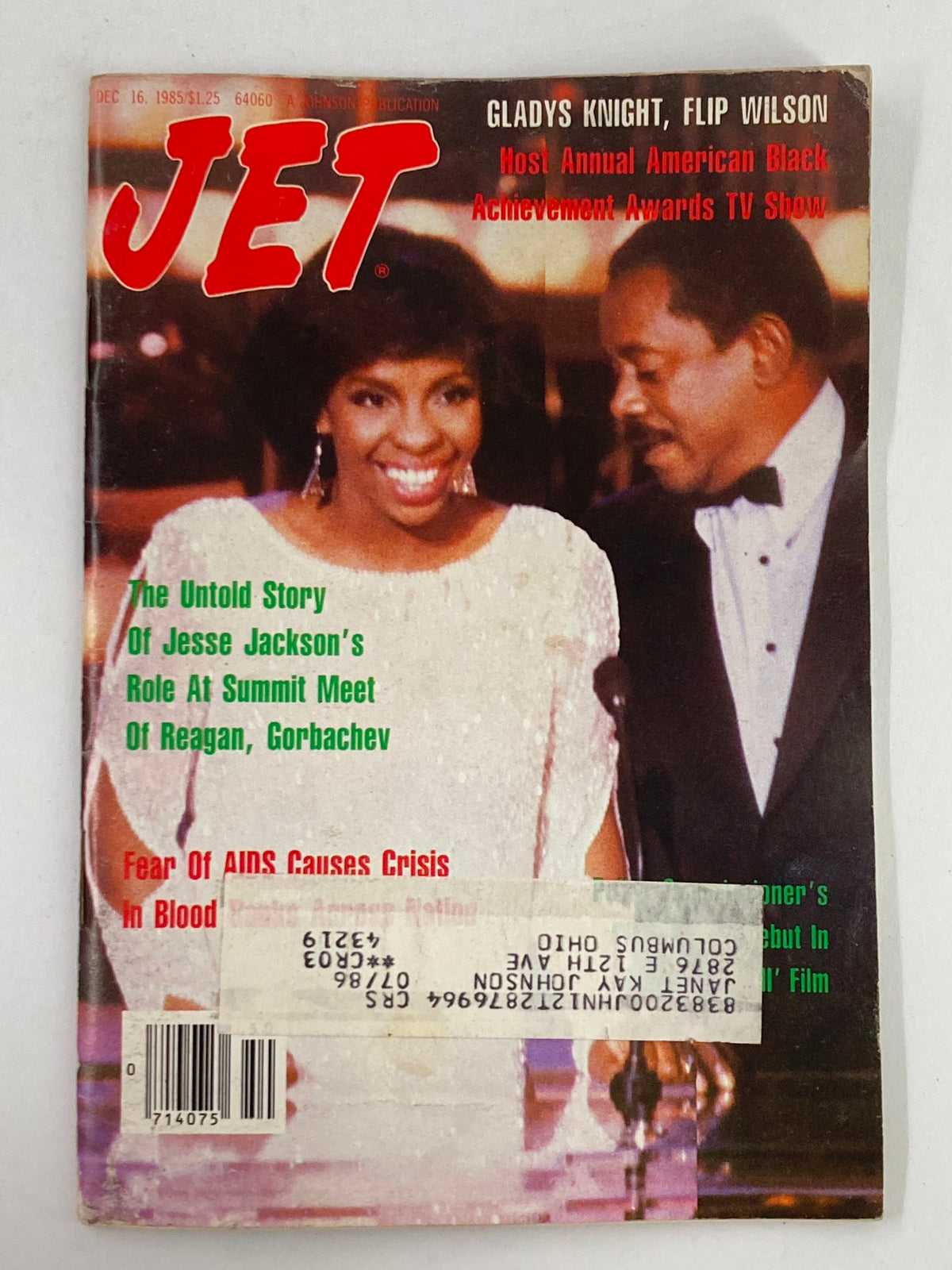
Vintage magazines of the early 1970s approached the comedian with a mixture of genuine fascination and celebratory reverence, their photographers capturing him mid-performance — eyes wide, arms animated, the physical comedy fully alive even in a still frame — as well as in quieter, more intimate portrait sessions that revealed the warmth and intelligence beneath the showmanship. Ebony and Jet, the twin pillars of Black American print culture, chronicled his rise with particular pride, framing his success as both a personal triumph and a communal milestone, running in-depth features on his life story, his parenting, and his place in the broader landscape of Black excellence. TV Guide, the most widely circulated magazine in America during that era, featured him repeatedly as his show dominated the ratings, its covers and centerfold profiles reaching tens of millions of suburban and rural households alike. Meanwhile, mainstream weeklies such as Life treated him as a full-fledged American phenomenon, with the sweeping photographic storytelling for which that publication was legendary — images that placed him squarely in the cultural conversation alongside presidents, athletes, and astronauts.
Curator's Checklist: Highlights Often Include
- Prime-Time Coronation Coverage — Feature stories and cover appearances tied to the landmark premiere and peak seasons of The Flip Wilson Show (1970–74), often accompanied by full-color photography from the set and interviews reflecting on what his success meant for television history.
- Geraldine Jones Spotlight — Editorial features celebrating his beloved drag character, one of the most recognized comic personas in American pop culture, with costume photography and behind-the-scenes glimpses that readers found endlessly entertaining.
- Grammy & Emmy Recognition — Coverage surrounding his Grammy Award for Best Comedy Recording and his Emmy nominations, positioning him among the elite entertainers of his generation.
- Personal Profile Features — Deeply reported long-form pieces, particularly in Ebony and Jet, exploring his impoverished upbringing, time in the Air Force, and journey through the comedy club circuit — the kind of biographical storytelling that only a magazine's unhurried format could accommodate.
- Guest Star & Hollywood Cross-Coverage — Issues of entertainment and celebrity weeklies featuring ensemble casts, variety show retrospectives, or "best of television" roundups in which the trailblazing comedian figures prominently alongside the era's greatest stars.
The Collector's Value
To hold one of these magazines is to hold a document of a precise and extraordinary cultural moment — the paper slightly stiff or supple depending on its years, the ink carrying that unmistakable musk of mid-century American printing, the advertisements surrounding the editorial pages a vivid time capsule of the fashions, automobiles, and consumer dreams of the Nixon era. These are not reprints or digital scans; they are primary sources, the very objects that a family in Cleveland or a teenager in Atlanta held in their hands when they first read about this groundbreaking entertainer's conquest of prime-time America. The comedy is frozen in perfect amber. For collectors of vintage Black cultural history, classic American television memorabilia, or 1970s pop culture ephemera, these publications offer an irreplaceable tactile connection to a man and a moment that permanently altered the landscape of entertainment. Explore the current available inventory below and find the piece of history that speaks to you.