📖 About this Collection
Frank Robinson: The Fire That Refused to Fade
The Legend & The Legacy
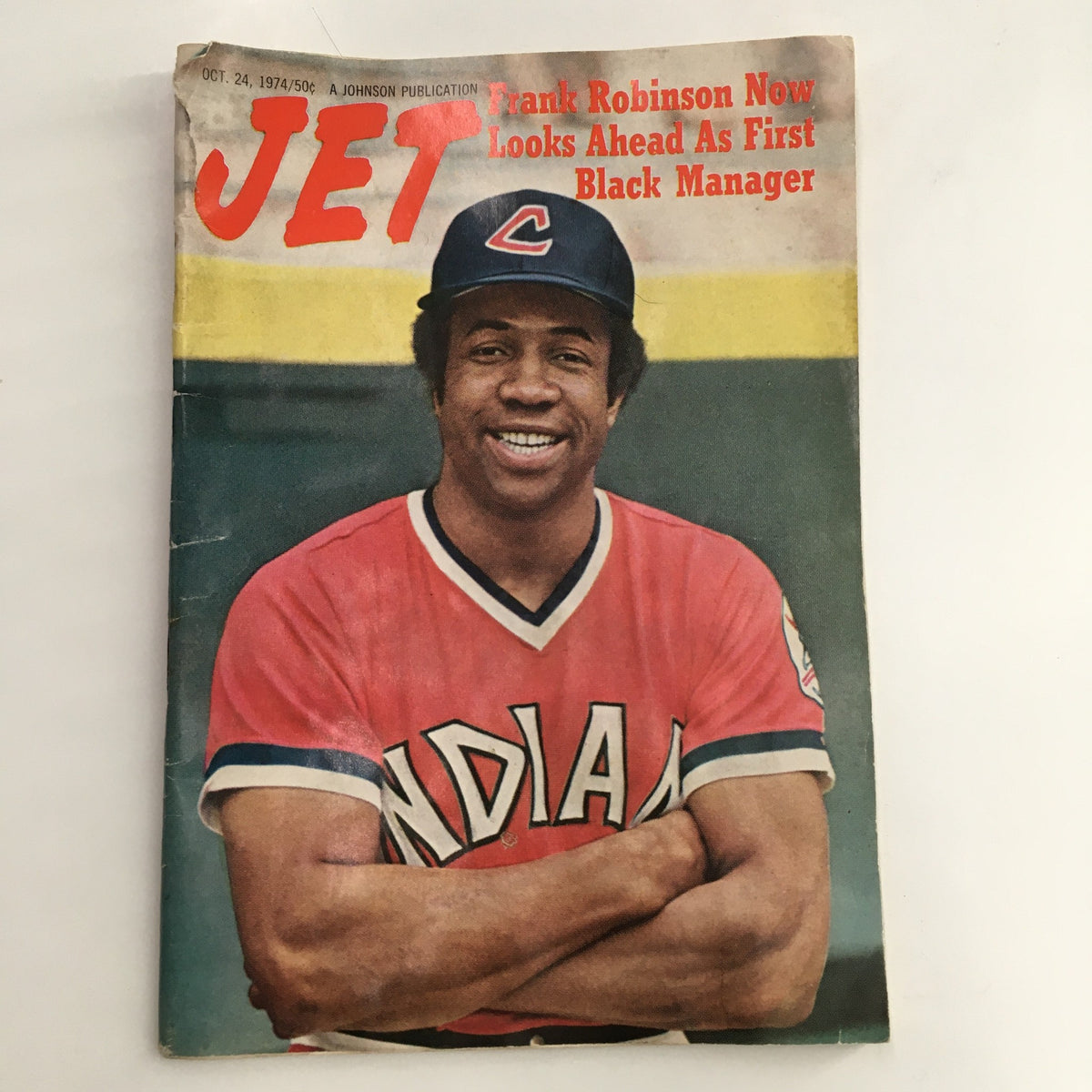
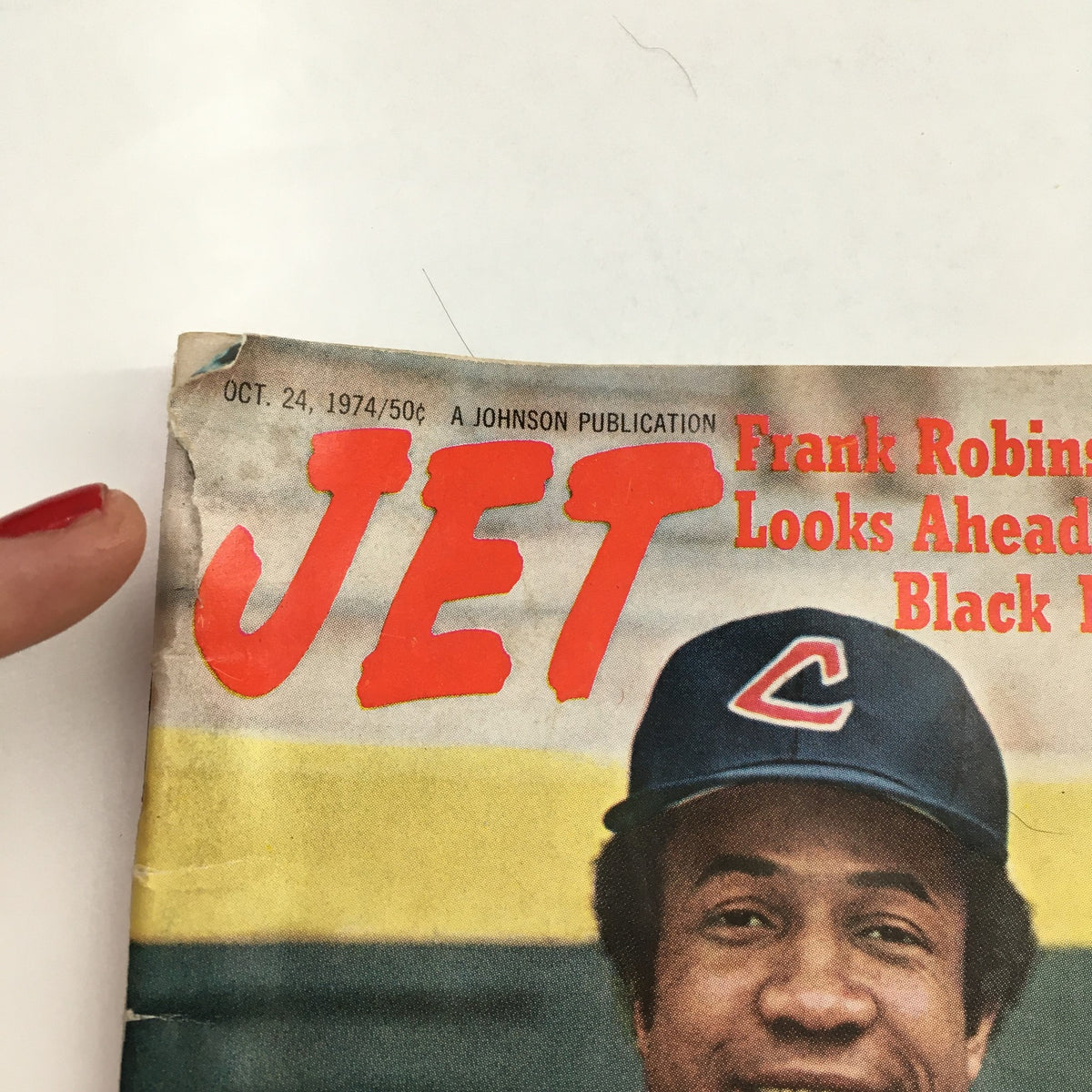
In an era when baseball was more than a sport — it was a civic religion, a weekly ritual played out across front porches and transistor radios — Frank Robinson commanded the national conversation with a ferocity that made headlines inevitable. He arrived in Cincinnati in 1956 as a raw, unapologetic force of nature, and over the next two decades he would rewrite the record books with a bat held dangerously close to the plate and a will that no pitcher could move back. When the Cincinnati Reds traded him to the Baltimore Orioles in 1966, dismissing him as "an old thirty," Robinson answered the slight in the most dramatic terms imaginable: a Triple Crown, a World Series championship, and unanimous MVP awards in both leagues — a feat no player had ever achieved. Then came 1975, when the Cleveland Indians named him player-manager, making him the first Black manager in Major League Baseball history, a milestone that landed with the full cultural weight of a nation still reckoning with its own conscience. Before social media, before the 24-hour sports cycle, Americans learned of these moments through ink pressed onto glossy stock — turning pages in barbershops, dugout tunnels, and living room armchairs, drinking in the image of a man who simply refused to be diminished.
Inside the Archive
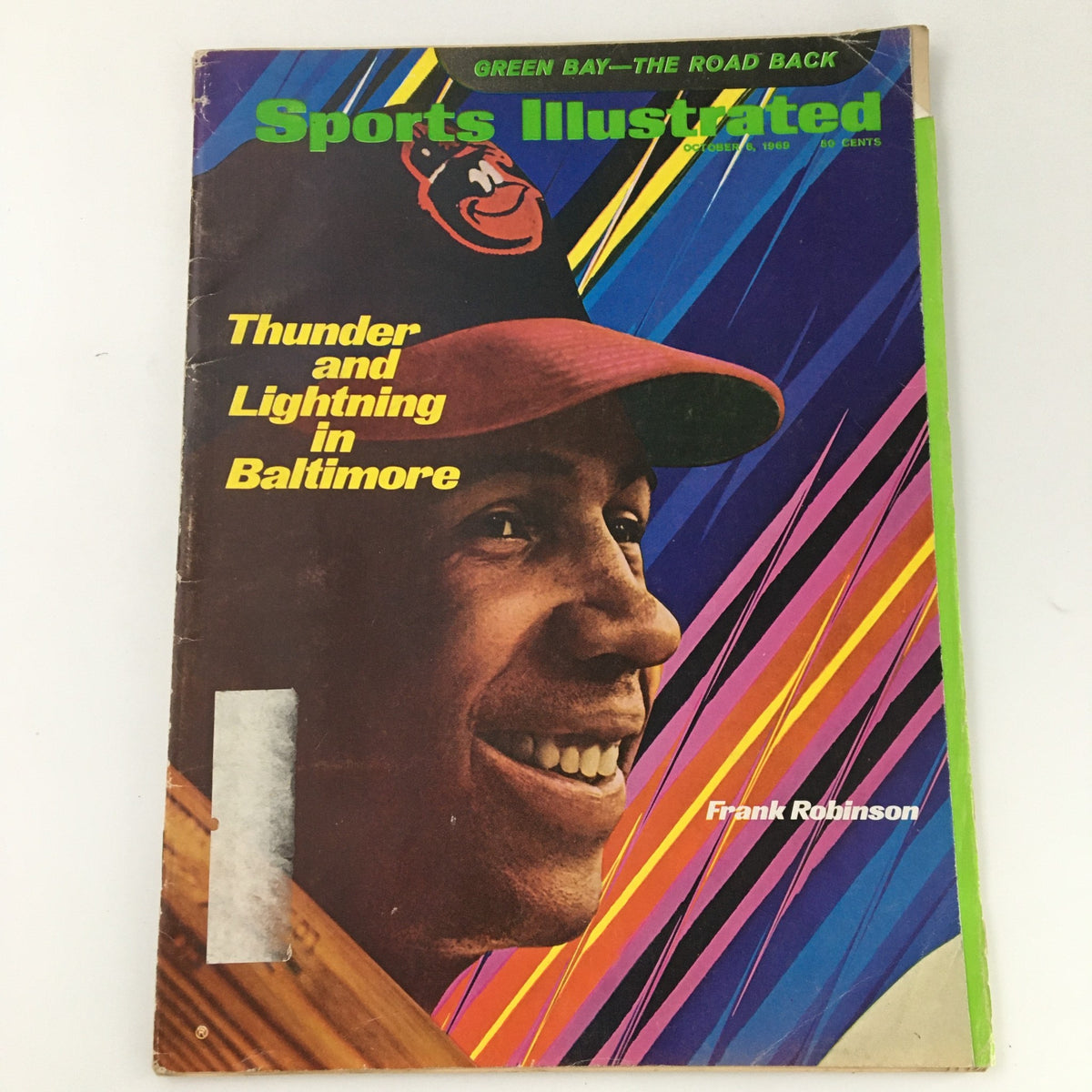
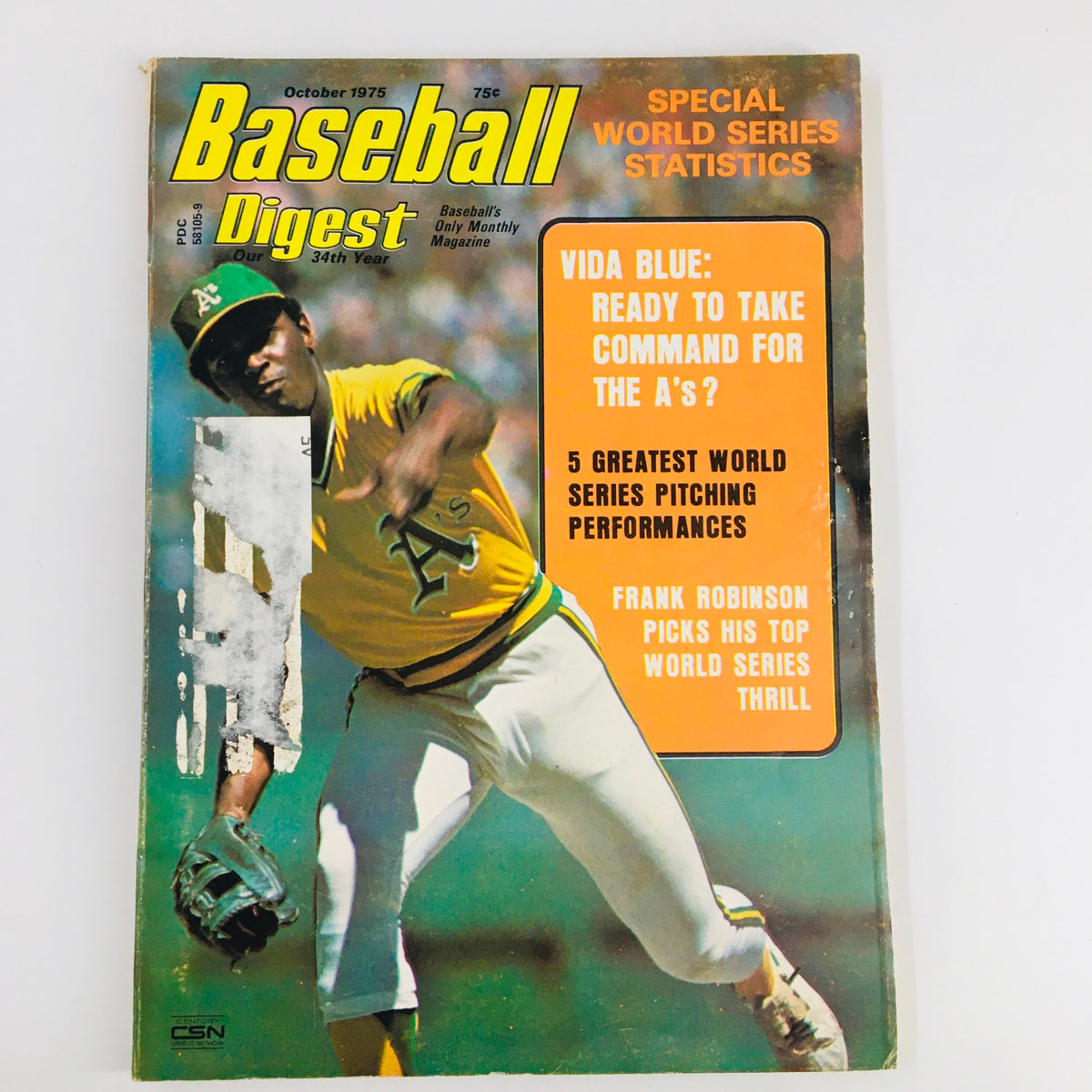
Vintage magazines of the 1950s through the 1980s captured the trailblazing slugger with an editorial intensity befitting his stature. Sports Illustrated, which came of age alongside Robinson's own career, returned to him repeatedly — covering not just his statistical dominance but the harder, more urgent story of a Black athlete navigating a sport and a country in transformation, often pairing stark, unguarded photography with long-form journalism that read more like literature than sportswriting. Ebony magazine, the essential chronicle of Black American achievement and culture, recognized his significance beyond the box score, framing him as a symbol of dignity and defiance for its millions of readers at a time when such representations were radical acts of publishing. Life magazine, with its sweeping visual storytelling, documented the spectacle of his record-breaking home runs and his historic managerial appointment with the gravitas typically reserved for heads of state — full-bleed photography that made the baseball diamond feel as monumental as any stage in the world. International sports publications from Japan, where baseball commanded a devoted following, also tracked his career with reverence, reflecting the genuinely global reach of his legend.
Curator's Checklist: Highlights Often Include
- Triple Crown & 1966 World Series coverage — Issues from the fall and winter of 1966 frequently feature Robinson's sweep of the American League's highest individual honors and Baltimore's championship run, often with dramatic action photography and extended analytical features on the trade that changed both franchises forever
- The 1975 Historic Managerial Appointment — Publications from that landmark season often carry the weight of the moment explicitly, framing the Cleveland Indians news within the broader civil rights narrative and the long arc of baseball's integration since Jackie Robinson
- All-Star Game & Home Run Derby features — As a perennial fixture in Midsummer Classic lineups across two decades, the Cincinnati Reds and Baltimore years produced a rich body of mid-season magazine coverage celebrating his selection and performance
- Retirement tributes & Hall of Fame induction (1982) — Collectors frequently encounter retrospective issues marking his enshrinement in Cooperstown, with sweeping career retrospectives and portrait photography that capture the full sweep of a twenty-one-year playing career
- Civil rights era sports journalism — Issues that place his career within the broader context of racial integration in professional sports, particularly from publications that covered the intersection of athletics and the American civil rights movement throughout the 1960s and 1970s
The Collector's Value
There is something irreplaceable about holding a magazine that was printed the same week Frank Robinson stood in a Cleveland dugout for the first time as a manager — the paper slightly yellowed at the edges, the ink carrying that particular mineral warmth that modern digital reproductions can never simulate, the surrounding advertisements a portal back to a world of rotary phones and muscle cars and ten-cent candy bars that makes the baseball story feel all the more vivid by contrast. These are primary sources, not reprints or facsimiles, and they carry the authority of their moment: the editorial urgency of a writer on deadline, the photographer's unposed instinct, the cultural assumptions of the era pressed permanently into the grain of the page. For collectors of vintage baseball memorabilia, African American history and civil rights artifacts, or mid-century American sports journalism, these publications offer an intimacy with the past that no trophy or trading card can quite replicate — a sense of sitting shoulder-to-shoulder with the original audience, seeing the legend unfold in real time. Browse the current available inventory below and discover which pieces of this remarkable story are waiting to find their next keeper.