📖 About this Collection
Fred Astaire: The Man Who Made the Air His Stage
The Legend & The Legacy
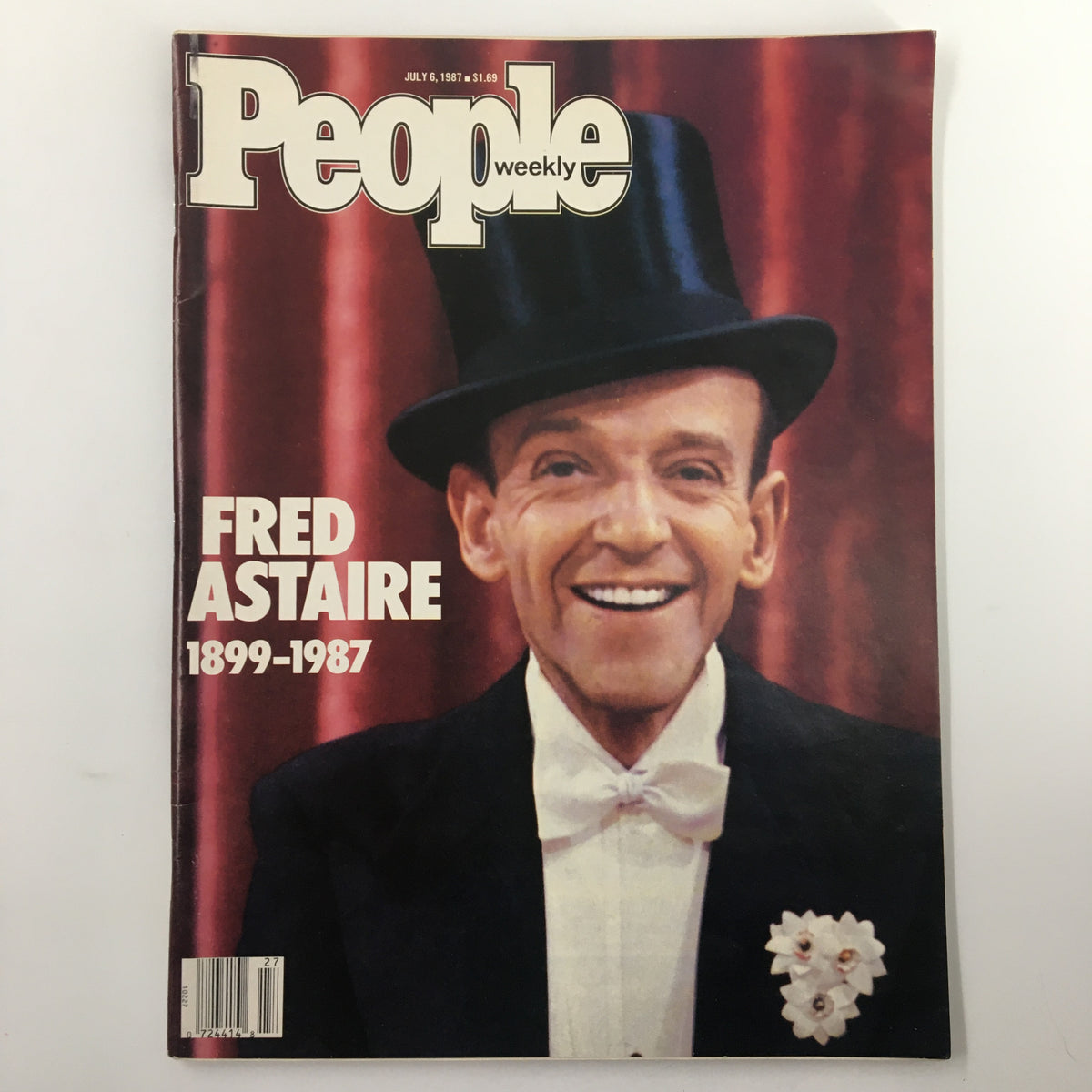
Before streaming platforms, before YouTube tutorials, before the culture could be archived in an instant, there was only one way to witness the phenomenon of Fred Astaire between performances: the magazine. He was not merely a dancer or a film star — he was a civilizing force, a figure who made elegance feel democratic and effortless seem like the highest form of discipline. From his Broadway debut in the 1920s through his golden reign at RKO alongside Ginger Rogers in the 1930s and into his rich second act at MGM in the 1940s and '50s, the man with the top hat and the impossible feet captivated the world through celluloid and, crucially, through print. Readers in Omaha and Paris alike turned pages to find him — mid-leap in a tuxedo, lounging on a film set, dissecting choreography with the precision of an architect — and in those glossy pages, they found a window into a world of grace that the cinema alone could not fully satisfy. He was the rare entertainer whose still image somehow suggested motion, and the magazine industry, in its mid-century prime, was uniquely equipped to capture that paradox.
Inside the Archive
Vintage magazines covered the Astaire phenomenon with the reverence one reserves for genuine national treasures. Life magazine — the supreme visual chronicle of American life — returned to him repeatedly, deploying its finest photographers to capture the fluidity and control that defined his movement, often in behind-the-scenes studio spreads that revealed the obsessive rehearsal beneath the apparent spontaneity. Photoplay, the bible of Hollywood fandom, charted the arc of his celebrity from Broadway transplant to screen immortal, offering intimate profiles that fed a public hungry to understand how one man could make Fred look so effortlessly human while performing the superhuman. Across the Atlantic, Picture Post in Britain treated him as something approaching royalty — the American export who had charmed London before Hollywood claimed him — with full-page spreads that contextualised his stardom within the broader, anxious glamour of the Depression and wartime eras. The editorial tone across these publications was invariably one of awe kept politely in check: writers strained to find the vocabulary for what he did, while photographers simply let the frame do the astonishing work.
Curator's Checklist: Highlights Often Include
- Golden-era Hollywood studio features — richly photographed spreads from the RKO years documenting the iconic Astaire-Rogers partnership, often including candid rehearsal photography and formal studio portraiture from films such as Top Hat, Swing Time, and Shall We Dance
- Broadway origins and transition coverage — period publications from the late 1920s and early 1930s chronicling his stage career with sister Adele, representing some of the earliest and most collectible print documentation of his pre-Hollywood persona
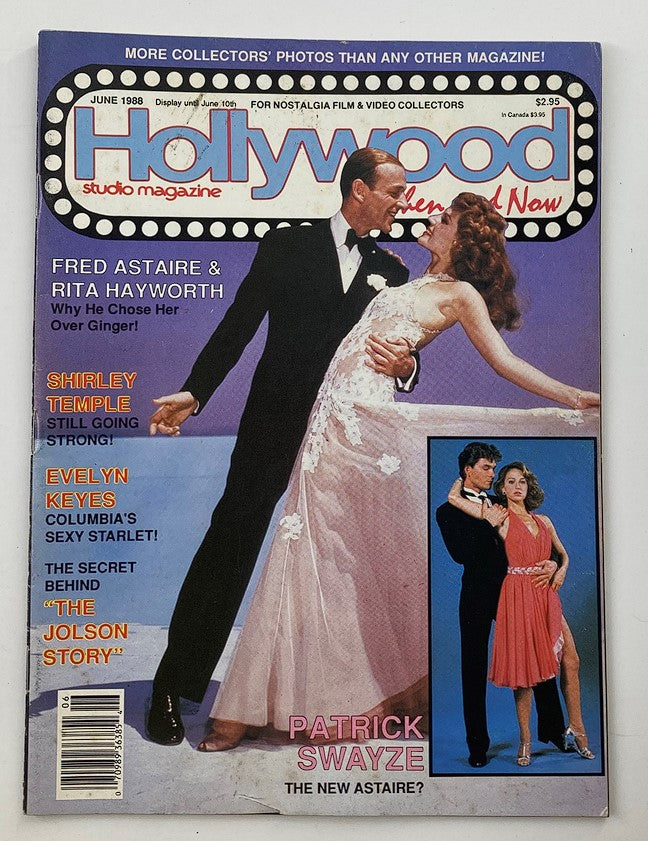
- Mid-century MGM-era profiles — editorial features from the late 1940s and '50s capturing his celebrated artistic reinvention alongside Judy Garland, Cyd Charisse, and Audrey Hepburn, reflecting a more mature, auteur-driven phase of his career
- Fashion and style coverage — appearances in menswear and lifestyle contexts, given his legendary status as a style icon, with Esquire and similar titles often citing him as the definitive model of dressed American elegance
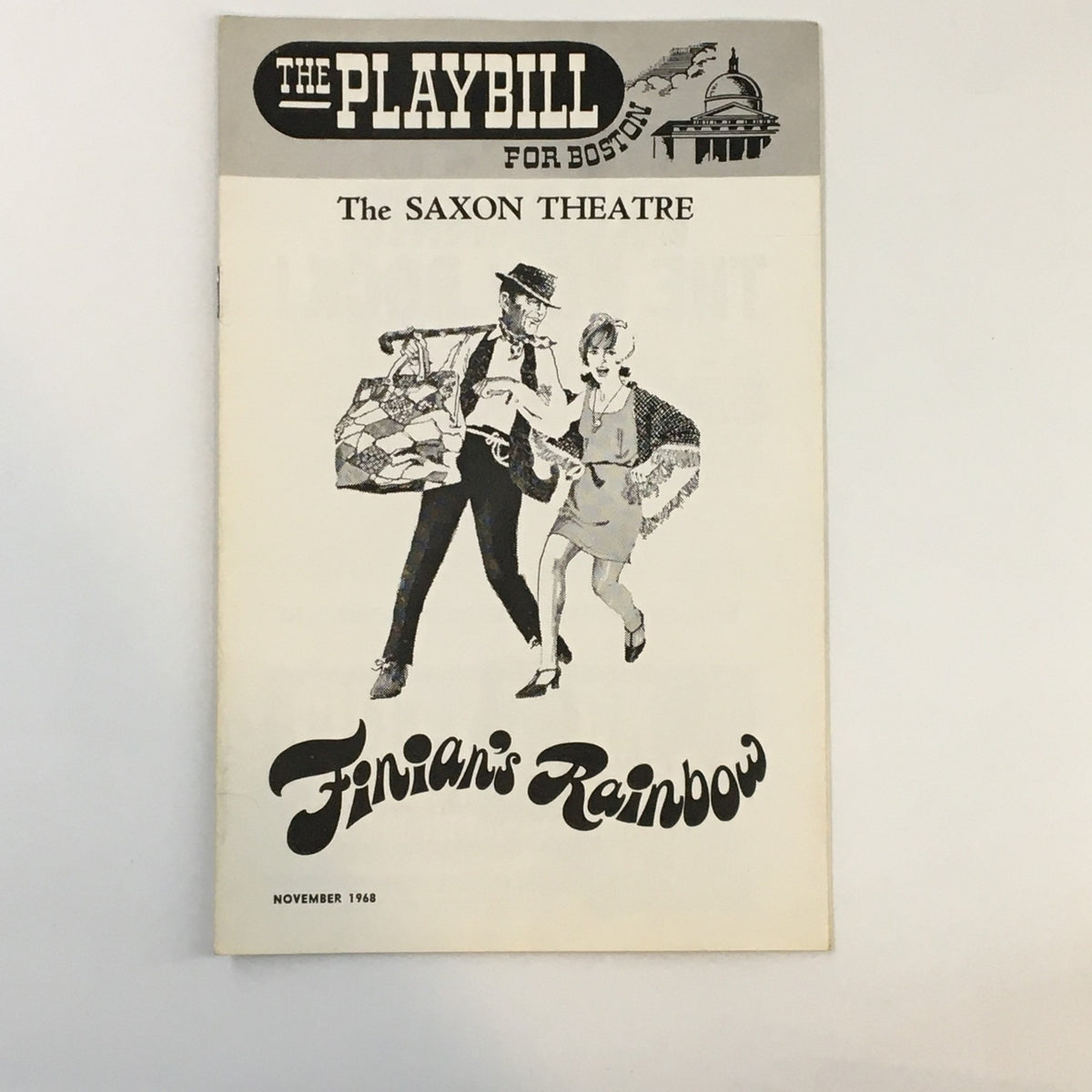
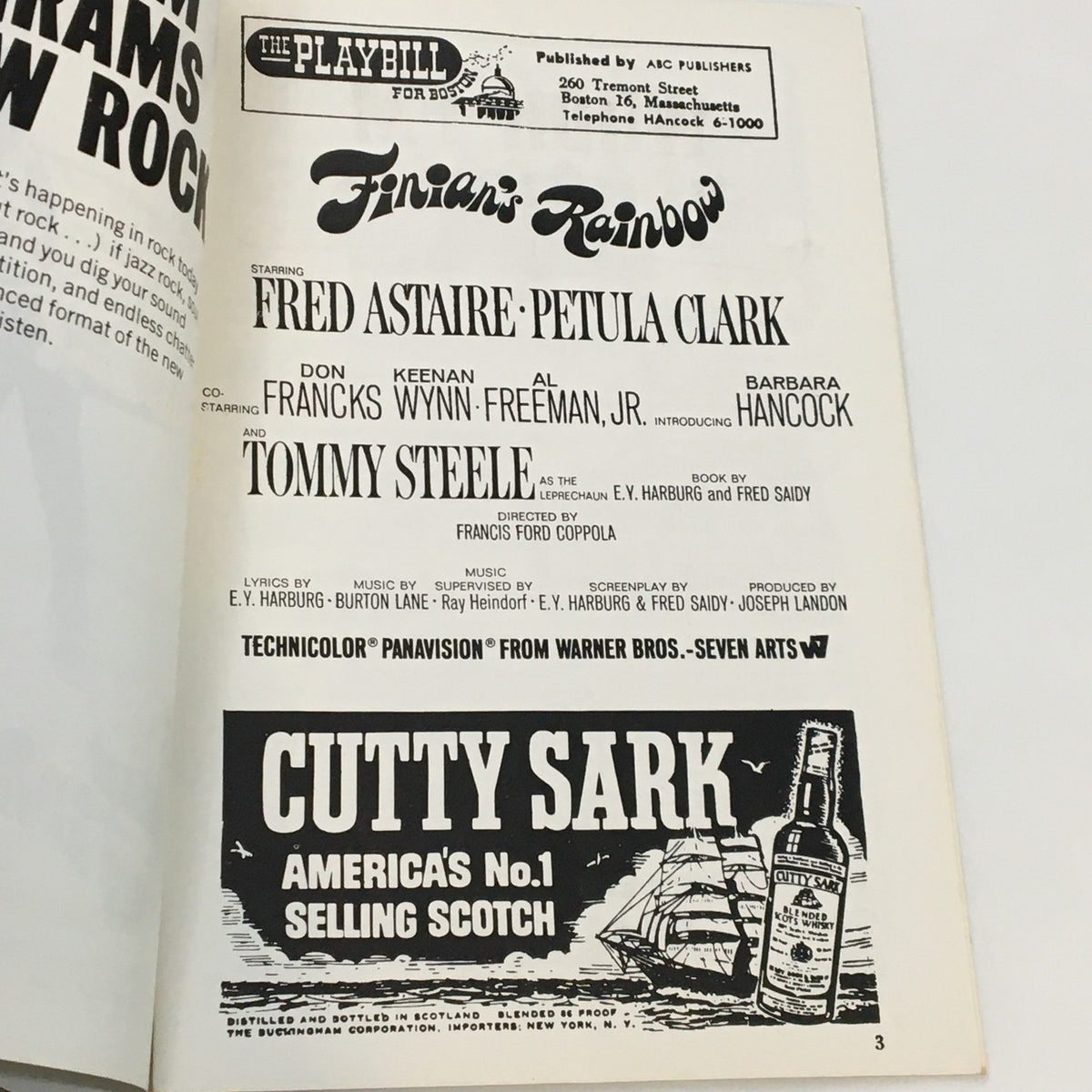
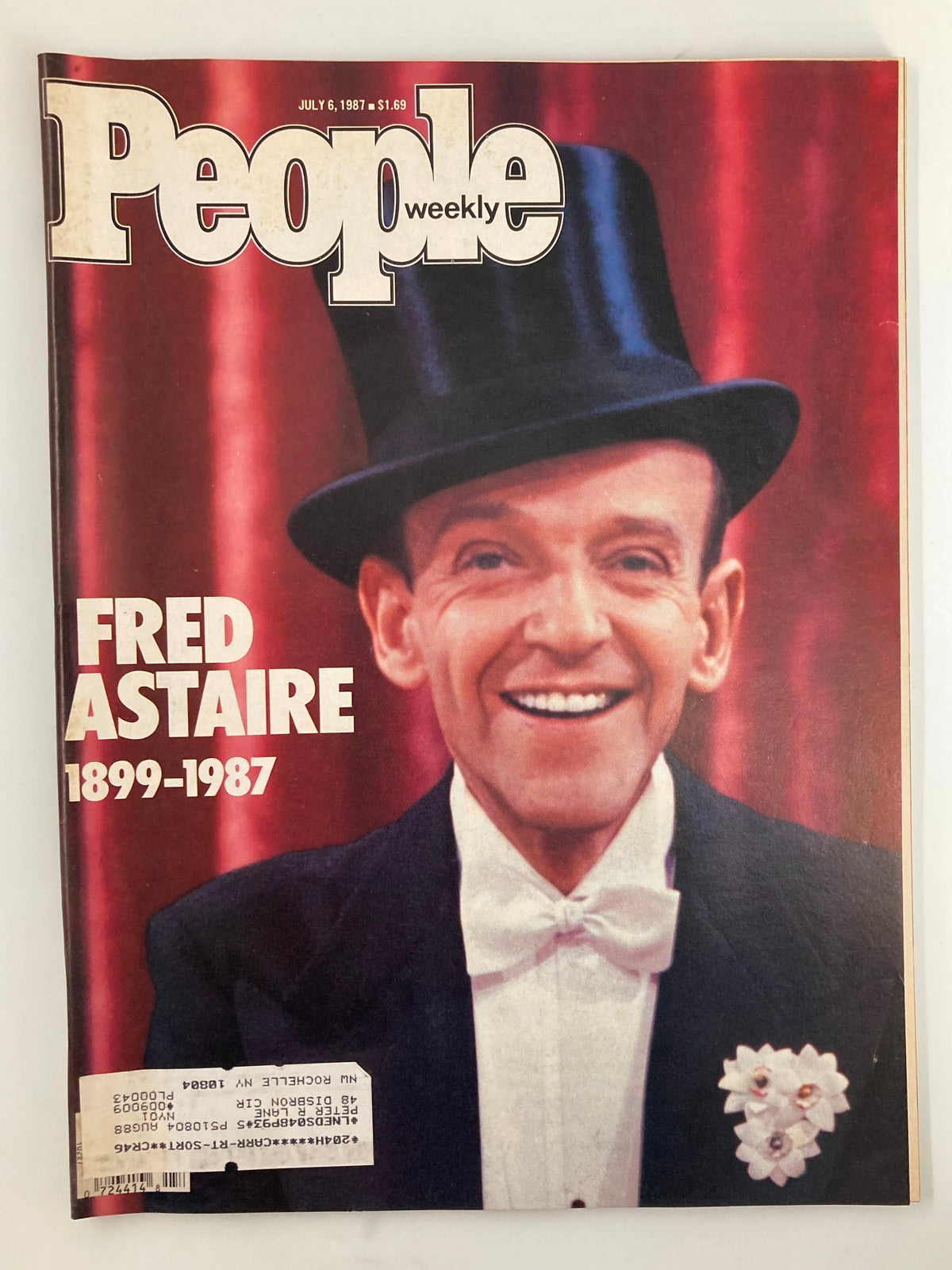
- Television transition and lifetime achievement features — later-era profiles from the 1960s and '70s, including coverage of his dramatic acting work and retrospective tributes, offering collectors a full-arc view of one of the 20th century's most complete entertainers
The Collector's Value
To hold a mid-century magazine featuring Fred Astaire is to hold something irreplaceable — not a reproduction, not a scan, but the very object that a reader in 1937 or 1953 pulled from a newsstand and carried home with trembling anticipation. The paper stock tells its own story: the slight foxing at the edges, the weight of coated pages that once carried the finest printing technology the era could muster, the faint perfume of old ink that no digital archive has ever managed to replicate. The surrounding context — the advertisements for Chesterfield cigarettes, the Pan Am travel notices, the Cadillac spreads — restores the full atmosphere of the world in which he was worshipped, making each issue a time capsule rather than a mere curiosity. For collectors of Hollywood golden age memorabilia, dance and performing arts history, or mid-century Americana and lifestyle ephemera, these publications offer something no biography or documentary can approach: the living, breathing, unmediated record of how the world actually received this singular genius in real time, issue by issue, decade by decade. Explore the current available inventory below and find the piece of history that belongs in your collection.