📖 About this Collection
Mahatma Gandhi: The Soul Force That Shook an Empire
The Legend & The Legacy
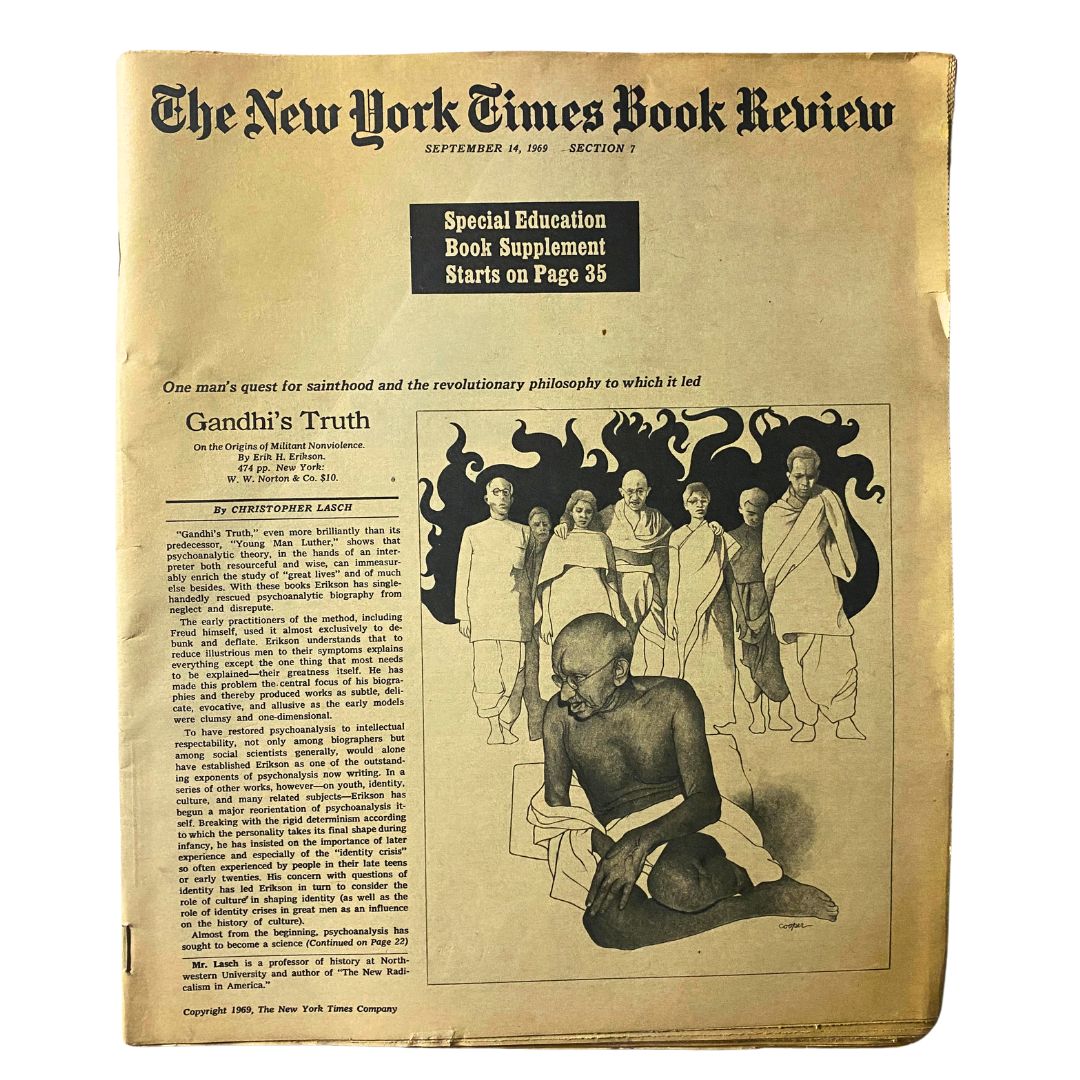
In the scorching heat of a Gujarat salt flat, a frail man in homespun cotton challenged the might of the British Empire with nothing but truth and a walking stick. Gandhi didn't merely lead India to independence—he rewrote the grammar of revolution itself, proving that moral conviction could bend history more powerfully than any army. His philosophy of satyagraha—soul force—rippled across oceans and decades, teaching a young minister in Montgomery and a prisoner on Robben Island that oppression crumbles not under violence, but under the weight of conscience. The spinning wheel, the hunger strike, the barefoot march: these became the vocabulary of dignity in an age desperate for alternatives to bloodshed.
Inside the Archive
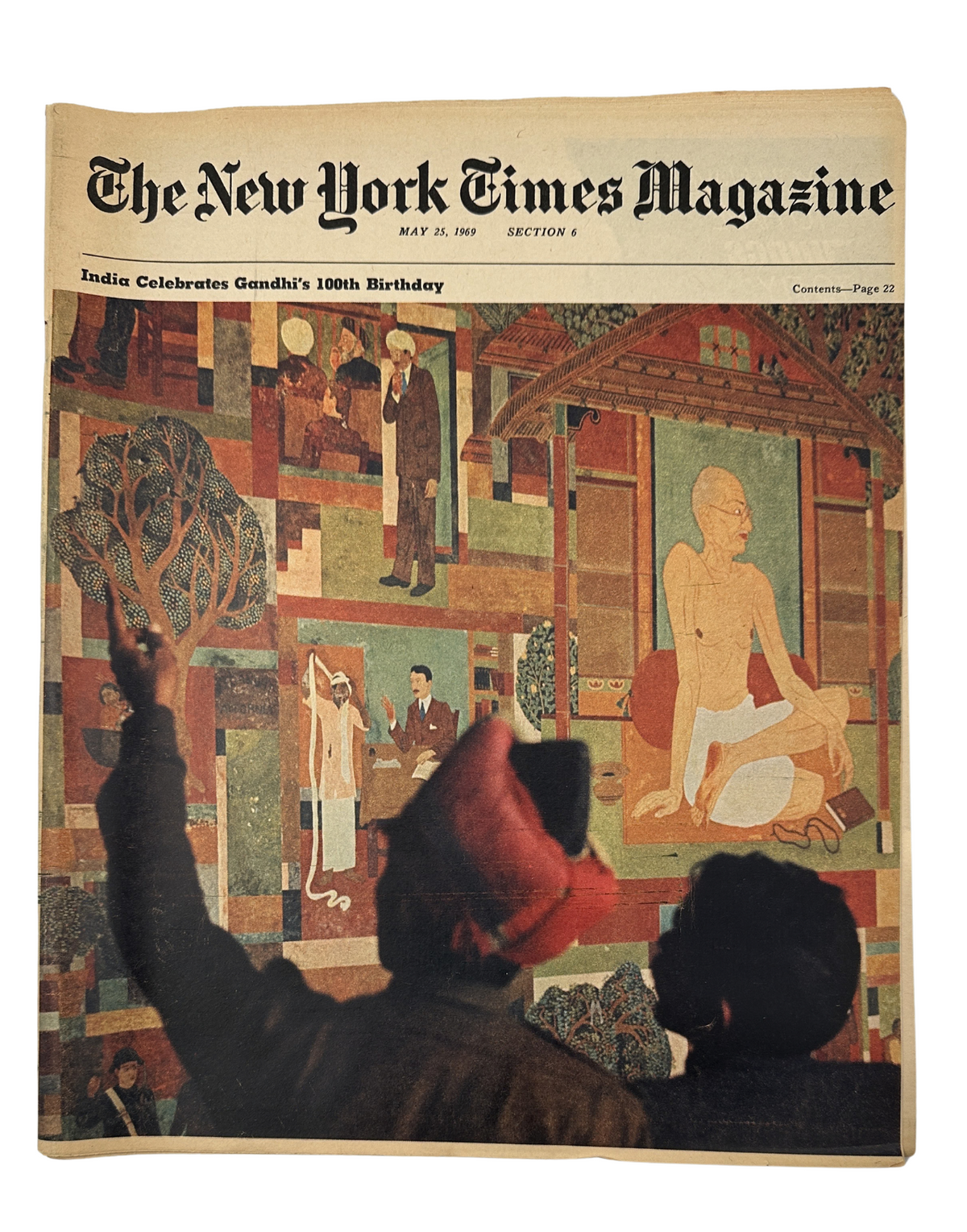
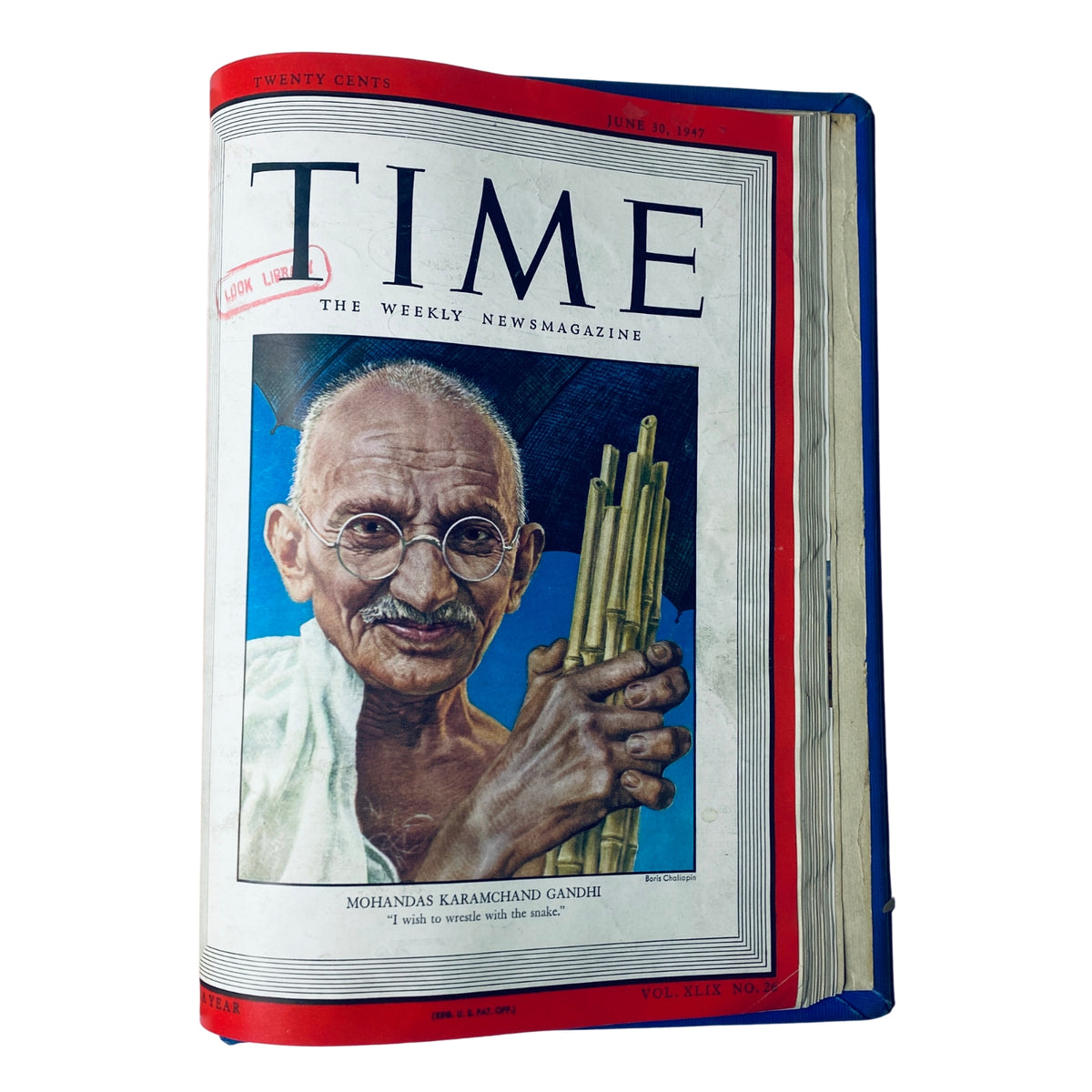
The periodicals of Gandhi's era captured a figure who bewildered and fascinated Western editors in equal measure. Time, Life, and The Illustrated London News dispatched photographers to document the paradox: a Cambridge-educated lawyer who dressed like a peasant, a political tactician who spoke in parables, a revolutionary who wielded fasting as his weapon. The photography is striking—Gandhi at the spinning wheel, Gandhi negotiating with viceroys, Gandhi surrounded by villagers—each frame attempting to decode a man who defied every colonial expectation. Editorial coverage ranges from early skepticism to eventual reverence, tracing the West's gradual understanding that this "half-naked fakir" (as Churchill dismissively called him) was architecting something unprecedented: a nonviolent overthrow of empire.
Curator's Checklist: Highlights Often Include
- The Salt March Chronicles: Explosive reportage from April 1930, when Gandhi's 240-mile walk to the Arabian Sea turned crystallized brine into a symbol of self-reliance and sparked mass civil disobedience across the subcontinent.
- Quit India Reverberations: Wartime coverage of the 1942 movement that demanded immediate British withdrawal, featuring dramatic accounts of arrests, protests, and the moral tension between Allied loyalty and colonial injustice.
- Partition's Agony: Heartrending photo essays and dispatches from 1947–1948 documenting Gandhi's tireless (and ultimately tragic) campaign for Hindu-Muslim unity amid the violence of independence and partition.
- Assassination Tributes: Global outpouring editions from January–February 1948, with Einstein, Nehru, and world leaders eulogizing the architect of nonviolence—and grappling with the irony of his violent death.
- Philosophy Profiles: In-depth features exploring ahimsa (nonviolence), the autobiography experiments with truth, and the spiritual foundations that connected Thoreau, Ruskin, and the Bhagavad Gita into a practical politics of resistance.
The Collector's Value
Original magazines documenting Gandhi's journey represent more than historical artifacts—they're primary texts of moral philosophy in action, preserved in ink and paper from the moment the world was still learning his name. These pages hold the first draft of a legacy that continues to shape how movements organize, how leaders inspire, and how ordinary people claim dignity. For collectors of political history, spiritual biography, or the architecture of social change, Gandhi features offer unmatched depth and universal resonance. Explore our current inventory below to discover which chapter of this extraordinary peaceful revolution is available today.