📖 About this Collection
Garth Brooks: The Man Who Made Country Roar
The Legend & The Legacy
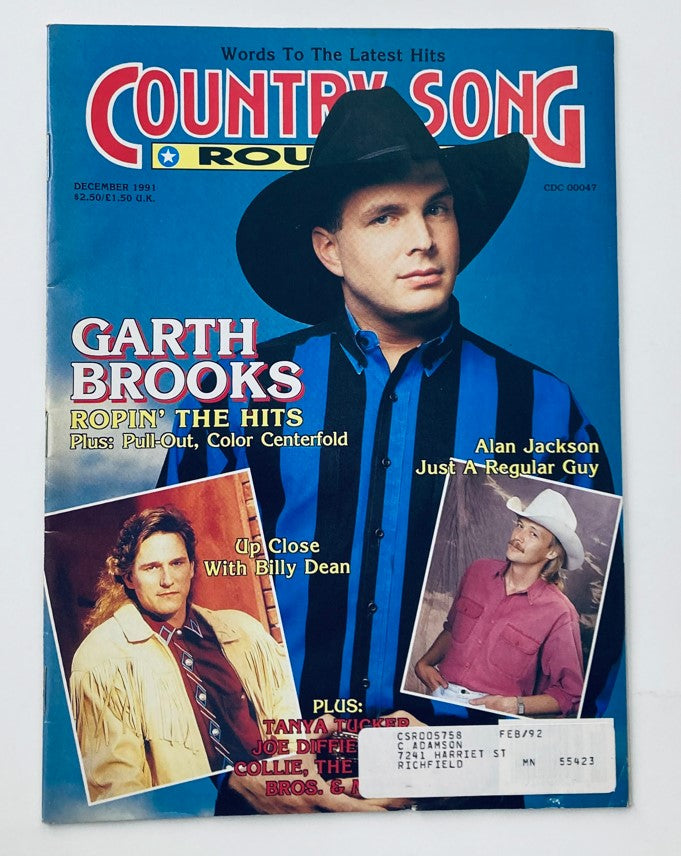
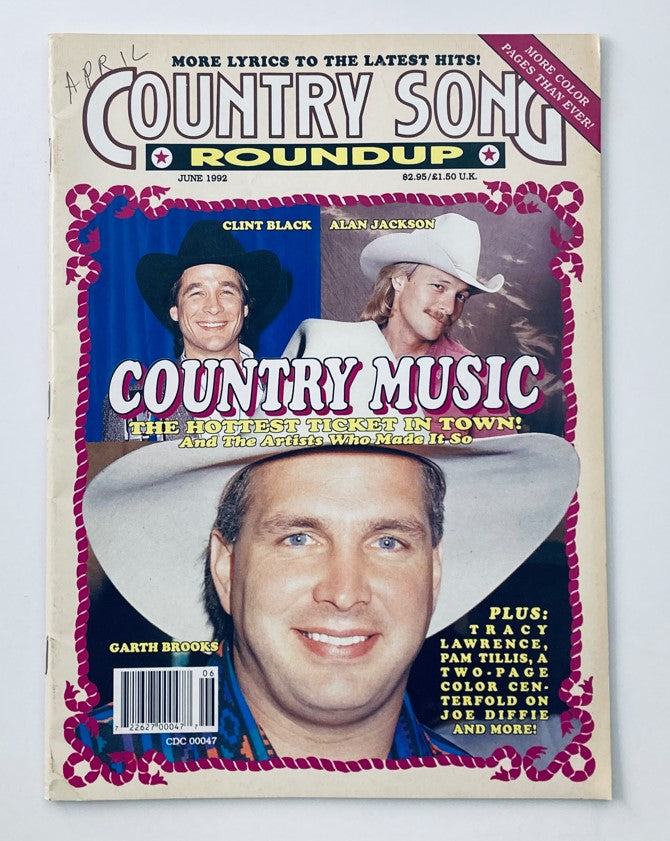
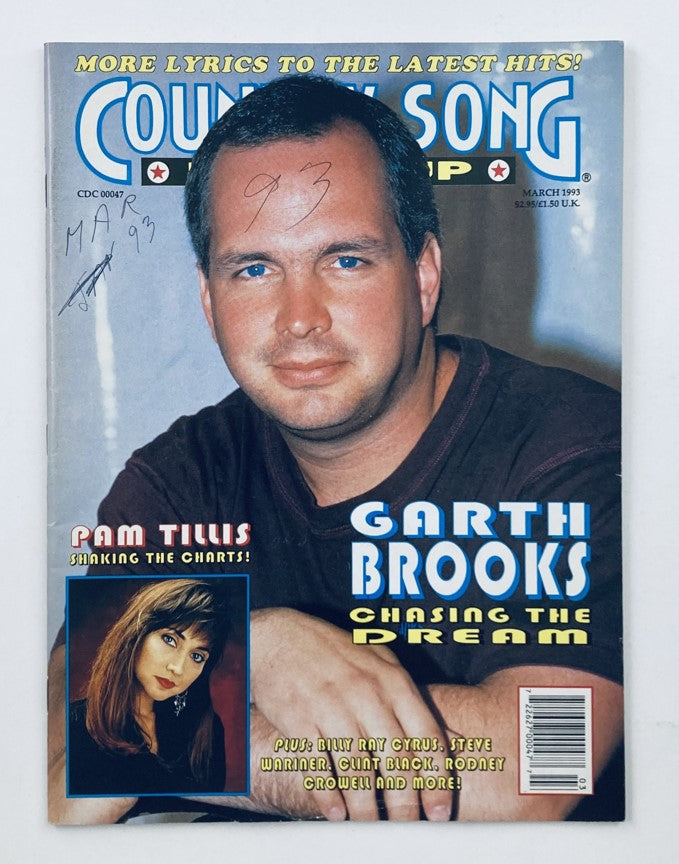
In the decade before the internet rewired the world's attention, a young man from Yukon, Oklahoma stepped onto the American stage and fundamentally altered the landscape of popular music. From his self-titled debut in 1989 through the seismic commercial dominance of Ropin' the Wind, The Chase, and Fresh Horses, the Oklahoma troubadour did something no country artist had ever done — he didn't just conquer Nashville, he conquered everything. By the mid-1990s, he had outsold the Beatles on domestic album charts, filled football stadiums with audiences who wept openly at his concerts, and collapsed the artificial wall between country radio and the mainstream pop audience. This was an era when the only way to follow that story — the meteoric ascent, the stadium spectacles, the personal turbulence, the headline-making retirement and return — was through the glossy pages of a physical magazine, delivered to your door or pulled from a rack at the corner drugstore. Print was the medium of record, and it captured every chapter with an intimacy the digital age has never quite replicated.
Inside the Archive
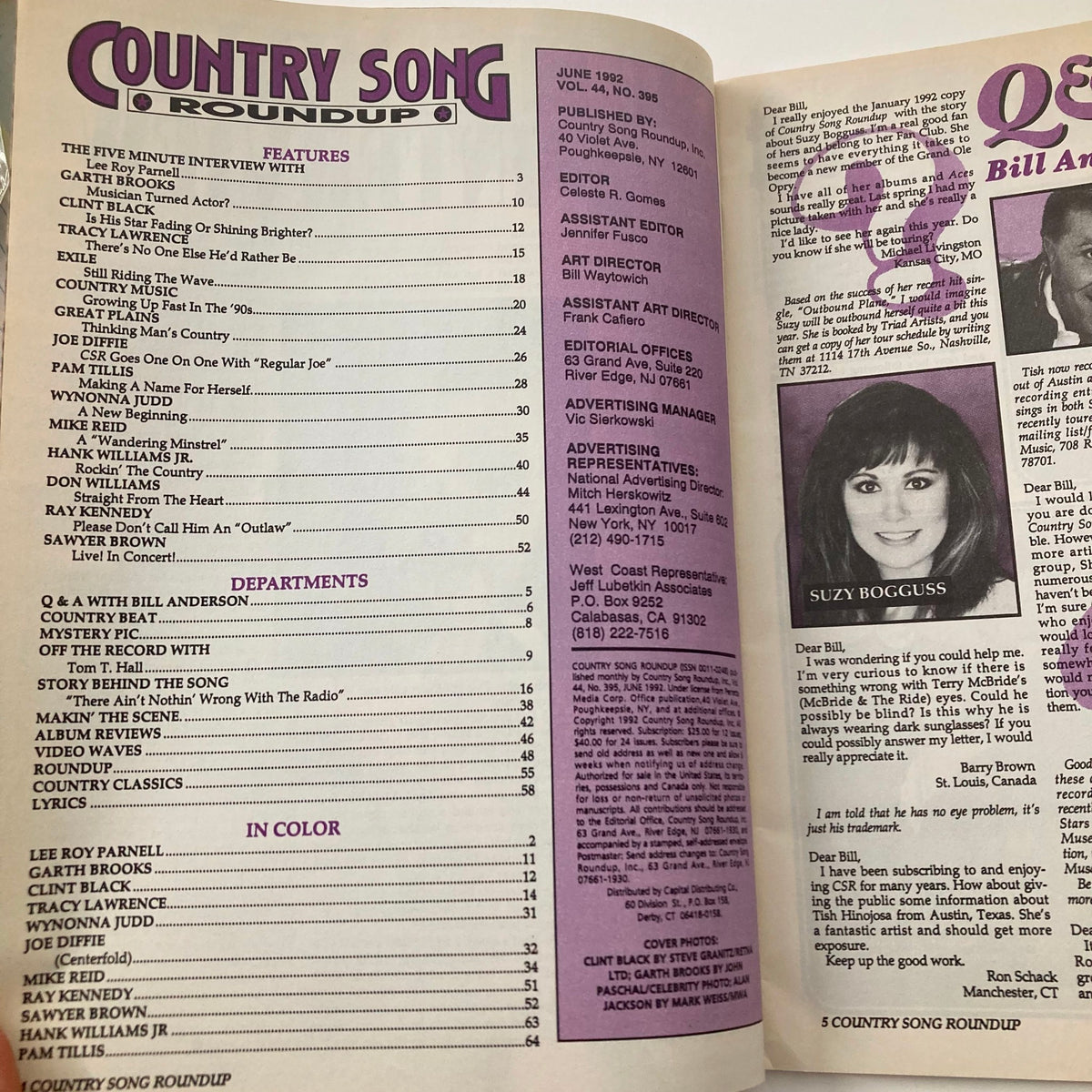
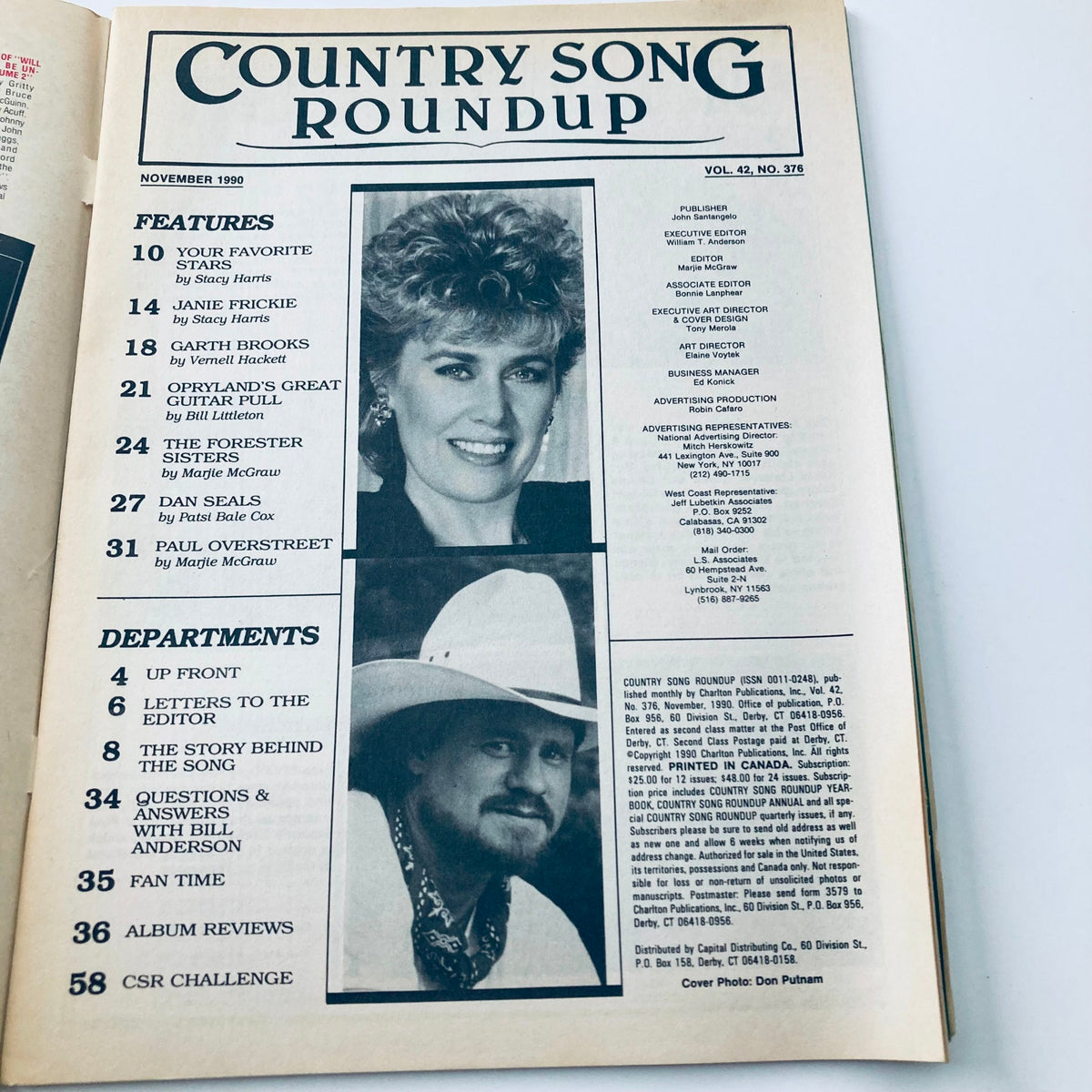
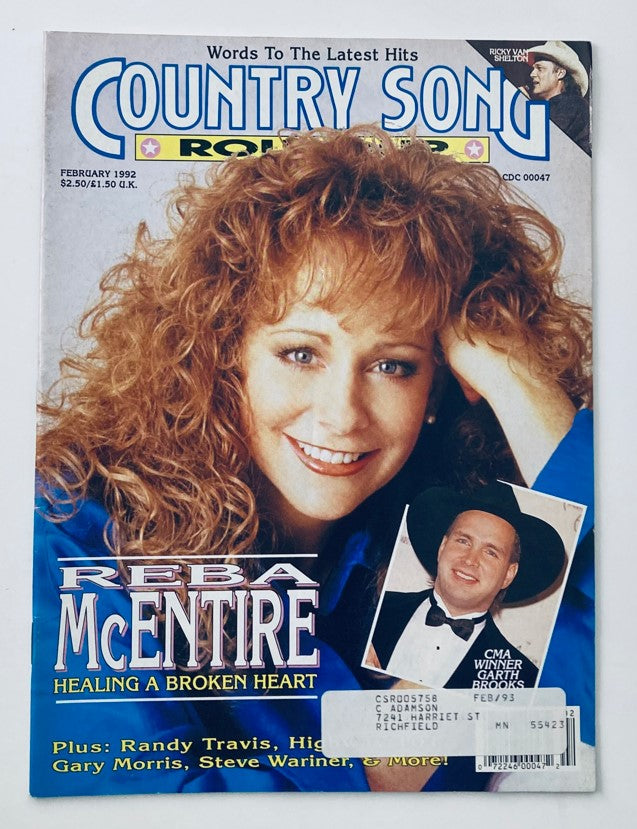
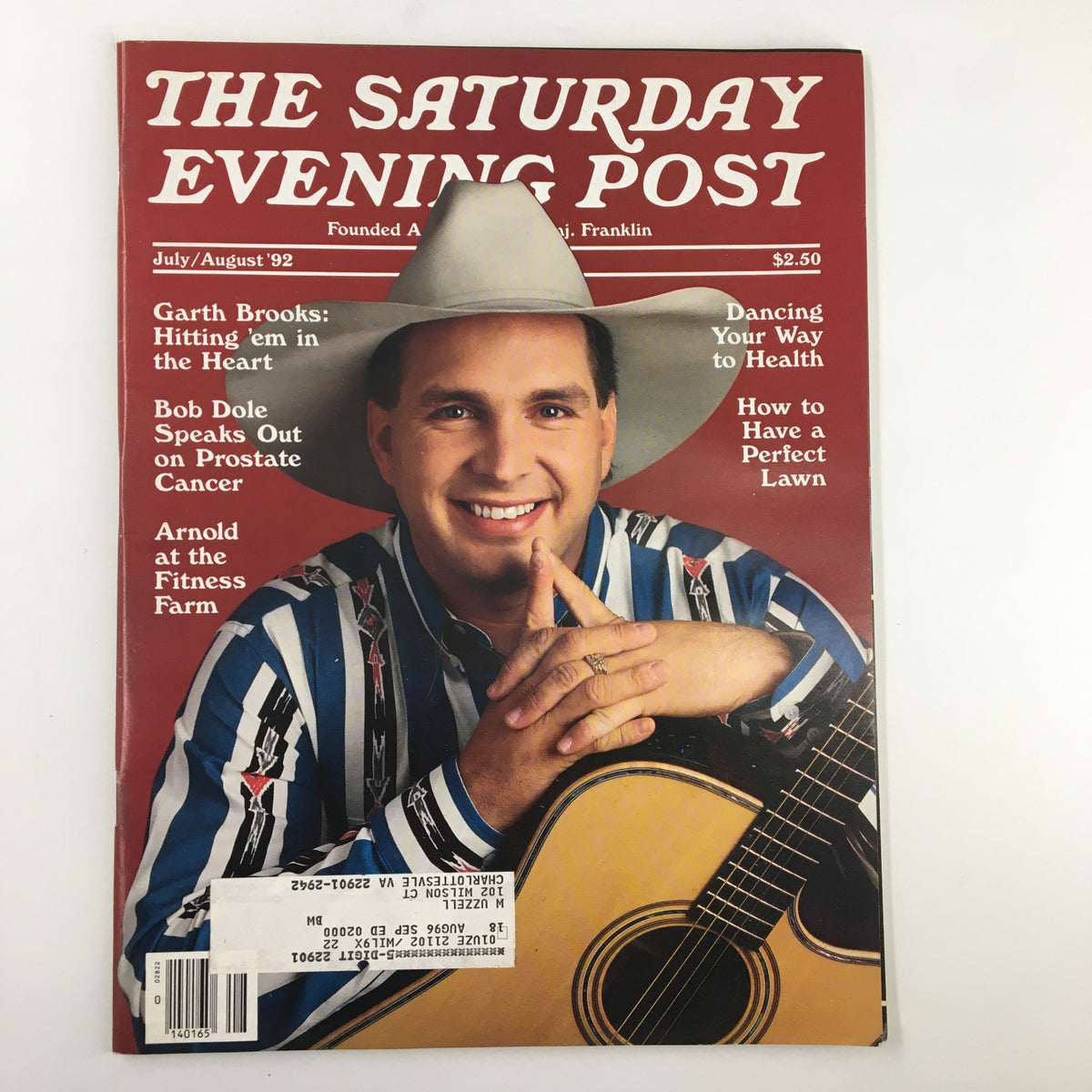
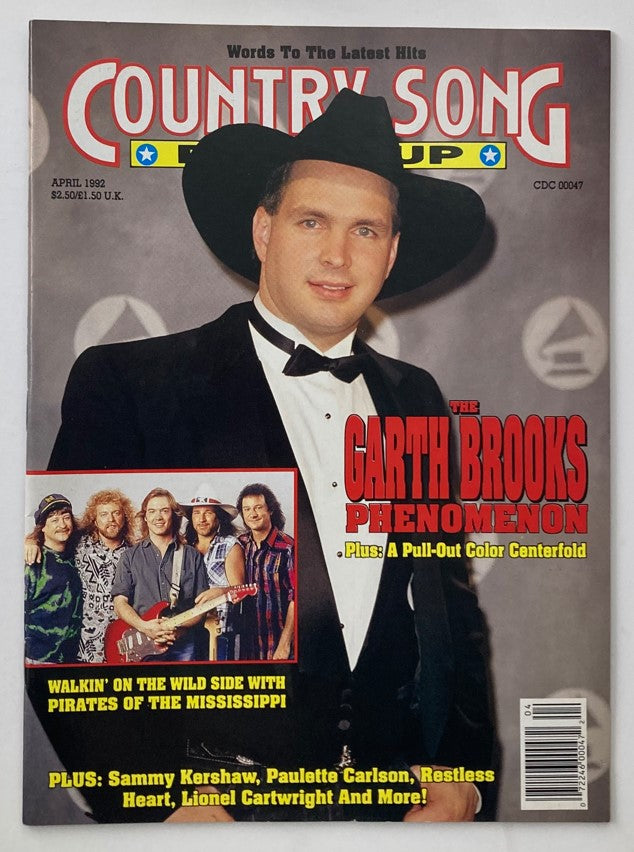
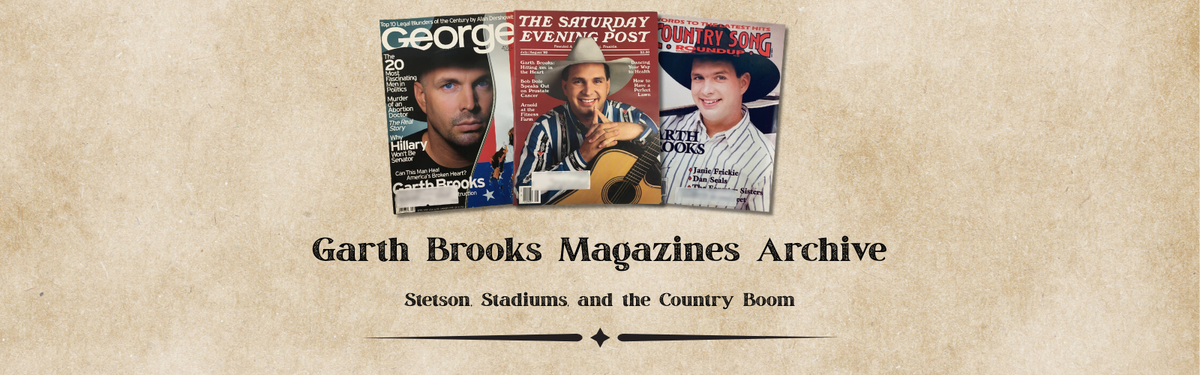
The magazine industry of the late 1980s and 1990s documented the Yukon native's rise with a fervor usually reserved for rock gods and Hollywood royalty. The trade and fan press — Country Music, Country Weekly, and Country America — provided breathless, long-form profiles and stunning concert photography that captured the raw theatrical energy of his arena-filling shows: the smashed guitars, the flying harnesses, the pyrotechnics blazing above seas of cowboy hats. But the crossover phenomenon also drew the attention of the broader popular press. People magazine devoted multiple cover features to his personal life and record-shattering sales milestones, rendering him a household name far beyond the country demographic. Entertainment Weekly treated his releases as major cultural events, placing them alongside the biggest Hollywood blockbusters in their annual recaps. Meanwhile, the music industry trades tracked his unprecedented chart dominance issue by issue, creating a paper trail of a career that remains, by many commercial measures, unmatched in American recording history.
Curator's Checklist: Highlights Often Include
- Debut Era & Early Breakthrough Coverage (1989–1990): Features documenting the early buzz around his self-titled debut and the explosion of No Fences, often nestled between advertisements for cassette players and denim jackets that define the era's visual texture.
- Stadium & Arena Tour Reporting (1991–1994): Photo-driven spreads from landmark tours that redefined what a country concert could look and feel like, with live photography of his legendary stage productions that rivaled arena rock spectacles.
- Record-Breaking Milestones: News and feature coverage from the moment industry insiders began tracking his ascent toward and past Elvis and Beatles domestic sales records — a story that captivated both trade publications and mainstream press simultaneously.
- Personal Life & Human Interest Profiles: Intimate People-style cover stories exploring his marriage to Sandy Mahl, his relationship with fame, and his outspoken humility — the narrative of a man who seemed genuinely bewildered by his own success.
- The Retirement & Return Arc (Late 1990s–2000): Coverage of his controversial "retirement" from recording and his landmark Central Park free concert in 1997, which drew an estimated 980,000 attendees and generated national news coverage across every major publication.
The Collector's Value
To hold one of these original issues today is to hold a time capsule pressed under the enormous cultural weight of a singular moment in American music. The paper stock has that familiar warm yellowing at the edges; the ink carries a faint, woody fragrance that no digital archive can replicate. The advertisements surrounding the editorial content — for Ford trucks, Wrangler jeans, and long-distance phone carriers — root these pages in their specific historical moment as firmly as the articles themselves, making each issue a complete artifact of its era rather than merely a record of one career. A vintage Country Weekly from 1992 or a dog-eared People cover from the height of his commercial reign is not simply memorabilia — it is primary source material, a firsthand witness to the moment country music crossed into the American mainstream forever. For collectors of country music history, 1990s Americana, or landmark moments in popular culture, these publications offer an irreplaceable tactile connection to a phenomenon that reshaped the entertainment industry. Browse the current available inventory below and discover which pieces of that remarkable era are waiting to find a new home.