📖 About this Collection
Gary Coleman: The Boy Who Stopped Time
The Legend & The Legacy
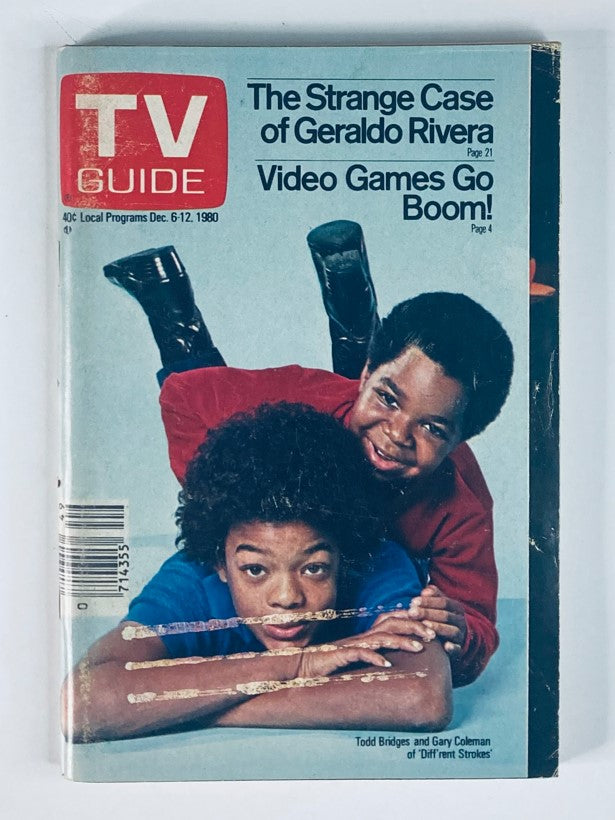
In the late 1970s and through the 1980s, few faces were more immediately recognizable — or more universally beloved — than that of Gary Coleman. As Arnold Jackson on the landmark NBC sitcom Diff'rent Strokes, the young actor from Zion, Illinois became one of the most watched television personalities on the planet, his catchphrase embedding itself into the cultural vocabulary of an entire generation. At the height of his fame, he was commanding appearance fees that rivaled adult Hollywood royalty, appearing on lunchboxes, board games, and magazine racks with a frequency that spoke to a genuine, cross-demographic obsession. But his story was never simply one of triumph. The public followed his health struggles, his legal battles with his parents over earnings, and his often difficult transition from child star to adult life — all of it chronicled with an intimacy that only the print media of that era could provide. Long before fan accounts or streaming retrospectives, the world knew Arnold Jackson through glossy pages and ink.
Inside the Archive
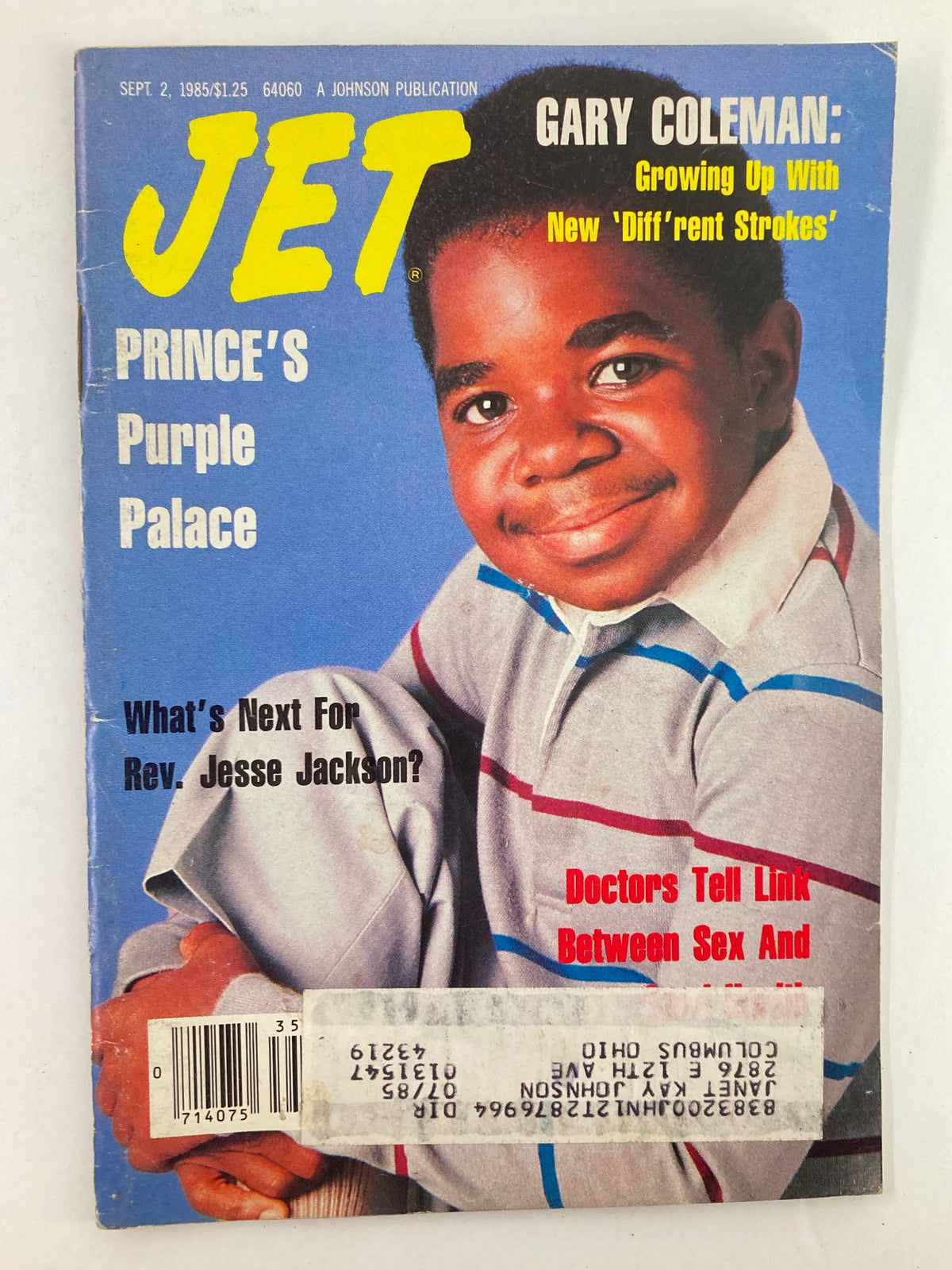
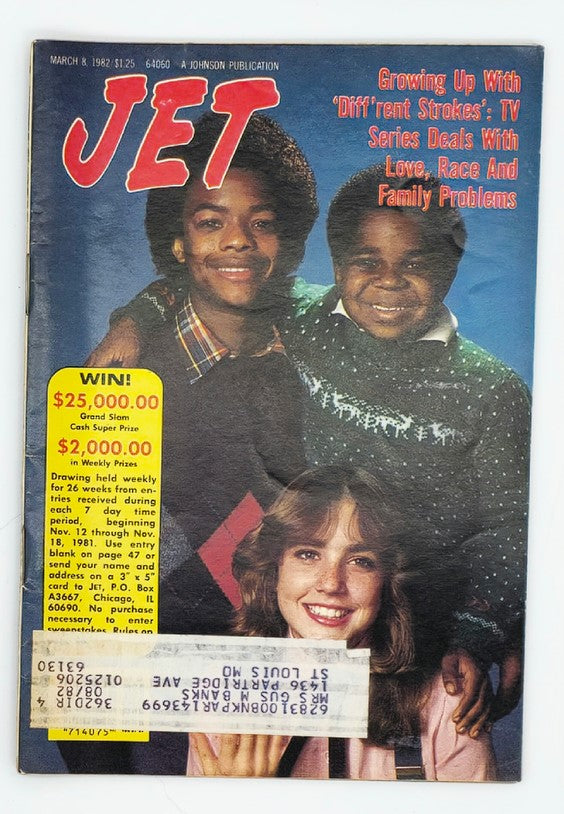
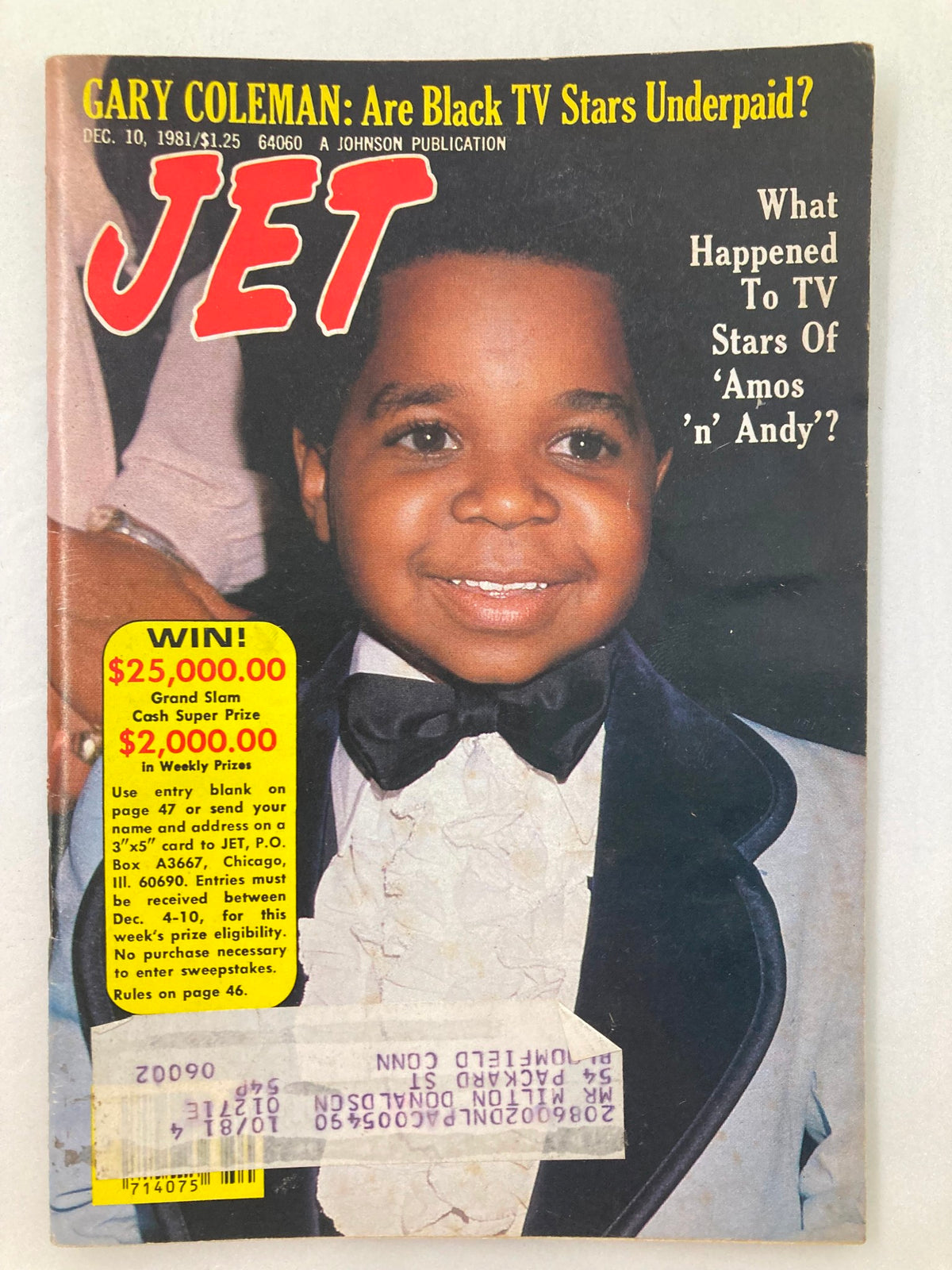
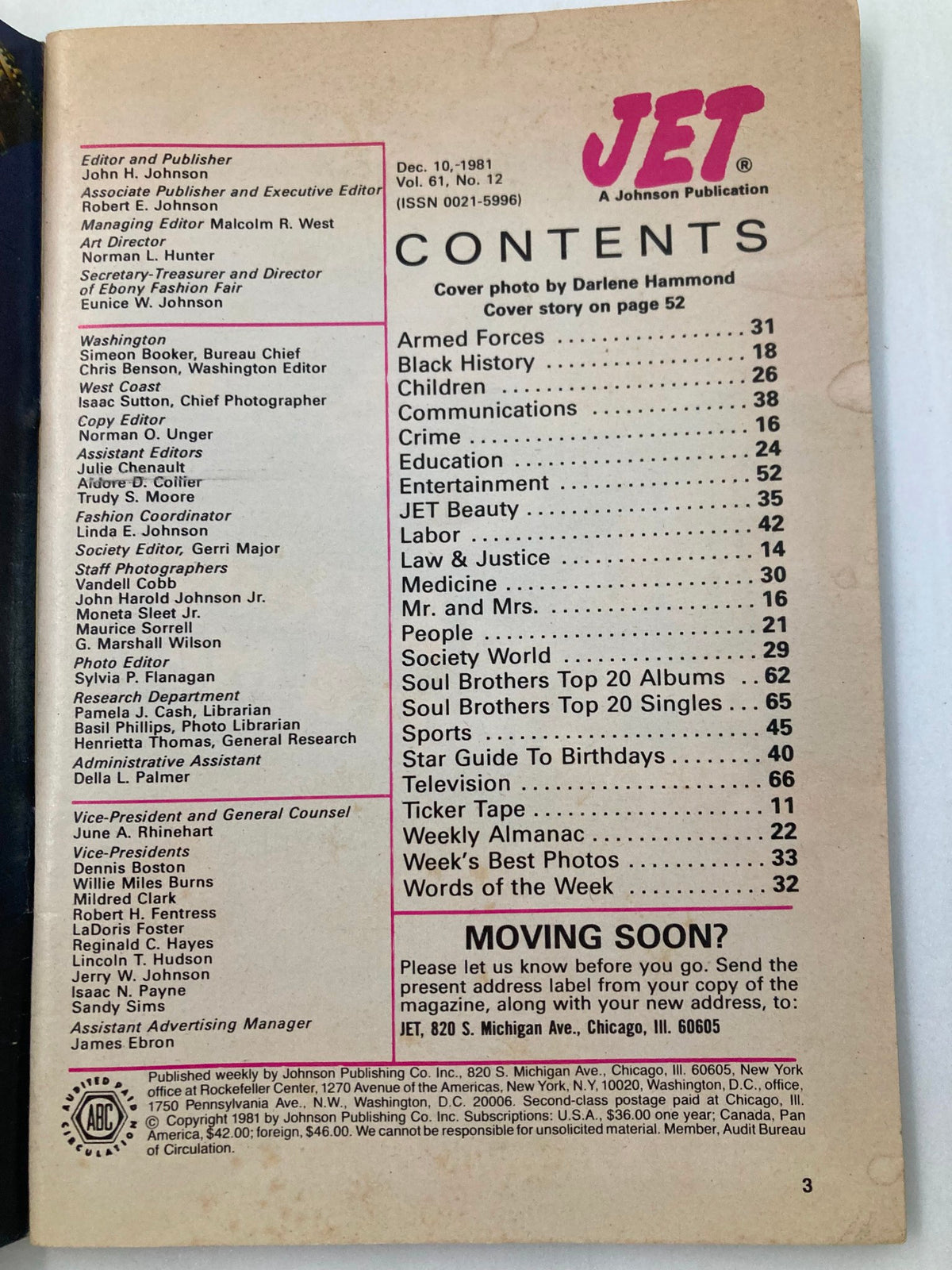
Vintage magazines of the late 1970s and 1980s captured Gary Coleman with a warmth and vivid exuberance that reflected the era's love affair with television stardom. Photographers frequently framed him with an infectious, larger-than-life energy — wide smiles, expressive eyes, often posed alongside his Diff'rent Strokes co-stars or in the elaborate set environments that audiences knew intimately from their living rooms. TV Guide, the era's undisputed bible of popular culture, featured him with remarkable regularity, understanding that his image on a cover was a proven circulation driver. Ebony and Jet magazines covered him as a point of genuine cultural pride — a young Black actor who had ascended to the very apex of mainstream American entertainment at a time when such visibility carried profound social weight. Meanwhile, broader entertainment titles such as People and Us documented his personal milestones, financial controversies, and the bittersweet arc of a childhood lived entirely under the public gaze, offering readers an access that felt both intimate and historic.
Curator's Checklist: Highlights Often Include
- Peak-era television features from 1978–1986, when Diff'rent Strokes dominated prime-time ratings and Coleman was among the highest-paid child actors in Hollywood history
- Crossover celebrity profiles in family-oriented and general entertainment publications, reflecting his appearances with presidents, pop stars, and fellow television icons of the era
- Cultural milestone coverage in Black press publications that contextualized his significance within the broader landscape of African American representation in mainstream media
- Human interest and investigative pieces from the mid-to-late 1980s, as publications began reporting on his emancipation from his parents and the complex legal battles surrounding his childhood earnings
- Retrospective and "where are they now" features from the 1990s and 2000s, chronicling his enduring place in the public imagination long after the cameras had moved on
The Collector's Value
There is something irreplaceable about holding a magazine from 1979 or 1982 that features Gary Coleman on its cover — the slight yellowing at the edges of the paper stock, the dense, almost waxy feel of the coated pages, the faint, unmistakable scent of decades-old ink that no digital archive can ever replicate. These are not reprints or facsimiles; they are primary documents of a cultural moment, surrounded by the period advertisements, the fashion editorials, and the news briefs that place them indelibly within their time. The full-page television ads, the prices at the supermarket listed in the back pages, the hairstyles in the fashion spreads — all of it conspires to transport the reader back to a world that existed before the internet fractured our shared cultural experience. For collectors of vintage television memorabilia, African American cultural history, or 1980s pop culture ephemera, these publications offer an unmediated, tangible connection to one of the most charming and poignant child stardoms the entertainment world has ever produced. Explore our current available inventory below, and discover which pieces of this remarkable story are waiting to find a new home.