📖 About this Collection
Gary Cooper: The Quiet Colossus of the Silver Screen
The Legend & The Legacy
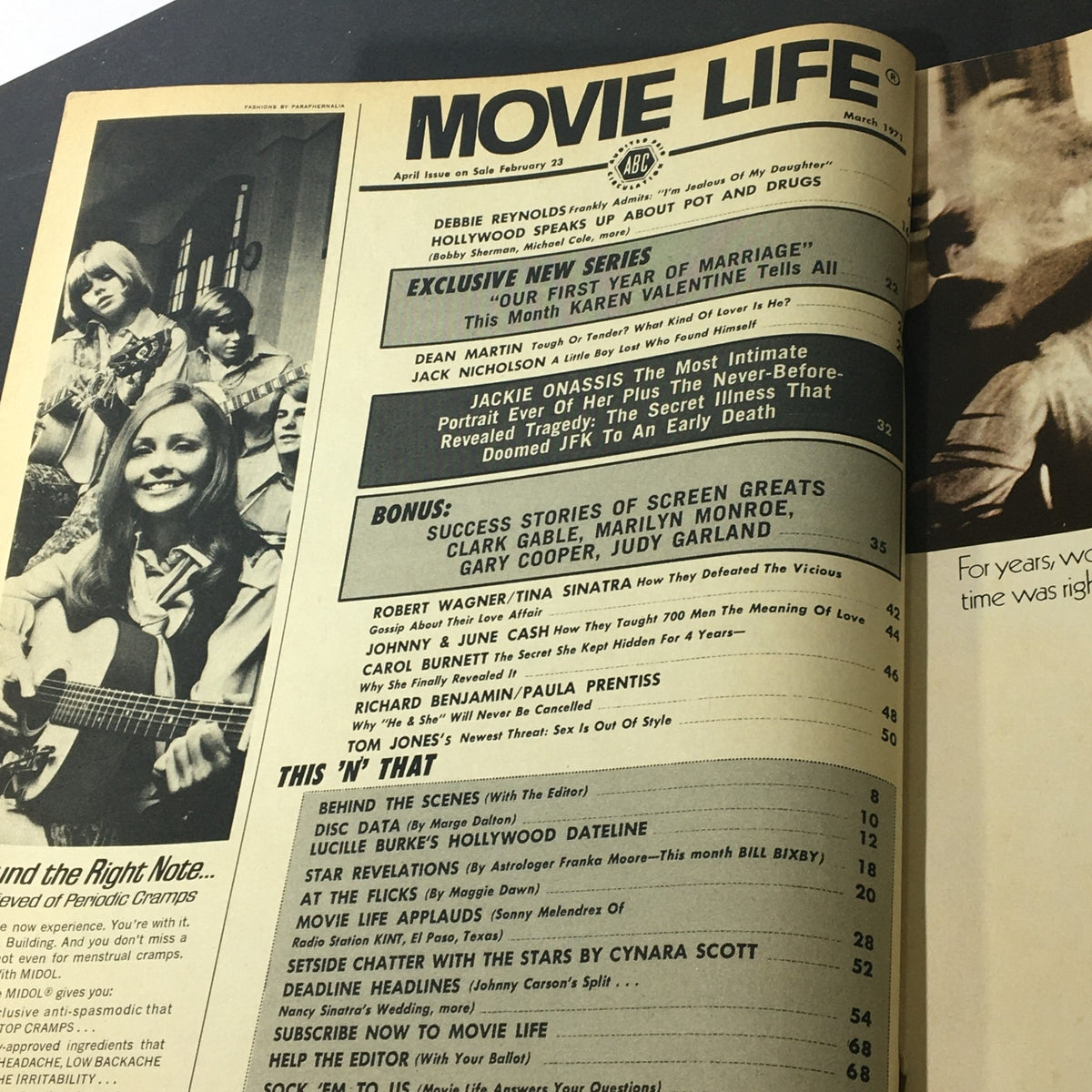
Long before the internet could deliver a star's every movement in real time, the mystique of Gary Cooper was carefully constructed and reverently maintained between the covers of print. From his silent film beginnings in the late 1920s through his towering Oscar-winning performances in High Noon and Sergeant York, the lanky son of a Montana judge became one of Hollywood's most enduring archetypes — the laconic American hero, morally unshakeable, weathered but tender. For decades, a nation consumed his story not through a screen in their pocket, but through glossy pages passed around living rooms and beauty salons, dog-eared at newsstands, and tucked into overseas military duffel bags. He was simultaneously everyman and ideal, and the press treated him accordingly — as a figure of national mythology worthy of careful, almost worshipful documentation.
Inside the Archive
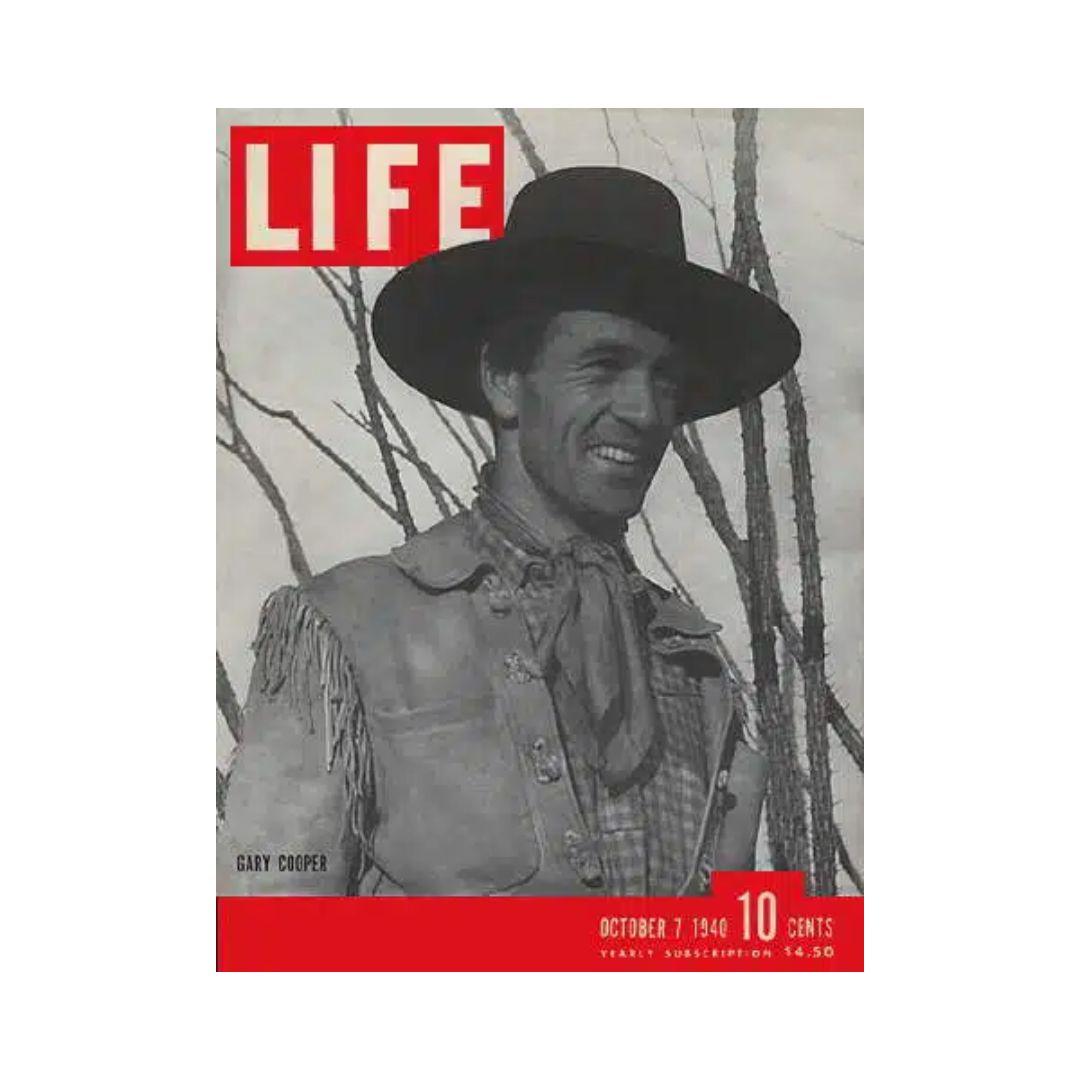
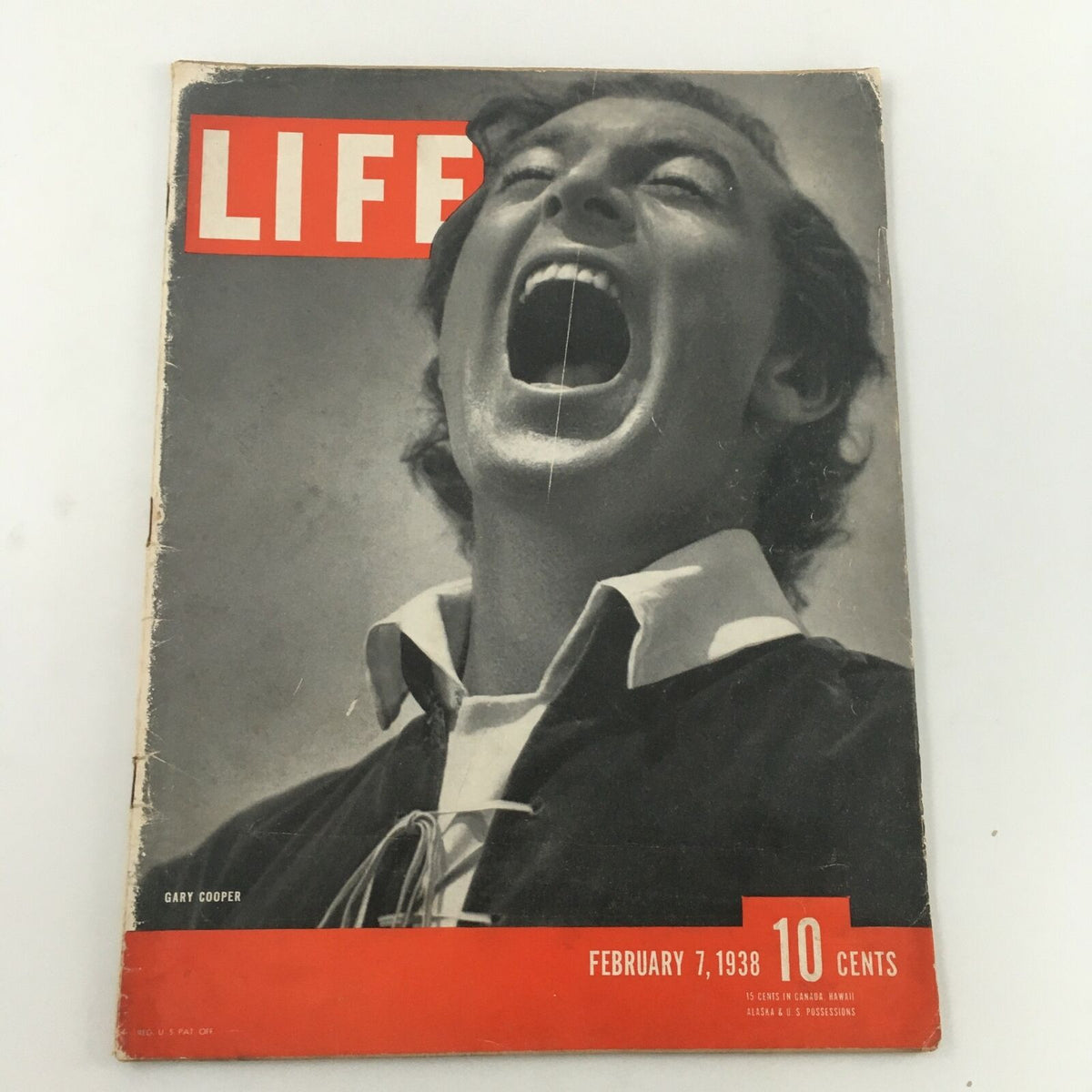
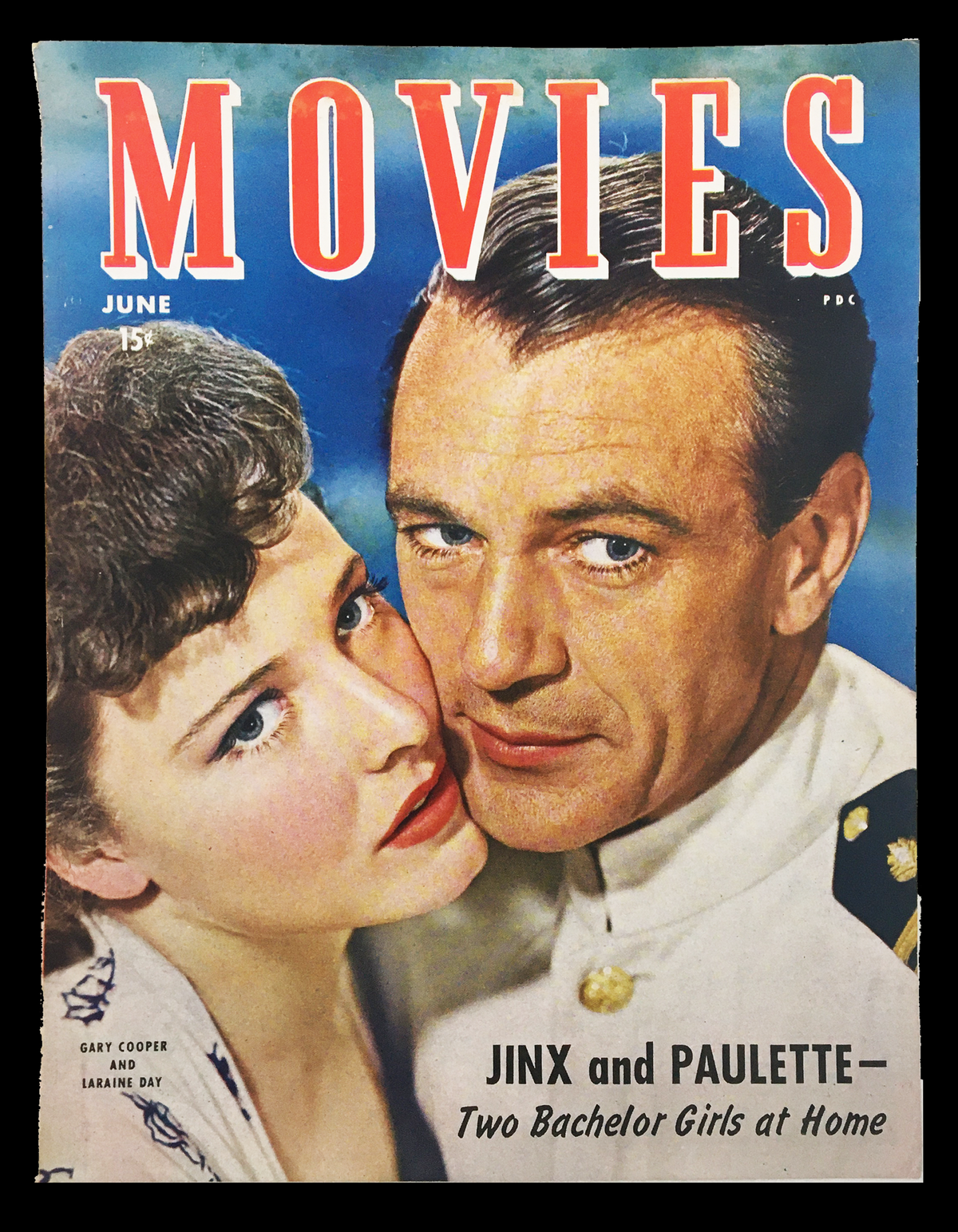
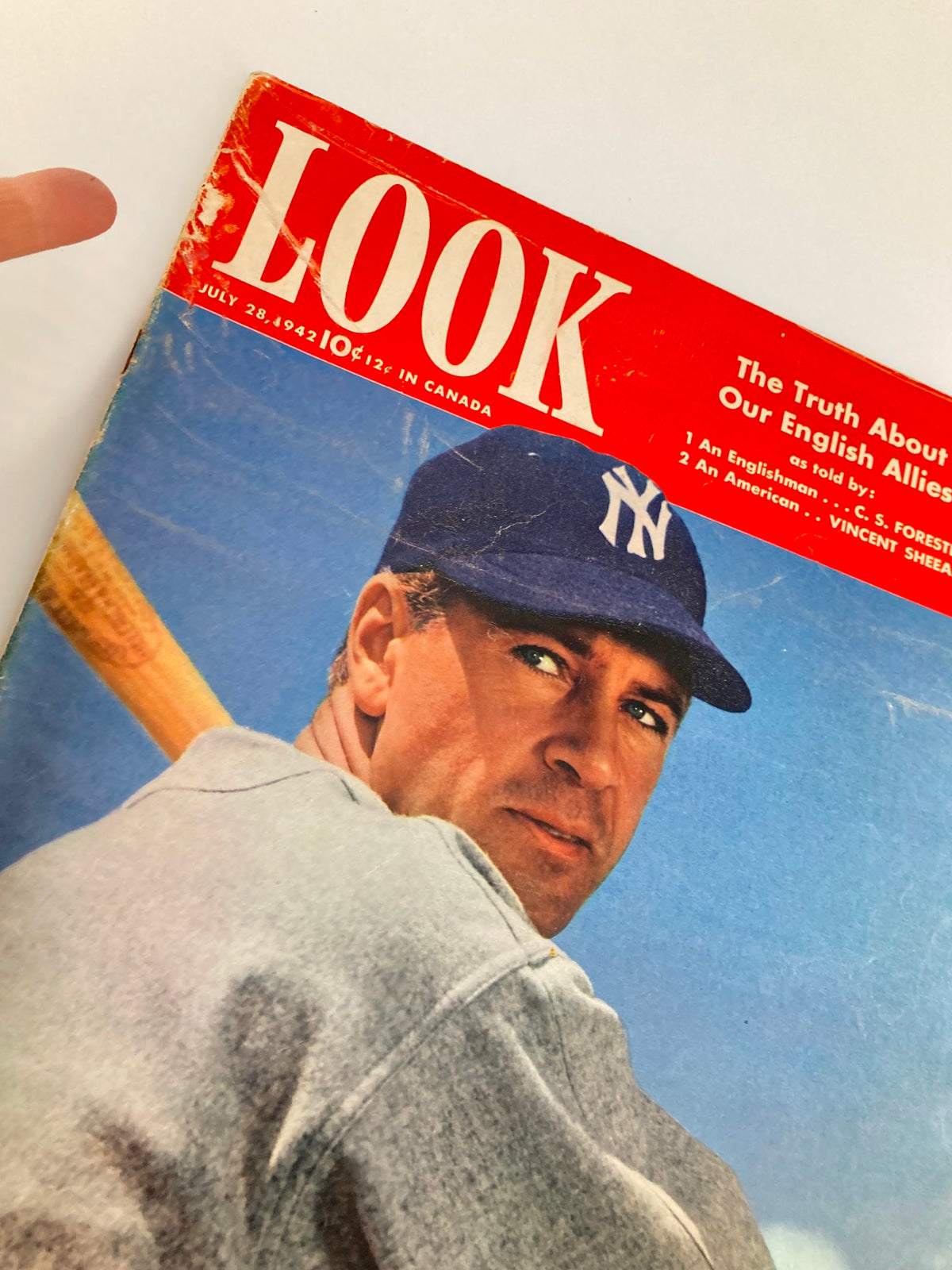
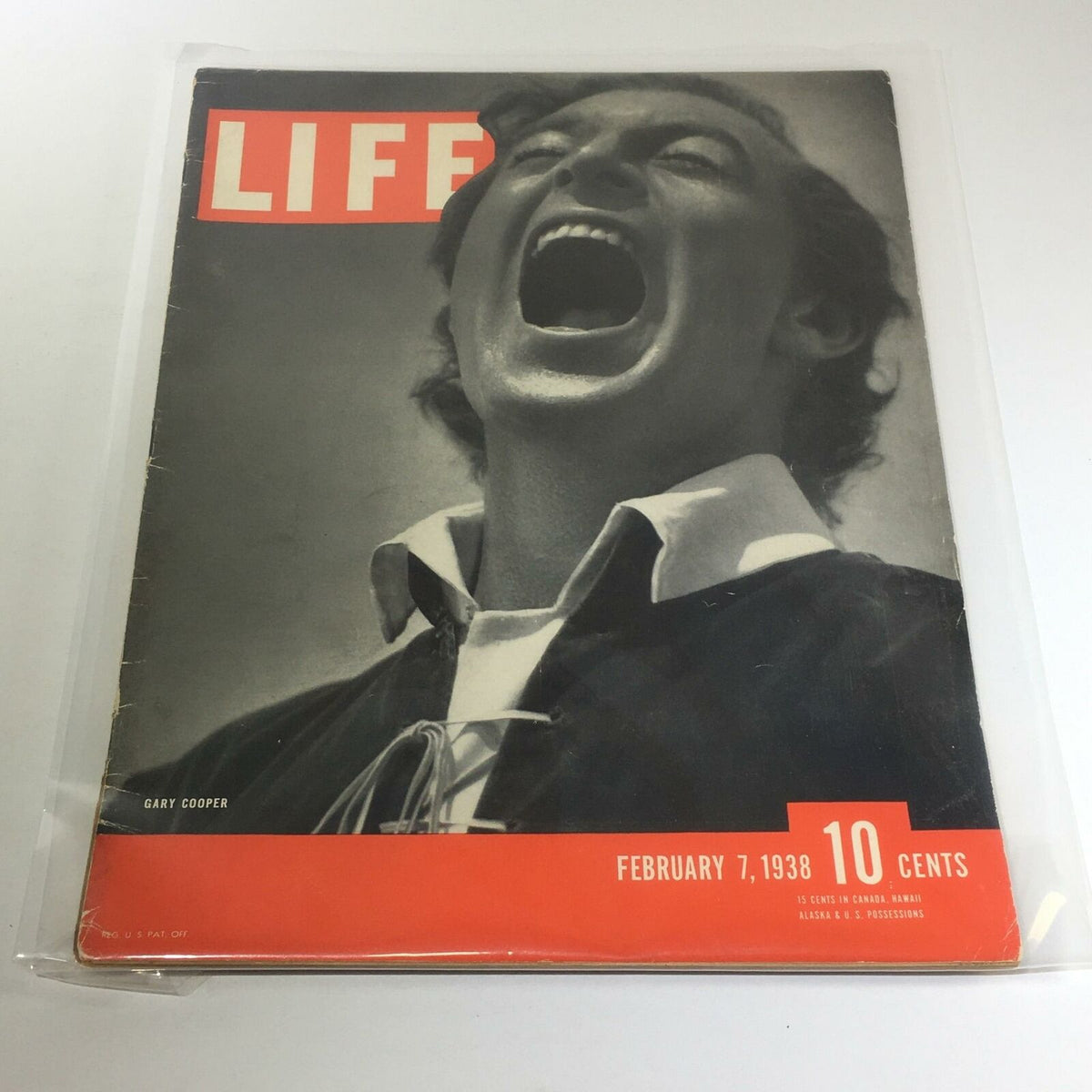
Vintage magazines approached the man they called "Coop" with a peculiar reverence — part fan adoration, part civic pride. Portrait photography of the era favored dramatic chiaroscuro lighting that accentuated the long, angular features that directors and cinematographers adored, while candid ranch and outdoor shoots reinforced his carefully cultivated image as a man more at home on horseback than on a soundstage. Life magazine, which covered him across multiple decades, captured him in both wartime morale features and intimate domestic spreads alongside his wife Veronica and daughter Maria. Photoplay, the era's most widely read fan publication, chronicled his romantic entanglements — including the scandalous affairs that titillated Depression-era readers — with breathless, coded prose that said everything while saying nothing. European publications such as Paris Match treated him as a transatlantic cultural ambassador, covering his international travels and his legendary friendships with Hemingway and Picasso with an almost literary seriousness unavailable in Hollywood trade papers.
Curator's Checklist: Highlights Often Include
- Golden Era Hollywood profiles — long-form features from the 1930s and 1940s examining his rise from Western bit parts to A-list leading man, often accompanied by full-page studio portraiture in the mode of the great Hollywood photographers
- Wartime and patriotic coverage — spreads from 1942–1945 documenting his USO tours, his role as a symbol of American stoicism during the war effort, and the cultural weight of Sergeant York as a piece of wartime propaganda
- Award season retrospectives — issues surrounding his Academy Award wins in 1942 and 1953, including trade magazines and general interest weeklies that framed his victories as vindications of a particular kind of understated, masculine screen craft
- Society and celebrity lifestyle features — coverage of his Hollywood social circle, his passion for hunting and the outdoors, and his friendship with luminaries from Hemingway to the Duke and Duchess of Windsor, often in publications with a society or leisure bent
- Illness, twilight years, and tributes — late 1950s and early 1960s issues documenting his diagnosis, his receipt of an honorary Oscar in 1961, and the outpouring of grief that followed his death that same year, preserved in the memorial issues that define the close of a true Hollywood era
The Collector's Value
To hold a vintage magazine featuring Gary Cooper is to hold a physical artifact of consensus — evidence of a moment when an entire culture agreed, in print and in unison, that this was what a hero looked like. The paper stock of a 1940s Life issue has a tactile weight that no digital archive can replicate: slightly rough at the edges, faintly yellowed at the margins, carrying the ghost of an ink smell that transports you instantly to a barbershop or a den in 1952. The surrounding advertisements — for Lucky Strike cigarettes, Studebaker automobiles, and war bond drives — do not diminish the editorial content but rather frame it, situating the man within the full texture of the world that adored him. For collectors of classic Hollywood memorabilia, mid-century Americana, or Western cinema history, these publications offer something no poster or lobby card can: the unmediated voice of his own era, speaking about him in real time, with all the passion and prose style of a world that had not yet learned to be ironic about its heroes. Browse our current available inventory below and discover which piece of that world is waiting for your collection.