📖 About this Collection
Gene Kelly: The Man Who Made the Rain Applaud
The Legend & The Legacy
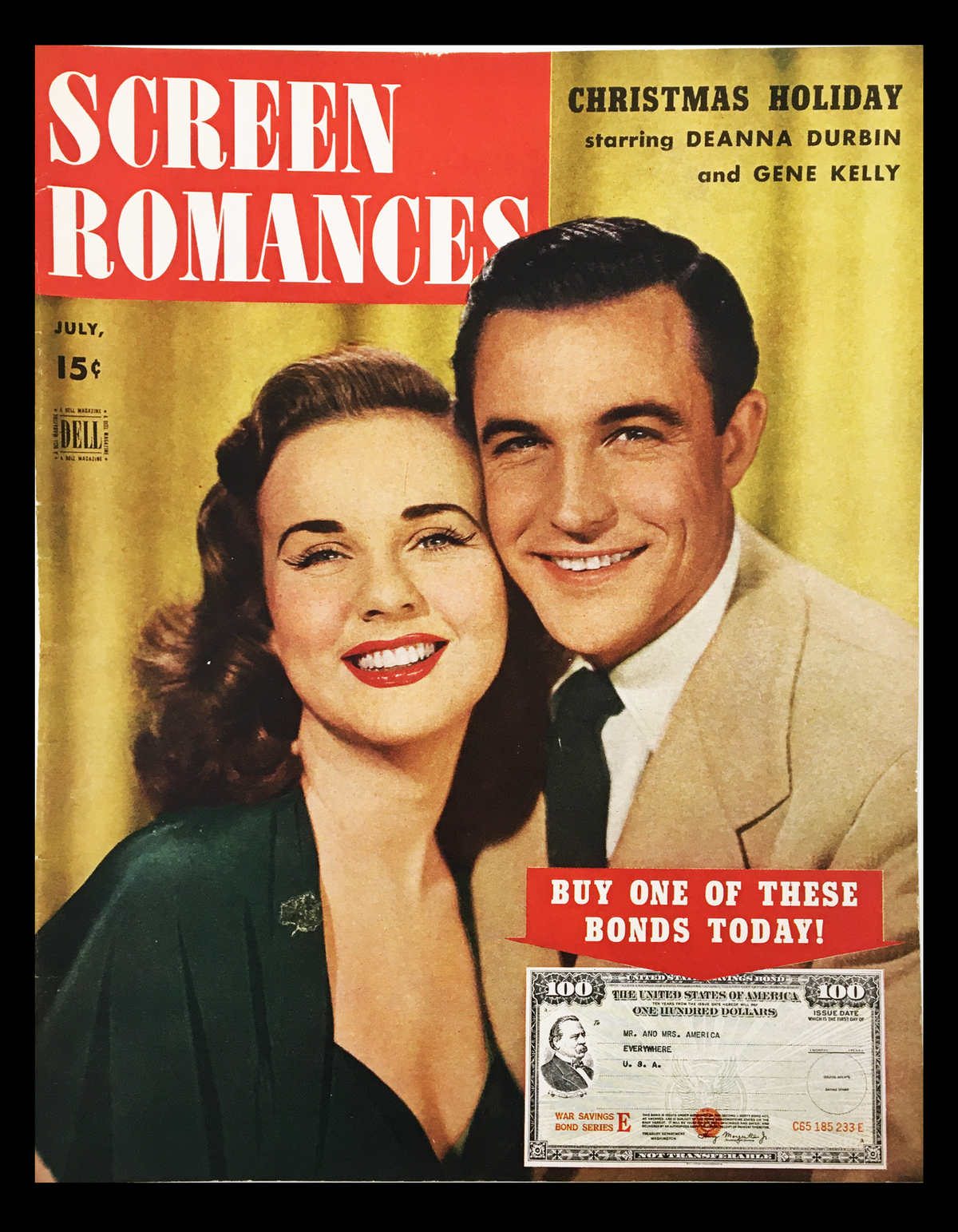
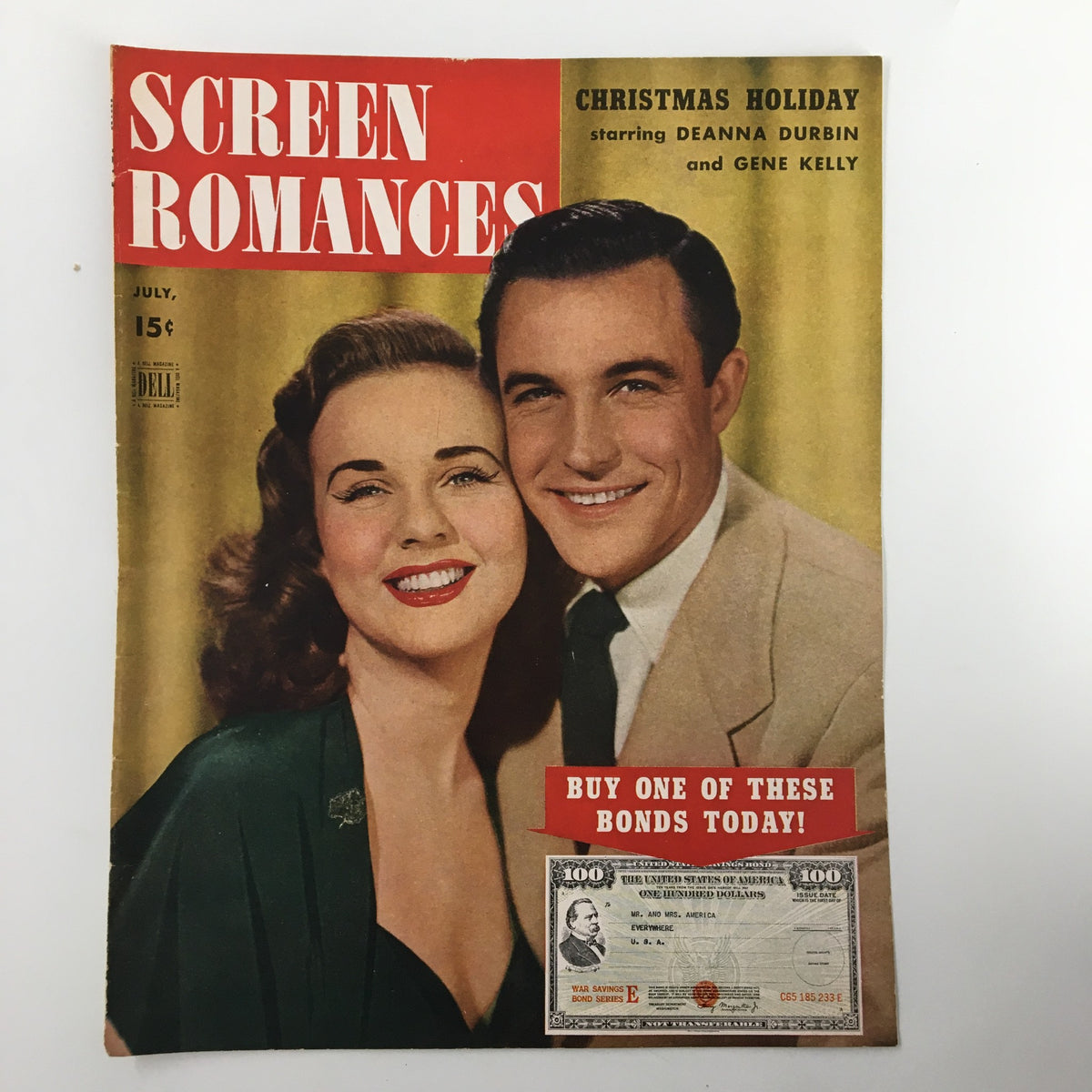
In an era when the silver screen was the supreme stage of American mythology, Gene Kelly did not merely perform — he transfigured. From his electric Broadway debut in Pal Joey in 1940 to the breathtaking athleticism he brought to Hollywood's golden musicals, Kelly redefined what a man's body could say without words. The public fell in love with him through gossip columns and fan magazines, through full-page spreads in Sunday supplements and breathless studio portraits that arrived at newsstands weeks before a film ever reached the local picture house. There was no streaming, no entertainment feed, no behind-the-scenes reel — only the magazine, held in one's hands, its pages turned in living rooms and beauty parlors and barracks across America. Print was the pipeline through which a generation understood what Kelly meant: not just a dancer, but an emblem of working-class grace, of masculine elegance, of an optimism that somehow survived a world at war.
Inside the Archive
Vintage publications covered the Pittsburgh-born hoofer with a reverence that mirrored his singular stature in mid-century culture. Life magazine, with its sweeping black-and-white photographic essays, captured him in motion — legs extended mid-air, expressions caught between effort and joy — in the kind of full-bleed imagery that made subscribers feel they were witnessing something sacred. Look magazine devoted lavish features to his personal life, his home, and his philosophies on dance and democracy. Internationally, Paris Match embraced him as a cultural ambassador during his famed European sojourns, most notably his time in France during the production of An American in Paris (1951), treating him with the editorial warmth the French reserved for their most beloved adopted artists. The photography throughout this era is distinctive: dramatically lit studio portraits by the great Hollywood photographers, candid on-set images radiating warmth and spontaneity, and the occasional balletic long-exposure study that attempted to freeze what was, by nature, gloriously unfreezeble.
Curator's Checklist: Highlights Often Include
- Golden Age Hollywood features covering the making of landmark films such as Singin' in the Rain (1952) and An American in Paris (1951), including production stills and studio-approved portraiture from MGM's publicity machine
- Personal profile interviews from the late 1940s and 1950s in which Kelly discusses his philosophy of integrating ballet, jazz, and tap into a distinctly American vernacular — a topic that fascinated editorial writers across both trade and general-interest publications
- International coverage from European magazines reflecting his celebrated status abroad, particularly in France, where he was treated as a creative peer rather than merely a Hollywood export
- Television-era features from the late 1950s and 1960s, documenting his transition to the small screen and his efforts to bring serious choreography into American living rooms via NBC specials
- Retrospective and tribute issues from the 1970s and 1980s, as critics and cultural historians began formally cementing his legacy alongside Astaire — the great debate of the age reproduced across countless column inches
The Collector's Value
There is something irreplaceable about holding a magazine that was printed while Gene Kelly was still mid-leap — when the ink was fresh, the studio publicity department was humming, and a reader in Akron or Edinburgh could press their fingers against a glossy page and feel, however briefly, connected to that luminous world. The paper stock of a 1951 Life carries a weight and a warmth that no digital scan can replicate; the faint perfume of aged newsprint mingles with the ghost of mid-century advertisements — for Packard automobiles, for Lucky Strike cigarettes, for Revlon lipstick — that place the reader precisely in time, rendering history tactile and immediate. These are not reprints or reproductions; they are primary documents of a culture at its most optimistic. For collectors of classic Hollywood memorabilia, Golden Age American dance and performance history, or mid-century print design and photography, these publications offer an intimacy with the past that no coffee-table book or streaming documentary can approach. We invite you to explore the current available inventory below and discover which pieces of this extraordinary legacy are waiting to come home with you.