📖 About this Collection
Gene Wilder: The Gentle Genius Behind the Madness
The Legend & The Legacy
There are performers who entertain, and then there are those who pierce something deeper — who make an audience laugh until the laughter catches in the throat and becomes something closer to grief. Gene Wilder was unquestionably the latter. From his breakthrough as the trembling, hysterical Leo Bloom in The Producers (1967) to his indelible, velvet-coated portrayal of Willy Wonka in 1971, and through his electrifying collaborations with Richard Pryor and director Mel Brooks in the early-to-mid 1970s, Wilder occupied a singular space in American culture: the beautifully unhinged everyman. In an era before viral clips and algorithmic fame, his ascent was chronicled almost entirely through print — through the glossy pages of entertainment weeklies, the thoughtful profiles of arts magazines, and the full-color splendor of Hollywood coverage at its absolute peak. Audiences who couldn't attend a premiere or catch a television appearance turned to magazines to understand the man behind those wide, luminous eyes, and what they found was a story as layered and surprising as any role he ever played.
Inside the Archive
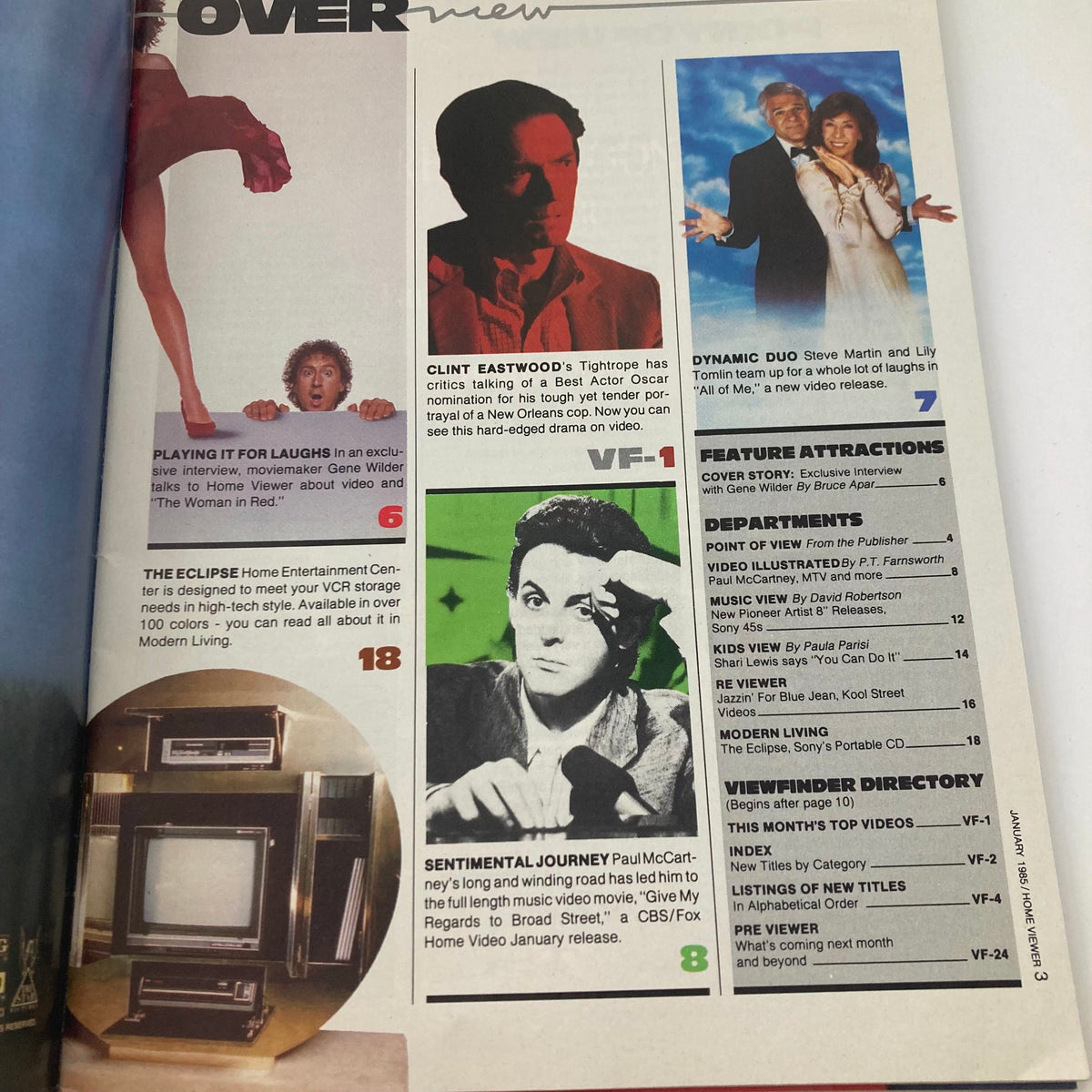
At the height of his cultural moment — roughly 1968 through the mid-1980s — Gene Wilder was a fixture of entertainment press on both sides of the Atlantic. Photographers were drawn to the inherent paradox of the man: the soft, almost childlike face capable of expressing wild-eyed chaos or devastating vulnerability within the same frame. Rolling Stone, in its golden era of long-form celebrity journalism, treated him with the intellectual seriousness typically reserved for musicians, probing his Method training under Lee Strasberg and his complex inner life. People magazine, newly launched in 1974, embraced him during his commercial peak, capturing the warmth and wit he projected off-screen. Meanwhile, Photoplay and the broader Hollywood fan magazine circuit documented his partnerships — with Pryor, with Brooks, and with actress Gilda Radner, whom he married in 1984 — with the kind of devoted, intimate coverage that only print journalism of that era could provide. European publications, particularly in the UK and France, were equally captivated, often treating his comedic work with the auteurist reverence more commonly applied to serious dramatic film.
Curator's Checklist: Highlights Often Include
- Willy Wonka-era features (1971–1972): Profile pieces and film promotion coverage from around the release of Willy Wonka & the Chocolate Factory, often including production photography and costume imagery that has since become deeply iconic
- Mel Brooks collaboration coverage: Entertainment and film press documenting the cultural explosion of Blazing Saddles and Young Frankenstein (both 1974), frequently featuring behind-the-scenes photography and cast ensemble shots
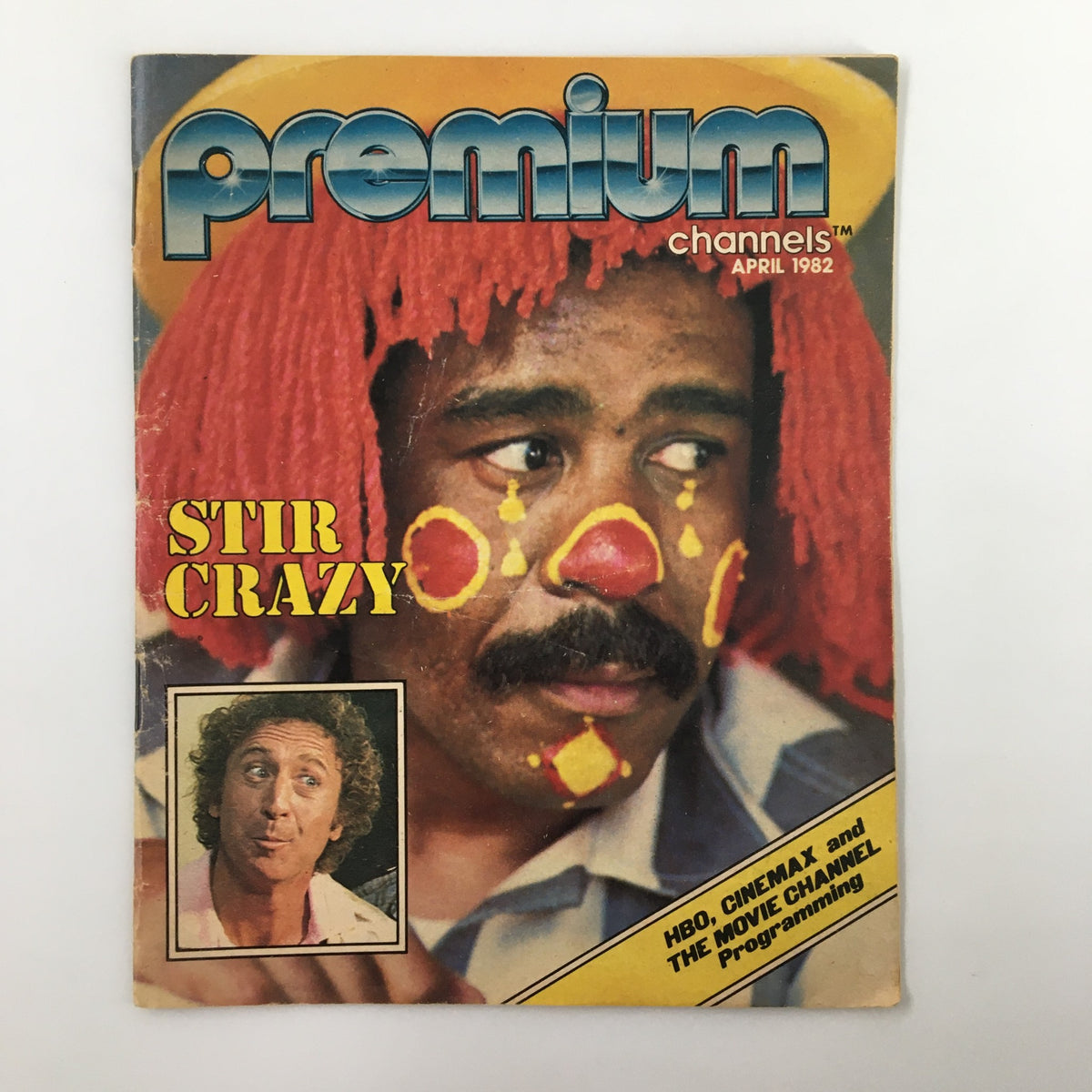
- The Pryor–Wilder years: Coverage of their celebrated comedic partnership across Silver Streak (1976) and Stir Crazy (1980), including pieces that addressed race, comedy, and Hollywood friendship in the frank editorial style of the period
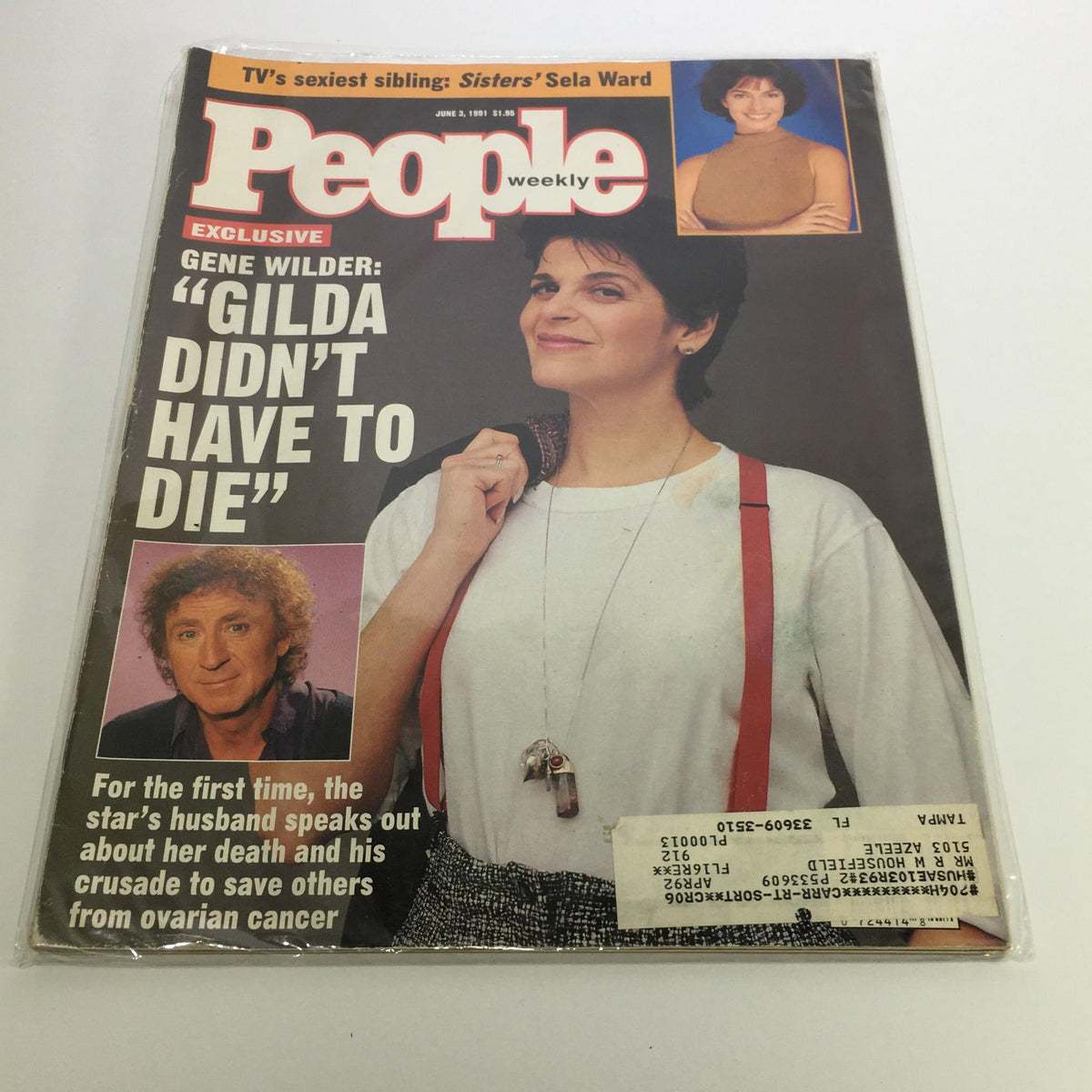
- Human interest and personal life profiles: Particularly emotional coverage surrounding his marriage to Gilda Radner and, later, her illness and passing in 1989 — a chapter that generated a profound outpouring across mainstream and entertainment press
- Retrospective and career anniversary features: Publications from the 1980s and early 1990s often revisited his defining roles as his profile evolved from box-office star to beloved cultural institution
The Collector's Value
To hold an original magazine featuring Gene Wilder is to hold a direct artifact of a more deliberate, considered cultural moment — one where a journalist sat across from a subject for hours, where a photographer lit a set with intention, and where an editor chose every word with the knowledge that print was permanent. The paper itself tells a story: the slightly heavier, coated stock of a 1970s entertainment weekly carries a different weight in the hand than the tissue-thin pages of a fan publication, and the warm, slightly oxidized scent of decades-old ink is the unmistakable perfume of living history. The surrounding advertisements — for cigarettes, for defunct airlines, for the fashions of a vanished world — place Wilder's story inside the full texture of the era in which he flourished, making each issue a genuine time capsule rather than a mere keepsake. For collectors of classic Hollywood cinema, 1970s American comedy, or the broader history of entertainment journalism, these publications offer something no streaming service or digital archive can replicate: the primary source, unfiltered and tangible, exactly as it was read the first time. Explore our current available inventory below, and find the piece of this extraordinary legacy that belongs in your collection.