📖 About this Collection
George Wallace: Defiance, Reckoning, and the Arc of American History
The Legend & The Legacy
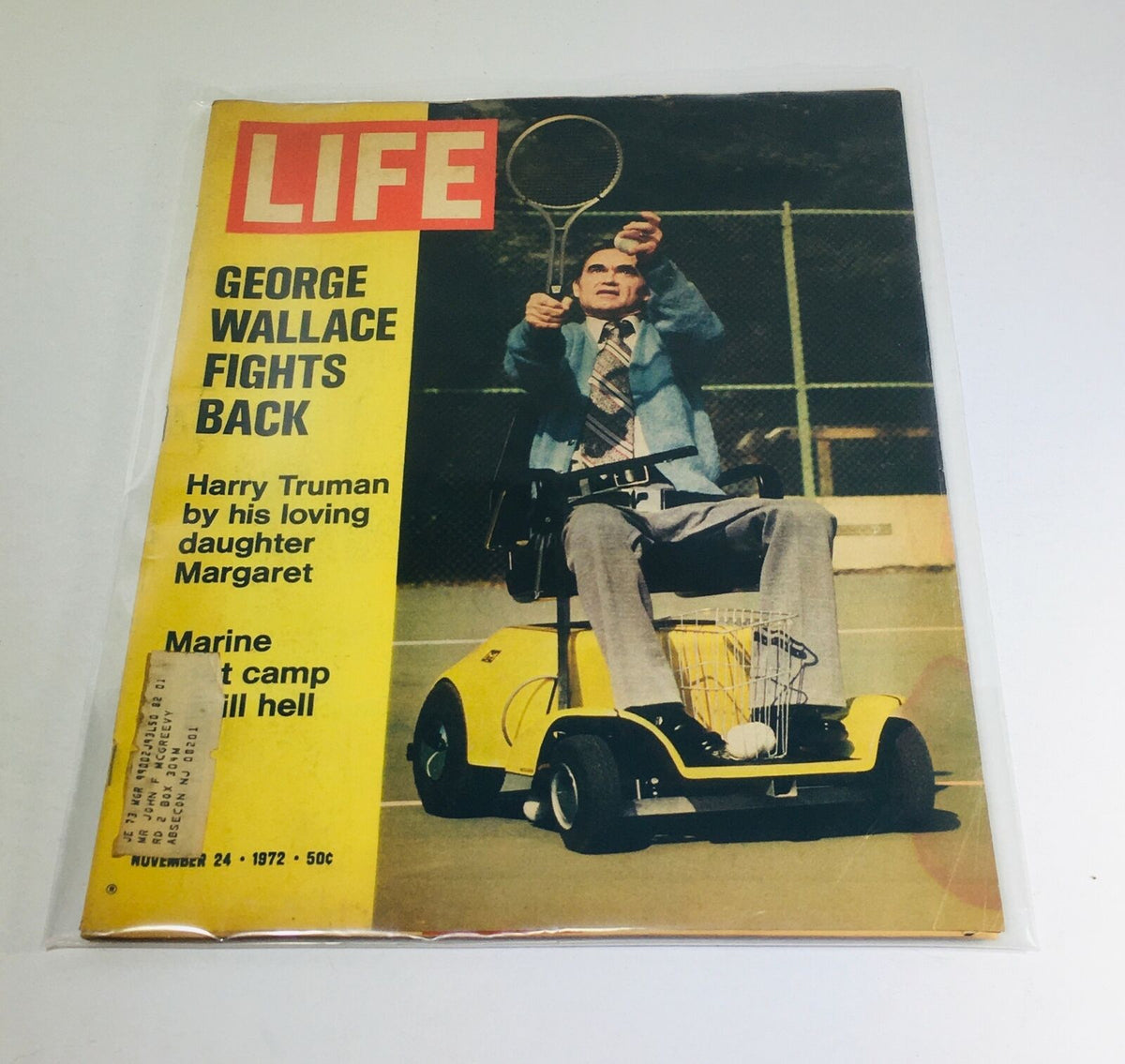
Few figures in twentieth-century American political life provoked as fierce a national reckoning as the four-term Governor of Alabama. George Wallace embodied the violent fault lines of a country at war with itself — a populist demagogue who stood in schoolhouse doors, who barnstormed the nation on a platform of segregation and states' rights, and who nonetheless drew millions of white working-class voters in presidential bids that reshaped the electoral map for decades to come. His rhetoric did not merely reflect the tensions of his era — it inflamed them, forcing a nation to confront the ugliest corners of its own democratic promise. In an era before cable news and social media, Americans absorbed the drama of his defiance through the glossy pages of weekly magazines delivered to their doorsteps — photographs of state troopers on the Edmund Pettus Bridge, portraits of a scowling governor at a podium, and later, the haunting images of a man broken by an assassin's bullet, paralyzed and humbled, seeking redemption from the very communities he had sought to oppress. His story did not end with villainy, nor with easy absolution — it lingered, complicated and instructive, in the national conscience for the remainder of the century. Print media was the lens through which a nation watched, argued, wept, and tried to make sense of him, one issue at a time.
Inside the Archive
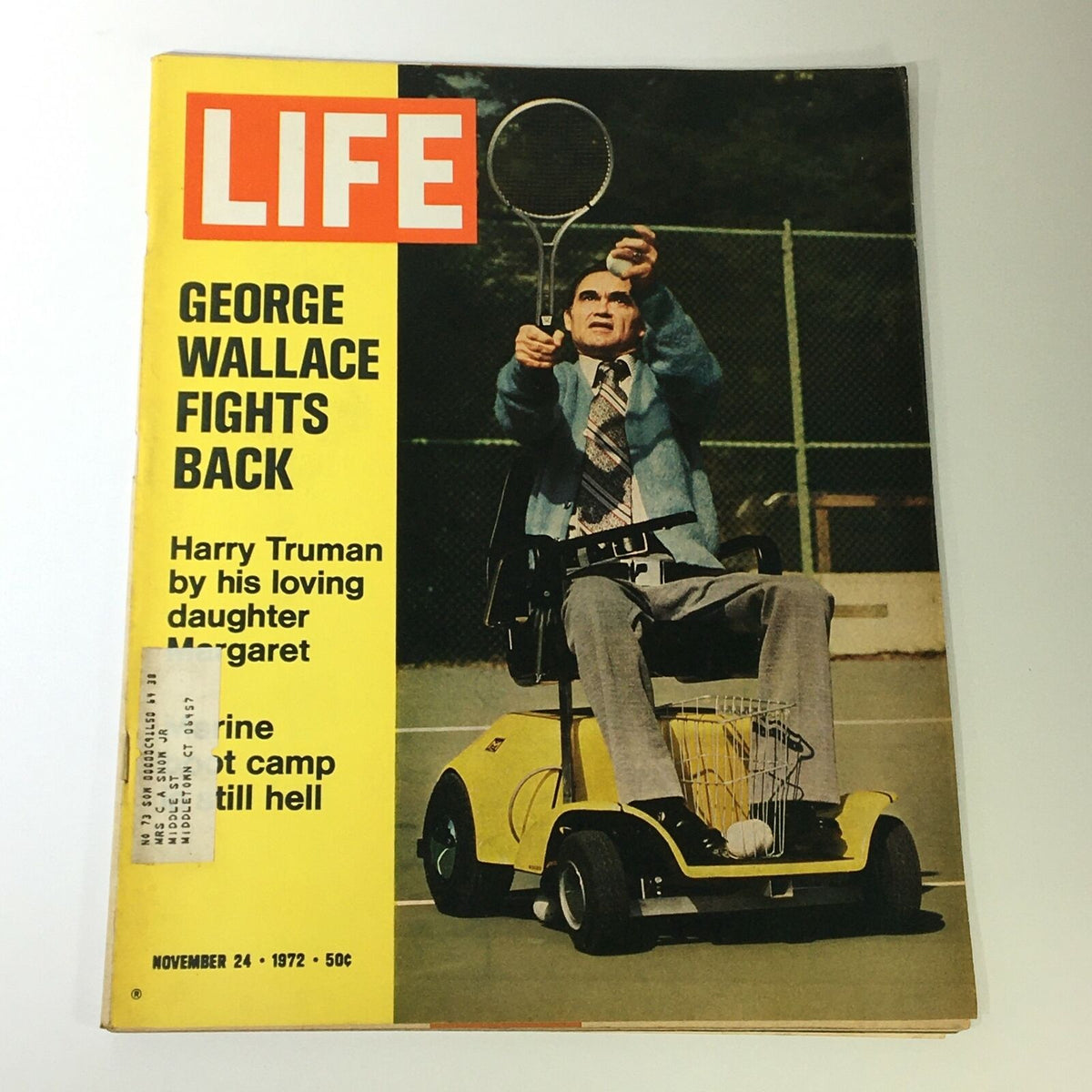
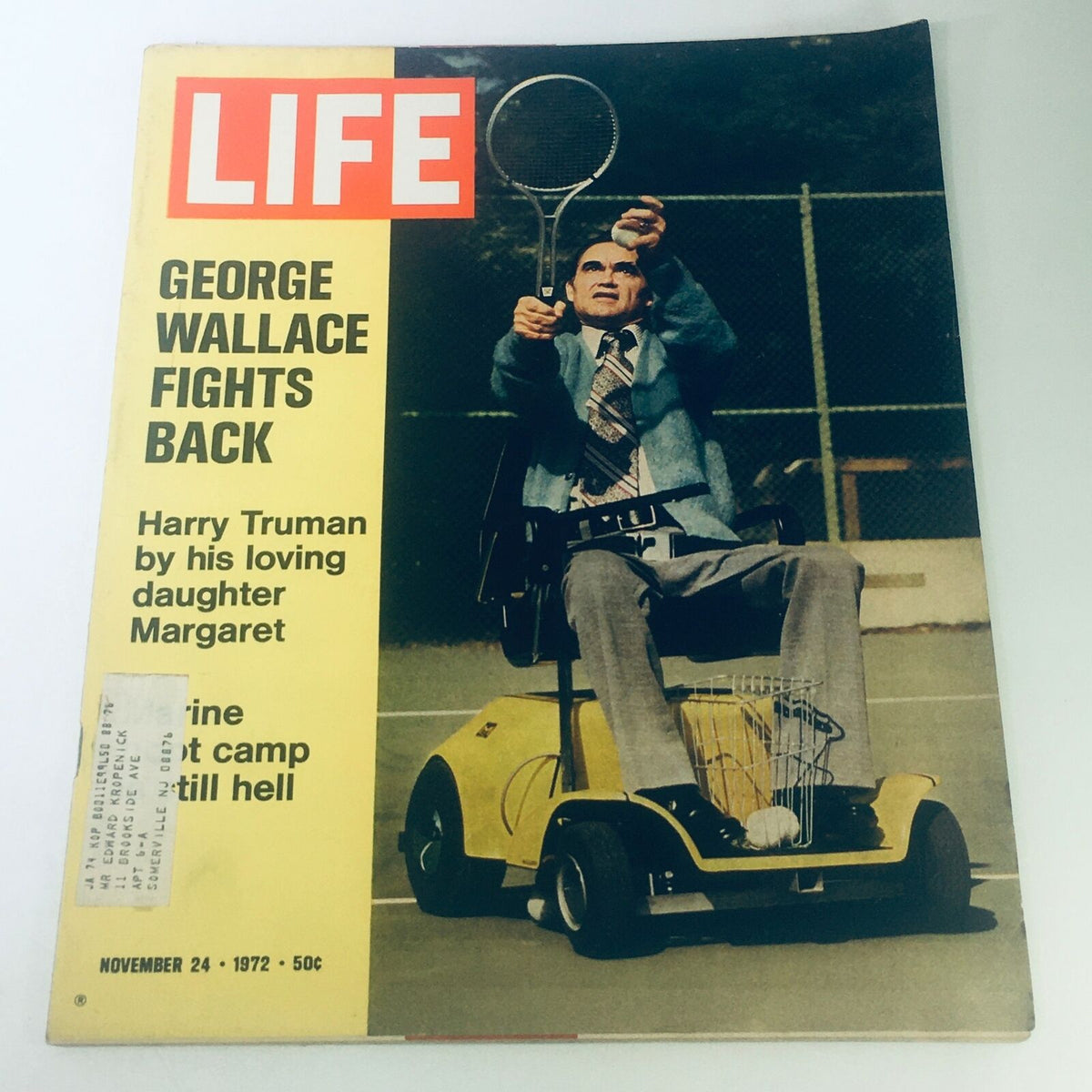
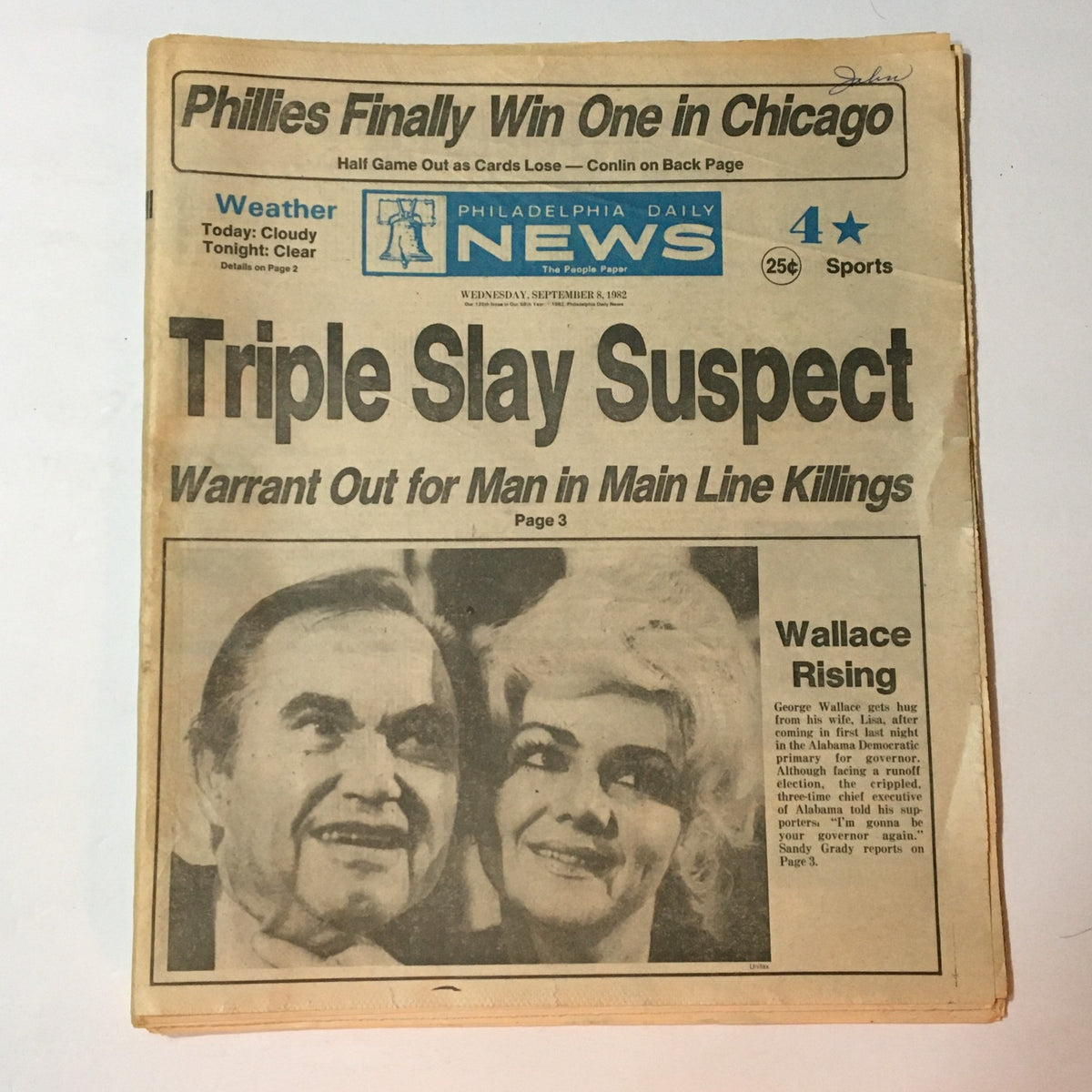
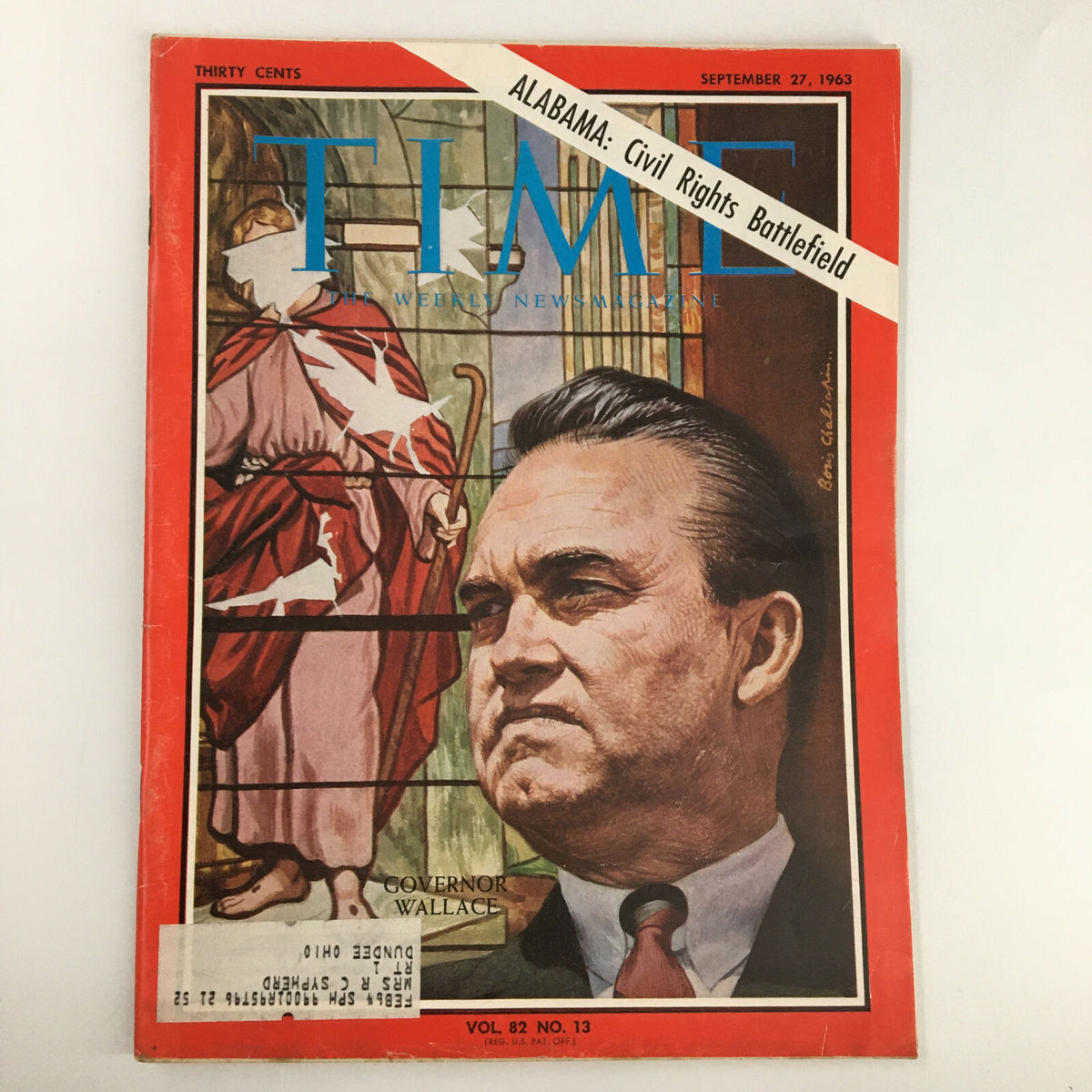
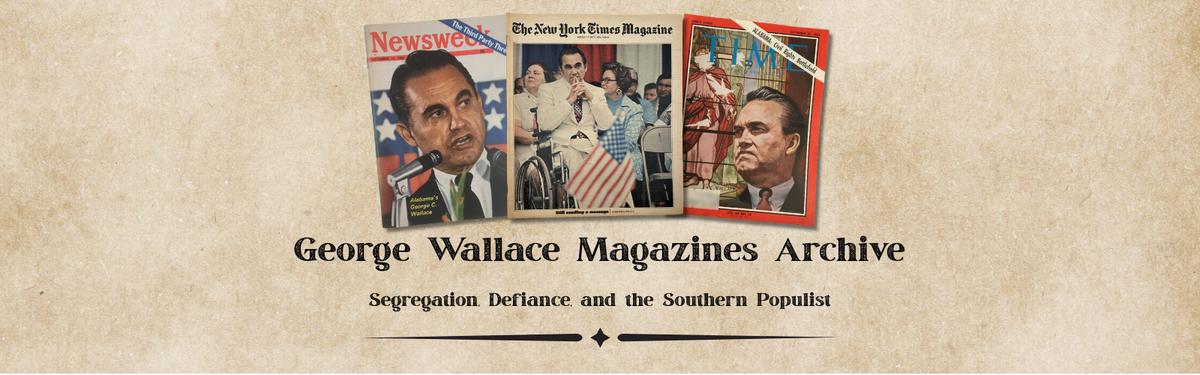
Vintage magazine coverage of the Alabama governor was unflinching, voluminous, and often visually arresting. During the peak years of the civil rights era, Life magazine dispatched its finest photojournalists to capture the confrontations he orchestrated — images rendered in stark black-and-white that remain among the most morally charged photographs of the American century. The editorial spreads of that era were not timid; they placed readers directly inside the chaos of history, with full-bleed photography and prose that bristled with moral urgency. Time profiled him repeatedly, placing his combative visage on its cover and wrestling editorially with how a democracy produces and sustains such men. Newsweek tracked his successive presidential campaigns with the gravity of a slow-motion national crisis, analyzing the so-called "Wallace vote" as a harbinger of political realignments still unfolding today. Beyond the major weeklies, publications such as Ebony and Jet provided essential counter-narratives — documenting the human cost of his policies from the perspective of Black Americans living under them, offering collectors a morally complete archive that no single publication alone could supply. Together, these magazines form a mosaic of an America in convulsion — each issue a dispatch from the front lines of a battle over the nation's very soul.
Curator's Checklist: Highlights Often Include
-
Civil Rights Confrontations — Coverage of pivotal flashpoints such as the University of Alabama desegregation standoff in 1963 and the Selma-to-Montgomery marches, often featuring documentary photography of rare historical intensity, alongside editorial commentary that captured the raw moral outrage of the moment across both sympathetic and opposing press outlets
-
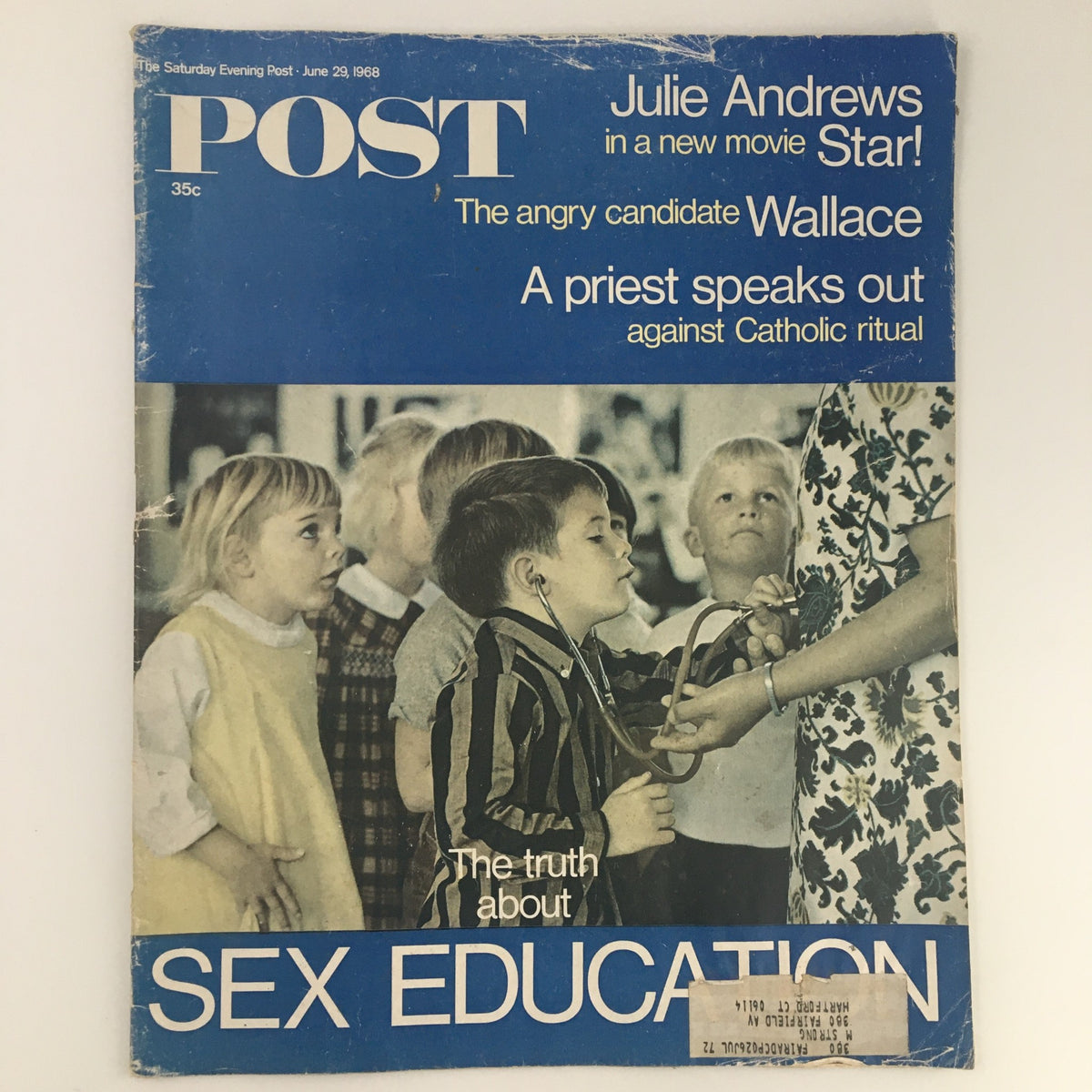
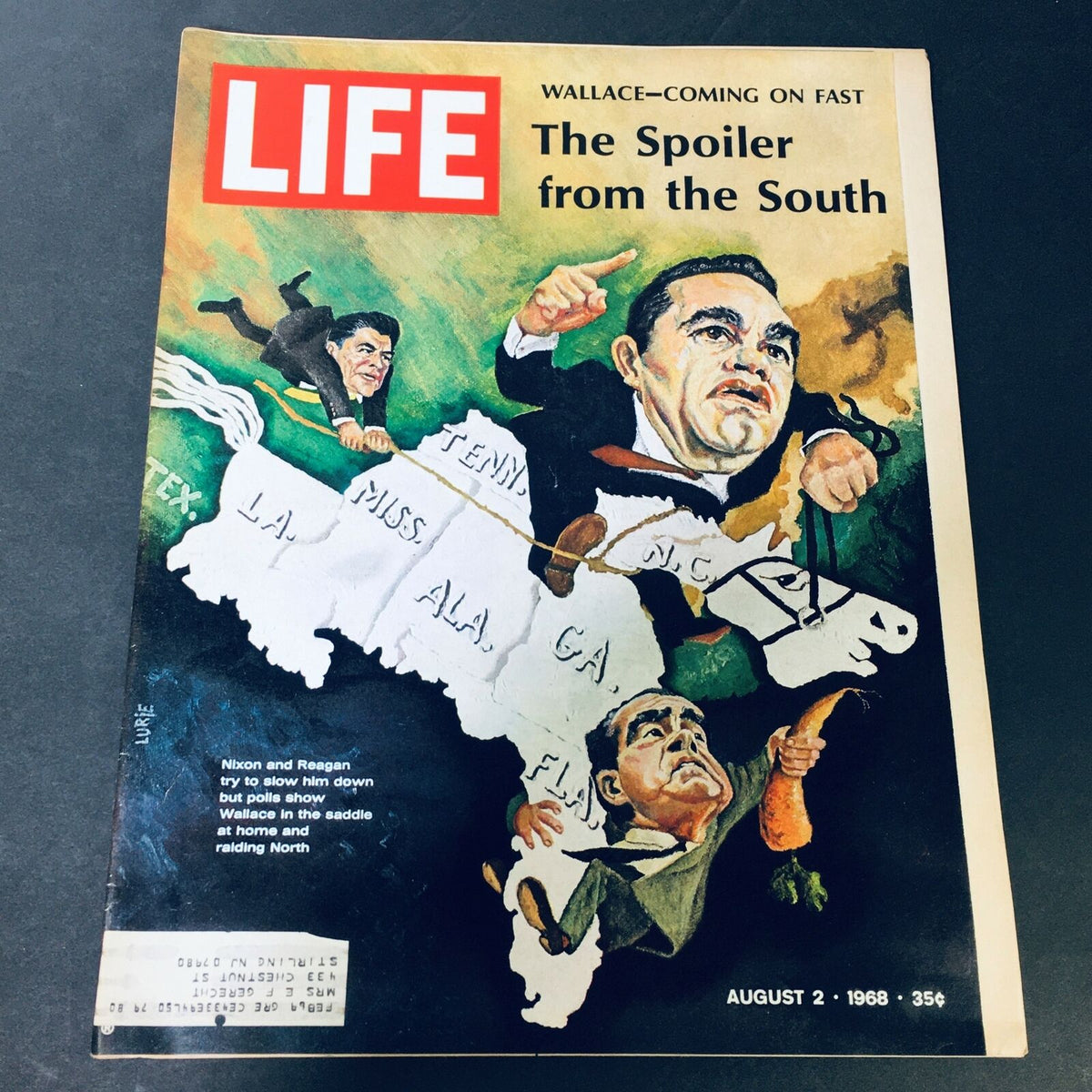
Presidential Campaign Issues — Issues chronicling his 1968 third-party candidacy under the American Independent Party and his 1972 Democratic primary run, including electoral maps, crowd photography from his enormously attended rallies, and incisive analysis of the emerging "Southern Strategy" that would quietly redraw American partisan politics for generations
-
The Assassination Attempt — May 1972 issues responding to the shooting at a Laurel, Maryland campaign stop that left him paralyzed, capturing a nation in shock and a campaign in sudden, tragic suspension — some issues featuring rushed cover changes and stop-press editorial updates that make them extraordinarily vivid artifacts of breaking history
-
The Redemption Narrative — Later coverage from the late 1970s and 1980s documenting his public apologies to civil rights leaders, his wheelchair-bound return to public life, and his remarkable re-election with substantial Black voter support — one of the era's most improbable and quietly moving political stories, often covered with a reflective, elegiac editorial tone quite unlike the fire of earlier decades
-
International Press Perspectives — Occasional features in European publications such as Paris Match or Der Spiegel, which framed him as a symbol of American democratic contradiction for readers watching the civil rights struggle from abroad, offering a detached and often sharply critical outside vantage point that domestic publications rarely matched
The Collector's Value
To hold one of these original issues is to hold a piece of the unresolved argument that is America — the paper stock slightly brittle at the edges, the ink carrying that unmistakable mid-century must that no digital archive can replicate, the surrounding advertisements for Chevrolets and cigarettes and kitchen appliances quietly testifying to the ordinary world in which these extraordinary events unfolded. There is something profoundly disorienting, in the best possible way, about turning from a full-page photograph of a segregationist governor to a cheerful advertisement for dishwashing soap — it is a reminder that history does not announce itself with trumpets, but arrives folded between the mundane pages of everyday life. These are not reprints or commemorations; they are primary sources, printed under the pressure of events not yet fully understood by the journalists who covered them, carrying an urgency and moral weight that history has only deepened with time. Each crease in the spine, each slightly faded headline, speaks to the hands that held these pages before you — readers who were not studying history but living it, uncertain of how the story would end. For collectors of American political history, civil rights era documents, or presidential campaign memorabilia, these publications offer an irreplaceable window into the moments that bent the arc of the twentieth century — experienced exactly as contemporary readers first encountered them, raw and immediate and unresolved. Explore the current available inventory below and discover which pieces of that history are waiting to find a new home.