📖 About this Collection
Geraldine Ferraro: The First Woman to Stand at the Summit
The Legend & The Legacy
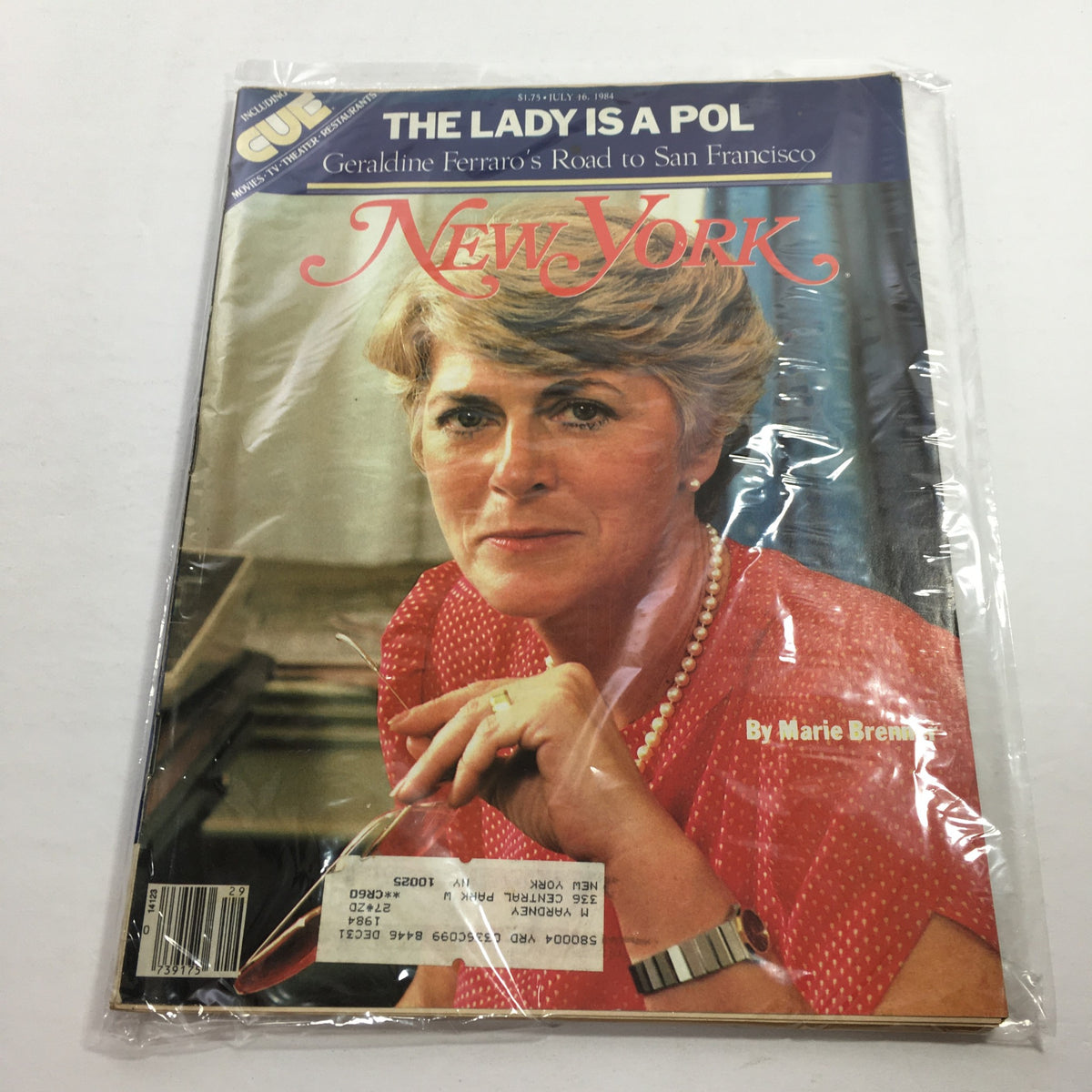
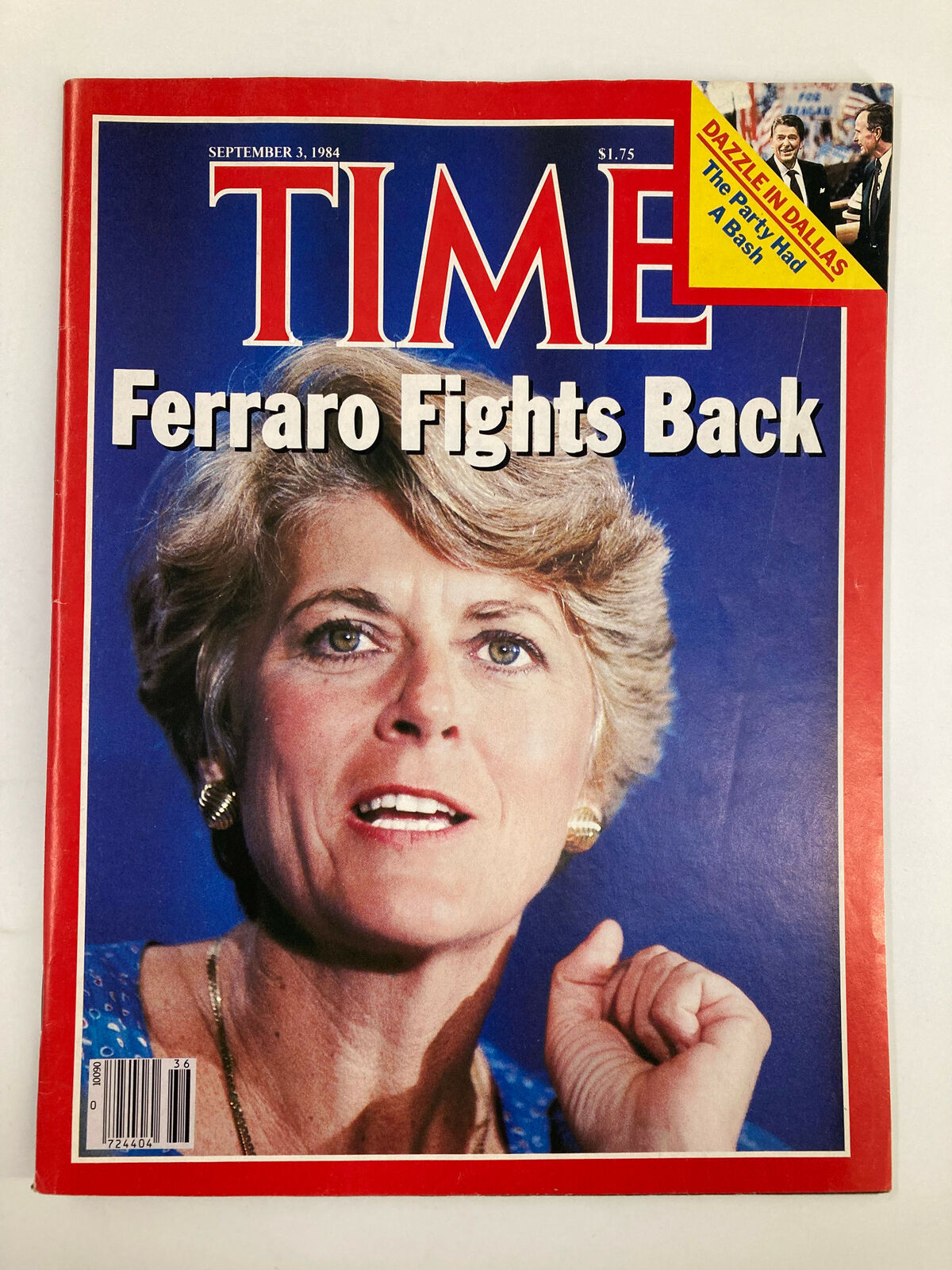
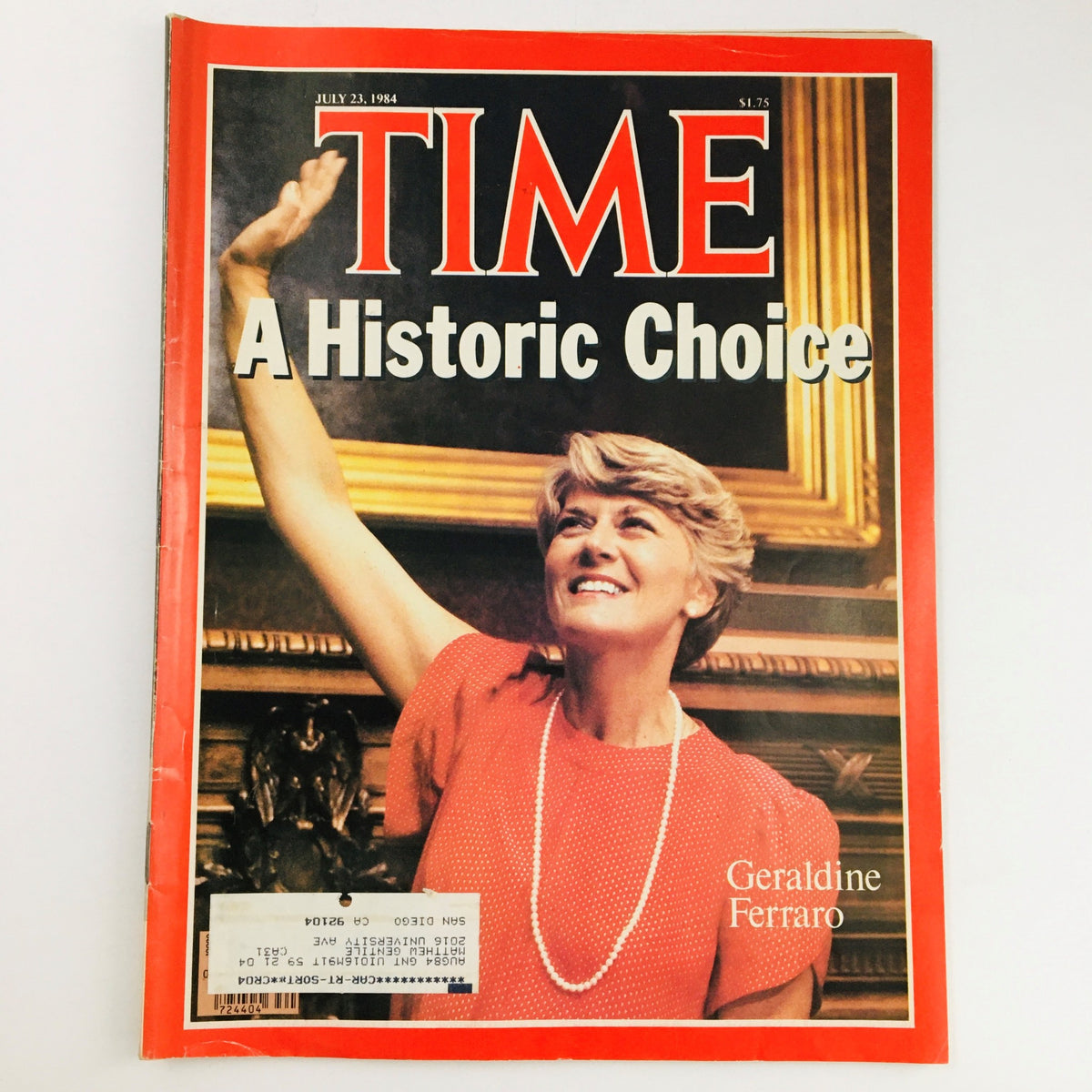
In the summer of 1984, something happened in American political life that had never happened before — and the nation's newsstands bore witness to every electrifying moment. When Walter Mondale selected Geraldine Ferraro as his running mate on the Democratic ticket, he handed a major-party vice-presidential nomination to a woman for the first time in the history of the Republic. For millions of Americans — particularly women who had spent lifetimes being told that certain rooms were simply not built for them — the image of Ferraro accepting that nomination at the San Francisco convention was not a news story. It was a revelation. In an era before the internet collapsed the distance between event and reaction, it was the printed page — the magazine cover rushed to press, the newsweekly's breathless editorial, the glossy political journal's exhaustive profile — that carried the weight of that moment into living rooms, waiting areas, and kitchen tables across the country. She was a Queens-born congresswoman, the daughter of Italian immigrants, a former prosecutor who had clawed her way to the center of American power through sheer force of will and legal acumen. The press did not merely report on her; they processed, debated, celebrated, and scrutinized her in real time, on the printed page, in a way that made the physical magazine an artifact of a genuinely seismic cultural shift.
Inside the Archive
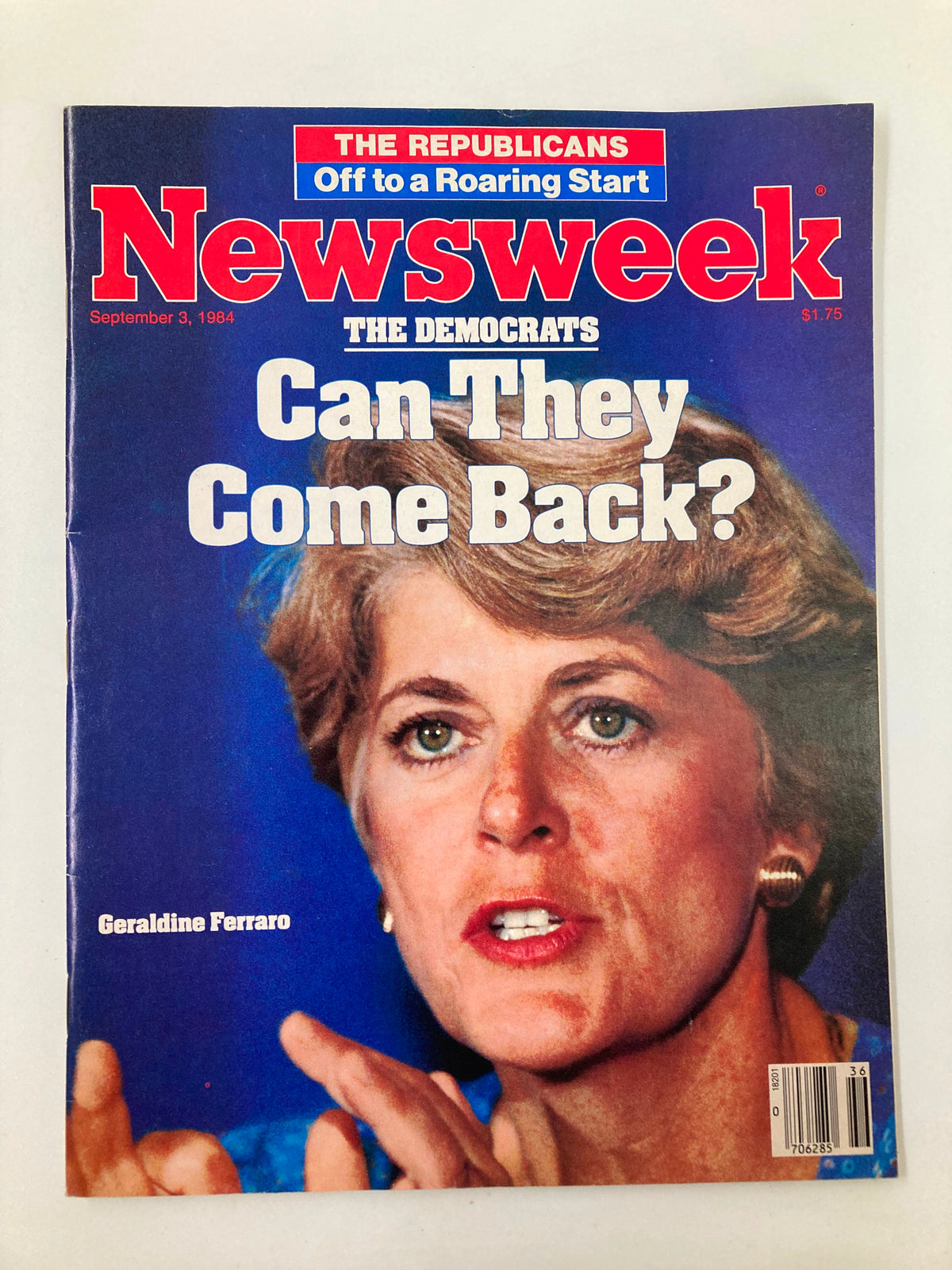
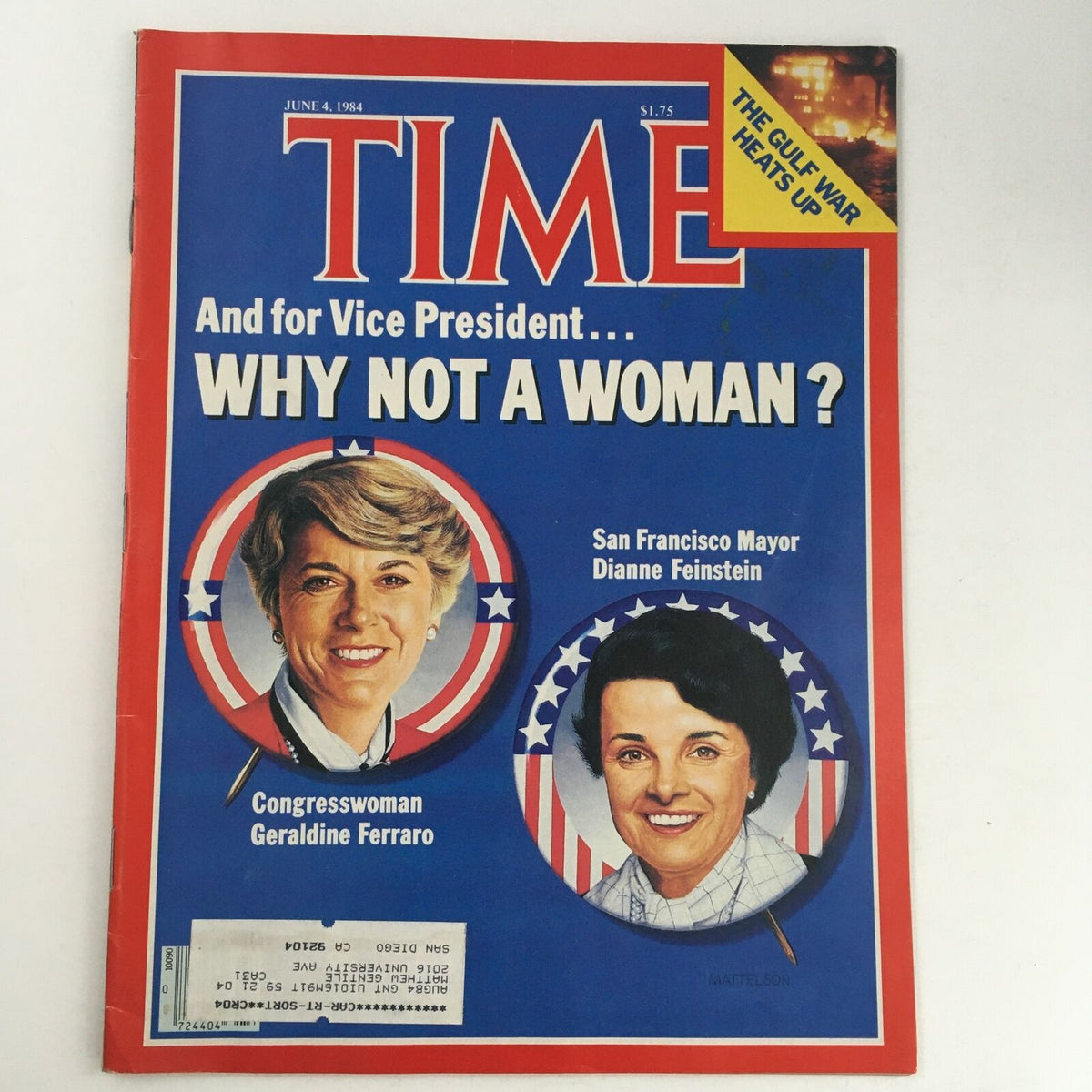
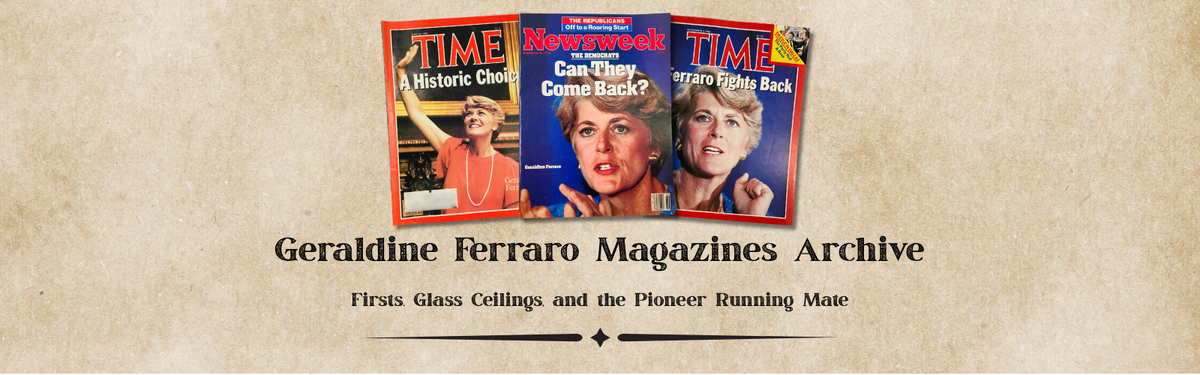
The editorial coverage of Ferraro's historic 1984 campaign was voluminous, urgent, and — by the standards of the era — remarkably varied in tone. Time and Newsweek, the twin pillars of American newsweekly journalism, engaged in an almost competitive fervor to define her for the public, producing landmark cover stories that combined sharp political analysis with a frank fascination with what her candidacy meant for American womanhood. Ms. Magazine, the foremost journal of the feminist movement, approached her story with a sense of hard-won triumph, framing her nomination as the culmination of decades of organized political activism. Overseas, publications such as Paris Match and the British press treated her as a uniquely American phenomenon — a symbol of democratic possibility — and their coverage offers a fascinating external lens on how the world perceived this pivotal moment in U.S. history. The photography across these publications was strikingly intimate for political journalism of the period: editors favored images of Ferraro mid-speech, jaw set, gesturing with conviction before vast crowds, alongside quieter portraits that underscored her identity as a mother, a wife, and a working woman — a deliberate editorial choice that both celebrated and, at times, complicated her historic run.
Curator's Checklist: Highlights Often Include
- Convention & Nomination Coverage (Summer 1984): Issues from July and August of 1984 frequently capture the immediacy of the Democratic National Convention, with editorial teams having gone to press within days of her historic selection — raw, urgent, and unfiltered by the hindsight of history.
- Campaign Trail Portraiture: Collectors often seek out issues featuring photo-essay spreads from the Mondale-Ferraro campaign trail, offering a vivid documentary record of rallies, stump speeches, and the grueling mechanics of a presidential race.
- The Financial Disclosure Controversy: Coverage of this era frequently includes the intense press scrutiny surrounding her husband John Zaccaro's business finances — a chapter that revealed just how differently the media applied standards of examination to a woman on a national ticket.
- Post-Election Reflection & Legacy Pieces: Following the November defeat, a wave of long-form retrospective journalism emerged across major publications, assessing what her candidacy had permanently altered in the architecture of American political possibility.
- Later Career & Public Life: Our archive often features coverage from her subsequent Senate campaigns in the 1990s, her role as U.S. Ambassador to the U.N. Human Rights Commission, and her enduring presence as a Democratic stateswoman and cultural touchstone well into the 2000s.
The Collector's Value
To hold one of these magazines is to hold the precise temperature of a moment that textbooks can only approximate. The slightly coarse newsprint of a 1984 Newsweek, the heavier, lacquered stock of a Ms. Magazine cover story, the faint ghost of ink and aged paper that rises when you turn a page — these are not mere aesthetic details. They are the sensory evidence that this history was lived, that real people stood at a drugstore rack and reached for this very issue because something extraordinary had just happened and they needed to understand it. The advertisements tucked between the editorials — the automobiles, the perfumes, the appliances of that precise cultural moment — provide an irreplaceable sense of the world as it actually was, not as it has been remembered. For collectors of American political history, feminist history, or Italian-American cultural heritage, these publications offer something no digital archive can replicate: a primary source you can hold in your hands, an object that existed on the day history was made. Explore the current selection of available issues below and find the piece of that unrepeatable era that belongs in your collection.